
LETJOG PEAKS Nos 32 & 33: Pilot Hill, Hampshire (286 metres), and Walbury Hill, Berkshire (297 metres)
Walk Date: Wednesday 12 July 2023
Today is the last of my walks to encompass two of my LETJOG Peaks in one ramble, in this case on the North Wessex Downs within a couple of miles of each other. Avid followers of this Blog may recall my walk up Milk Hill in Wiltshire (Blog heading ‘Face The Sun’ on 18 April), and these two latest County Tops are located just around 18 miles to the east of Milk Hill as the crow flies. As for the weather, Lady Luck was smiling today as the forecast storms, visible from afar all around the Downs, failed to arrive until the walk was done.
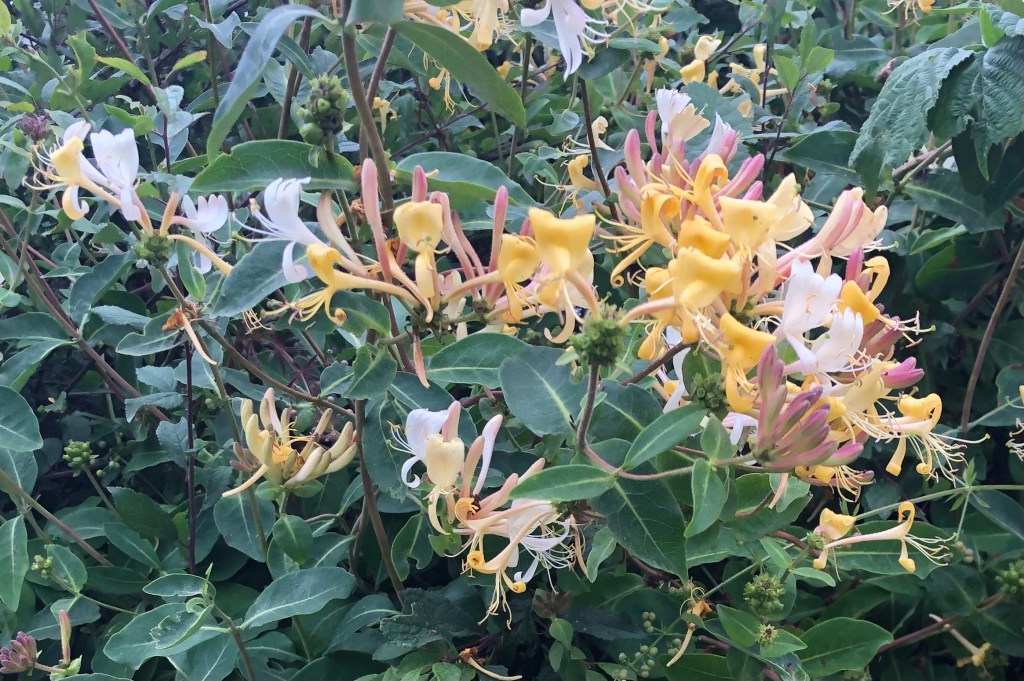
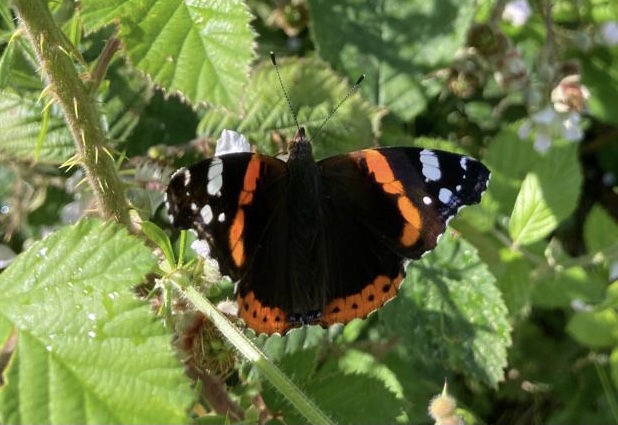
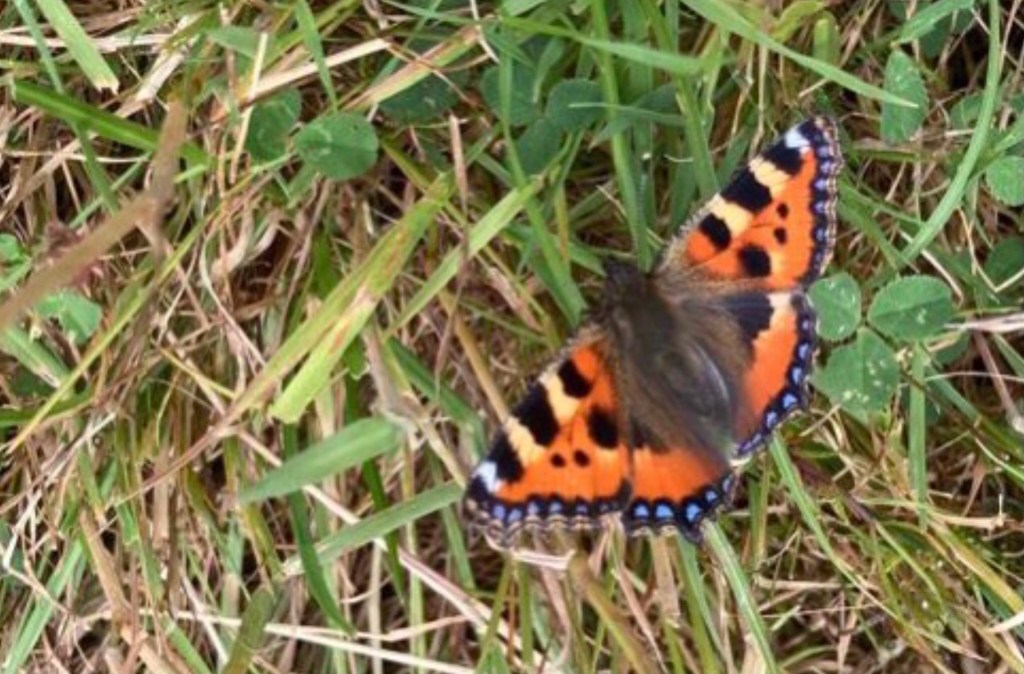
Joining me on what proved to be a fabulous day of verdant vistas and bucolic beauty was Mandy, one of my earliest friends from college days in Exeter. Aside from the fine company, I had with me today an expert in wildlife, to whom it would appear that birds and butterflies in particular are attracted. With hedgerows, fields and woods abundant in birdlife we saw, and heard the identifiable calls of, kites, buzzards, skylarks, wood pigeons, goldfinches, coal tits, black caps, chiffchaffs, blackbirds and many others. I am not strong on bird calls, so some knowledge here was most useful – although it is fair to say that the ‘take-away’ for me is to get the ‘Merlin’ App soon! As far as butterflies are concerned today was also quite a revelation to me. The haven provided by the undisturbed grasslands, brambles and nettles on the tops of the Downs gives rise to a spectacle that I thought had long-vanished, with a great many butterfly species dancing in huge numbers amongst the dense vegetation in search of nectar and a mate. Before looking at the walk itself here are a few of our photos, with due thanks to Mandy for sharing some of her pictures where my stalking skills were clearly less delicate. I hope that I have named all of the species correctly!

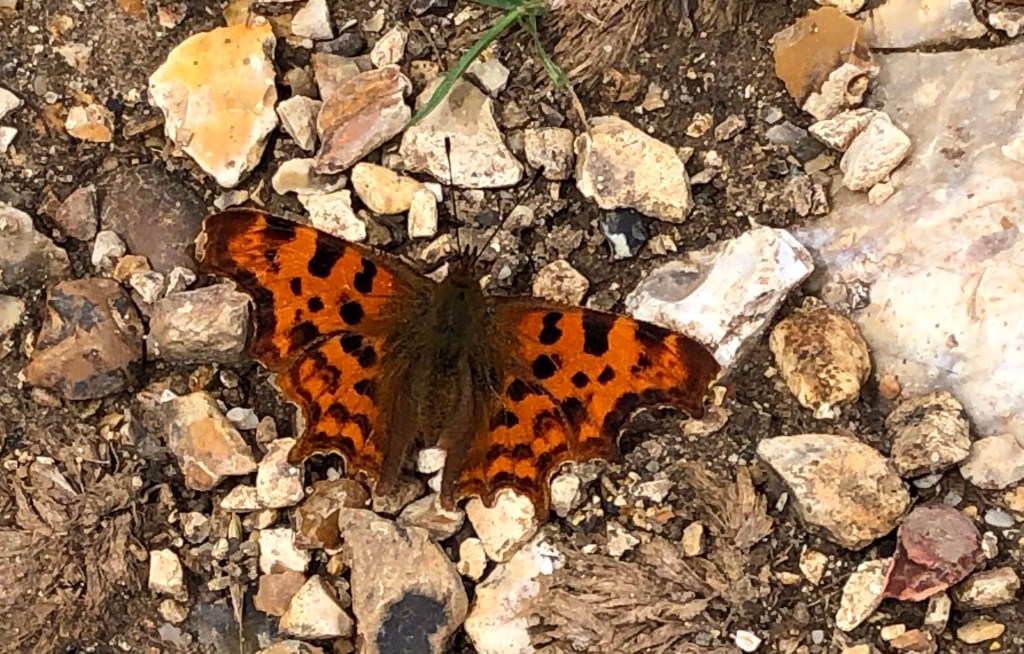
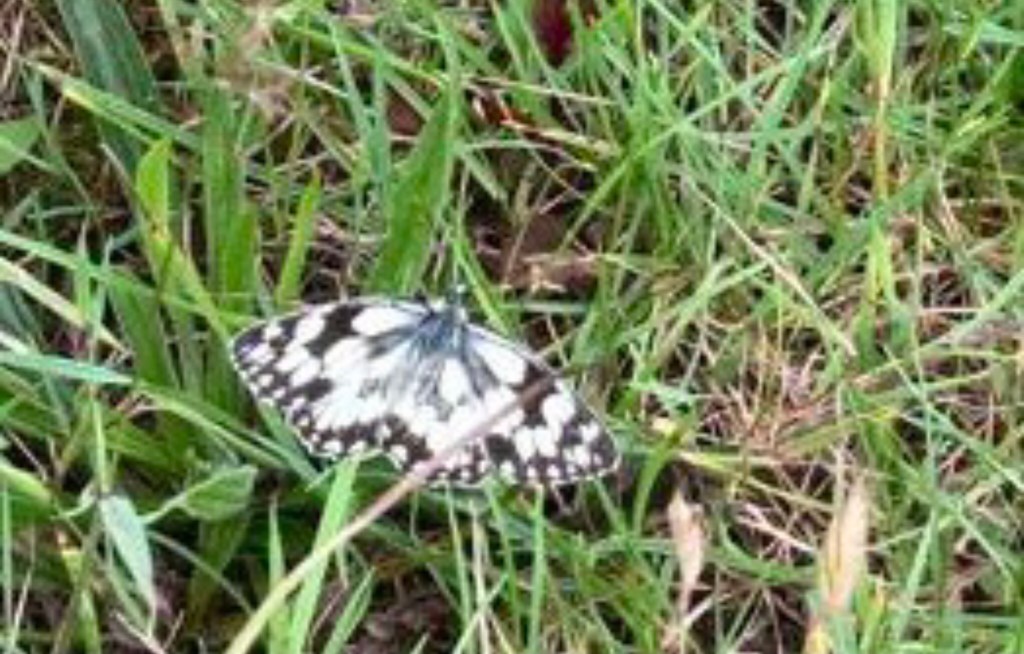
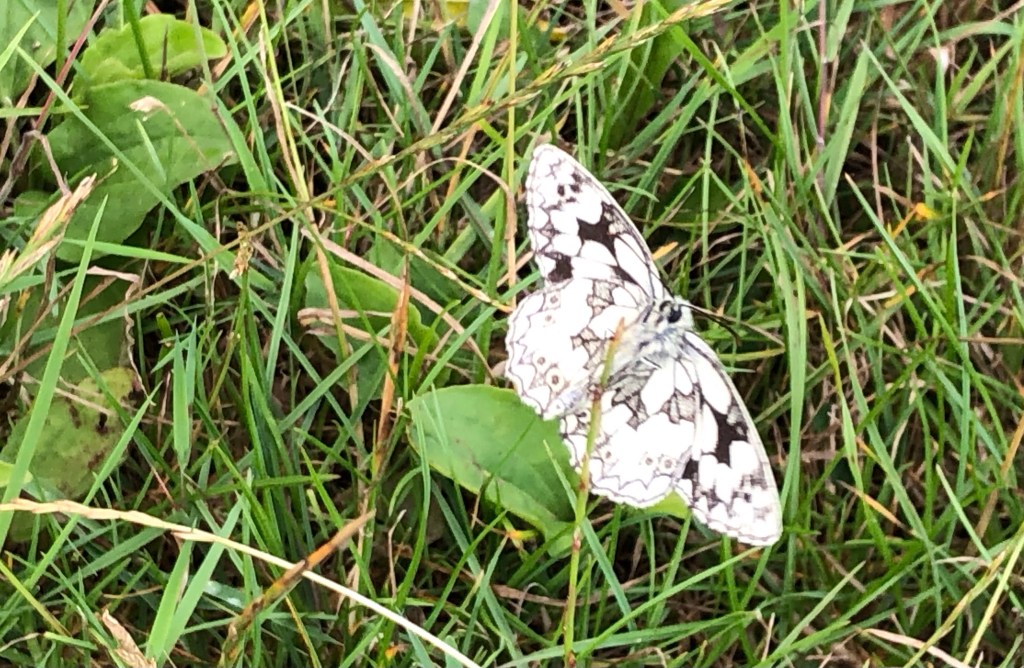
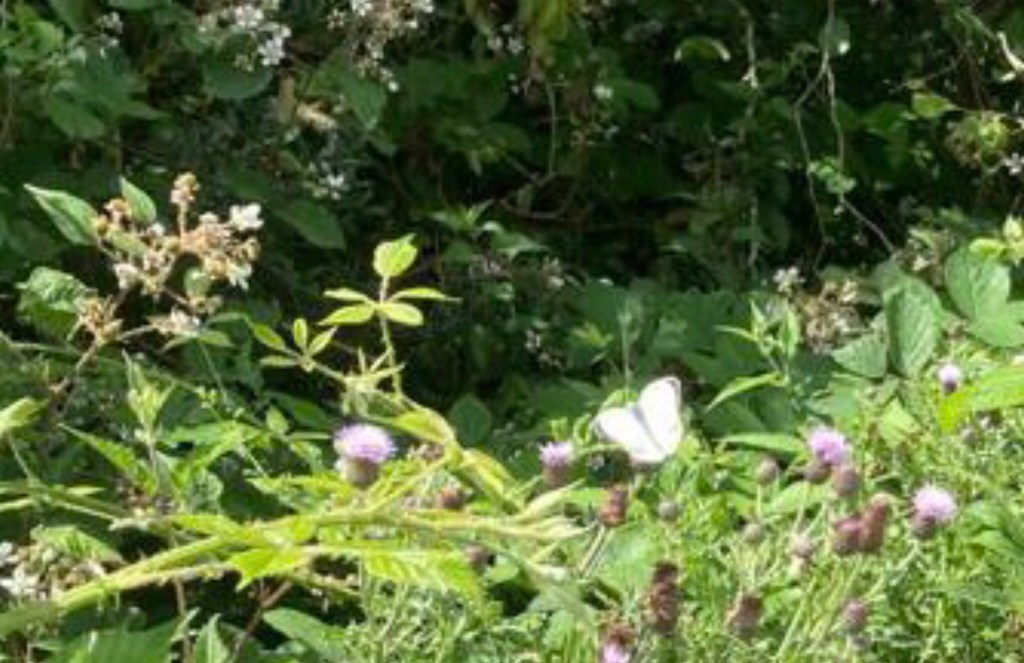
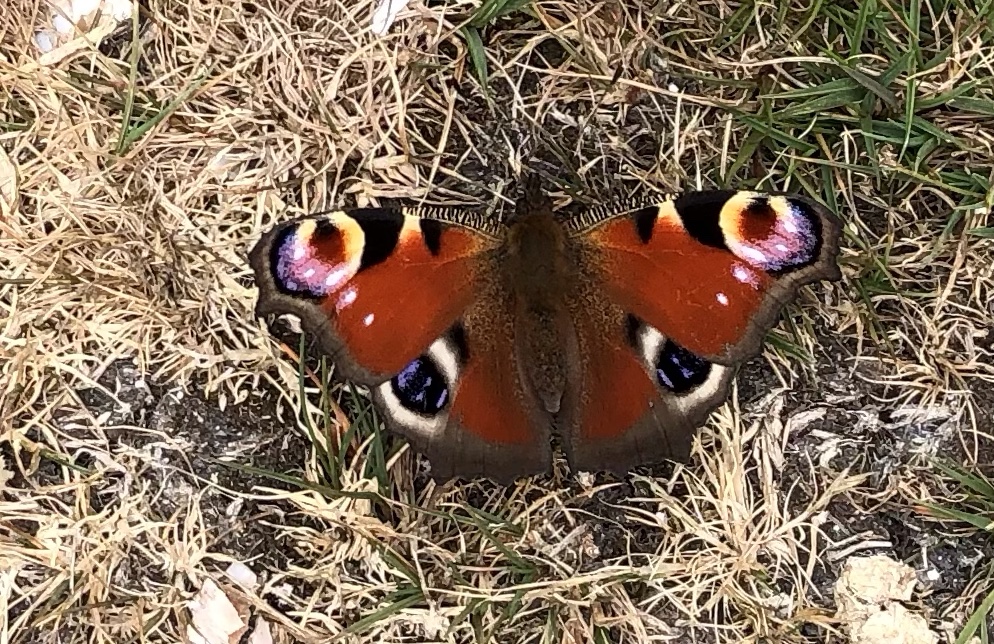

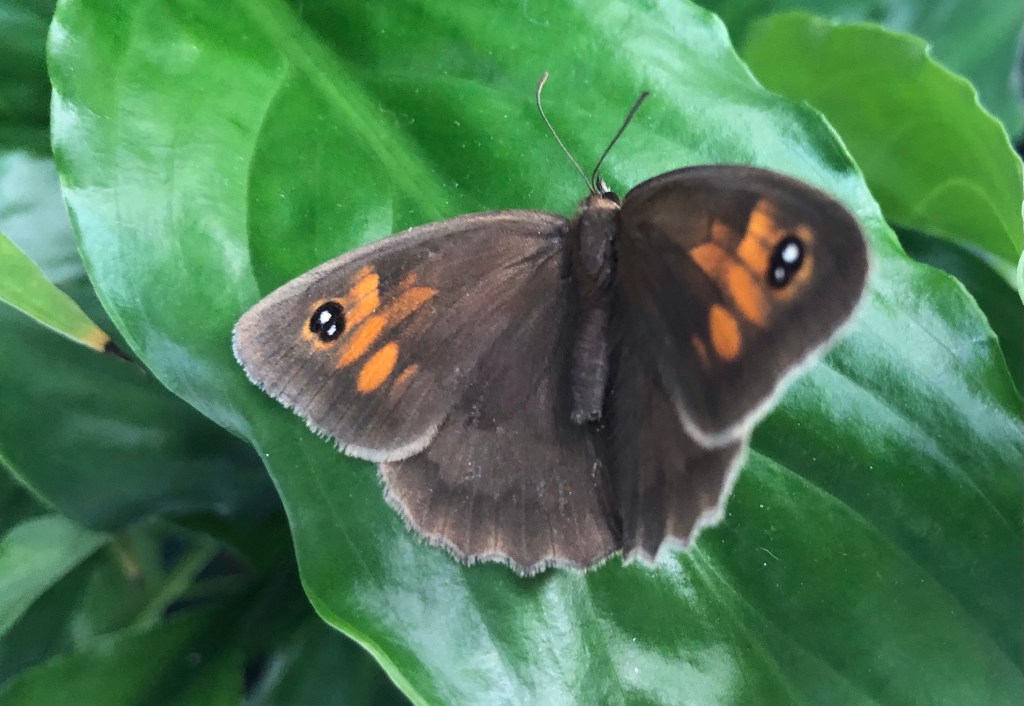
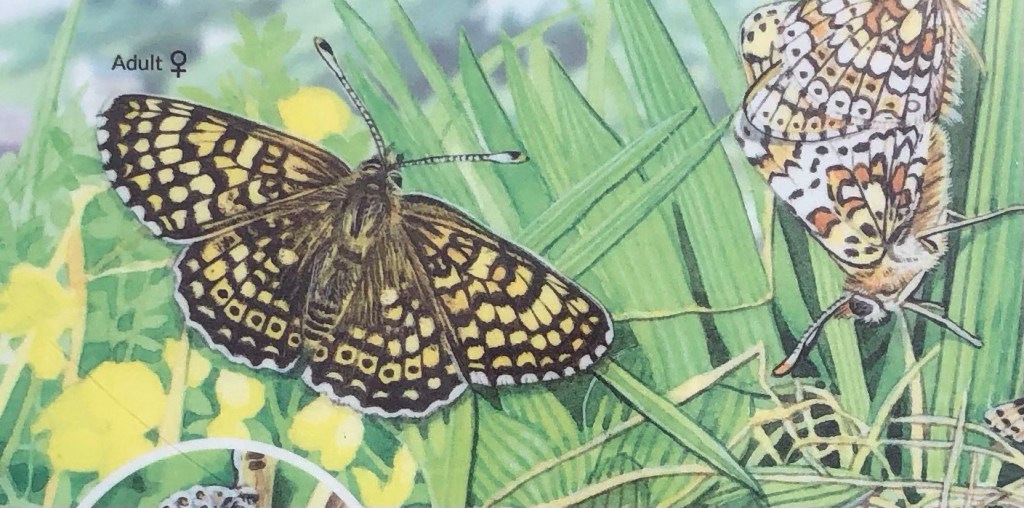
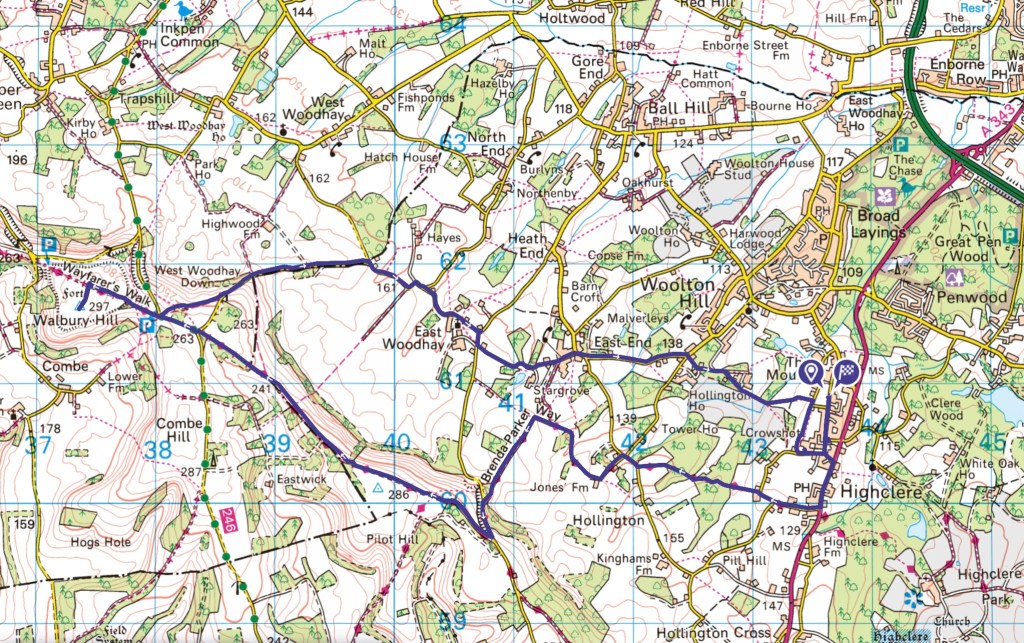
Looking online after our walk it is clear that there are a great many other UK butterflies in addition to the above. I recall from my childhood a huge number and variety of species in our Essex garden, and it is somewhat reassuring to know that most of these are still out there in our countryside if one has the time and knows where to look. But turning now to the journey of our walk itself, I hope that these pictures do justice to our eleven miles of exertion across some of southern England’s finest countryside.
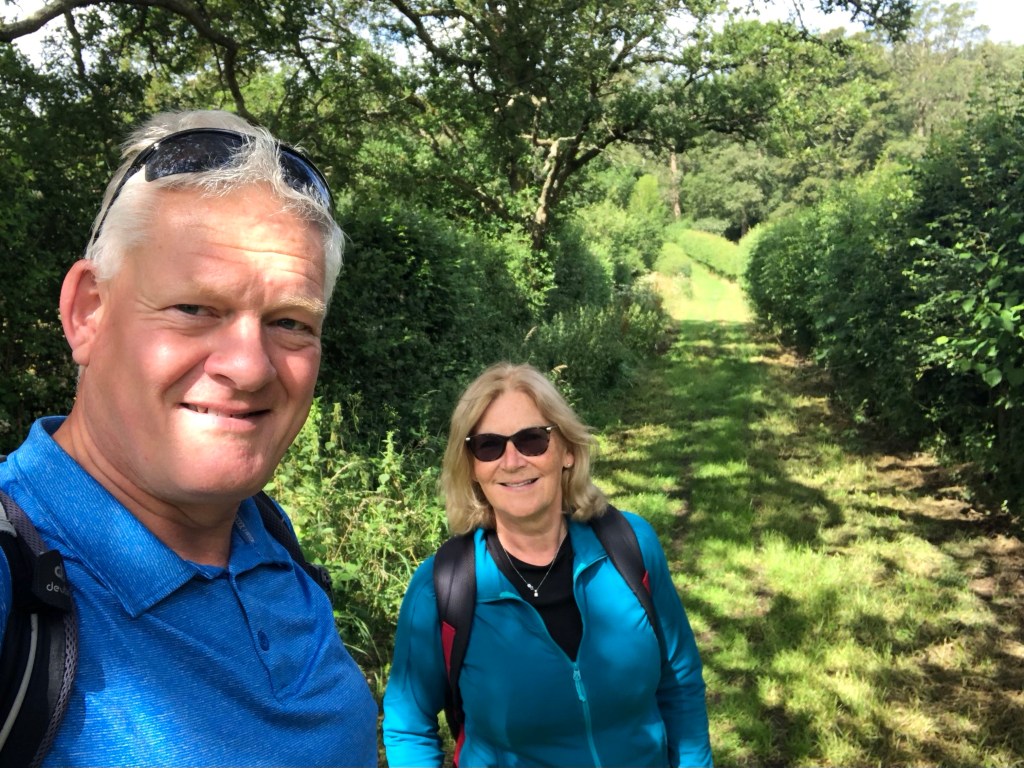
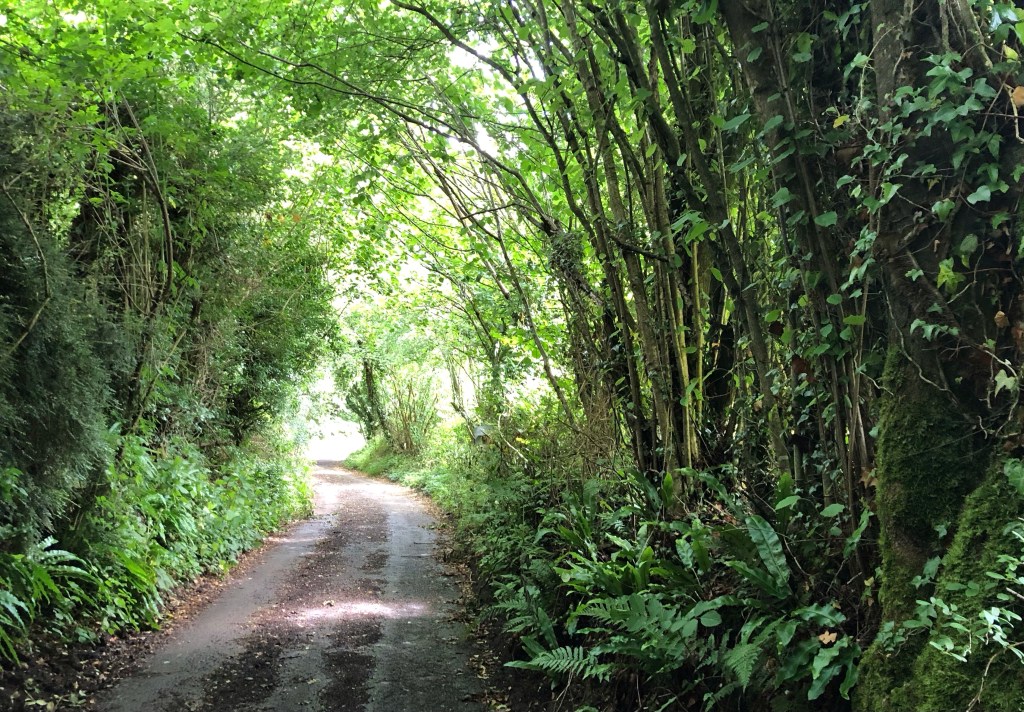

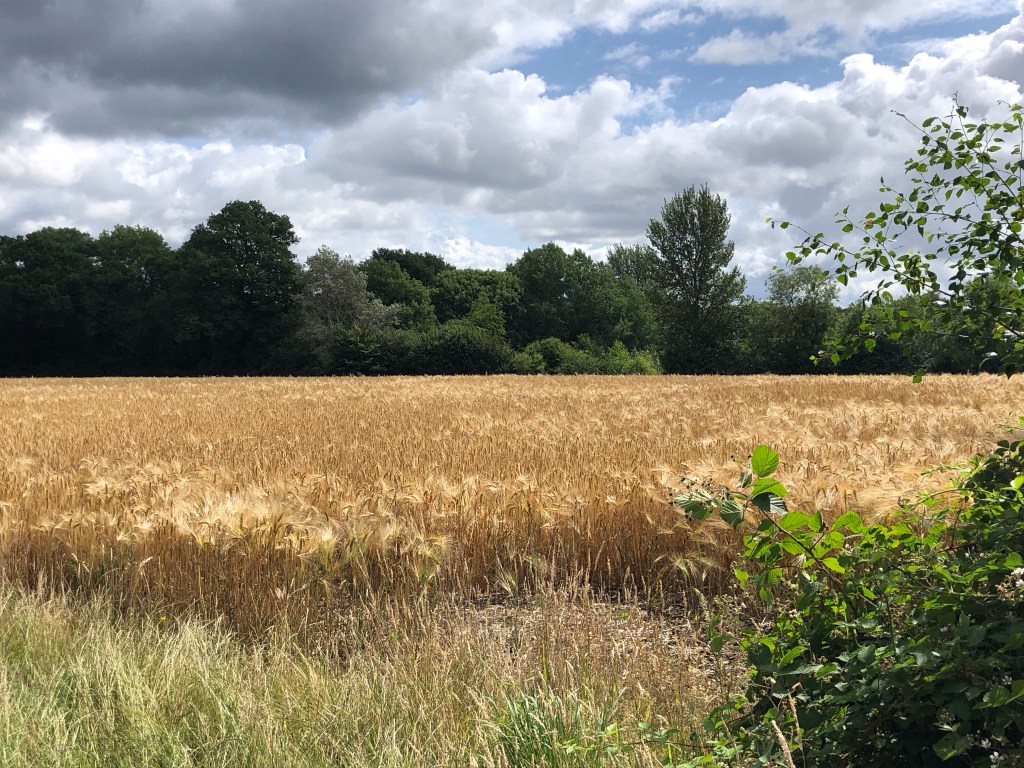
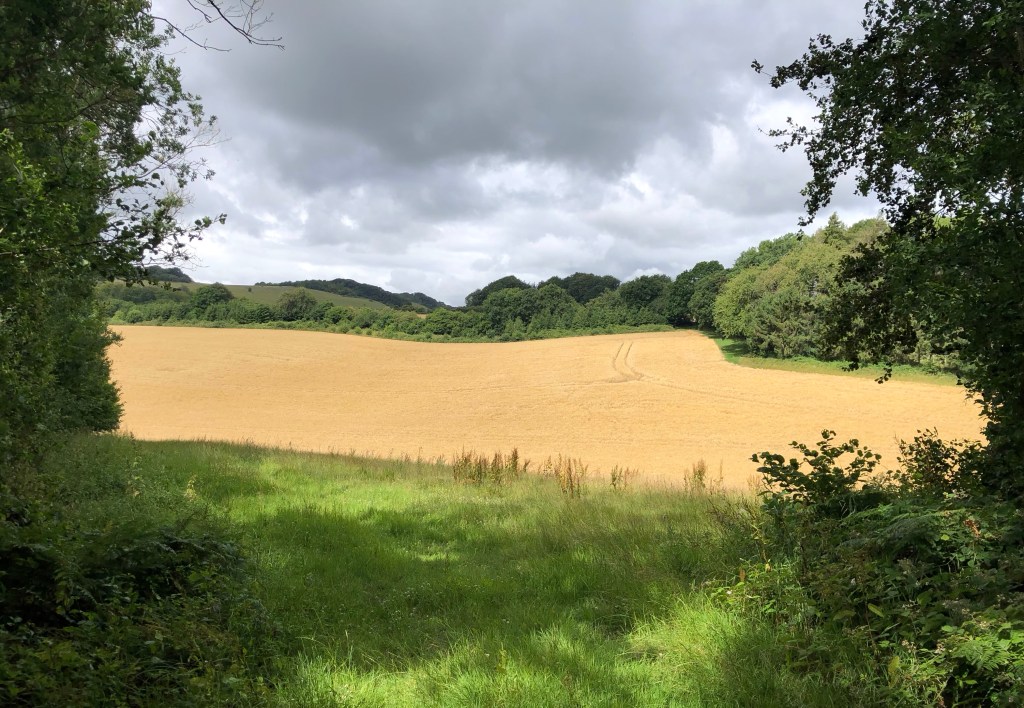
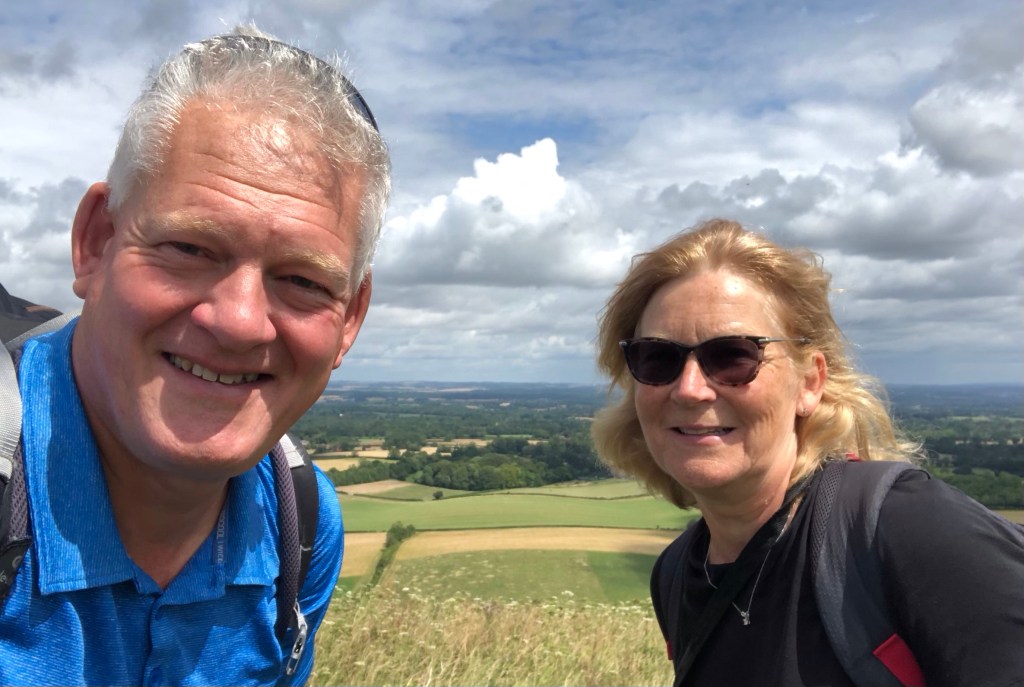
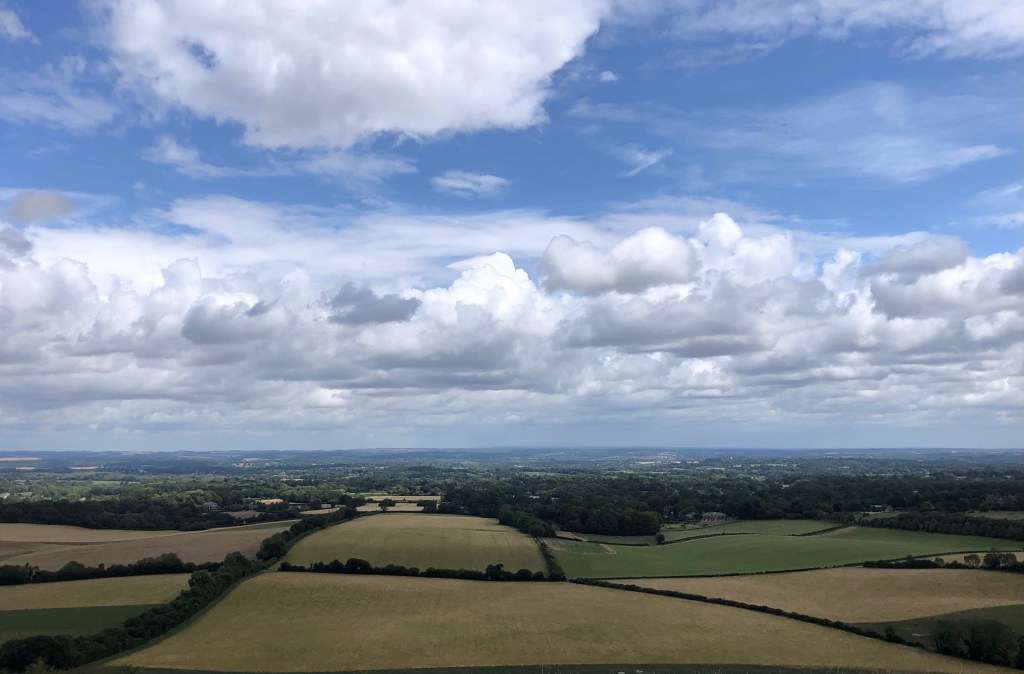
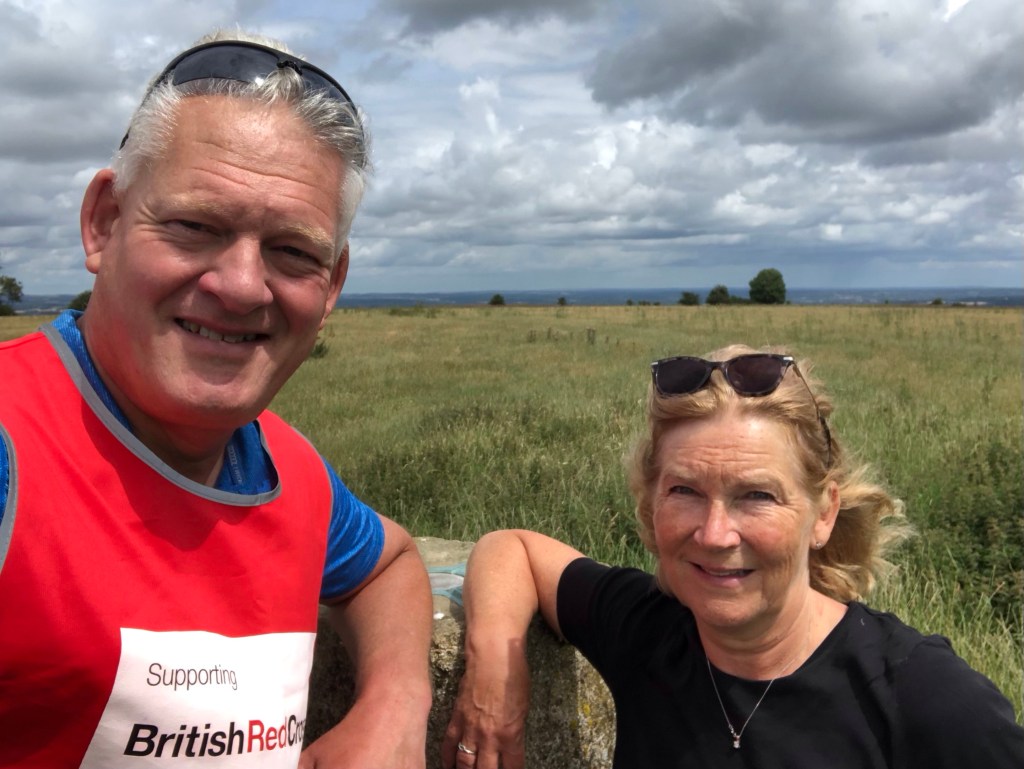
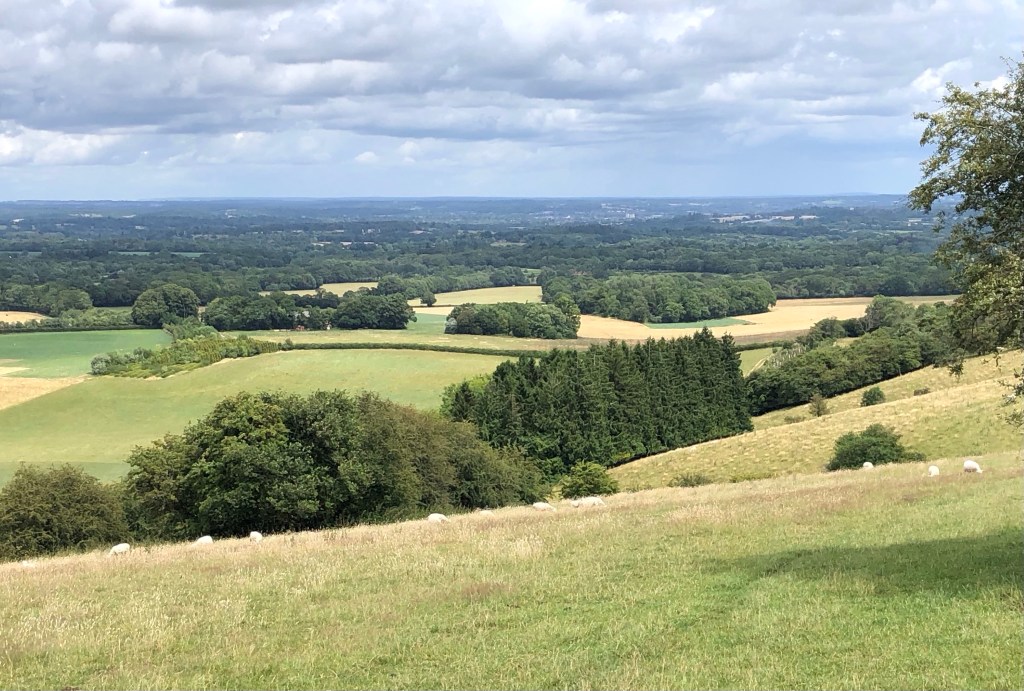
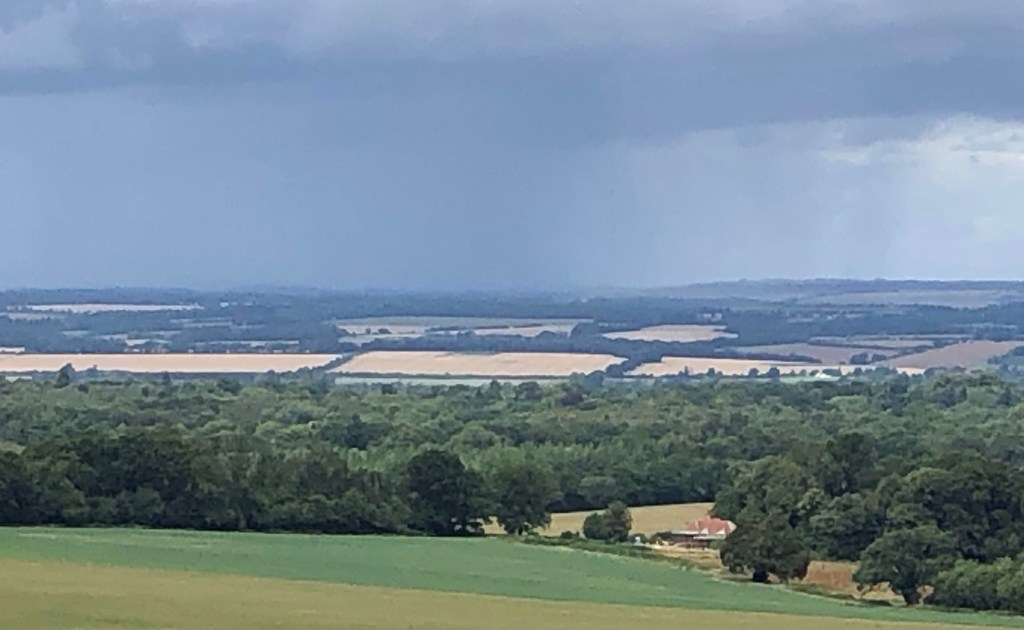

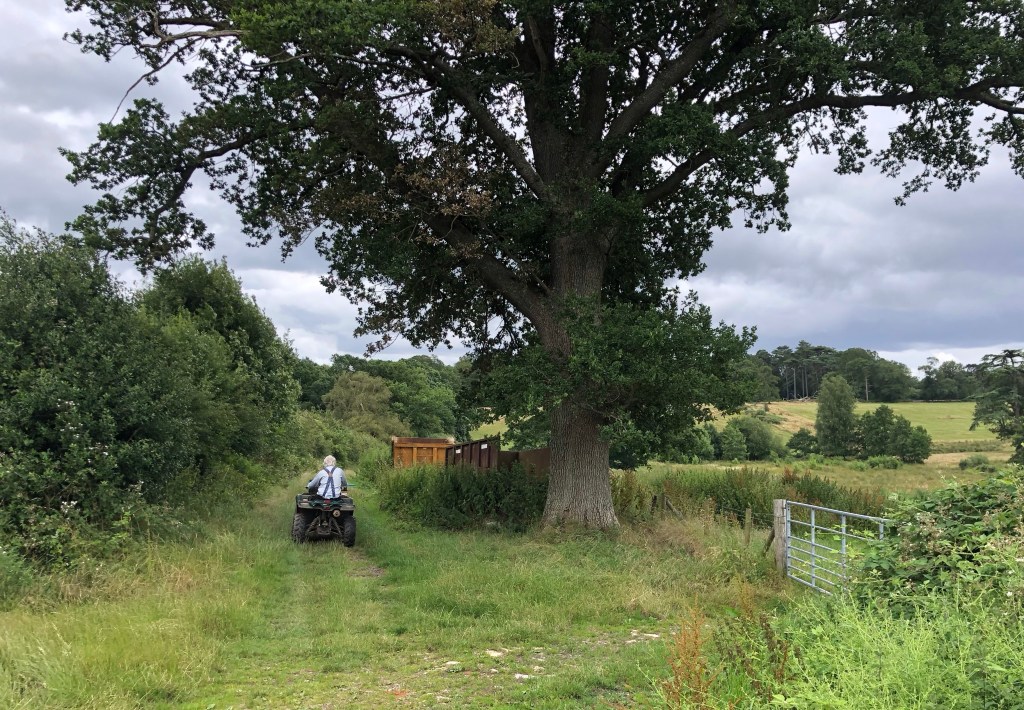
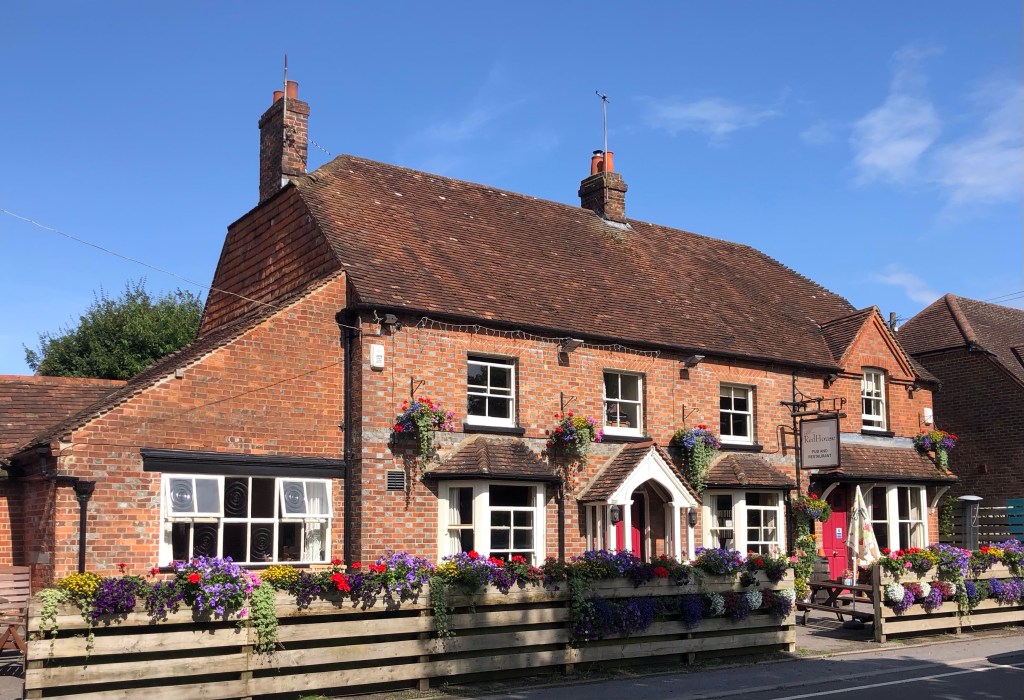
A fine walk completed, we enjoyed a drink back at The Highclere Red House who had set us on our way with a coffee several hours earlier. Many thanks Mandy for joining me and for sharing your remarkable knowledge of birds and butterflies (in particular), and for the easy conversation as the miles flew by – and I hope for you also!

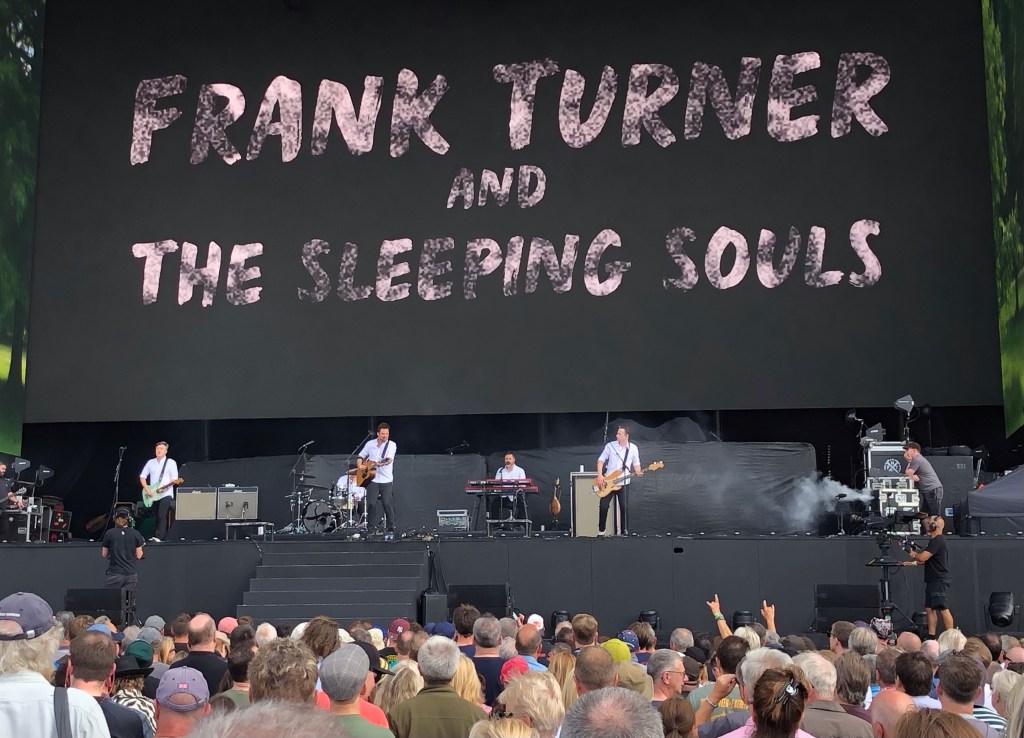
Even though we somehow managed to miss the worst of the thundery downpours, the song title that I have chosen as my Blog heading today is ‘The Next Storm’, a self-penned number by Hampshire-based punk and folk singer-songwriter Frank Turner that appeared as a single from his 2015 album ‘Positive Songs for Negative People’. Turner was brought up in the village of Meonstoke, just a few miles to the north of Portsmouth, from where I have been writing this Blog tonight following my walk today and ahead of my planned day-trip tomorrow to the Isle of Wight for the next of my LETJOG Peaks. I was lucky last week to see Frank Turner in concert with his band The Sleeping Souls, appearing as one of the support acts to Bruce Springsteen and the E Street Band in Hyde Park; he performed a short set of twelve songs, including ‘The Next Storm’ – a fine start to a fantastic afternoon and evening of great music that I will remember for a good while!
 Walking for Fun, Challenge and Charity!
Just gorgeous pictures of your walk and the butterflies were amazing.
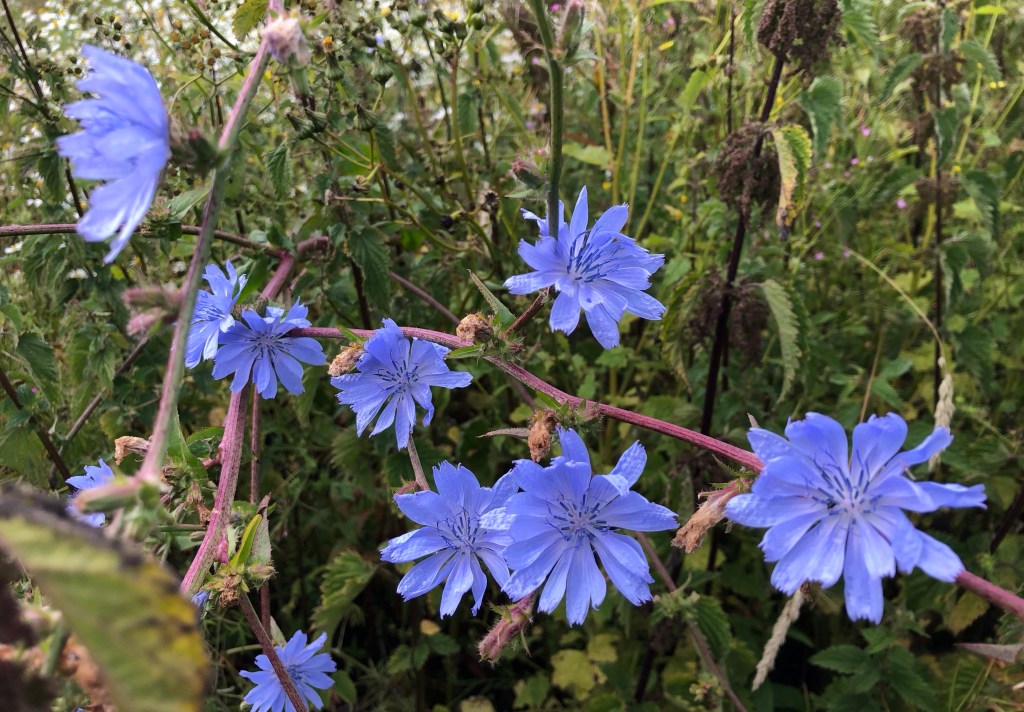
Chicory flowers are such a glorious iridescent blue- who would’ve known?
LikeLike