
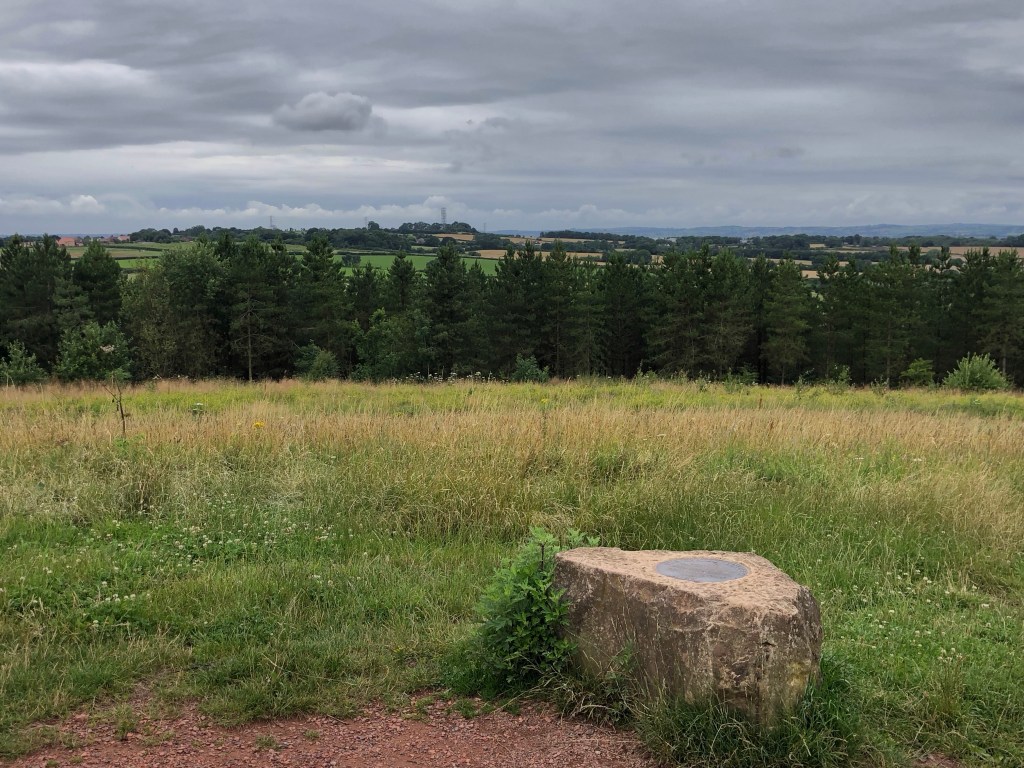
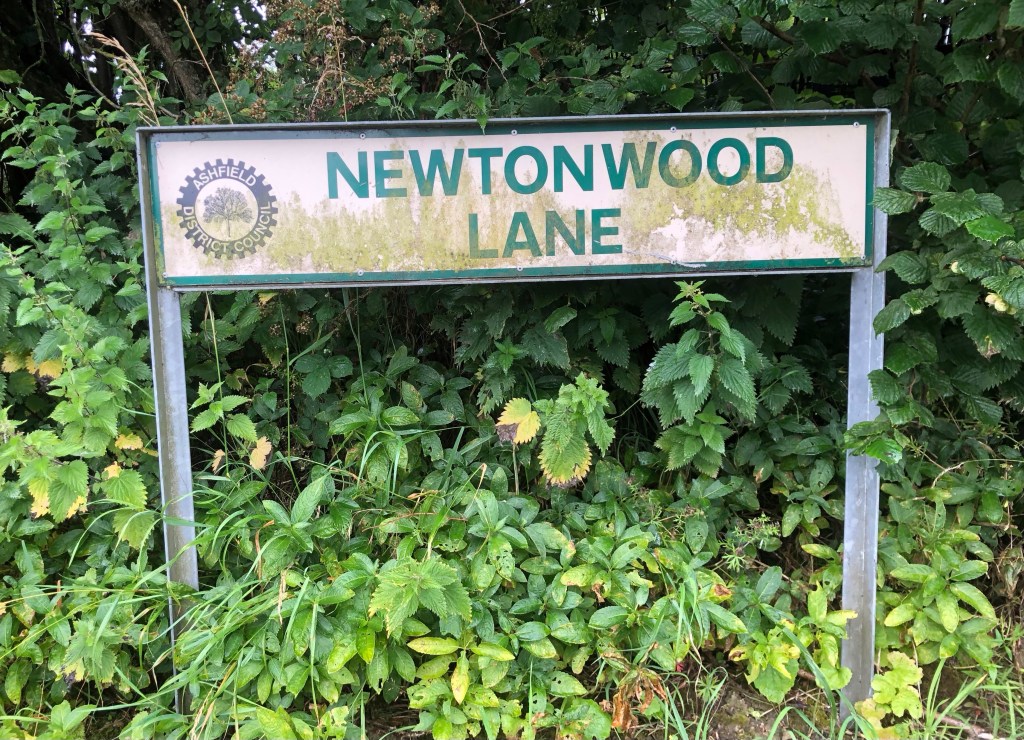
LETJOG PEAK No 35: Newtonwood Lane, Nottinghamshire (204 metres)
Walk Date: Tuesday 18 July 2023
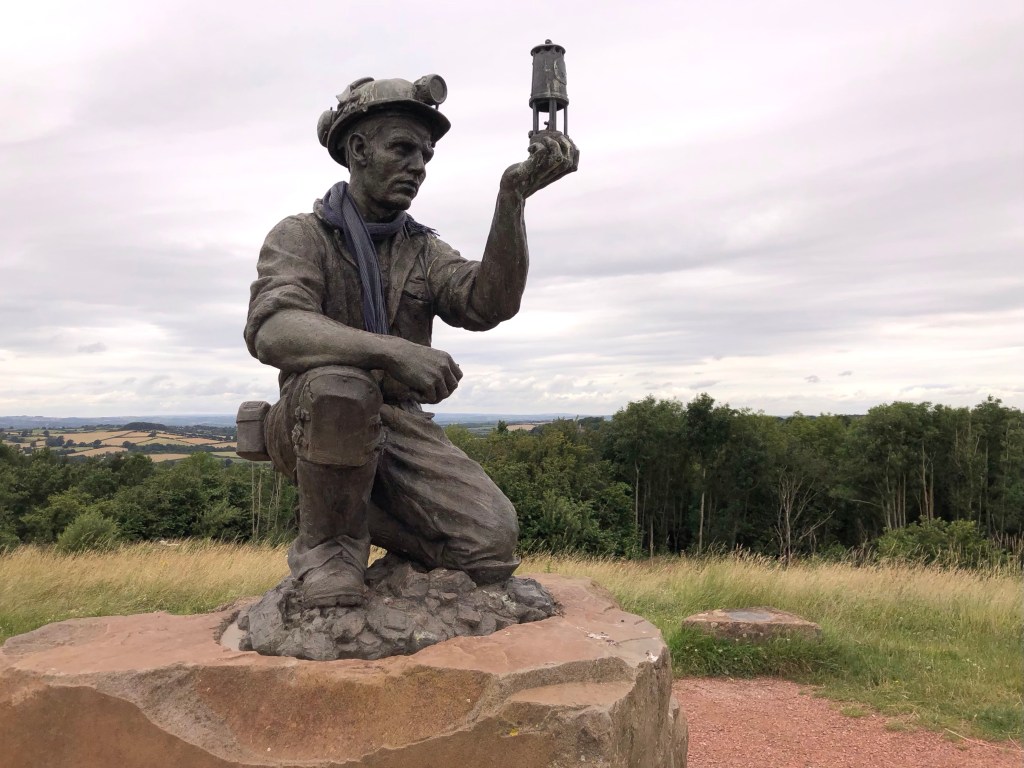
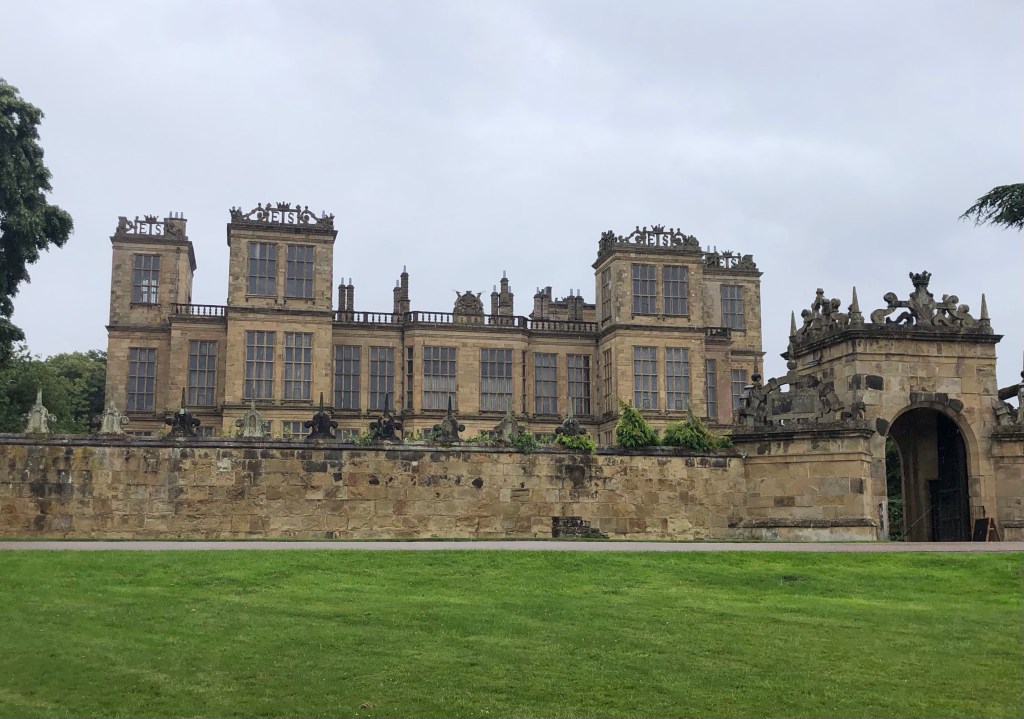
If I handed out grades to my LETJOG Peaks walks for ‘Exceeding Expectations’ then, of those that I have climbed to date, this one would be in first place! When the alarm went off at six this morning I rose more out of habit than excitement, thinking that I had ahead of me a wet foray to the County Top with the least romantic name of them all: Newtonwood Lane. Most of the other peaks either have a suffix of ‘Hill’, ‘Fell’, ‘Beacon’, even ‘Pike, or they stand alone as totems of the English landscape in the manner of Helvellyn, Whernside, Brown Willy, and The Cheviot. But things turned out today rather better than I had supposed, with my 14-mile ramble covering some splendid countryside and a good helping of historical interest, and although the ‘wet’ bit did come to pass for the second half of my trek it did, if anything, add to the experience.
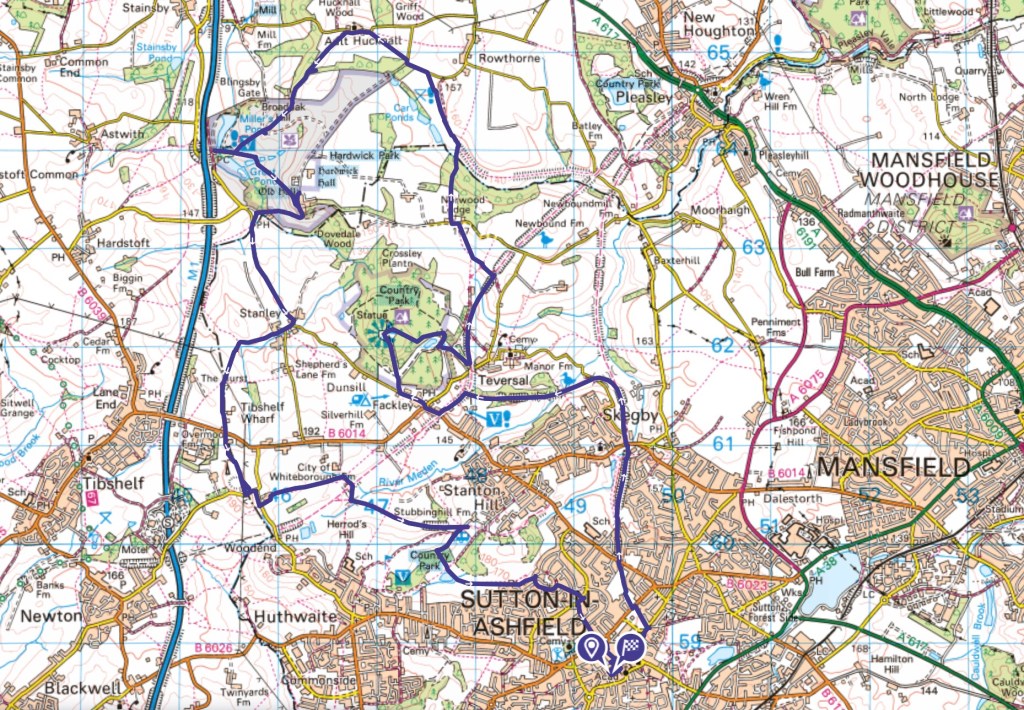
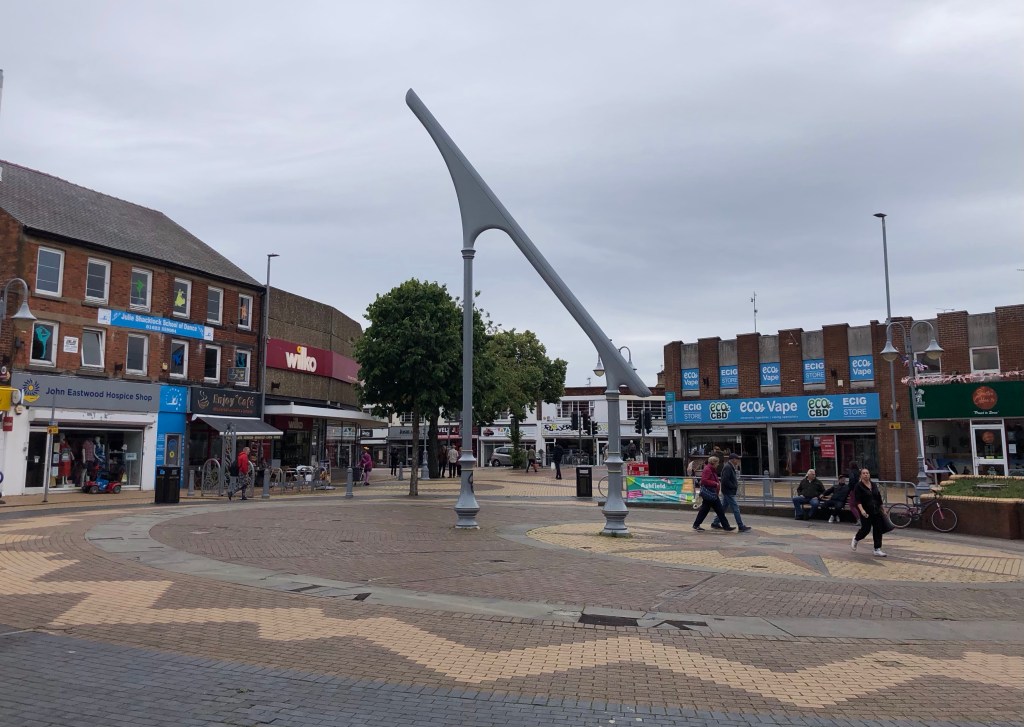
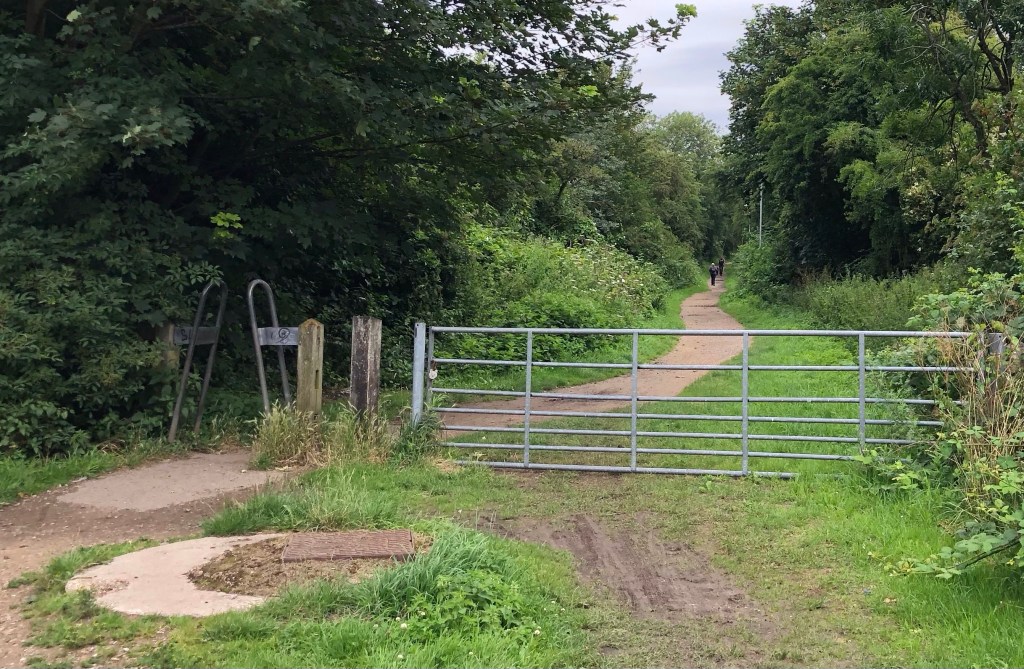
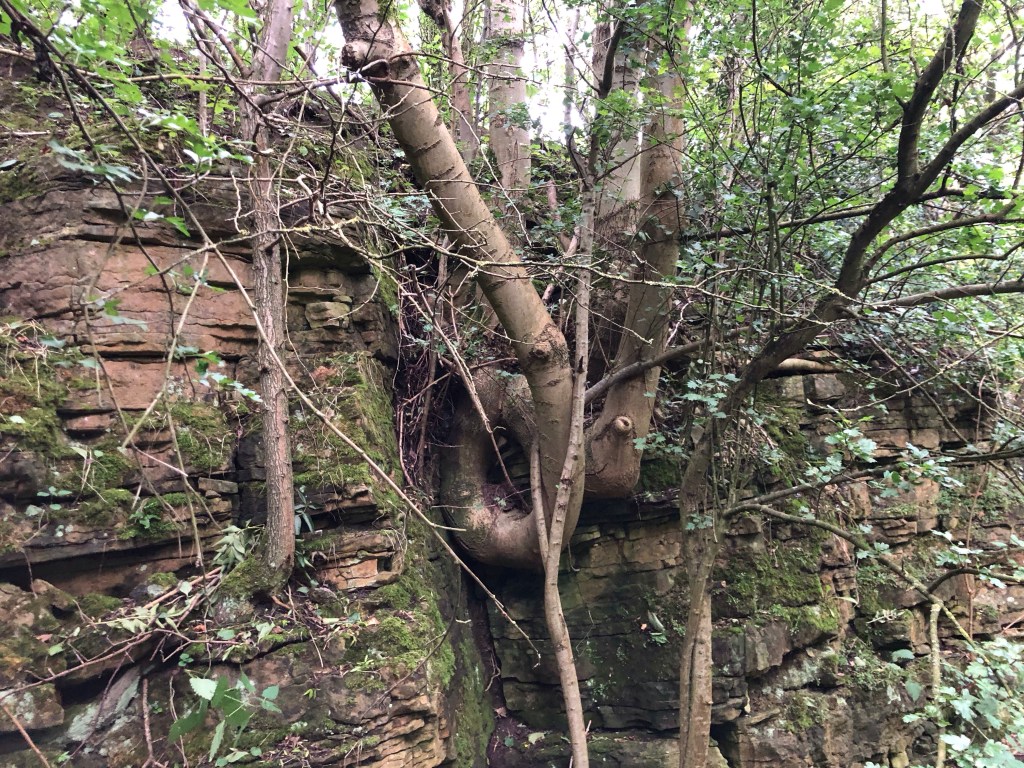
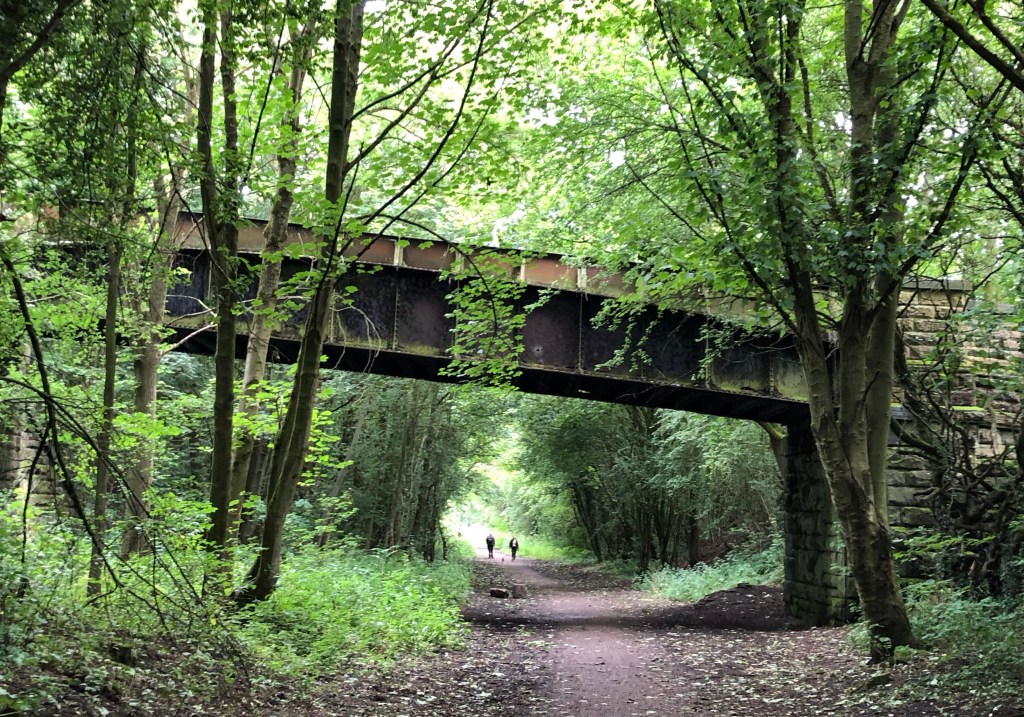
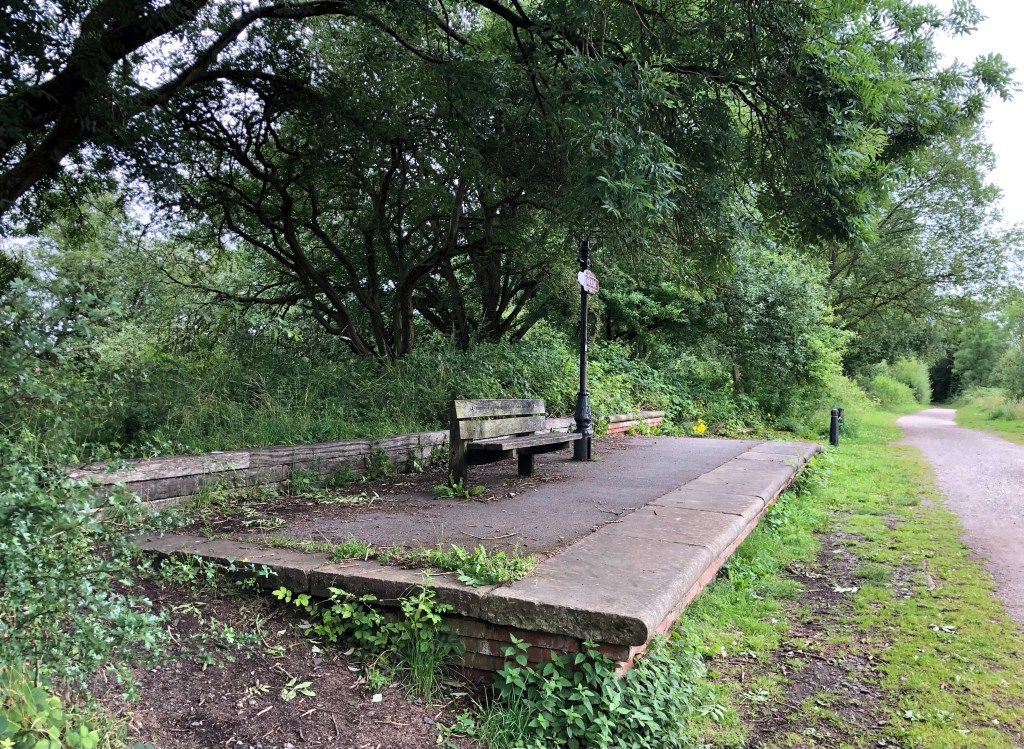
This part of our country, the Nottinghamshire coalfields of yesteryear, was hitherto pretty much unknown to me. The former glories of the coal mining industry are etched into the landscape of the region, where the past commercial importance of coal has bequeathed walkers such as me some marvels of railway engineering along the many former railway lines that cross-cross the area and make for level walks on easy footpaths. Additionally, the care with which some of the former collieries have been restored in the interests of wildlife and recreation has bestowed on the land some fascinating corners of countryside that combine pleasant woodland and grassland habitats with reminders of the county’s mining and industrial heritage. Despite all of this it is easy to see how, perhaps, many of the locals might be ambivalent towards such boons when these are viewed against the evident deprivation of the towns. Sutton-in-Ashfield, where my walk started and ended, is a case in point, notable for its shuttered shops and derelict sites that stand out like missing teeth between the betting shops, vape stores and takeaway outlets on the high street. In more vibrant economic times it would be good to think that the necessary investment will be found to improve the built environment in a similar way to the revamped collieries whilst retaining the special character of the local towns. Discourse over, this is how I got on with my walk.

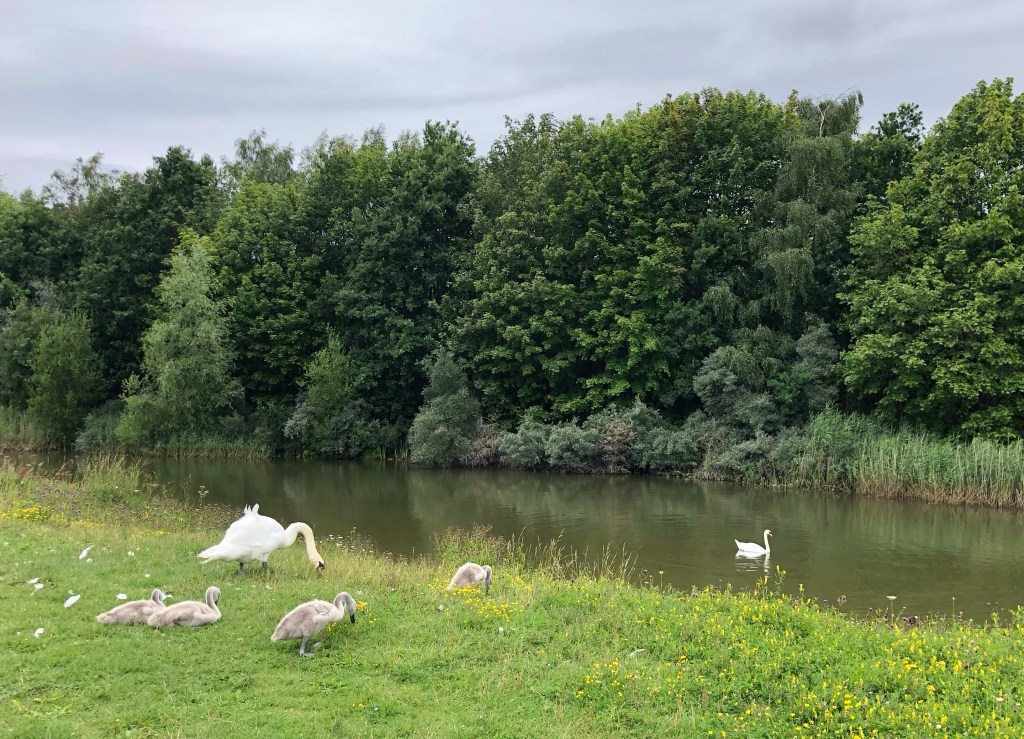
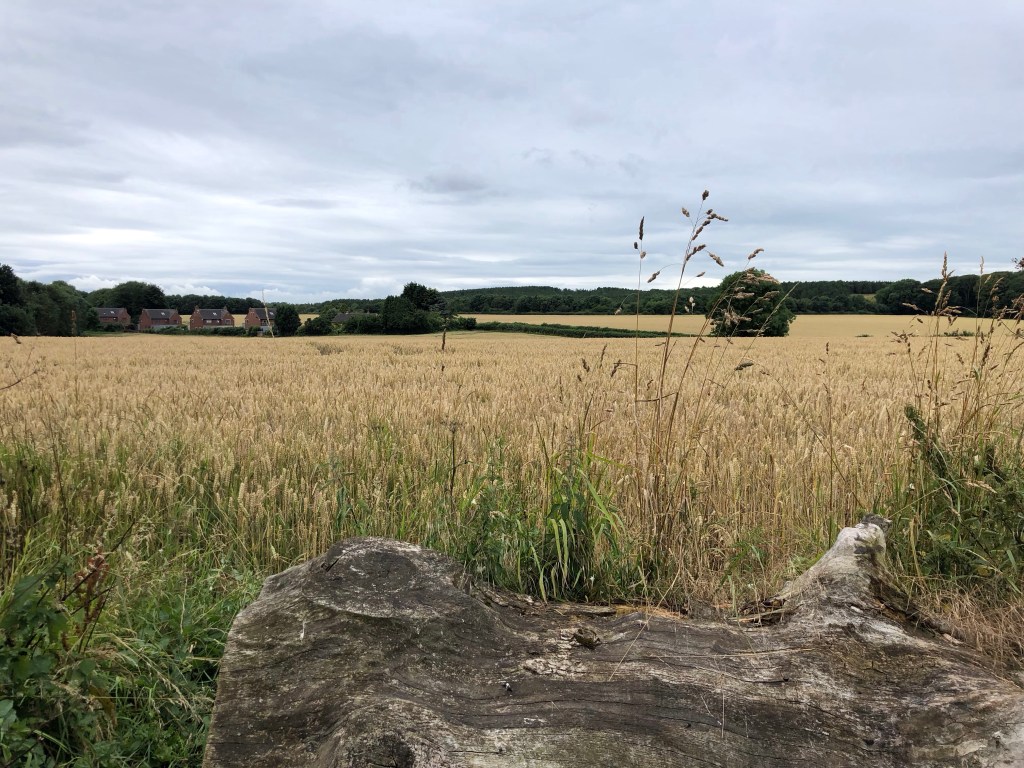
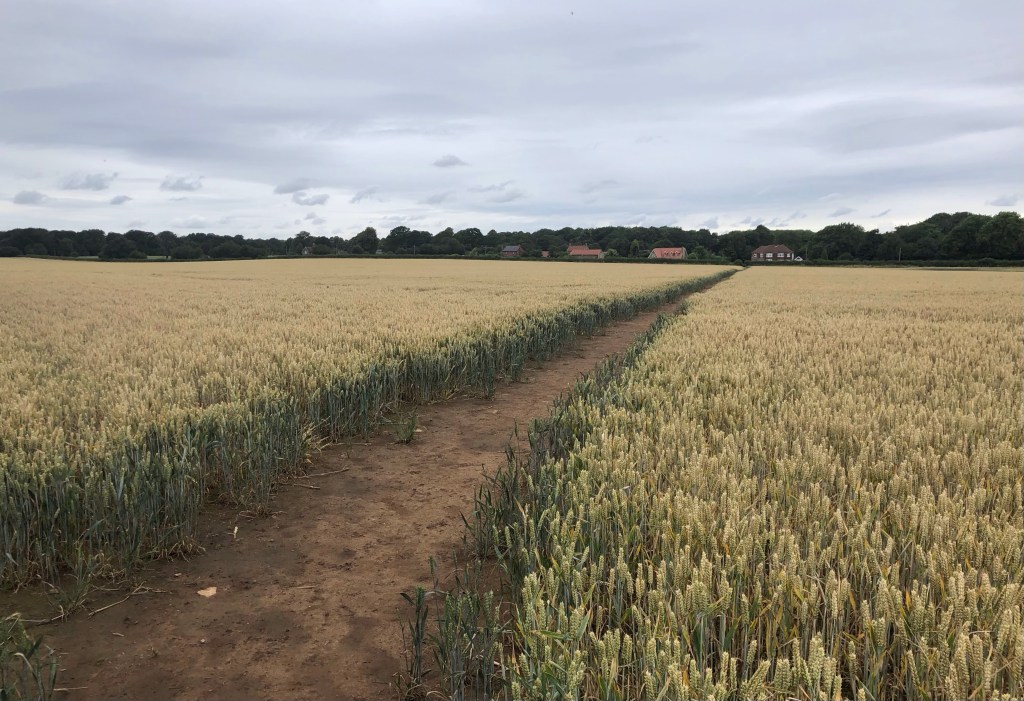
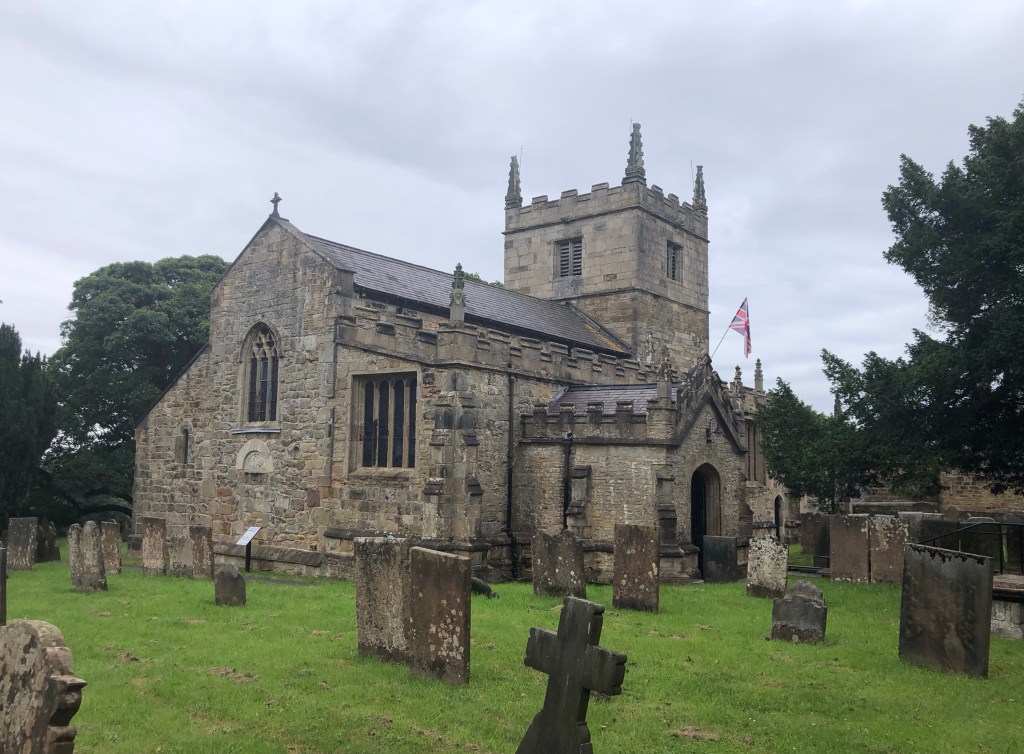
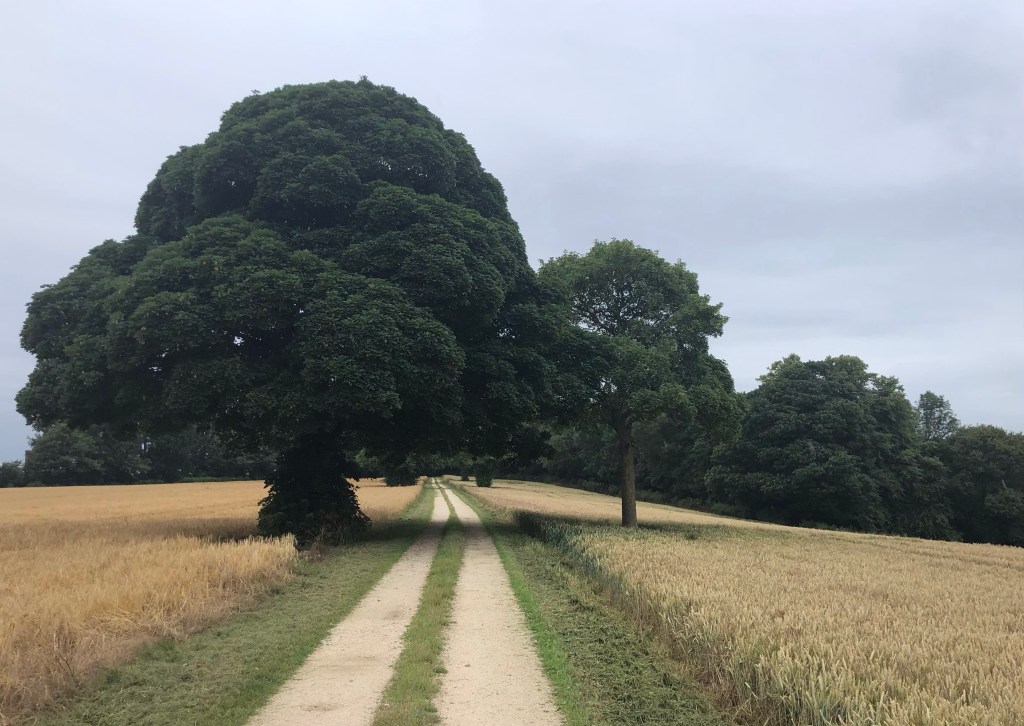
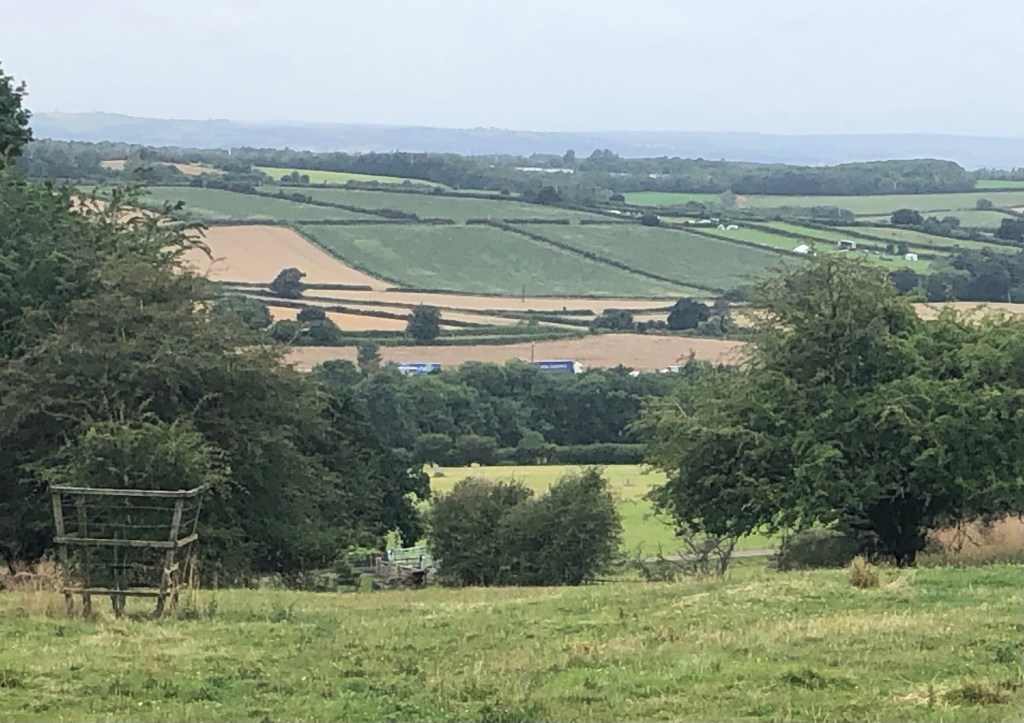
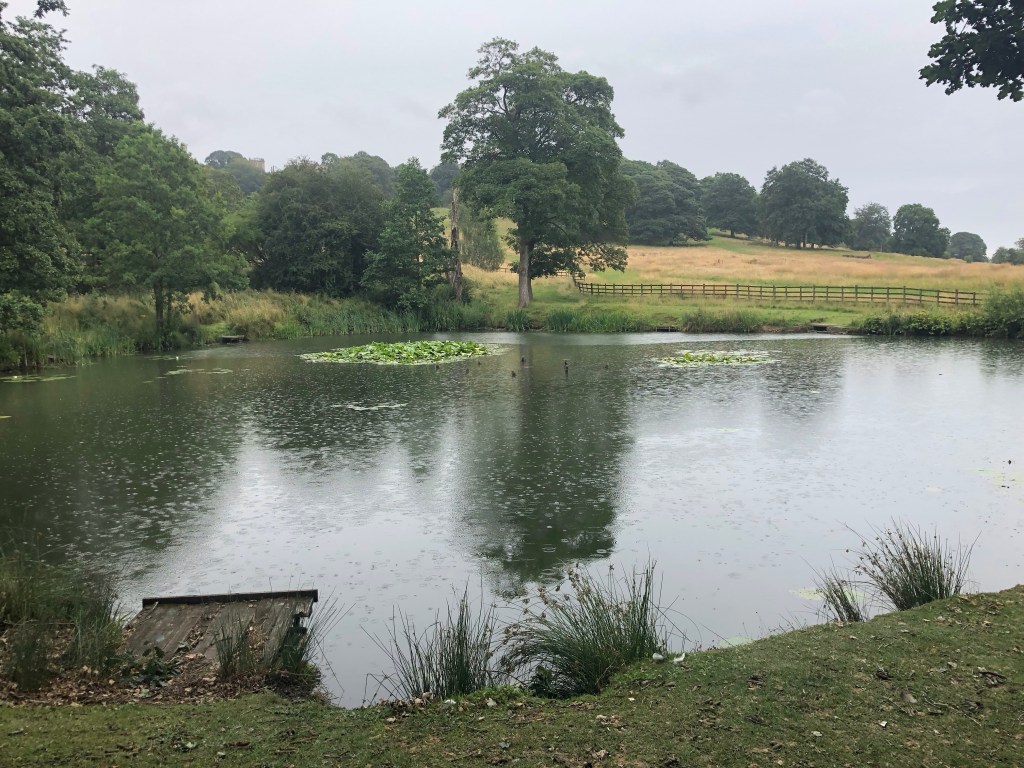
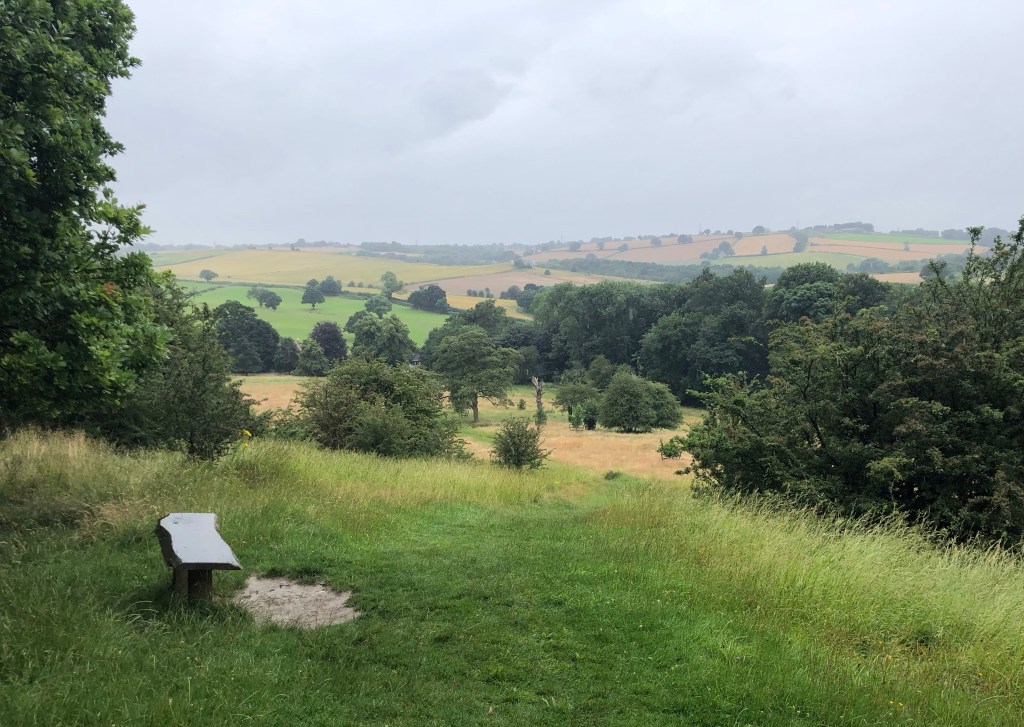
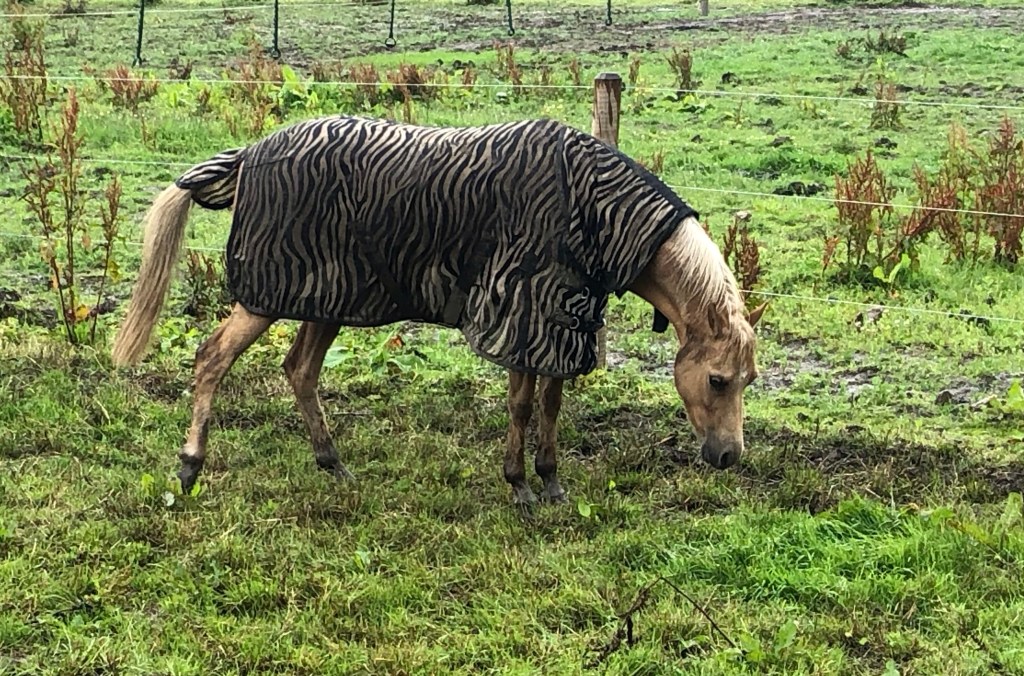
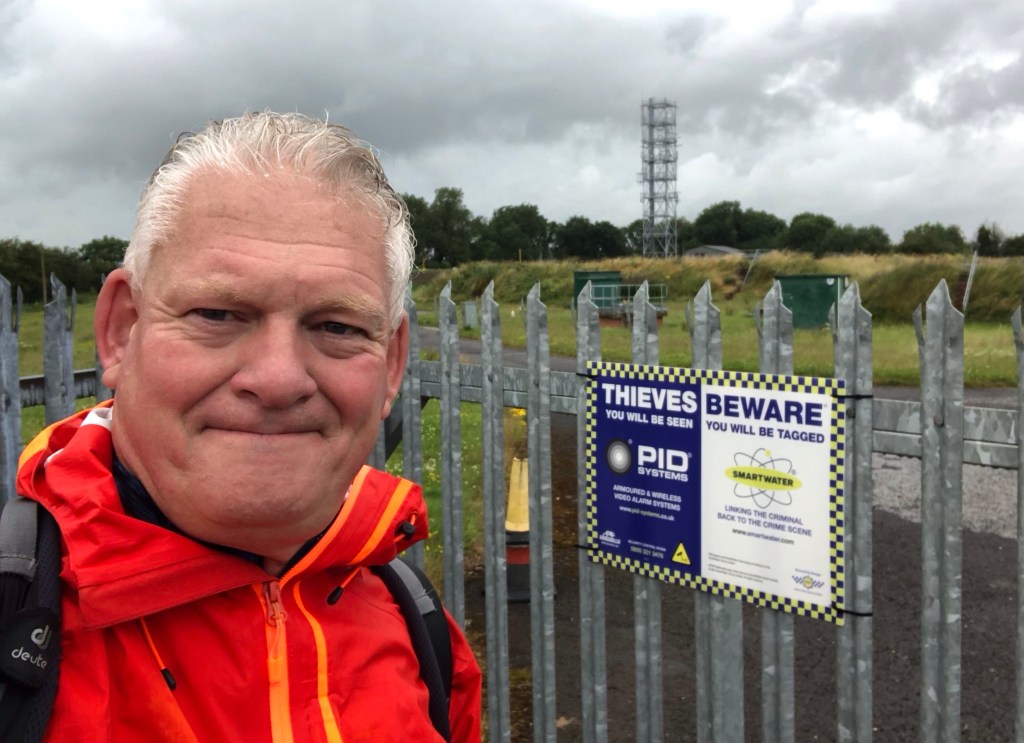
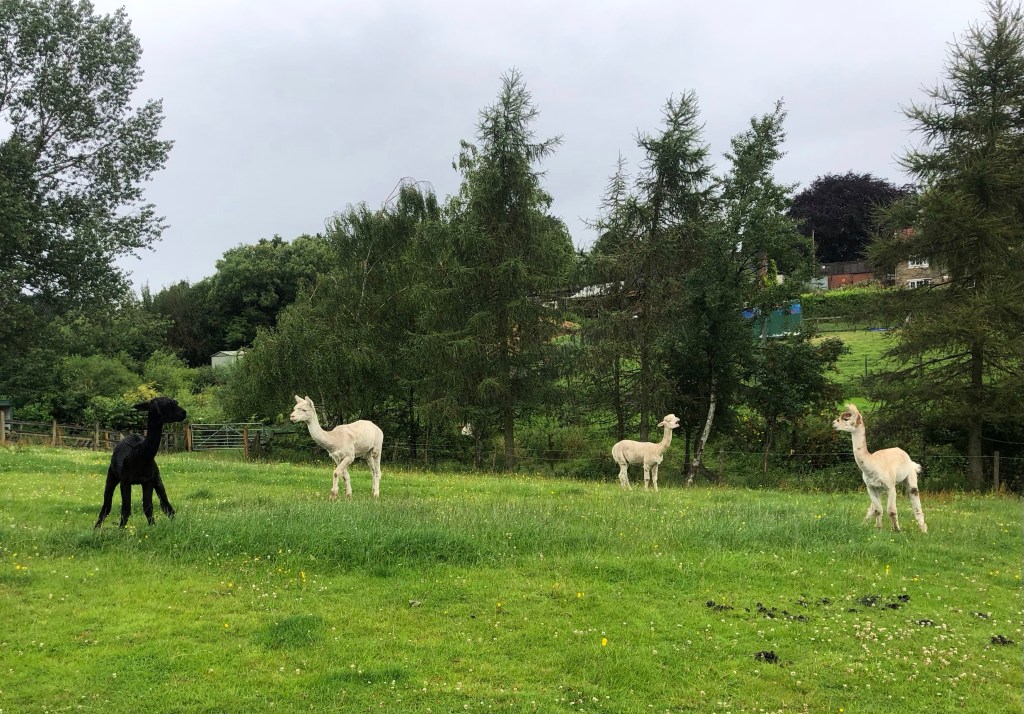
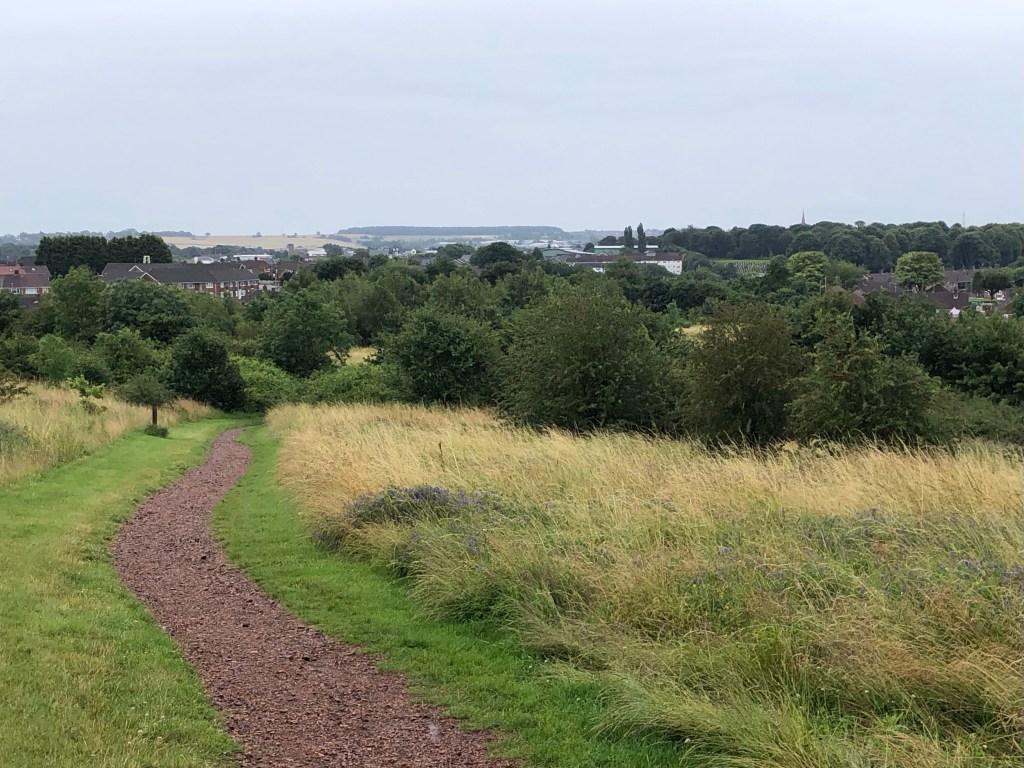
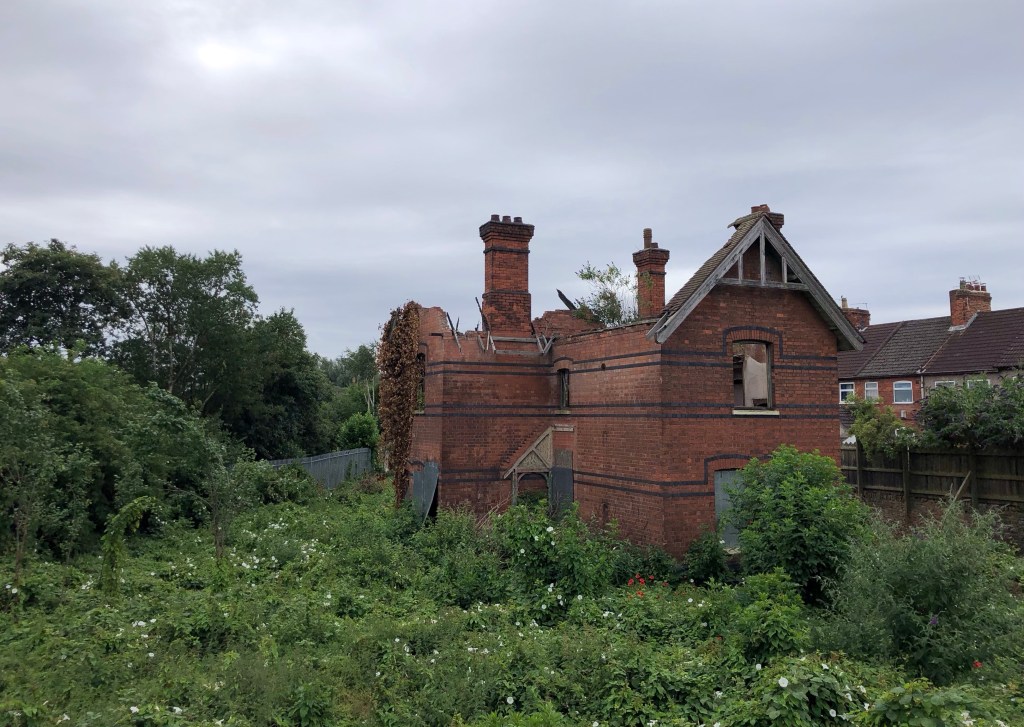
And so ended a fascinating day’s walk, as educational as it was enjoyable, and one that will live long in the memory. One of the pleasures of this LETJOG Peaks tour of England is the encouragement that it has given me to explore new places, and it is certainly true to say that today’s destination would not otherwise have been on my list of ‘must do’ walks. This was indeed a day that exceeded expectations!
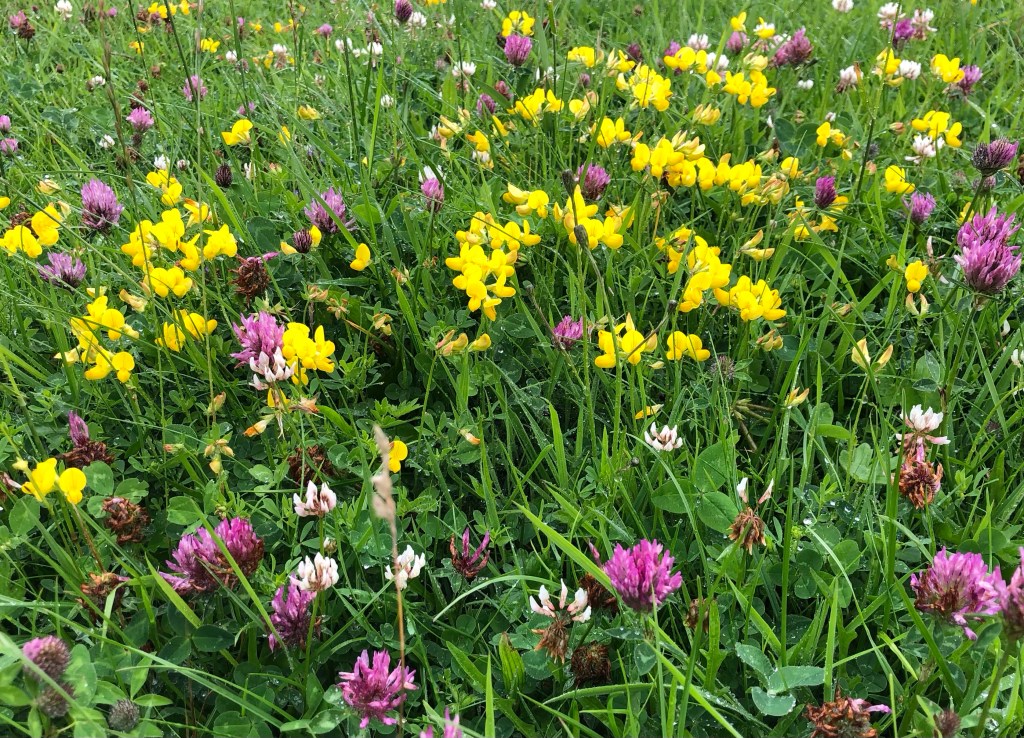
Born and brought up in Nottingham, Jake Bugg is a singer-songwriter who rose to fame with the release of his eponymous album in 2012, and he now has a further four studio albums to his name. His debut album received generally favourable reviews, with NME praising Bugg’s ‘authenticity and wit’, whilst Chris Roberts of the BBC commended the acoustic sound and the ‘hint of Gene Pitney’ in his vocals. ‘Country Song’, written by Bugg, was released as the second single from the album, and I think that the heading just about fits with my predominantly rural ramble today.
 Walking for Fun, Challenge and Charity!
“Hardwick Hall, more glass than wall”.
You really are going to end up with an amazing knowledge of our country, Nick. Lucky you!
LikeLike