
LETJOG PEAK No 36: Normanby Le Wold Top, Lincolnshire (168 metres)
Walk Date: Wednesday 19 July 2023
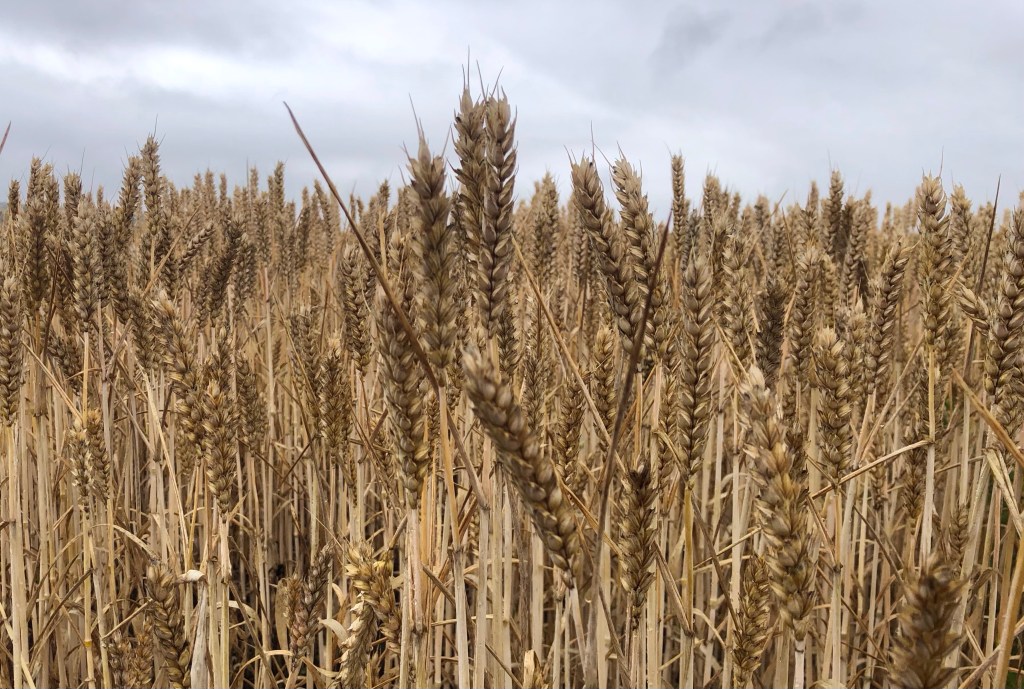
Rural Lincolnshire is another part of the country that I have rarely visited, and neither have I walked in the area prior to my quest today to reach the County Top. Lincolnshire is the second largest of the Ceremonial Counties of England by area and, despite being amongst the lowest-lying, the shire is also one of the least densely populated. My base for yesterday evening was the small market town of Market Rasen in the West Lindsey district of the county, famous for its racecourse and as the epicentre of the February 2008 earthquake, the largest in the UK this century, that measured 5.2 on the Richter Scale and was felt across much of the UK. There were no race meetings nor any geological uprisings during my 24-hour stay, but I was certainly well looked after in the Advocate Arms, and the dinner here was quite exceptional – so well worth a visit if you are in the town.
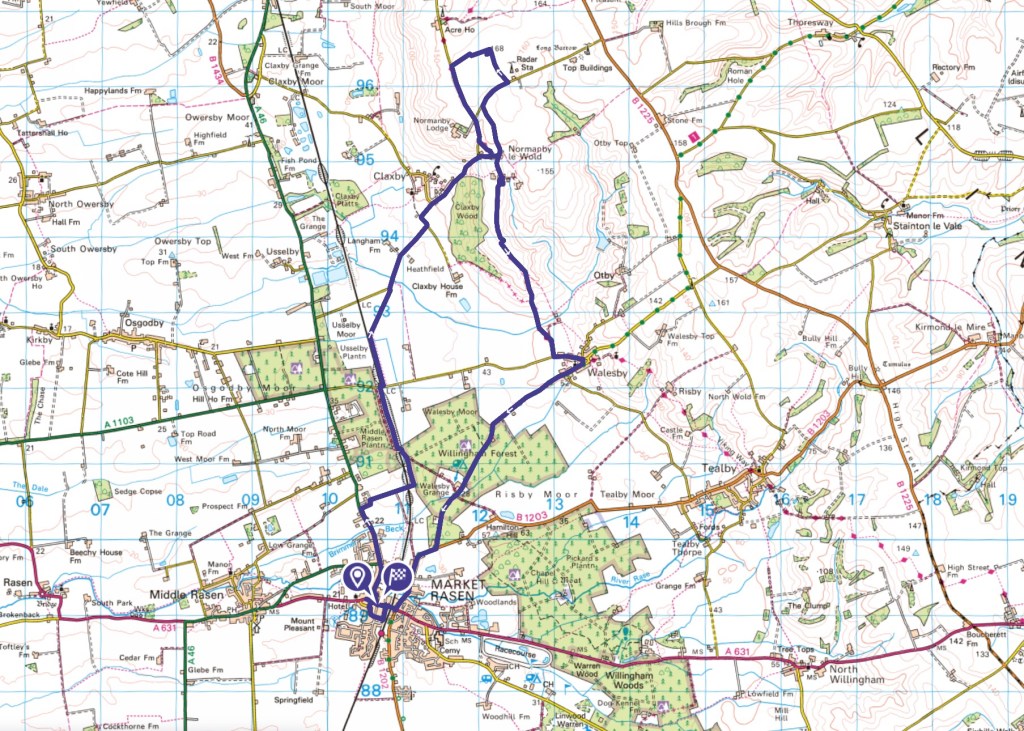
Aside from some fields of long (and very wet) grass, my 13-mile ramble today was one of the more straightforward of my LETJOG Peak treks, with easy walking and simple navigation. It was also one of my wettest. A bright start soon gave way to drizzle and I had my waterproofs on before I had left the confines of the town. All the way out to Claxby, where I took shelter for a while as the heavens truly opened, the rain became progressively heavier, and with the wet conditions persisting my climb up to the top of the Wolds was very much a case of ‘hood up, head down’. Happily the elements were kinder on my return, at last allowing me some decent views and an opportunity to dry off just a little. Here’s how my day unfolded.
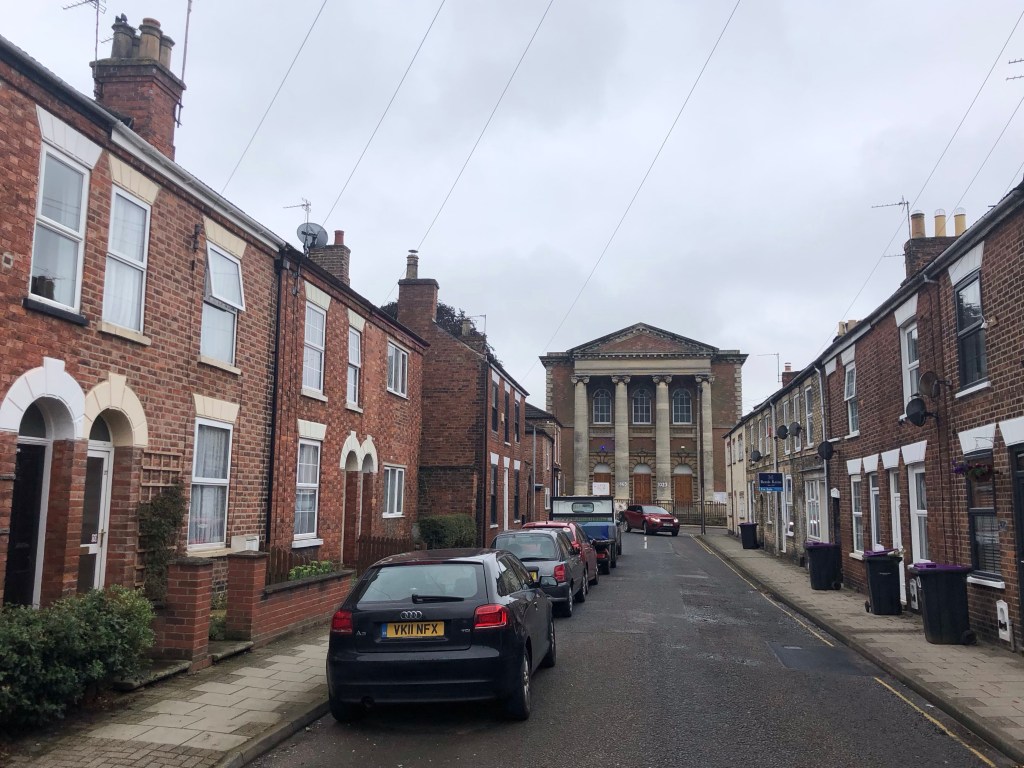
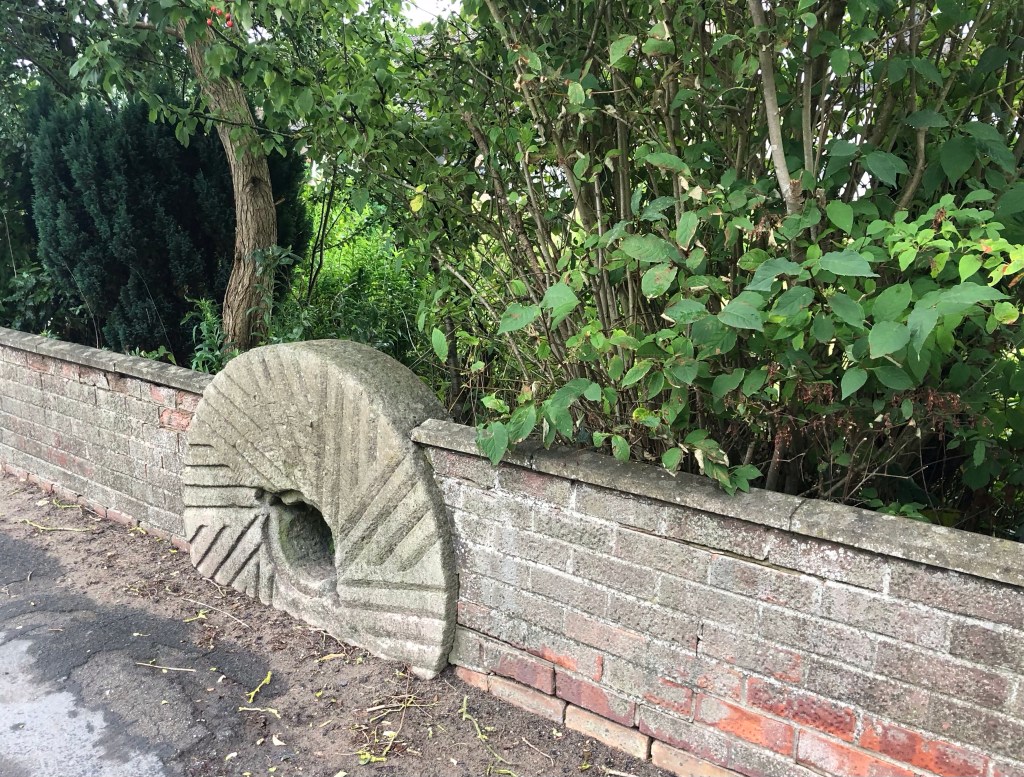
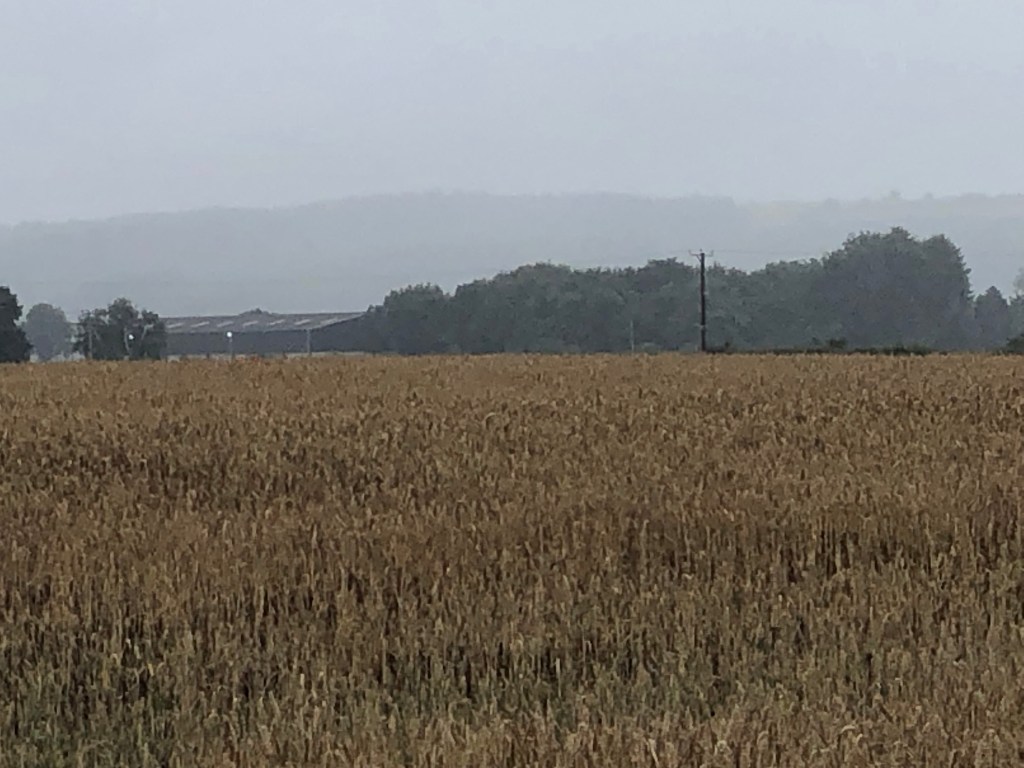
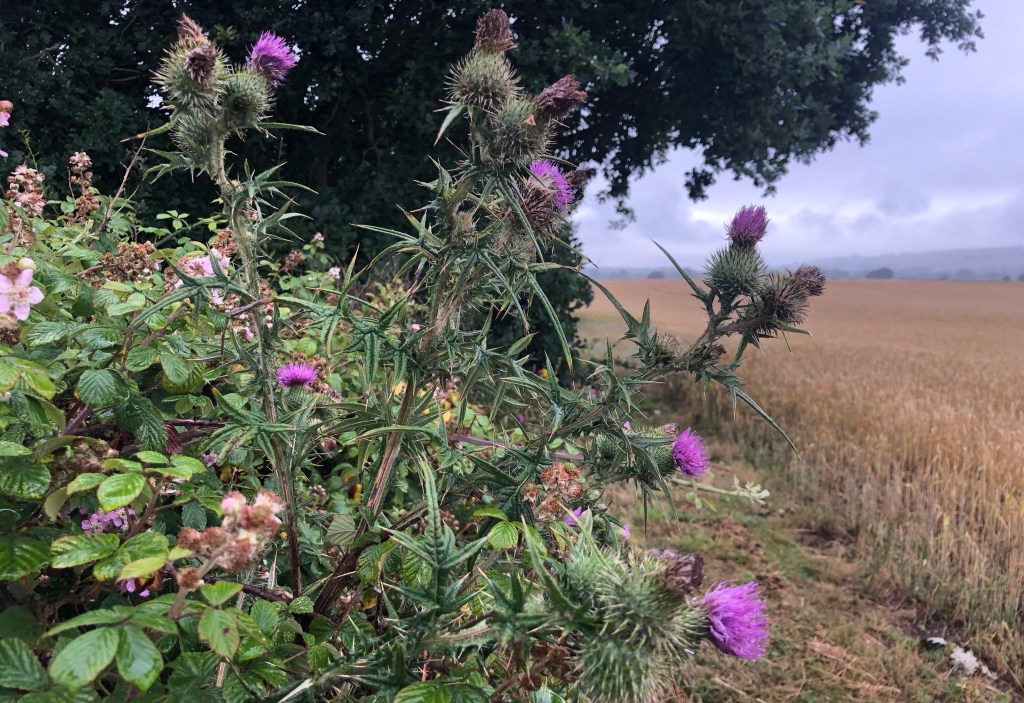
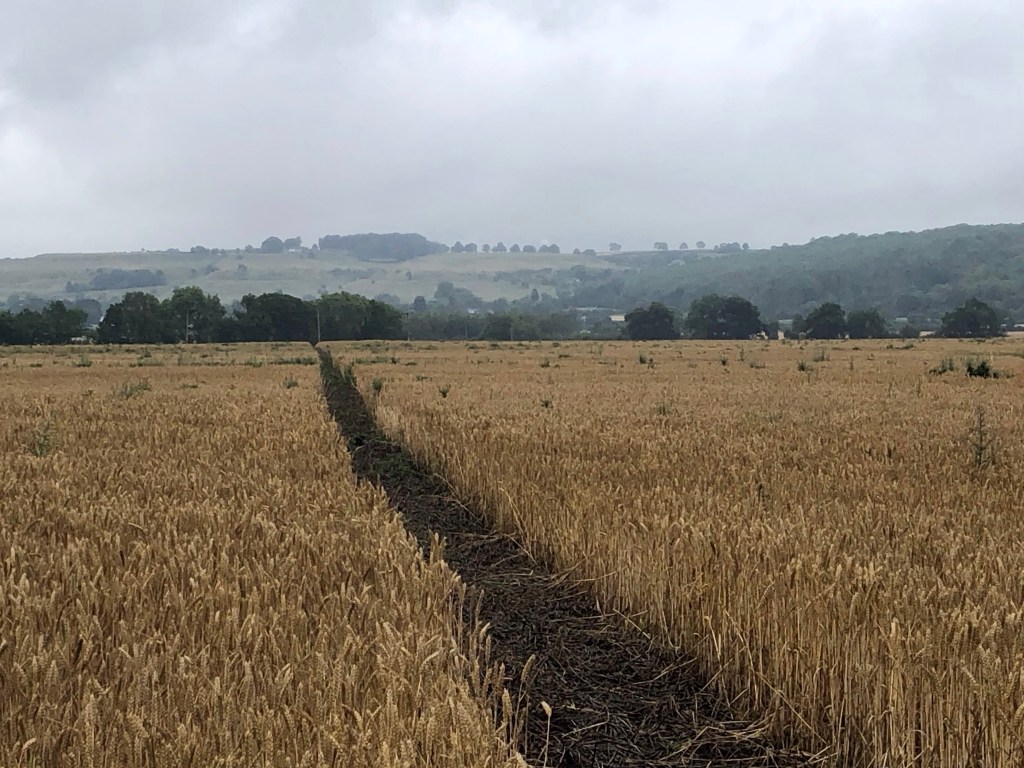

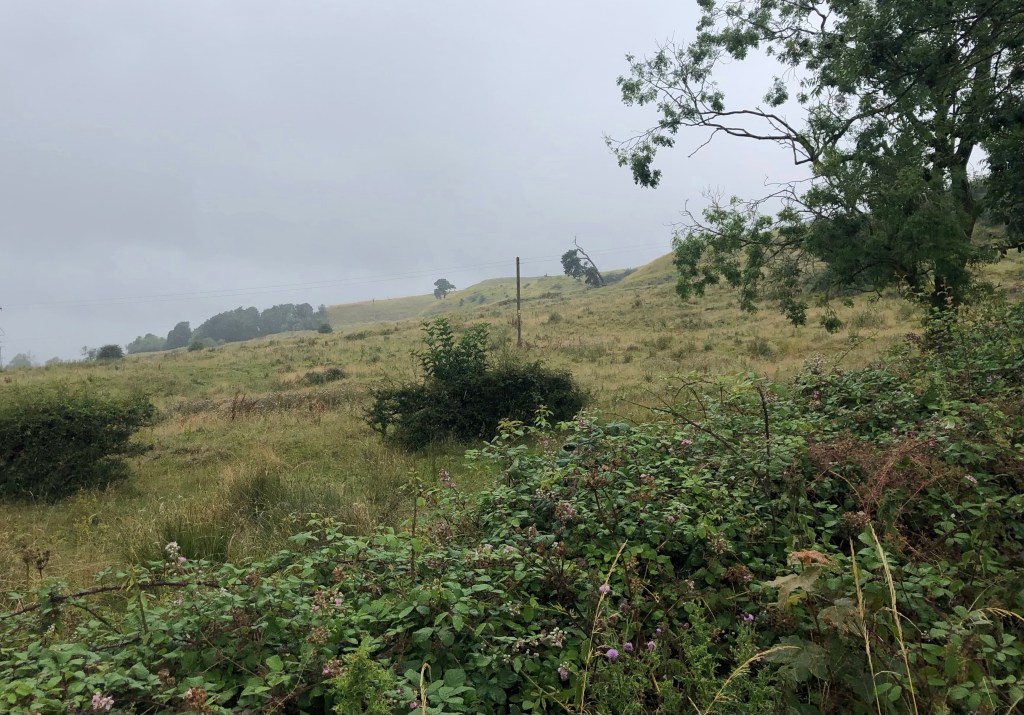


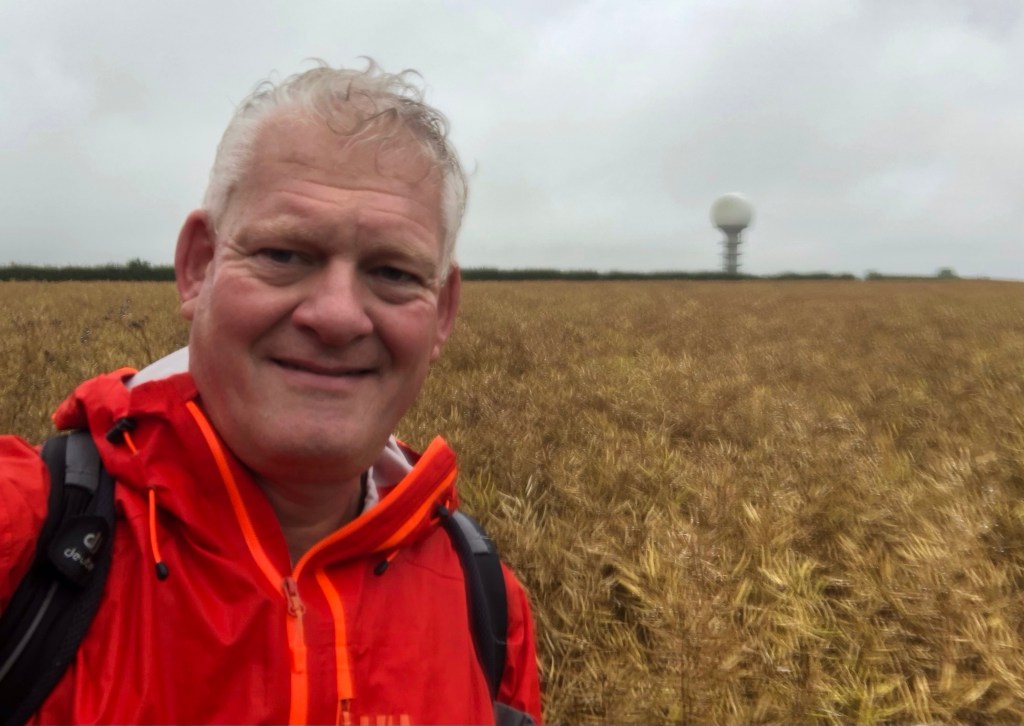
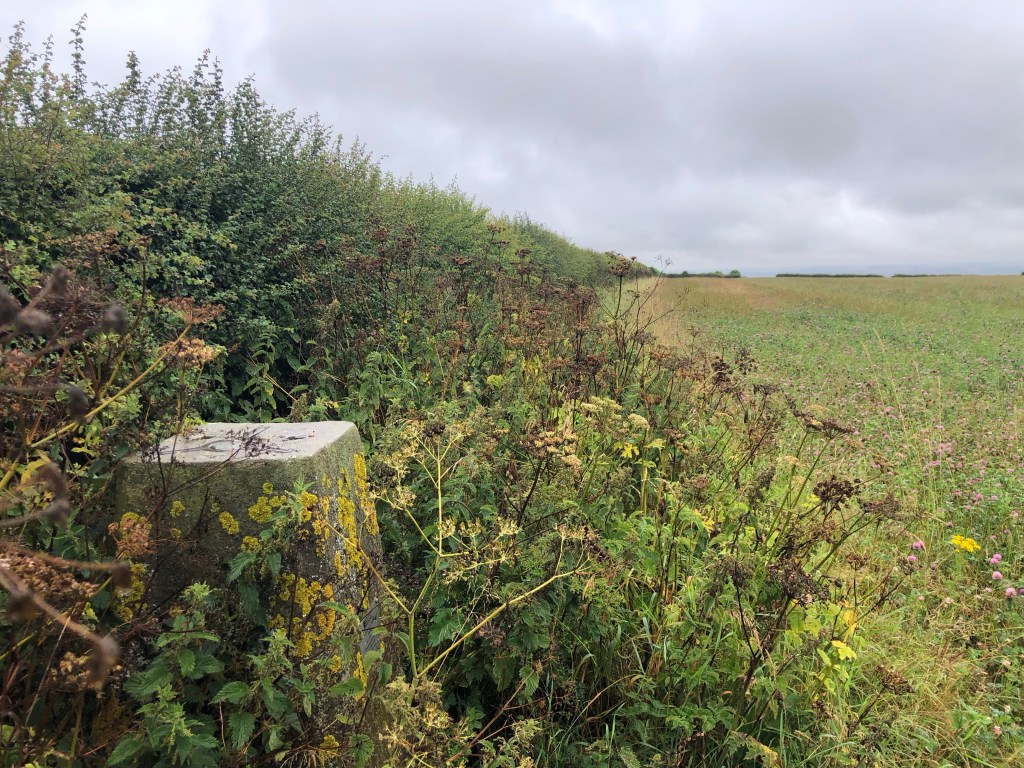
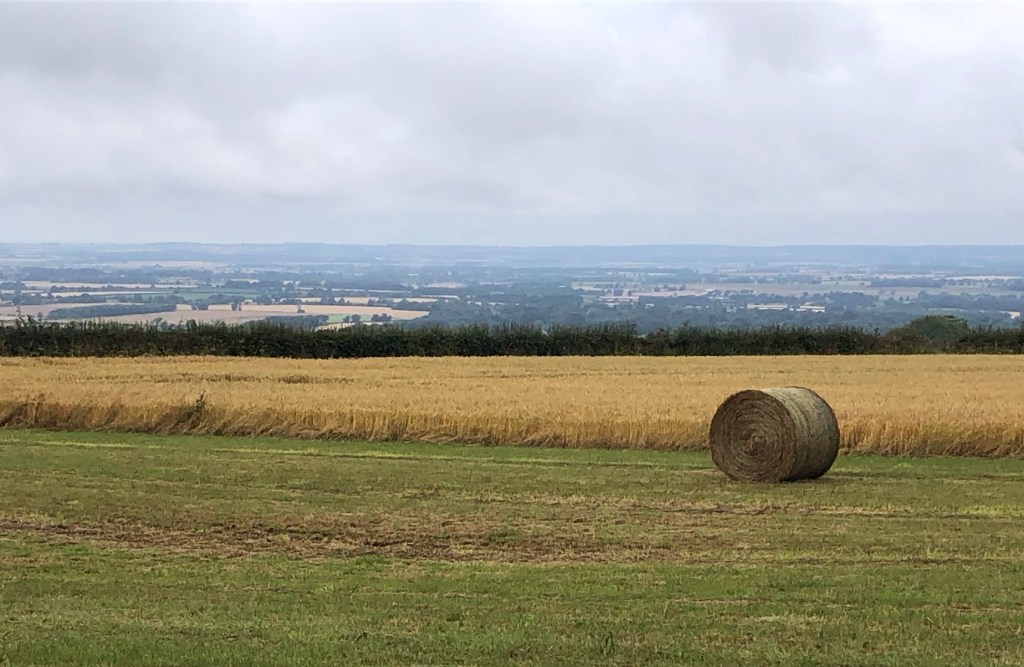
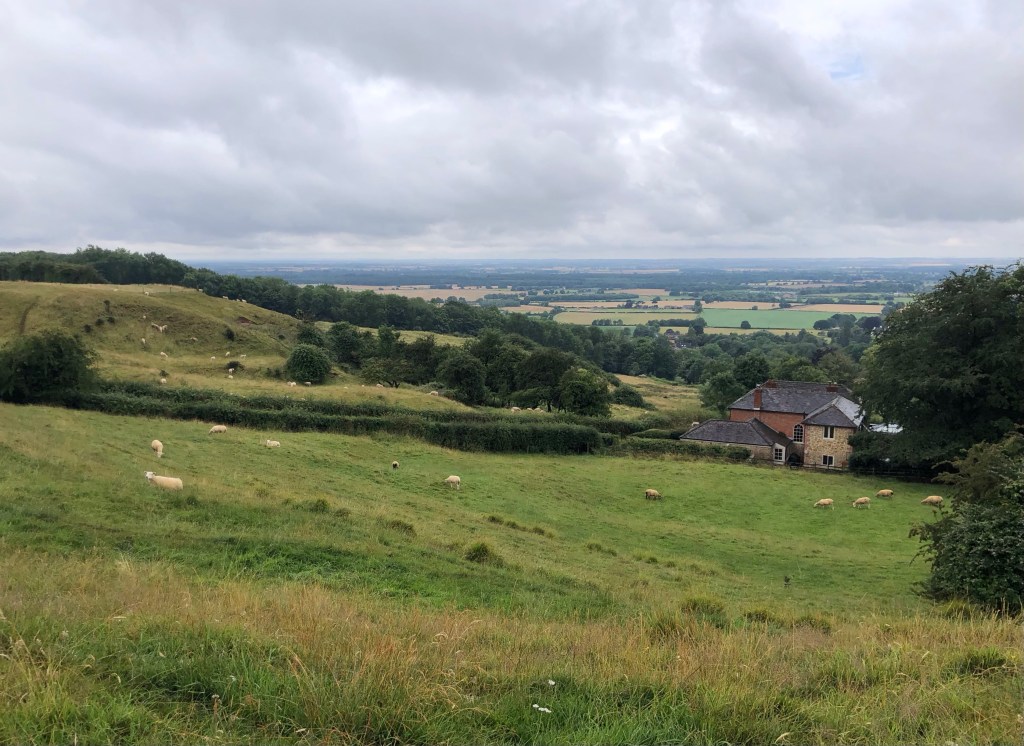
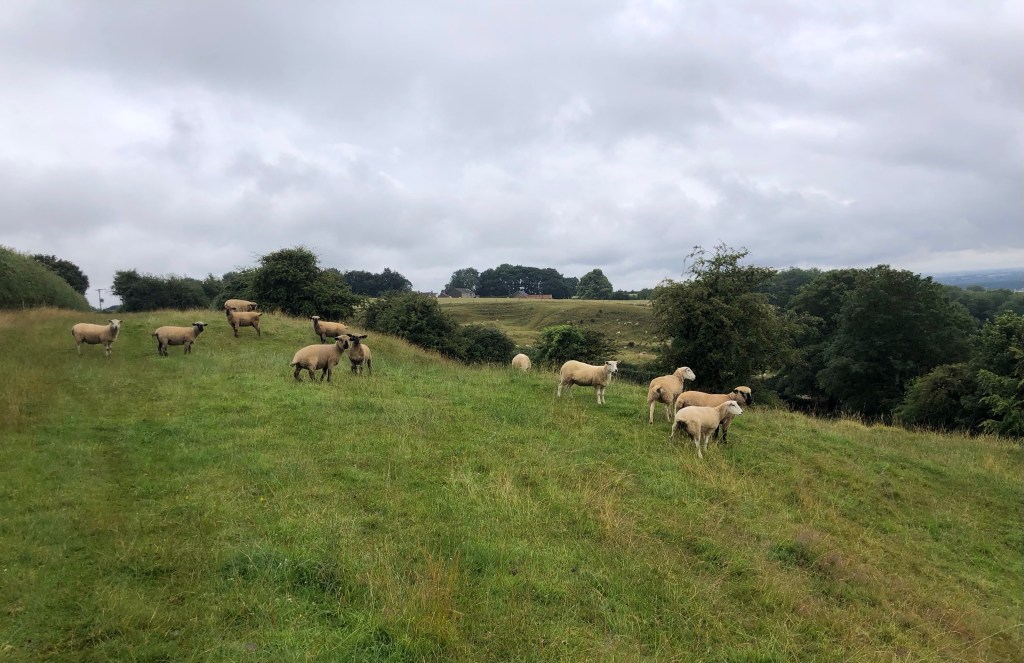
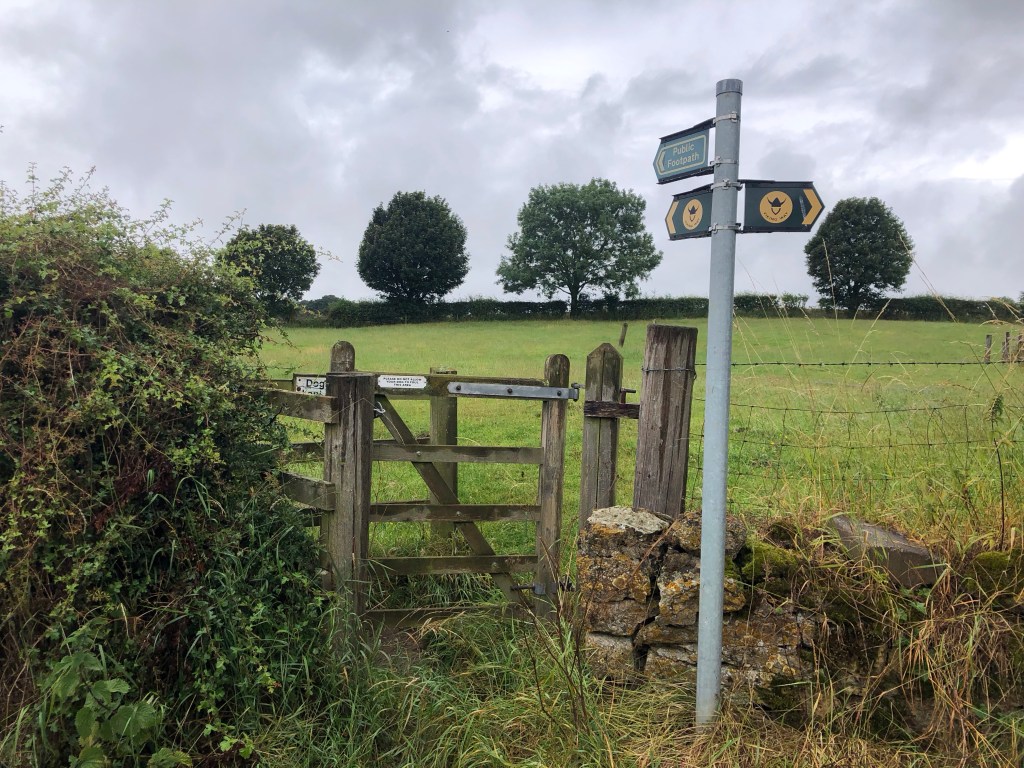
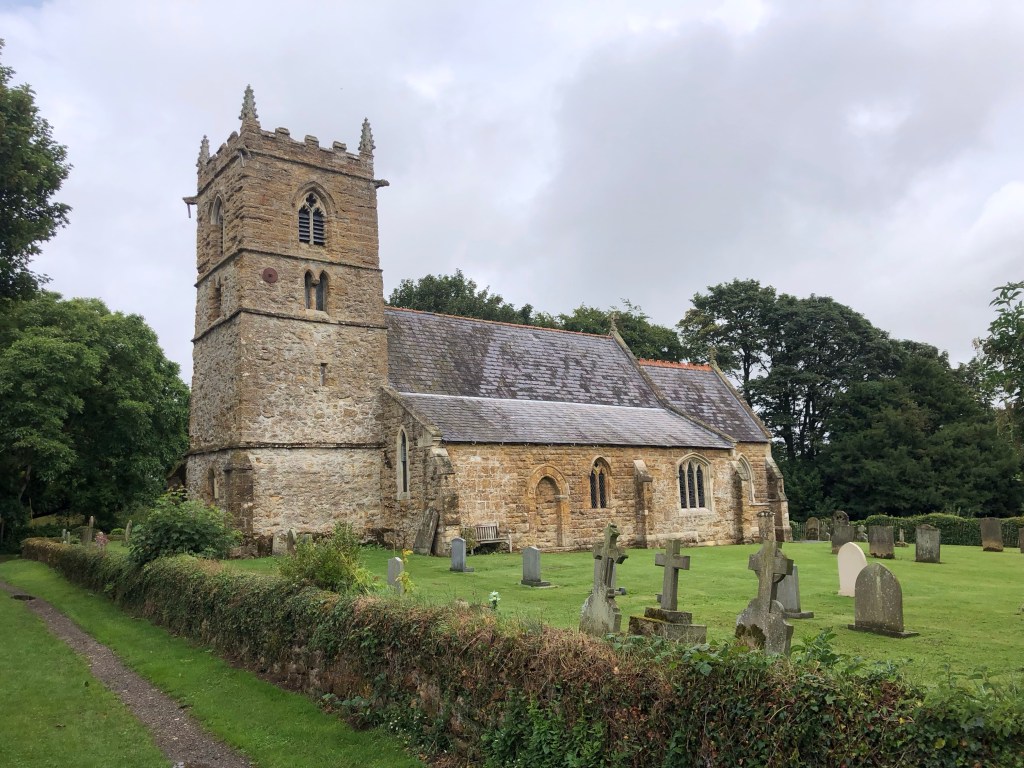
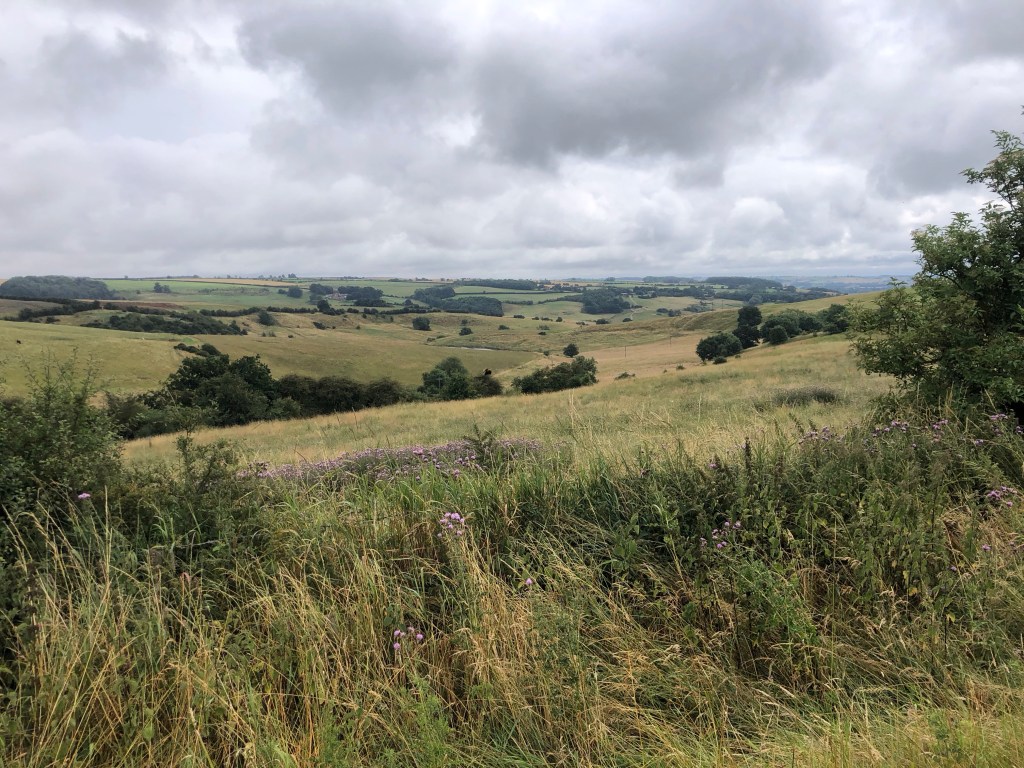
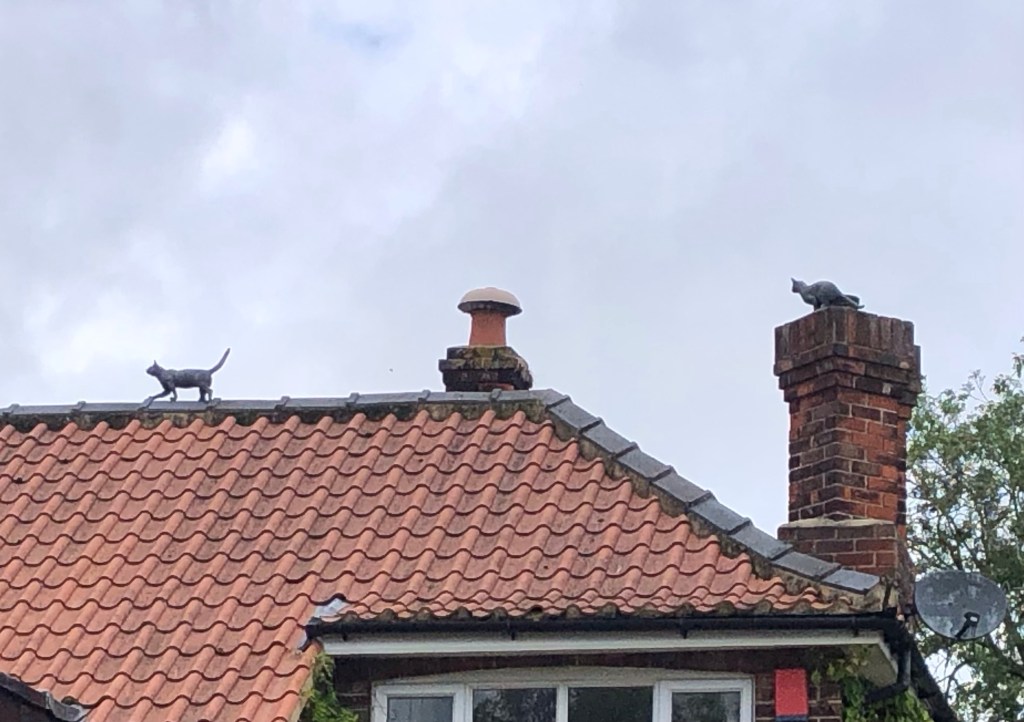
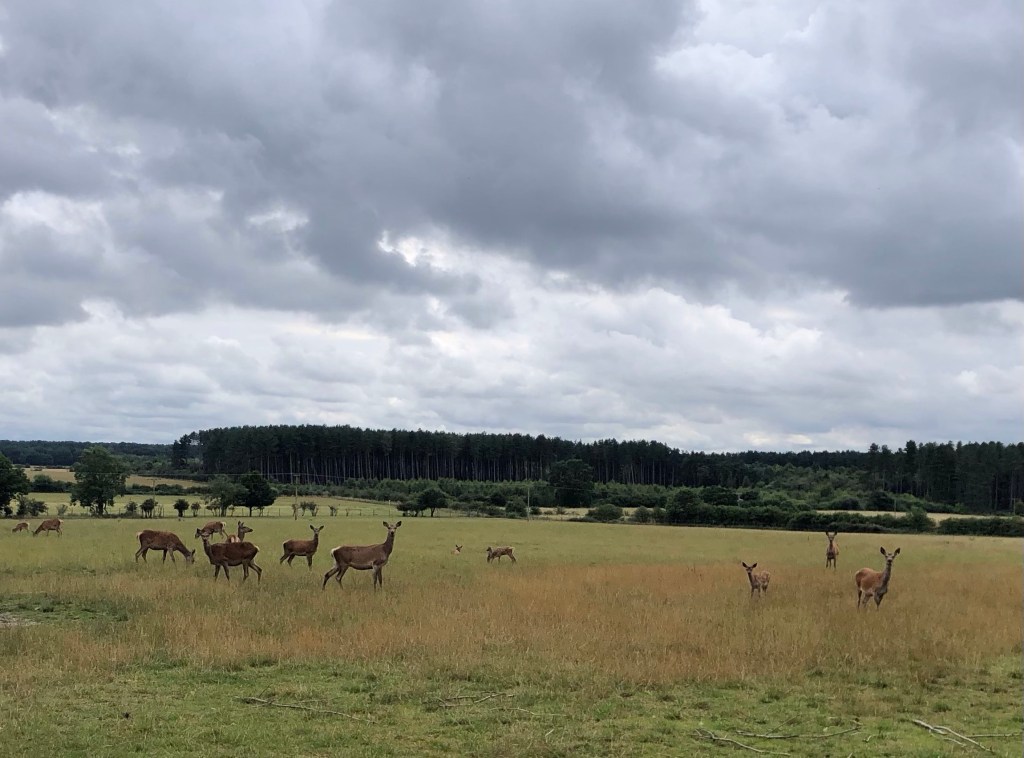
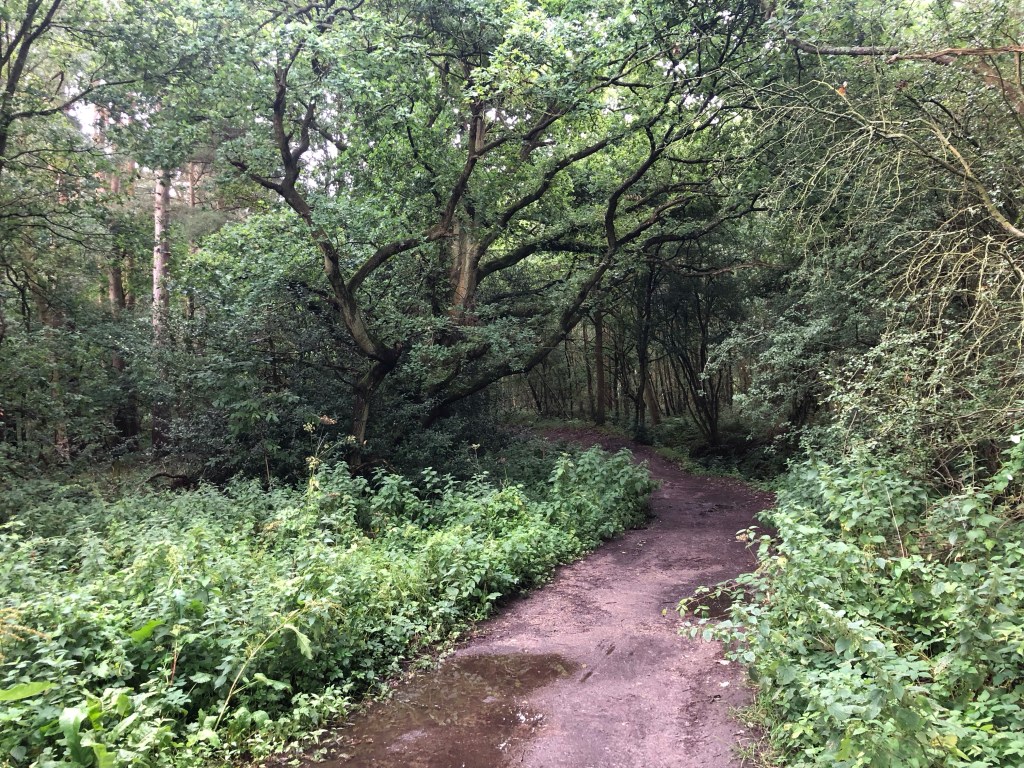
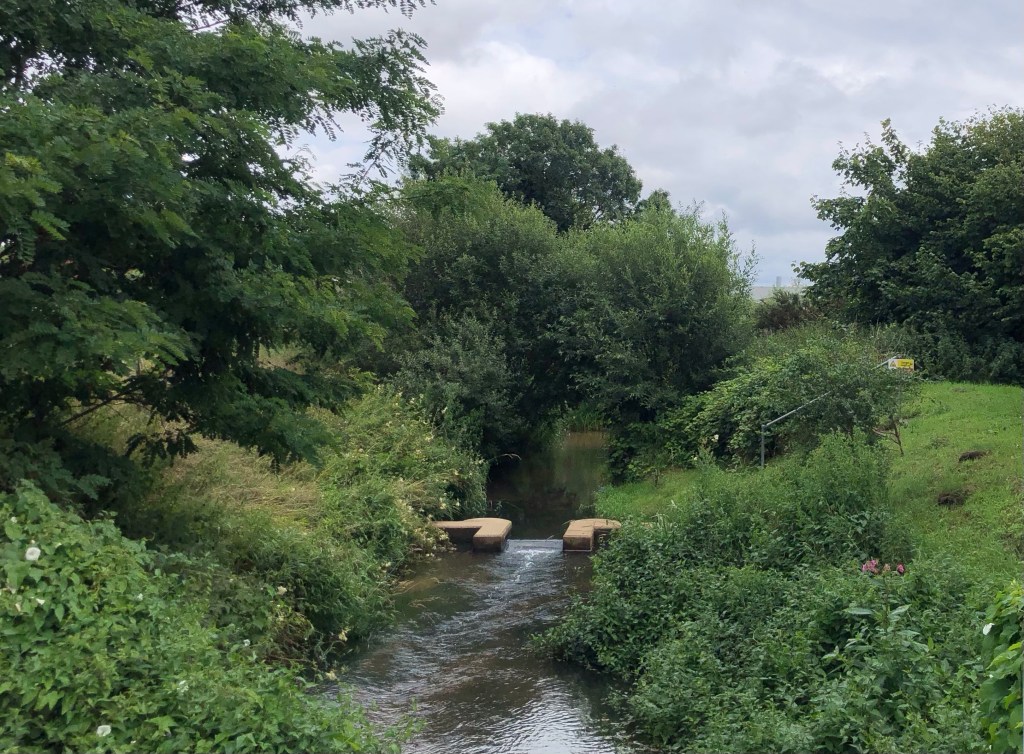
Dry at last, today’s walk will go down as one of the dampest of my LETJOG Peaks escapades. The grey tones of the sky did little to favour the pleasant scenery and seemed to keep most of the wildlife under cover, although I did three times startle rain-soaked hares in the cornfields, one nearly tripping me up! As for birdlife, again the rain subdued most, but the wildflower meadows on the tops trilled to the sound of many skylarks as the afternoon brightened up. It is time to return home for a rest now, before my next foray into the wonderful English countryside.
Today’s Blog heading ‘Stormy Weather’ borrows from the title of a 1930s torch song covered a half century later by Lincolnshire singer Carmel McCourt (usually known professionally just as Carmel). Born in Wrawby and schooled in Scunthorpe, Carmel had a number of hits from the 1980s onwards with her band, a trio of the same name. ‘Stormy Weather’ was first performed by Ethel Waters in New York’s Cotton Club, and the song was originally recorded by her in 1933. Over the years the number has since been covered by many well-known soul artists: Carmel’s version appears on her 1984 album ‘The Drum is Everything’.

 Walking for Fun, Challenge and Charity!