
LETJOG PEAK No 47: Bishop Wilton Wold, East Riding of Yorkshire (246 metres)
Walk Date: Monday 11 September 2023
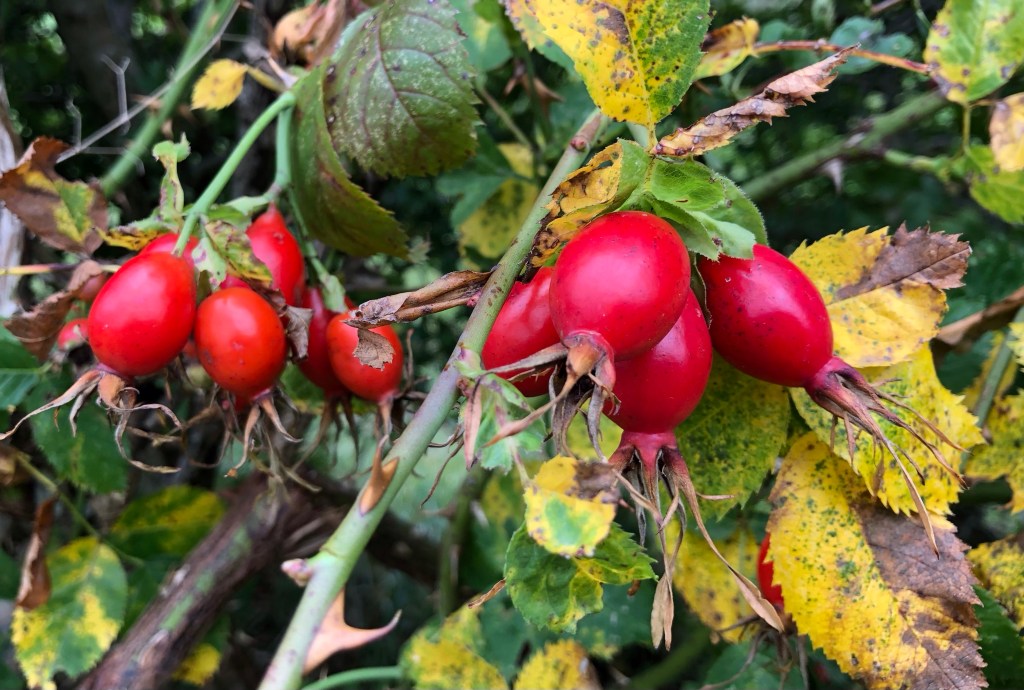
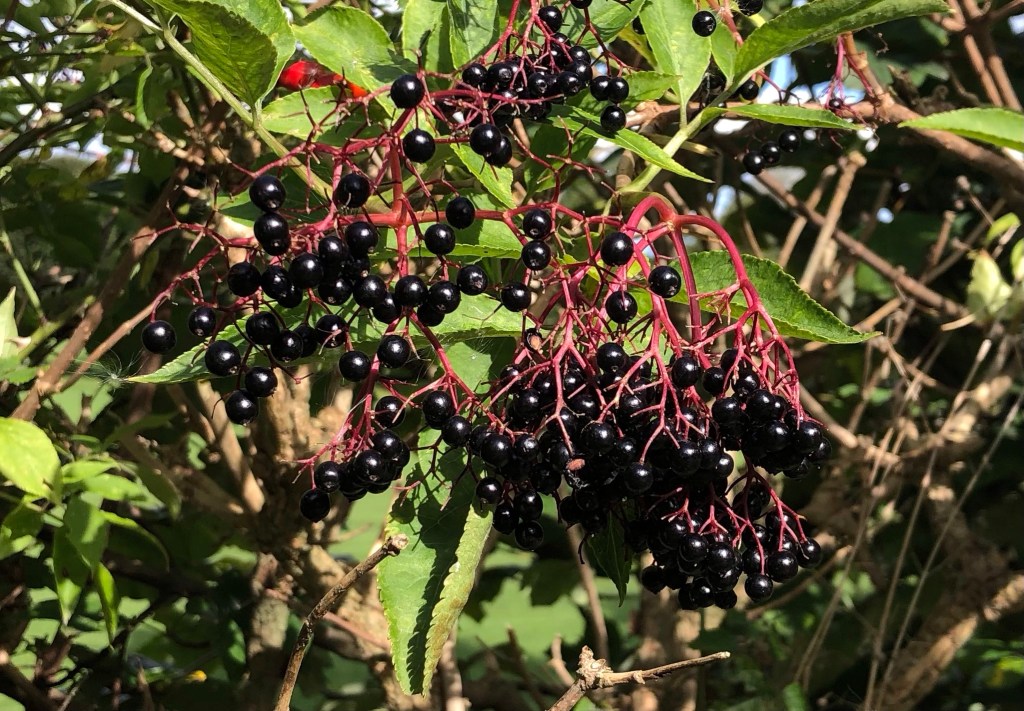
One of the great pleasures of this LETJOG Peaks adventure has lain in discovering new parts of our varied island, and the countryside of Yorkshire’s East Riding is one such region that I have rarely visited before, and less so hiked in. Today proved to be a fabulous walking day in the early autumn sunshine, watching as the mood of the landscape slowly transforms with the changing season. Adorning my path today were harvested fields of stubble, woodlands bearing their first golden leaves, and hedgerows weighed down by autumnal fruits and berries that presented a feast for the eyes (as well as an occasional brambly treat). A lovely time of year to be out and about.
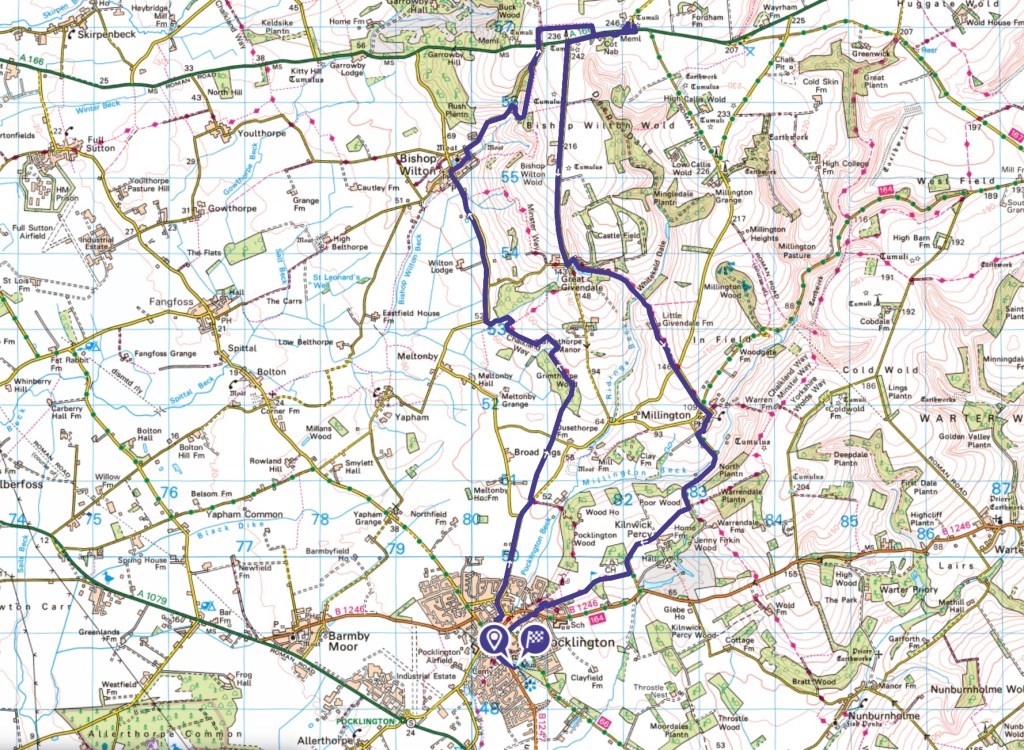
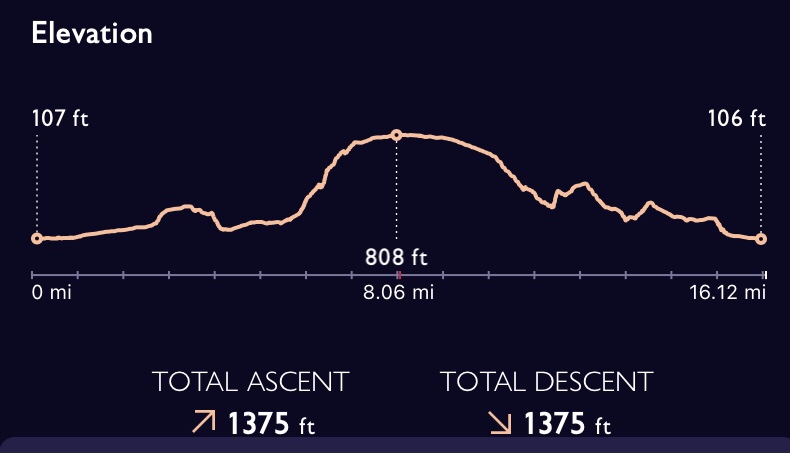
Pocklington is a pleasant market town, and arriving early for a coffee in the local deli proved a fine opportunity to meet the locals: what a friendly place! Perhaps it is the town’s long history that gives Pocklington its closeness and identity; the name can be traced to circa 650 AD, although the site itself is thought to have been settled right back to pre-Roman times; in 2017 a Celtic warrior’s grave nearby yielded a bronze shield and the remains of a chariot and pony team from around 300 BC. From these beginnings the town developed through the Middle Ages on the back of the wool trade, owing its prosperity to its status as the local centre for the trading of fleeces on the route between York and the North Sea coast, from where the wool, as England’s main export of the time, was traded with the continent.
The settlement of Pocklington has long been known as the ‘Gateway to the Wolds’, and so it is fitting that my path today set out from the town, northward, to the County Top. Here are a few pictures of my journey.
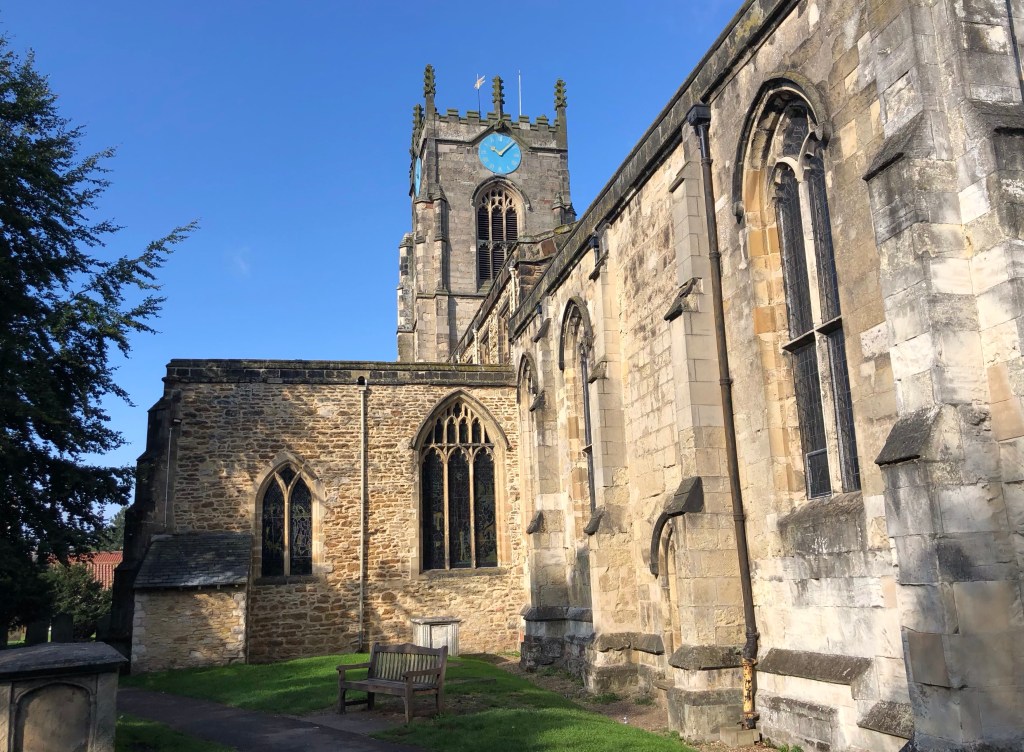
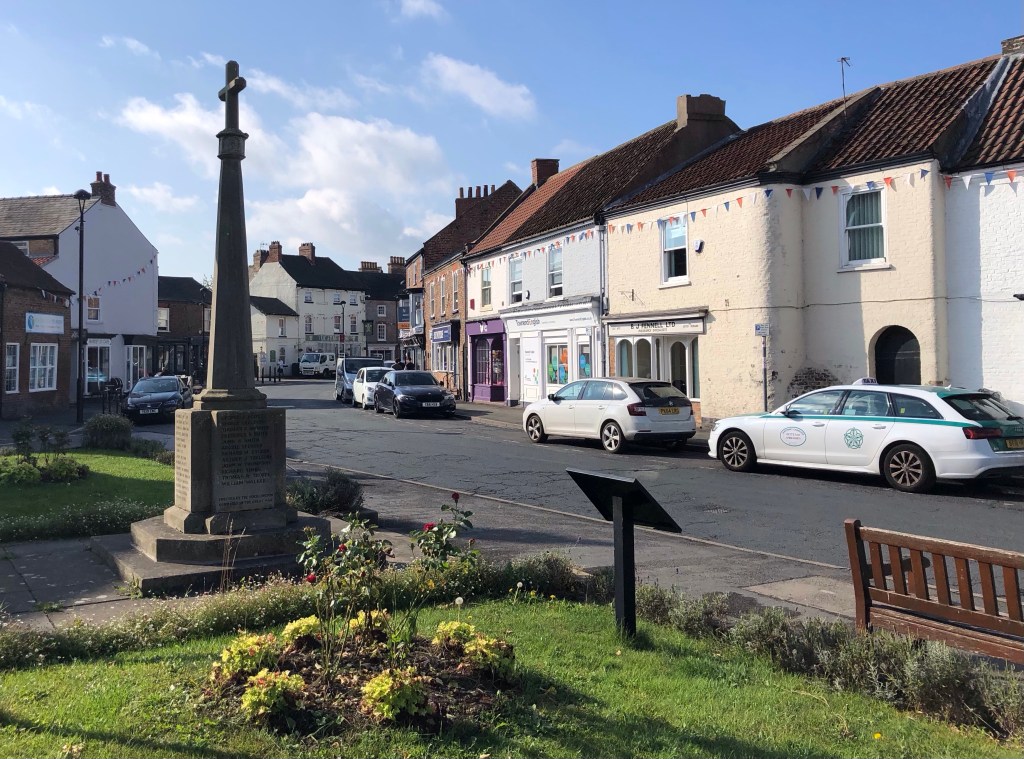
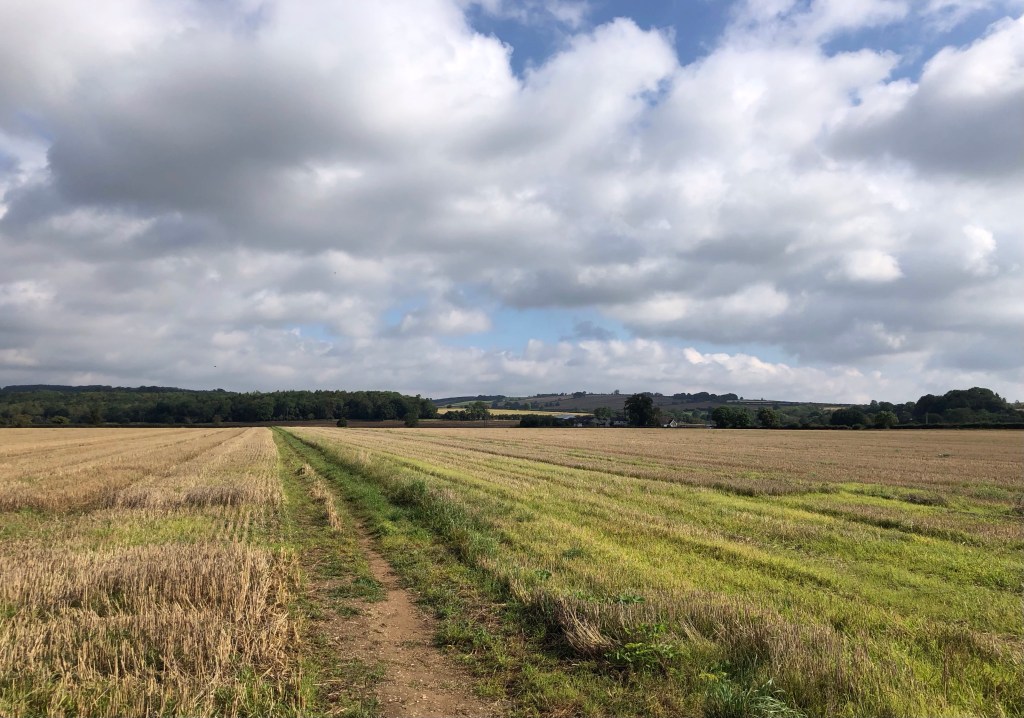
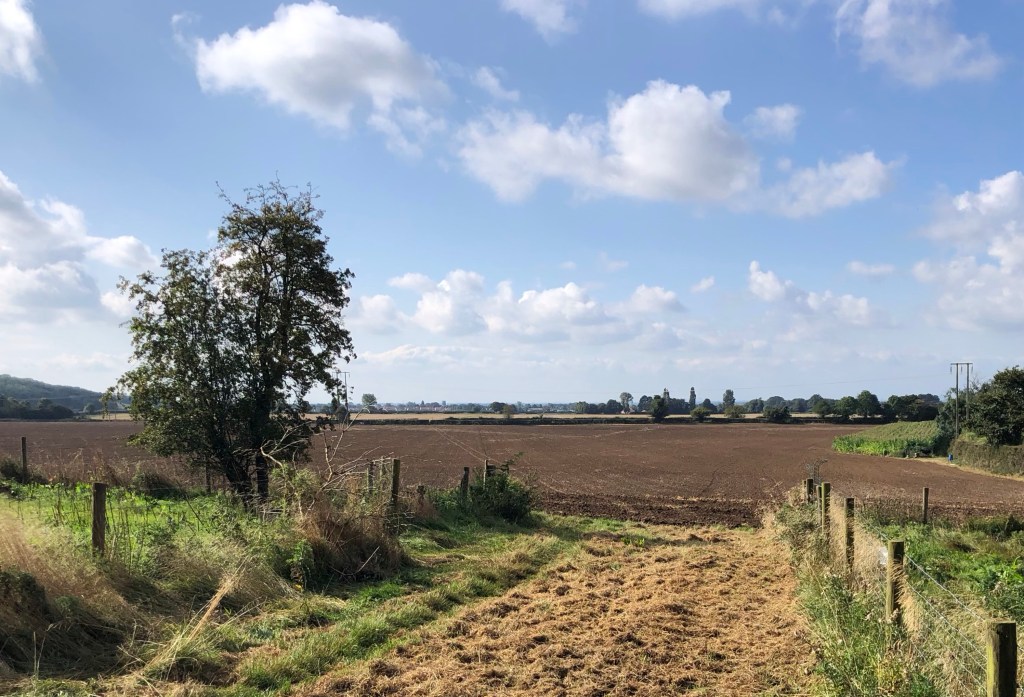
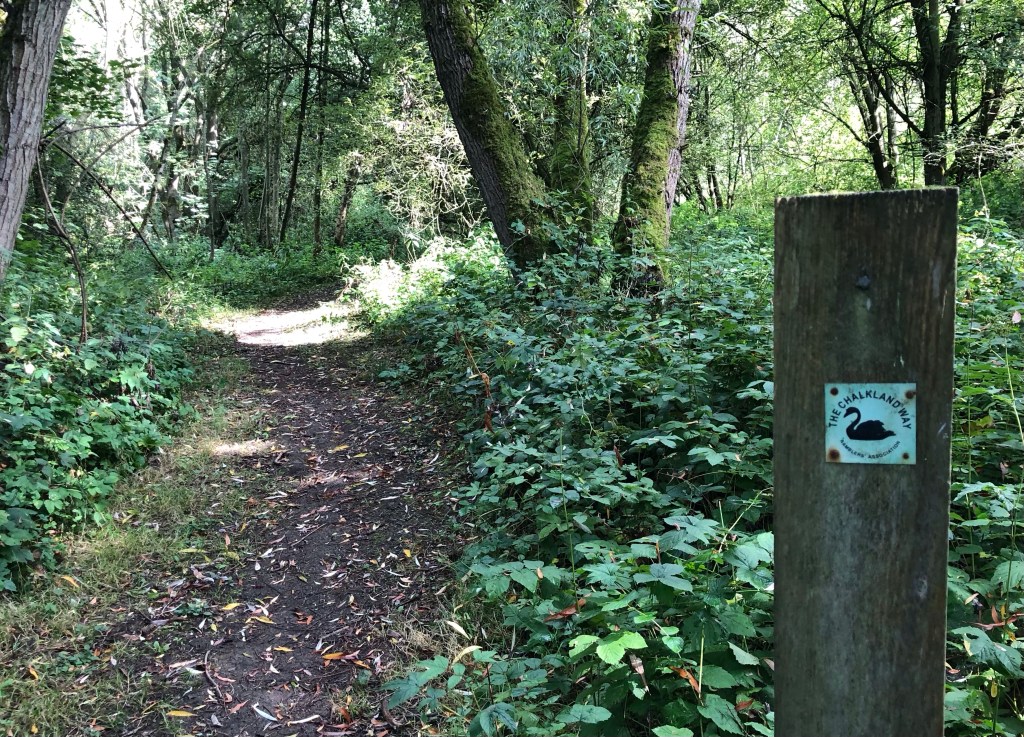
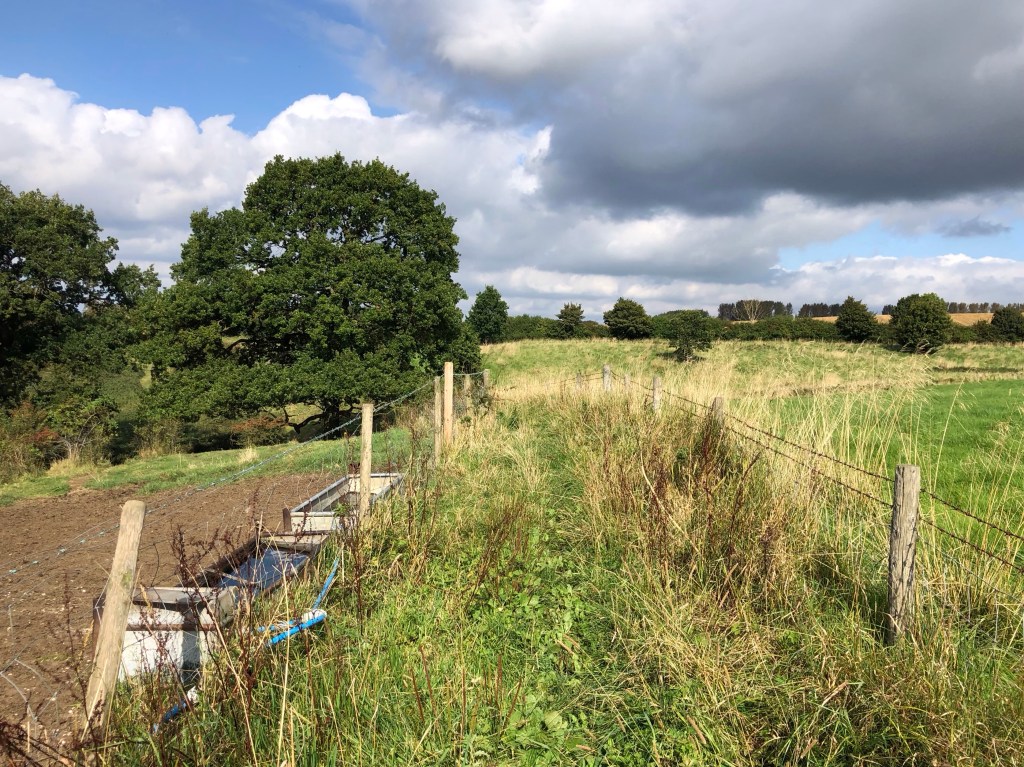

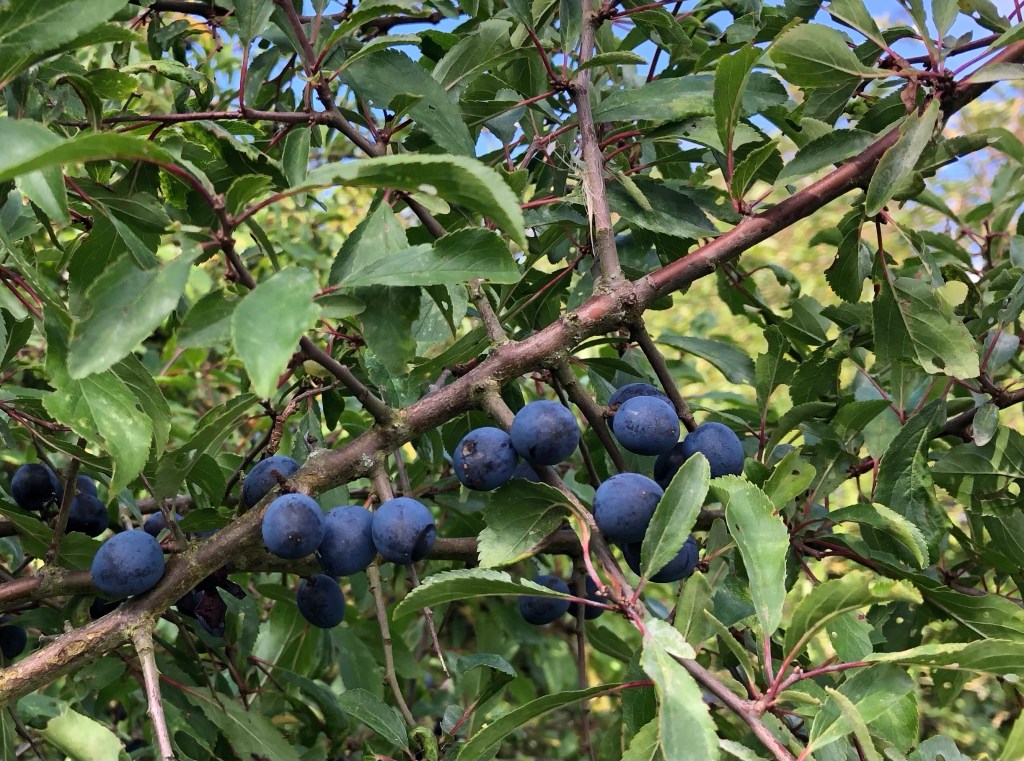
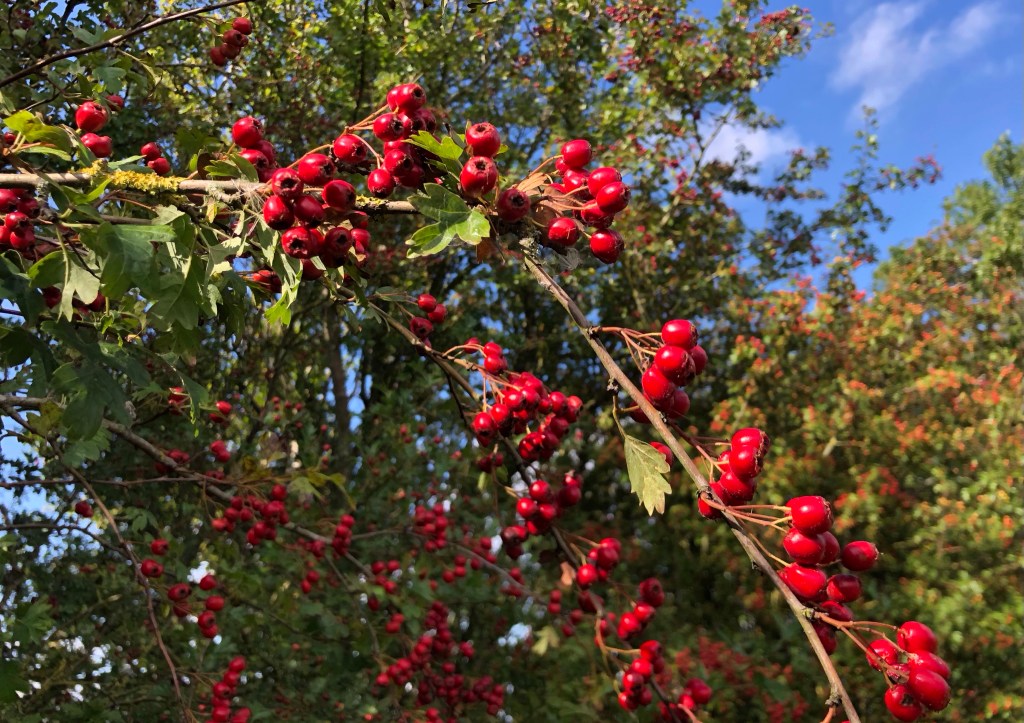
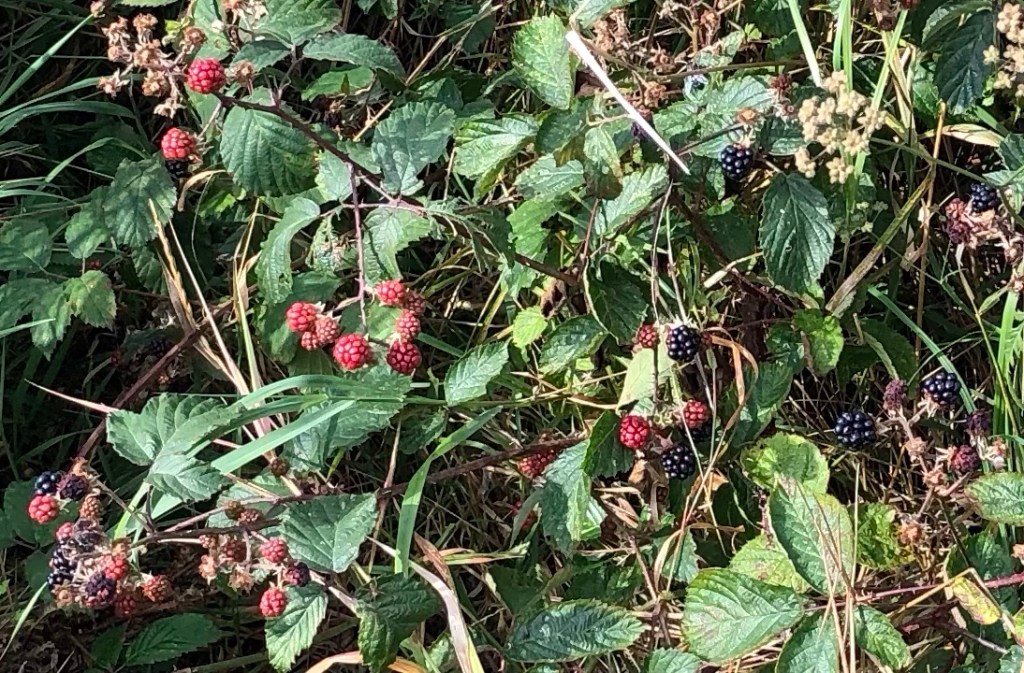

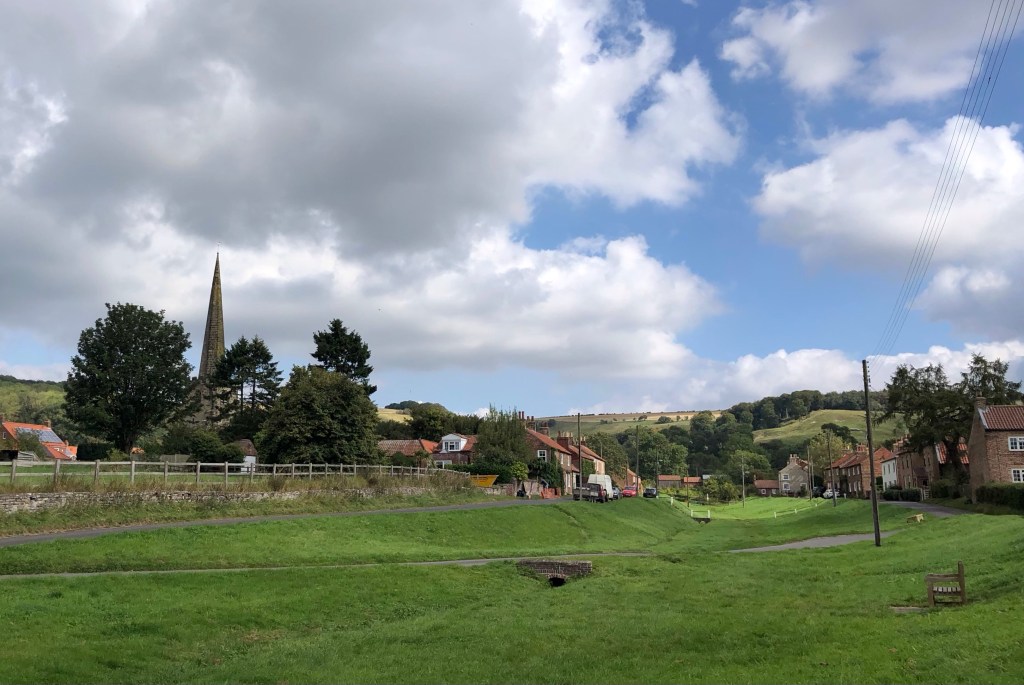
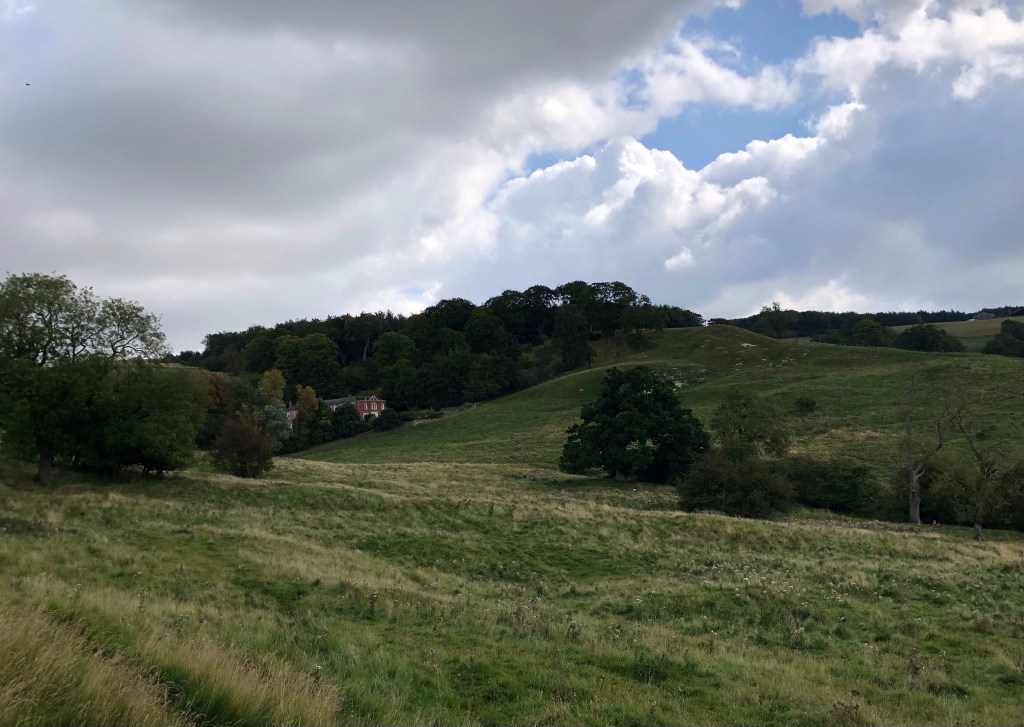
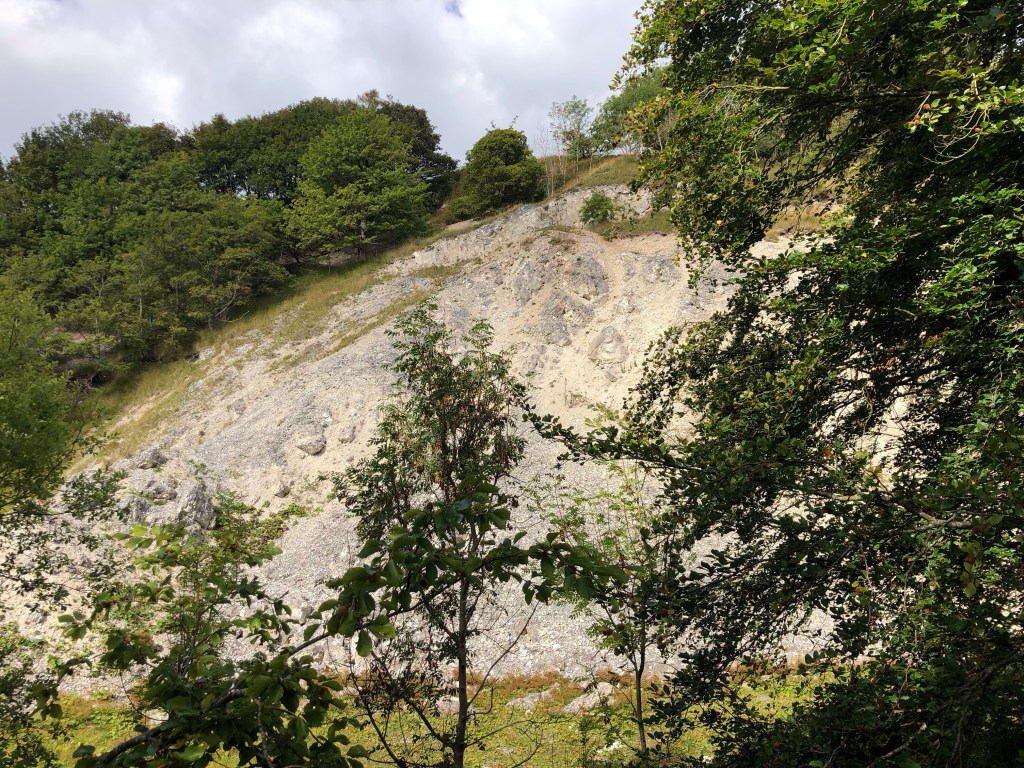
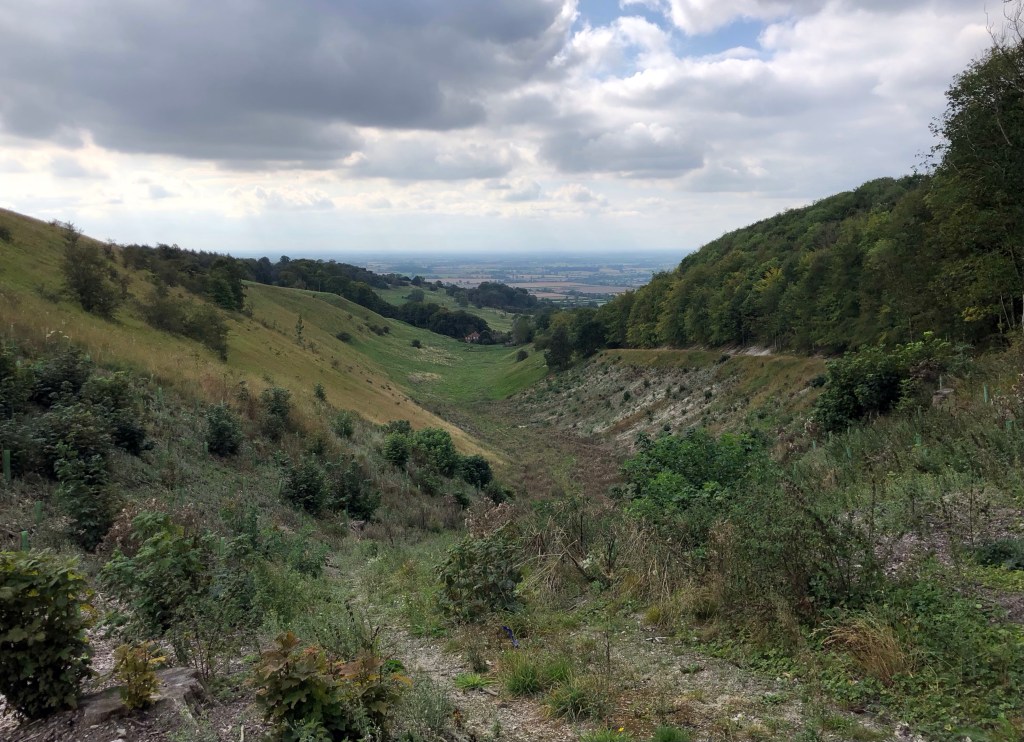
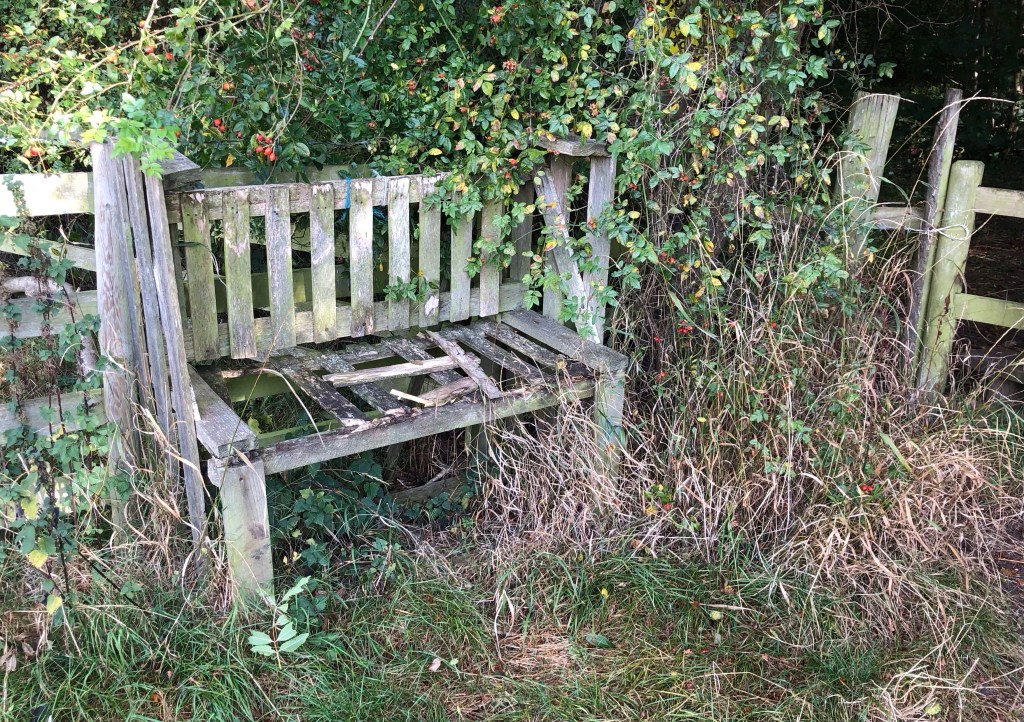
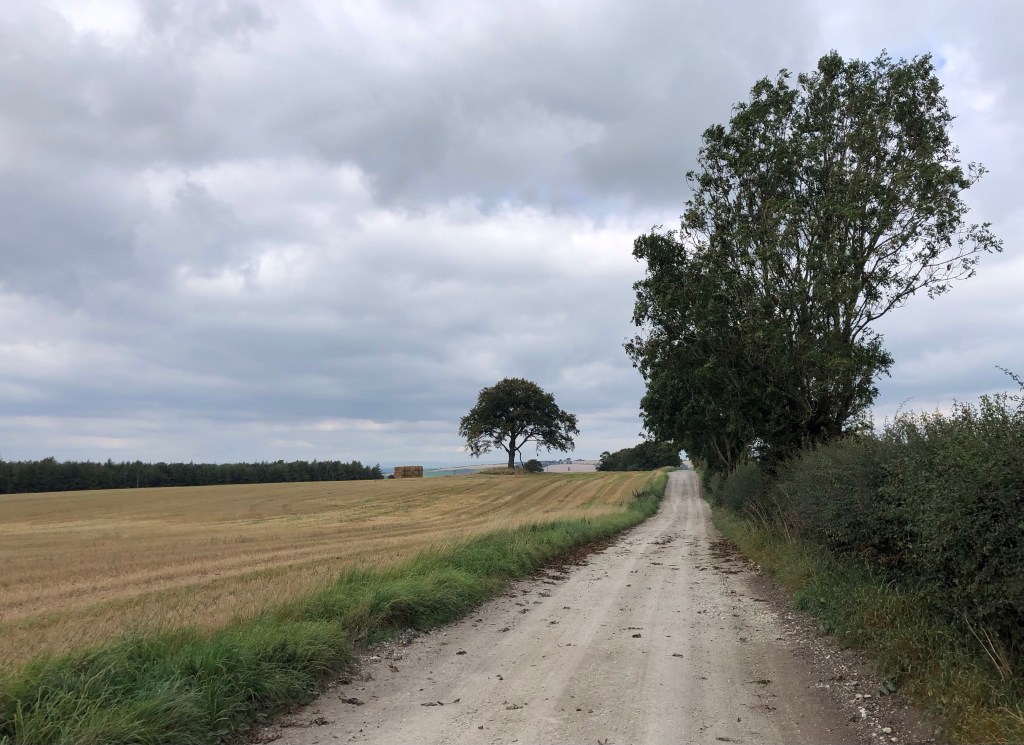
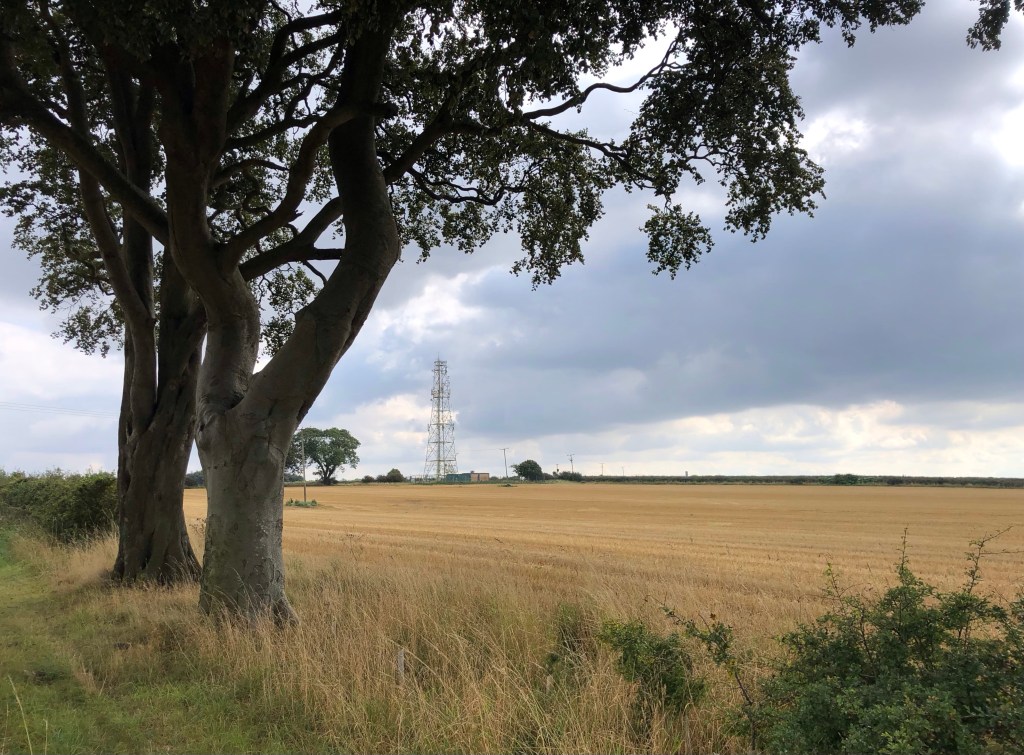
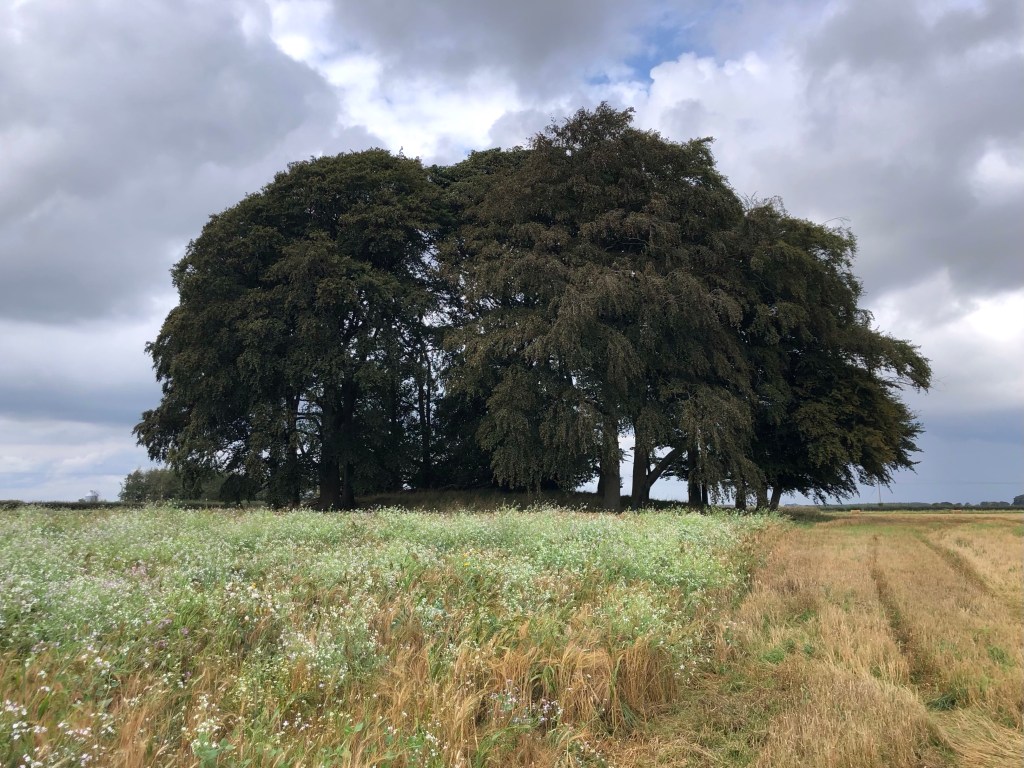
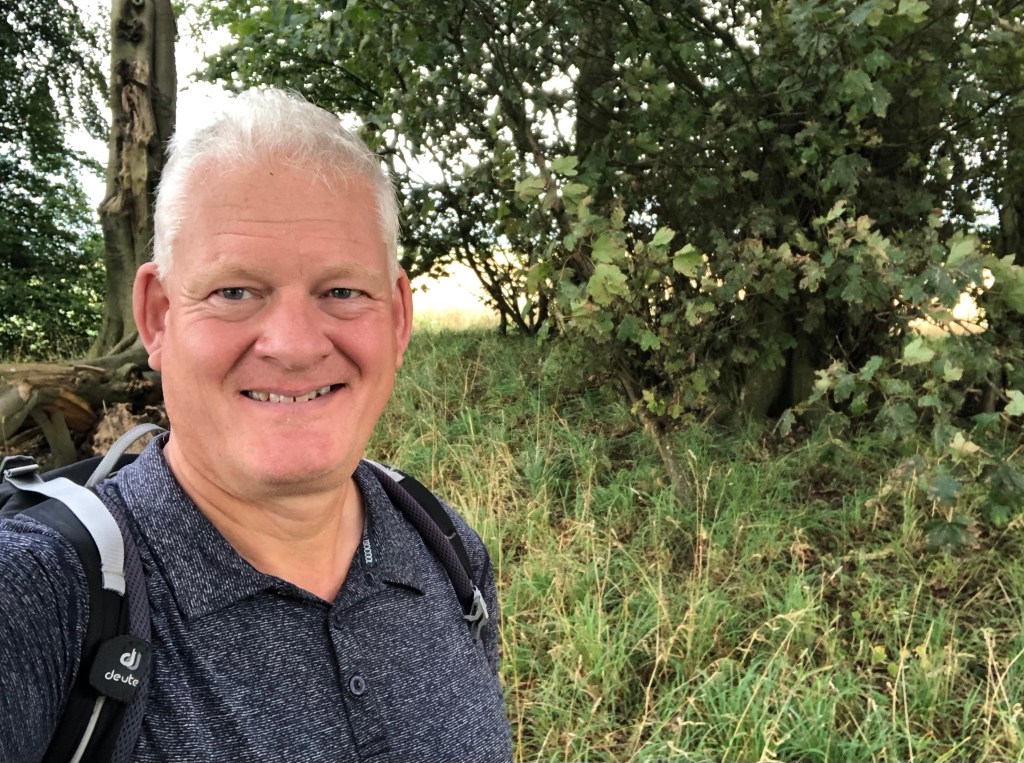
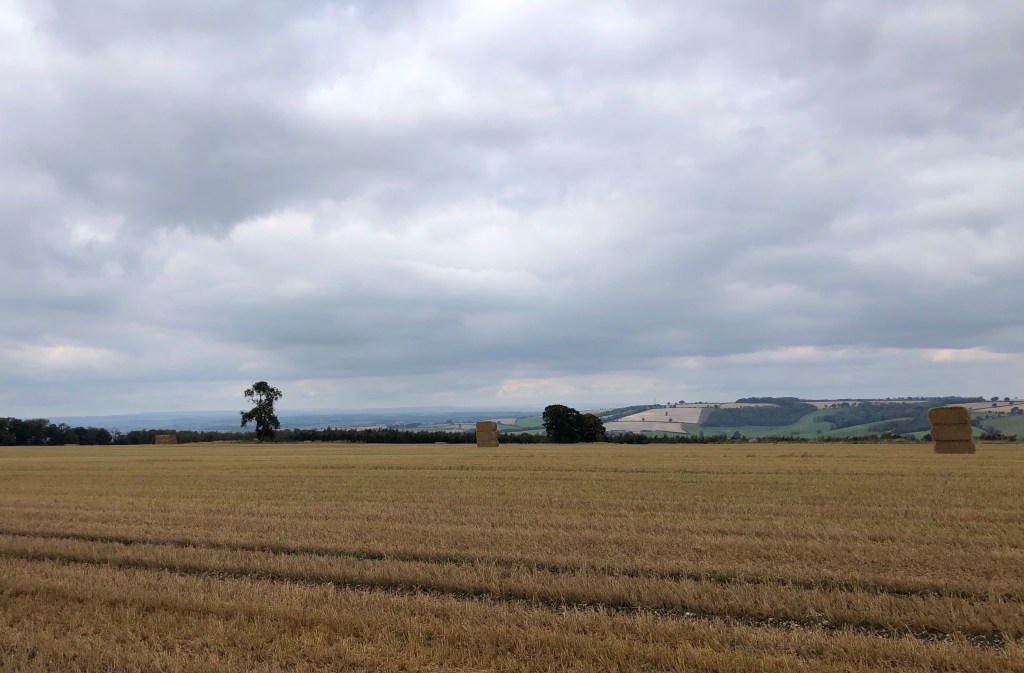
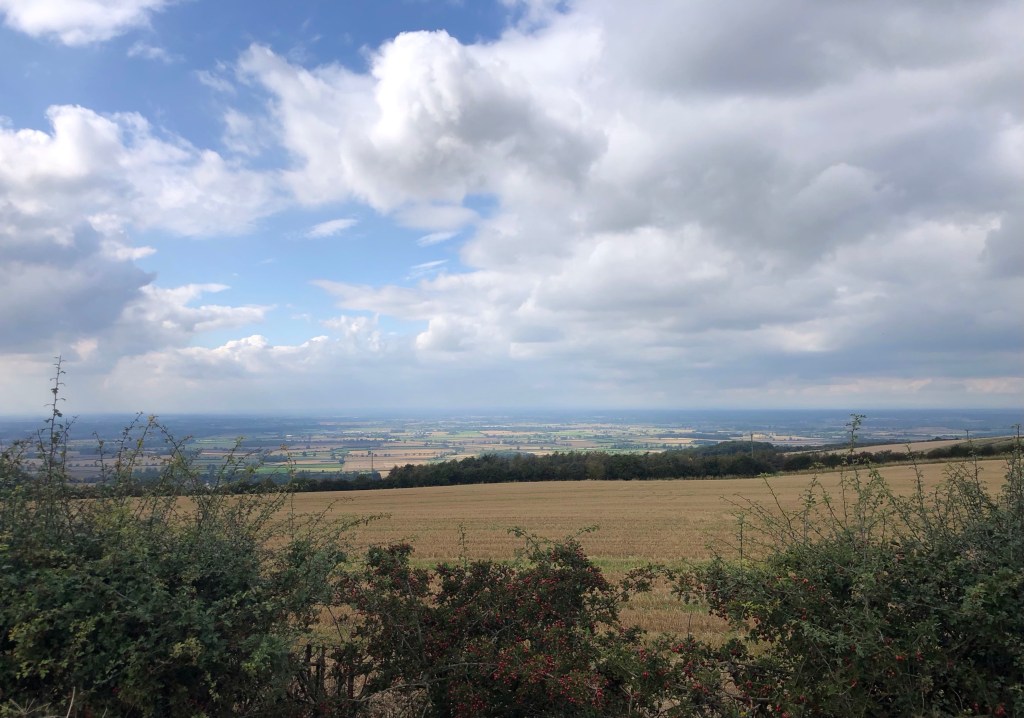
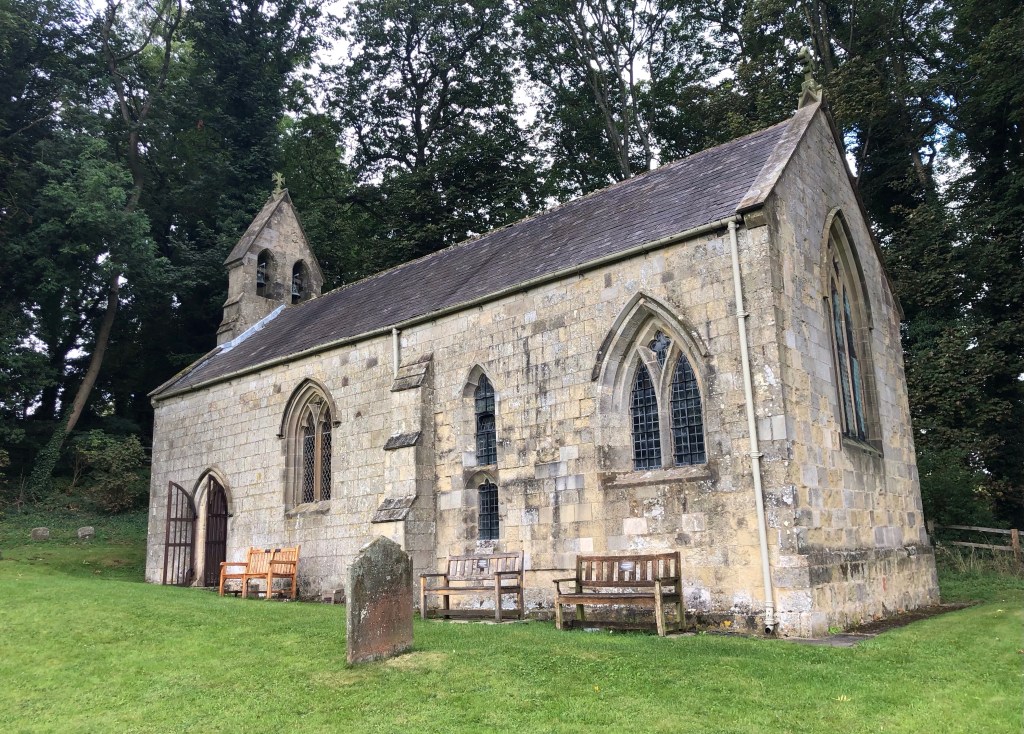
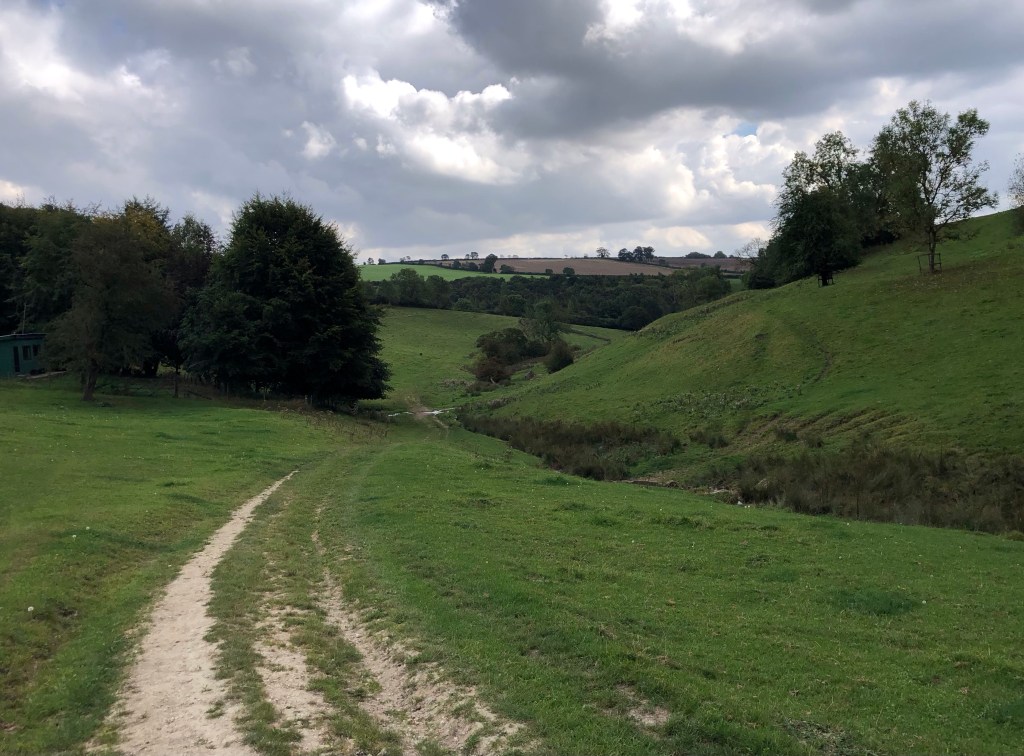
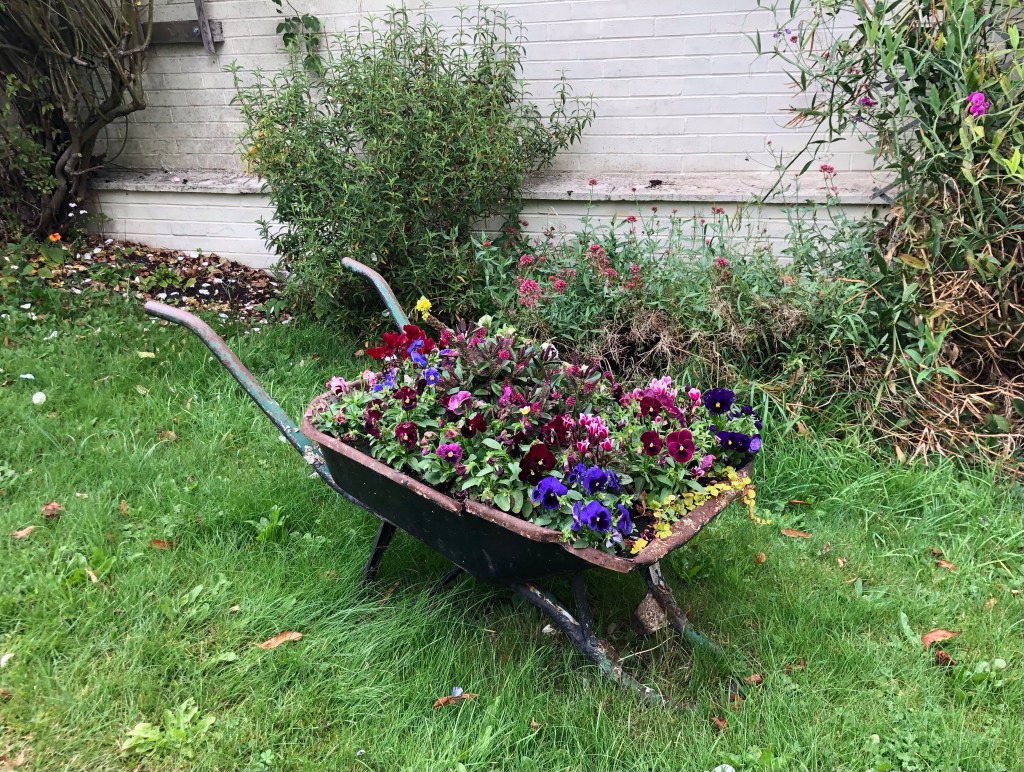
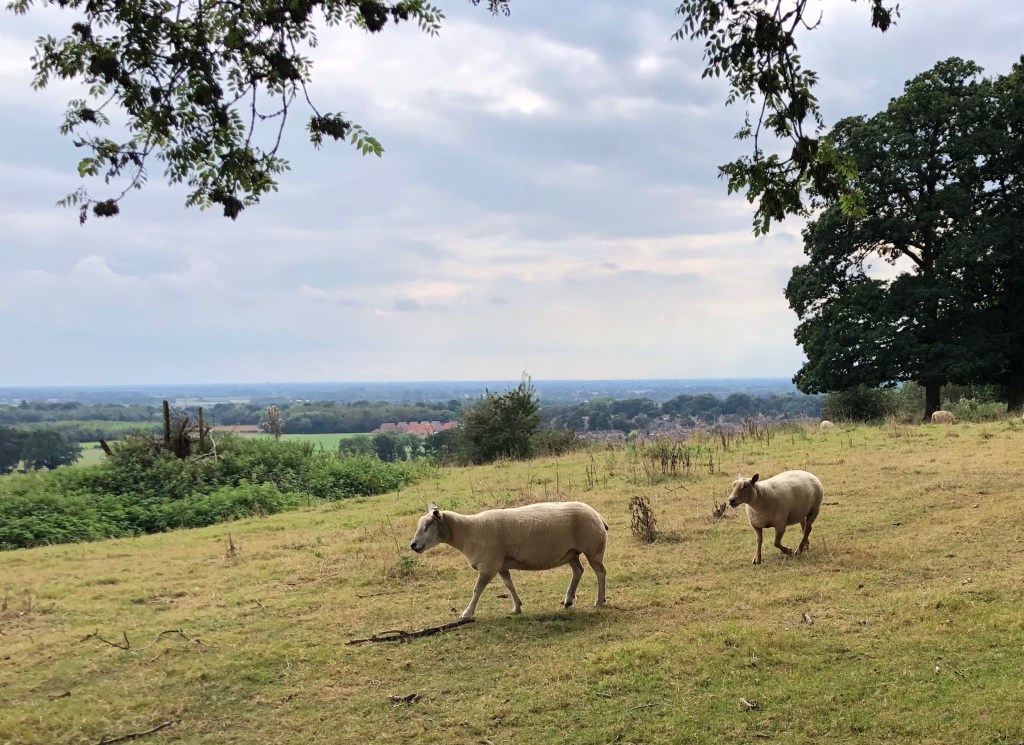
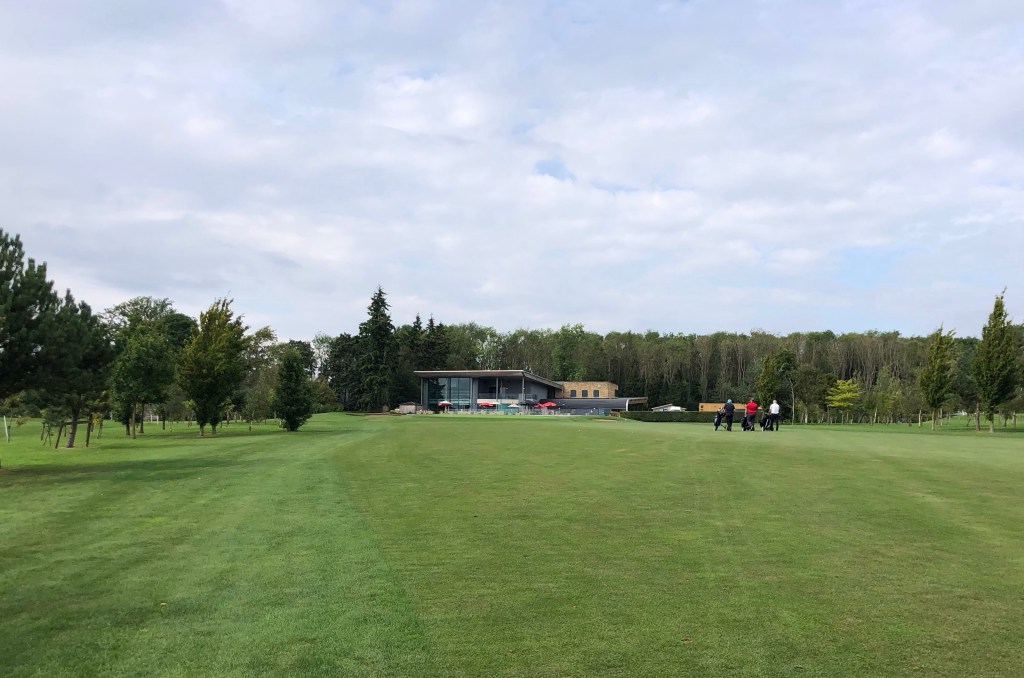
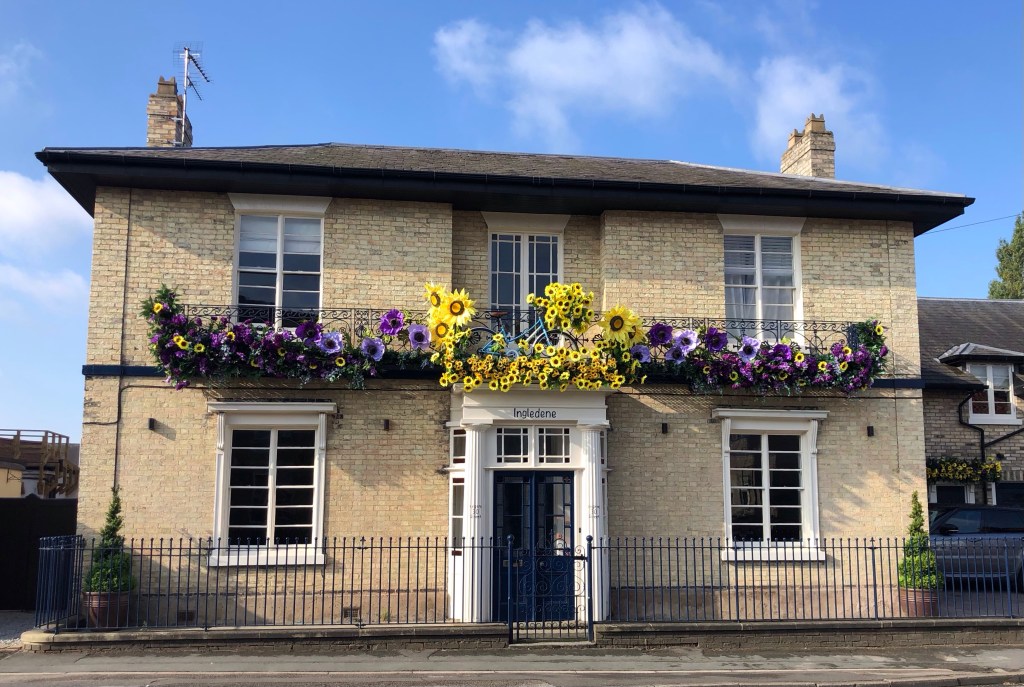
Thus concluded a fascinating ramble around what was, for me, some fine and unfamiliar territory. The area cannot quite be described as highland, but the walk included nearly 420 metres of climb and proved reasonably demanding in parts – a fine landscape in which to exercise whilst taking in the colours and scents of the changing season. My next stop is Northumberland for an attempt on The Cheviot, England’s second highest County Top, and I hope to be reporting back shortly as my LETJOG Peaks journey heads to England’s far north.
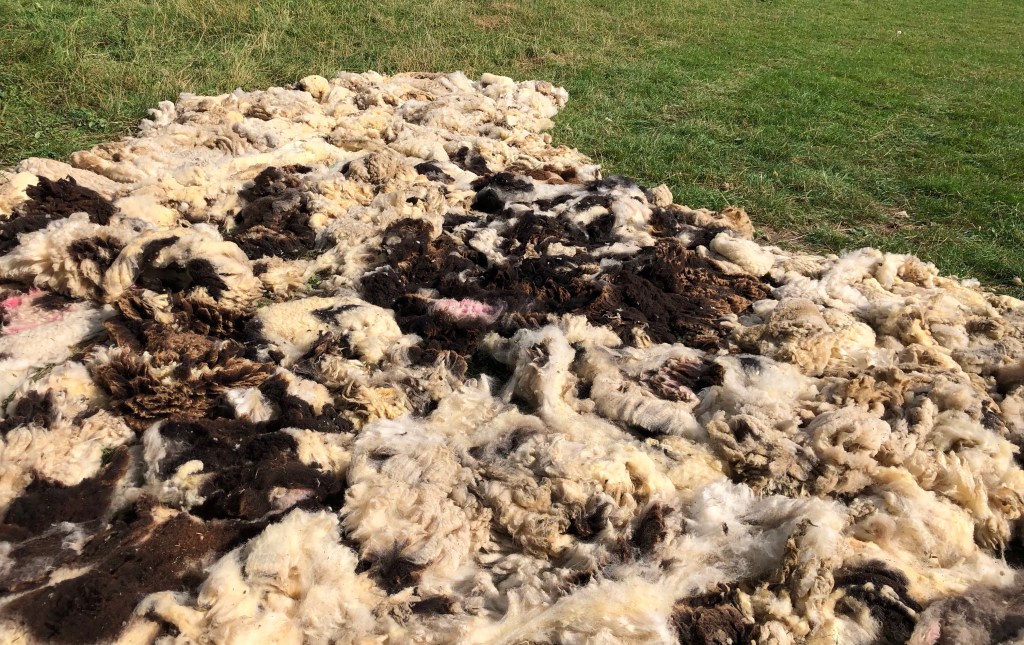
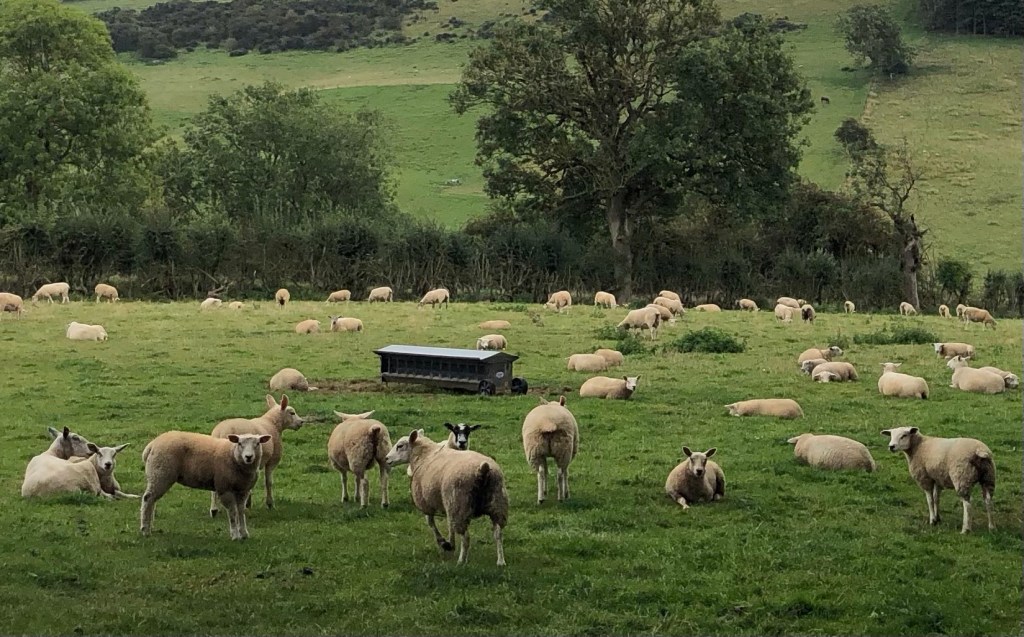
Given the importance of the wool trade in the region’s ancient economy ‘Sheep’ seems an appropriate heading for my Blog today. There is a song of this name written and recorded by The Housemartins, a popular indie band that was formed, initially as a busking duo, by Paul Heaton and Stan Cullimore in 1983, in Kingston upon Hull – a little further to the south of the East Riding of Yorkshire than Pocklington. The band expanded in size over the subsequent years to become a quartet, releasing their first album ‘London 0 Hull 4’ in 1986, on which the single ‘Sheep’, written by Heaton and Cullimore, appeared. Following the break-up of the band in 1988 Heaton went on to form the sardonically-named pop-rock group The Beautiful South with Hull-born Dave Hemingway, who had joined the Housemartins in 1987. The band went on to achieve fame and fortune throughout the following two decades with a succession of numbers renowned for their witty and socially-observant lyrics. In 2017 I saw what was apparently the group’s first-ever Watford gig – the beautiful south indeed!
 Walking for Fun, Challenge and Charity!
Yet again, lovely photos, Nick, and particularly enjoyed these as my now widowed sister lives in Millington, nearest market town Is Pocklington, and I shall be up there with her at the end of the month! Also that is the area that for a while painter David Hockney Spent time painting! Well done yet again and thank you! Liz >
LikeLike