
LETJOG E2W – Day 7: Saturday 20 April – ELY to BRAMPTON (27.2 miles)

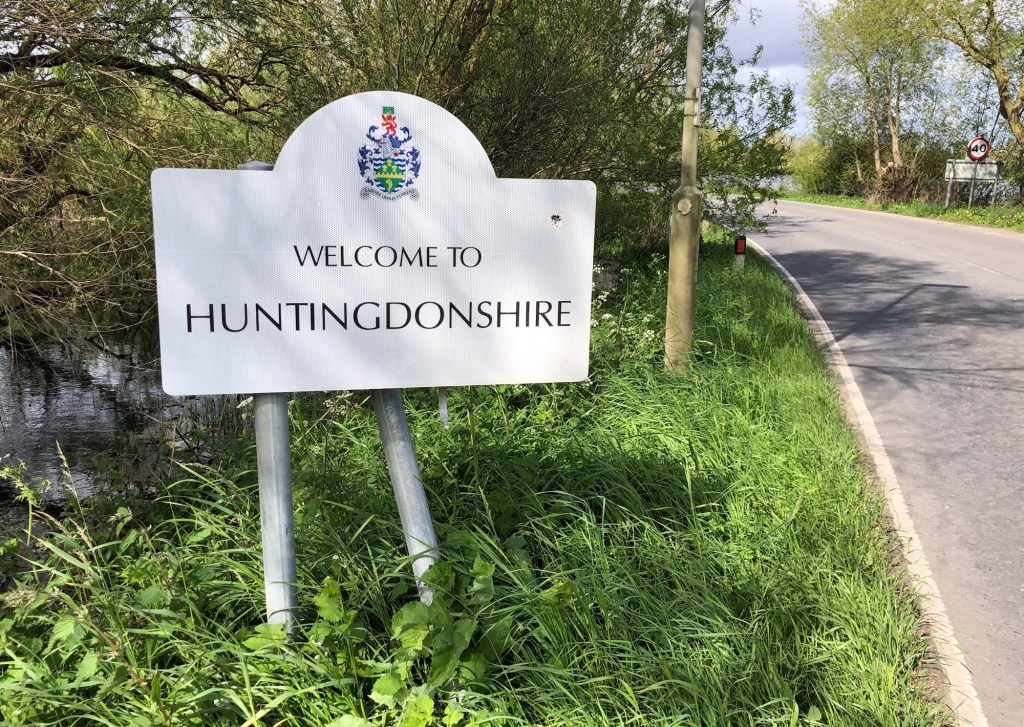
As with yesterday’s walk, my LETJOG E2W marathon today was a flat trek that took me across The Fens: ten miles on quiet lanes (more cyclists than drivers, but hard on the joints), ten somewhat more gentle miles along the Ouse Valley Way, and then the final seven through Huntingdon and Brampton on cycle paths and wide pavements. I can certainly feel my legs tonight, and also my shoulders from my backpack and the poling!
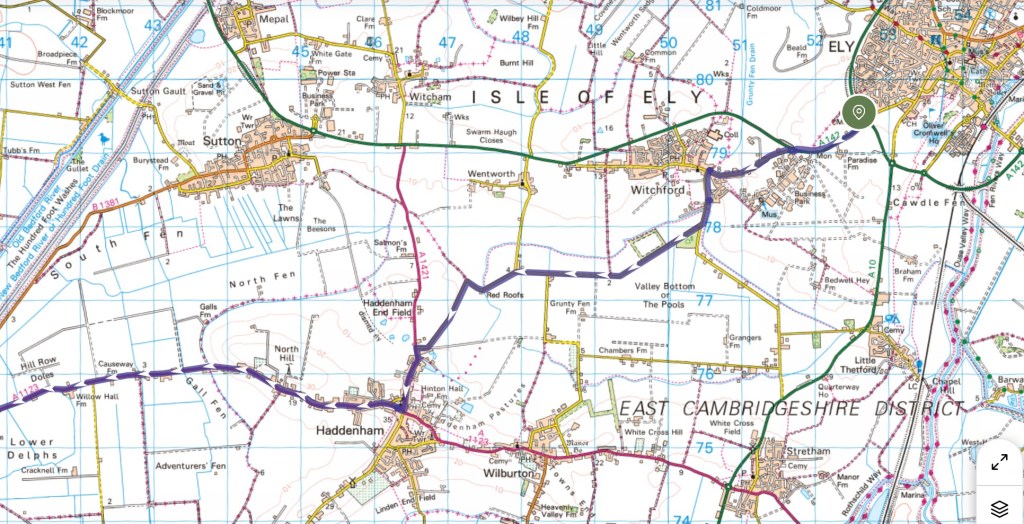
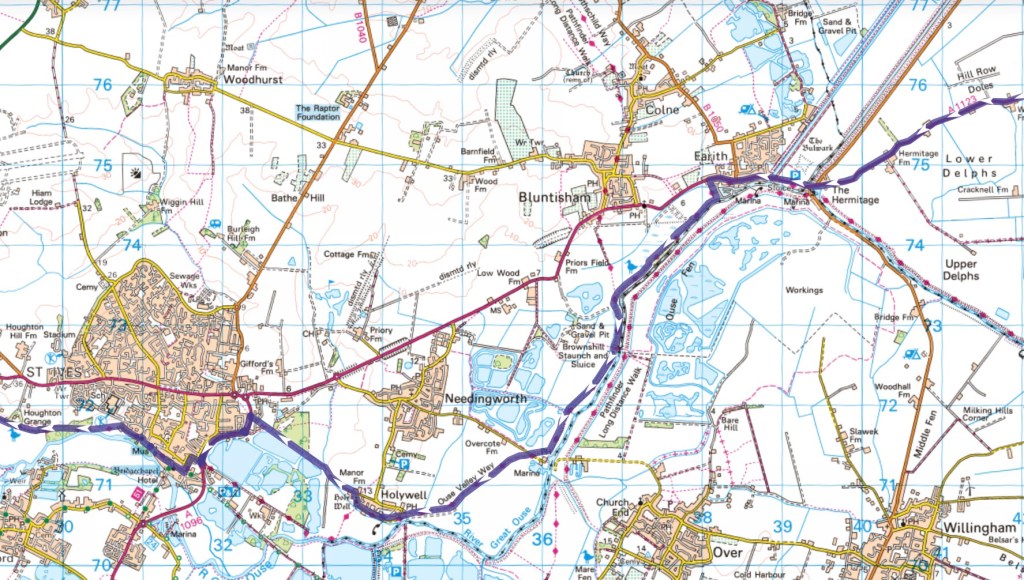
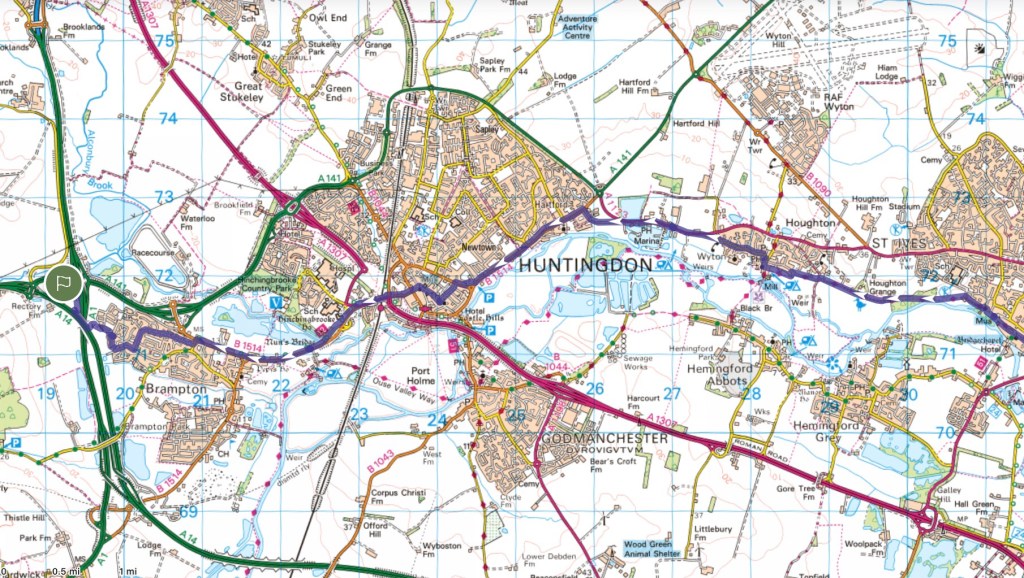
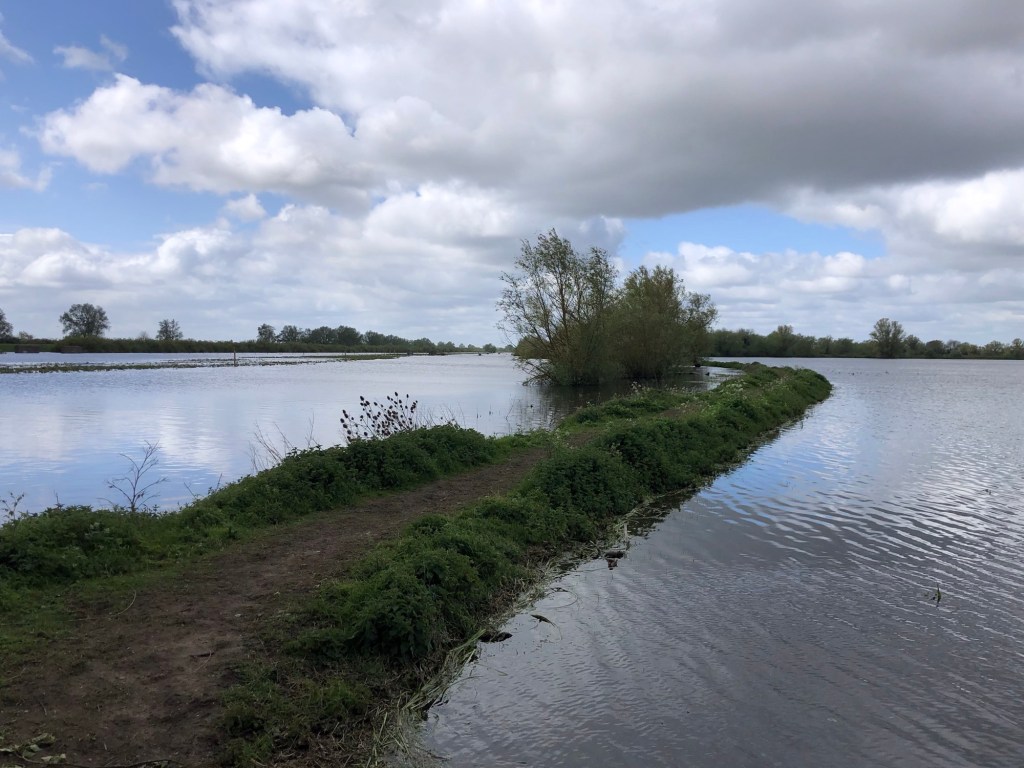
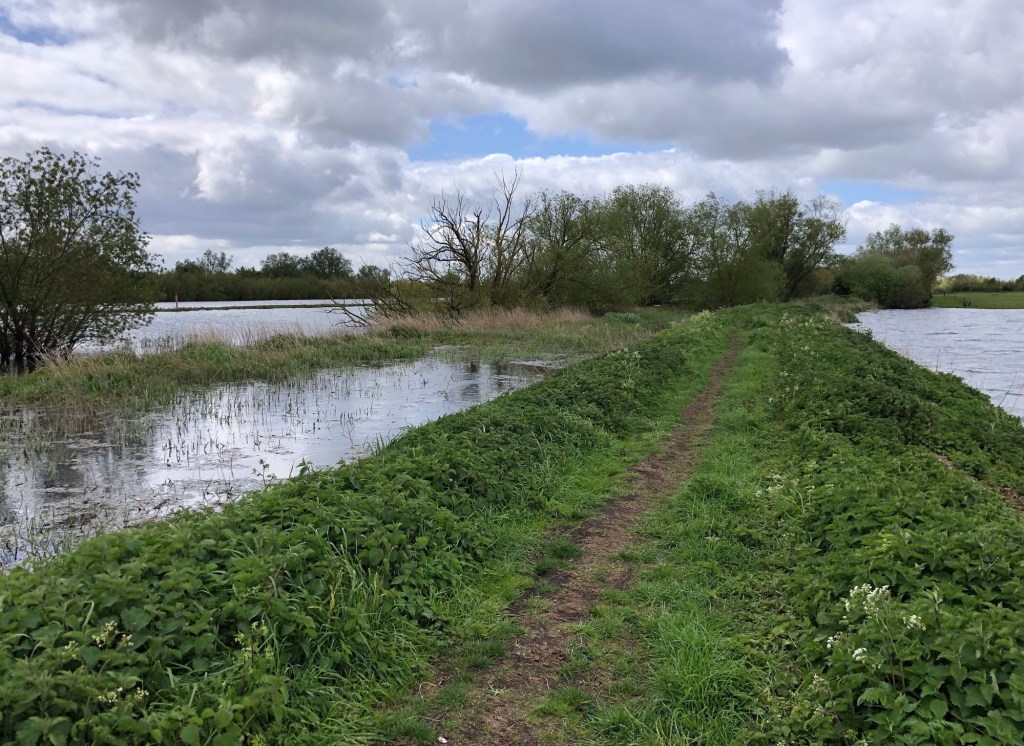
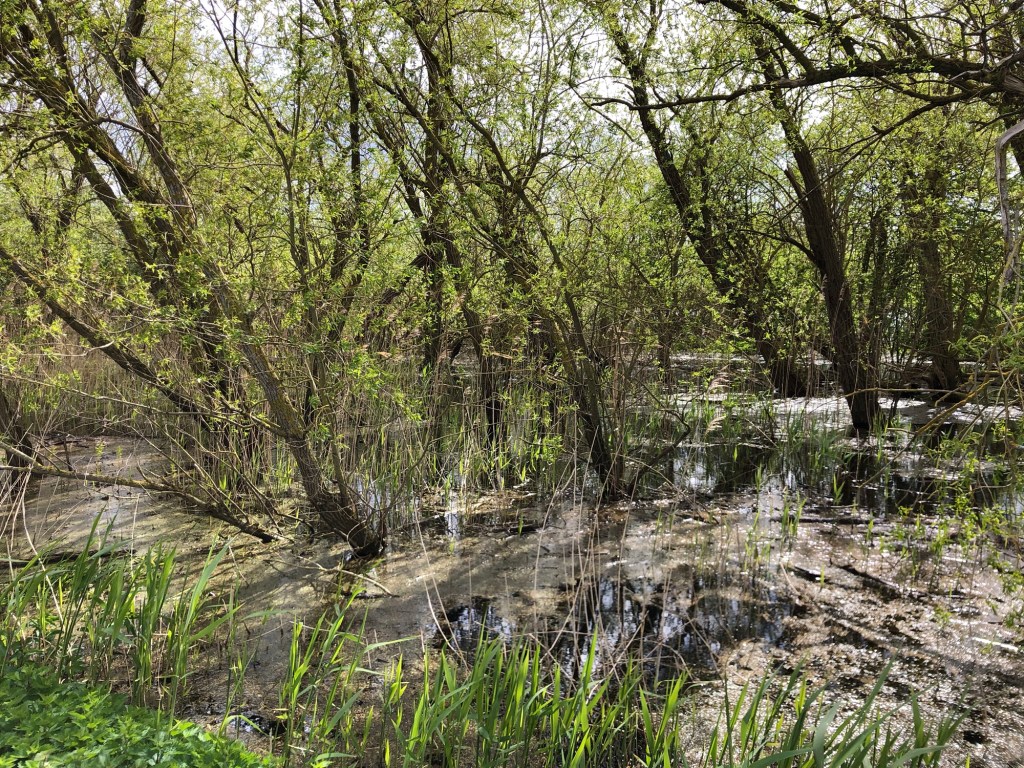
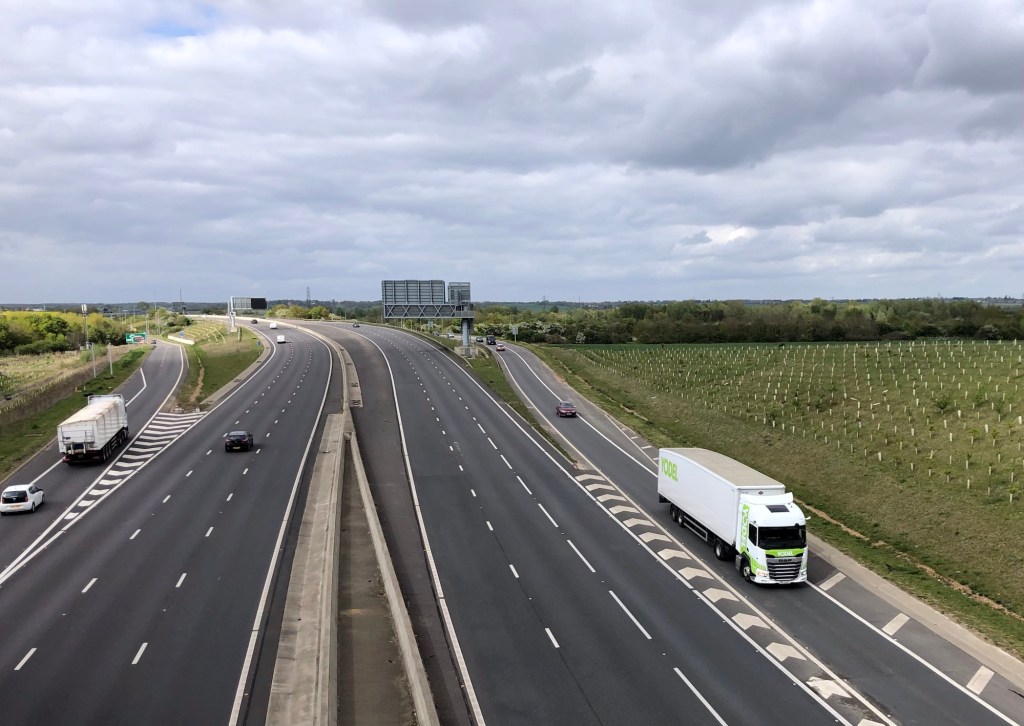
The Fens are a region of England that I have visited just occasionally, and I have never before stayed overnight here, nor done so much as a single day’s walk in the region until yesterday’s trek into Ely. For much of this morning my walk crossed a not dissimilar landscape to yesterday, of drainage ditches and flat farmland – I could have dropped a spirit level anywhere along the path and the bubble would have stayed pretty much in the centre. Things changed at Earith, not so much as regards any gradient, but in terms of interest, with my route joining the Ouse Valley Way alongside the river. Reedbeds, flooded water meadows, and a few willows became the dominant features of the landscape here: blessed with dry weather and a cooling breeze, and with the flatness of the grassy path and the quiet isolation, I was able to set a good and meditative rhythm to my walk. A fine day indeed!
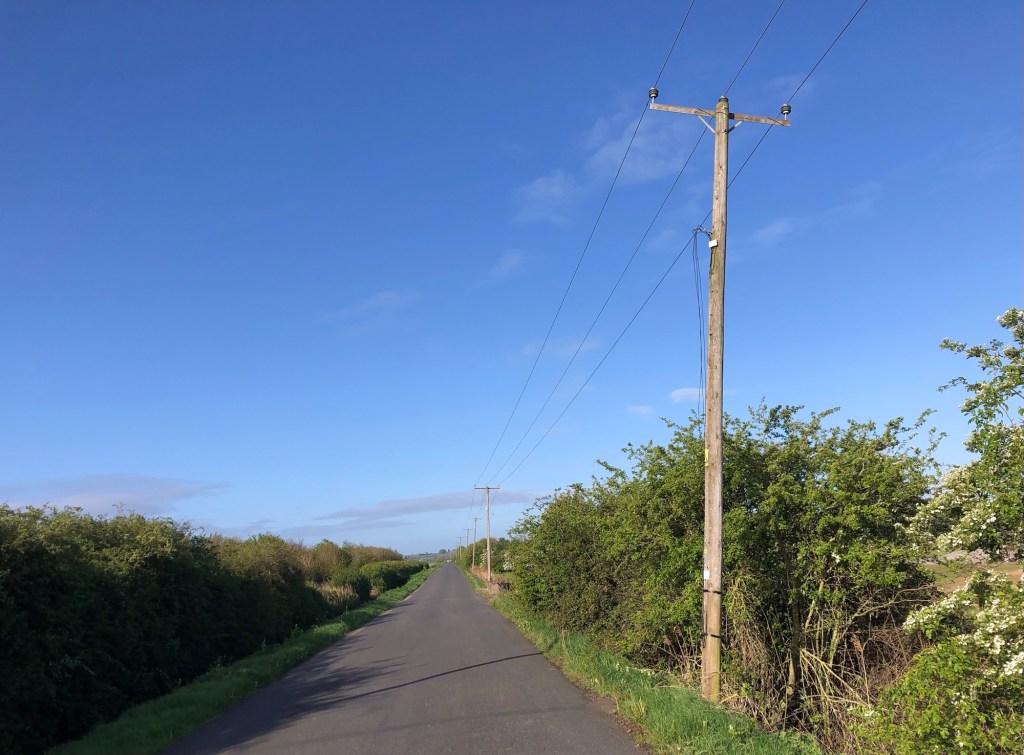
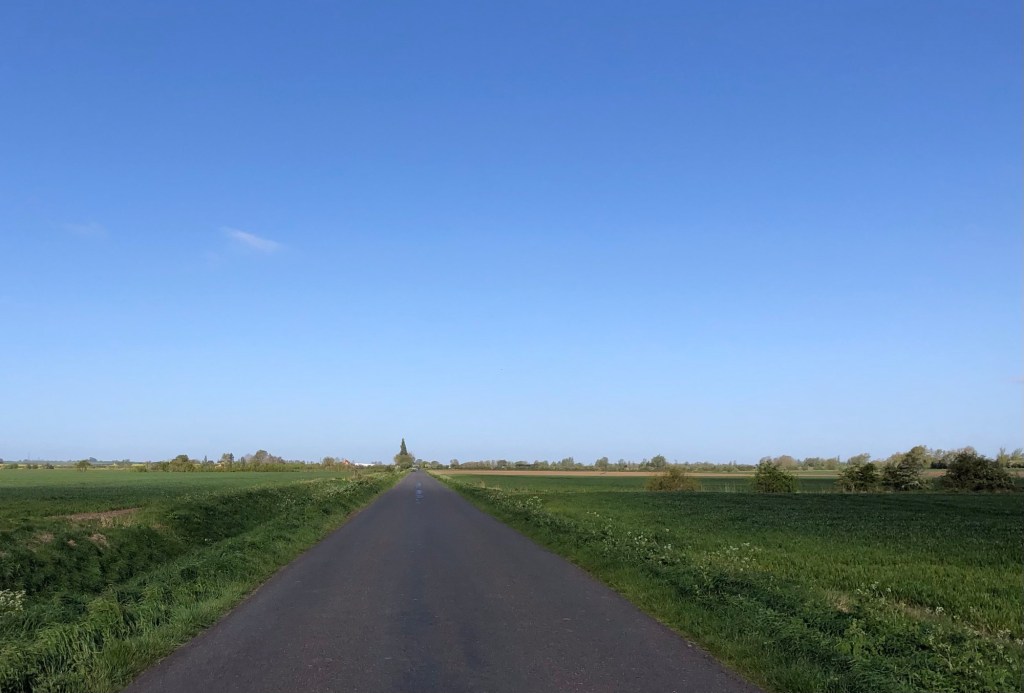
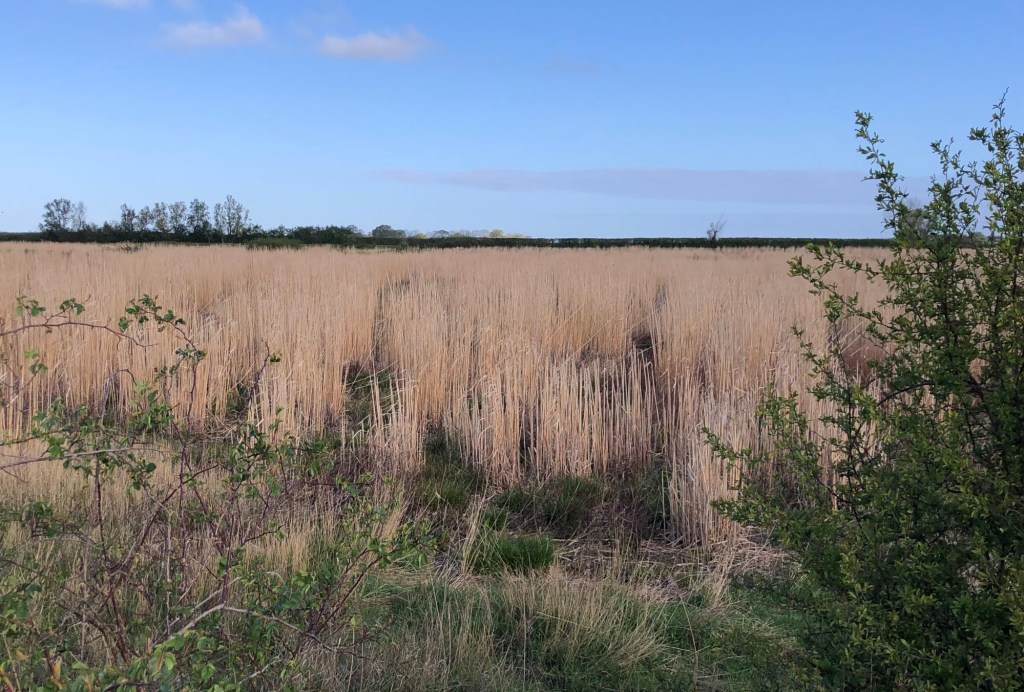
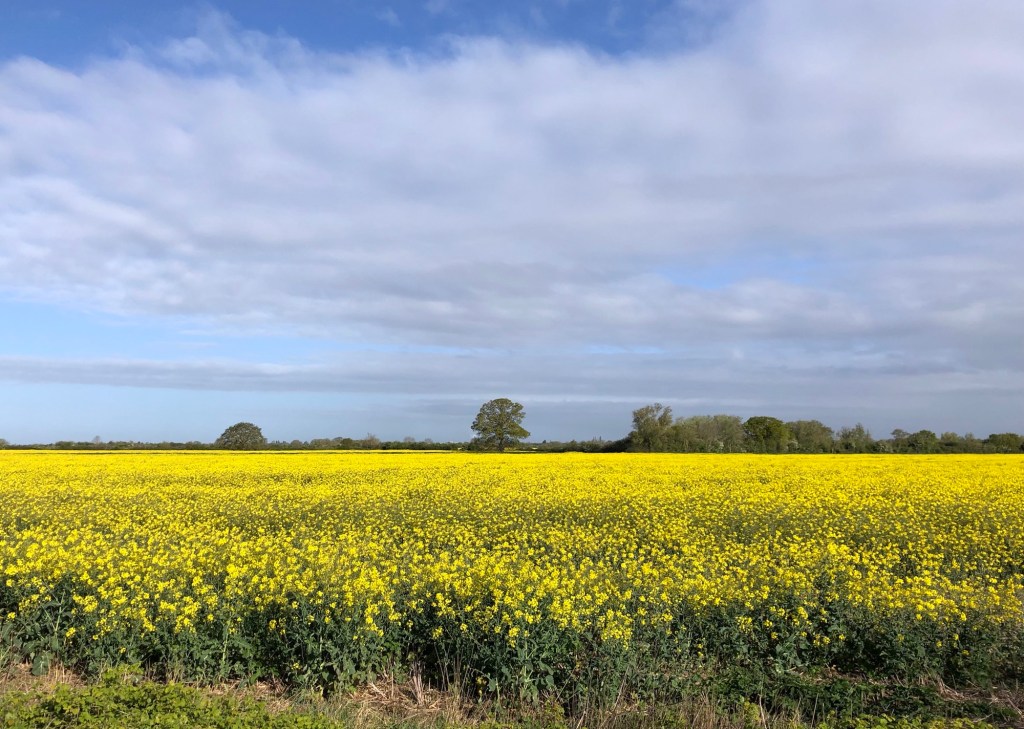
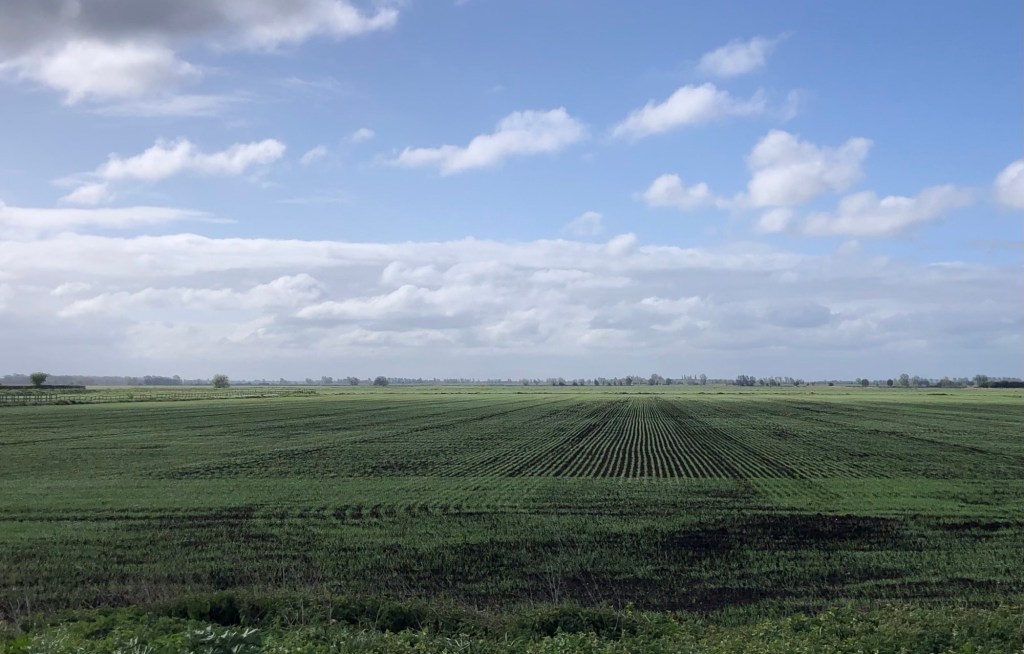
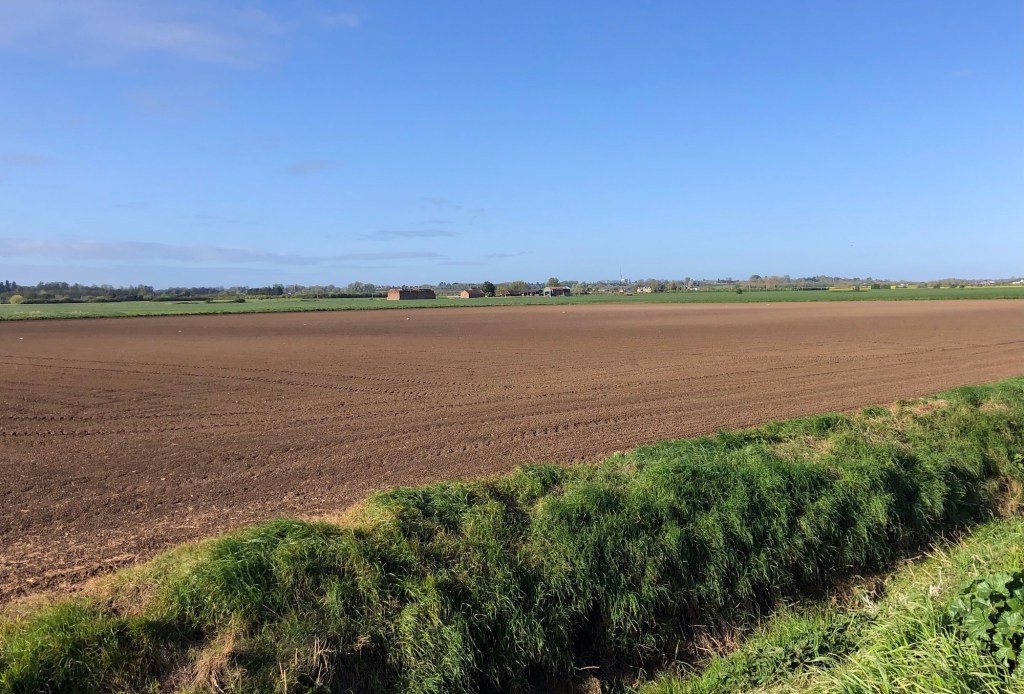

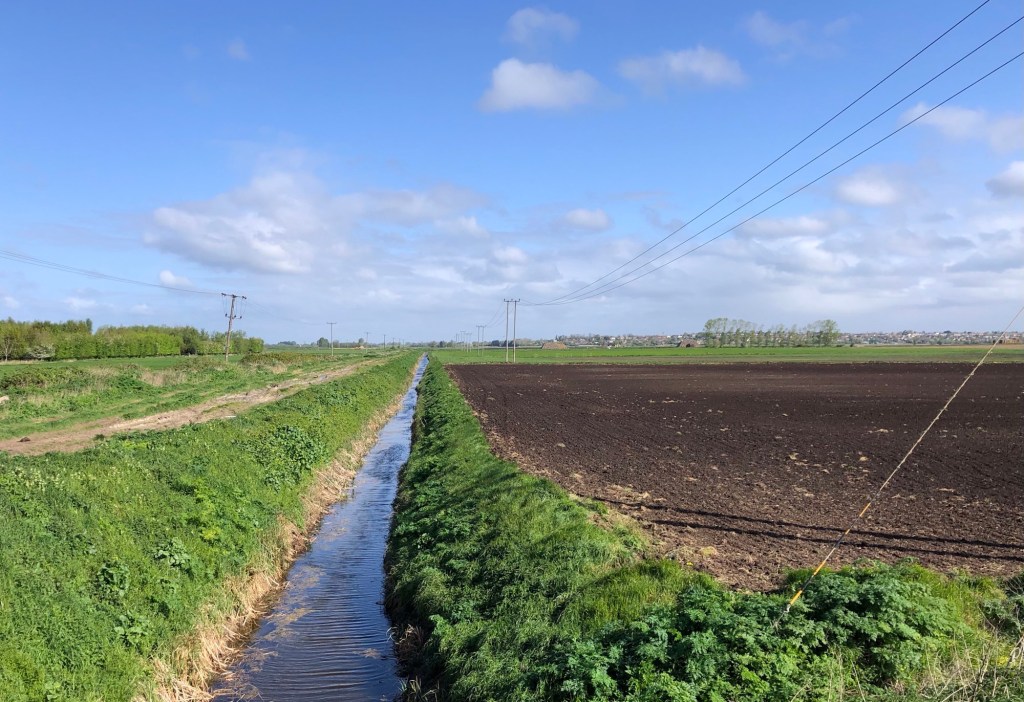
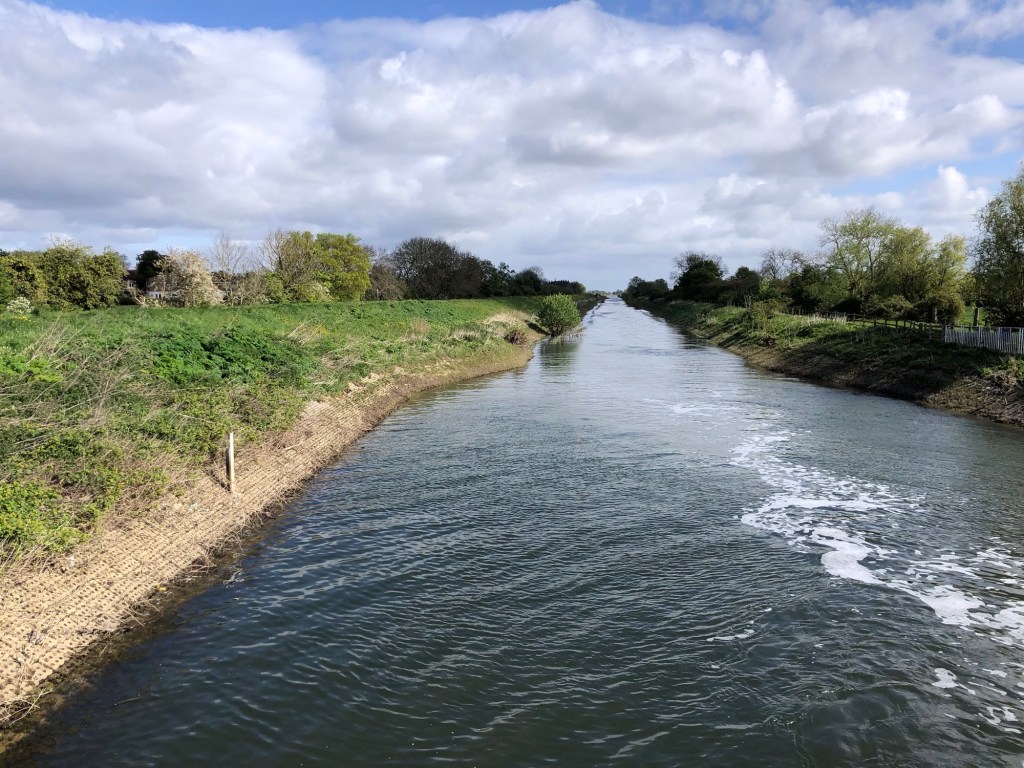
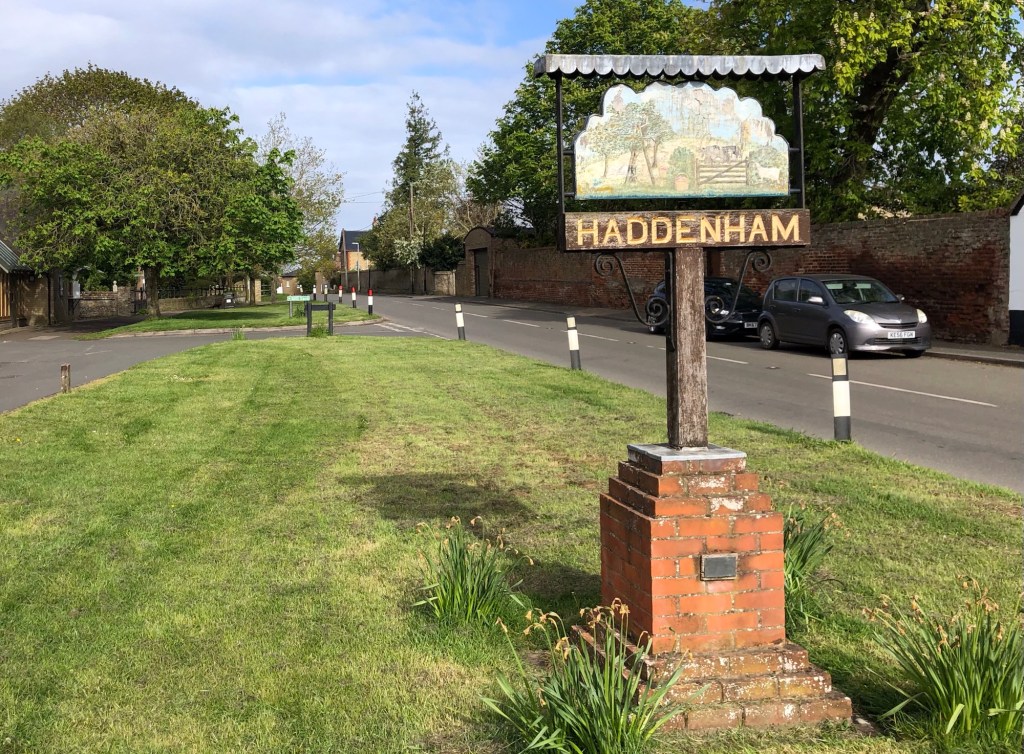
The Fens occupy a region that was underwater until relatively recent millennia, and since that time the area has endured periods of intermittent flooding. Vegetation has grown and decayed to produce rich peaty soils that medieval farmers sought to drain over the centuries. Successive attempts, including a comprehensive 17th Century plan by Dutch engineers to build large drainage ‘cuts’ soon failed, as the dykes, built to channel the water northwards and so to dry the land, actually caused the peat to shrink, with the resulting depressions continually flooding again. Wind pumps proved insufficient, and it was not until the advent of more efficient steam pumps in the 19th Century that the fenlands were finally reclaimed for widespread cultivation. The resultant landscape is one of arable farming on a rich dark soil, with the fields frequently sitting on a level below the causeways on which the roads sit and, in places, being lower-lying even than the modified rivers within their grassy embankments. From a contemporary walker’s perspective, the landscape today is a unique if somewhat ‘samey’ environment, that makes for a fast pace.
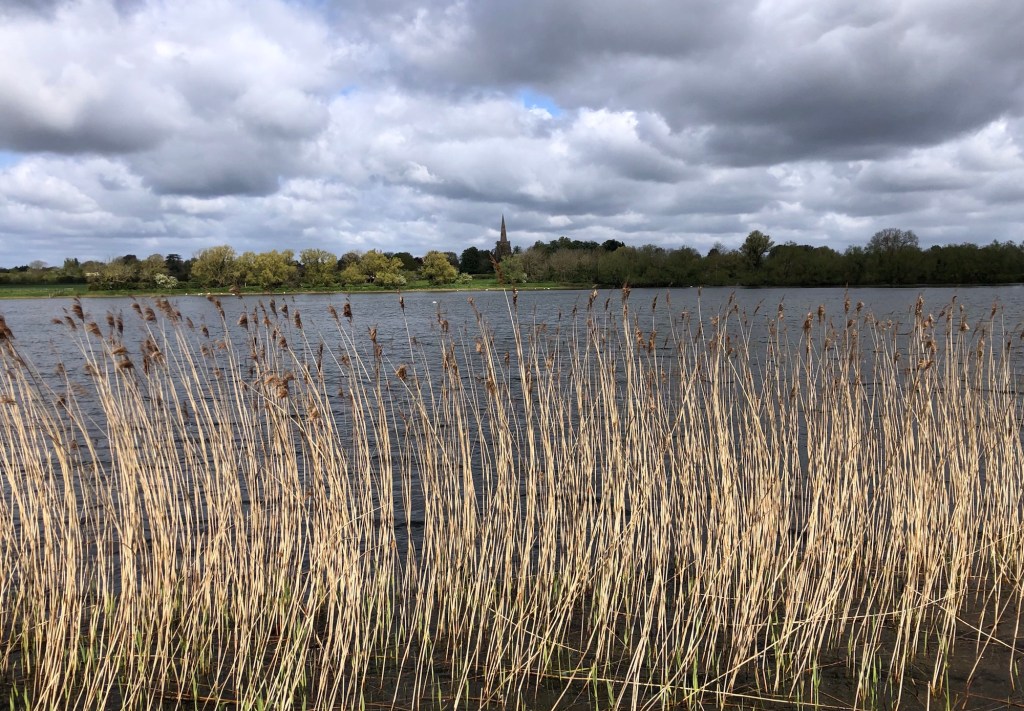
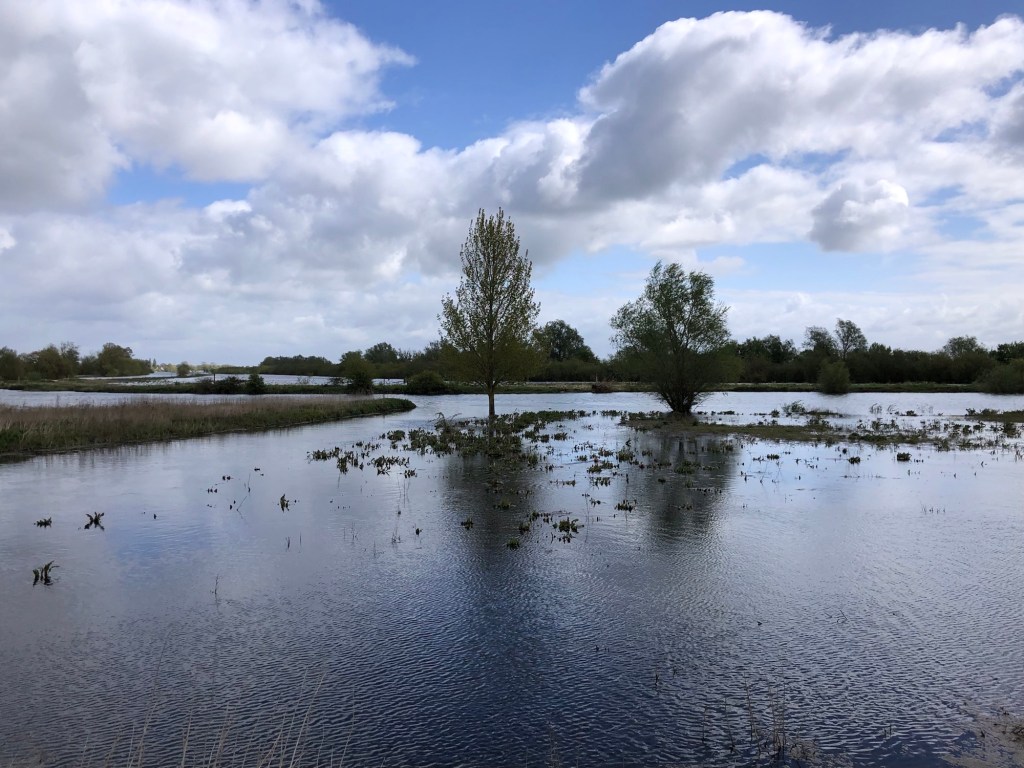
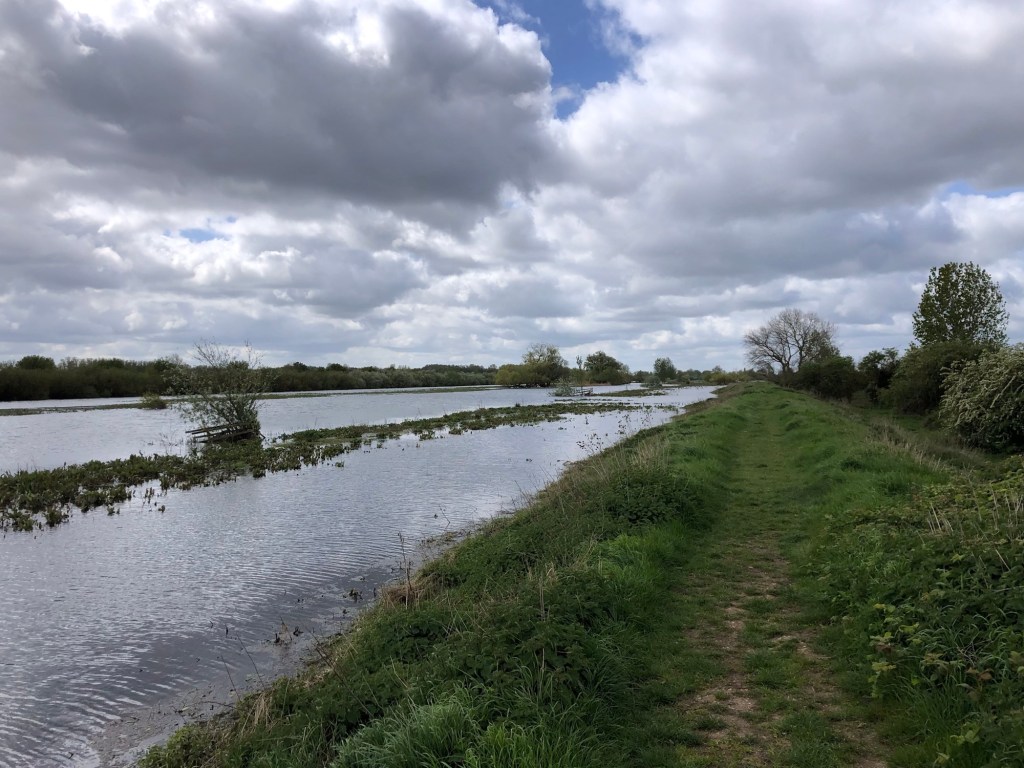
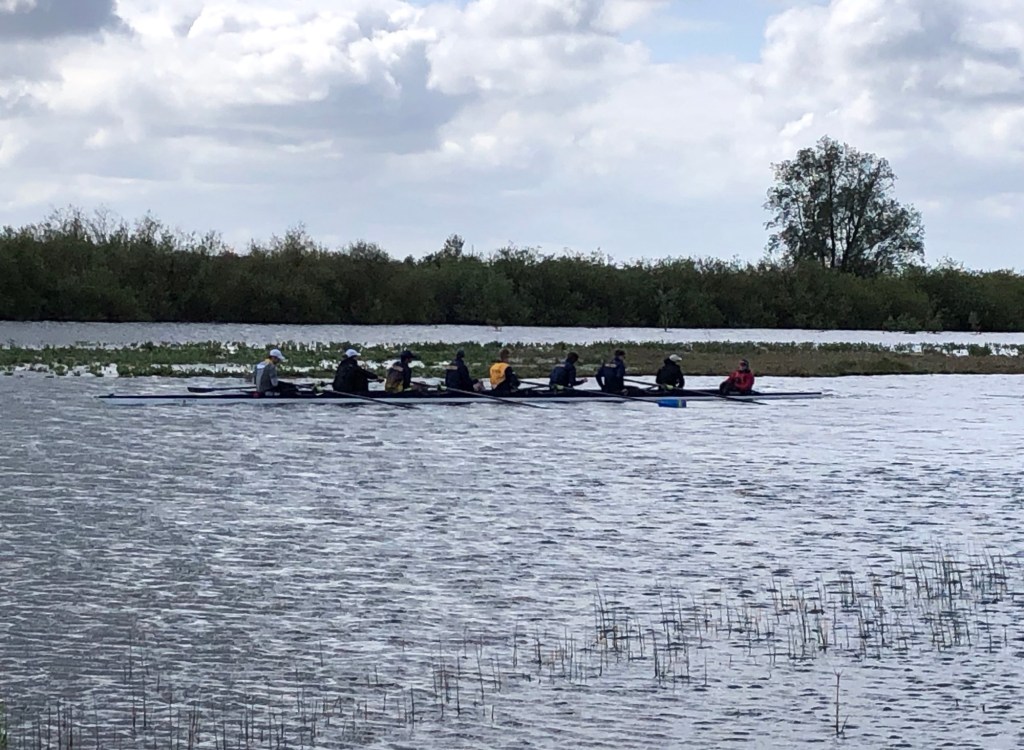
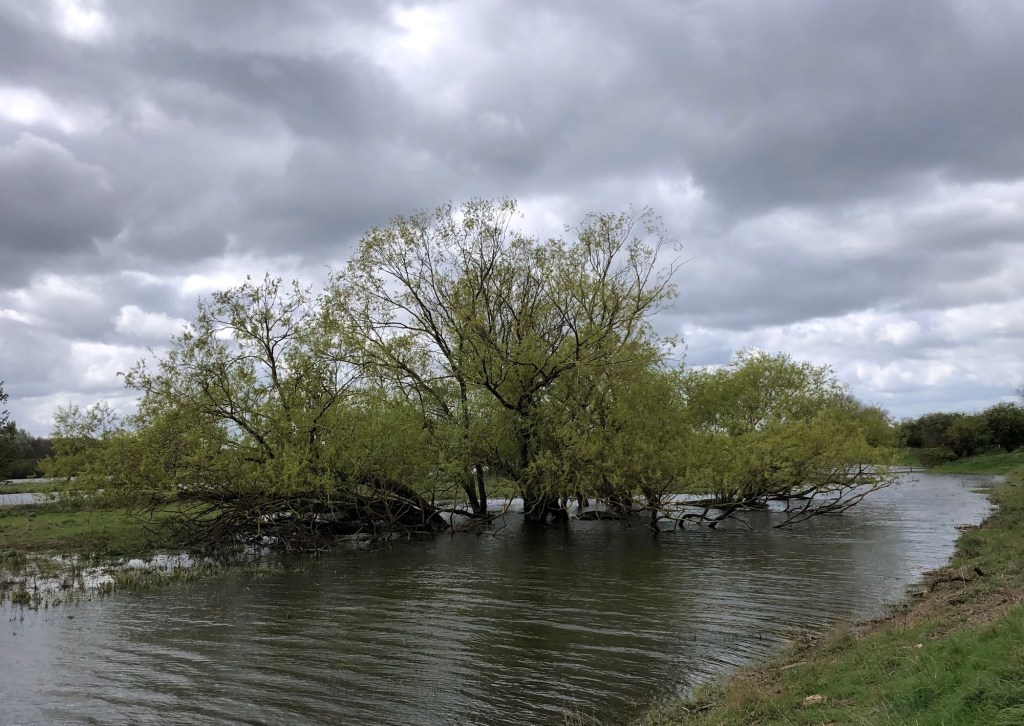
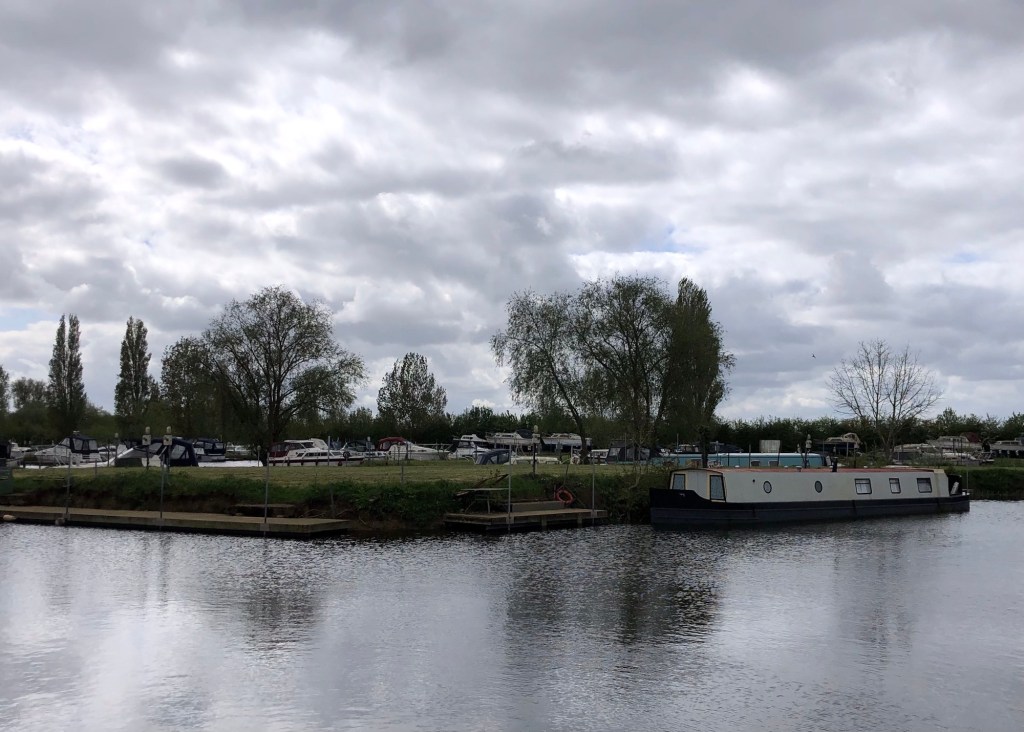
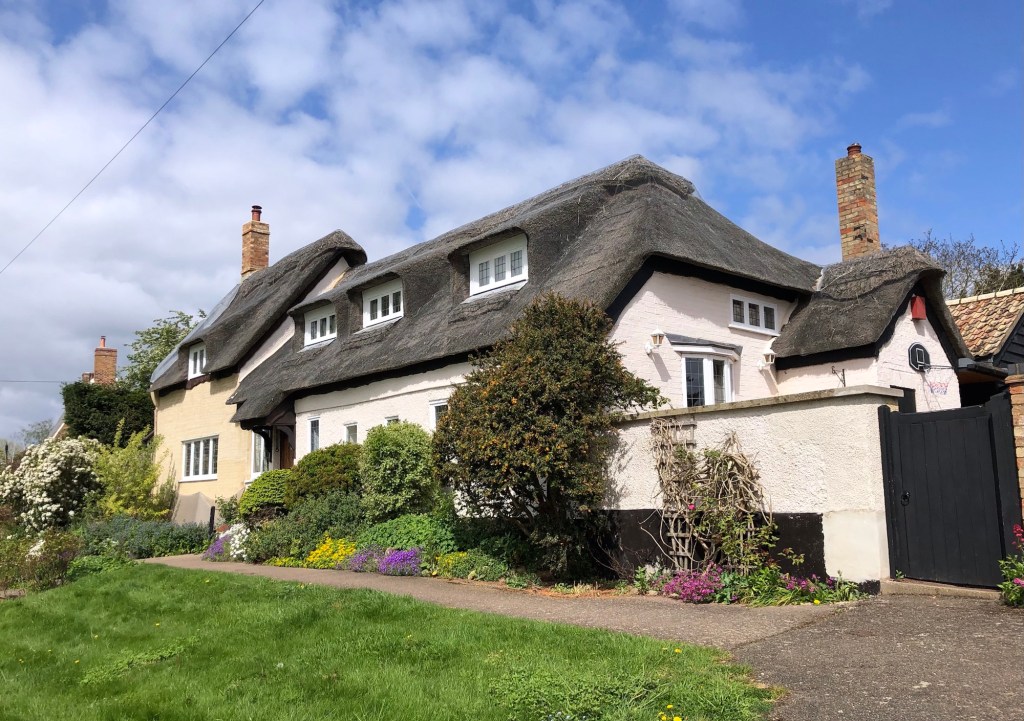
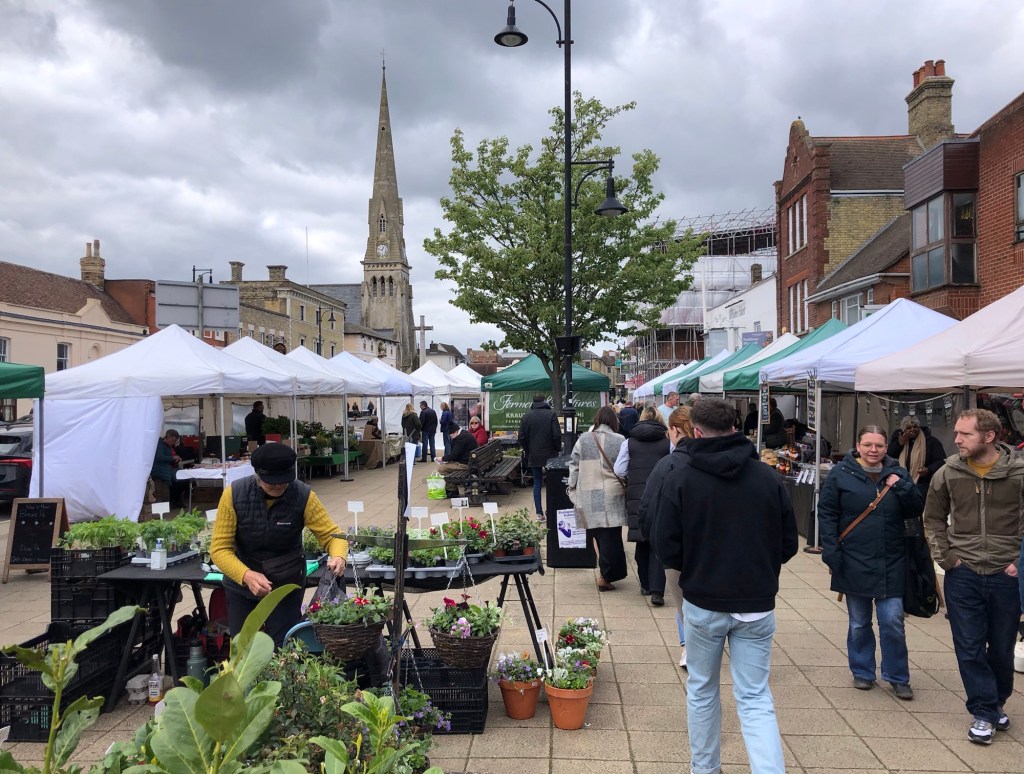
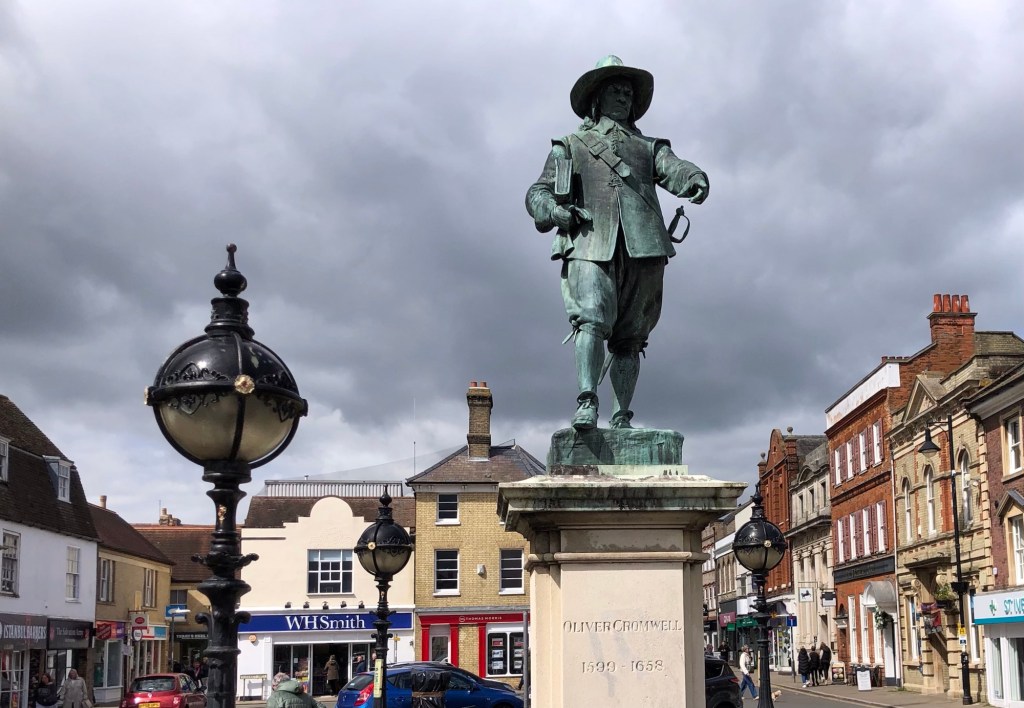
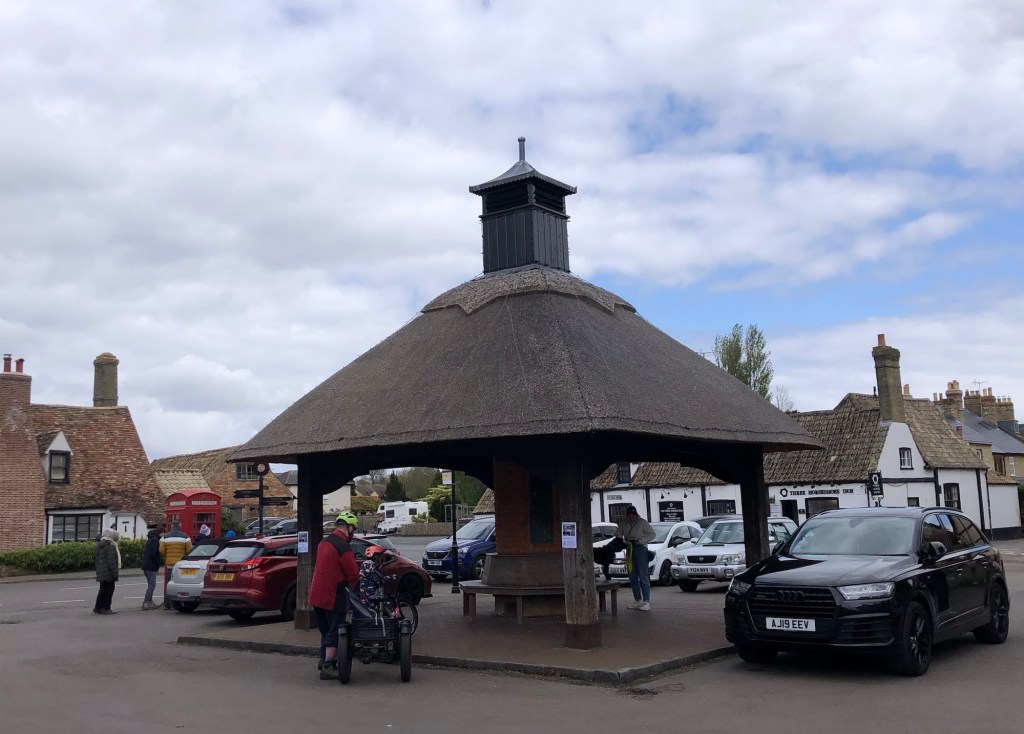
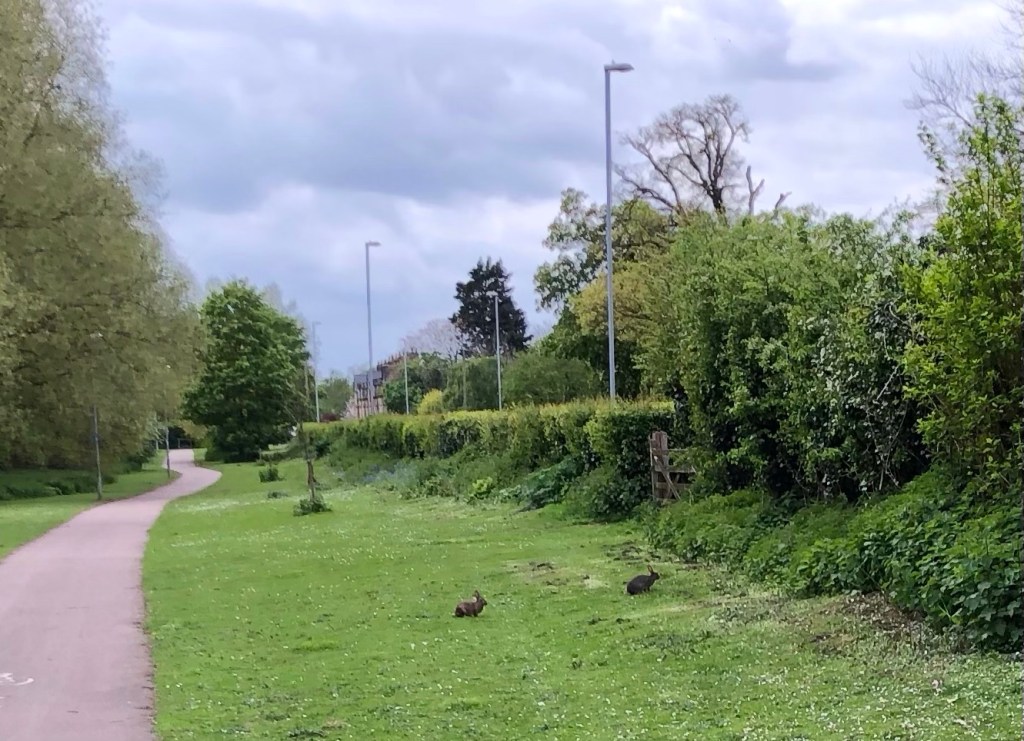
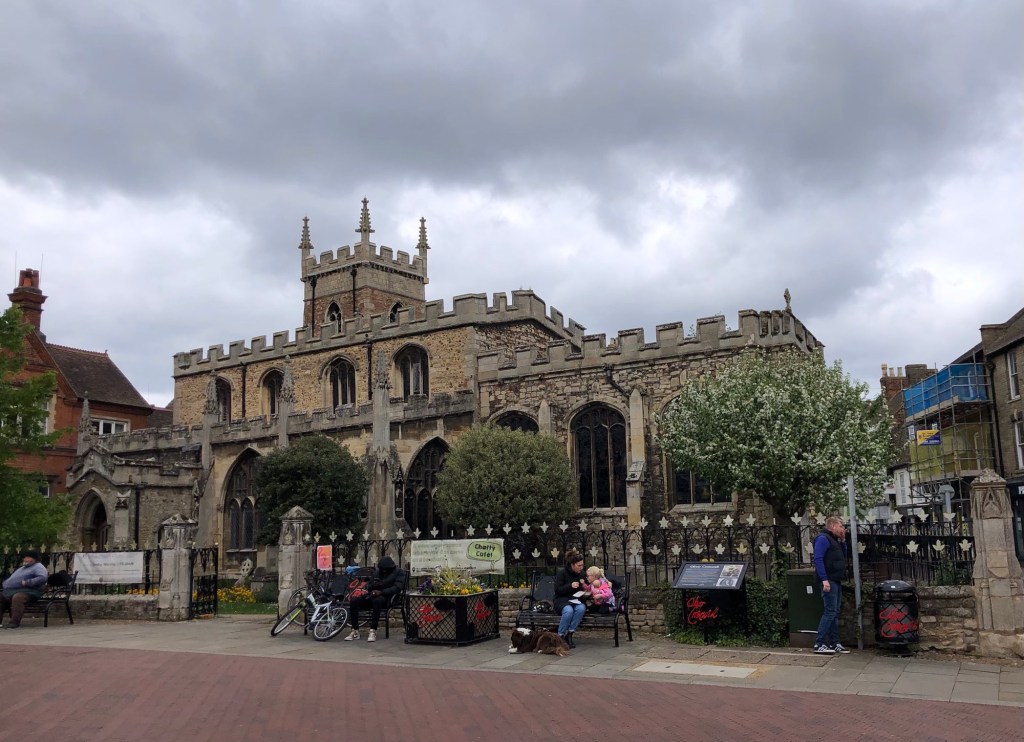
I knew at the planning stage that my walk today would be as long as any that I have plotted on this LETJOG E2W trek (although a couple of my scheduled days in Wales come close, and have a lot more ascent), and that, as a marathon, the day would set me a ‘challenge within a challenge’. How appropriate it is that the London Marathon takes place tomorrow – by way of comparison my walk (over an additional mile on top of the standard marathon distance, I hasten to add) took me two minutes short of eight hours, door-to-door, including a 15-minute lunch stop. So I wouldn’t be winning any medals tomorrow, but I do have the incumbrances of a ten-kilo backpack, some frequent photo-stops, and the need to leave something in reserve for the days and weeks ahead!
The song ‘Wichita Lineman’ that I have adopted as my Blog heading for today, is something of a musical masterpiece, and an unfinished one at that. It was written by US songsmith Jimmy Webb in 1968, specifically for Glen Campbell, who, backed by the Wrecking Crew’, recorded the number with an instrumental section in place of the third verse that Webb was still contemplating. No matter; the song was widely acclaimed, with one critic later calling it ‘the first existential country song’, and the rich imagery of the composition has ensured its iconic status in the American Songbook. Before ‘Wichita’, Webb, then in his teens and early twenties, had already written many songs, such as ‘By The Time I Get To Phoenix’, and he would go on to have a hugely successful career penning numbers for Campbell and a host of other leading artists of pop, folk and country music. Also an occasional performer, Webb is now aged 77 and he continues to tour: I have a ticket to see him in London at the end of May – assuming of course that I finish my trek by then!

 Walking for Fun, Challenge and Charity!
So, you have visited two of my old stomping grounds from my 21 years in the Territorial Army. Thetford was 41 Sqn Jaguar Reconnaissance and (RAF) Brampton where I spent many training weekends and 6 months mobilised in the Army back in 2002. You may be wondering why a soldier spent so much time at RAF bases. It’s simple, the food was better.
LikeLike