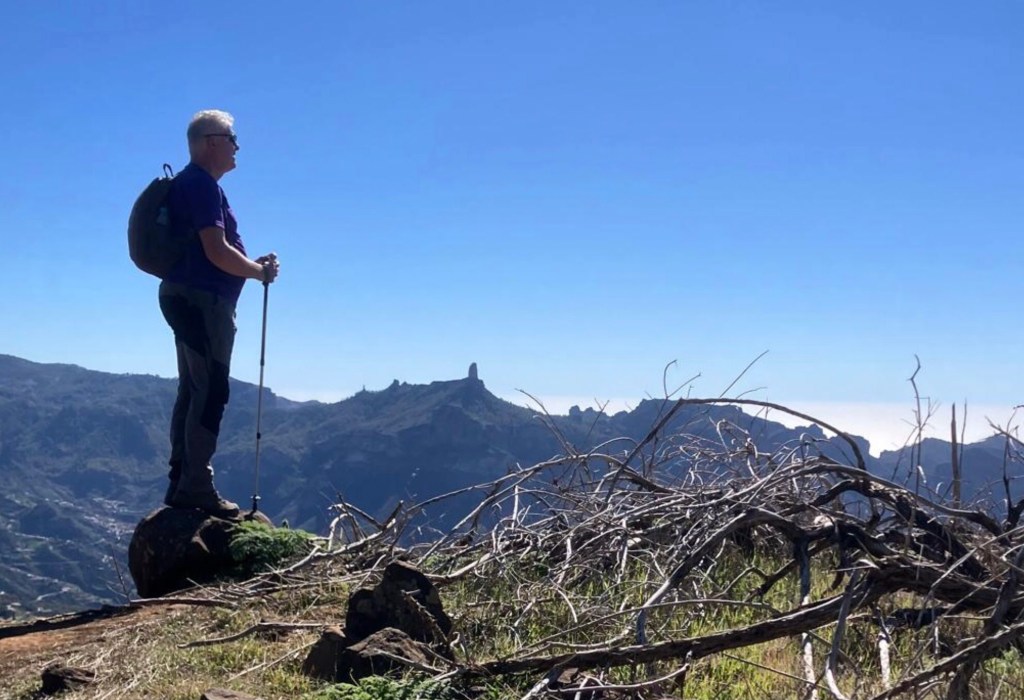
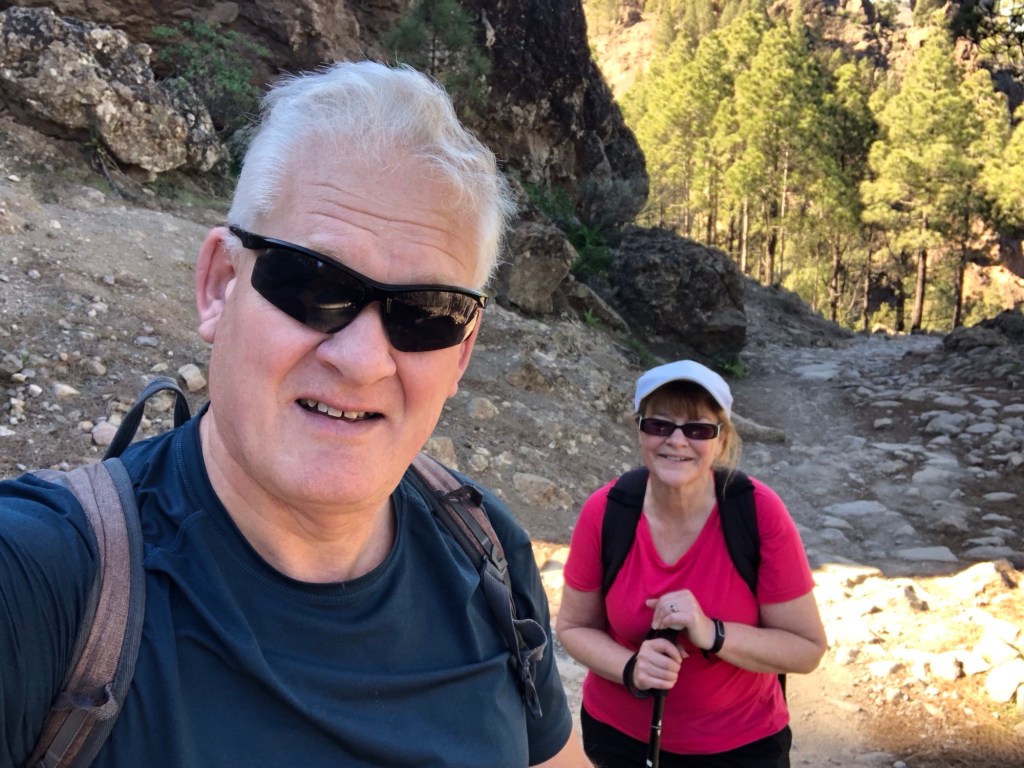
I have never been one to dread the English winter, often writing here previously on the joys of a brisk ramble on a frost-covered January morning in the Chiltern countryside, or wherever I happen to be on our varied land at this time of year. But on this occasion, and at quite short notice, Rachel and I had the good fortune of a week’s walking break in the Canary Islands; on Gran Canaria to be precise. Our excursion, the first for both of us to this volcanic archipelago, offered the opportunity to see a new part of the planet, whilst enjoying some outdoor exercise and a calming of the mind after the excesses of the last few weeks, together with a chance to top-up our Vitamin D levels.
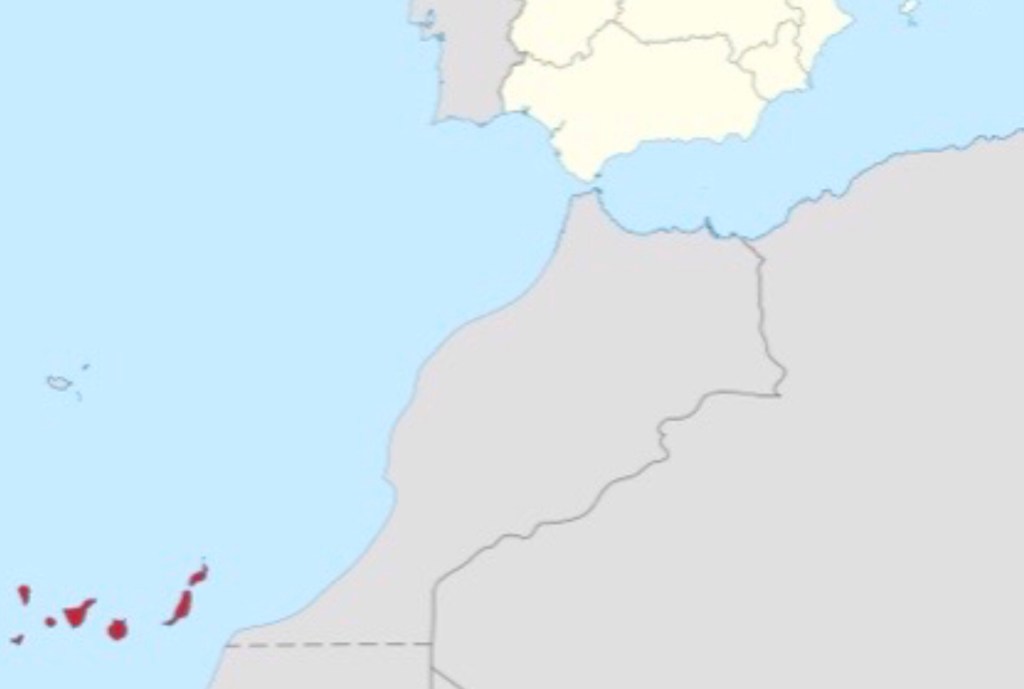
The Canary Islands (in red) lie about 870 miles from the nearest point of mainland Spain (in pale yellow) and just a mere 62 miles from the coast of southern MoroccoGran Canaria is the third largest of the isles, and is located around 28 degrees north of the equator, and close to the 15 degree west meridian
I hadn’t quite realised beforehand how far from their host country of Spain, nor how close to tropical latitudes, the Canary Isles are to be found. Lying within the belt of the trade winds, this southern part of Macaronesia experiences very different, sub-tropical, weather patterns to our temperate European climate. For much of the time the prevailing north-easterlies provide some pleasant respite from the heat, and winter can be an excellent time for exploring the island on foot. Even so, and even up in the hills, we set out prepared on our first day with five layers, but ended up wearing just T-shirts, and so I would guess that summertime would be a little warm for attempting the treks that we completed in the last week.
A Gran Canaria giant lizard, basking in the sunshine
The warm maritime climate of the island combines with predominantly volcanic rocks and soils to encourage a wide range of sub-tropical vegetation, many species of which are unique to the archipelago, to Grand Canaria alone, and even to specific locations upon the island. January, so we were told, is not always the best time to view wildlife in the region, but we did see a fair diversity of birdlife, from blue chaffinches and Canary Islands chiffchaffs to a variety of birds of prey. There is a range of native reptile species that include various lizards, the largest of which is the imaginatively-named Gran Canaria giant lizard, unique to the islands, that we saw on two occasions – and I even managed to capture the above shot before the timid creature scuttled away. I hope that these highlights of our walks give some flavour of the beauty to be had in the Gran Canarian countryside.
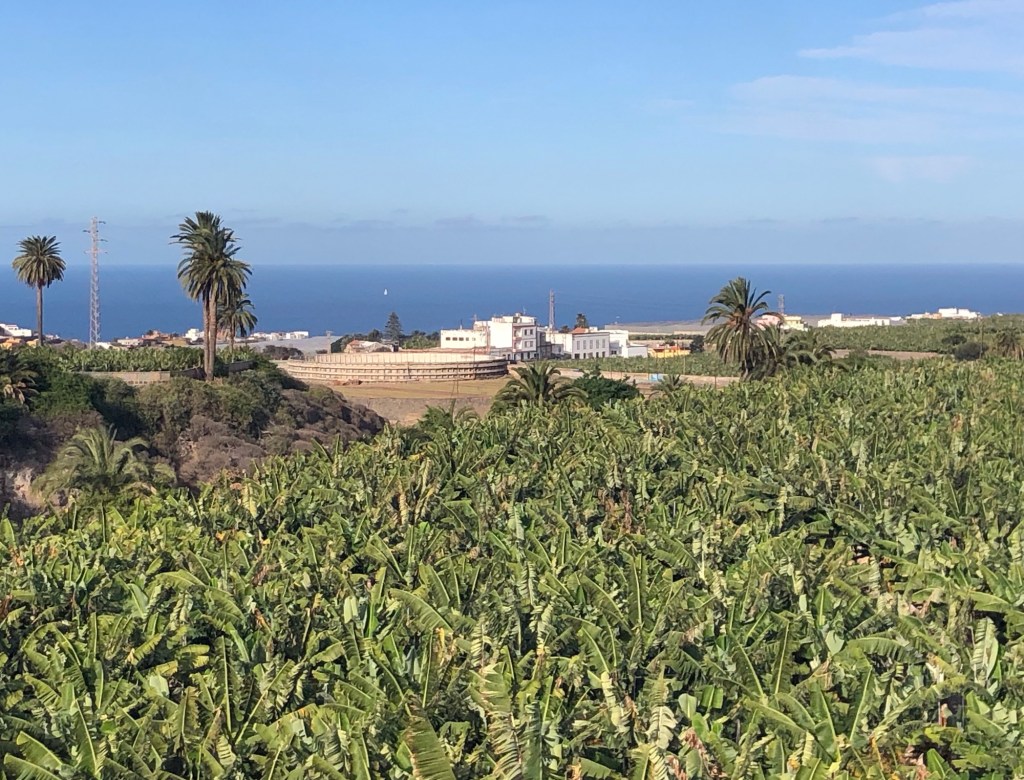
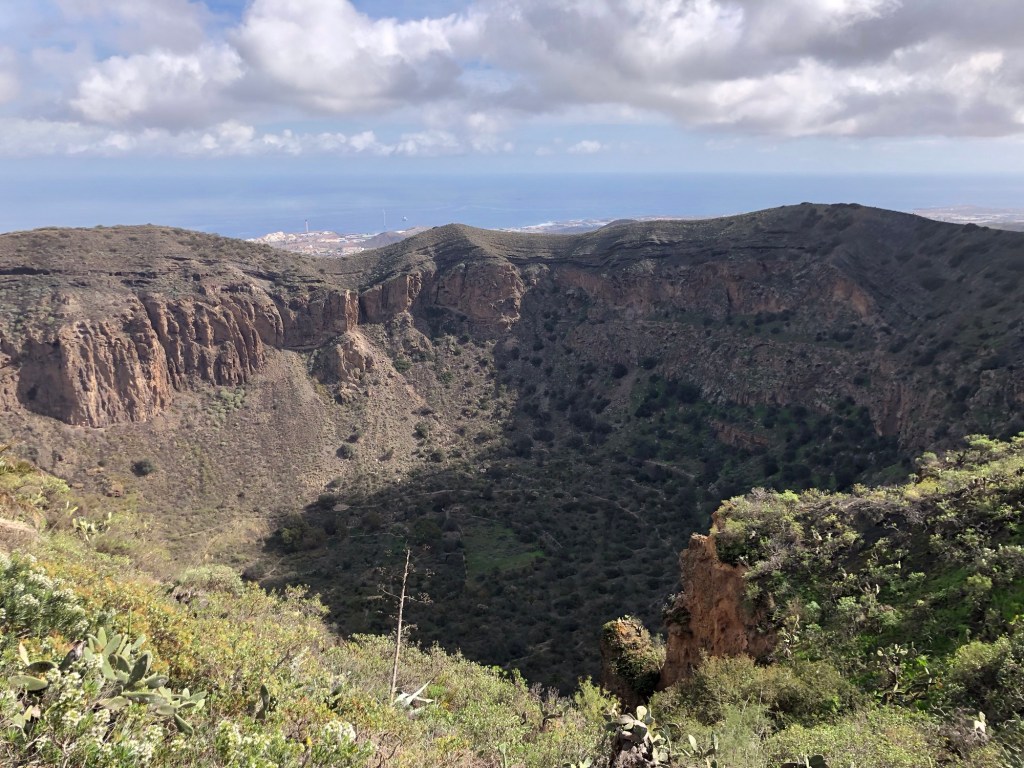
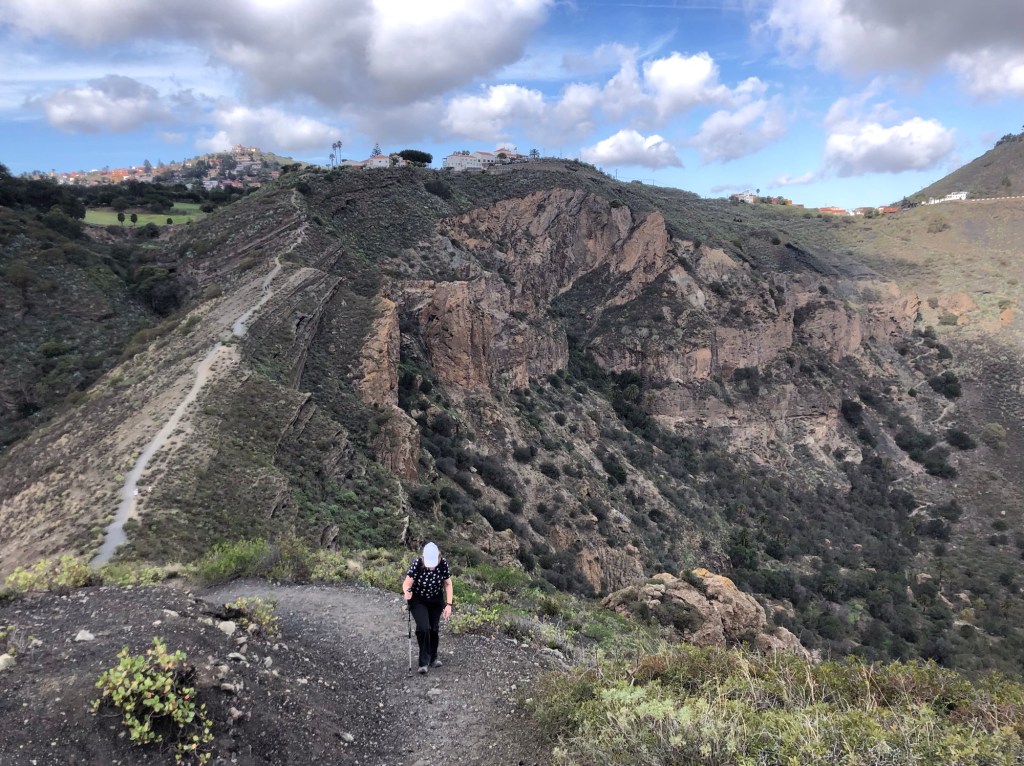
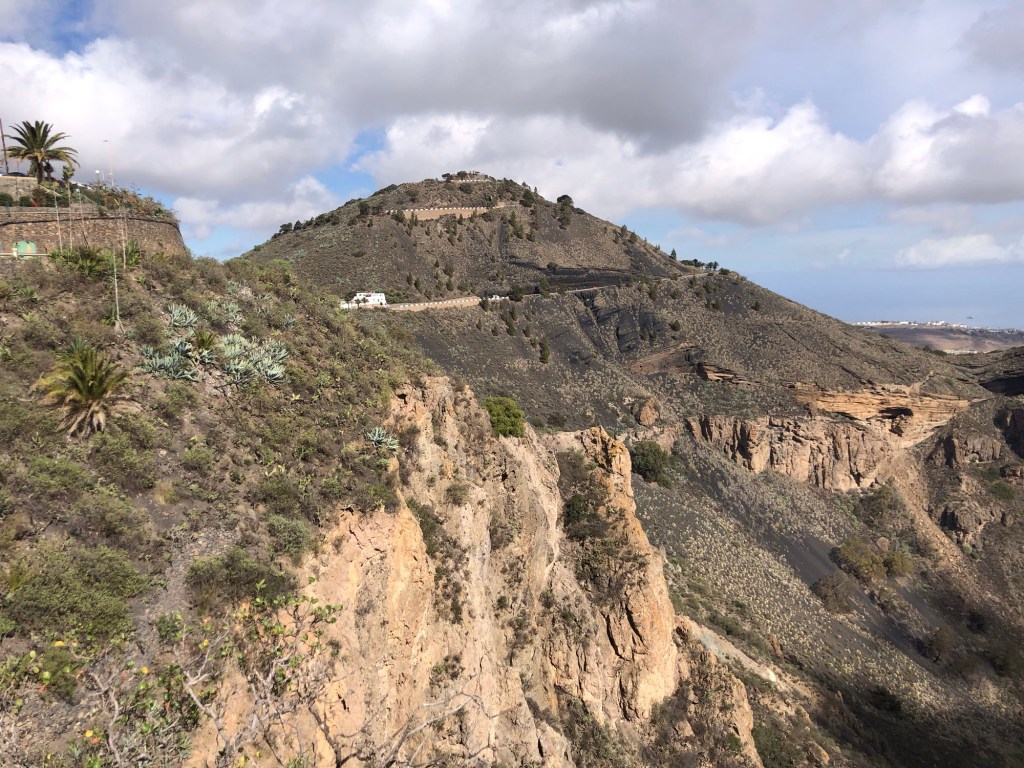
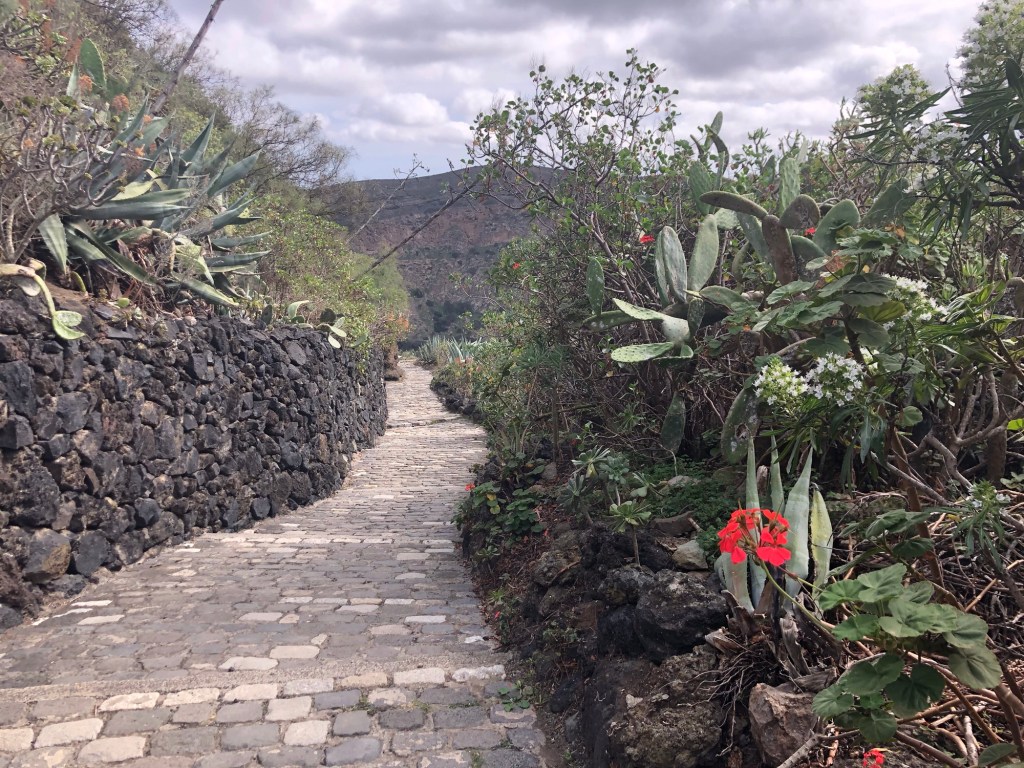
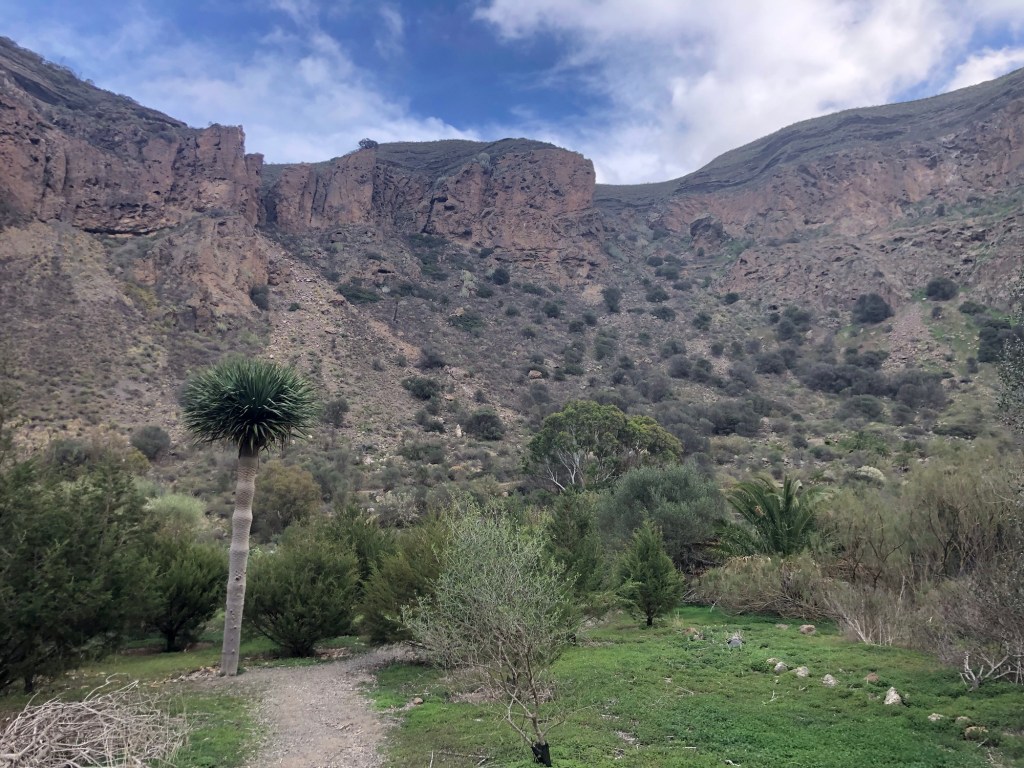
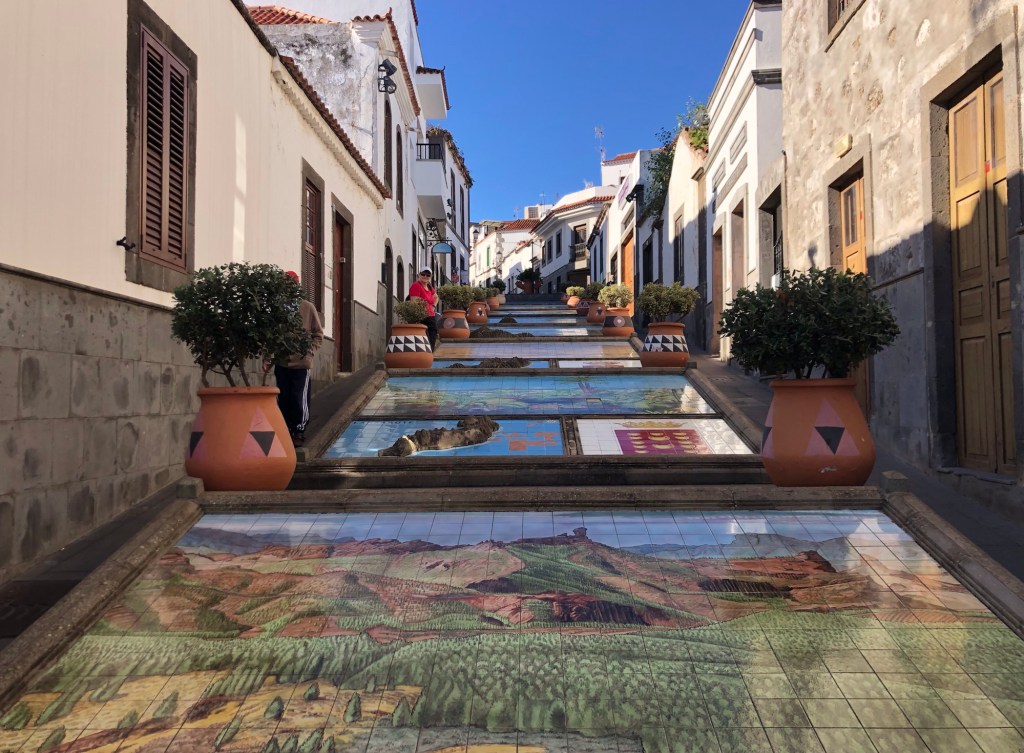
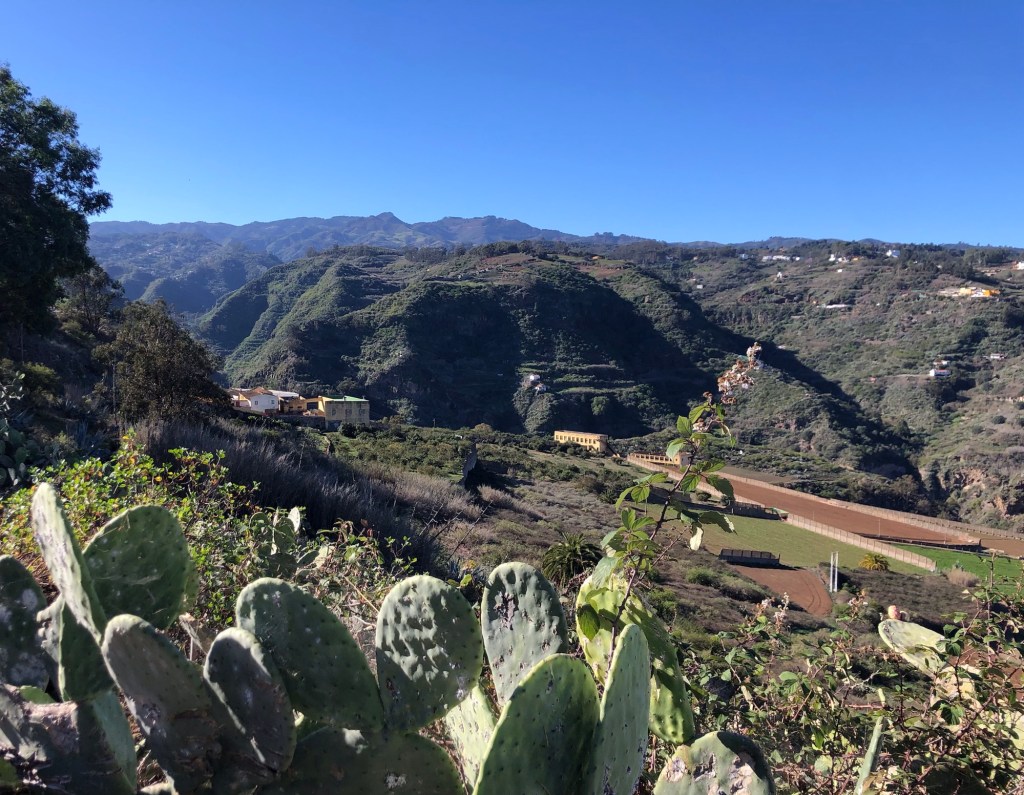
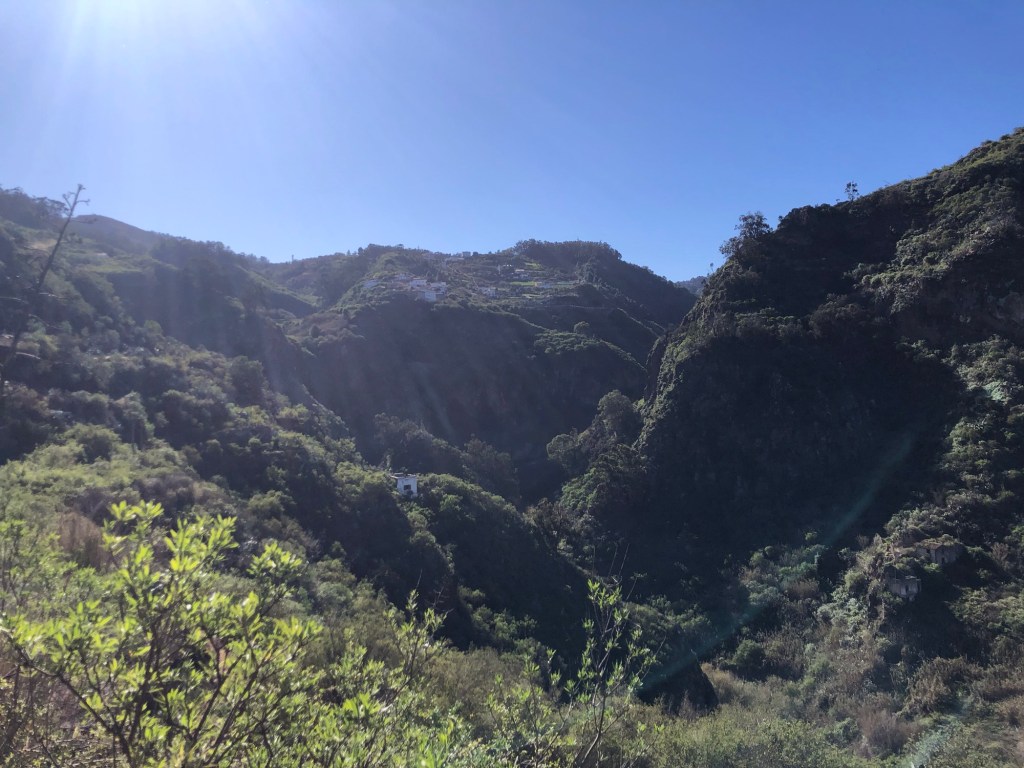
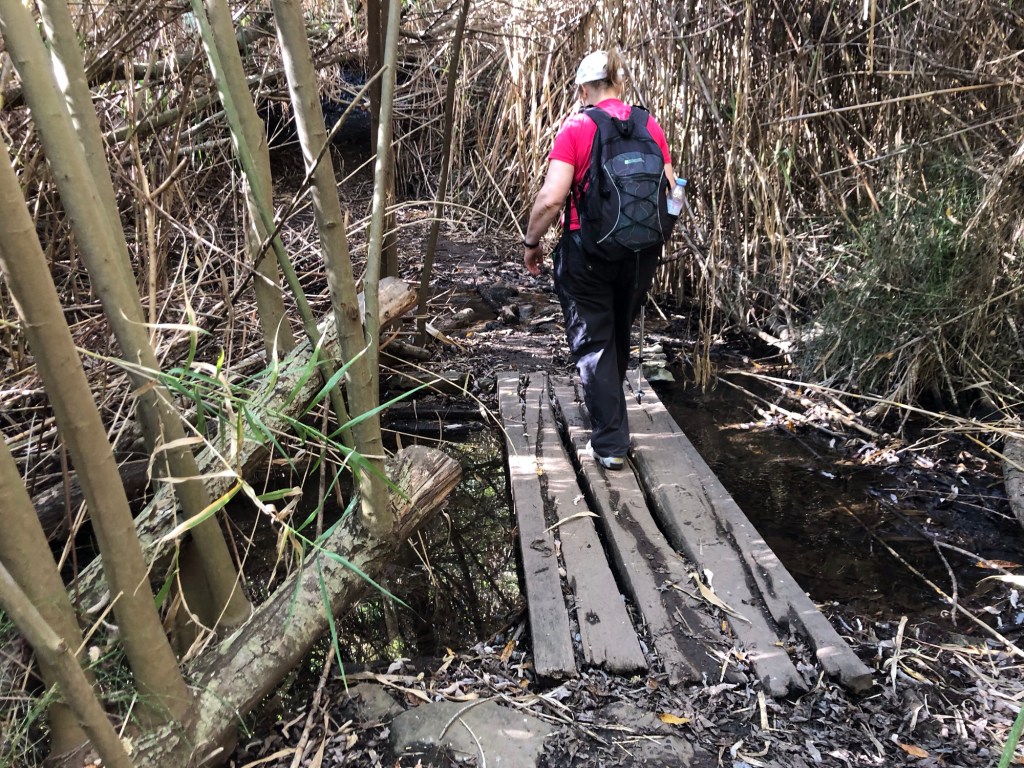
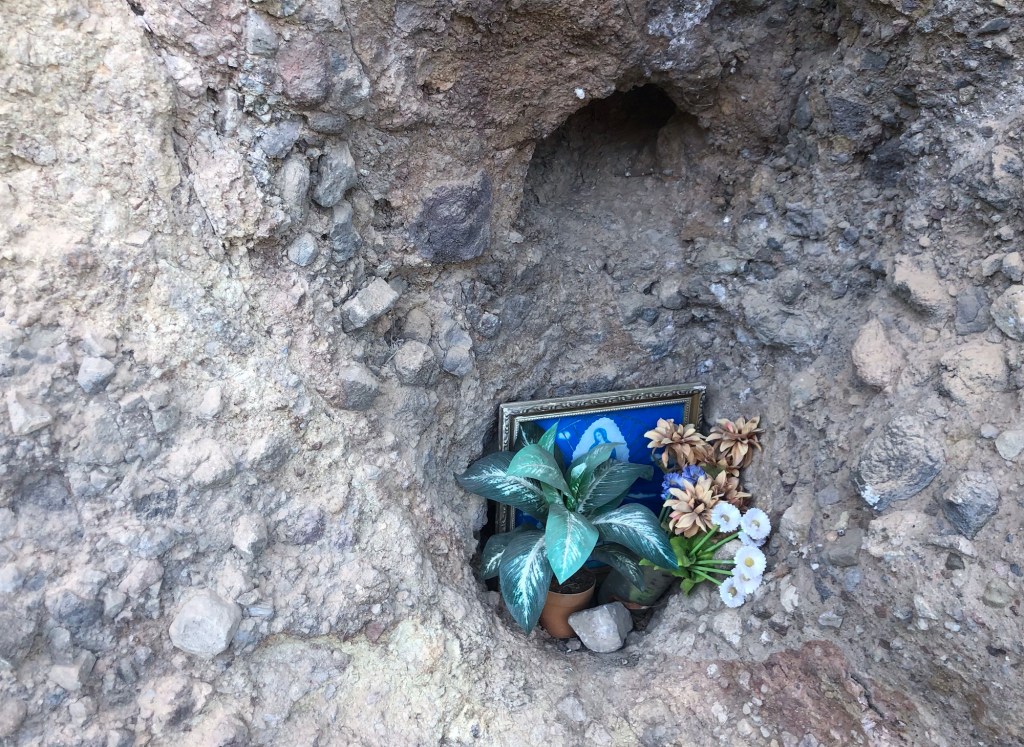
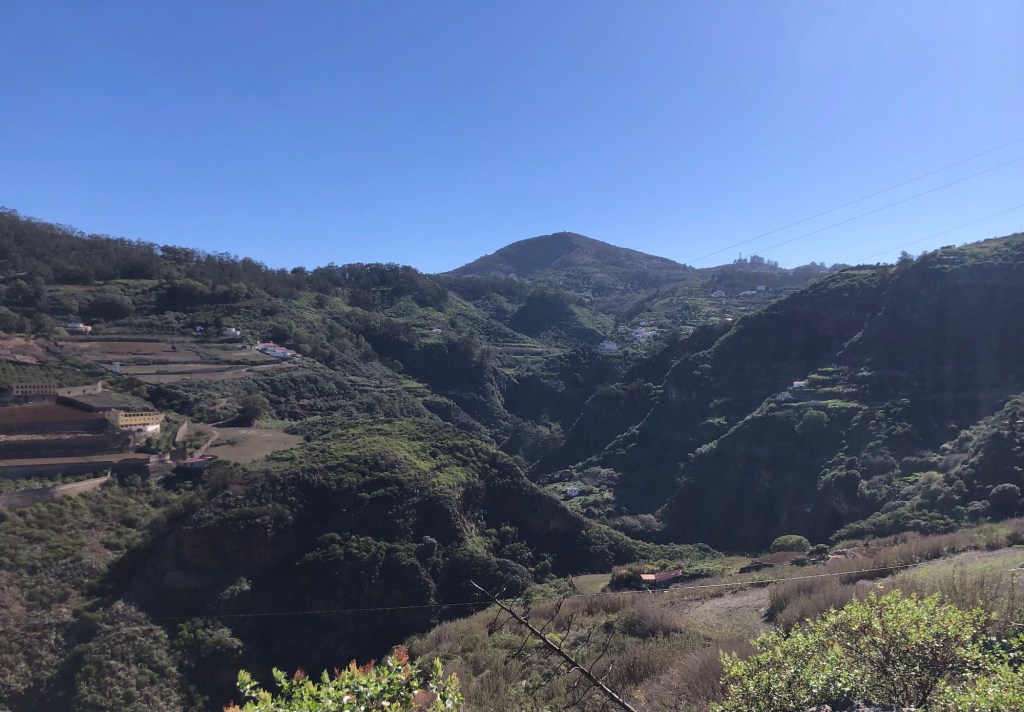
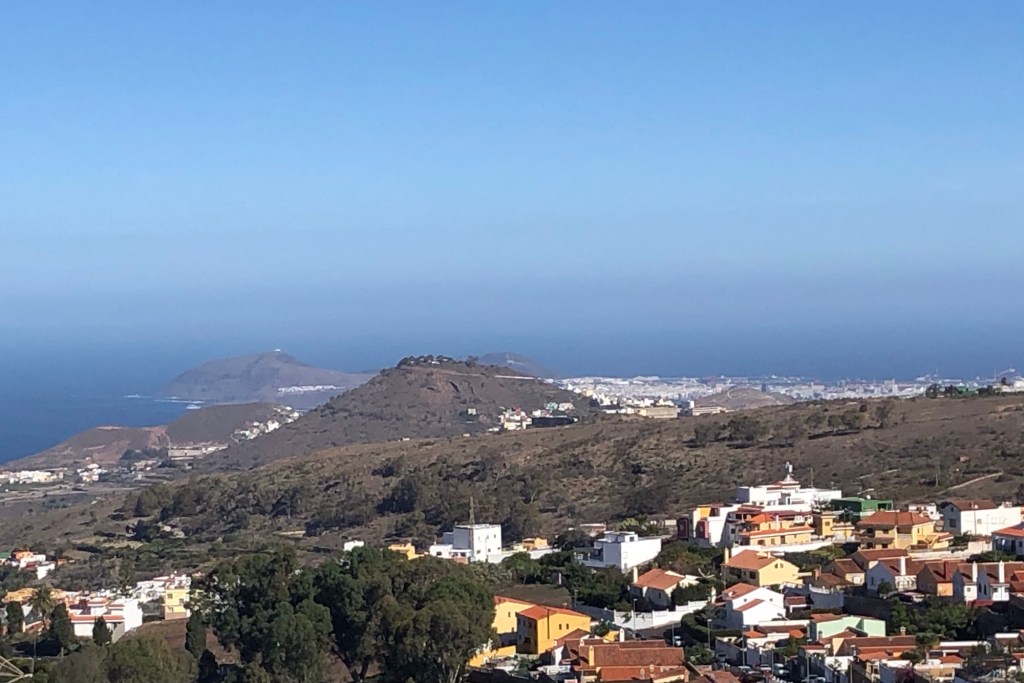
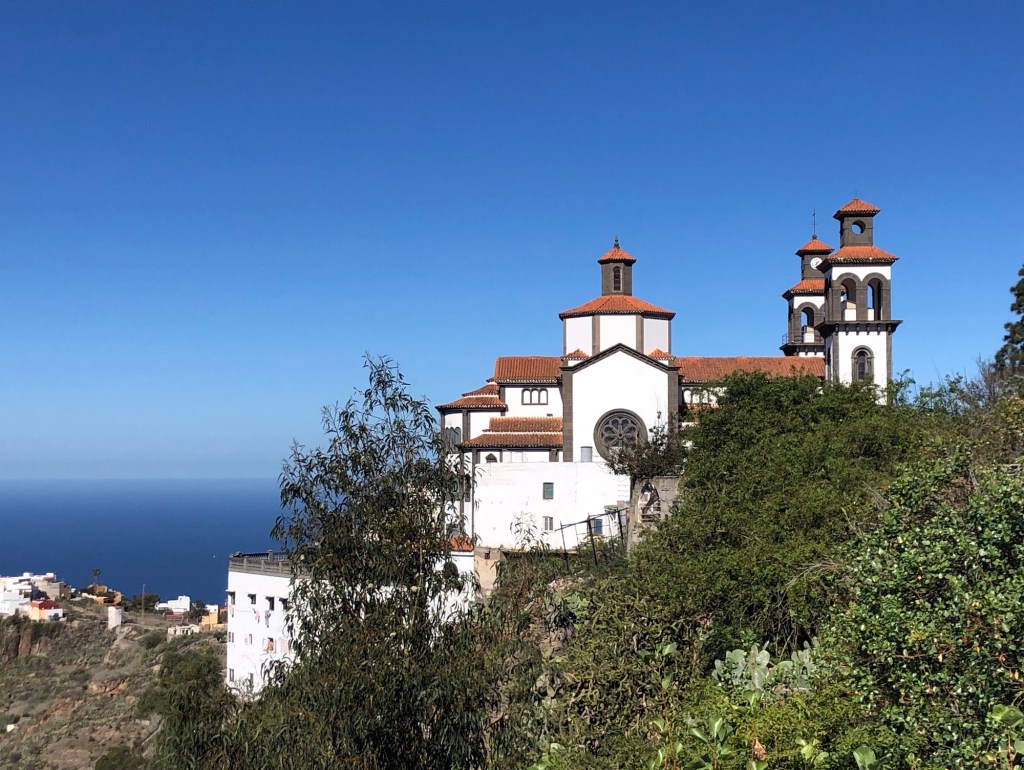
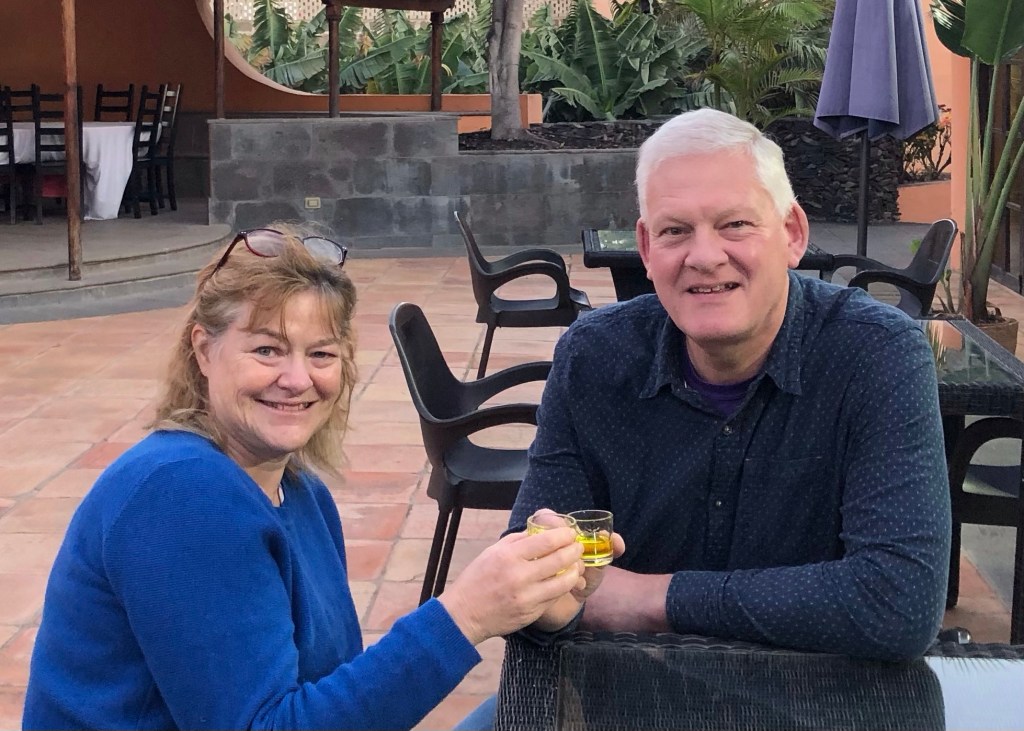
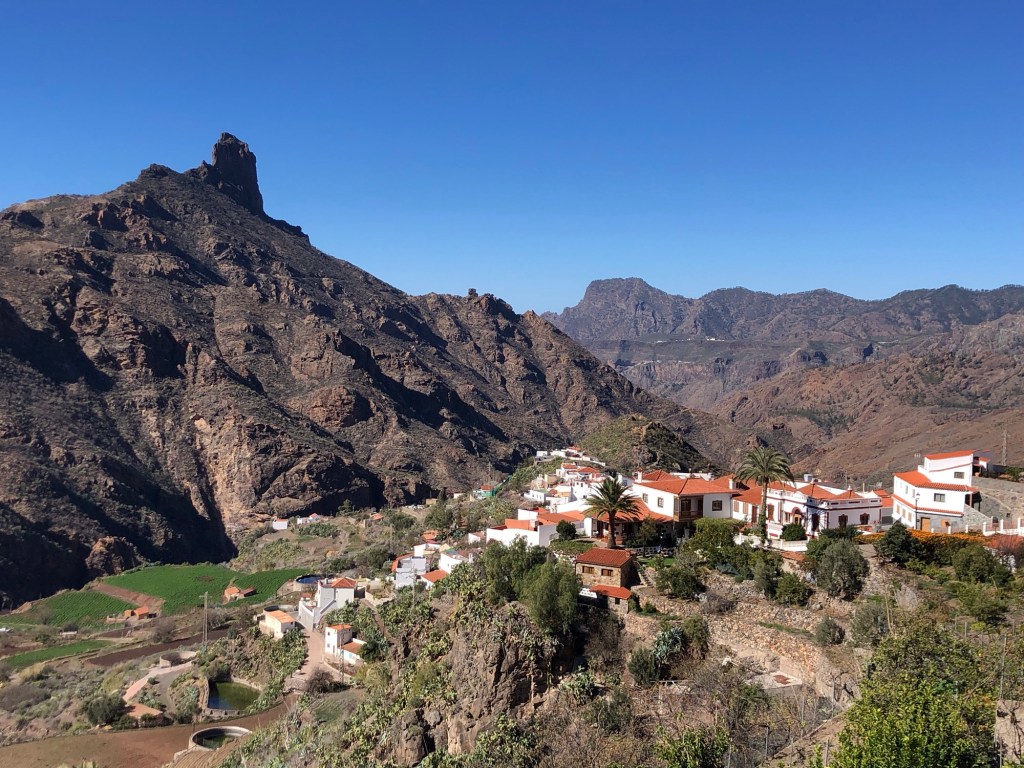
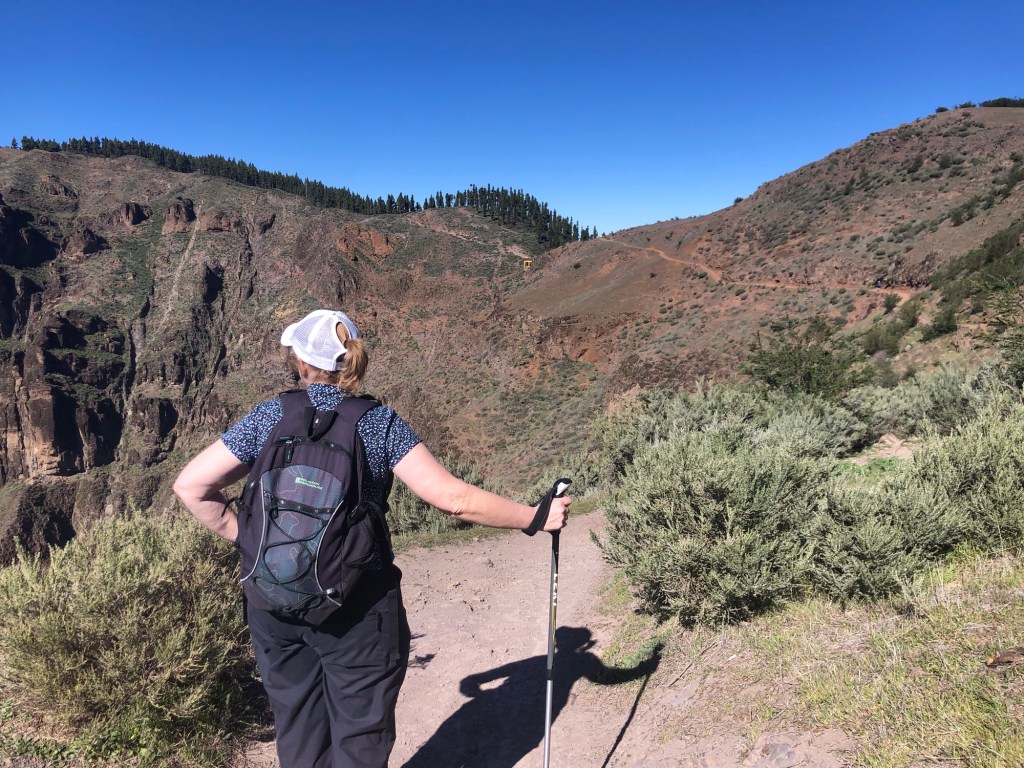
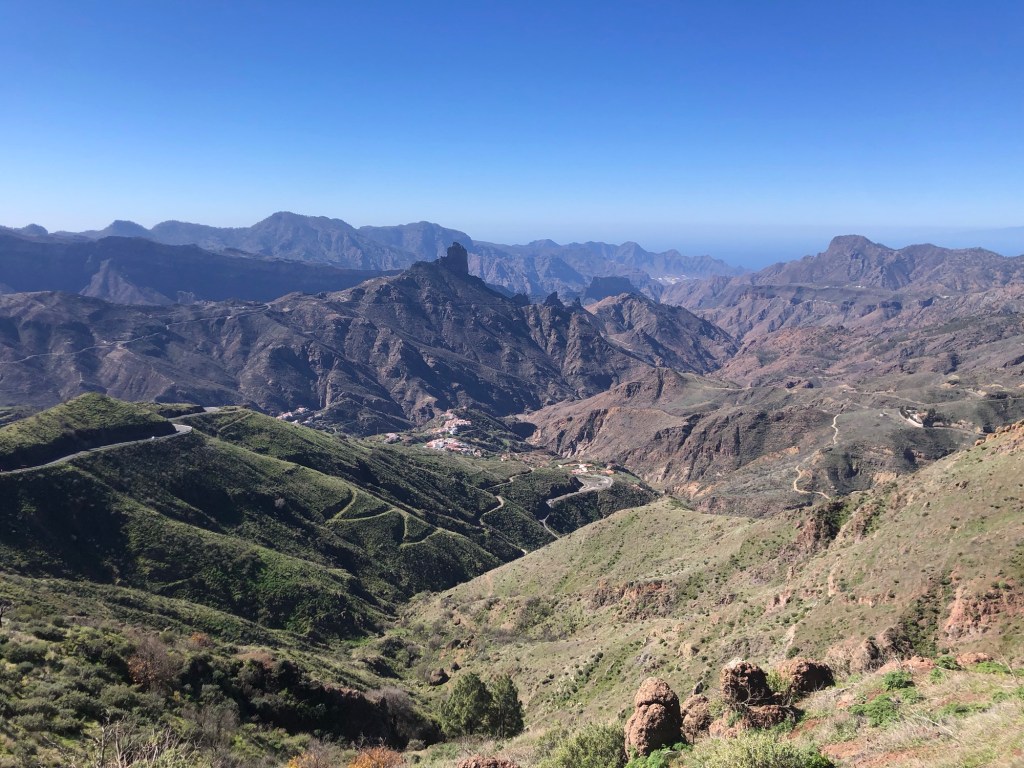
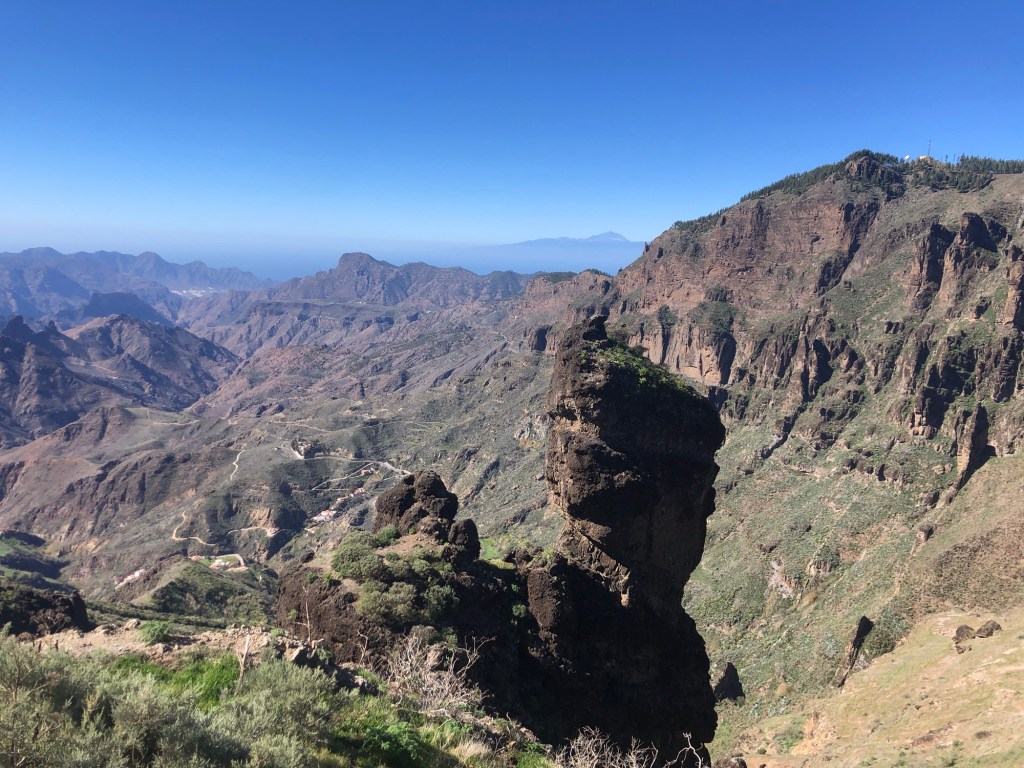
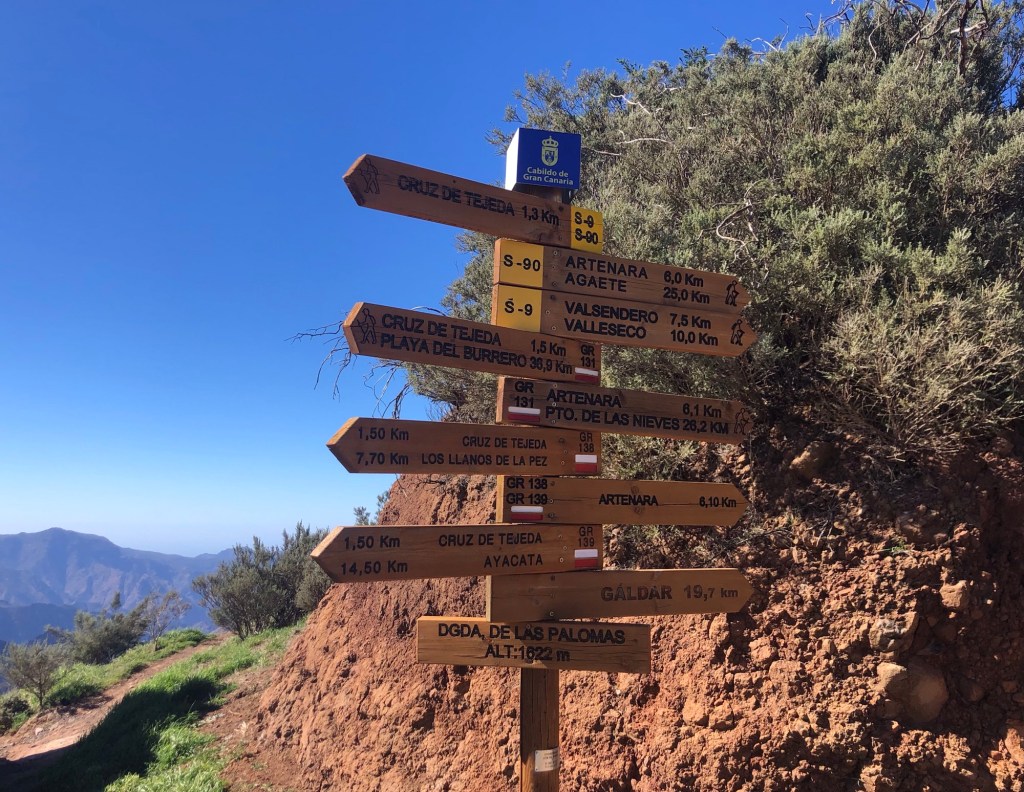
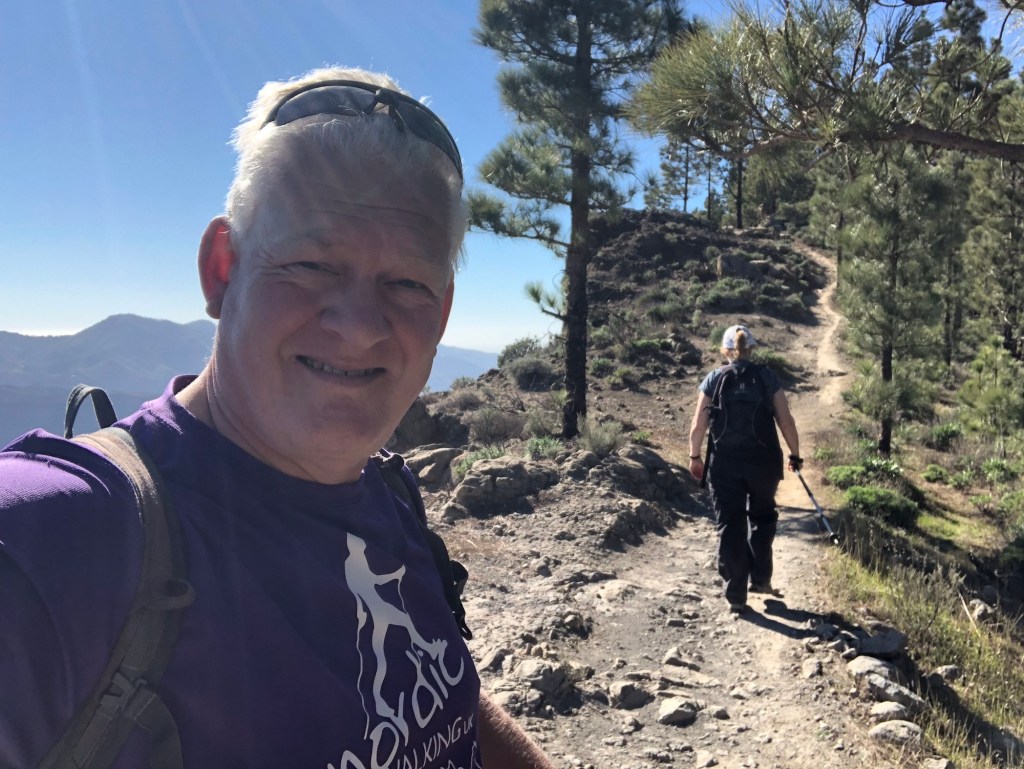
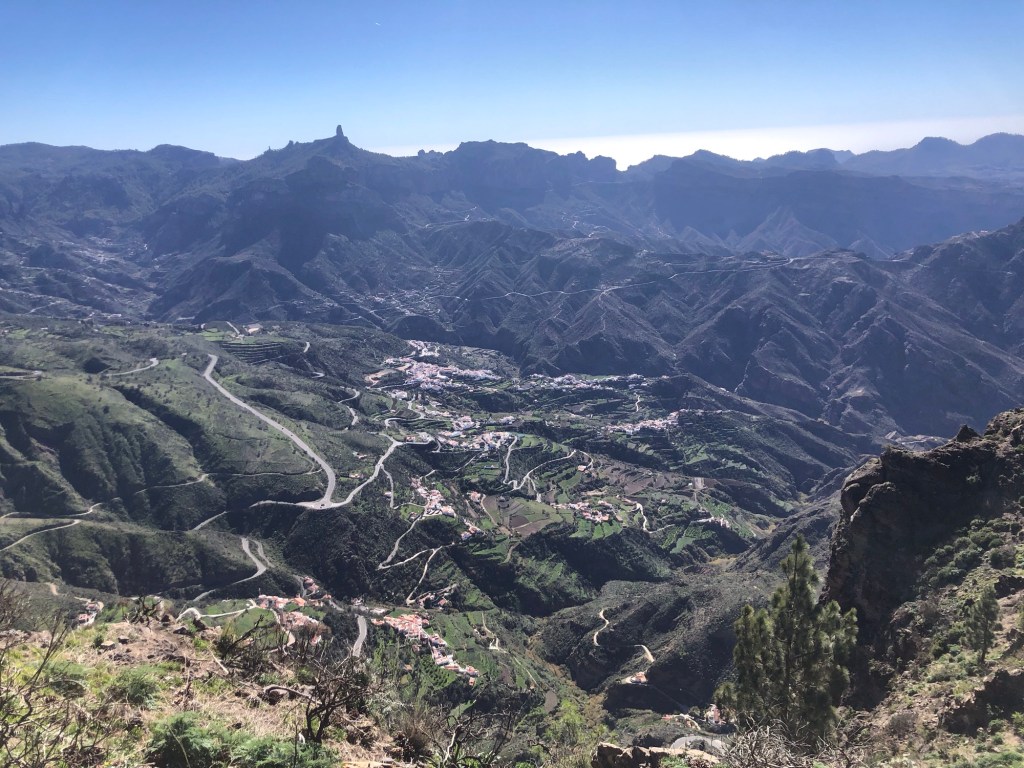
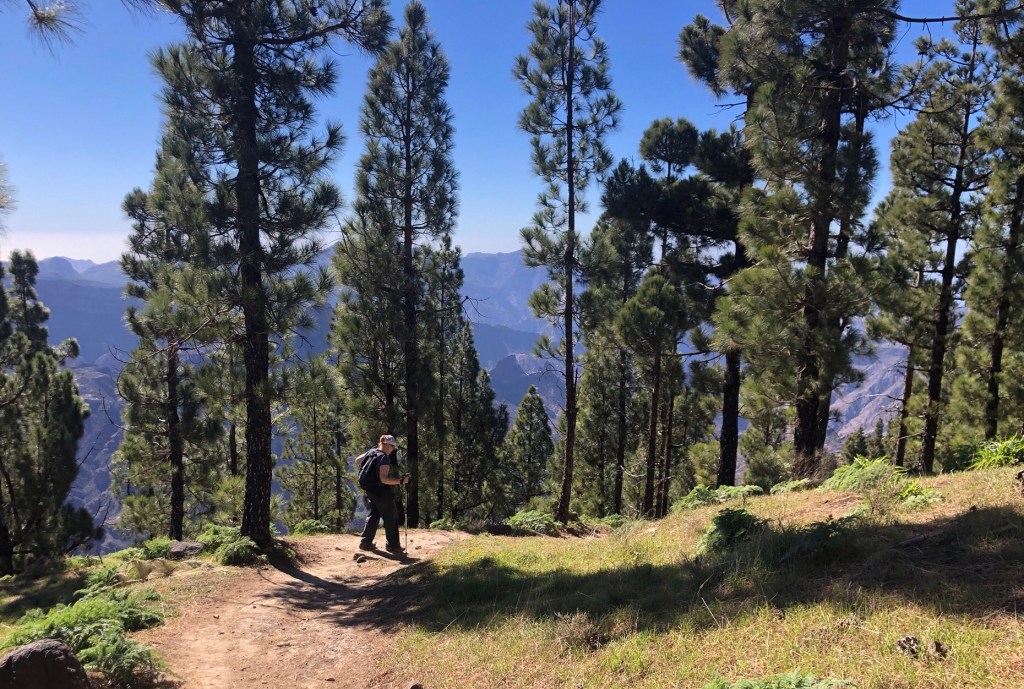
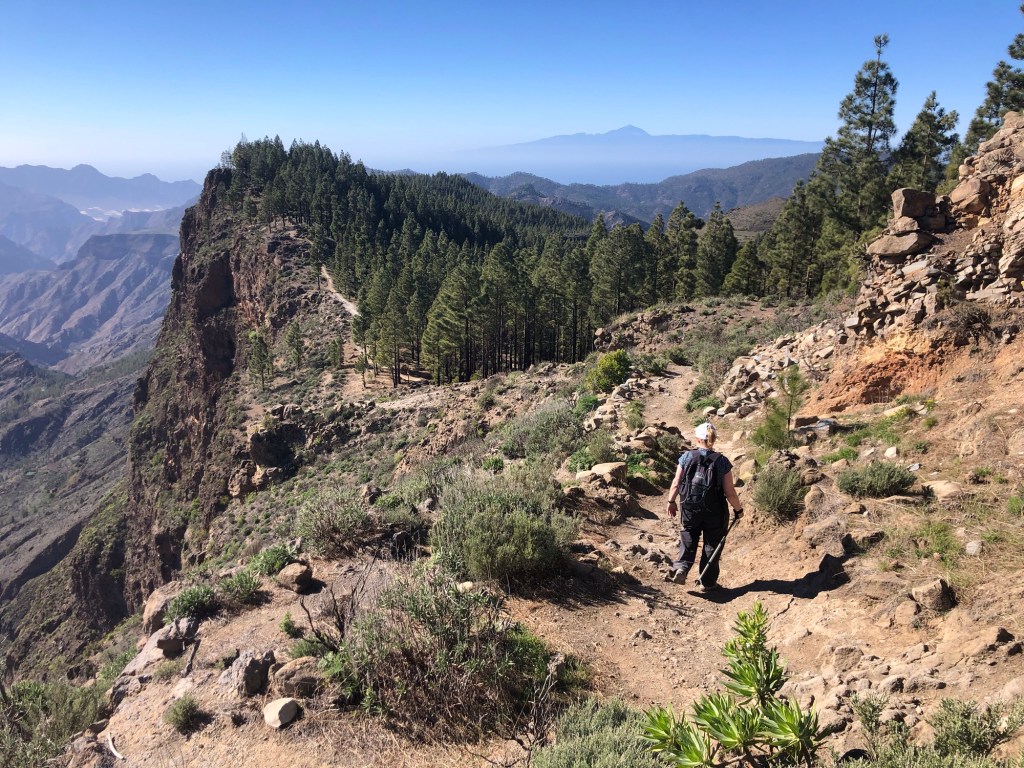
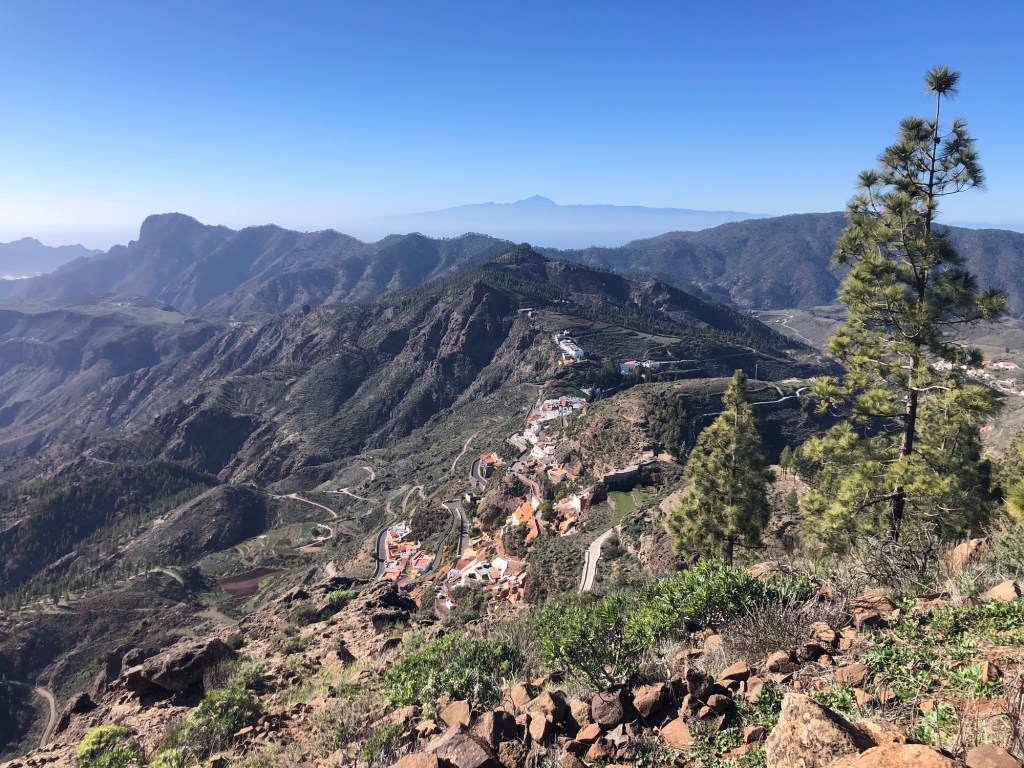
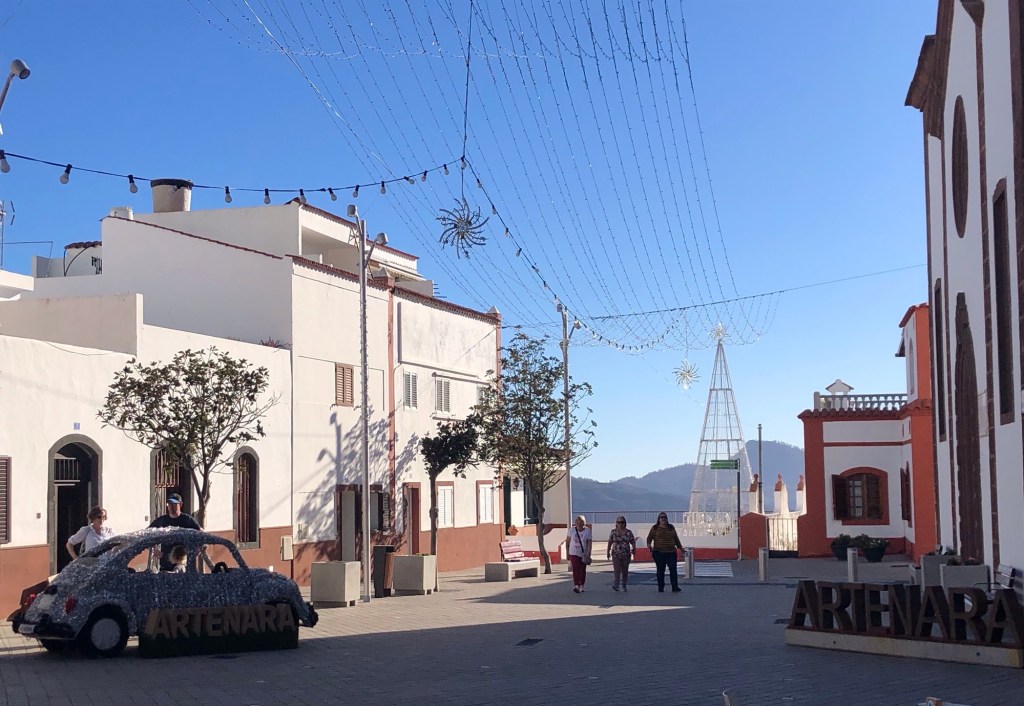
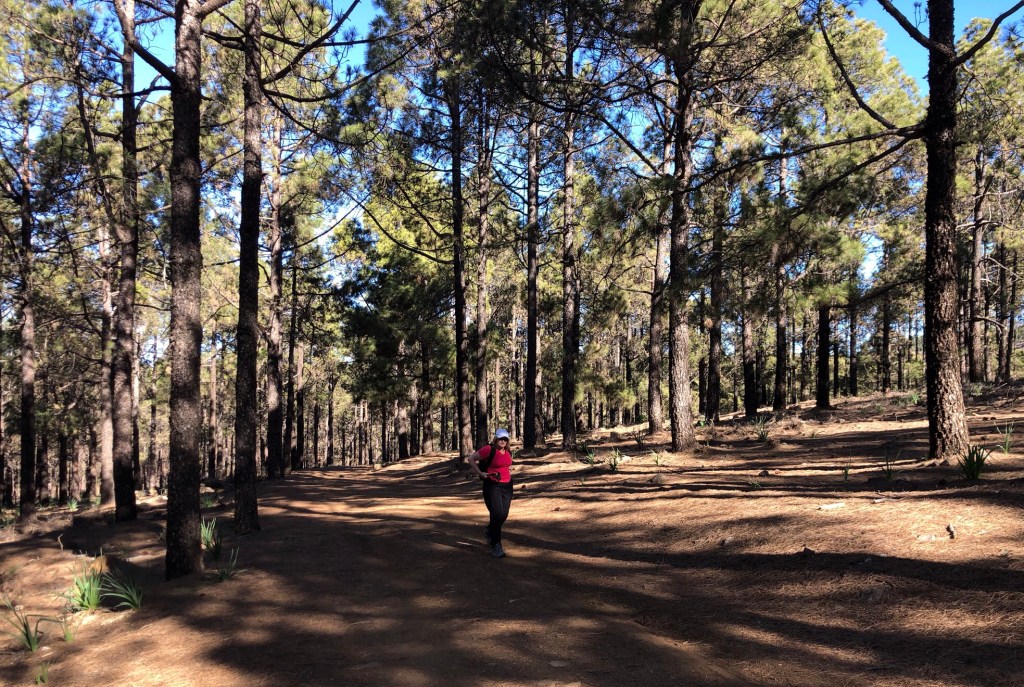
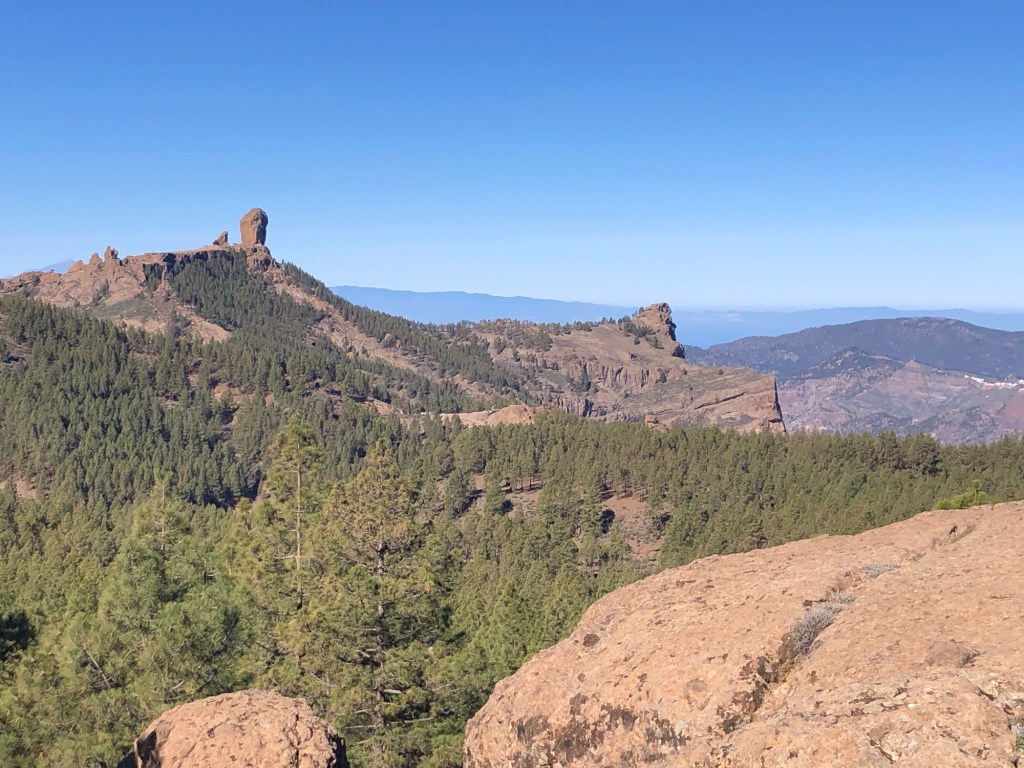
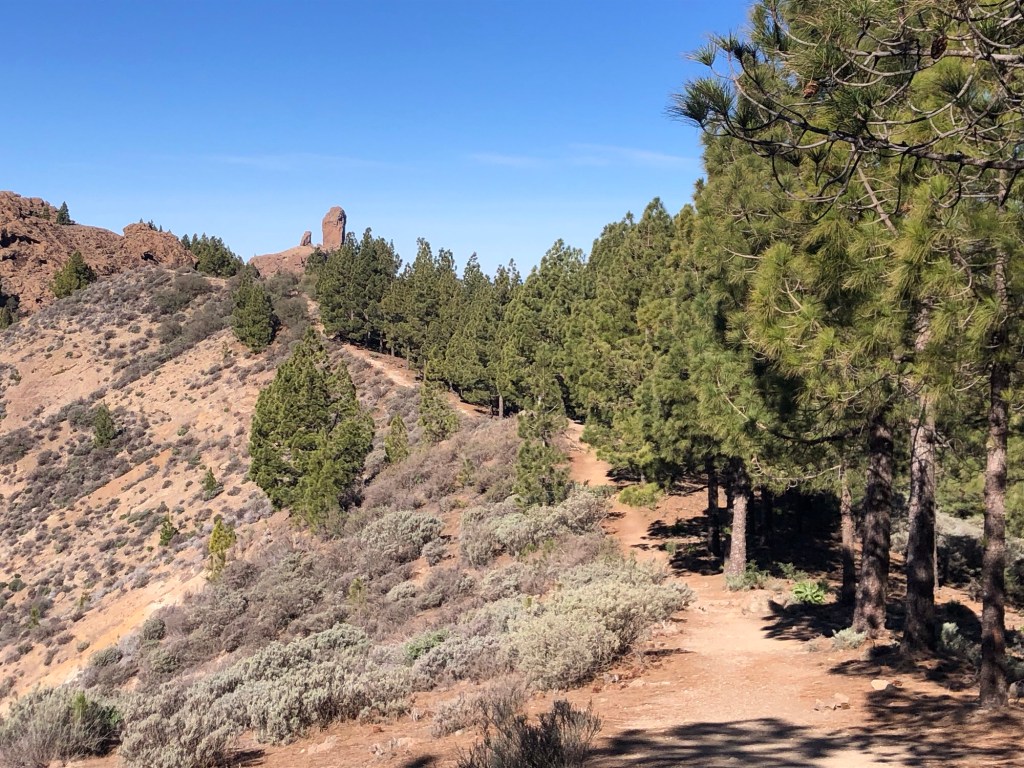
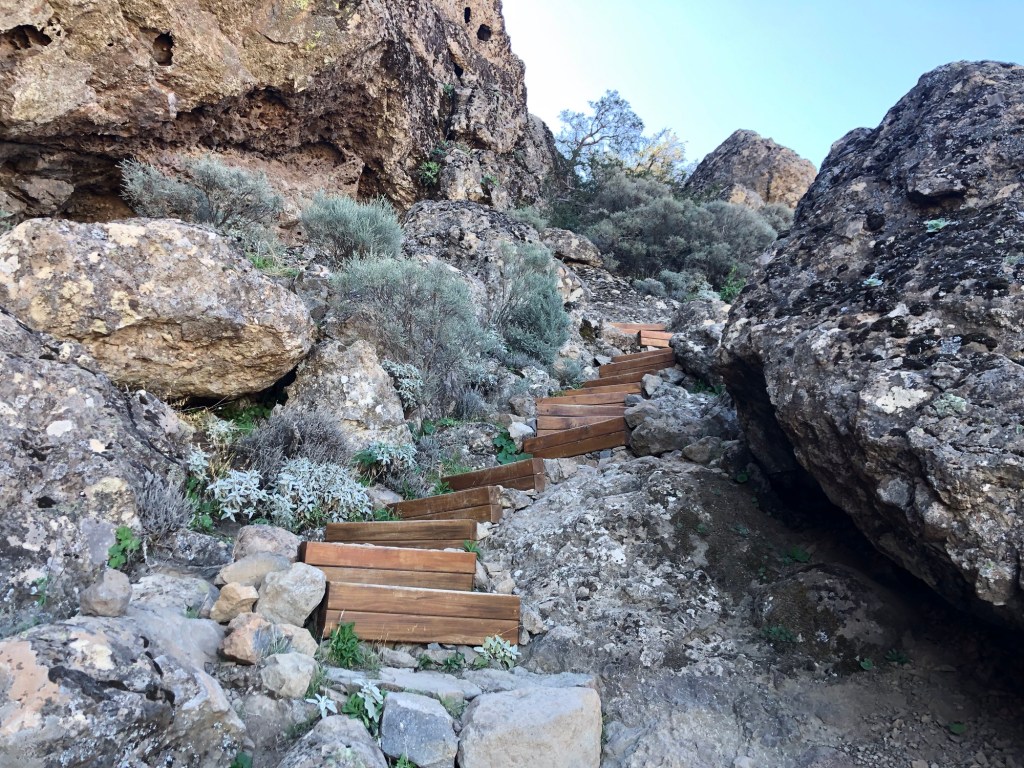
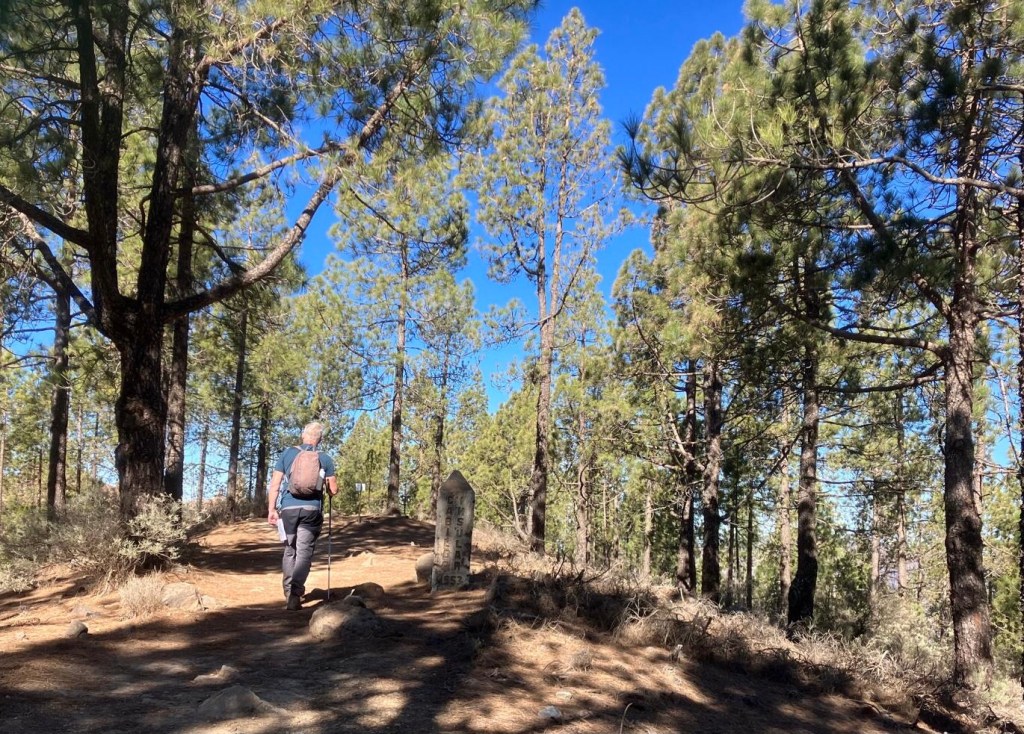
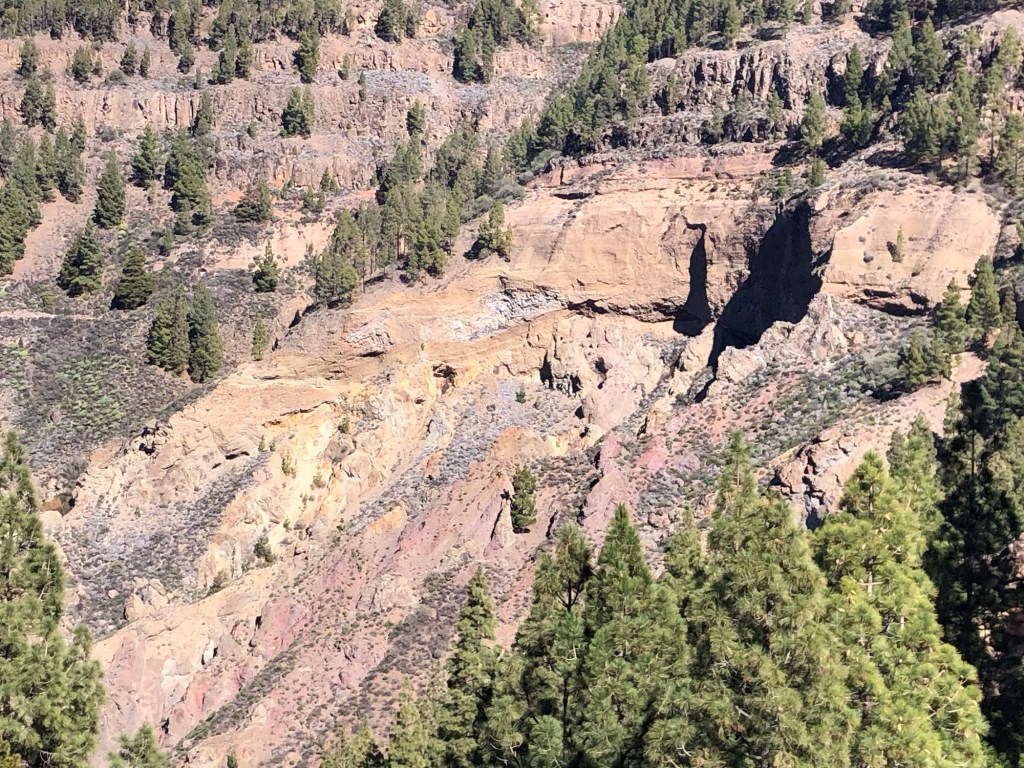
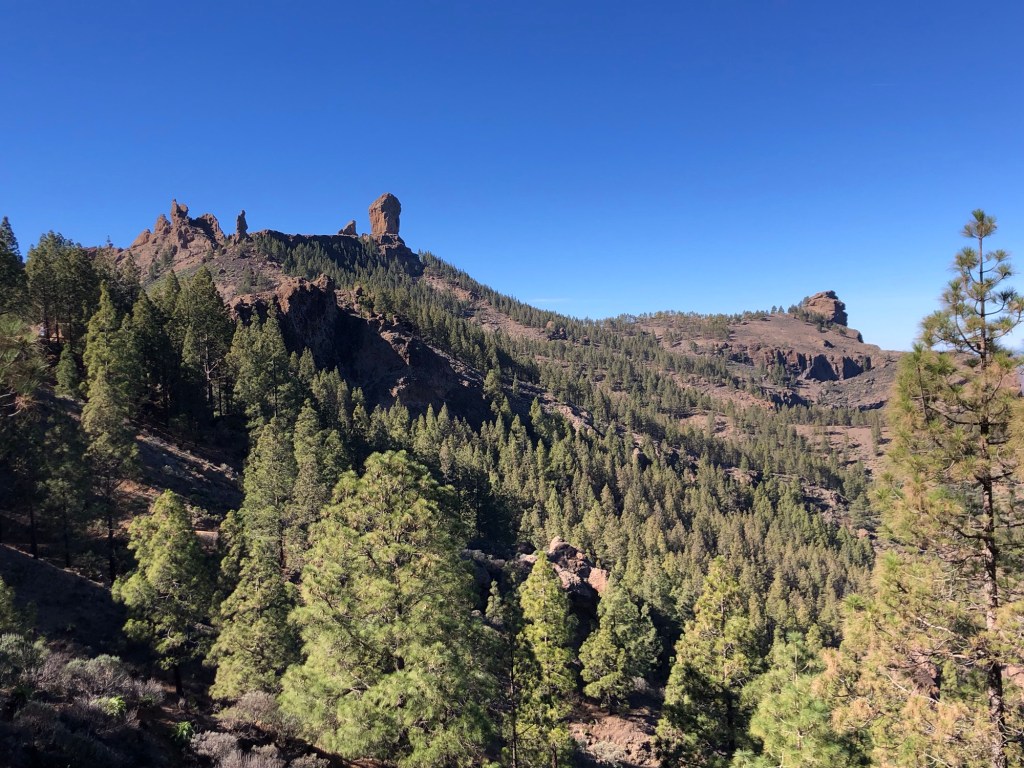
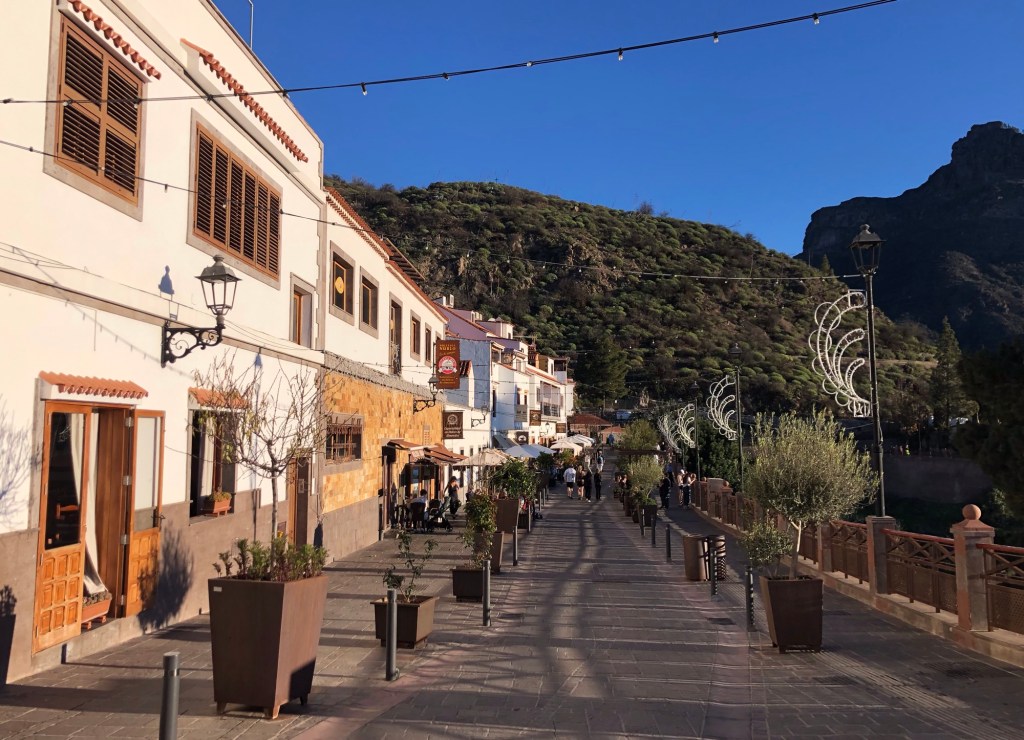
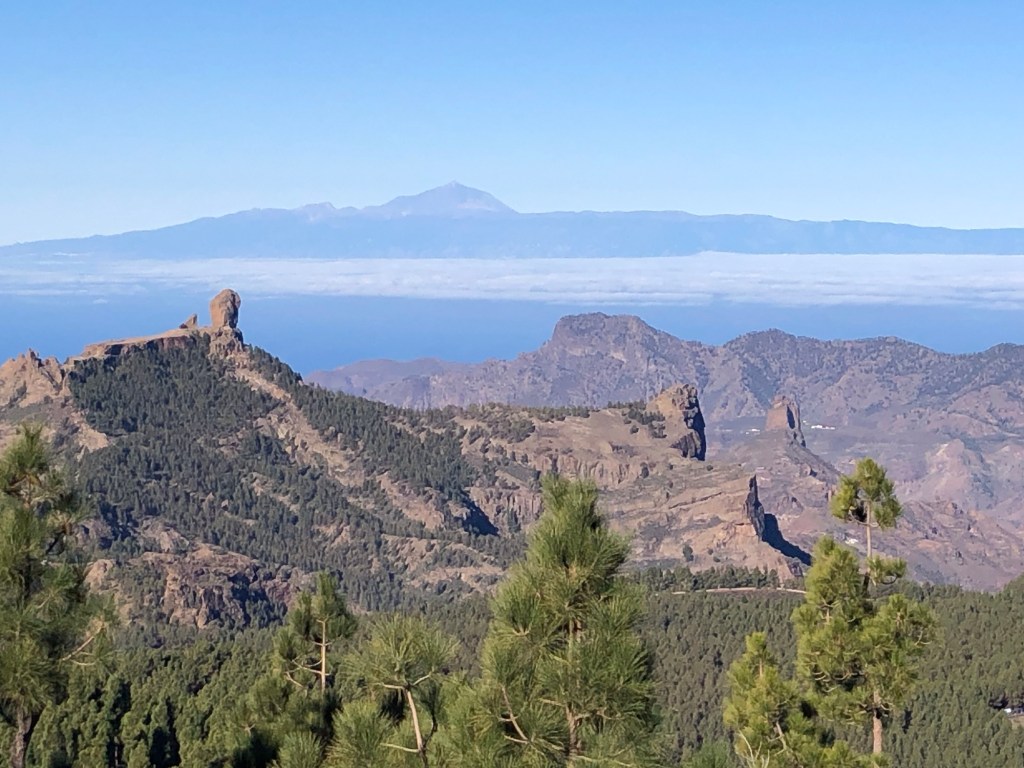
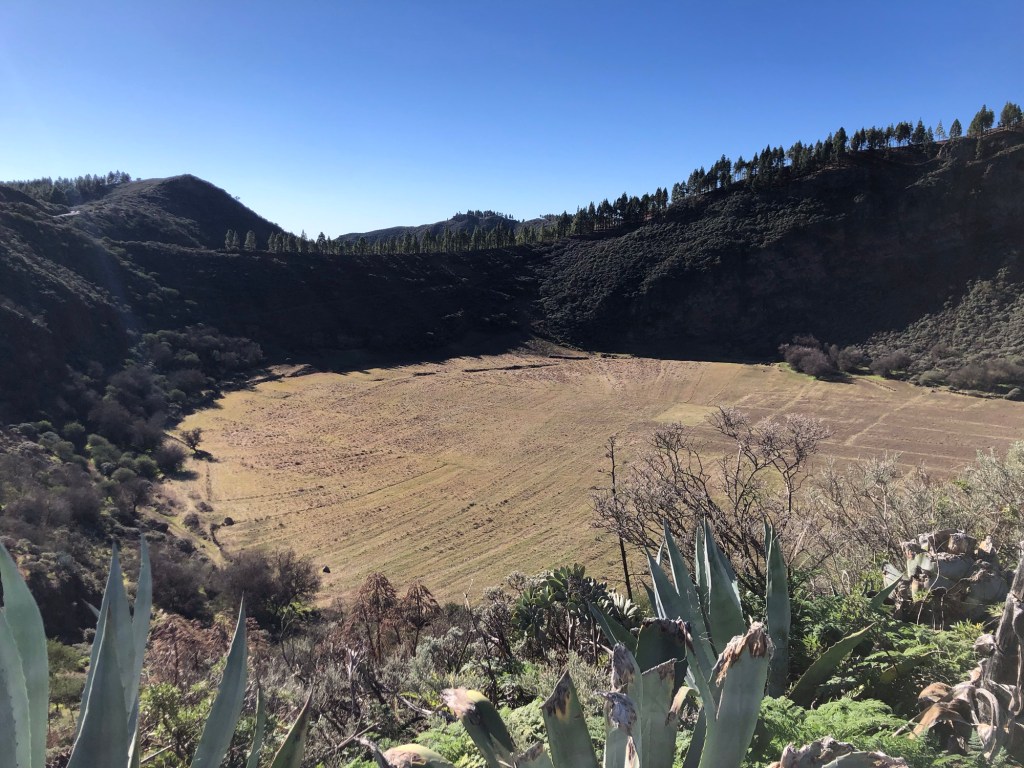
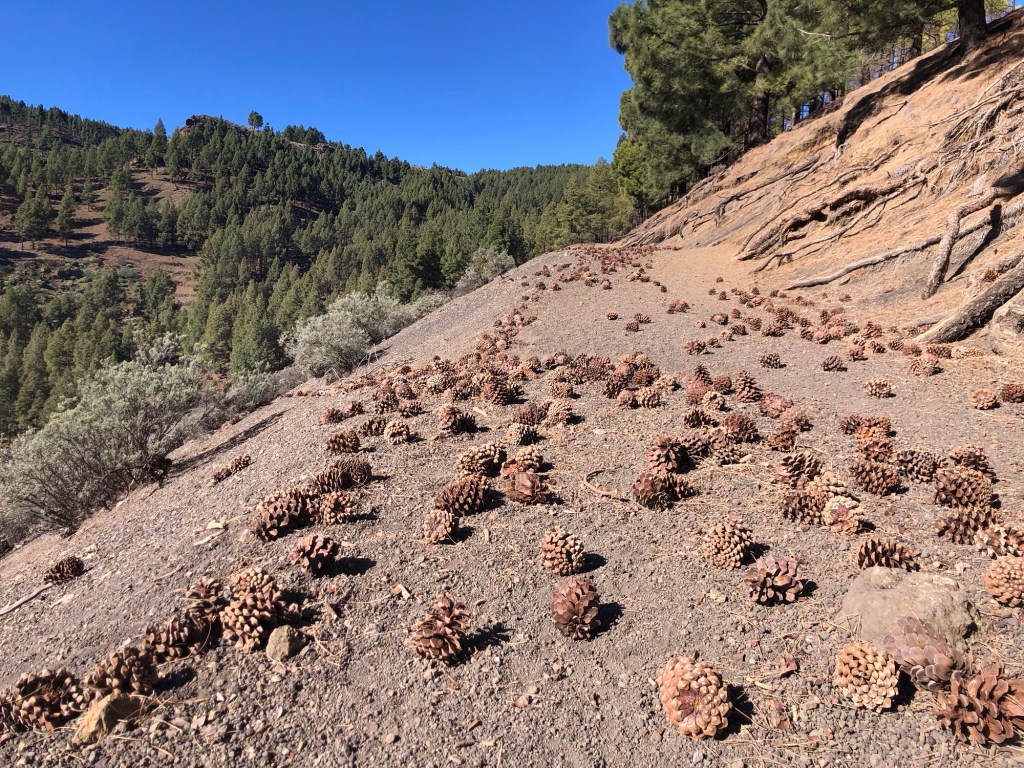
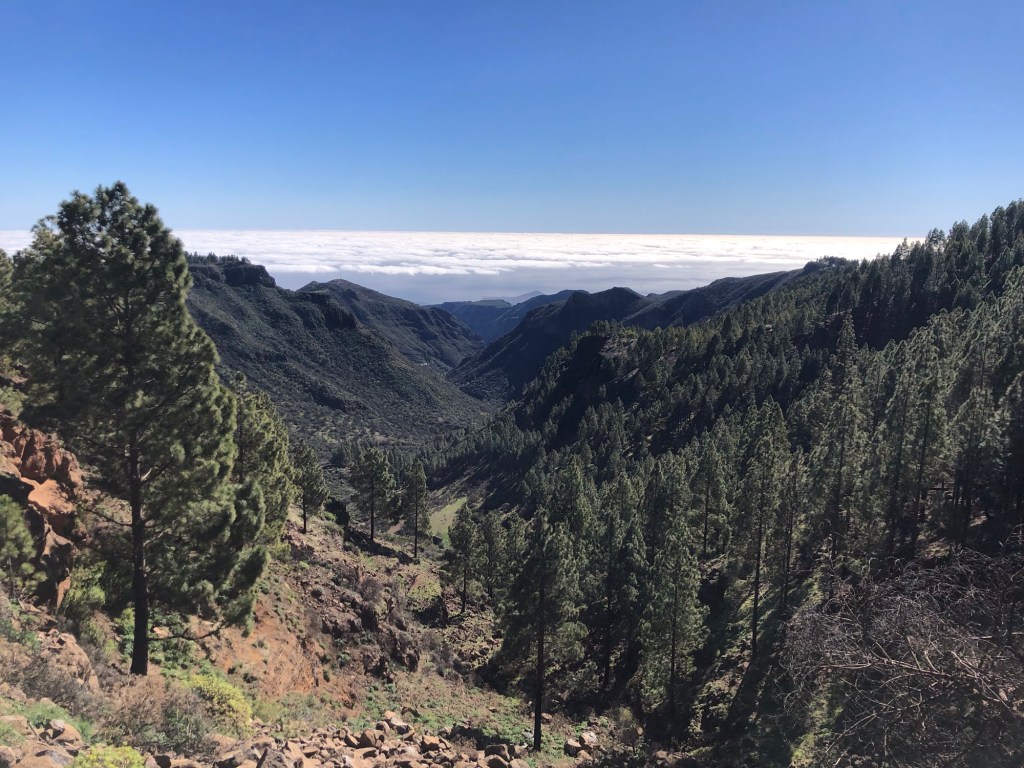
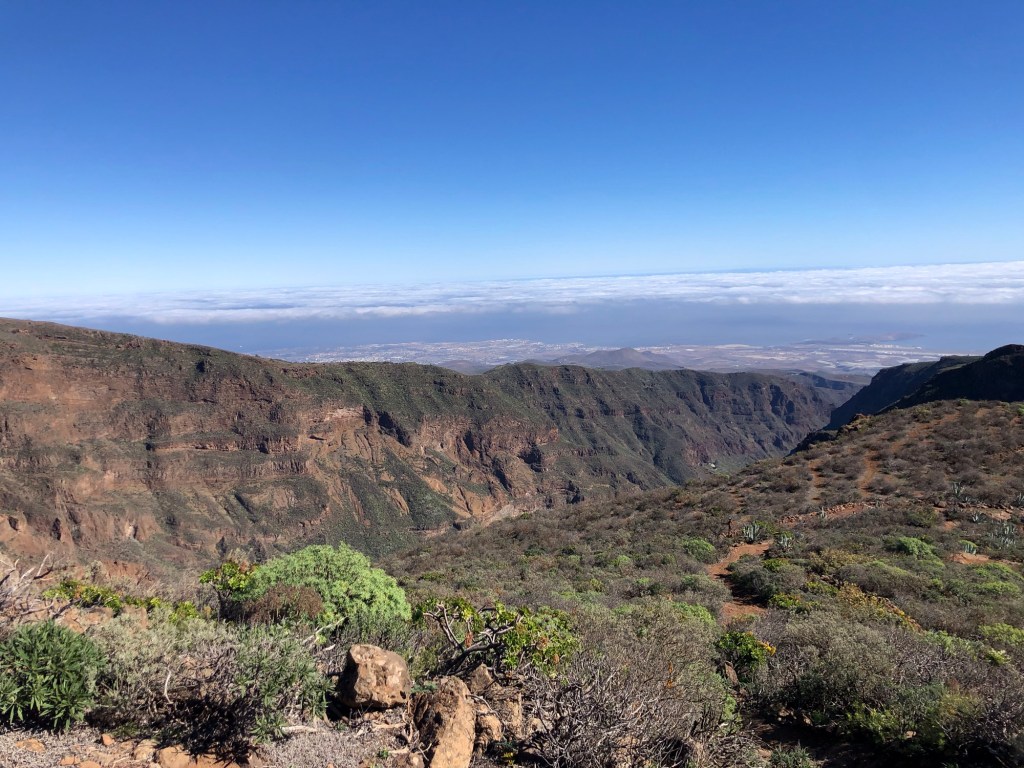
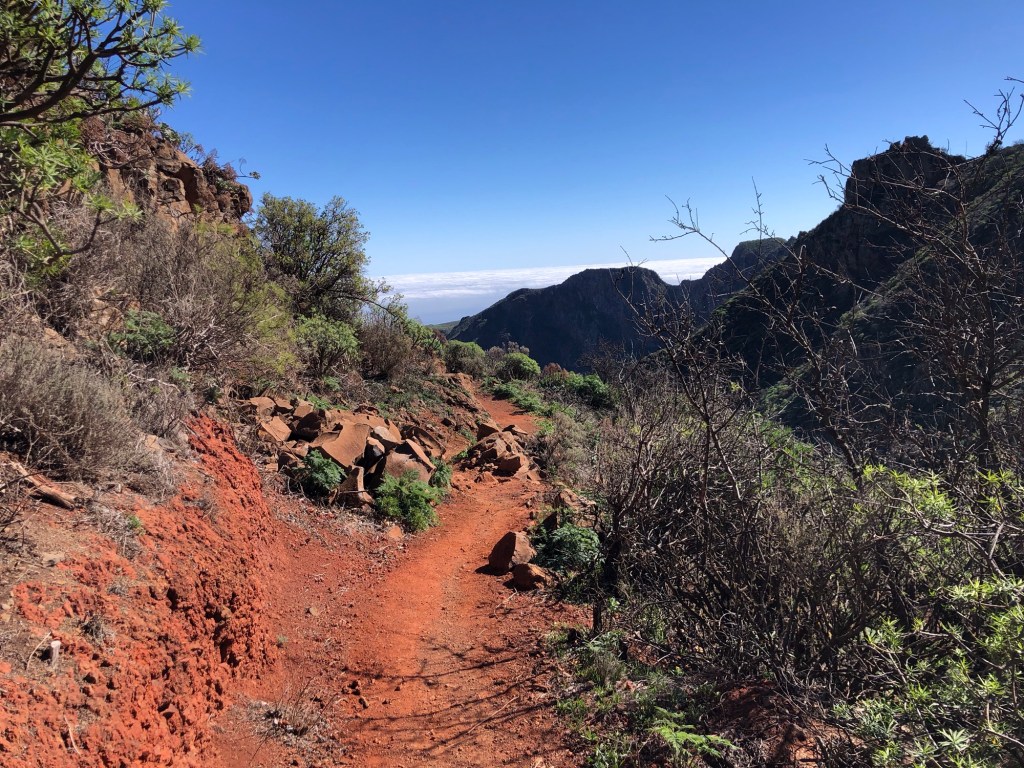
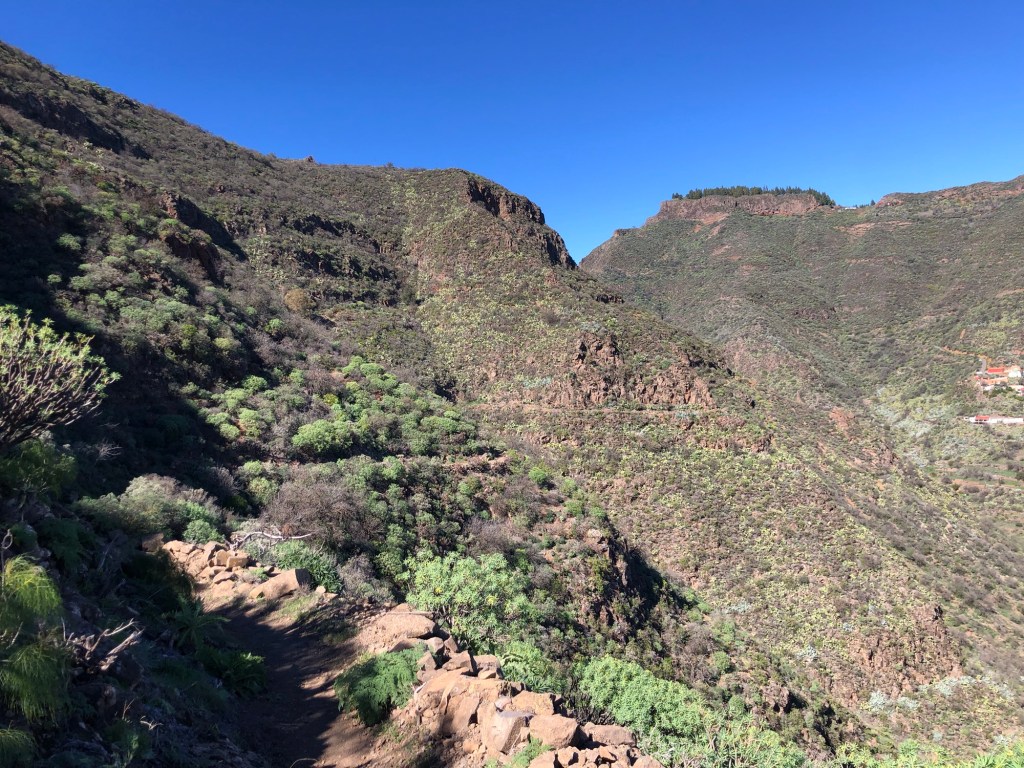
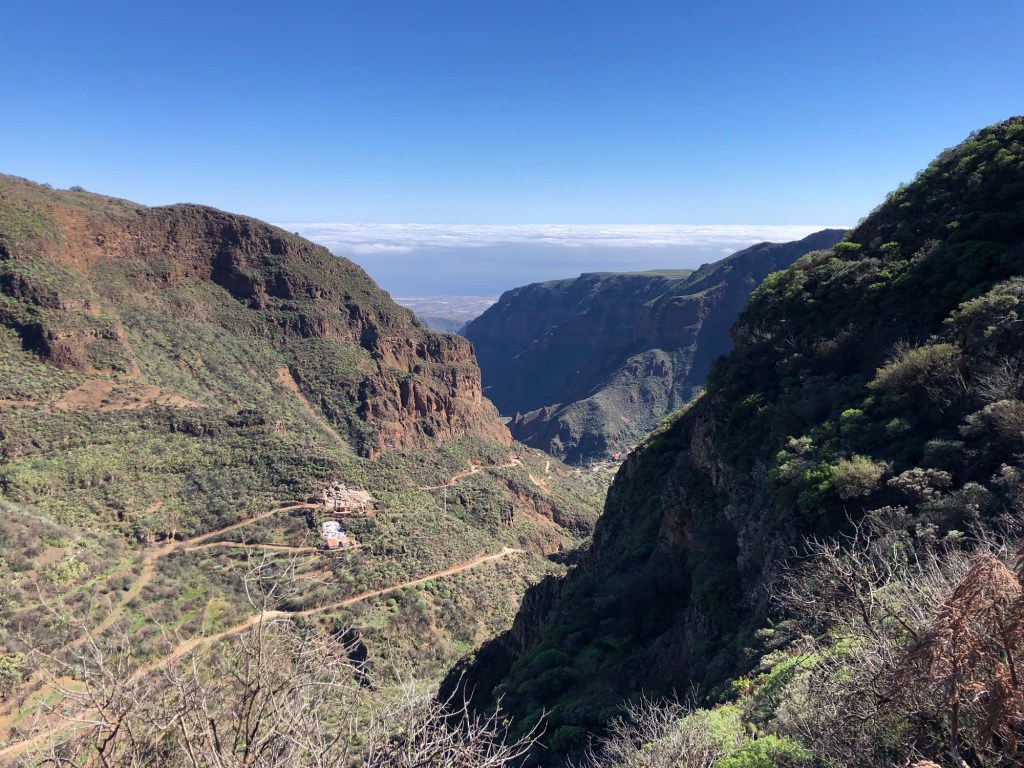
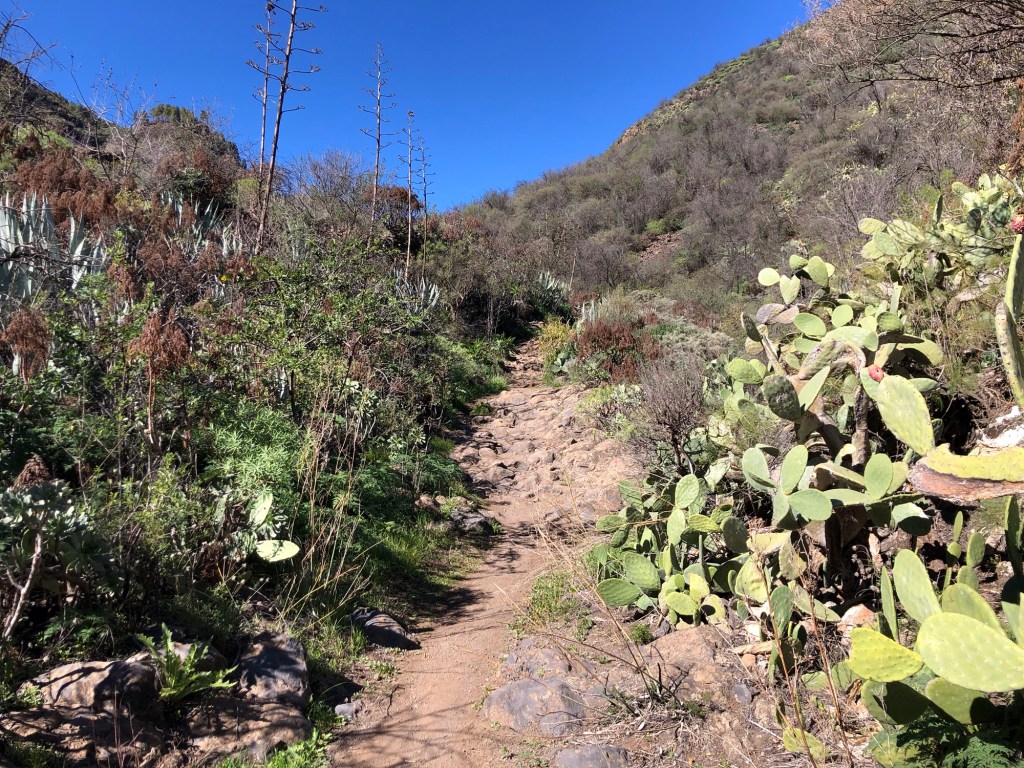
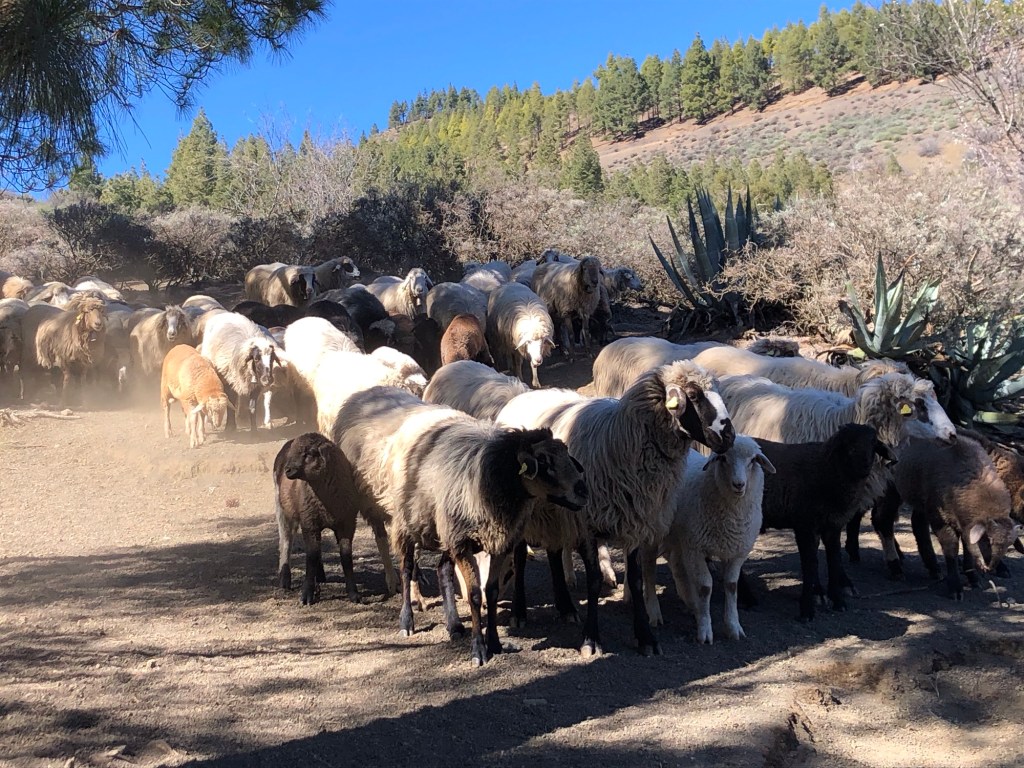
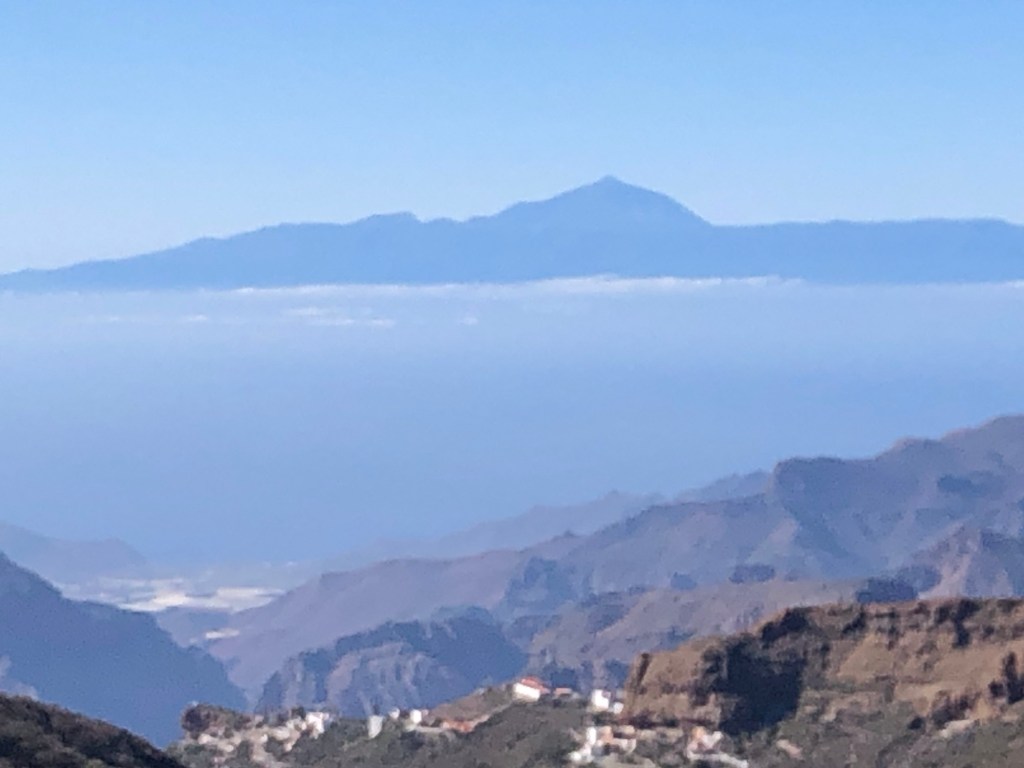
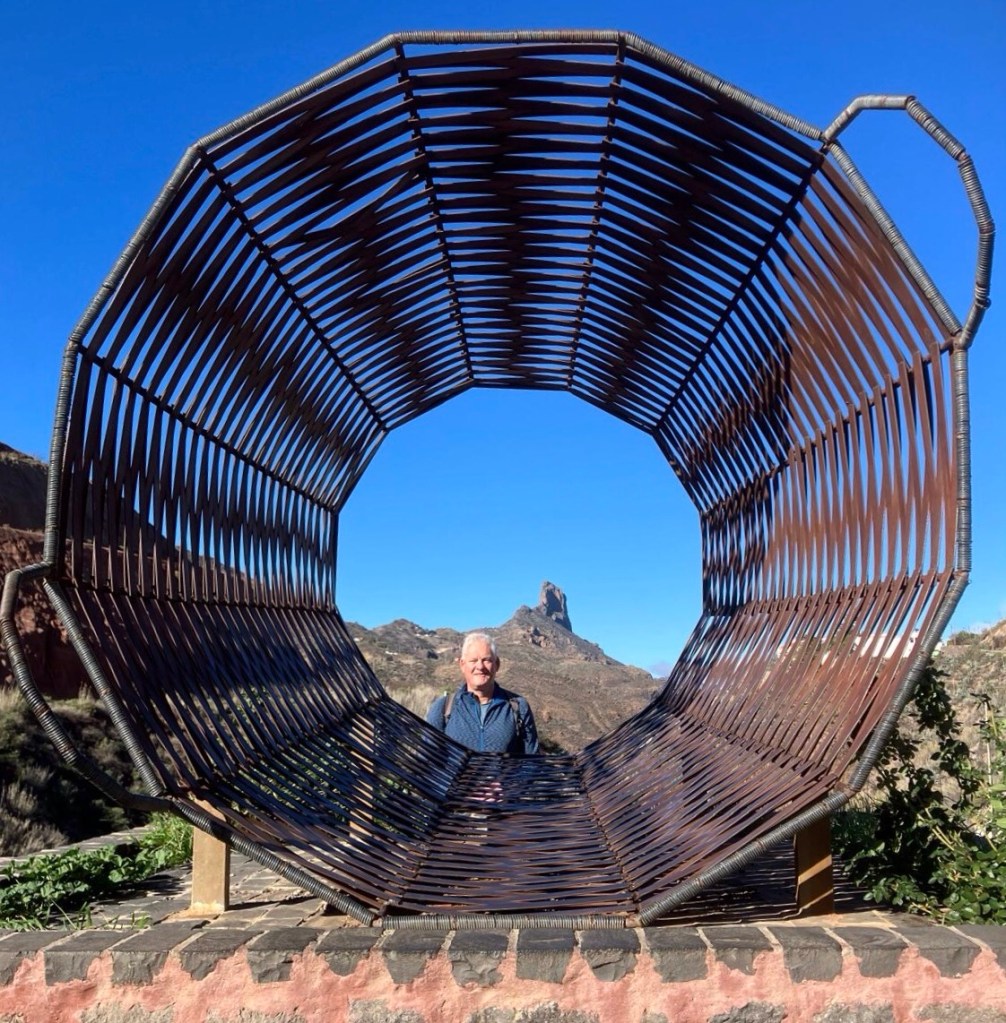
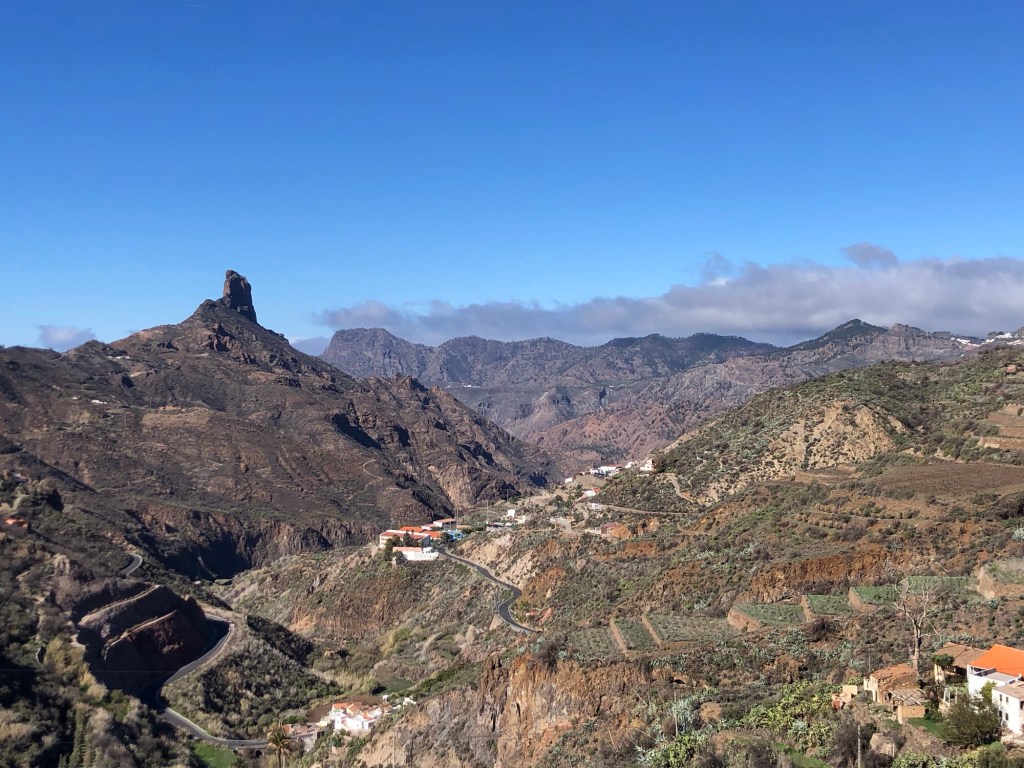
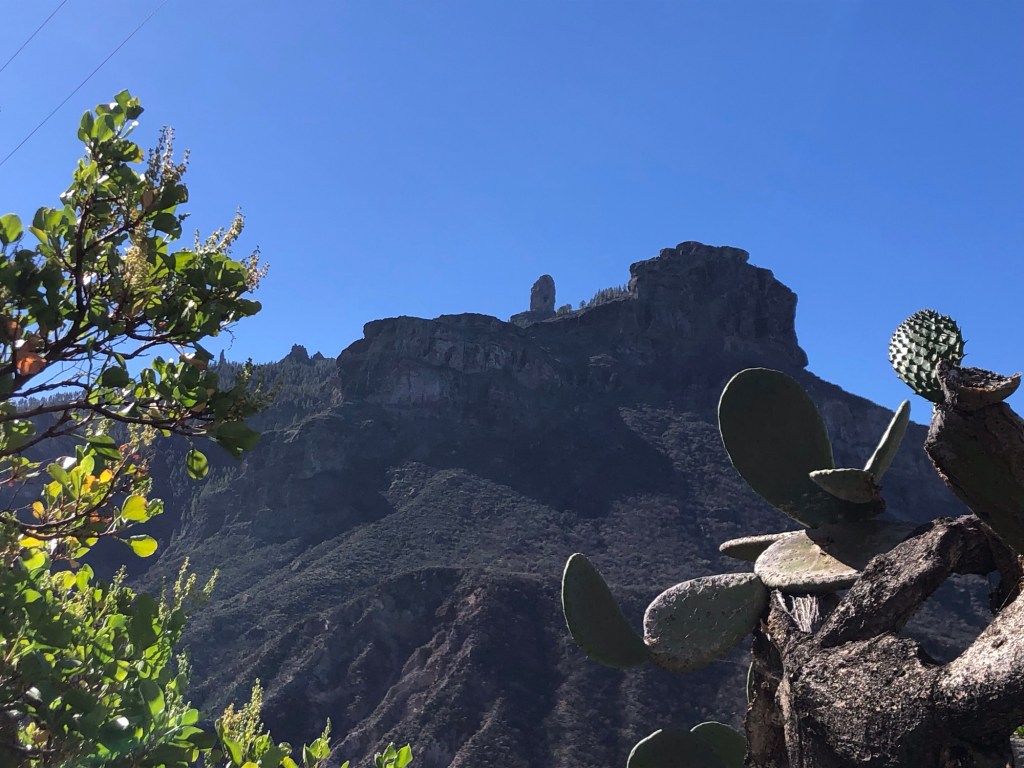
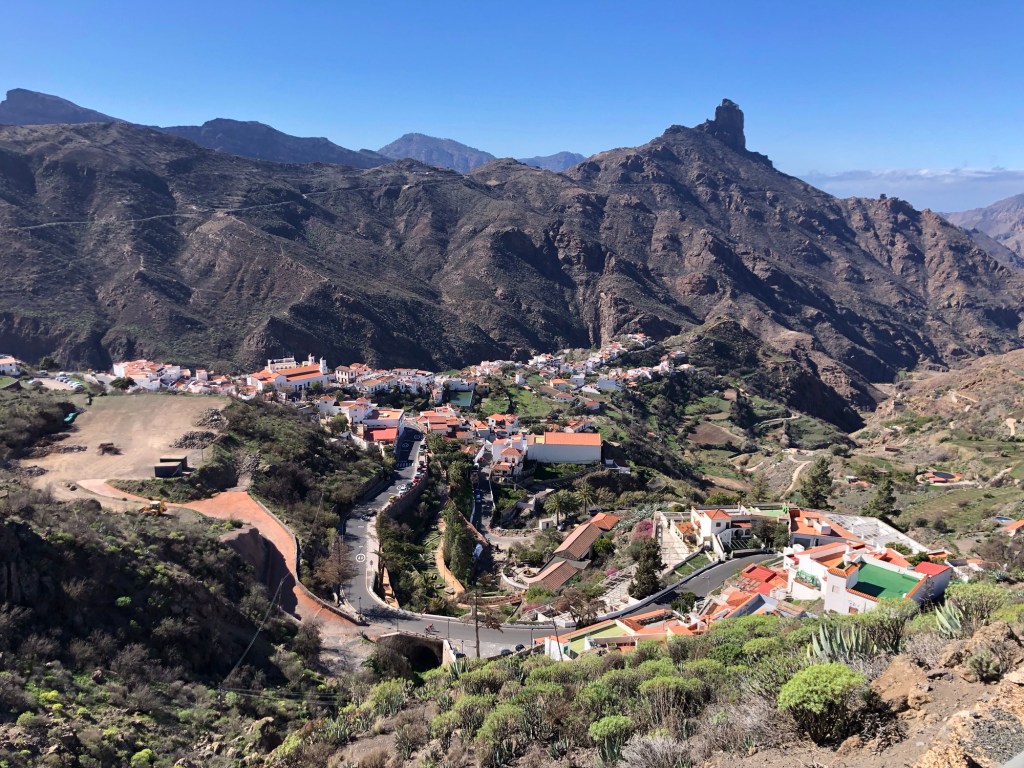
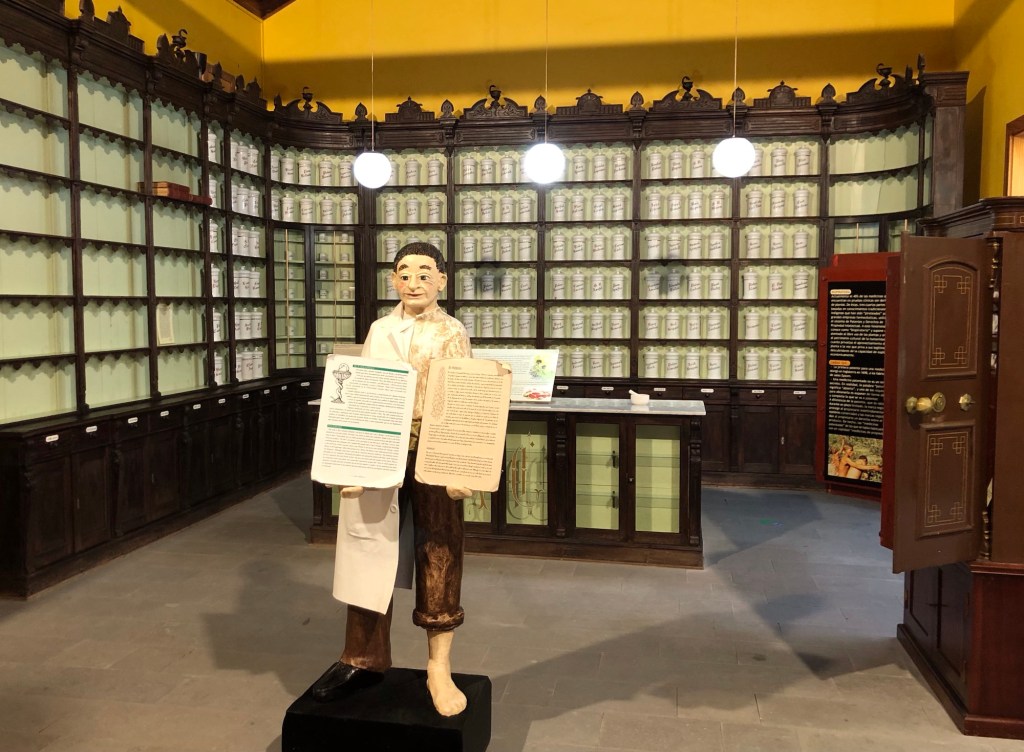
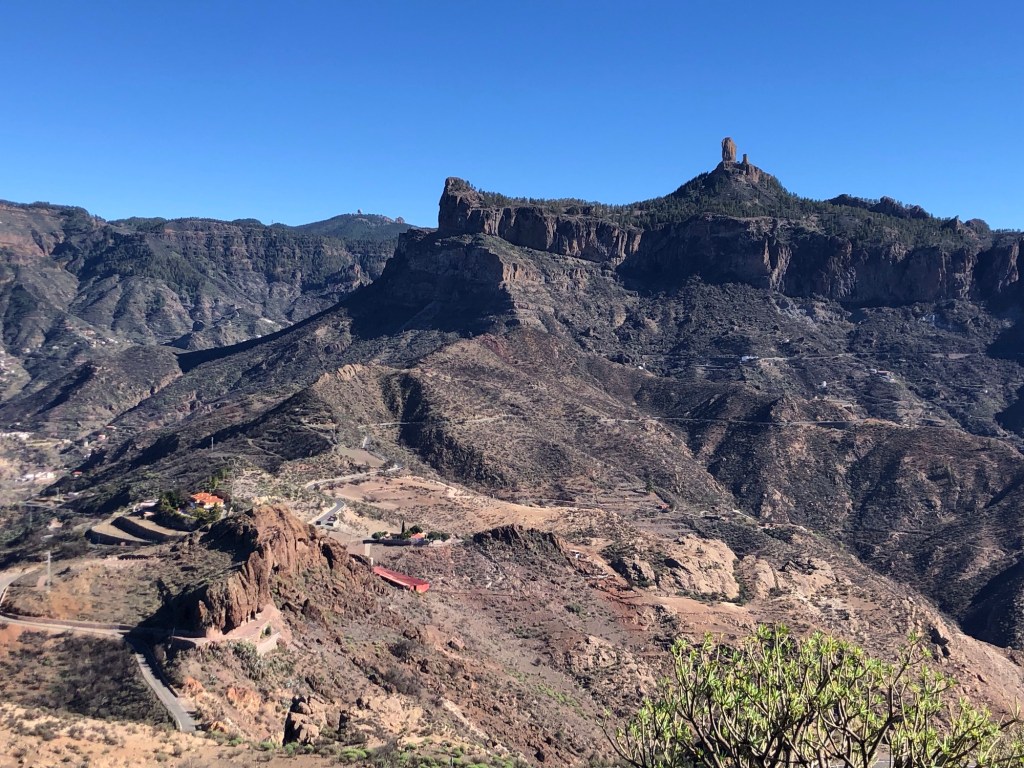
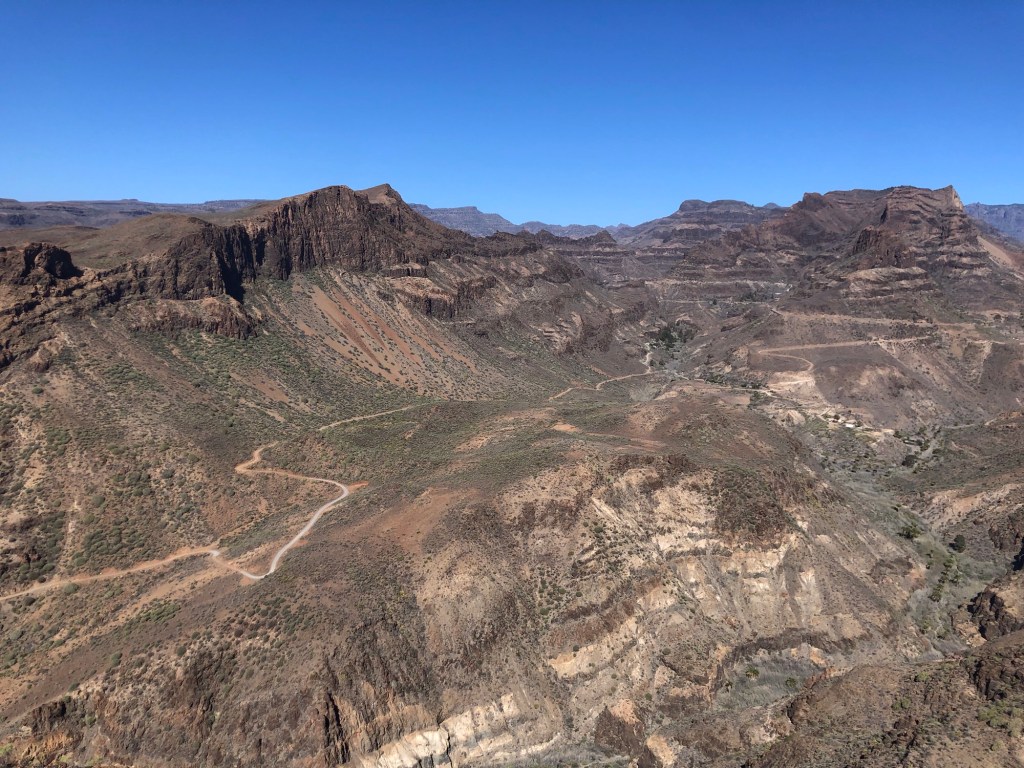
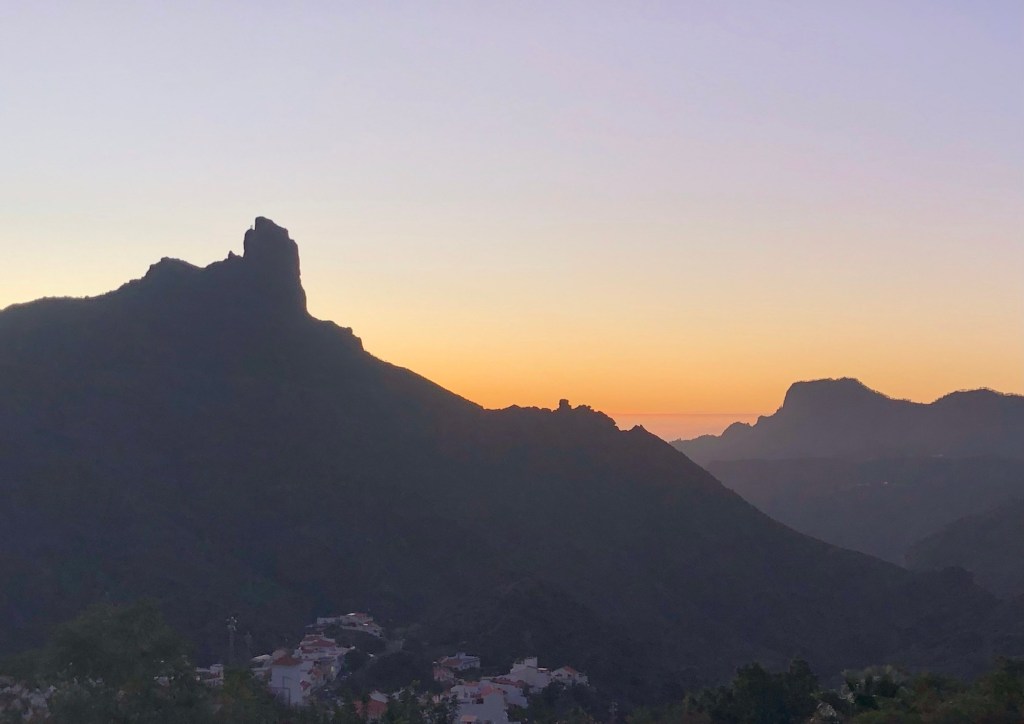
Our base for the first three days – La Hacienda del Buen Suceso, set within a banana plantation just outside the town of Arucas, near the north coast of the islandDay 1: The Caldera de Bandama is technically a maar (rather than a caldera), a volcanic crater formed when groundwater comes into contact with hot lava or magma, causing the volcano to ‘blow its top’ – this happened around 2,000 years ago in this case, making the eruption one of the most recent on Gran CanariaOur walk took us around the jagged and undulating rim of the crater . . .. . . with views aplenty, from the tops to the oceanAbove us loomed the 570-metre high peak of Pico de BandamaThen it was time to descend the 200 metres to the floor of the crater . . .. . . a lush oasis and a quite special place, that boasts volcanic ash of various colours and some plant species, such as bugloso (a variety of borage) that are unique to the island (and indeed to the world)!Day 2: Today’s walk started from the small hill-town of Firgas, where the centre is adorned with ceramic street furniture and features . . .. . . before a walk out into the countryside, and a prolonged descent . . .. . . into the Azuaje GorgeCrossing the stream bed at the bottom of the ravineA small wayside shrine . . .. . . on our way back up the other side of the gorgeViews to the north-east, over the island’s capital, Las PalmasWe reached our end-point by the church in the town of Moya, where we took a taxi back to our hire car in FirgasBack at the Hacienda after our exertions, we enjoyed a shot of the local banana liquorDay 3: We drove up into the hills, to our new base at the Hotel Fonda de la Tea in the town of TejedaContemplating the route up from Cruz de Tejeda, at 1,500 metres of elevation, where our third day’s walk started . . .. . . before climbing to the ridge-top on our path towards ArtenaraTurning south now, with the ridge ahead of us and some interesting rock formations just below usWhich way now?Just keep following the ridge line!Some fabulous views over Tejeda town well below us, and up to the standing rock of Roque Nublo on the far side of the Tejeda Caldera, the latter being a huge elliptical crater measuring around 10 miles across and 15 miles long, the result of a massive ancient volcanic explosionInto the woods on another scenic section of the path . . .. . . before we reached some prehistoric troglodyte cavesStarting down at last . . .. . . towards our destination of Artenara – and in the far distance a view of Mount Teide, across the sea on TenerifeArtenara village, at 1,270 metres above sea level, is the highest settlement on Gran CanariaDay 4: Our starting point today in the wonderfully fragrant pine woods of Llanos de la Pez . . .. . . soon emerging for some clear views of Roque Nublo – our circuit would take us to the base of the island’s central marker, that stands at 1,813 metres above sea levelAs ever, a climb . . .. . . to the top of Montañon (1,762 metres)Then a rocky path down, made easier in parts by some newly-installed steps!After a fine picnic lunch at the Degollada de la Goleta at the base of Roque Nublo, another climb awaited us . . .. . . back into the pine woodsSome colourful volcanic debris . . .. . . and a final view of the rock . . .. . . before the drive back to Tejeda, in time for ‘Happy Hour’Day 5: From the viewpoint near Cruz de Tejeda, on the way to the start-point for another fine day’s walk . . .. . . that set off from the rim of the small crater of Caldera de los MartelesAfter exploring the crater a prolonged climb ensued, first along a pumice track, strewn with huge fir cones . . .. . . and then up through the pine woods at the head of the Barranco de Guayadeque ravine . . .. . . eventually emerging onto a high ridge, with views to the ocean off the southern coast of the islandAfter several miles the path turned back on itself, into the Barranco (ravine), through bright red volcanic soils . . .. . . that support the lush vegetation of cacti, agave plants, almond and fig treesA fabulous promenade . . .. . . affording more huge vistasThe start of the 300-metre climb back up . . .. . . and a welcome break whilst this determined herd headed past, downslopeA roadside stop on the drive back, for a far-reaching view across the water to Tenerife and its volcanic summit of Mount Teide (which at 3,718 metres of elevation is also Spain’s highest point)Day 6: A shorter walk to finish, on the hills above TejedaAfter a steep climb on the path towards La Culata, some great views over to Roque Bentayga . . .. . . and above us to Roque NubloDescending once more into Tejeda . . .. . . for a visit to the town’s small museum of medicinal plantsAn afternoon drive out to Roque Bentayga . . .. . . for some huge views in every direction around the ancient calderaBack in Tejeda for the sunset after another great day, and with a memorable week of walking and exploration to reflect upon
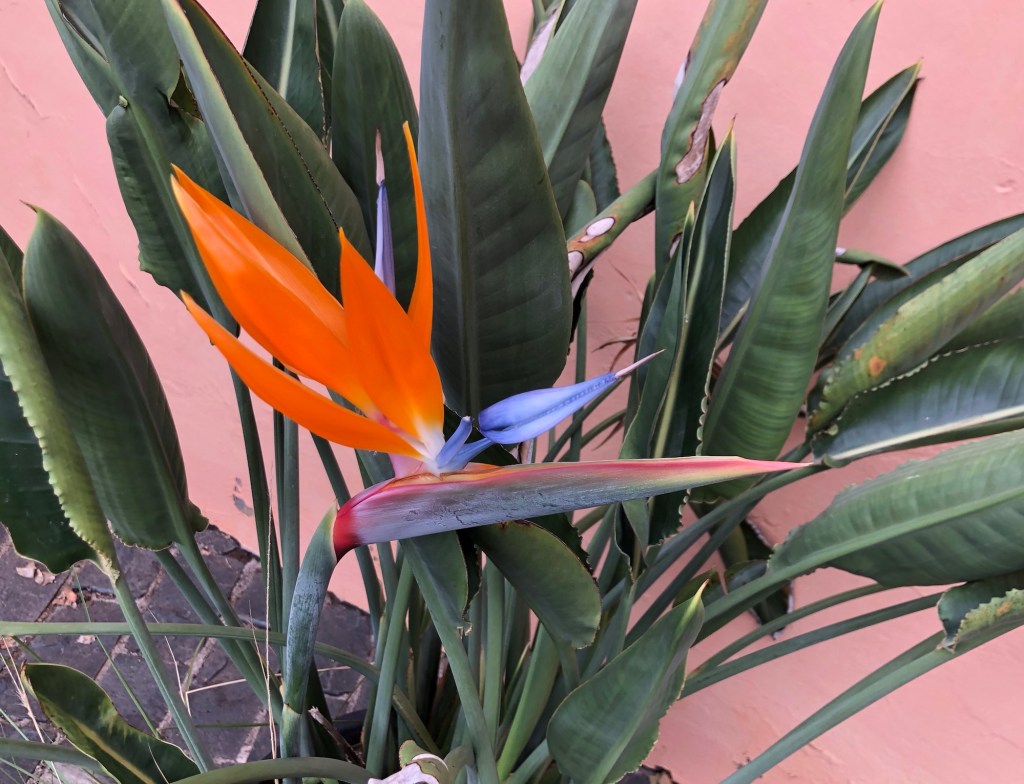
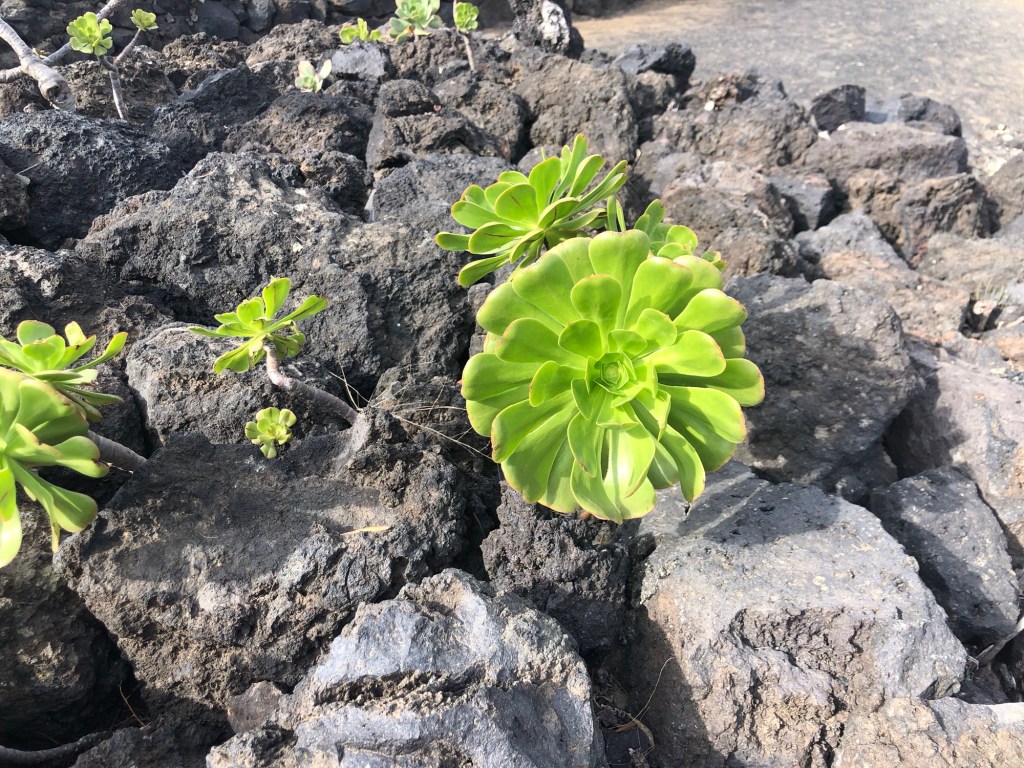
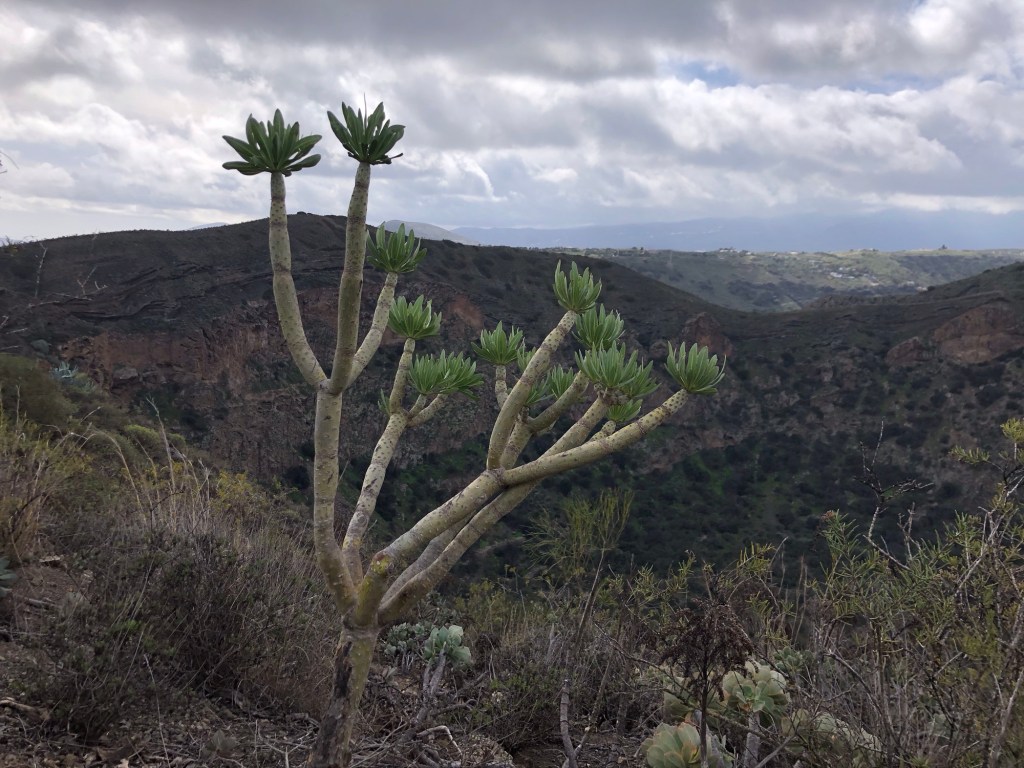
And just to finish, here are a few pictures of the vegetation of the island:
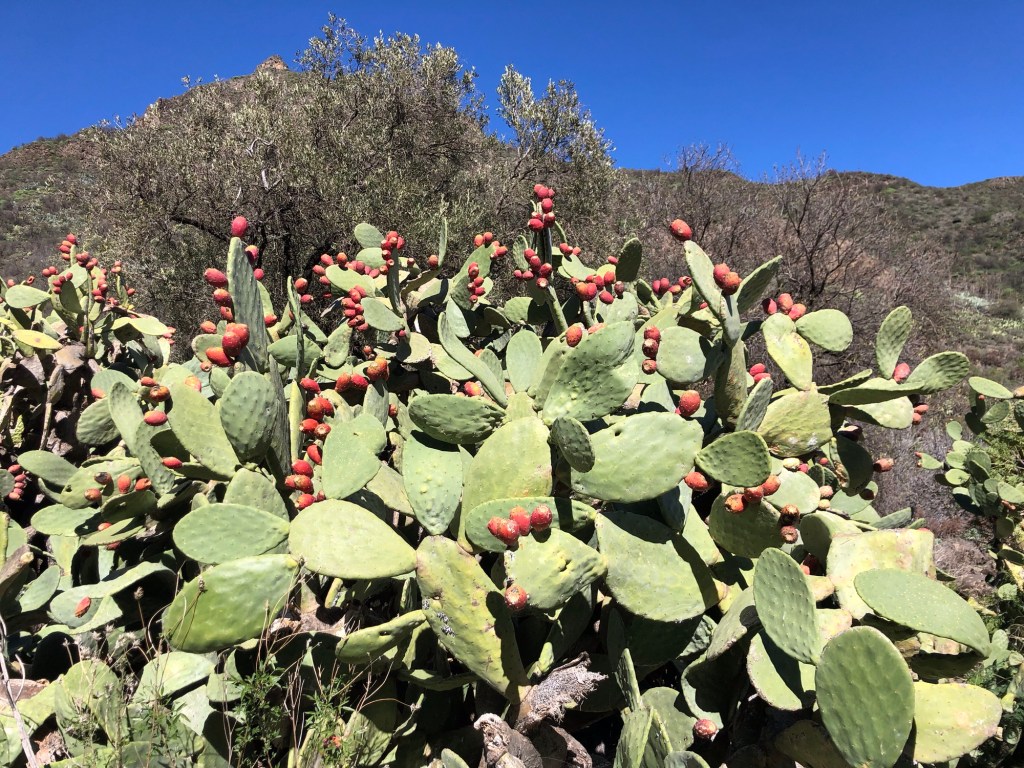
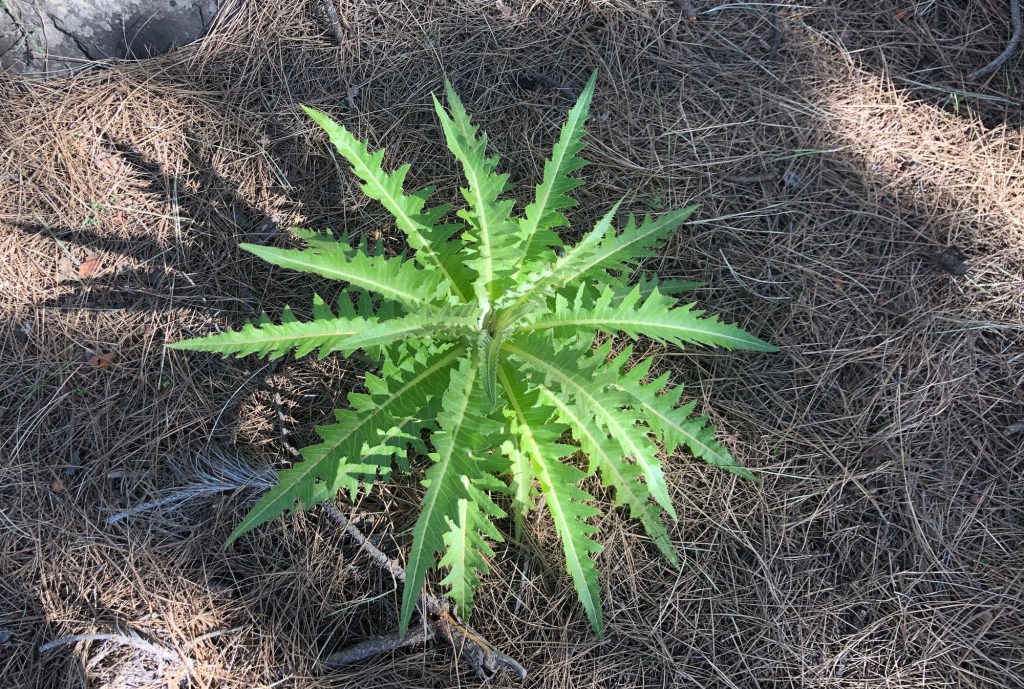
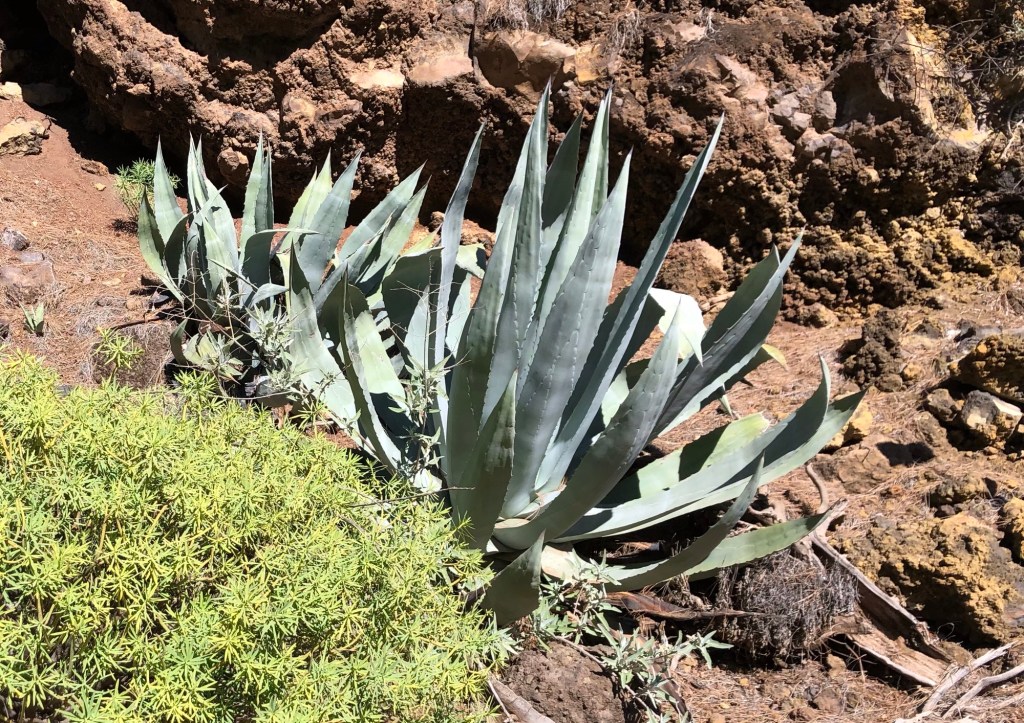
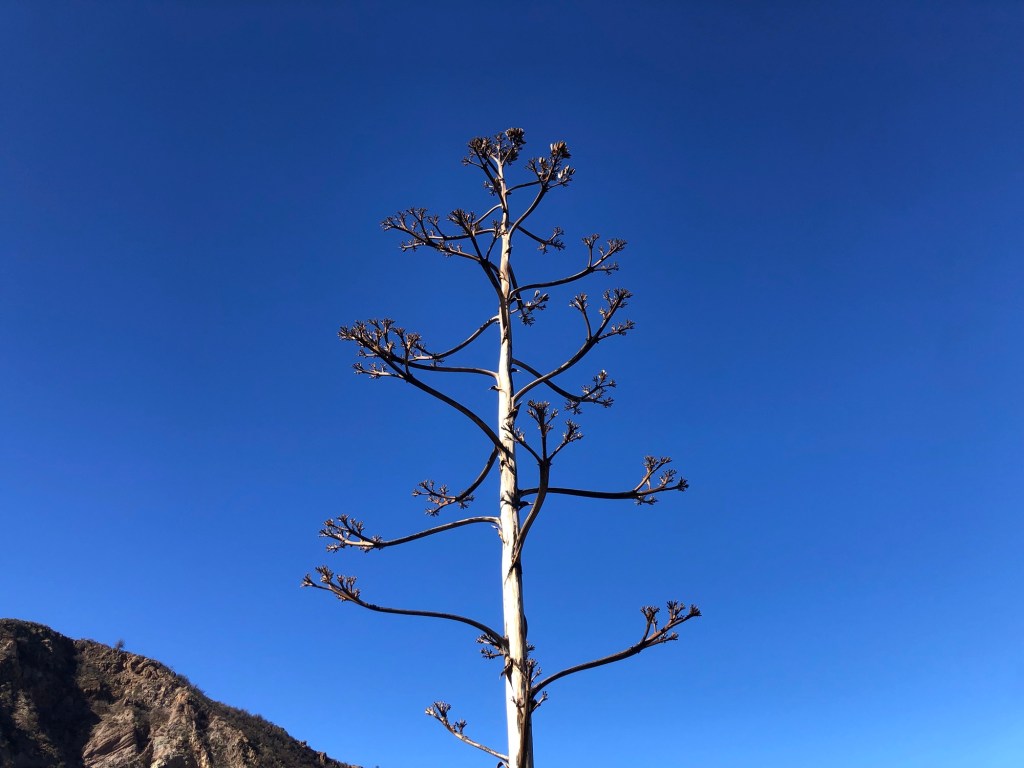
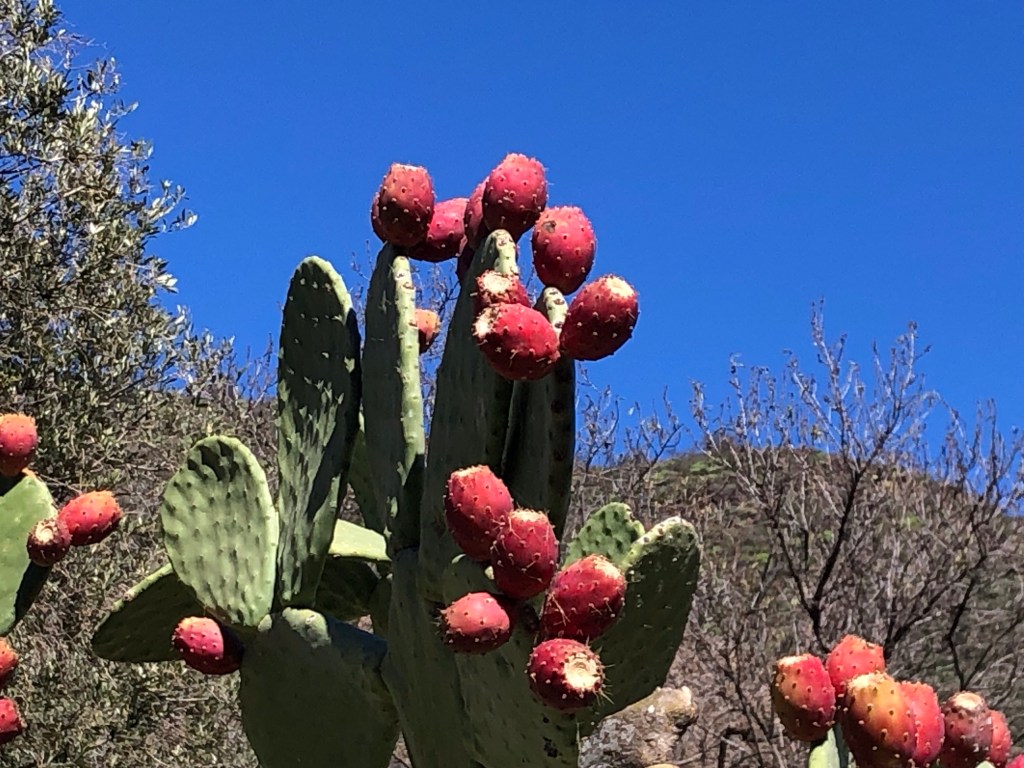
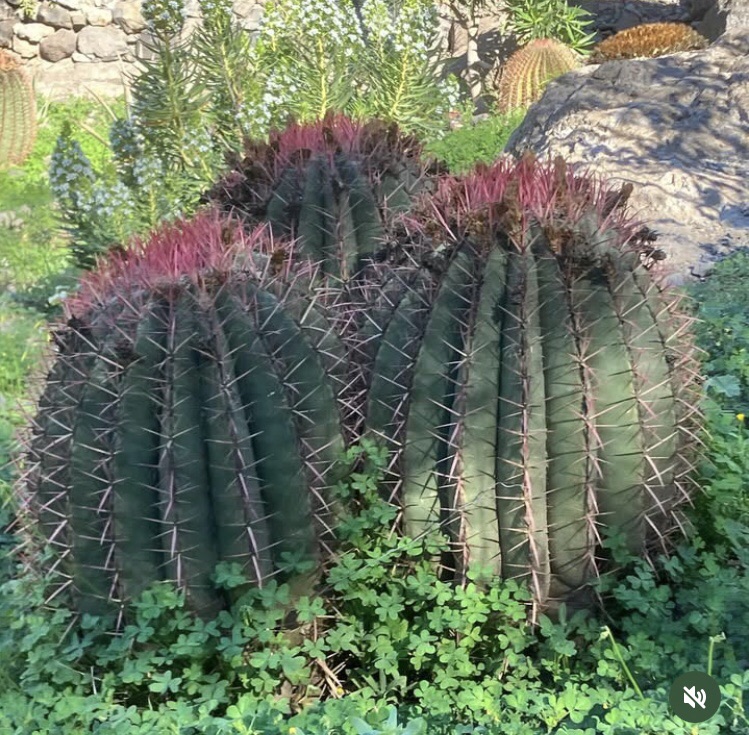
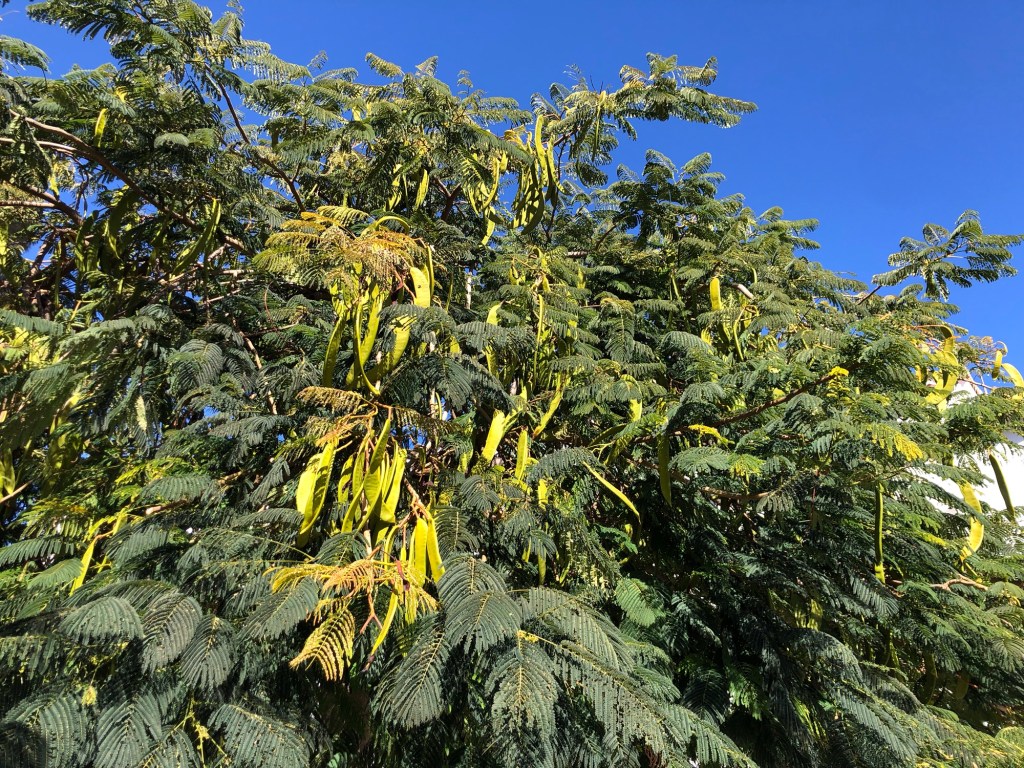
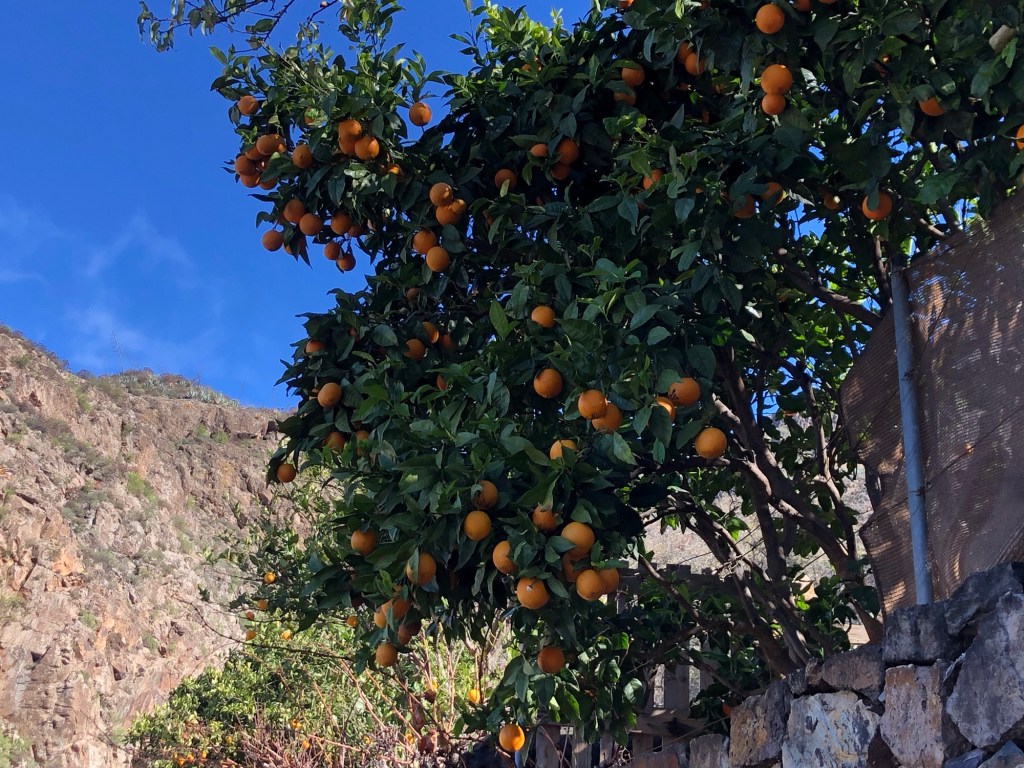
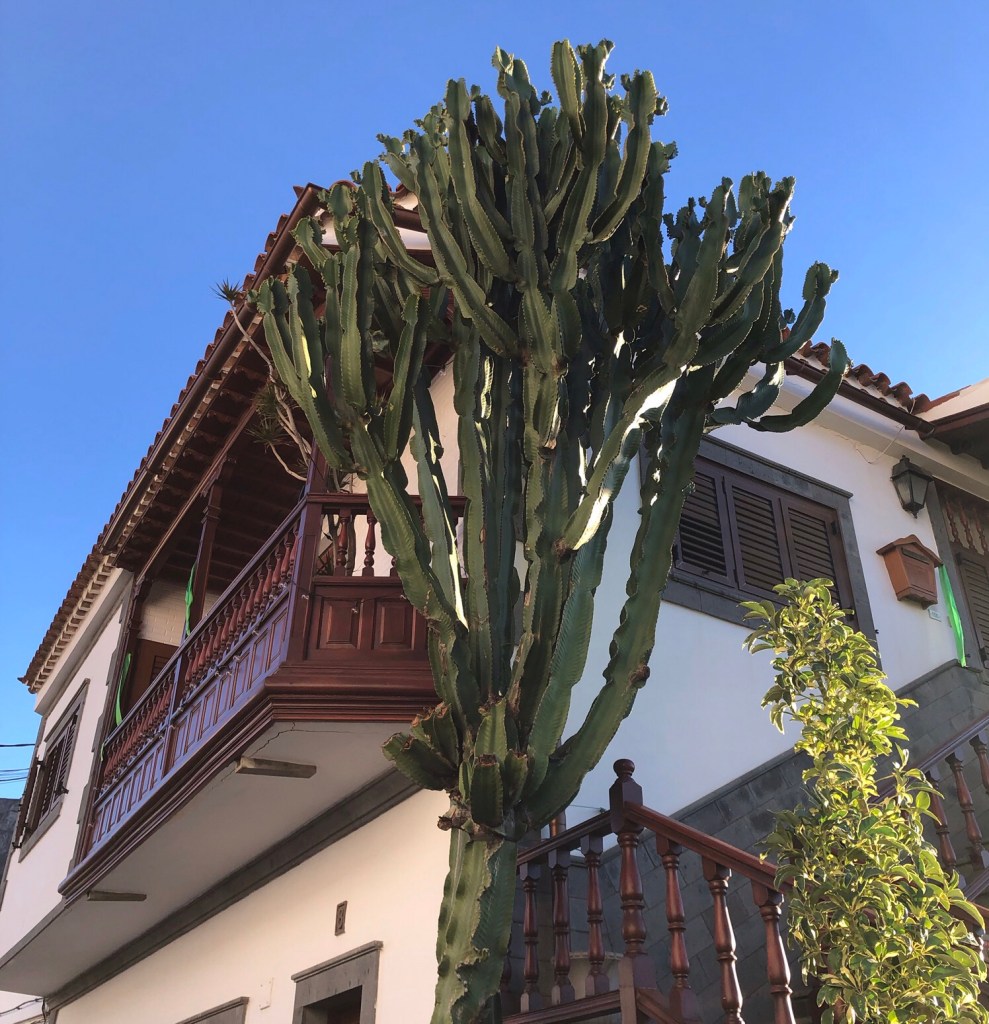
A ‘bird of paradise’ flower’ . . .. . . a native ‘rock rose’ . . .. . . and a plant that we spotted on the Caldera de Bandama rim but have been unable to identify (further research needed)!A more familiar banana palm, on the plantation next to our hotel in ArucasA thistle on the pine wood floorAn agave plant . . .. . . and a redundant agave stem from an earlier flowering seasonPrickly pears . . .. . . and a spikey resting place!Again we have yet to identify this tree with fern-like leaves and huge seed pods . . .. . . though there are plenty of more familiar, and fruitful, orange trees in the towns . . .. . . as well as some spectacular cultivated cacti plants
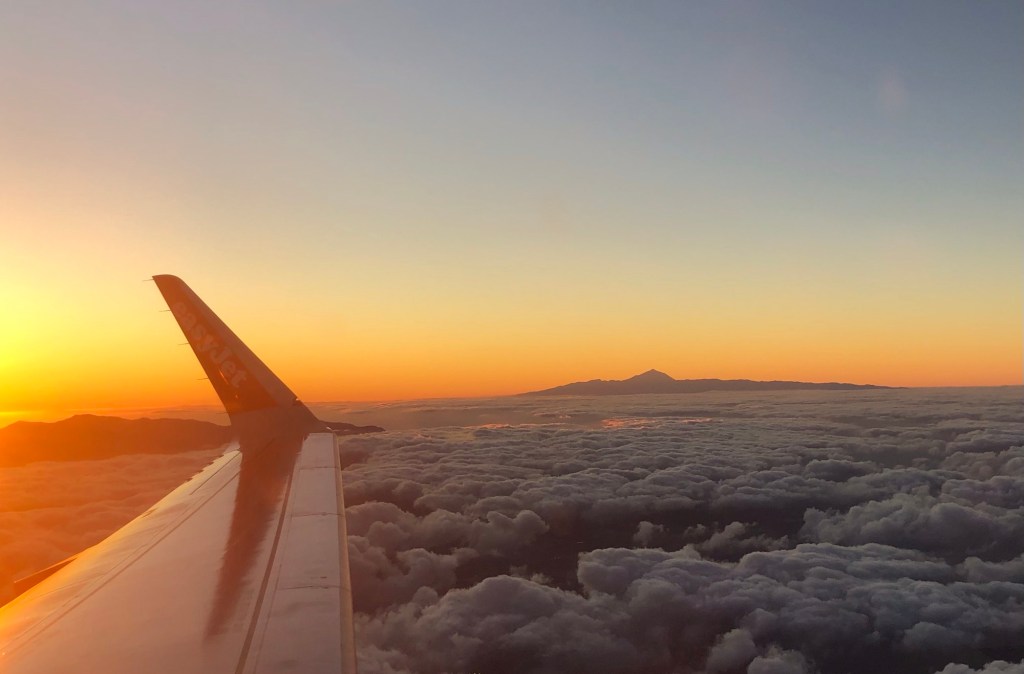
And so the week passed as quickly as it had come upon us, and home beckoned after a straightforward 4.5-hour flight back to a rather misty Luton Airport. We look forward to returning to Gran Canaria and to visiting the other islands, that (in order of size) comprise Tenerife, Fuerteventura, Gran Canaria, Lanzarote, La Palma, La Gomera and El Hierro; from what we hear they are all of unique character and appeal. Until then ‘adiós a las islas’, and I will report back here with some English winter walks presently!
We saw a large number of serious cyclists in Gran Canaria, many attempting the massive climbs to nearly 2,000 metres of elevation up hairpin bends; I commend their determination . . .. . . but I will be sticking with the more leisurely alternative of trekking!
My Blog heading today ‘Walking In The Sun’ is borrowed from the title of a 2004 ‘Top-20’ hit by Scottish indie rockers, Travis. The song was written by the band’s lead vocalist and lyricist Fran Healy, and appears on their compilation album ‘Singles’, a collection of the group’s early hits, plus two new numbers (‘Walking In The Sun’ and ‘The Distance’). The album itself went platinum (meaning over 300,000 copies sold) – this is my first Travis song title heading, and a timely reminder to myself to play some of their music: the ‘Singles’ album has some great songs on it, and is well worth a listen.
‘I’ll be back!’
As a footnote, a couple of friends have asked how we arranged this trip. The company we booked with is Headwater Active Holidays, who operate self-guided walking trips as part of the Exodus portfolio. Headwater arranged for us the hotel accommodation and the hire car and provided detailed walking routes and maps (paper copies and via their app) with support from their local agent Natour. We have used both Headwater and Exodus several times before, Headwater for self-guided walking, and Exodus Adventure Travels for group trekking excursions.
5 thoughts on “Walking In The Sun”
Fabulous photos as always Nick and an excellent summary of your journey.
Well done you two……really packed a lot into your week. You have seen a lot of the island that we missed out on during our stays there. There’s still a lot more for you to discover!
Not sure my comments got sent, so just to say well done and thank you, I really enjoyed your stunning photos, The flora and fauna, and your descriptions. Having passed those islands many years ago on the QE2 when it limped back to Southampton (It hadn’t made the correct speeds, (we were meant to get down as far as Dakar (spelling?) it was great seeing so much of the internal views And splendid vistas. I felt very envious !!!
So thank you for including me in your posts All the best for your future trips in 2025! Liz >
a very lovely island. Such interesting terrain and plants. You certainly did some energetic walking. And it must have been an enjoyable escape from the gloomy weather in the UK. It was nice to see such glorious photos!







 Walking for Fun, Challenge and Charity!
Fabulous photos as always Nick and an excellent summary of your journey.
LikeLike
Well done you two……really packed a lot into your week. You have seen a lot of the island that we missed out on during our stays there. There’s still a lot more for you to discover!
LikeLike
Not sure my comments got sent, so just to say well done and thank you, I really enjoyed your stunning photos, The flora and fauna, and your descriptions. Having passed those islands many years ago on the QE2 when it limped back to Southampton (It hadn’t made the correct speeds, (we were meant to get down as far as Dakar (spelling?) it was great seeing so much of the internal views And splendid vistas. I felt very envious !!!
So thank you for including me in your posts All the best for your future trips in 2025! Liz >
LikeLike
a very lovely island. Such interesting terrain and plants. You certainly did some energetic walking. And it must have been an enjoyable escape from the gloomy weather in the UK. It was nice to see such glorious photos!
LikeLike
I believe the tree you are unable to identify is an Indian Bean plant. Had one in Majorca on our last trip. Poisonous! Great photos, as always Nick!
LikeLike