
THE THAMES PATH – DAY 2: Tuesday 19 August 2025 – CRICKLADE to LECHLADE (10.9 miles)
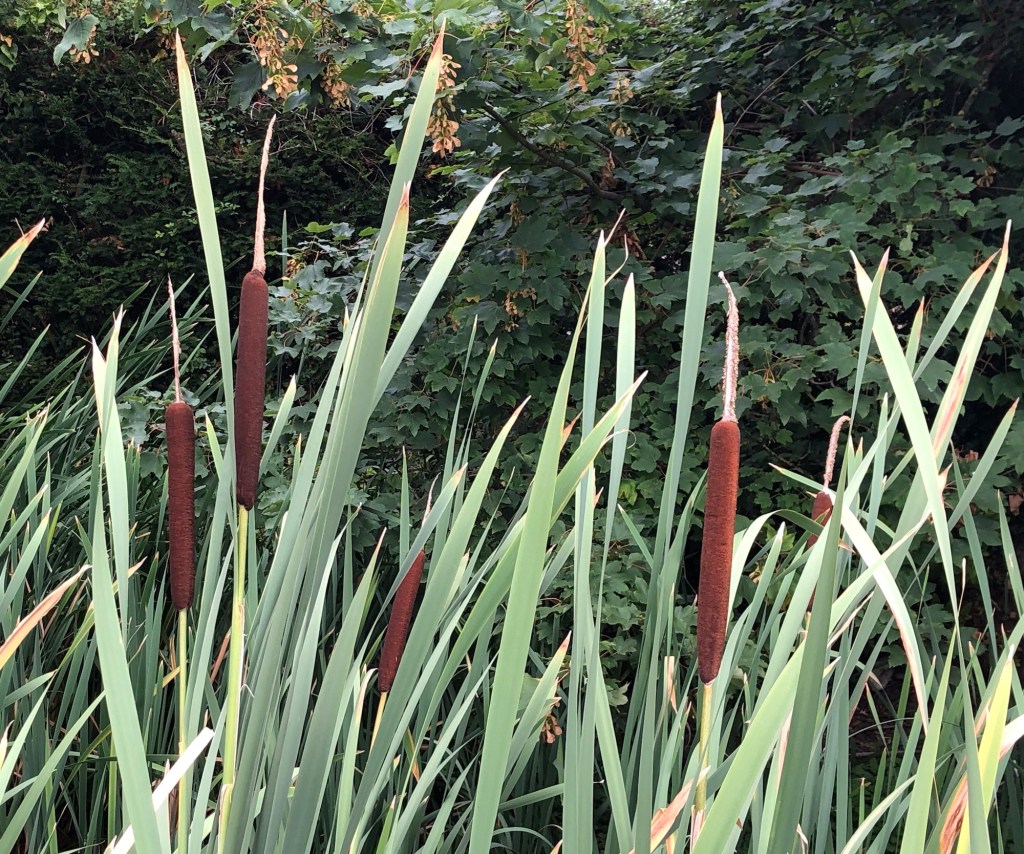
Our Thames Path journey really took off today, passing through a delightful stretch of countryside between the pleasant towns of Cricklade and Lechlade. And now that we are at last seeing some flowing water within the banks of the Thames, its presence has prompted me to investigate the alternative name given to the river, namely the ‘Isis’. I had previously associated the latter designation with the river’s passage through Oxford, but in actual fact the age-old name of Isis continues to be used for the whole of the stretch of the Thames from its source right down through the ‘City of the Dreaming Spires’ and as far as the village of Dorchester some 18 miles or so further downstream, where the Thame tributary joins the main river. It is thought that the Isis name may have been derived from the Thames’ Latin name of Tamesis (an ancient moniker that itself may constitute an amalgam of ‘Thame’ and ‘Isis’), but any further elucidation seems to have flowen with the waters of centuries past.
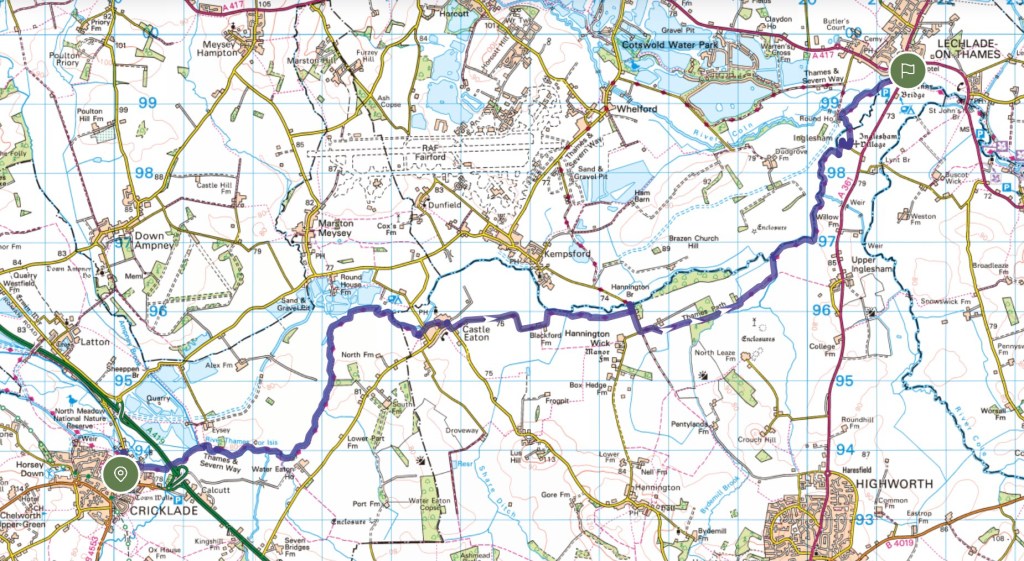
Studying the map last night I realised, belatedly, that in reaching Cricklade we had actually wandered, if only temporarily, out of Gloucestershire and into northern Wiltshire. I cannot say that any great change is particularly noticeable on the ground, but Cricklade does have the distinction of being the first town on the Thames, and the place has a rich history that dates from Roman times when it was the crossing point on the Thames for the Roman Ermin Way. A settlement was founded around the ford by the Saxons during the ninth century, and by the time of Domesday the town had been the home of the Royal Mint for just over a century (a role that it fulfilled from 979 to 1100 AD) – we are told that the local museum still houses some examples of coins minted here. Cricklade currently has a population of just over 4,000 souls, and its economy is supported mainly by tourism drawn from its historical significance – and of course the town has the Thames Path running through its centre. So this morning, after a good breakfast on the High Street, Rachel and I rejoined the river, now at last complete with water, to continue in our walk. The Thames henceforth becomes our enduring companion on this journey, leading the way and making our various navigational aids superfluous. The weather was compliant too, affording us a very fine day indeed for conversation and rambling.
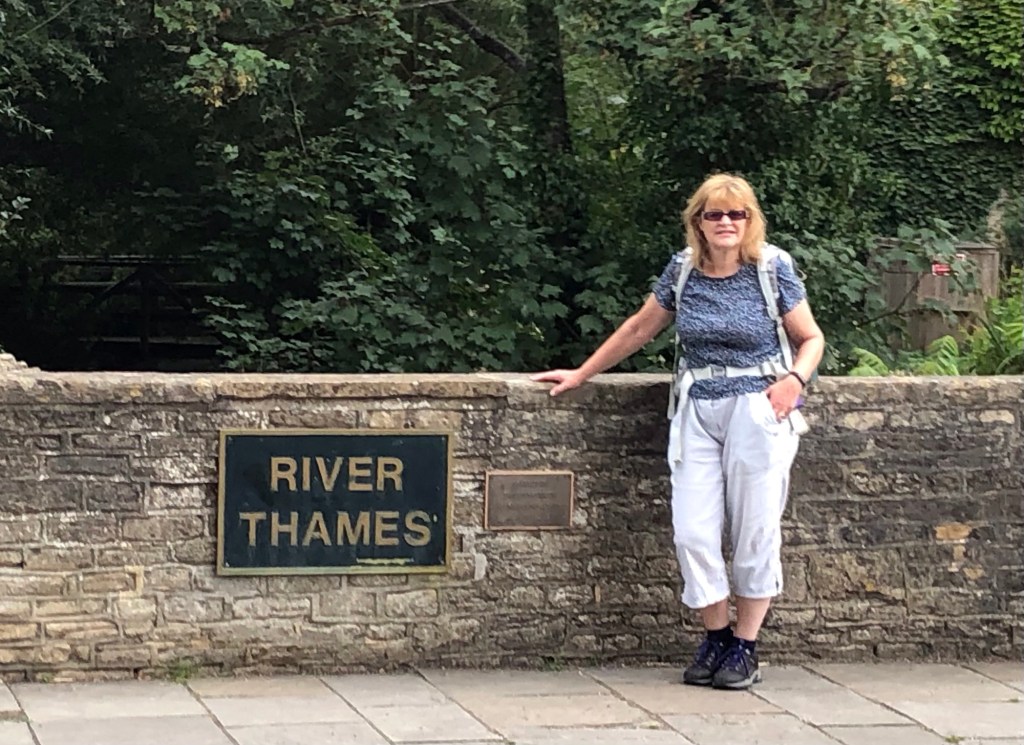
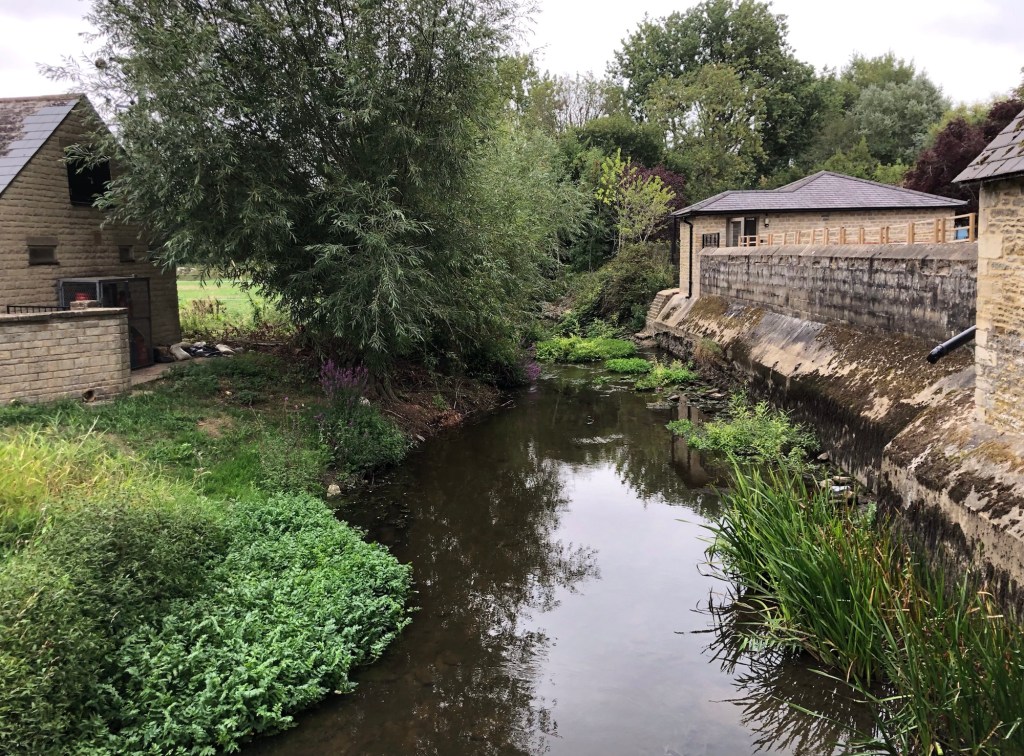
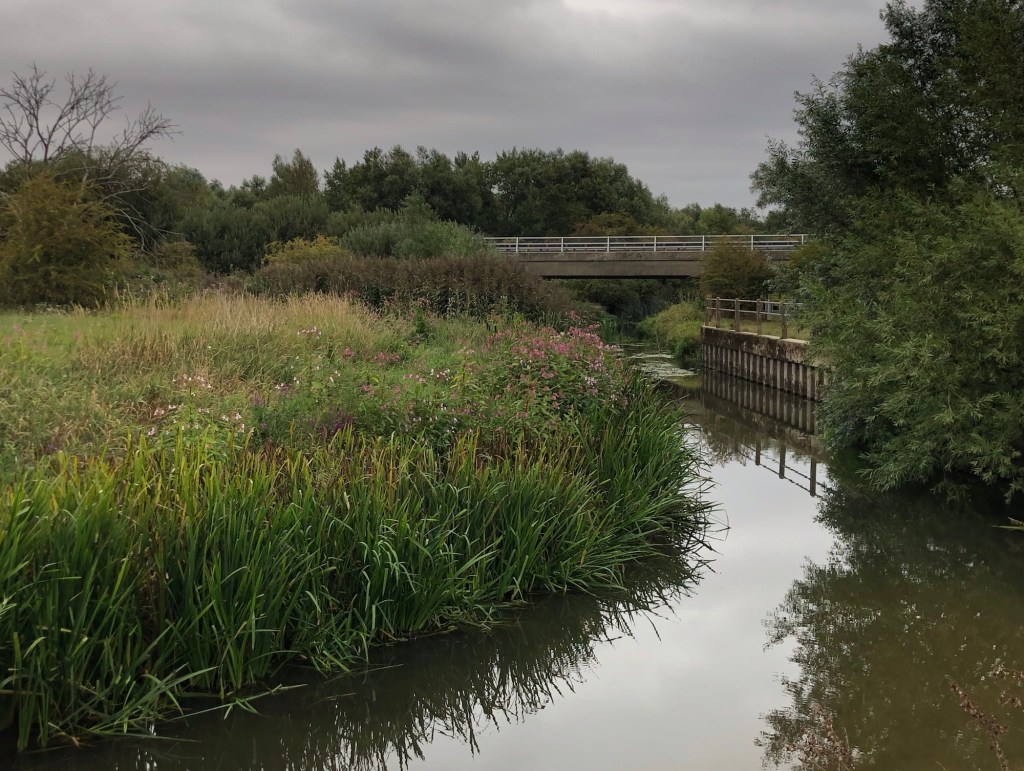
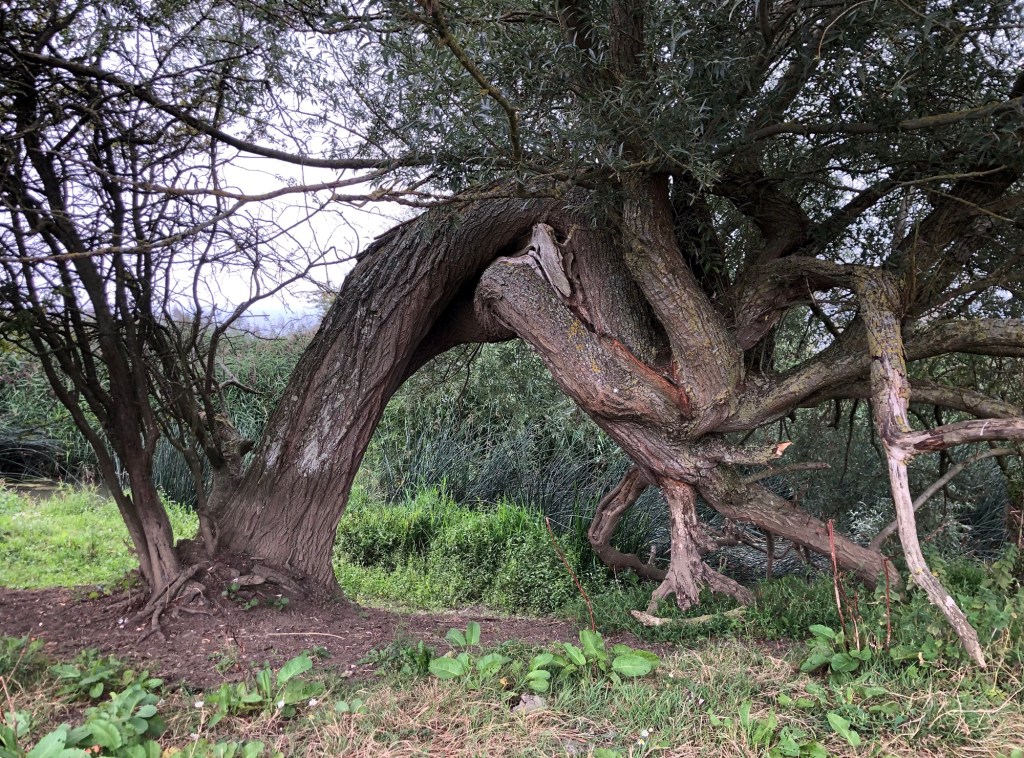
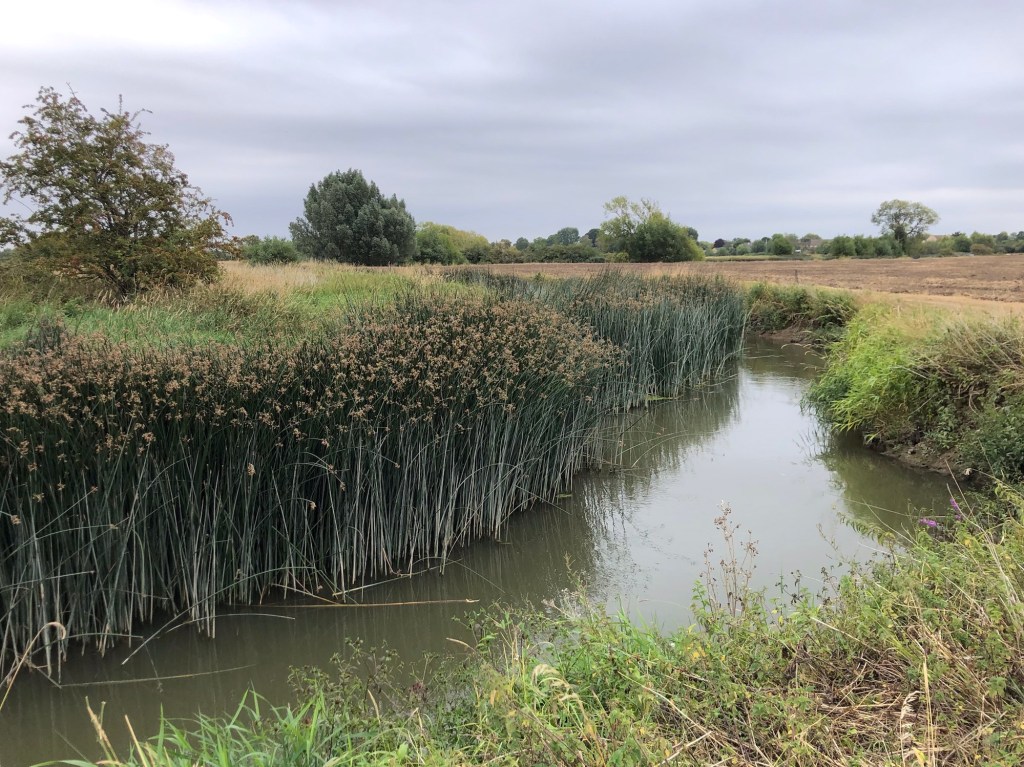
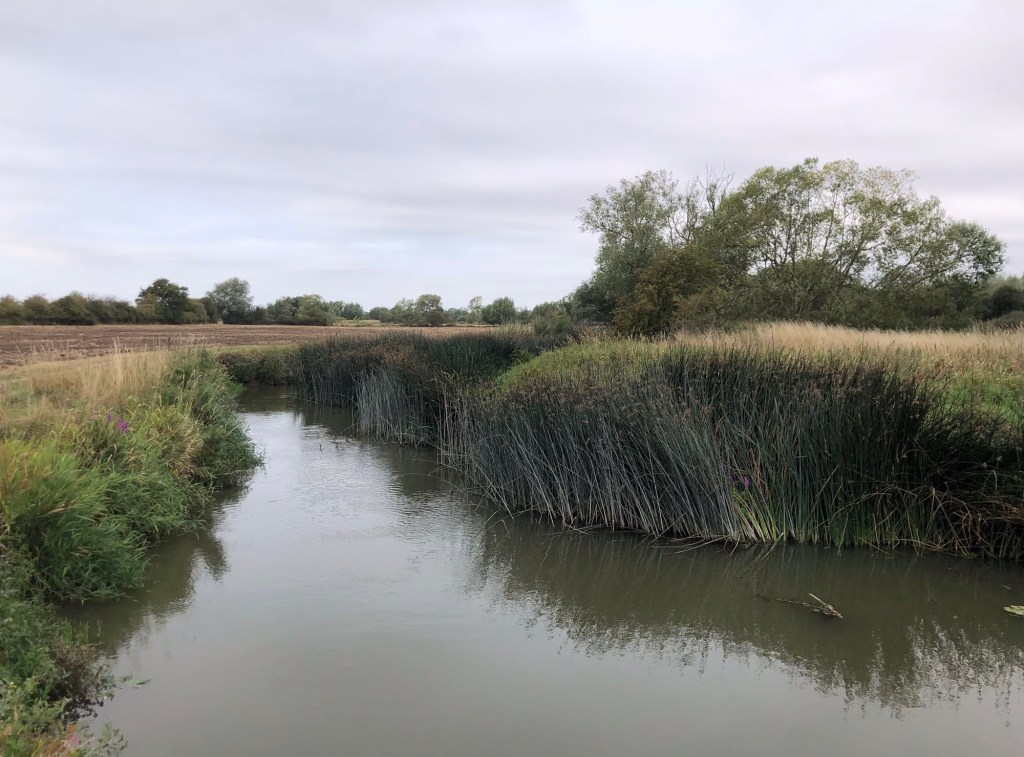
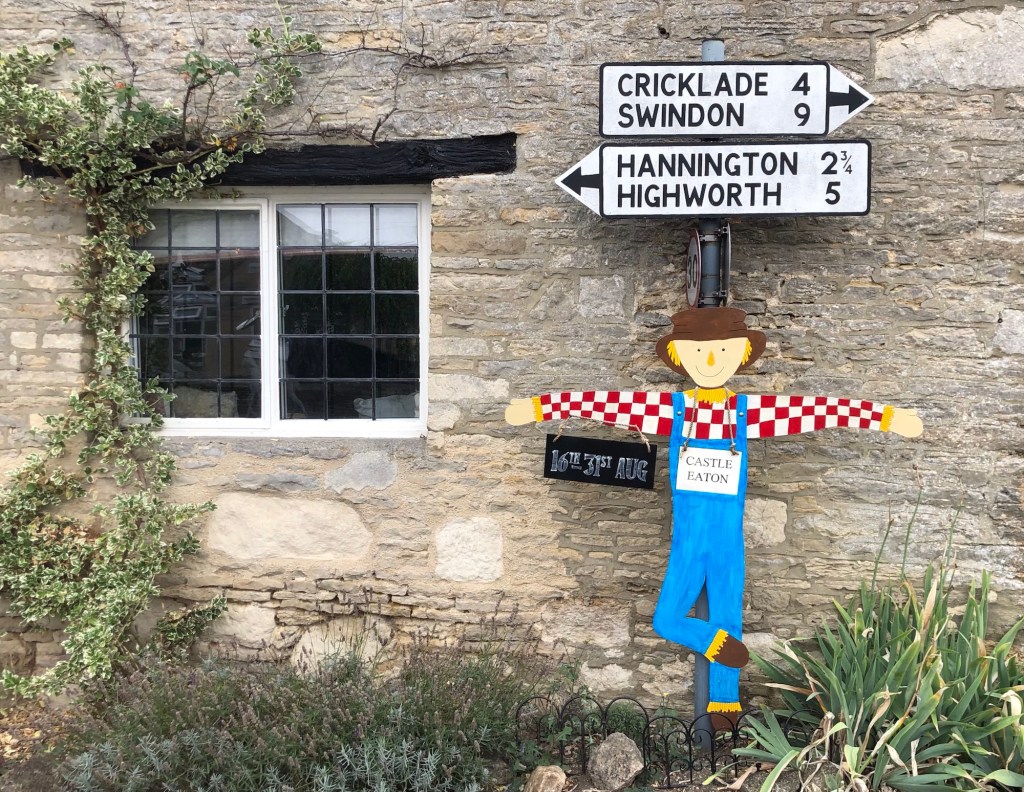
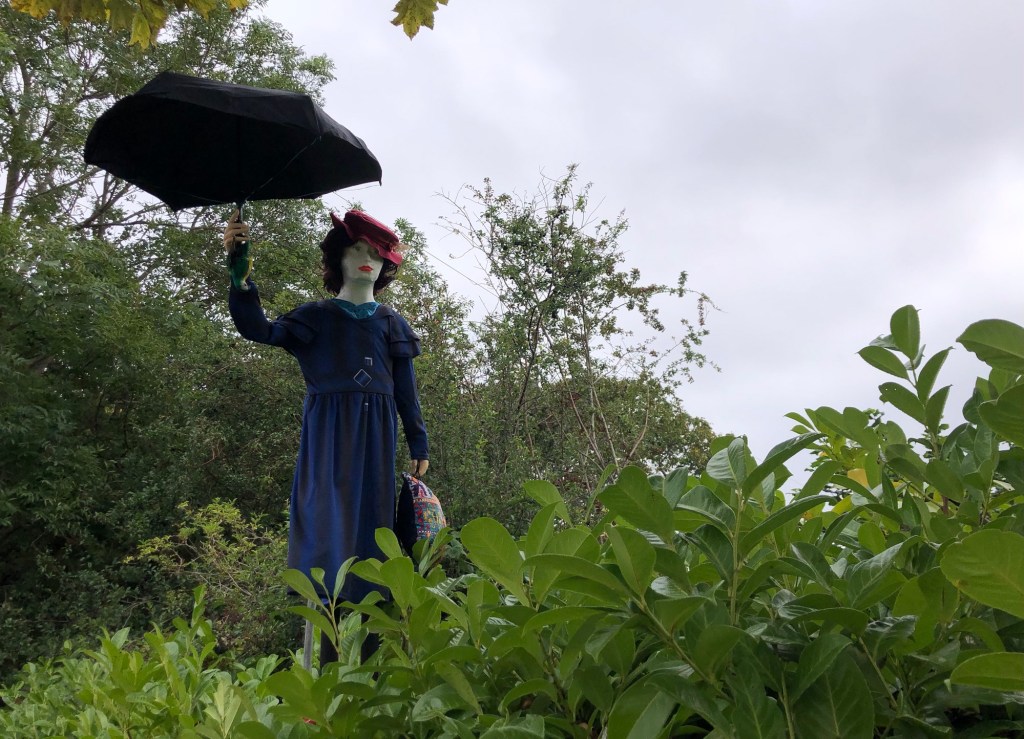
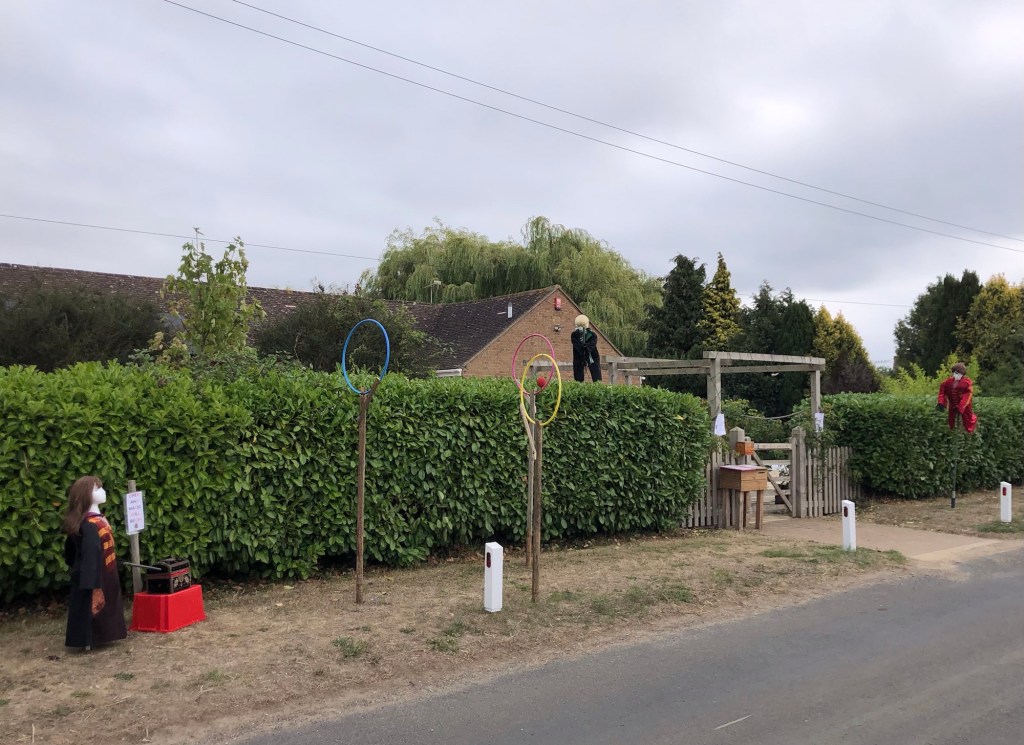
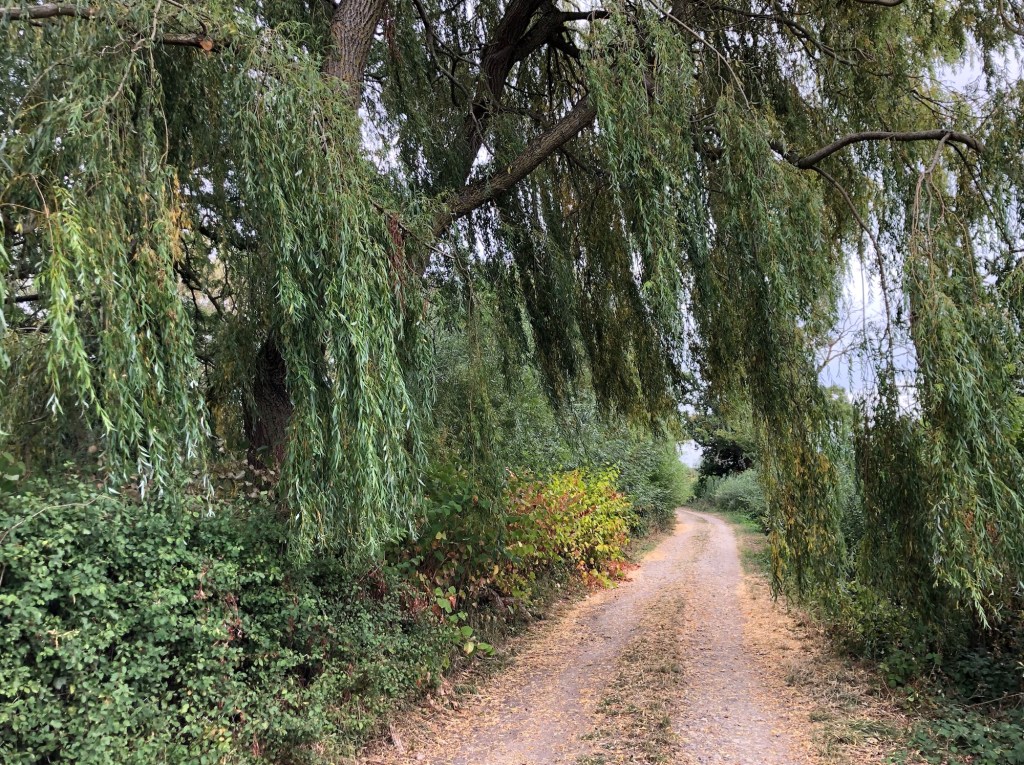
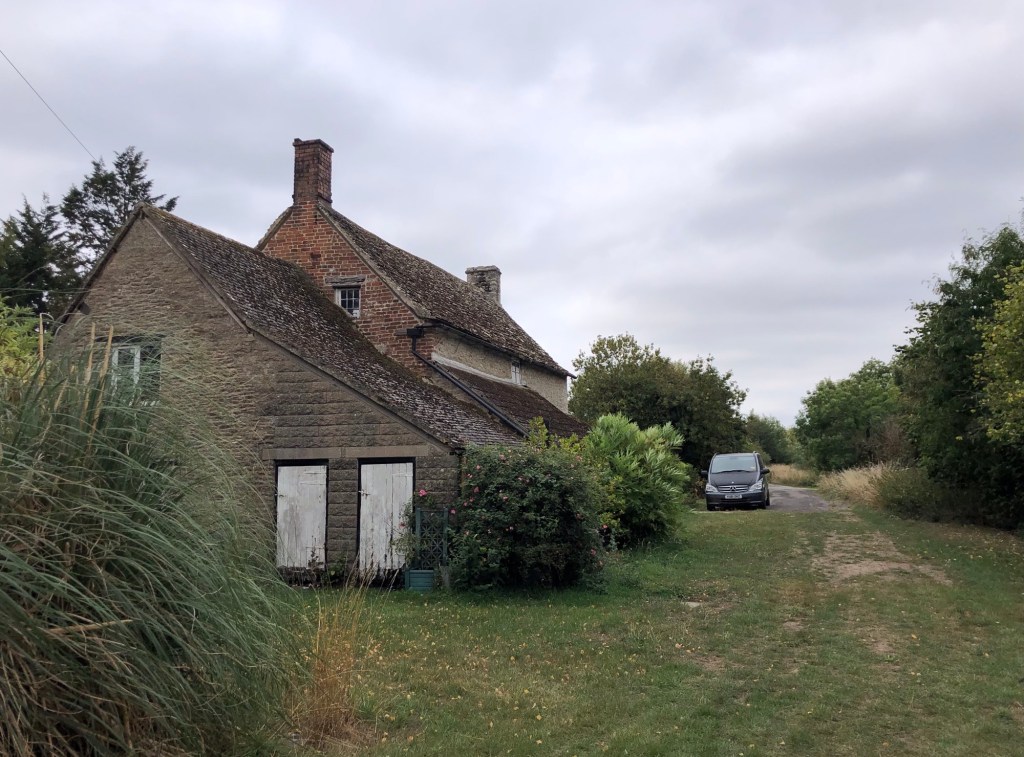
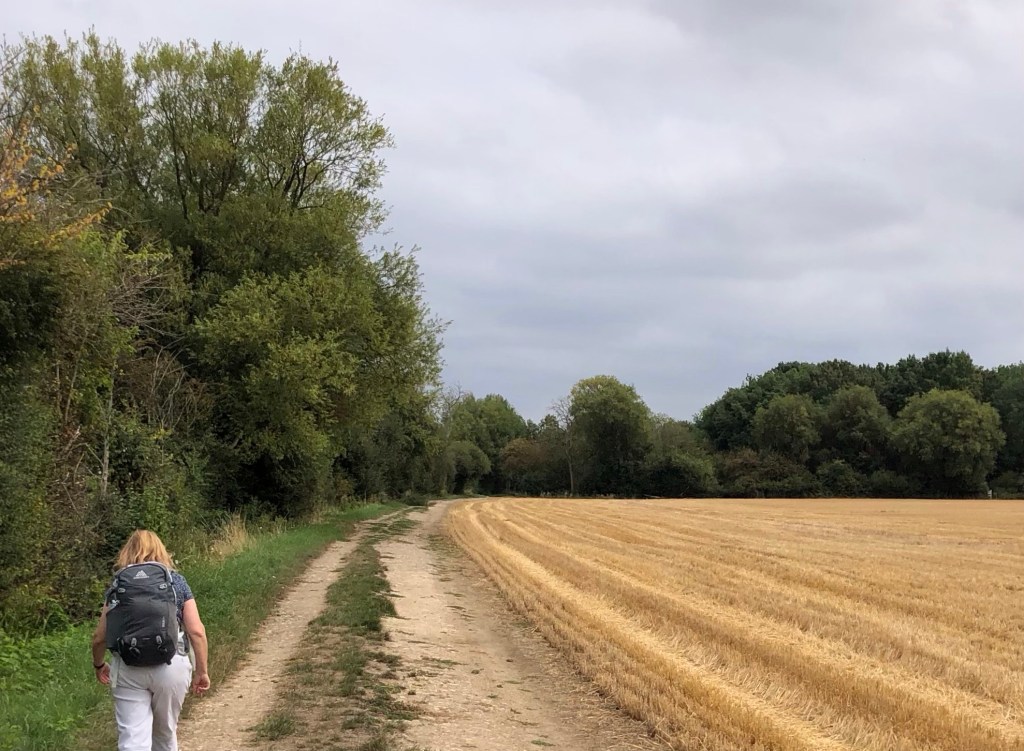
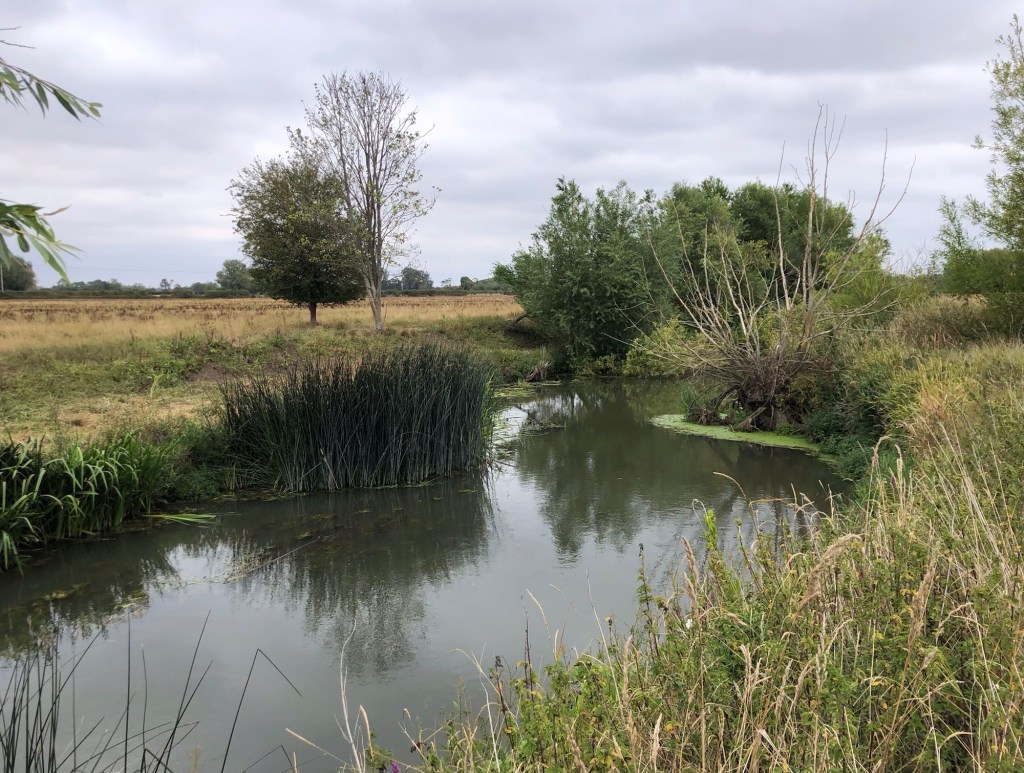
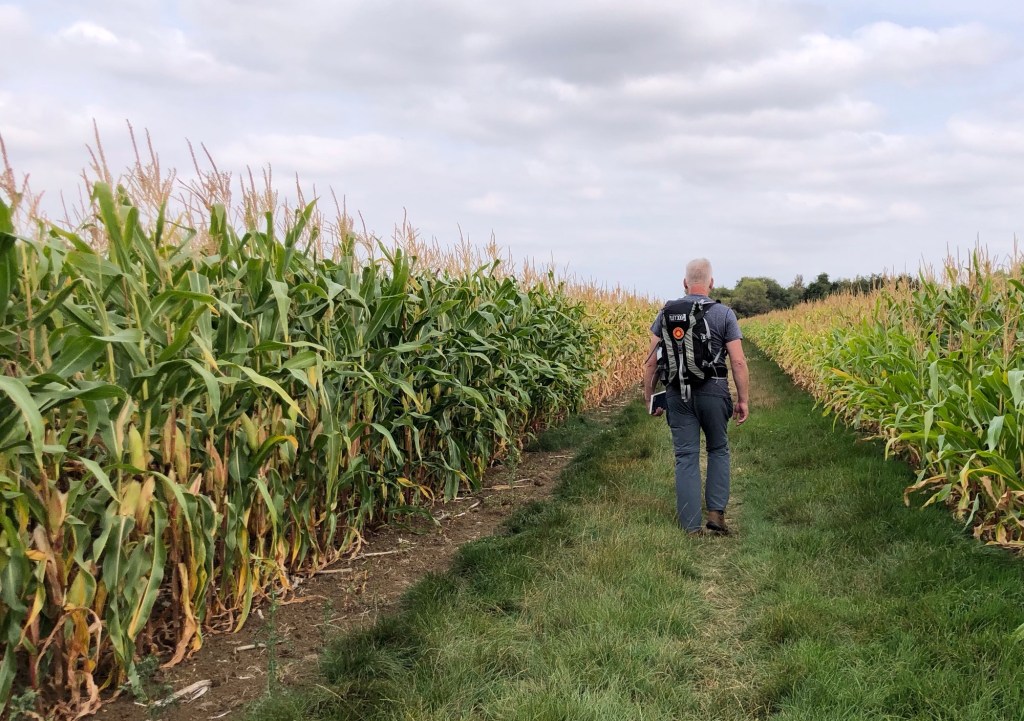
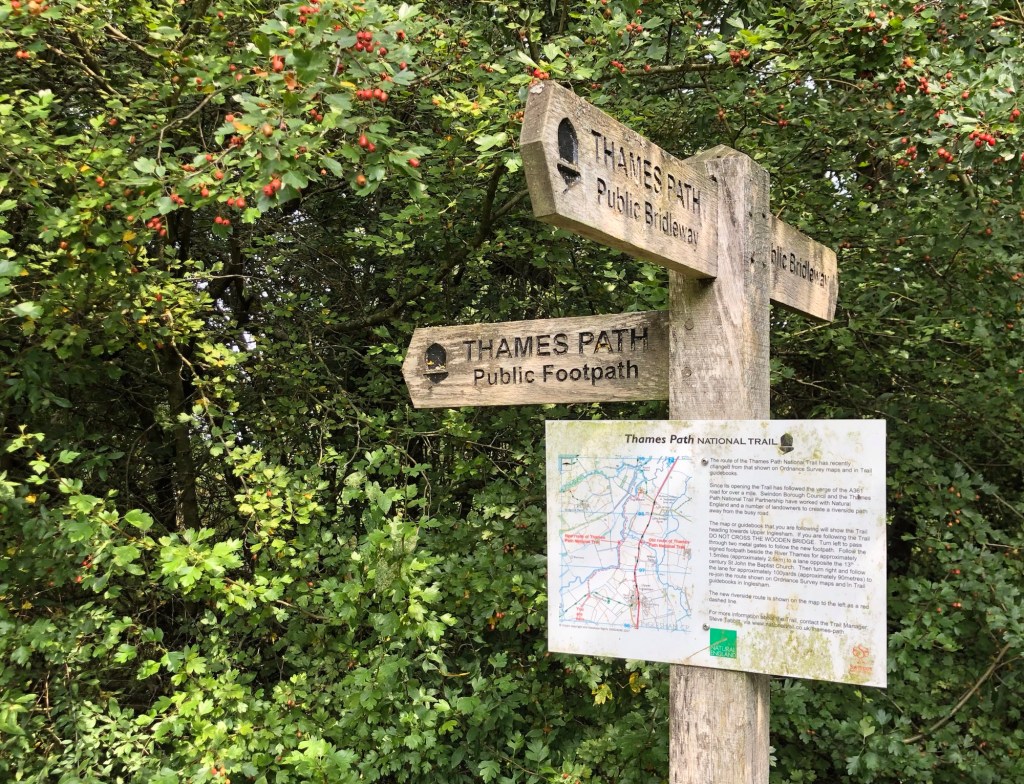
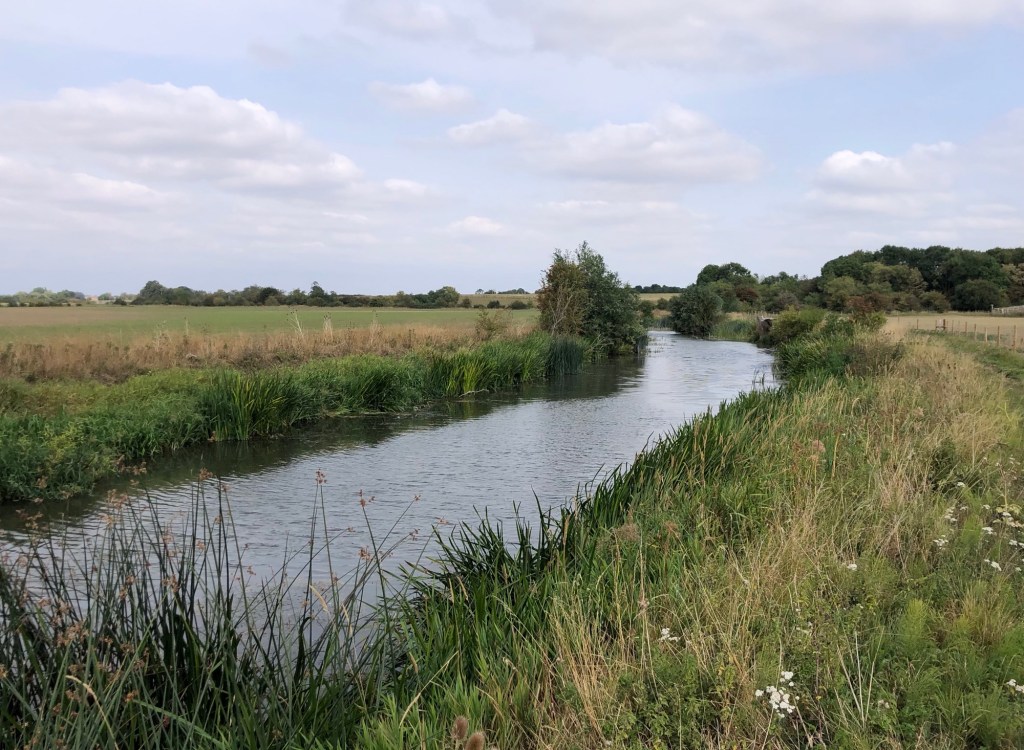
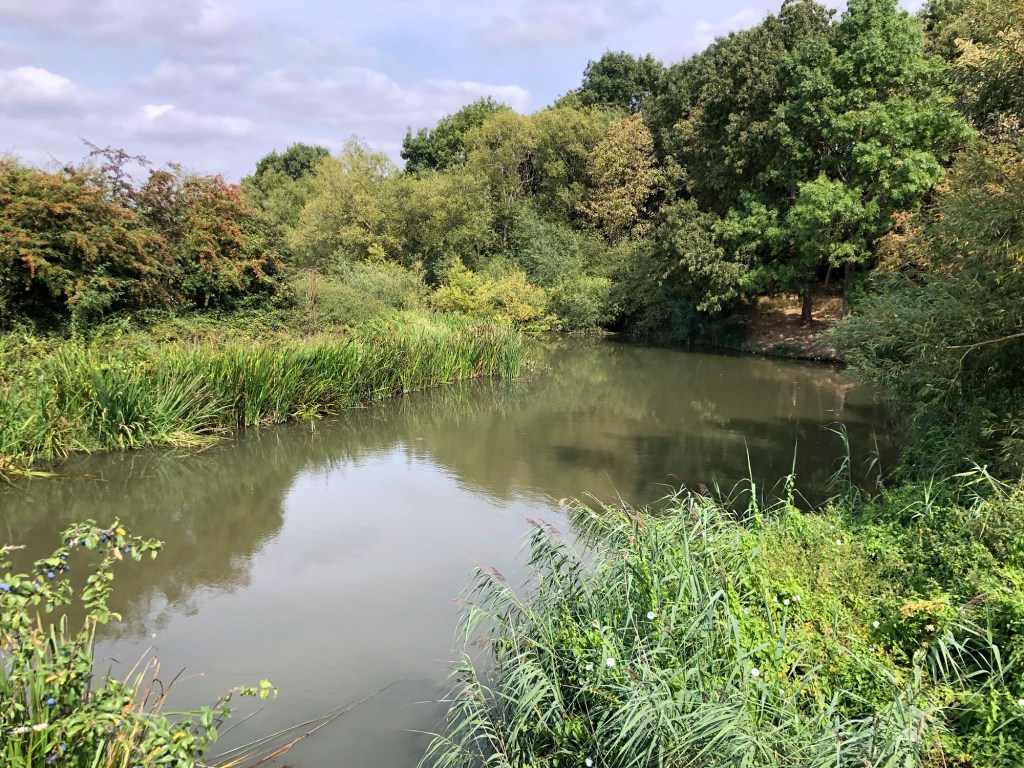
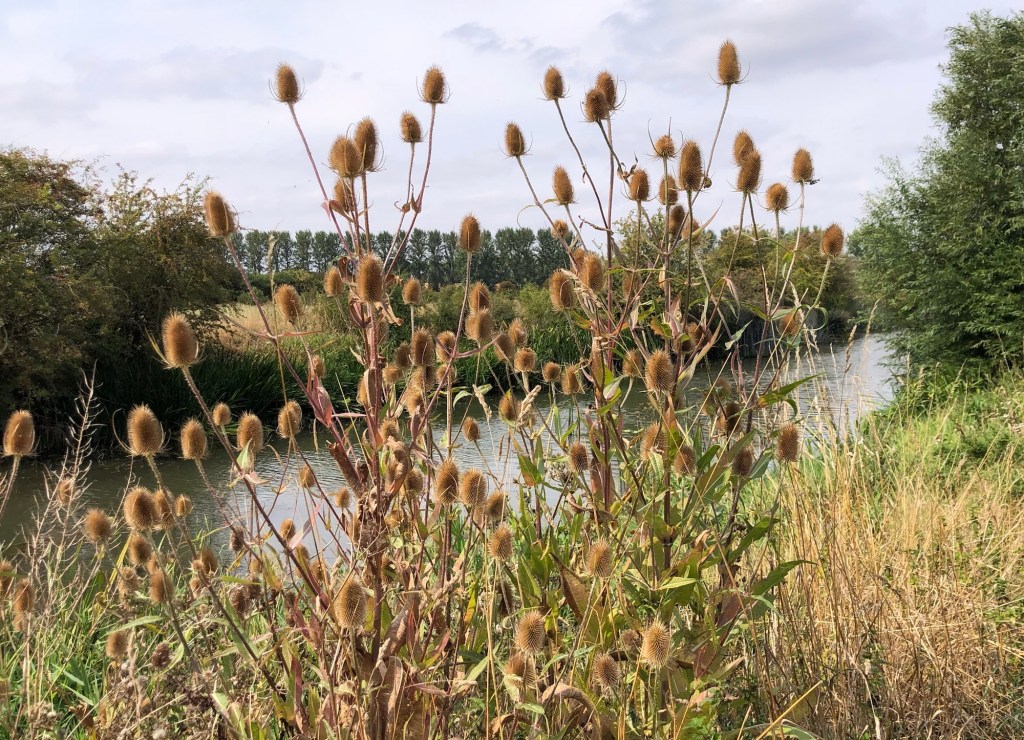
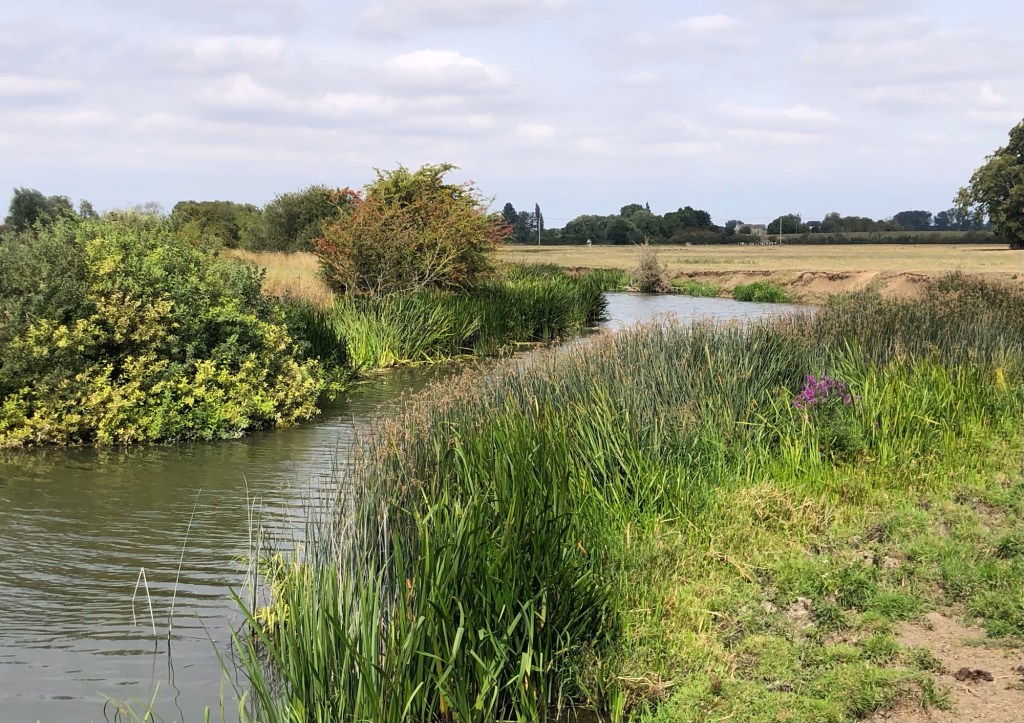
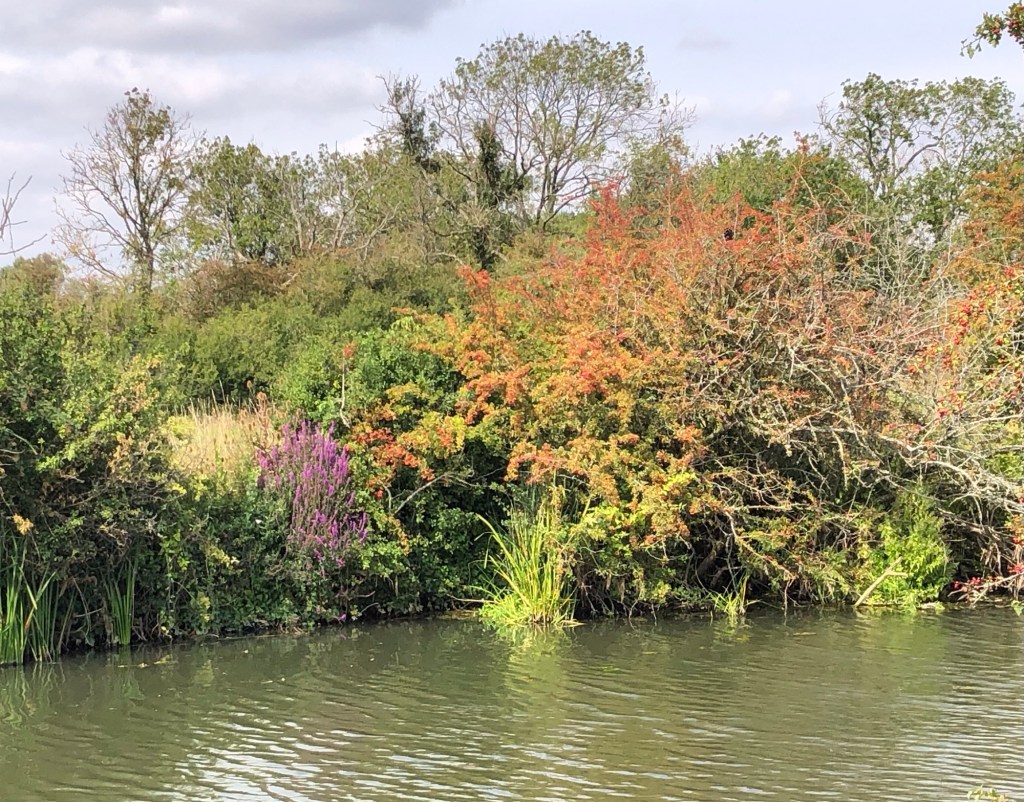
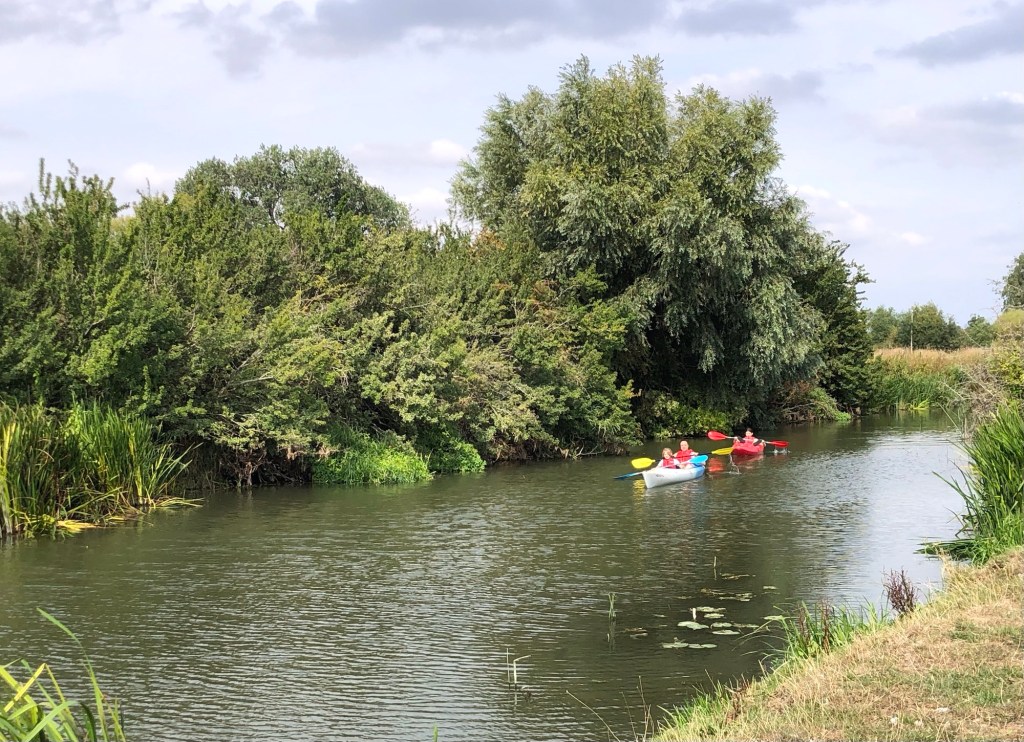

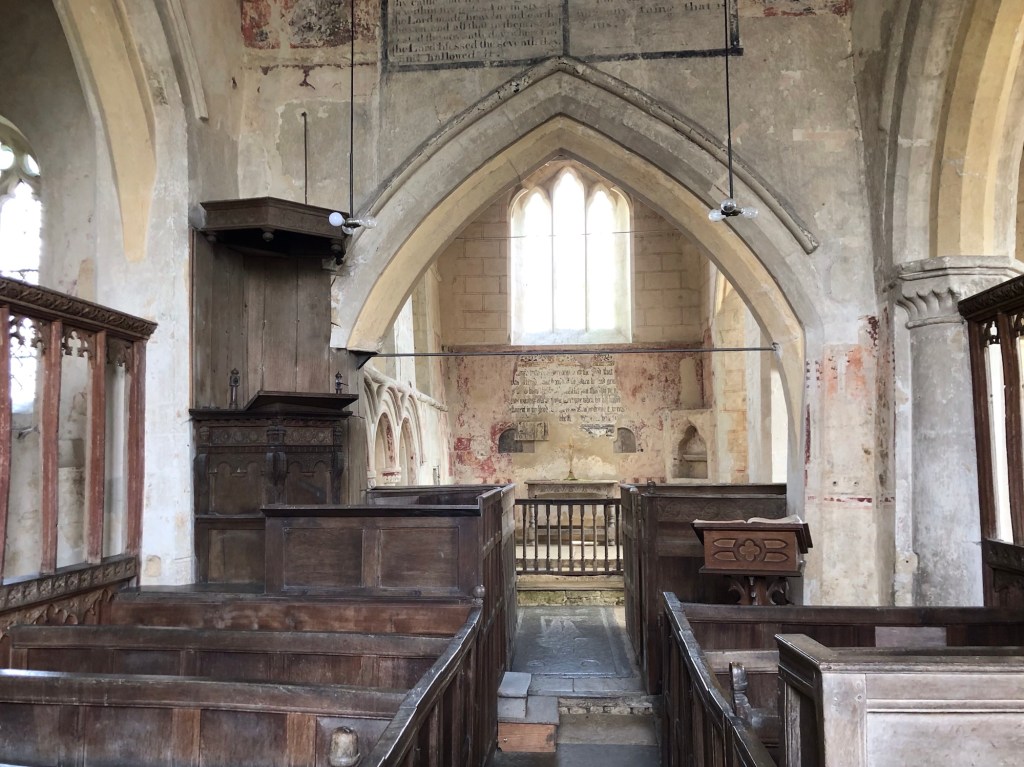
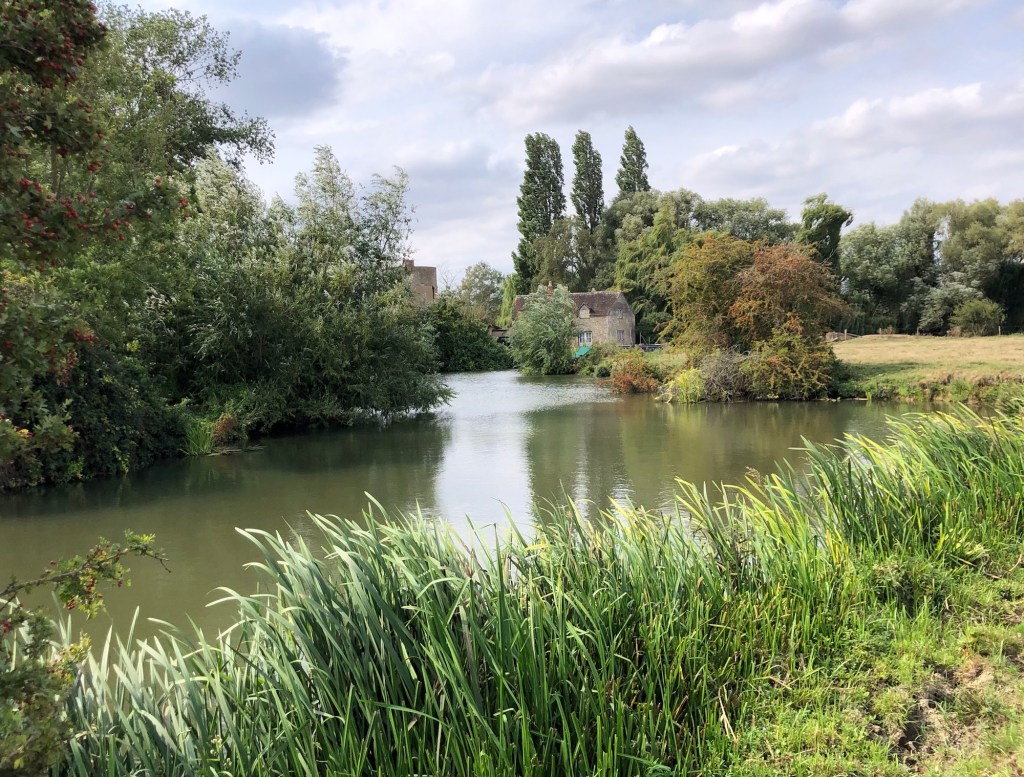
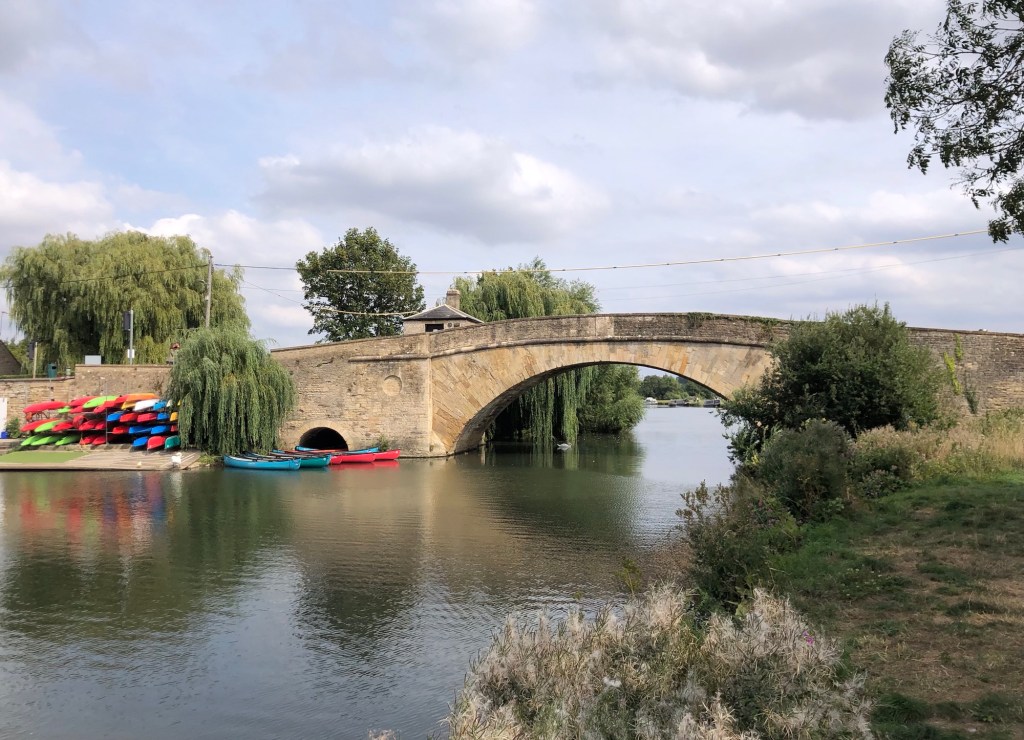
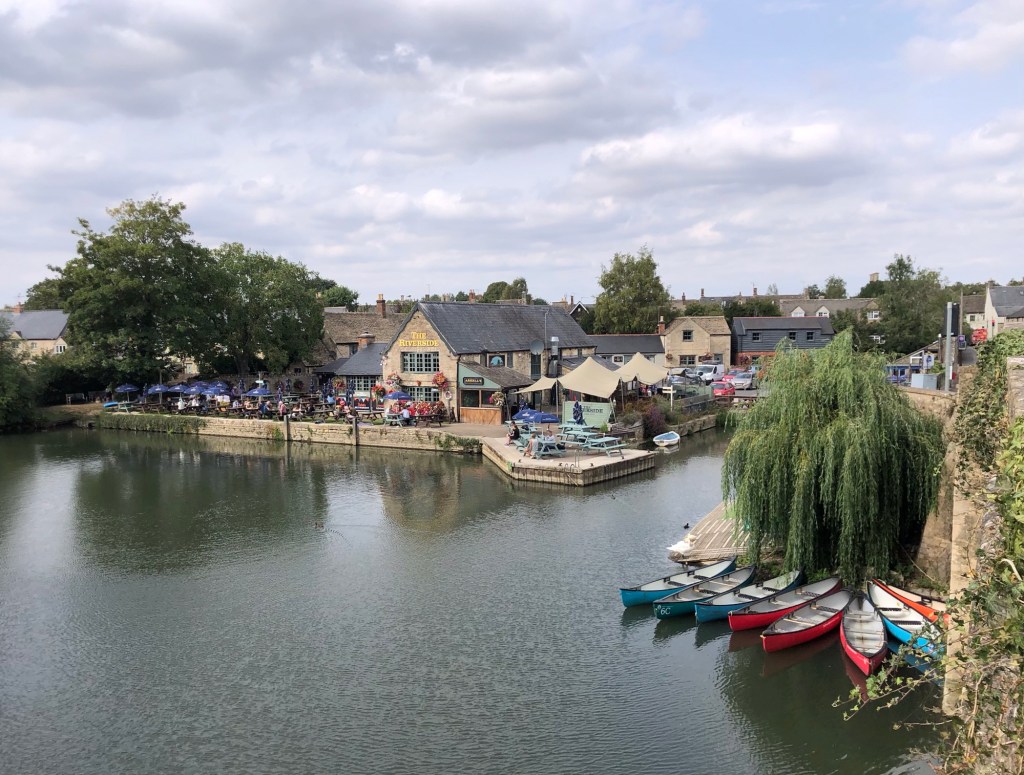

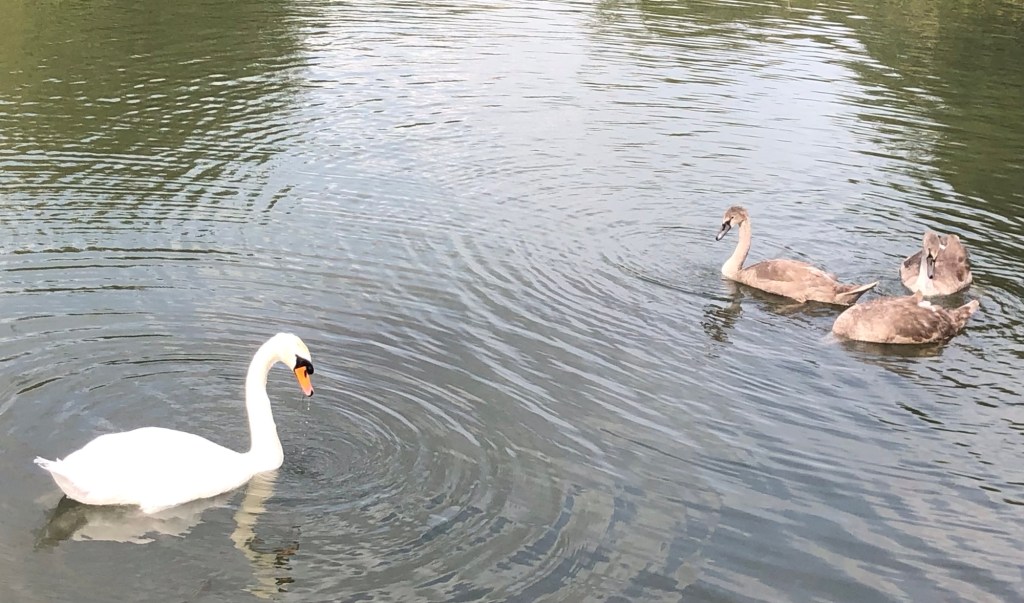
By 4.00 pm we were installed in our comfortable overnight digs in the New Inn, on Lechlade‘s Market Place. We had time later for a short stroll around this pleasant town, similarly-sized to Cricklade, and the self-styled ‘Gateway to the Cotswolds’ – although I must have heard that epithet applied to several other Gloucestershire and Oxfordshire towns. An evening pint at The Riverside pub overlooking the swans on the water left us feeling very much a part of the Thames experience now, as we looked ahead to the next stage of our Thames Path journey.
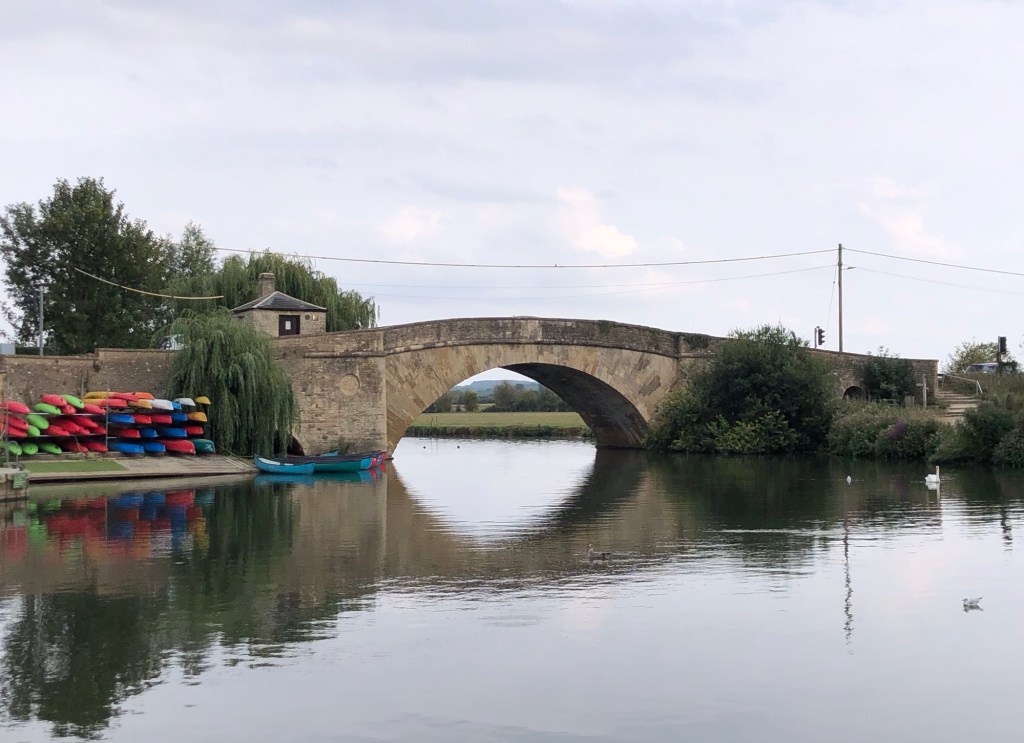
Today’s Blog title ‘What’s In A Name’ may seem a little tangential to the business of walking, but I wanted to take the opportunity of introducing a slightly different genre of music into my Thames Path playlist. The title is taken from a song written and performed by the US band Late Night Alumni, who are known for their own brand of down-tempo house music, characterised by the fusion of an electronic dance beat with the trance-like vocals of Becky Jean Williams. The group got together in 2004, and ‘What’s In A Name’ appeared on their second studio album ‘Of Birds, Bees, Butterflies, Etc’ released in 2009. To my ears this previously unfamiliar number seems a pleasant and chilled backdrop to our story of today’s walk along the upper Thames.
 Walking for Fun, Challenge and Charity!
enjoying your blog a lot. Today’s photos are the best so far. Good stuff, you two!
LikeLike