
THE THAMES PATH – DAY 3: Wednesday 20 August 2025 – LECHLADE to TADPOLE BRIDGE (10.2 miles)
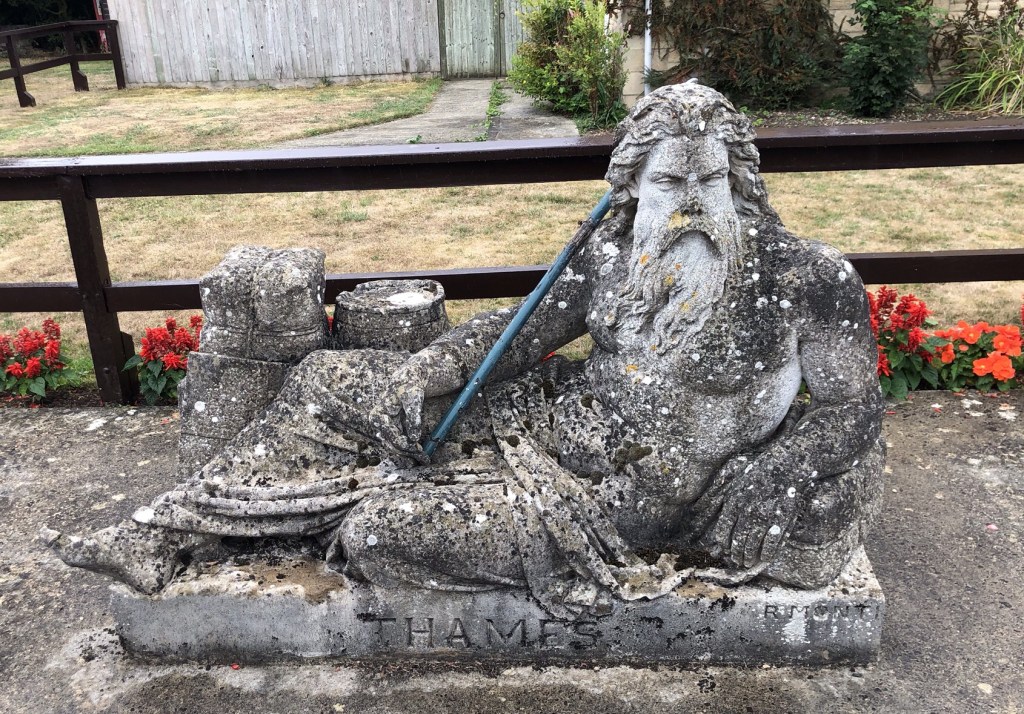
I have already mentioned how, for a great many hundreds of years, the Thames has been an important transport artery and a thriving conduit for industry and commerce. But, perhaps even more fundamentally, throughout historical times the river’s catchment (extending to just under 5,000 square miles of South East England, including all of the area that is now Greater London), has provided this whole region with its very source of life – water. It is therefore unsurprising that, as giver of this nourishment and prosperity, the Thames has long been granted a god-like persona – named since time immemorial as ‘Old Father Thames’, an icon to whom the river’s dependents can pay homage (and perhaps appeal to during more challenging times). Usually depicted as an aged, bearded and often semi-clad man, holding an urn or a trident, the presence of this demi-god appears to be as ancient as any written records of the waterway. Statues, paintings and references to Old Father Thames are found all along the river, from the walls of the Thames Head Inn and the other establishments that we have stayed in, to the figures carved into the keystones on Henley Bridge, and to the statues at Richmond-upon-Thames and on the former headquarters of the Port of London Authority in Trinity Square near the Tower of London. But perhaps I am now getting a little ahead of myself – this morning, at the start of our third full walking day, Rachel and I came across the above statue at St John’s Lock, just a mile or so east of Lechlade: it was commissioned in 1854, and for decades it marked the Head of the Thames (where we had stood less than three days ago), before being moved to this new location in 1974. So, in the company of Old Father Thames, we continued with our walk.
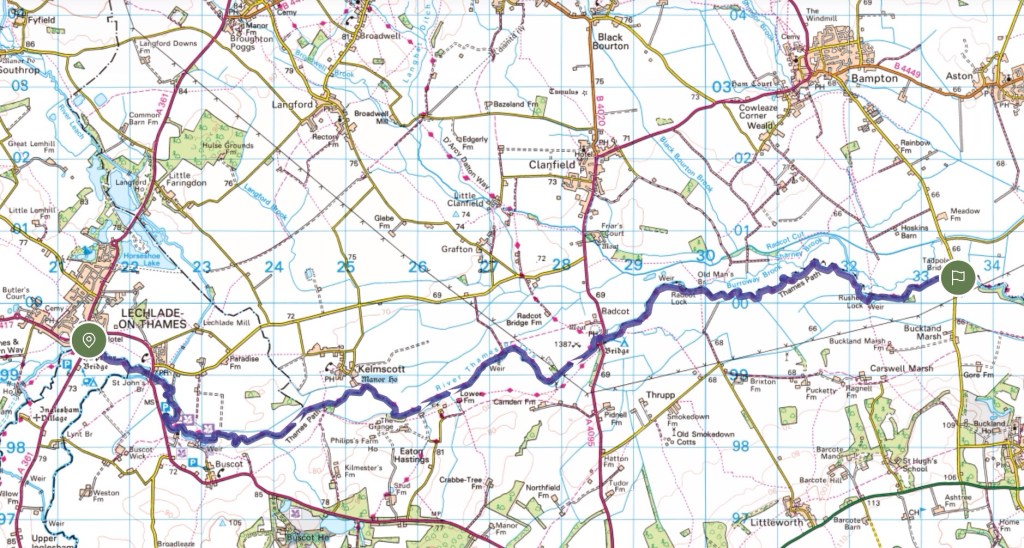
A little rain in the air early into our walk this morning did little to dampen the spirits nor even to cause us to deploy waterproofs from our backpacks, and as things turned out we enjoyed another day of perfect walking weather. This twenty-mile section of the Thames Path, as far as Newbridge (that we progress to tomorrow) and on to Babcock Hythe just to the west of Oxford, is heralded as the most isolated section of the Thames Path, and for much of today Rachel and I had the way to ourselves, punctuated by just occasional exchanges with fellow walkers. Birdsong, the flutter of countless butterflies, soft riverine plant-life, and immersion in the bucolic beauty of the upper Thames Valley were the backdrop to a super day on the trail.
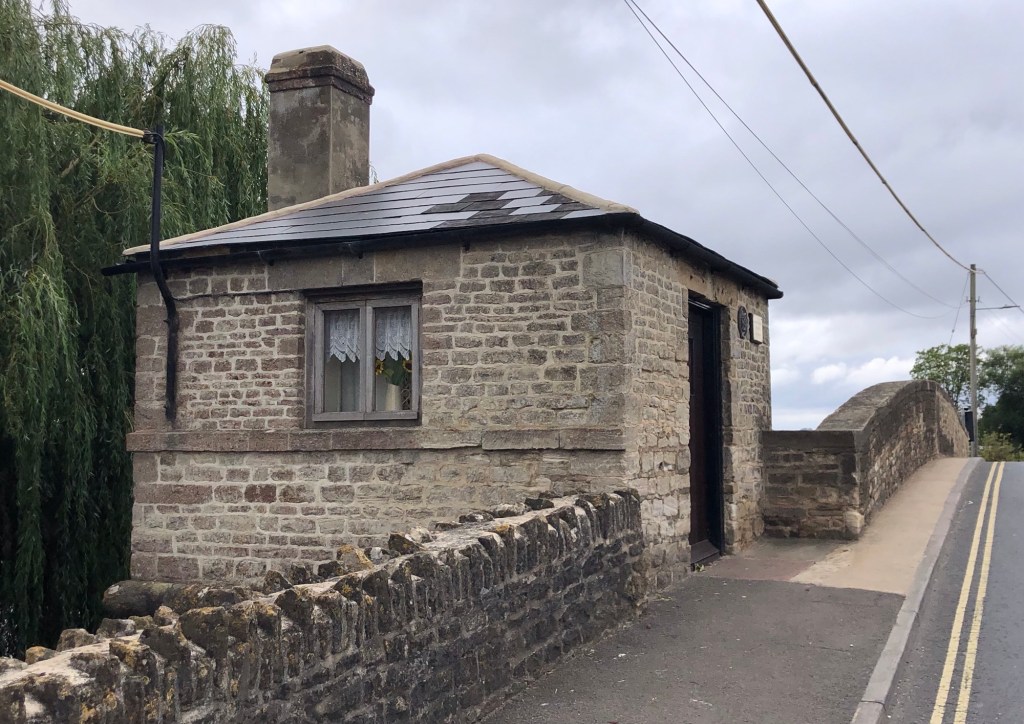
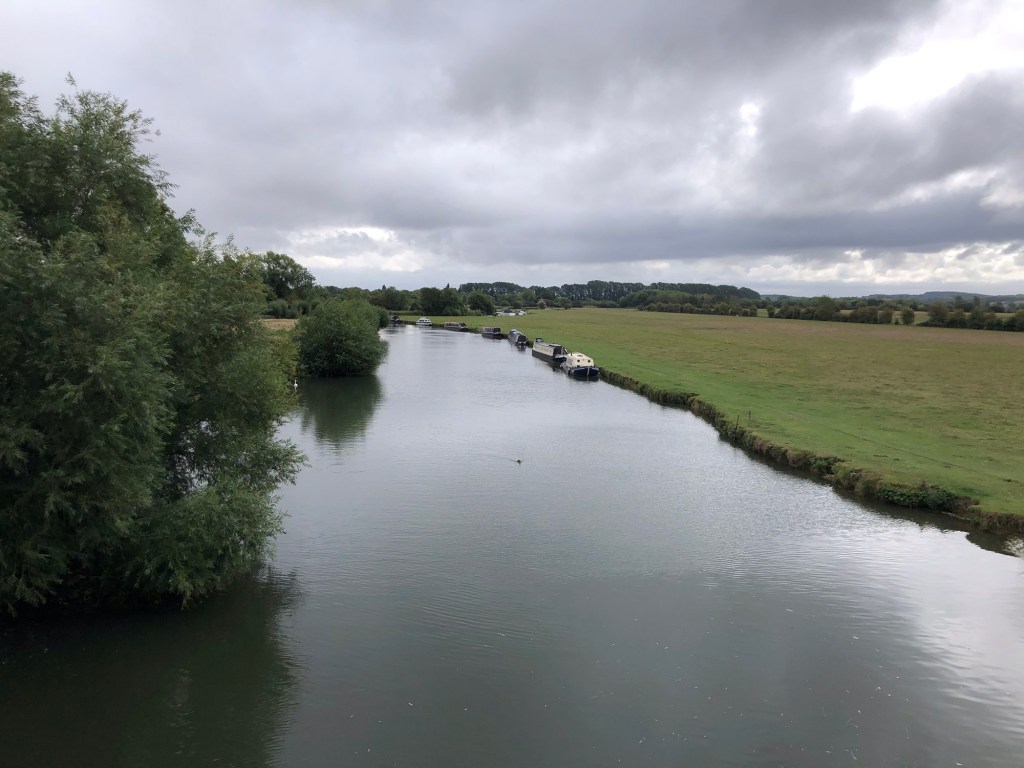
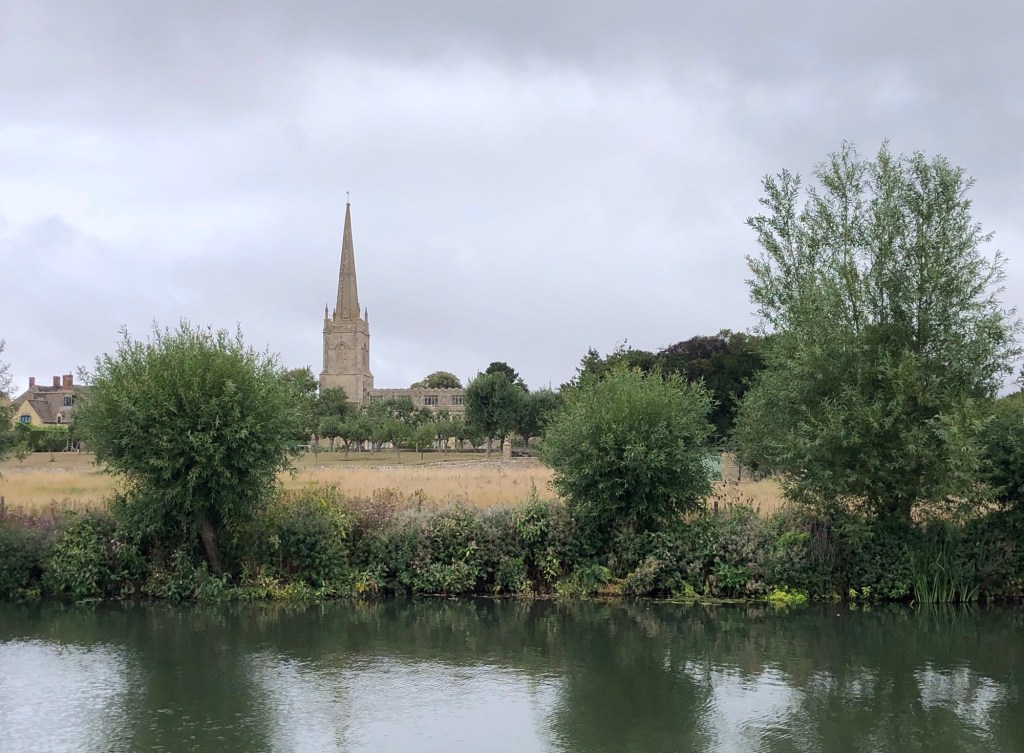
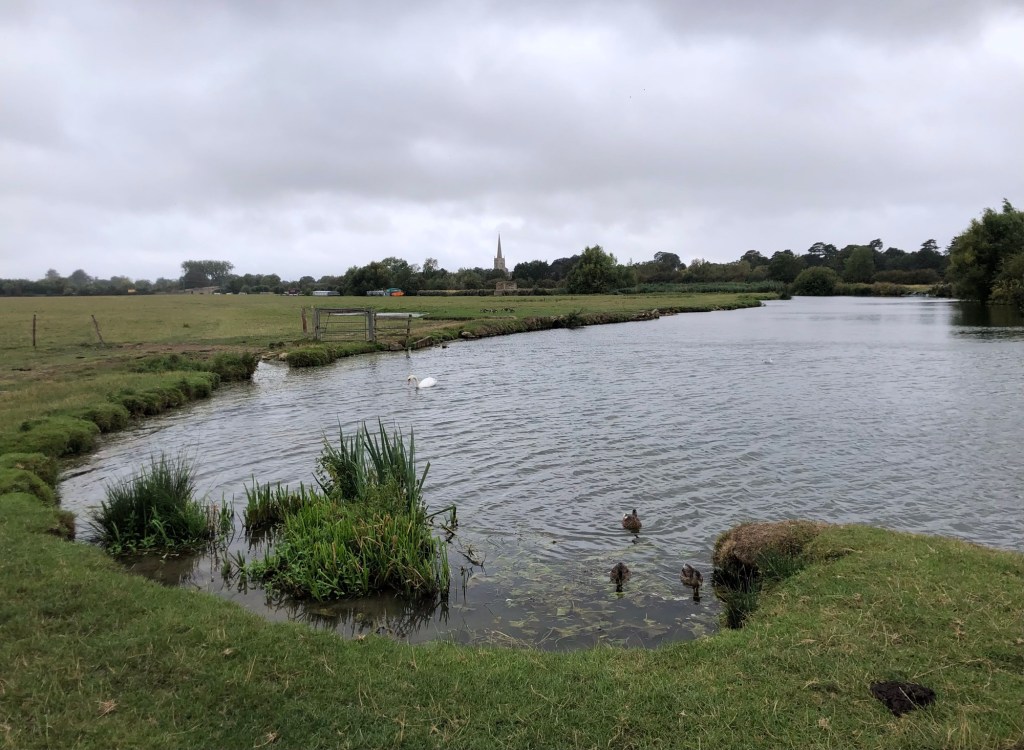
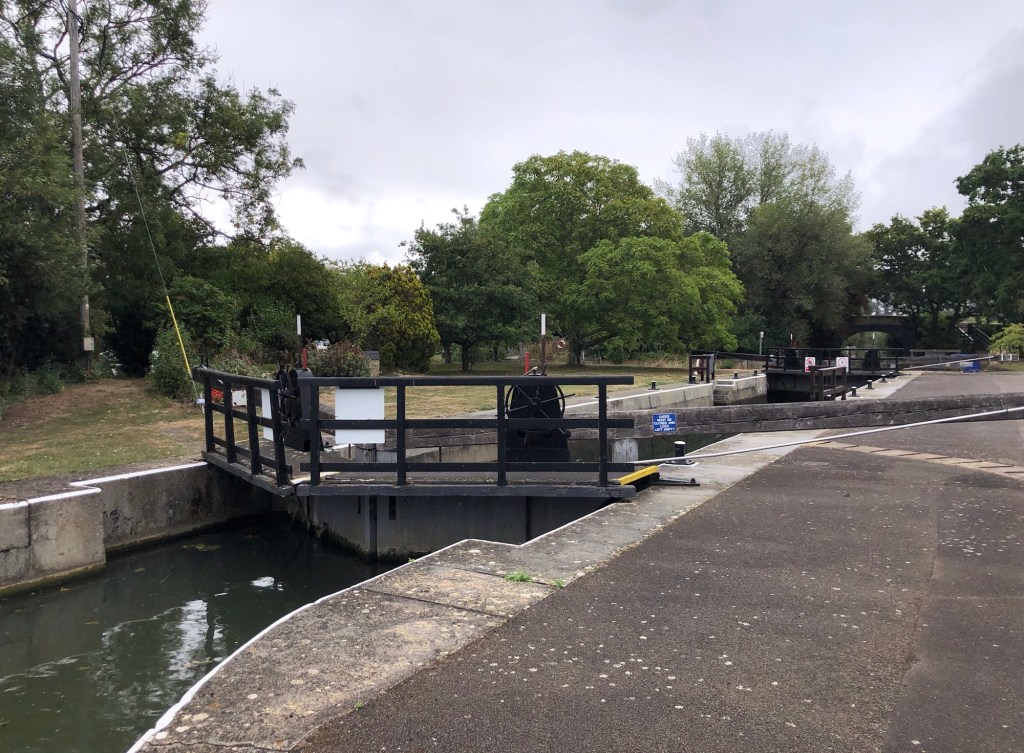
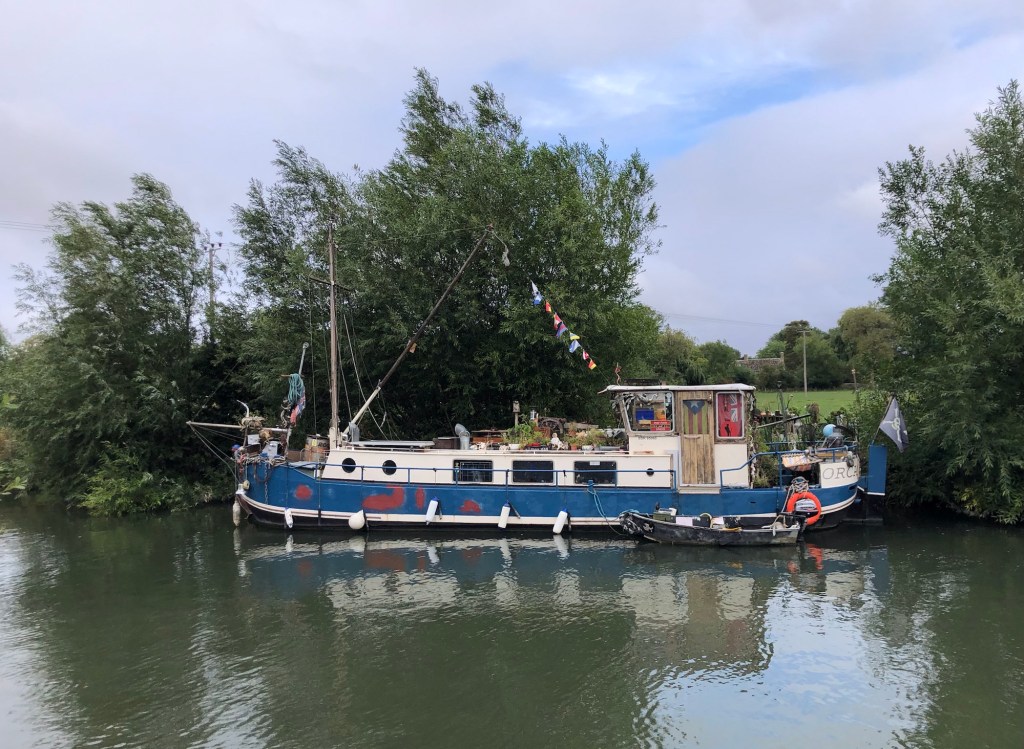

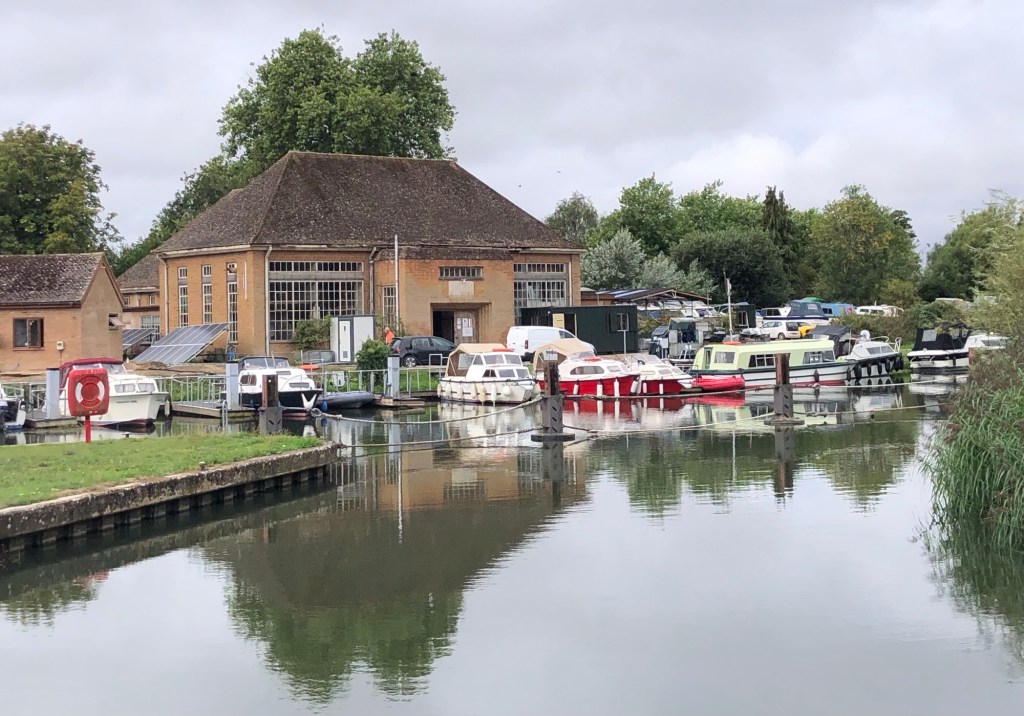

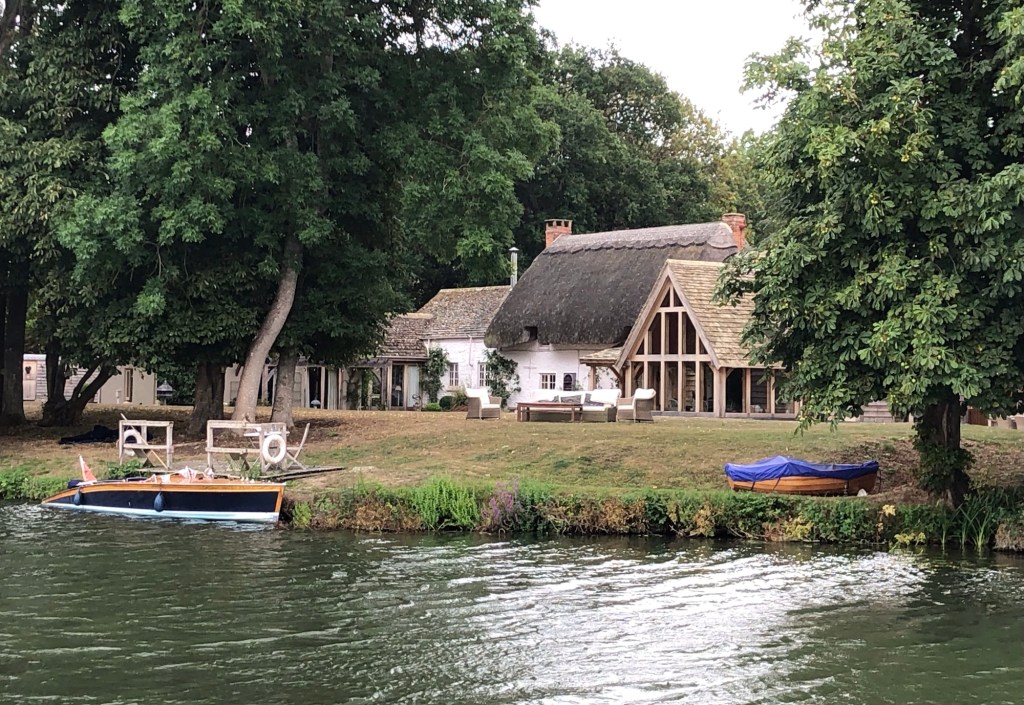
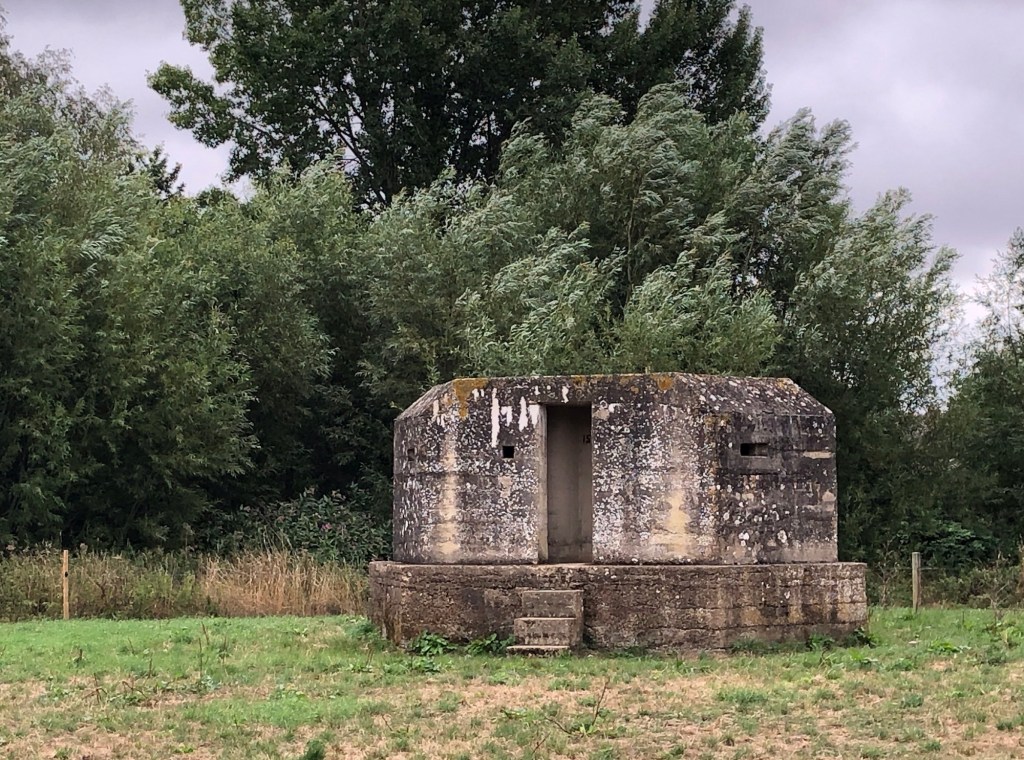
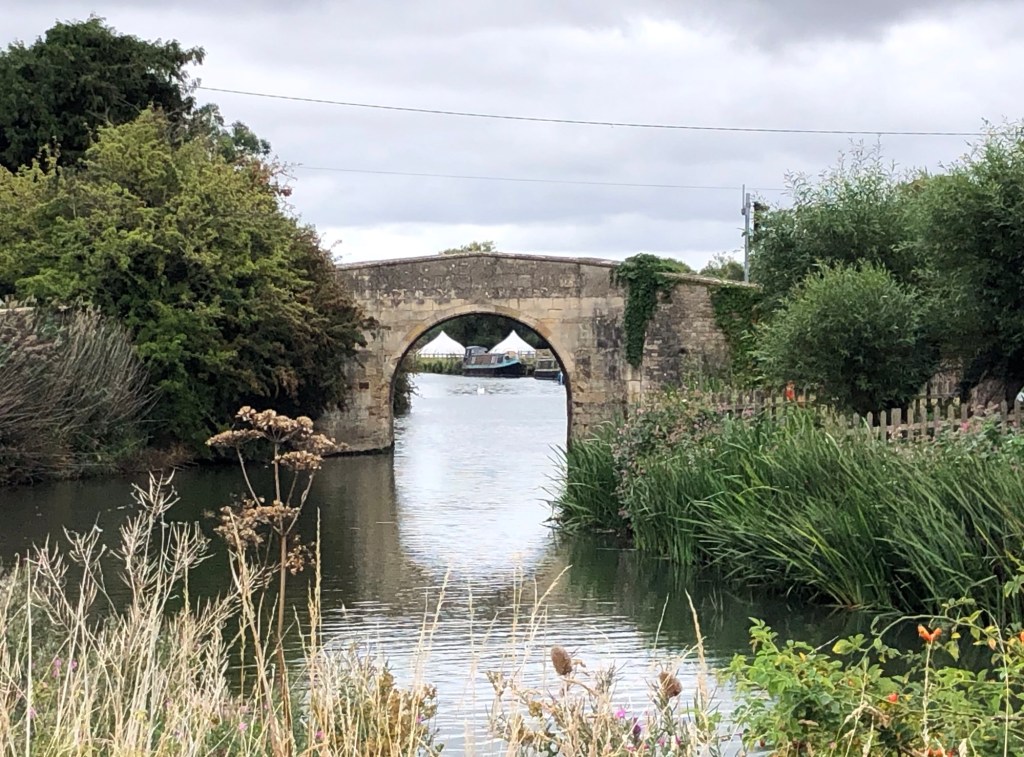
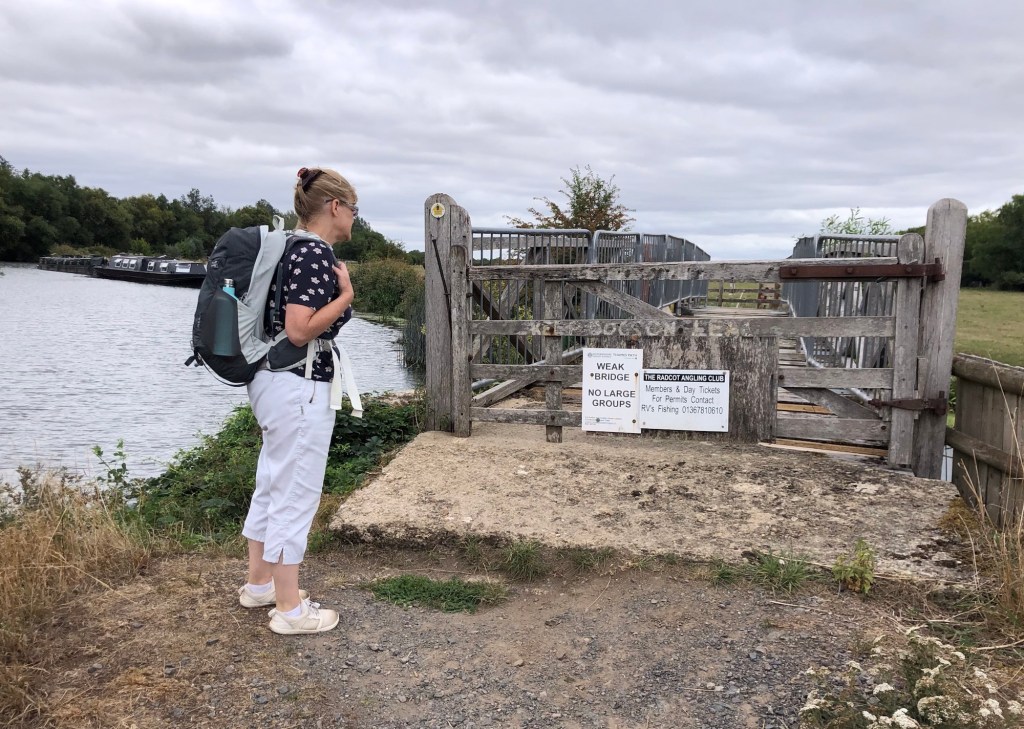
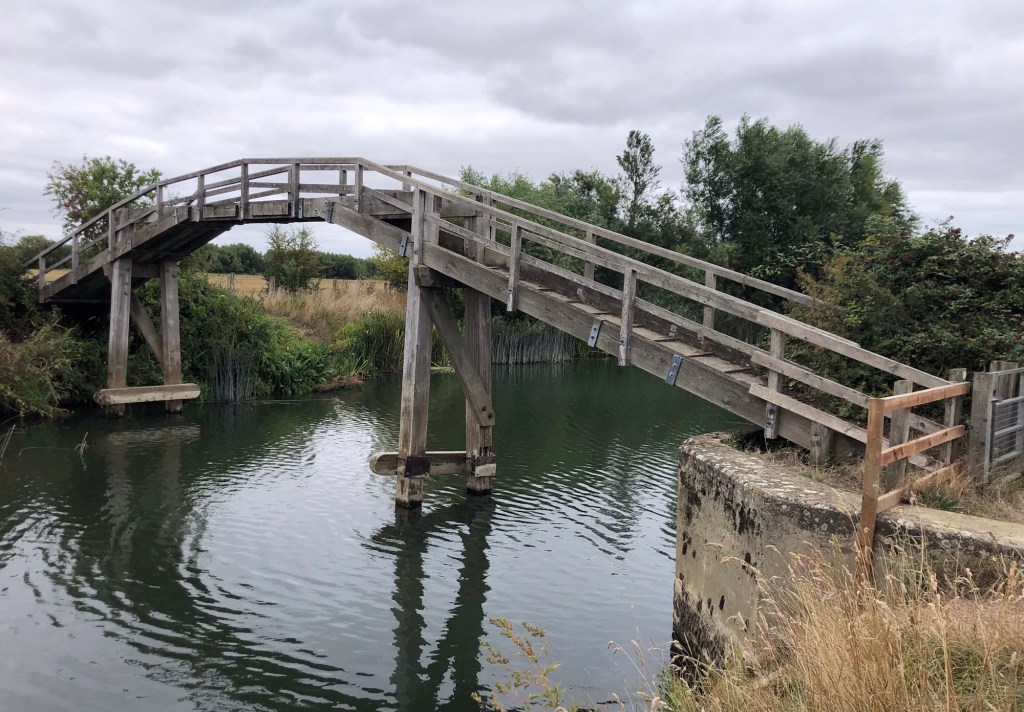
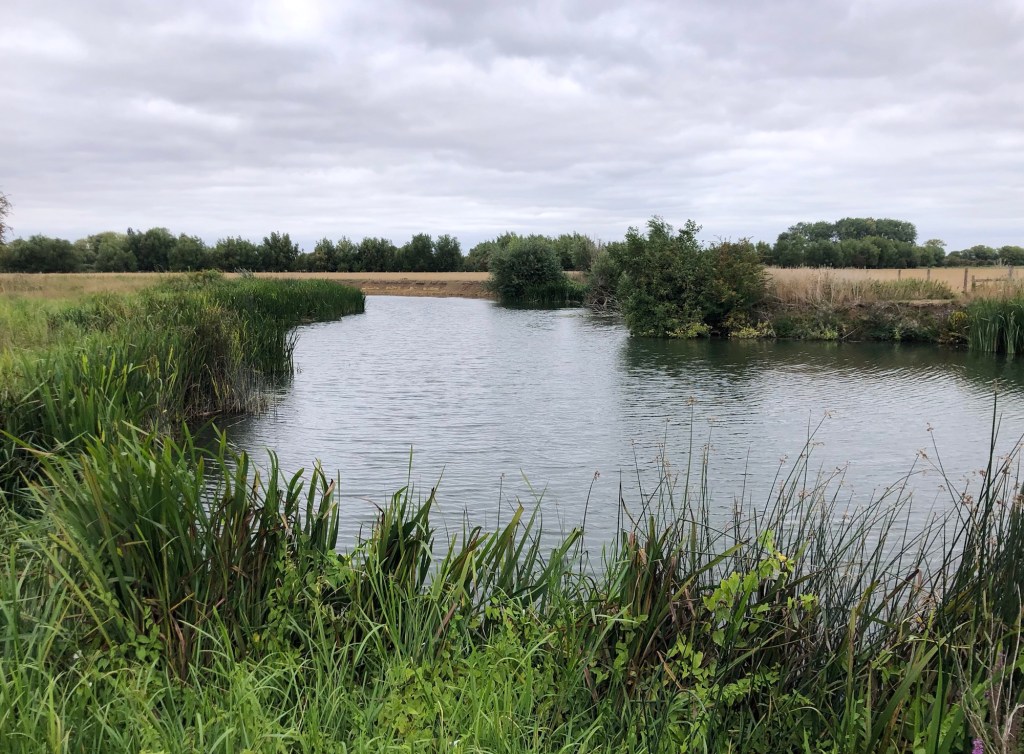
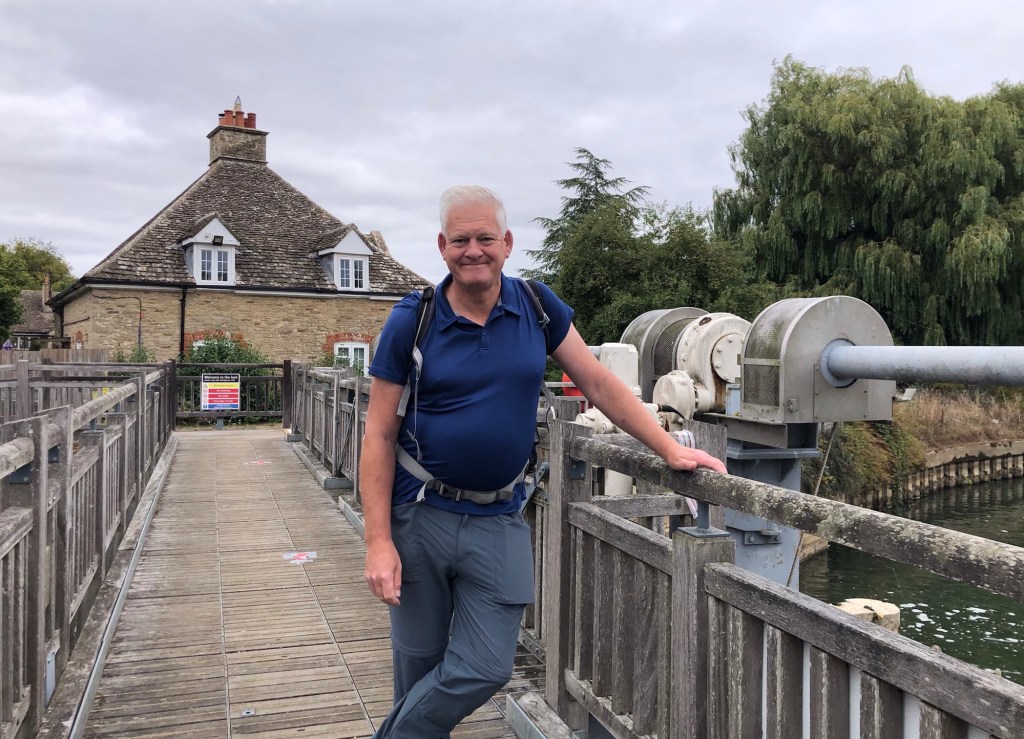
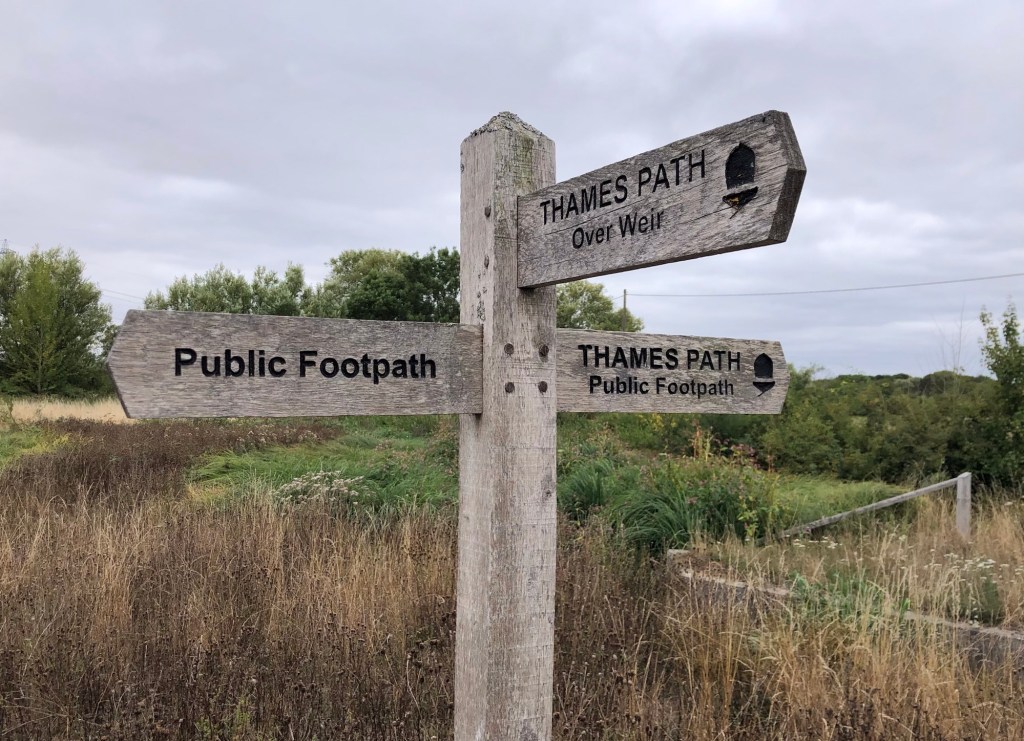

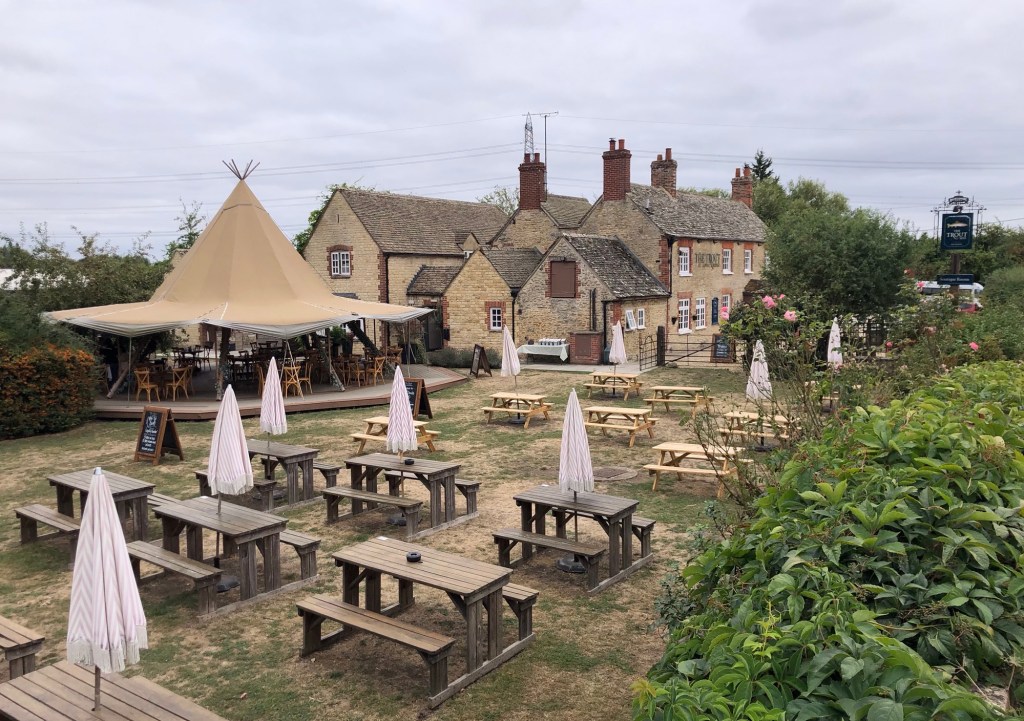
Attempting to sum up in words a walk like today’s is difficult. I will leave it here for now, but I will say a little more in tomorrow’s piece about the vegetation and the bird-life that we have spotted along the Path. So, for now, I will end with the two of us satisfactorily tucked up in The Trout at Tadpole Bridge, some miles from the nearest village, but well-fed and adequately-watered, and with just a day left of walking on this particular foray along the Thames Path.

There is more than one song titled ‘Old Father Thames’, but the earliest and best known (as far as I can discern) is a 1934 number by Peter Dawson, that he delivers in a stoic and patriotic style perhaps typical of his time. I had not heard the song before undertaking this piece of light research into my Blog heading for the day, and because of the dated style I am struggling to include this original on my Thames Path playlist. Over the years it would seem that a number of artists have covered the song, and the rendition that I am going with is a version released just last November by the folk group Three Idle Women, on their debut album ‘All Hands Together’. The trio describe their album as an attempt to capture the spirit of the waterways: ‘a musical journey through time, travelling along the River Thames, the Oxford Canal, and the Grand Union Canal, navigating history, politics, living folklore, and everyday life on the water’.
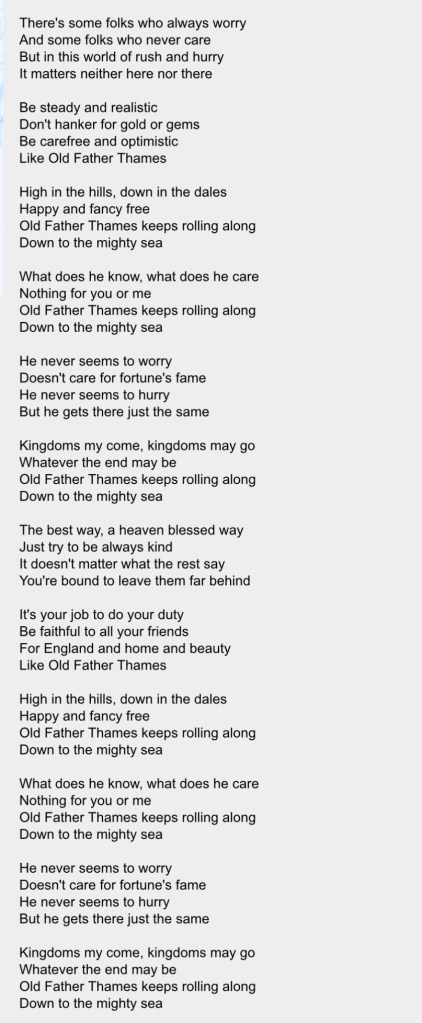
Written by Raymond Wallace in the early 1930s (and put to music by Betsy O’Hogan), the lyrics of ‘Old Father Thames’ certainly have an enduring pre-war feel to them – but there remains a message or two in them for contemporary living, and I feel the words deserve inclusion here:
 Walking for Fun, Challenge and Charity!
Hi Nick. I am really enjoying your latest adventure. The histories and pictures paint a wonderful and entertaining picture. Are you walking all the way to the sea? Anne stoping off at Brick Lane on the way through London although I suspect you’ll be finished well before the next curry night. Looking forward to catching up then. Incidentally I read that part of the Compostela route you did earlier in the summer had had to be closed because of the wildfires in northern Spain. See you next month. Nick
LikeLike
Hi Nick and Rachel
Well we just missed you – we were at Tadpole Bridge last Friday sitting in that very pub picture!! You have another lovely remote and peaceful stretch of the river before you to Newbridge. Worth taking time to appreciate the BBOWT National Nature Reserve at Chimney Meadows where Curlew breed in the spring-but now gone for this year and the wildflower meadows are past their best. Watch out for Red Kites which you might start to see together with Buzzard and sadly only a few Swallows.
NB The Tenfoot Bridge is closed – cross the river at the Footbridge at Shifford Lock.
The Ferryman Inn at Bablock Hythe is rather a ‘strange’ place!!! and there is no Ferry or way to cross the river at that point so you need to go inland and around the caravan park through several fields of sheep before rejoining the river and crossing at Pinkhill Lock to get to Swinford Toll Bridge (5p) – pedestrians are free!!
Happy Walking
Love
Janice and Clive
LikeLike