
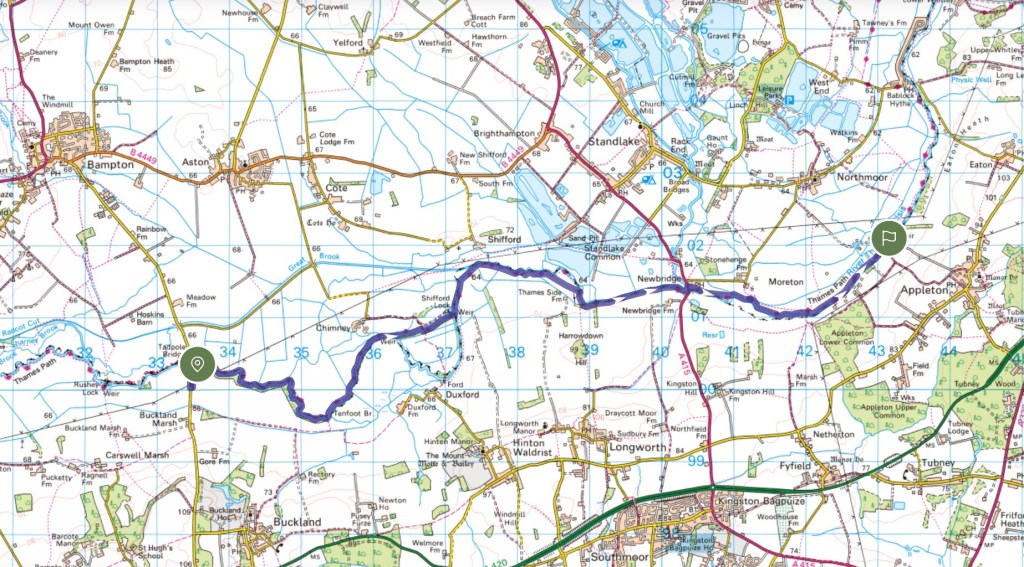
THE THAMES PATH – DAY 4: Thursday 21 August 2025 – TADPOLE BRIDGE to NORTHMOOR LOCK (8.4 miles)
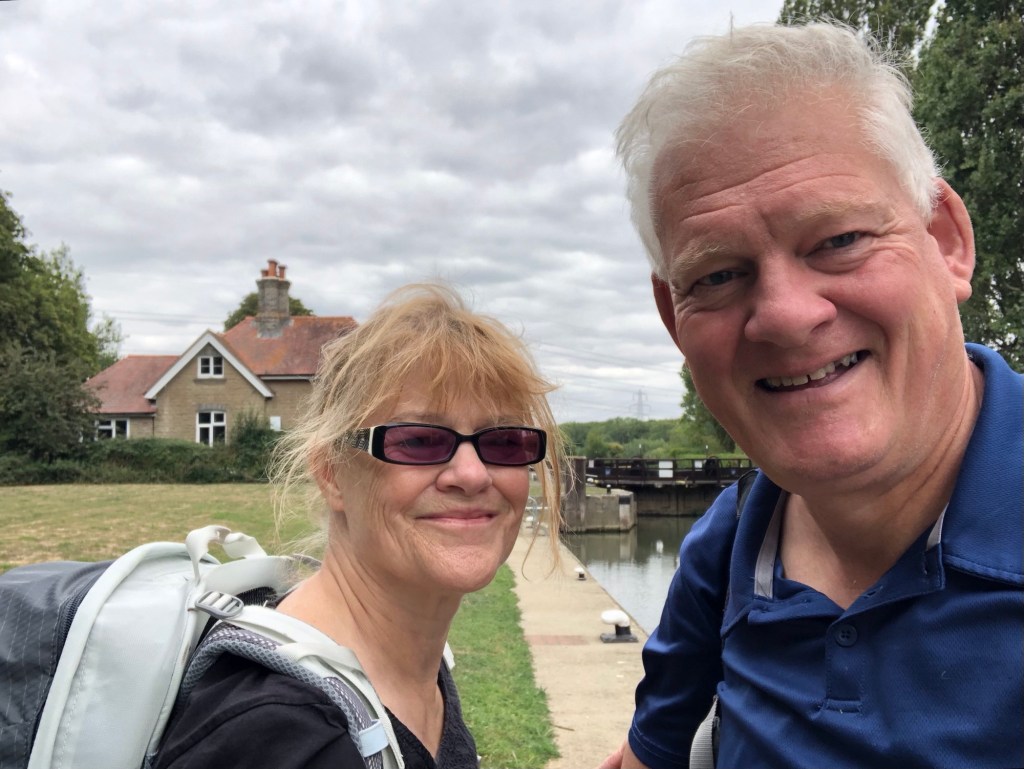
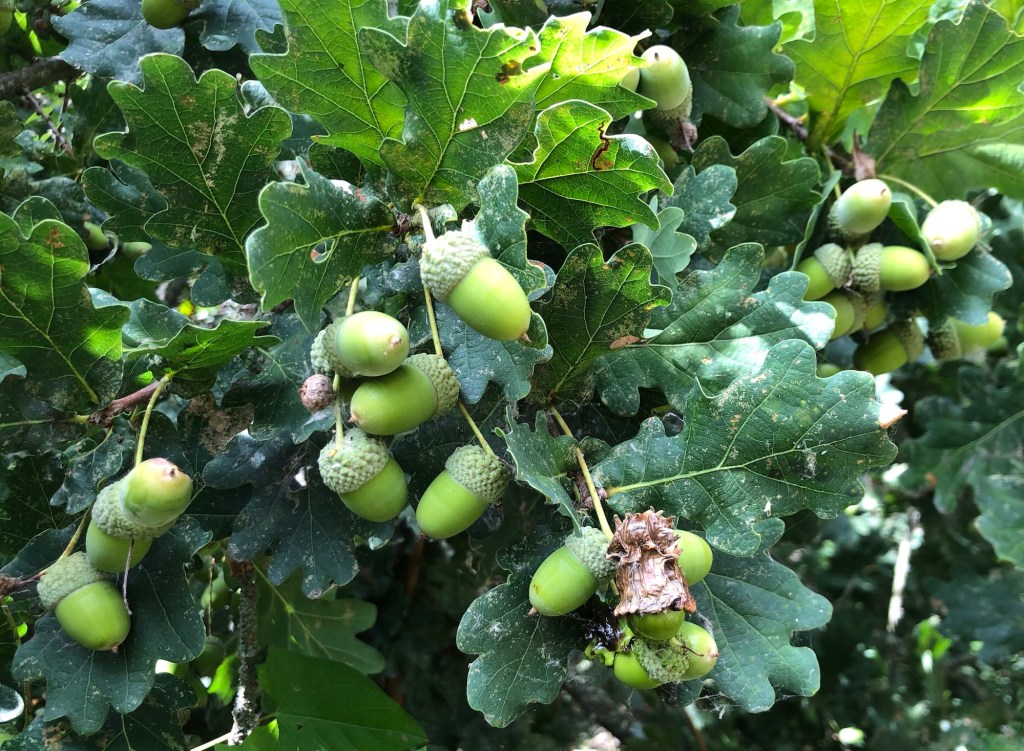
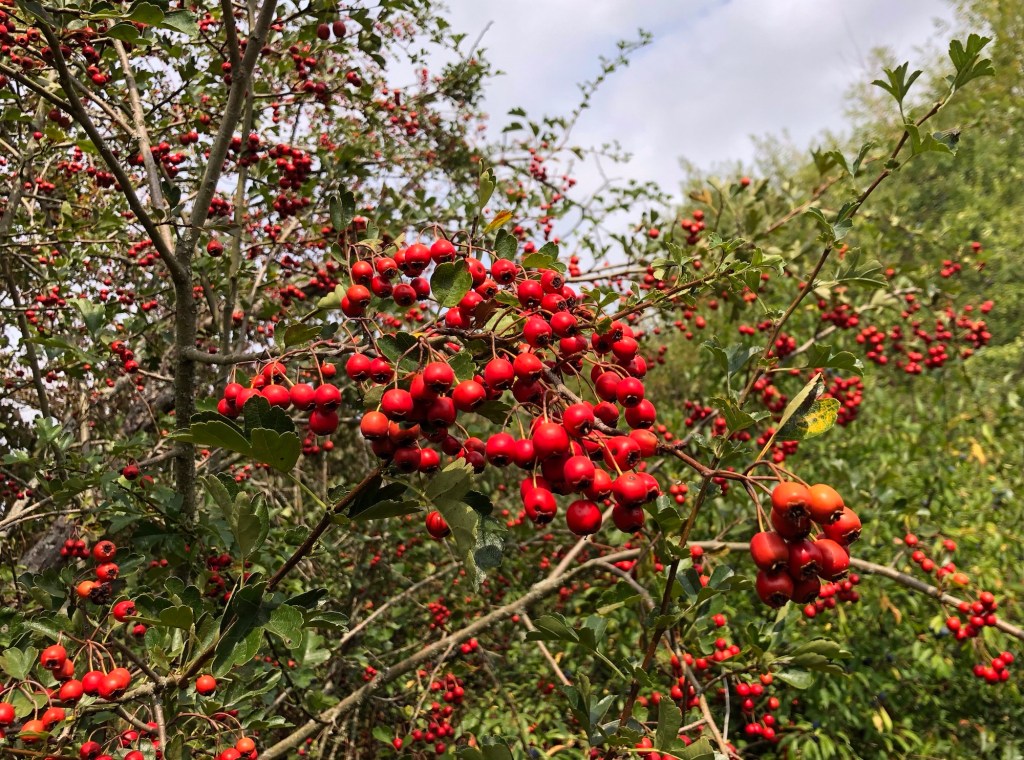
Today, unfortunately for the moment, is the final day for Rachel and I, of walking the Thames Path: we will be back before too long to continue the journey. So for now I have a few pictures to share of our final day’s walk, along the remote stretch of riverbank from The Trout at Tadpole Bridge, through Newbridge and along to Northmoor Lock, just a dozen or so miles shy of Oxford. But before we get too far into today’s walk, a few words about the wildlife on the Path are overdue. My skills as a wildlife photographer are limited, and most of the avian subject matter is far too quick for my fumblings with an iPhone camera; so I take the view that it is best to just enjoy the moment. So, in summary, along with all manner of songbirds, over our four days of walking we have spotted many birds of prey, that include red kites and buzzards soaring overhead and kestrels hovering, as well as charms of goldfinches seeking thistle seeds in the fields, and water birds ranging from swans to moorhens, coots and occasional egrets. We have seen at least a dozen herons, and perhaps most thrillingly of all, just today either side of Newbridge, three flashes of the iridescent blues of a kingfisher. As for the vegetation, I have posted quite a few pictures of the reed-beds and rushes that adorn the banks of the upper Thames, and whilst the hot summer weather has parched much of the surrounding landscape, in the hedgerows and in the more shady wooded areas, our autumn fruits seem to have come early this year – and what colour they produce in the otherwise-dry landscape of yellows, sage greens and ochres.
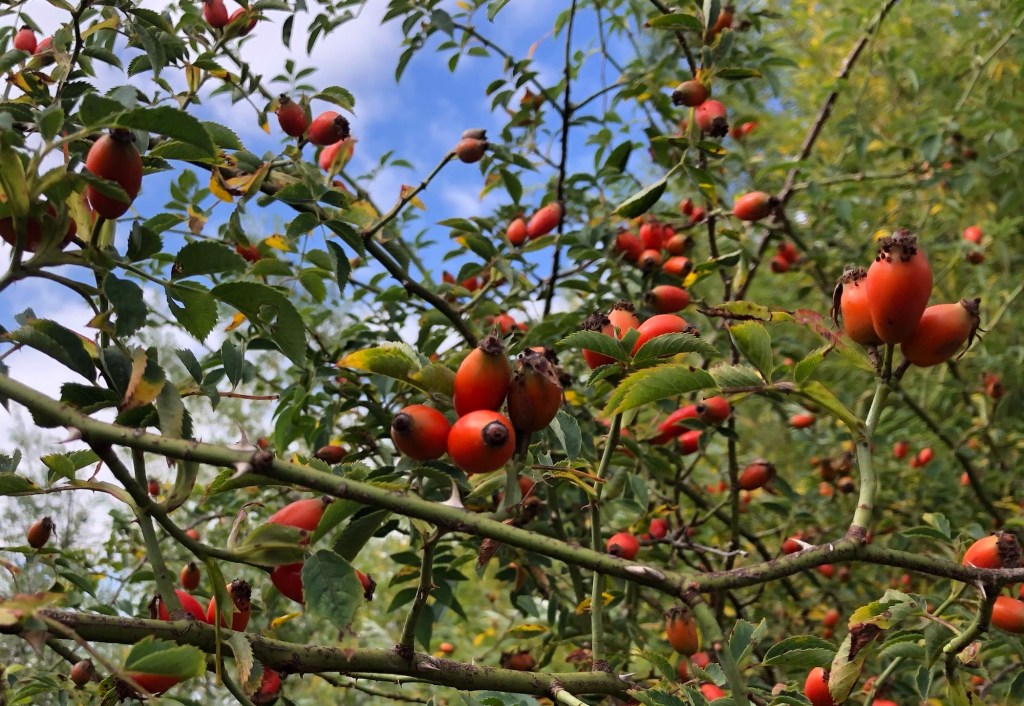
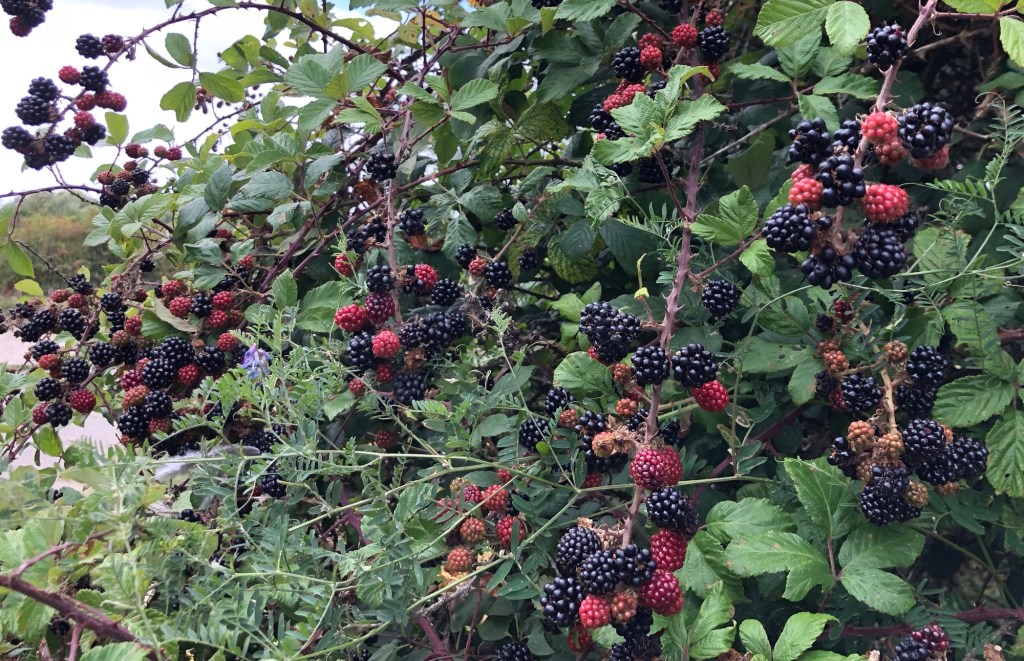
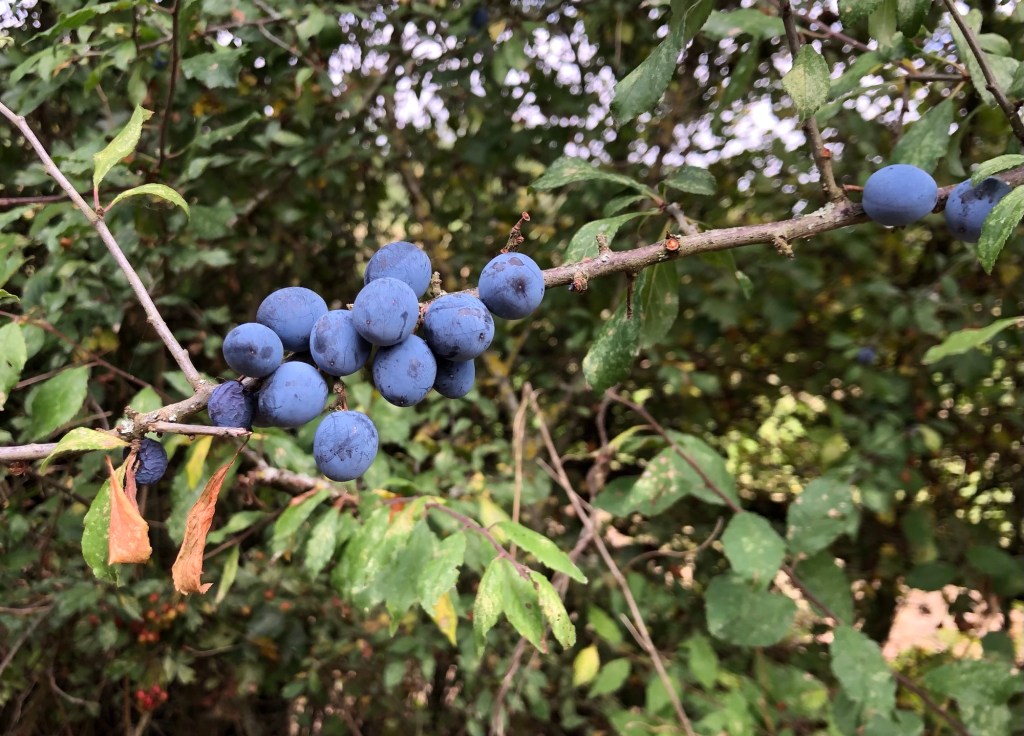
Returning to the story of our journey, and although today’s ramble covered a slightly shorter stretch of path than those of our other full walking days, the Thames still provided us with a few precious hours of fulfilling activity amongst some of the most remote riverine countryside that is to be seen in the south of England.
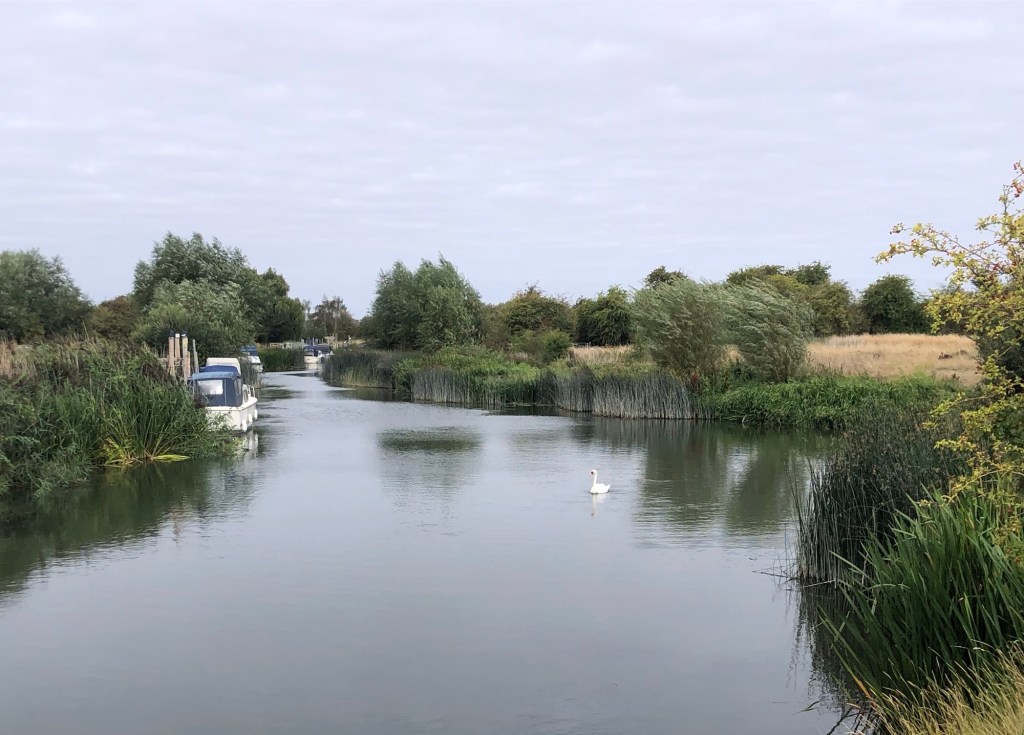
Reed-beds and water meadows have been today’s theme, a scene we that shared with very few other folk, even on this fine day during holiday time. Here are some views of our day.

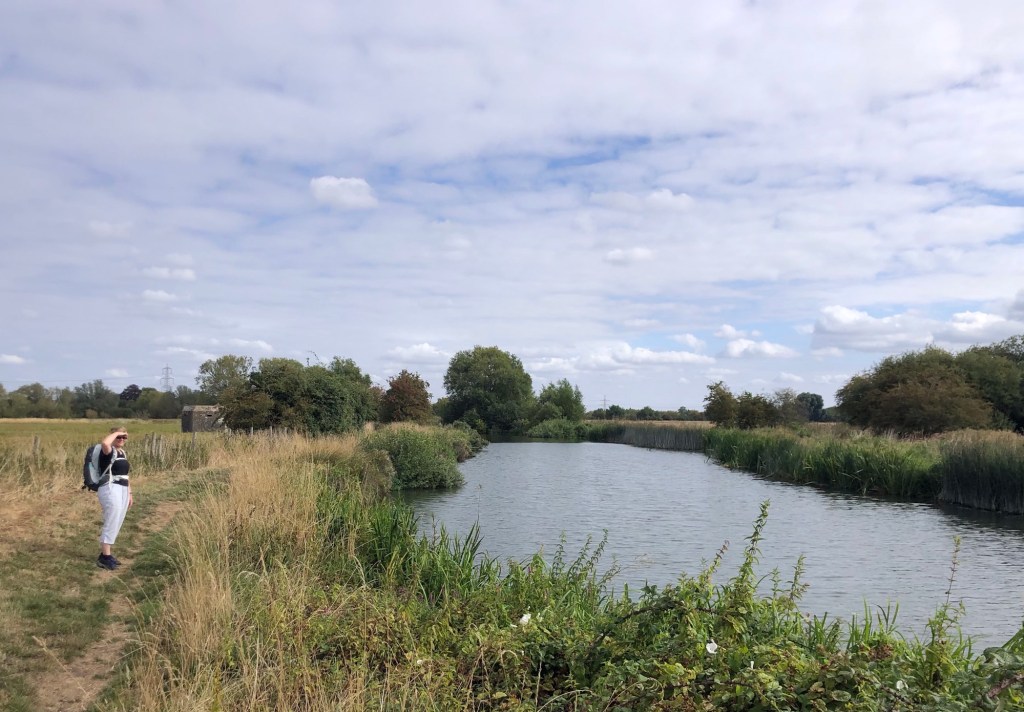
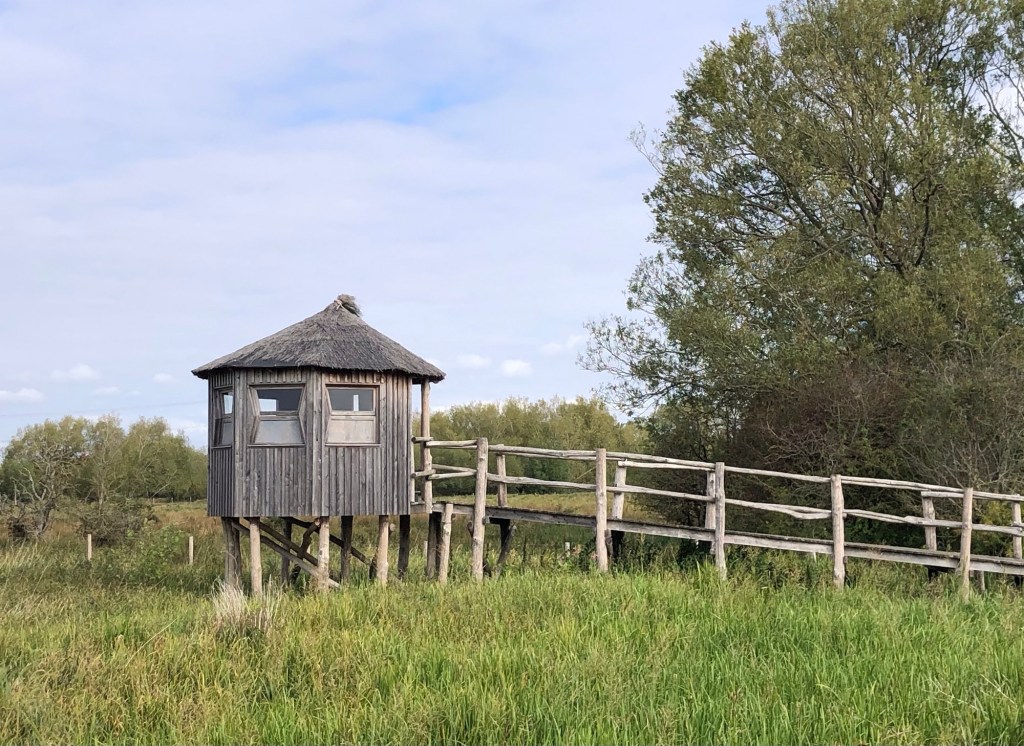
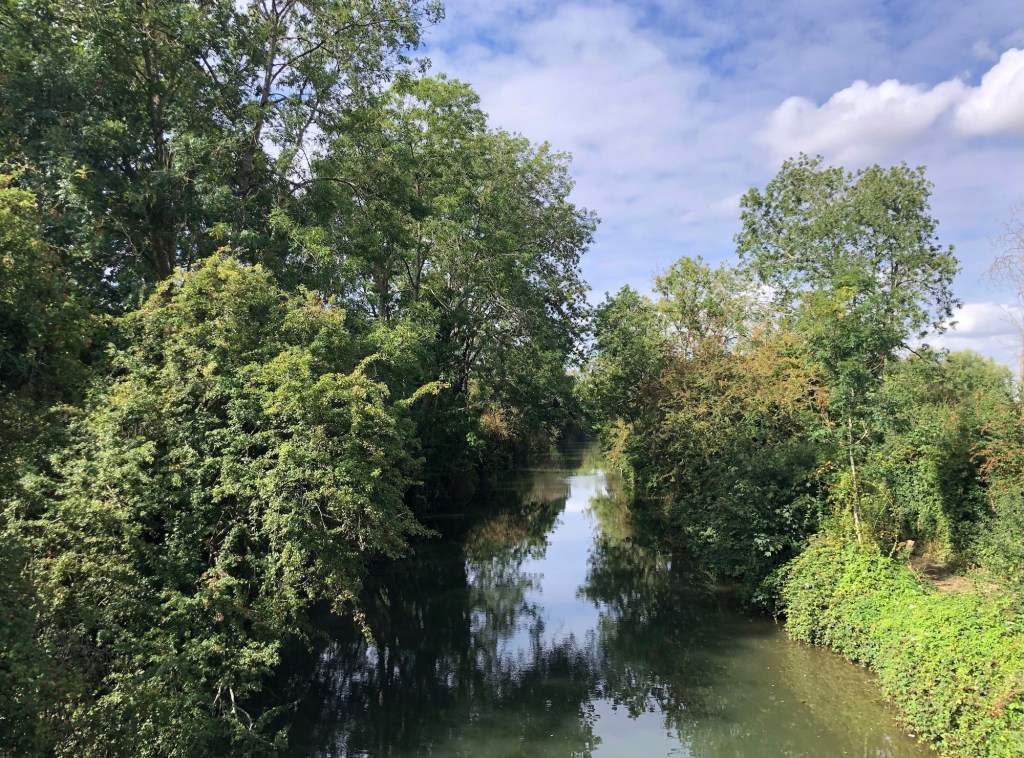
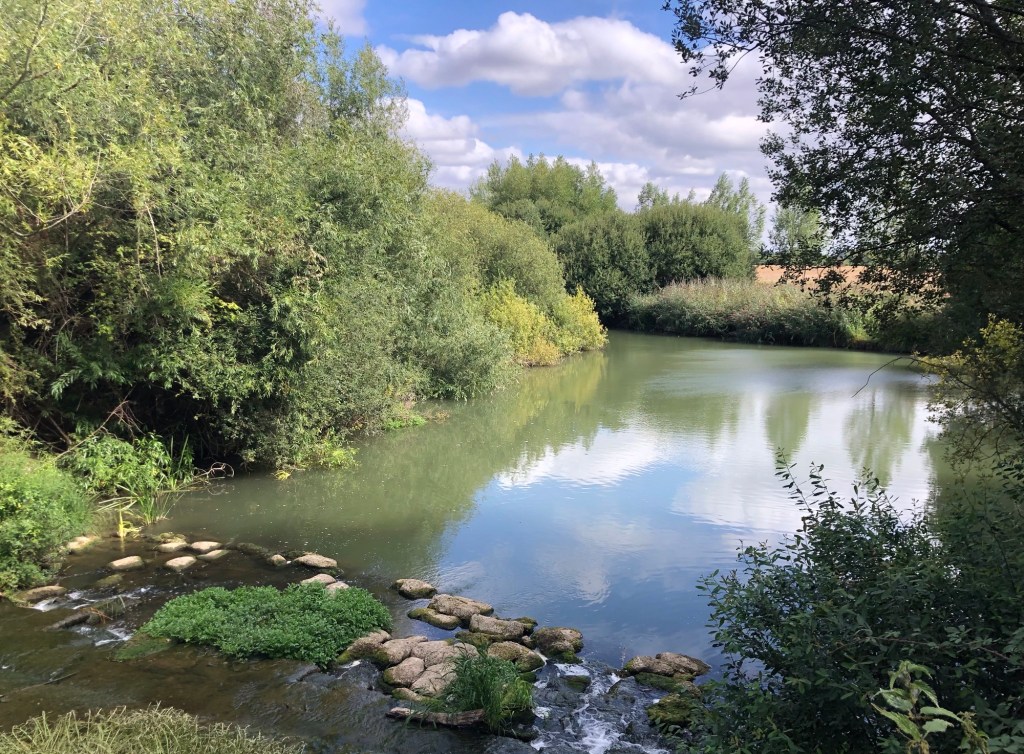
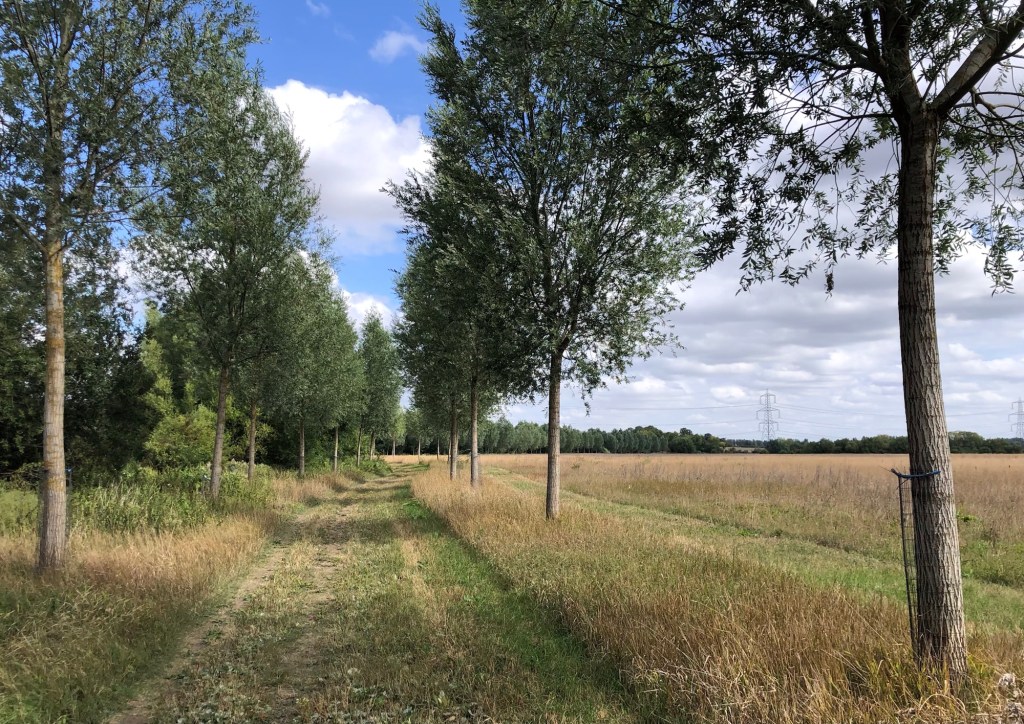

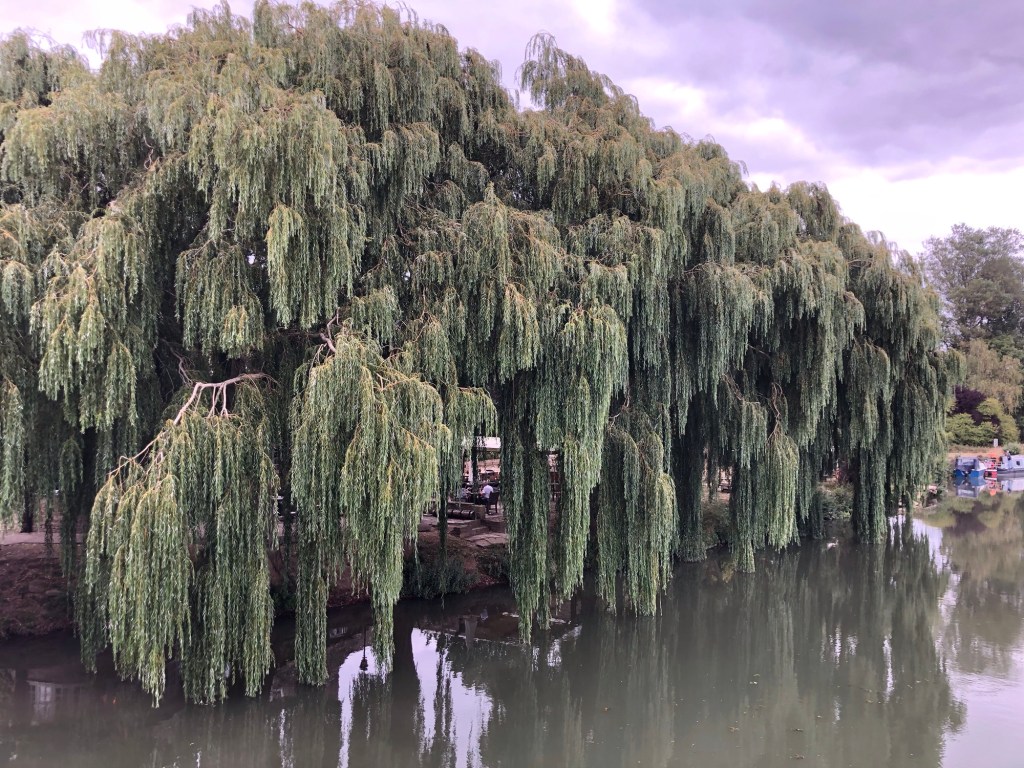
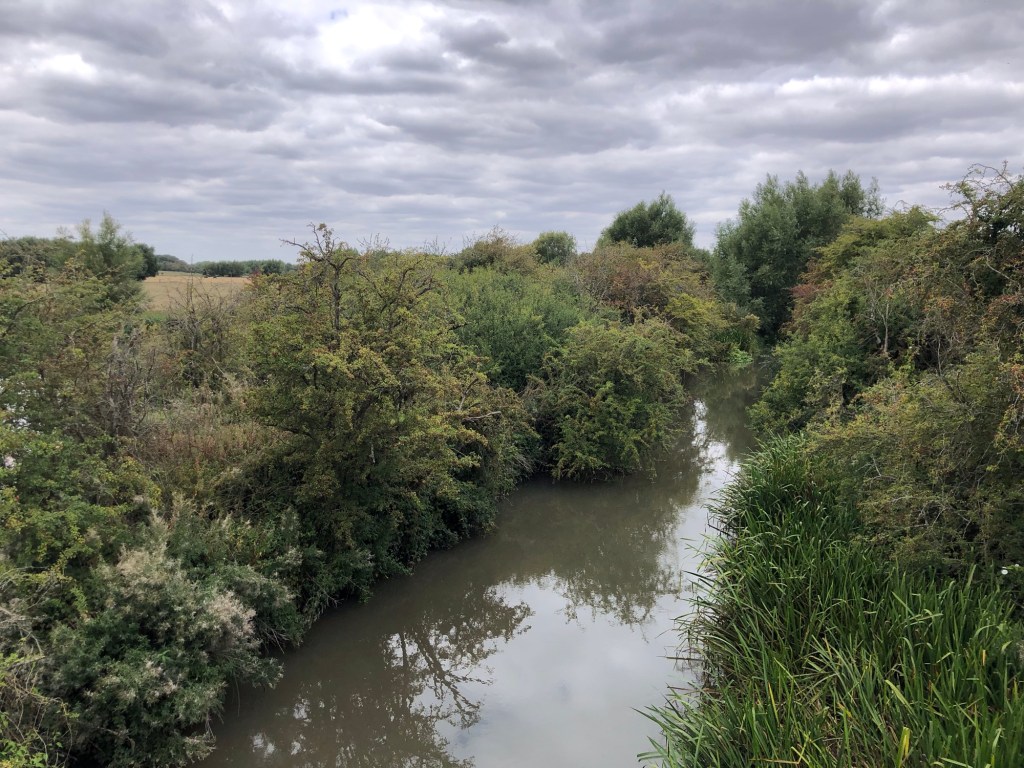

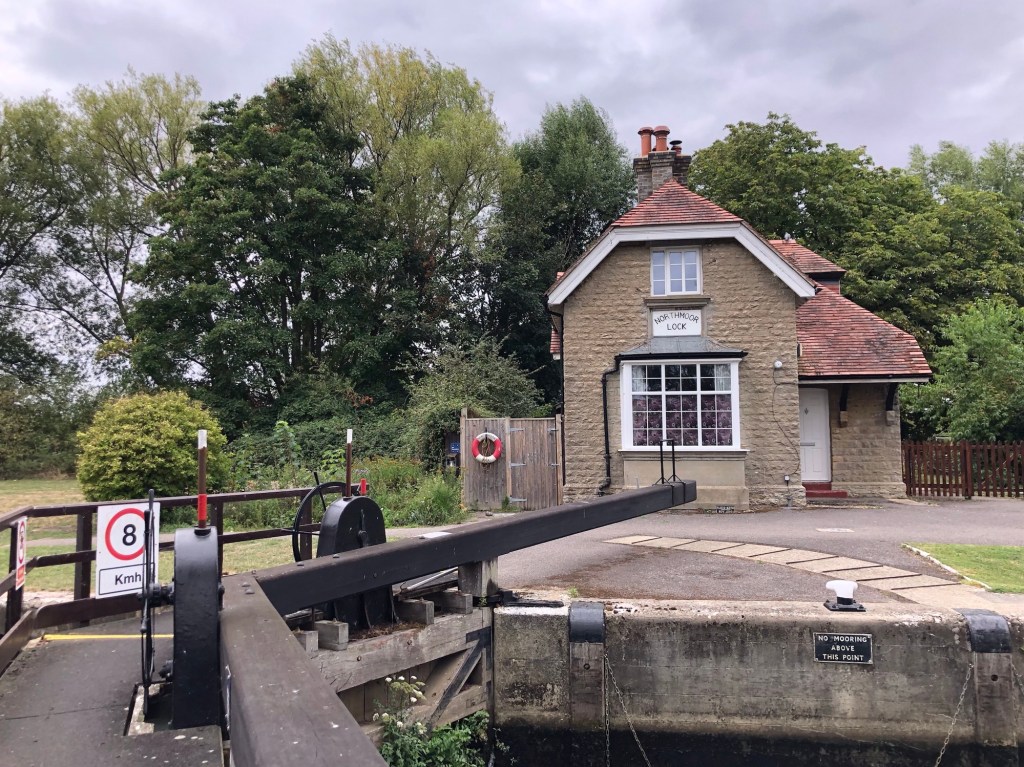
Today we managed a good four miles on top of the 8.4 miles that the guidebook gives us credit for along this section of the Thames Path – all due to the detour that we needed to take from Northmoor Lock and through Appleton village in order to reach the bus-stop at Besselsleigh. From the latter we took the bus into Oxford, and then two trains back to Kemble to retrieve our car from The Thames Head Inn. Having completed around 42 miles of the Thames Path, we are now just a day’s hike along the river-bank from Oxford – our next excursion will take us on a long northerly loop alongside one of the river’s largest meanders, before approaching the city from the north. Our return to the area will need to wait a couple of weeks, and then we hope to be back to complete this Oxfordshire section of the Path. So, just for now, I shall sign off and thank you all for following these musings – the interim is sure to fly past, and I will be back with our report on the next stage of our Thames Path journey very shortly.
Songwriter Don Henley’s lyrics in ‘Goodbye To A River’, a title that I have adopted for today’s Blog heading, are rather more philosophical (and a tad more terminal) than are necessary in bidding our temporary farewell to the Thames Path. Henley, of course, was a founding member and guiding light of West Coast country-rock band Eagles, before carving out an extensive solo career. In his songwriting the topic of human greed and the arrogance that feeds environmental destruction has recurred regularly – right from Eagles’ ‘The Last Resort’ off the renowned Hotel California album in 1976, through lyrics in numbers such as his solo ‘The End of the Innocence’ (1989), right up to Eagles’ ‘No More Walks in the Wood’ from their 2007 album ‘Long Road Out Of Eden’. The latter piece refers to the Walden Woods Project, a conservation cause that Henley became involved with around a Massachusetts beauty spot threatened by development – and it is also from this place that he drew the inspiration for ‘Goodbye To A River’. This softly-melodic song appeared on his solo album ‘Inside Job’, released in 2000 and, if the lyrics are indeed a little strong, then the sentiments of the piece are worth bearing in mind, lest we take for granted the natural wonders on our doorstep.
 Walking for Fun, Challenge and Charity!