
CAMINO PORTUGUÉS – Day 3: Thursday 28 May 2026
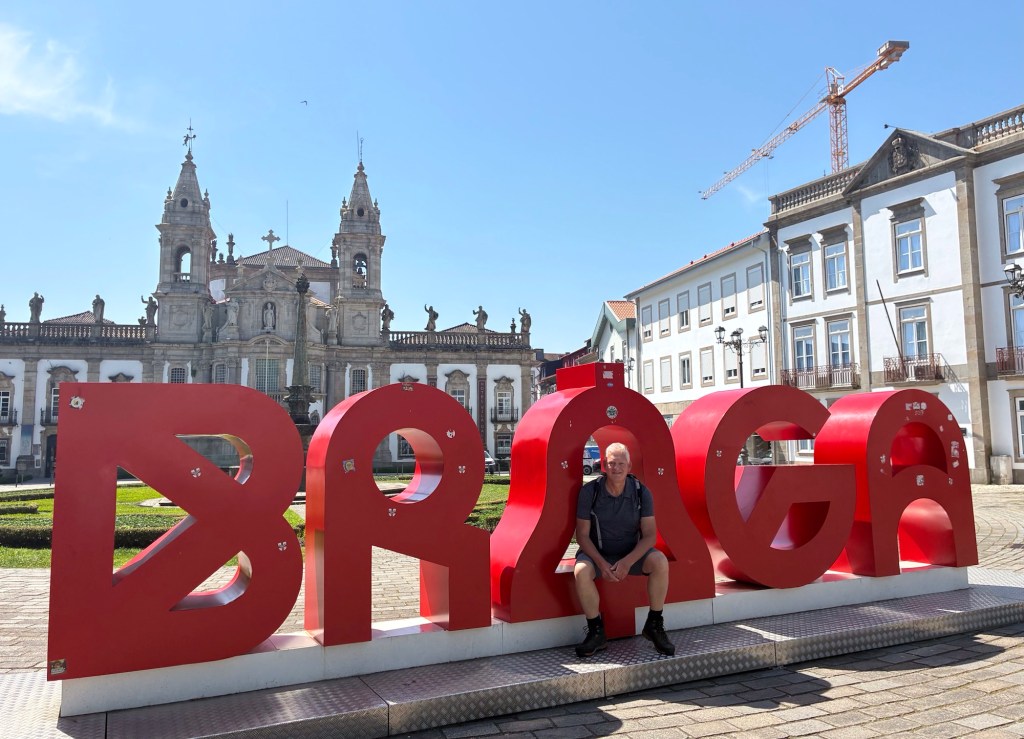
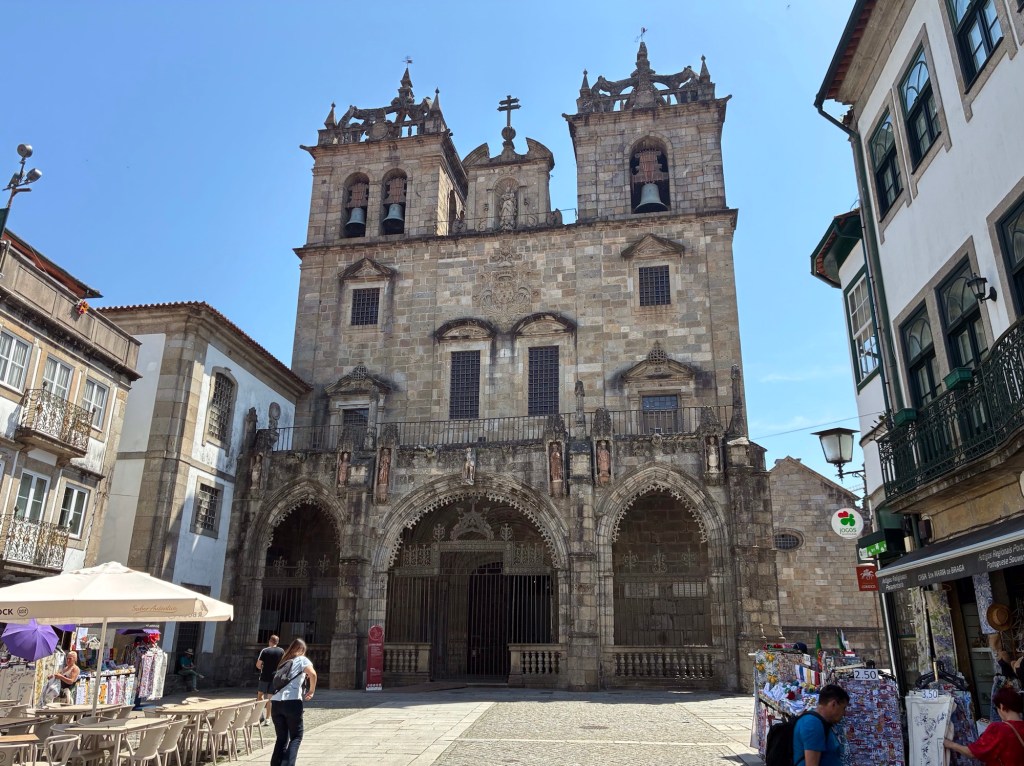
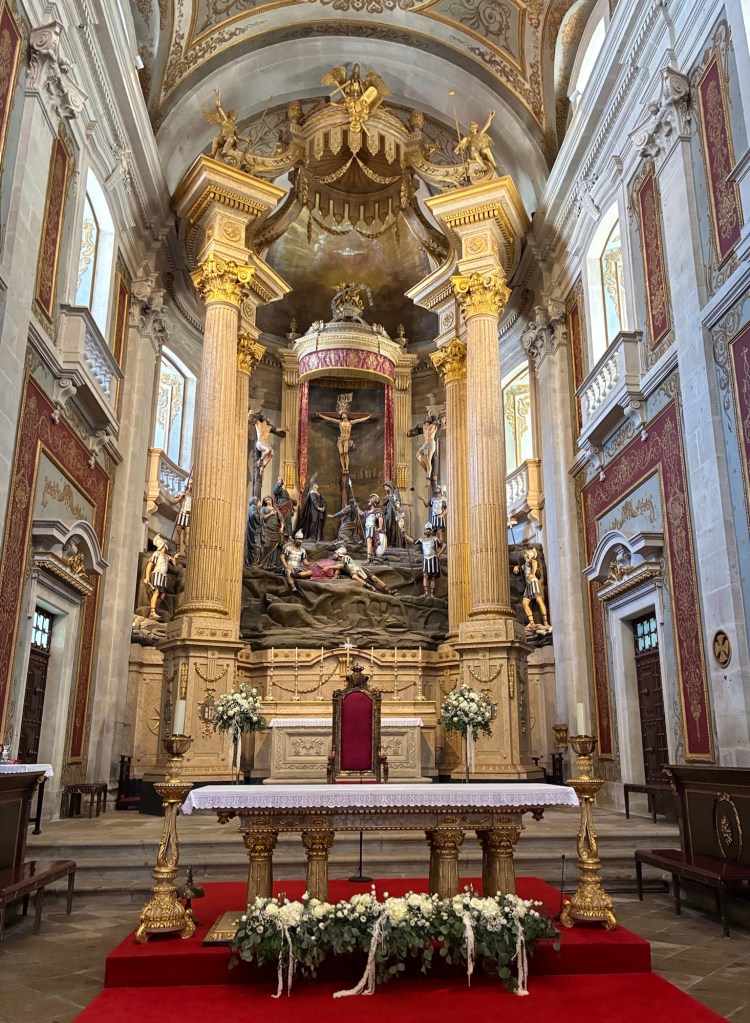
Today was another Portuguese scorcher, and so I was pleased to lie in until after 7.00 am and avoid a further early start on the trail. I am staying a second night in Barcelos (in a nicely-appointed private room), which not only gives me the chance to explore the town itself, but also to take a day trip to nearby Braga, the country’s oldest city and ecclesiastical capital: with over 30 churches and a host of other ancient monuments the city is known here as the ‘Rome of Portugal’.
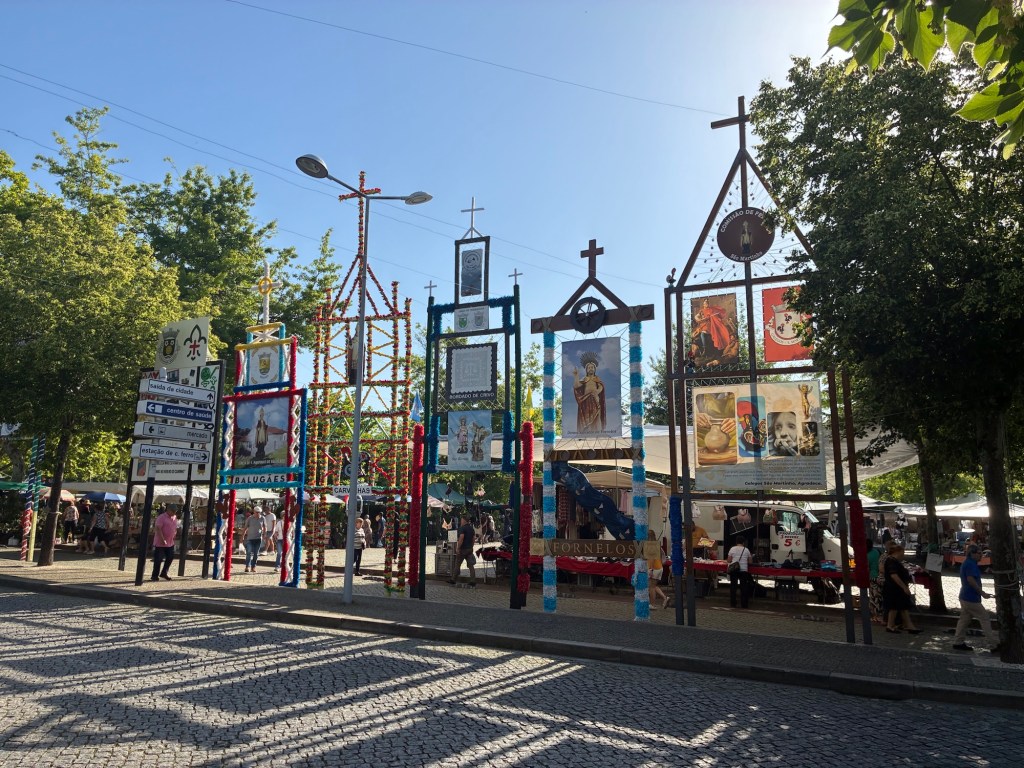
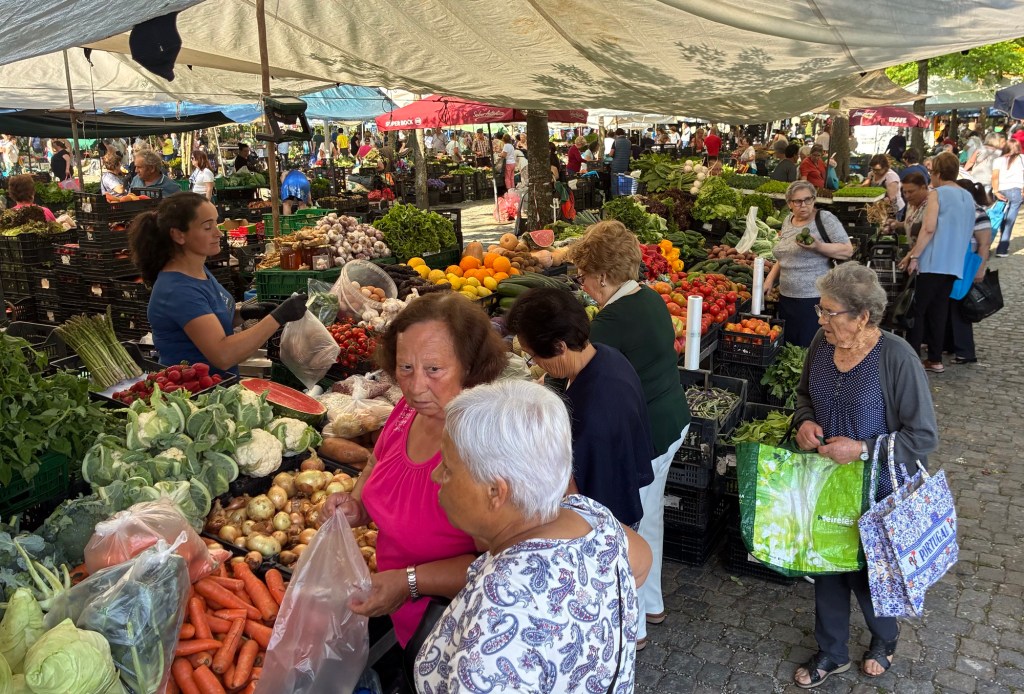
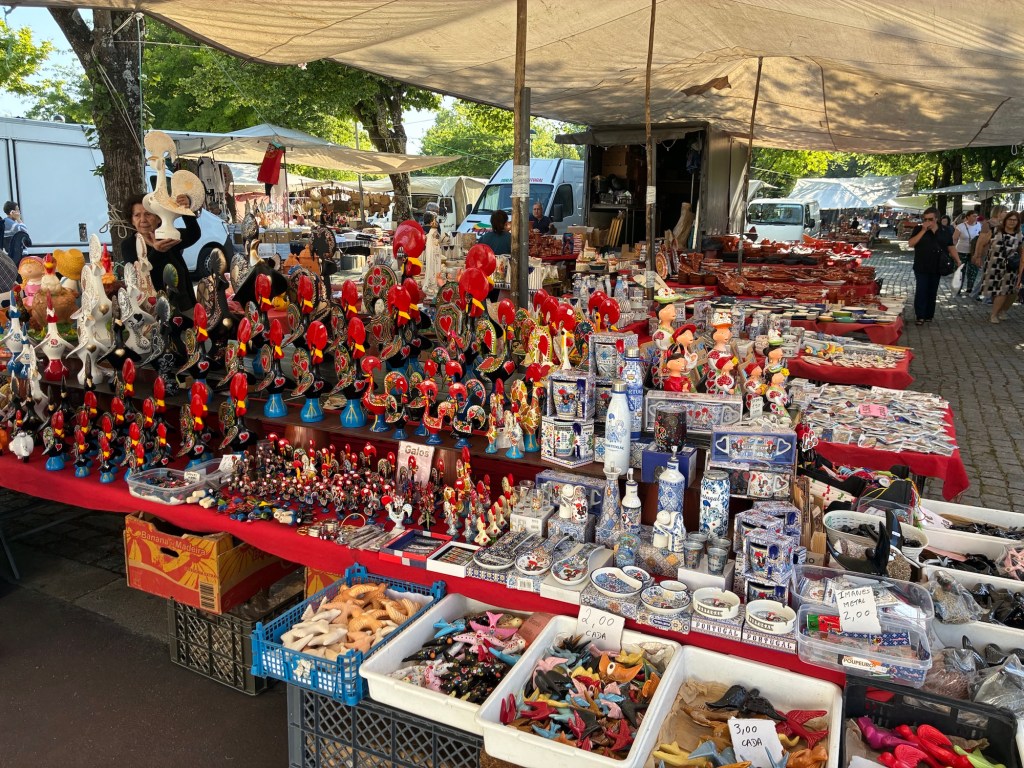
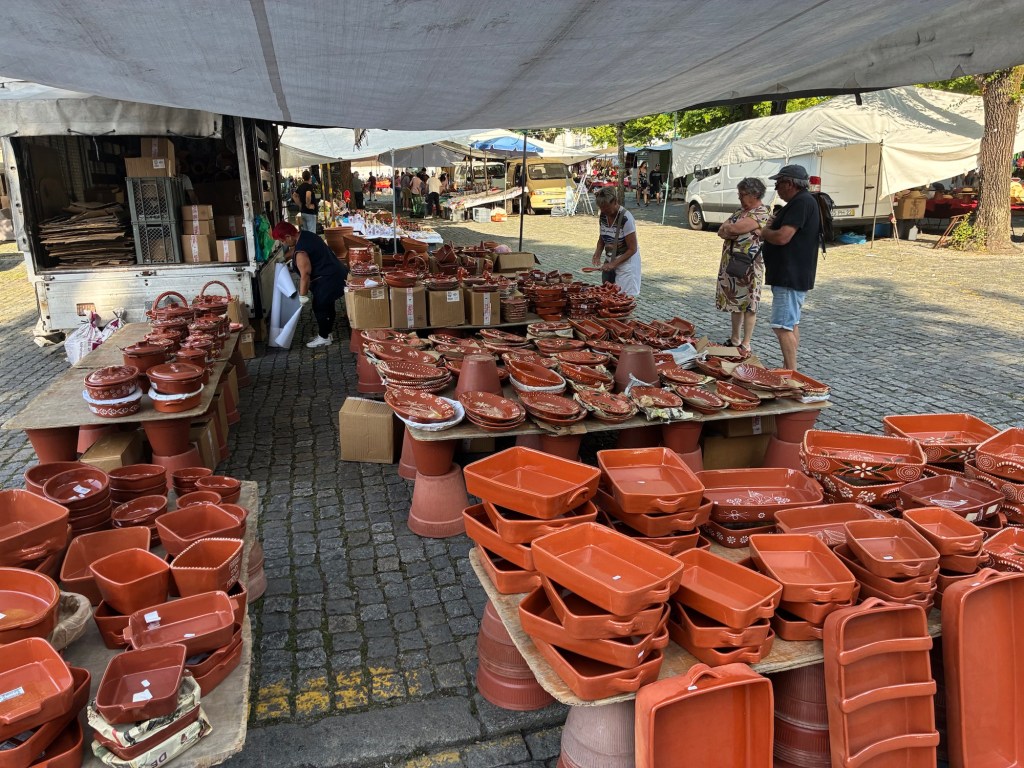
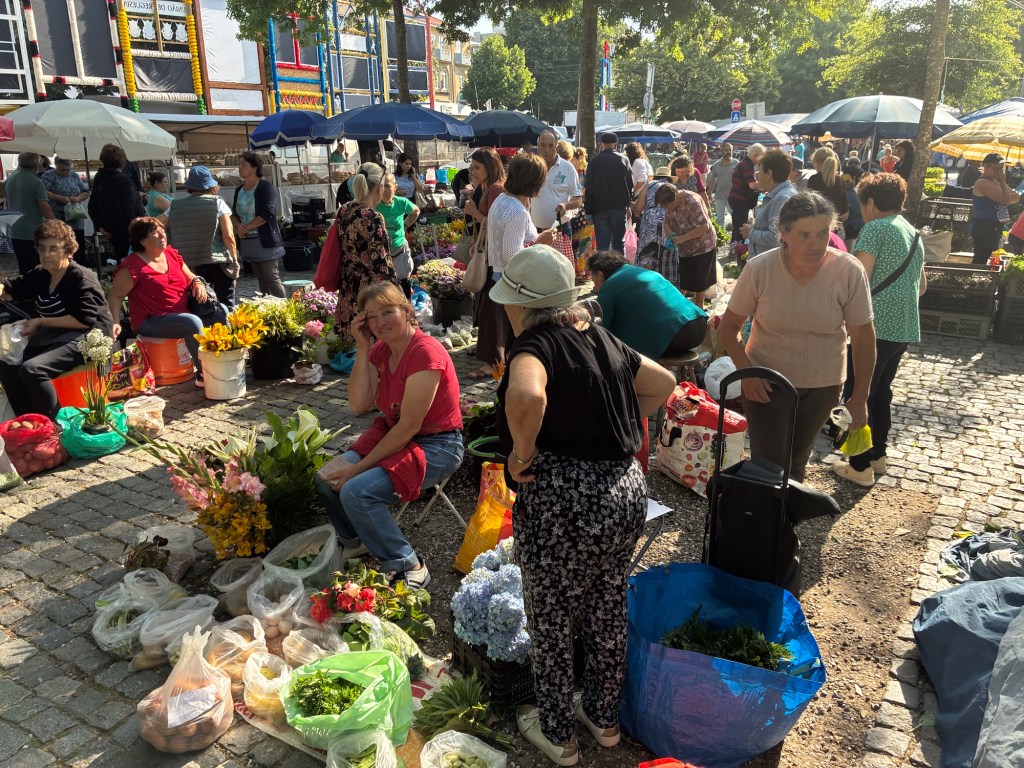
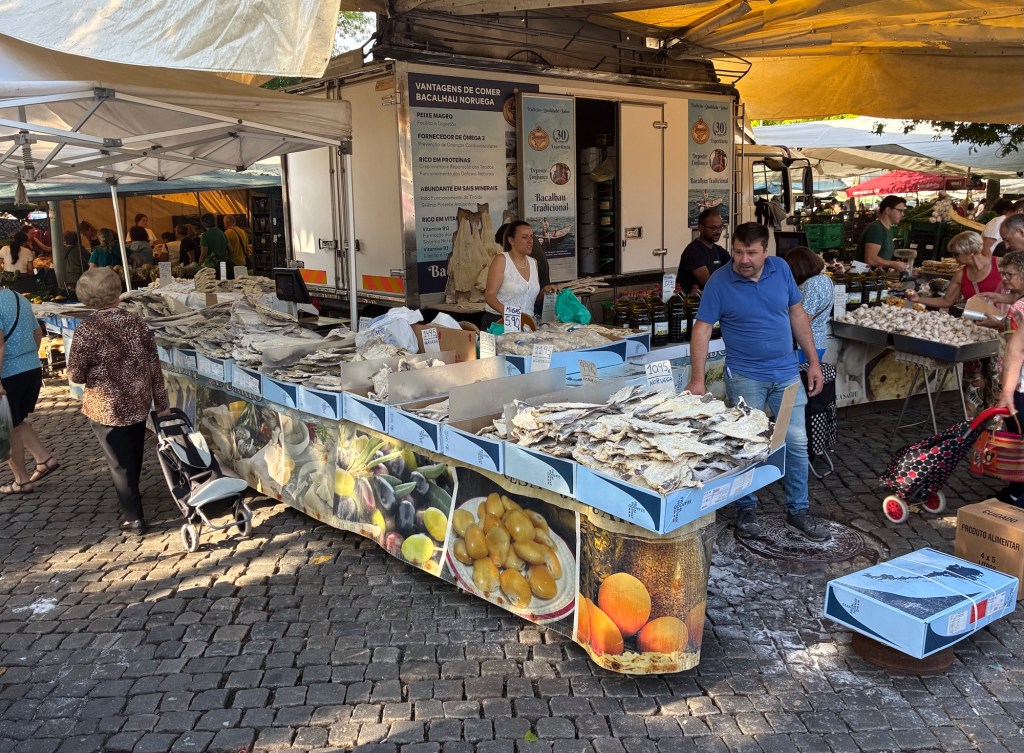
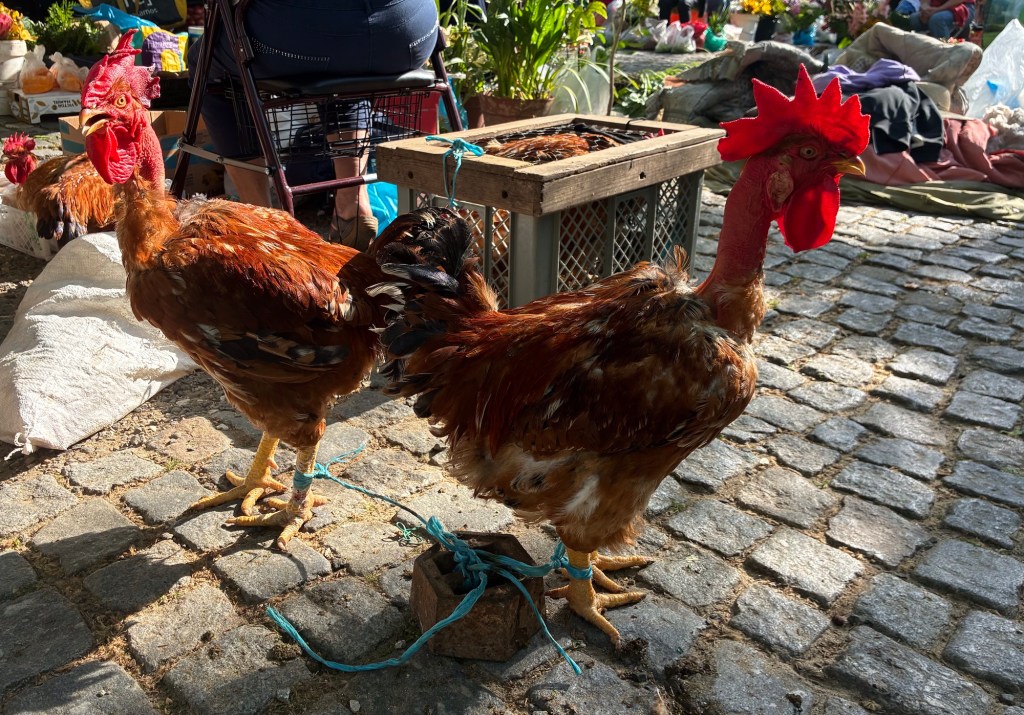
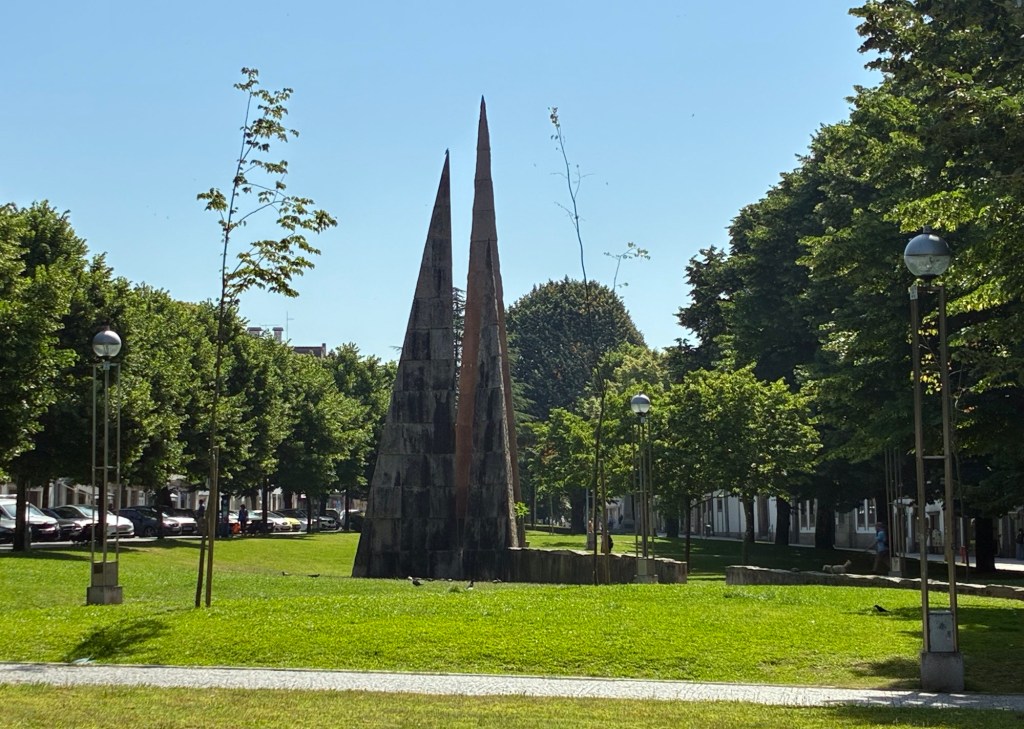
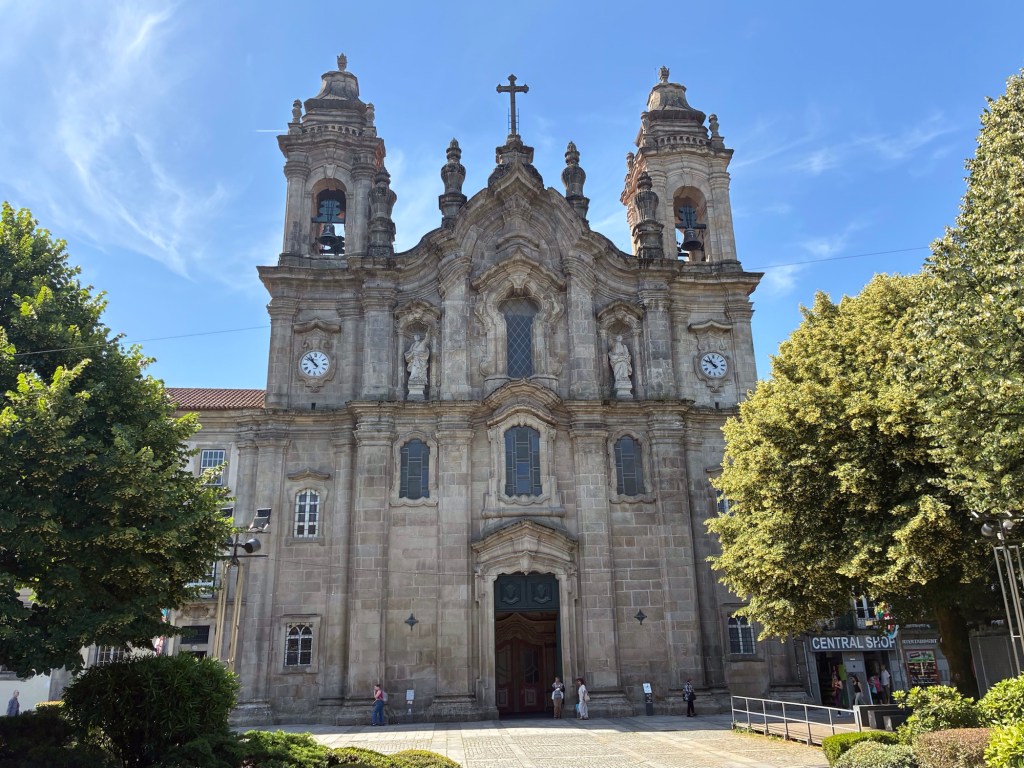
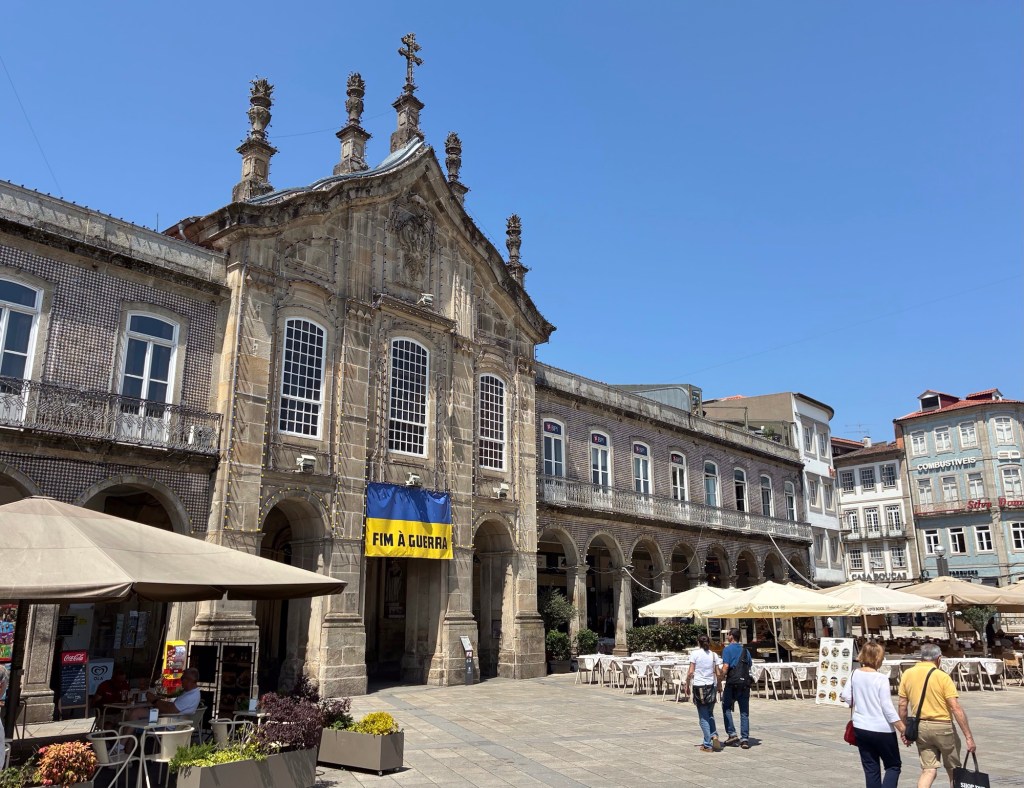
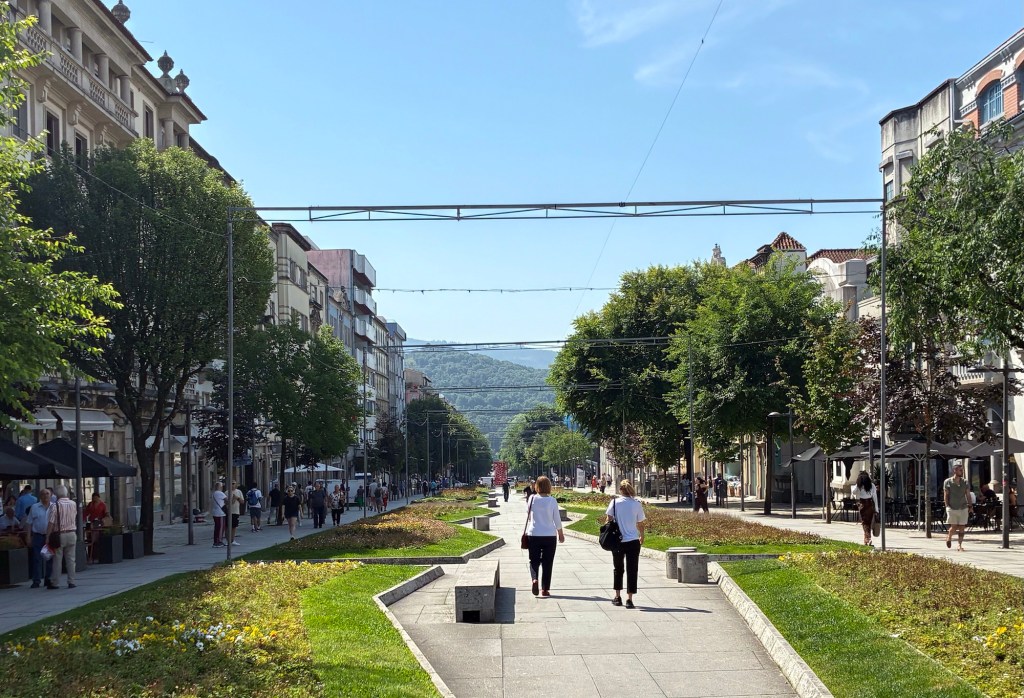
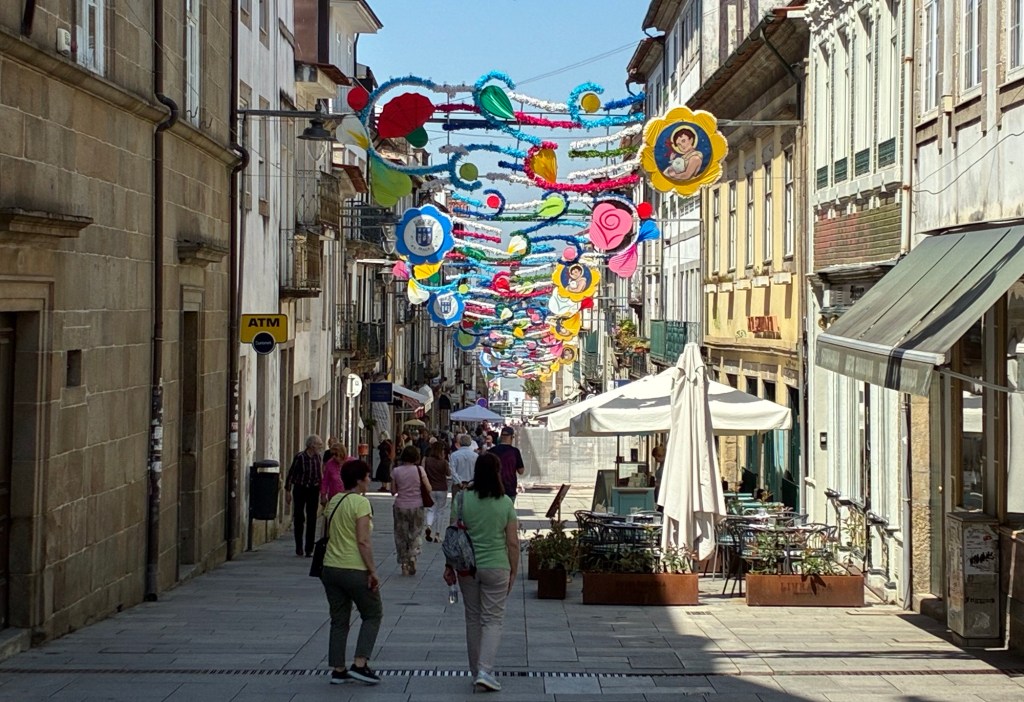
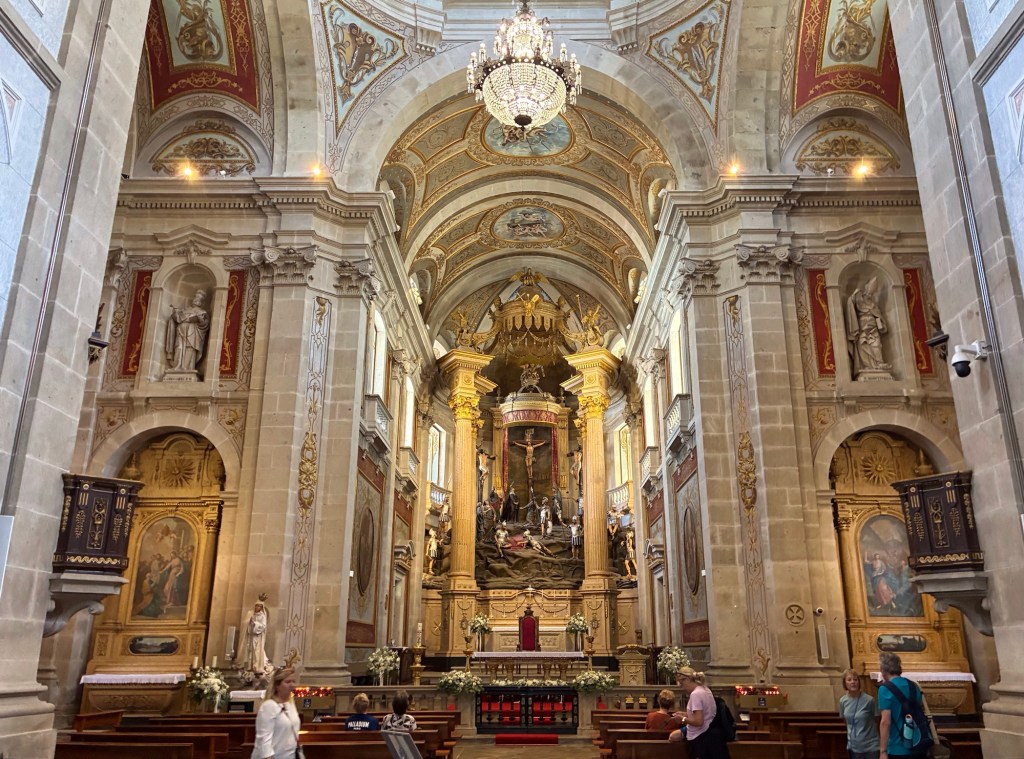
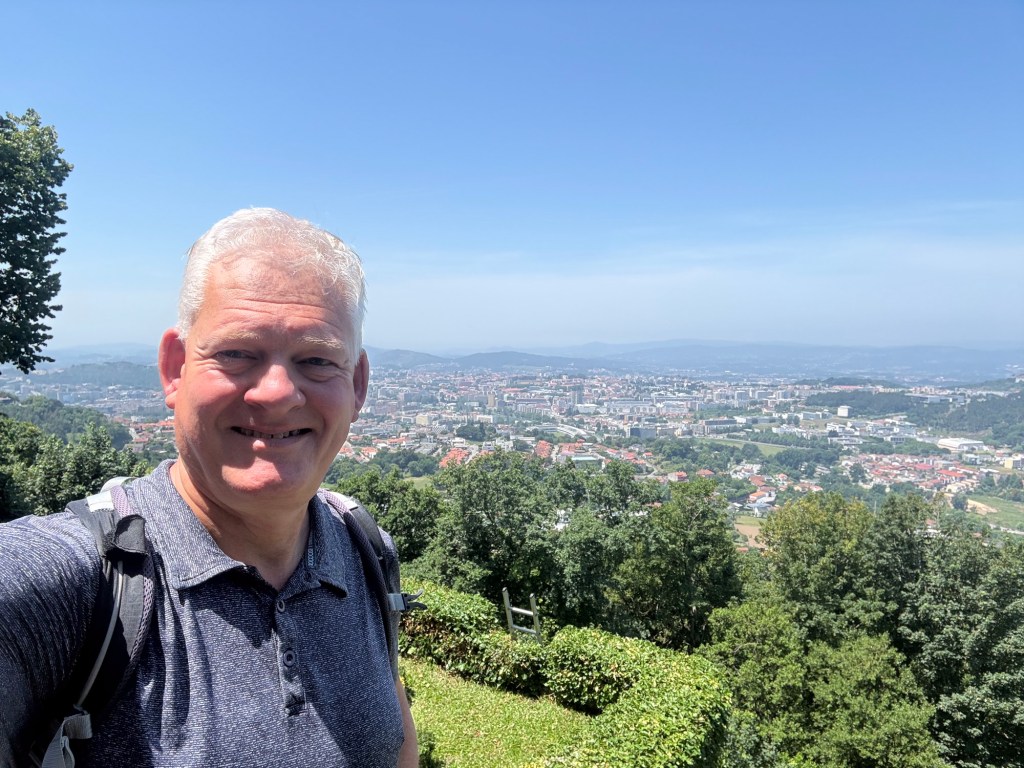
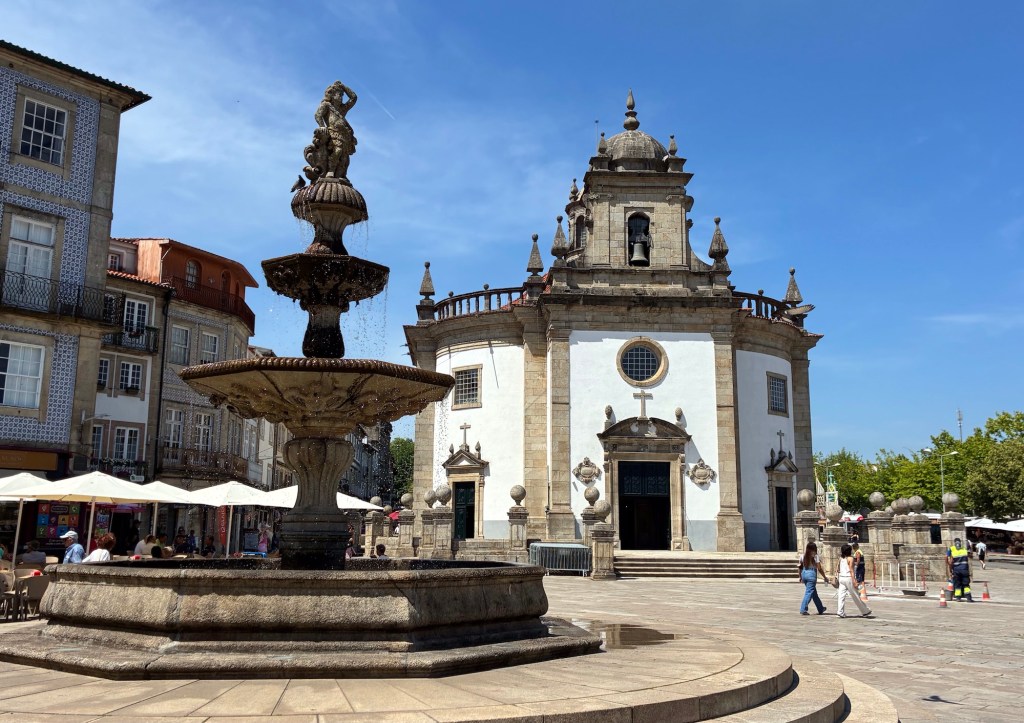
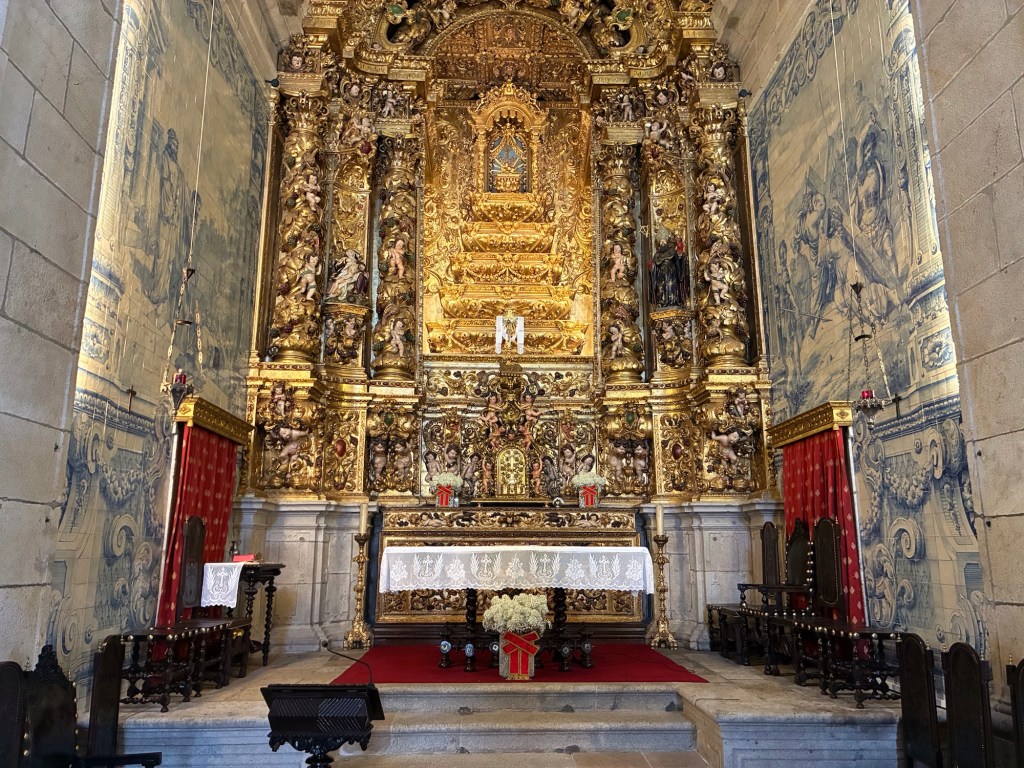
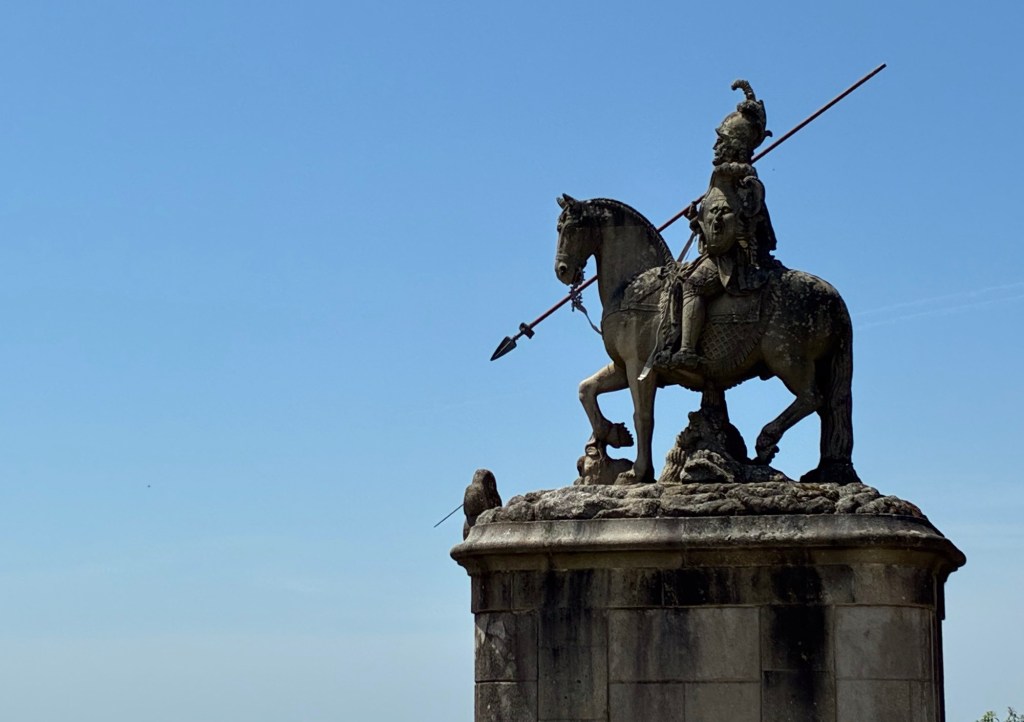
Here are some photos of my whistle-stop tour of Braga, plus a few of Barcelos.
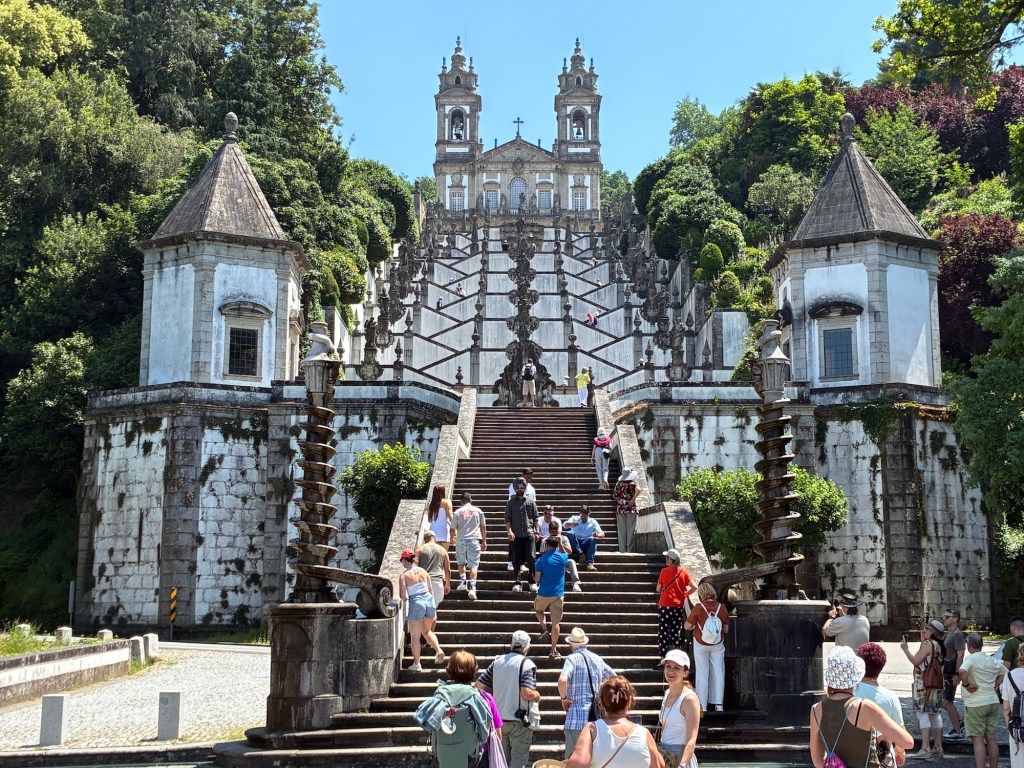
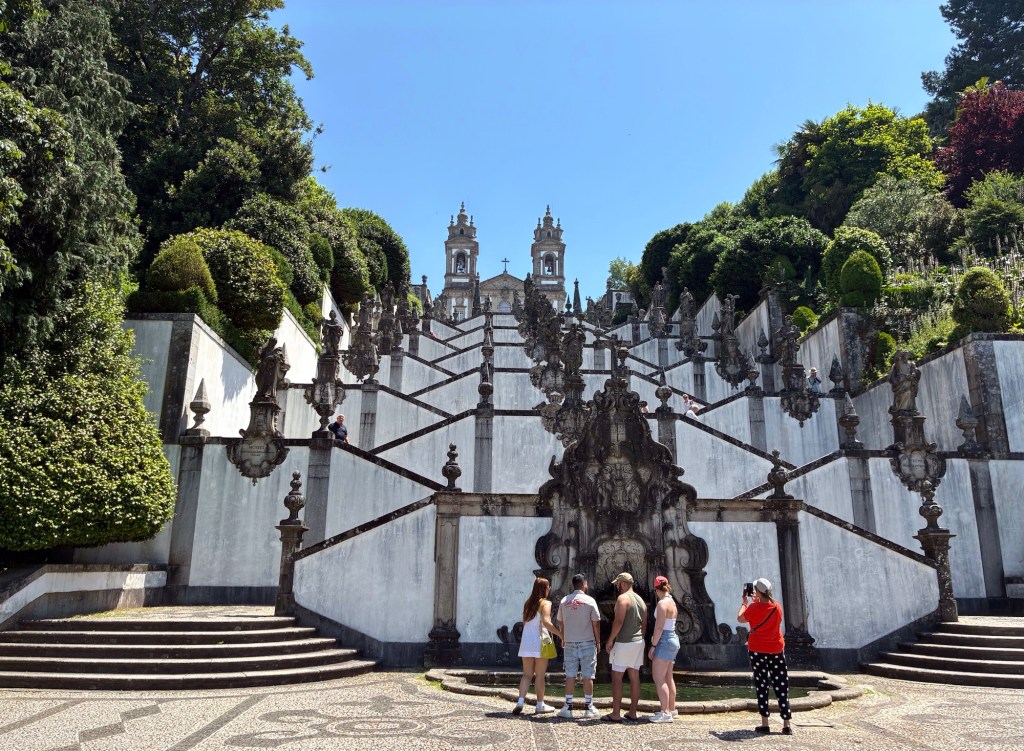
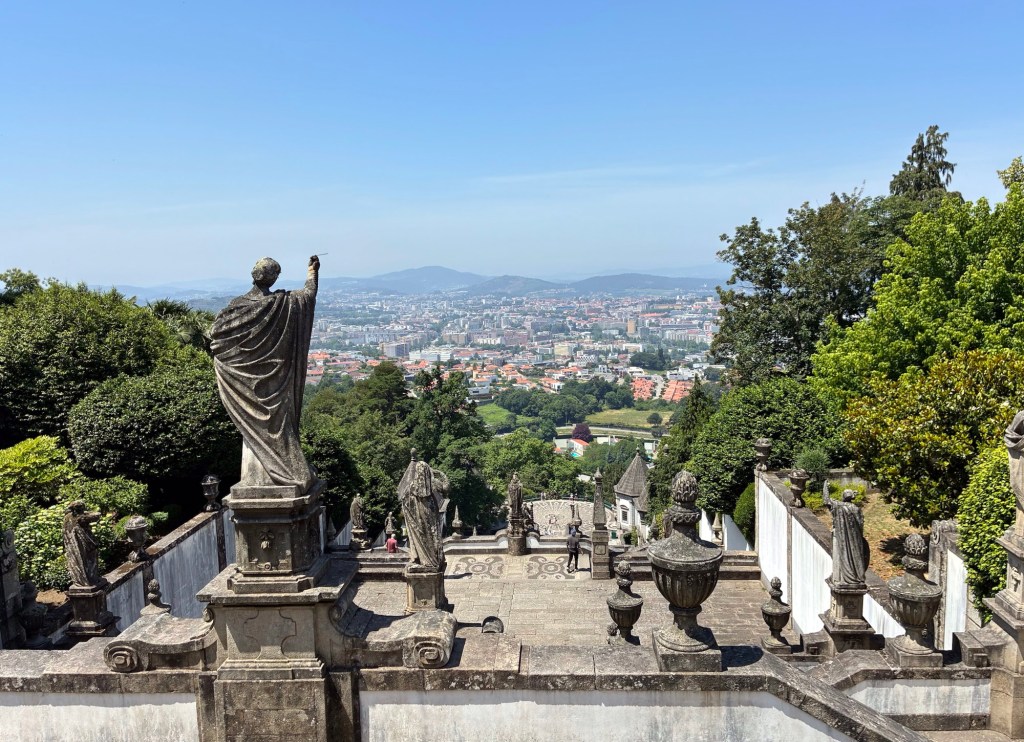
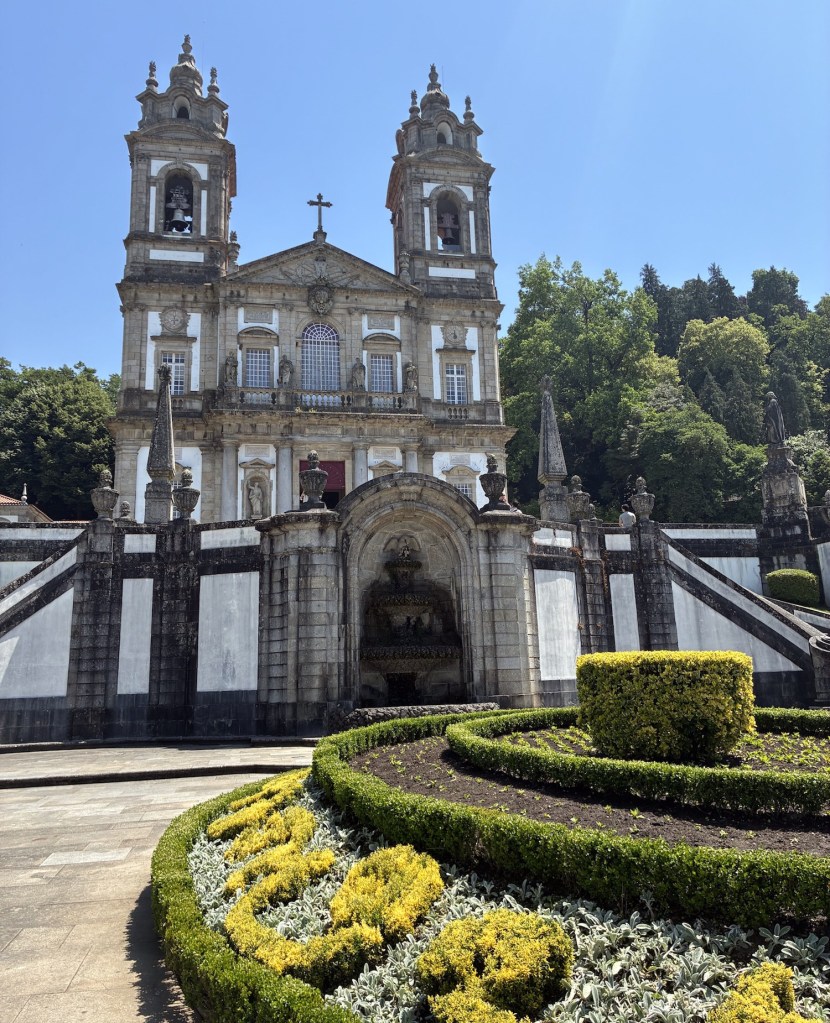
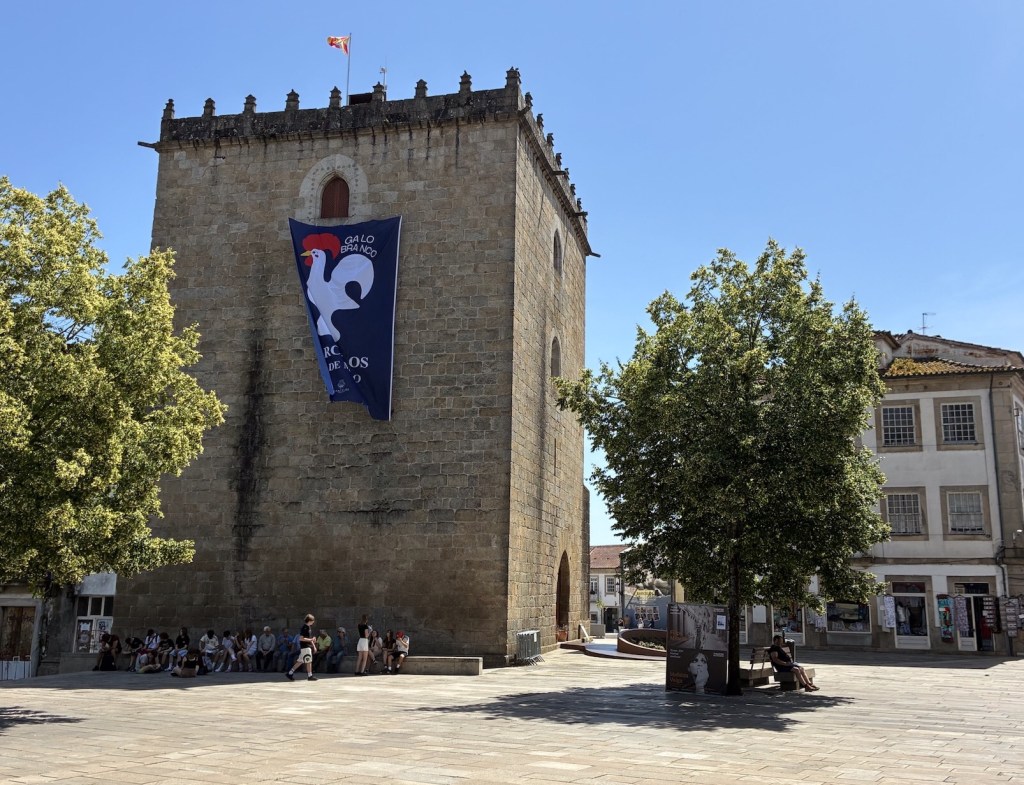
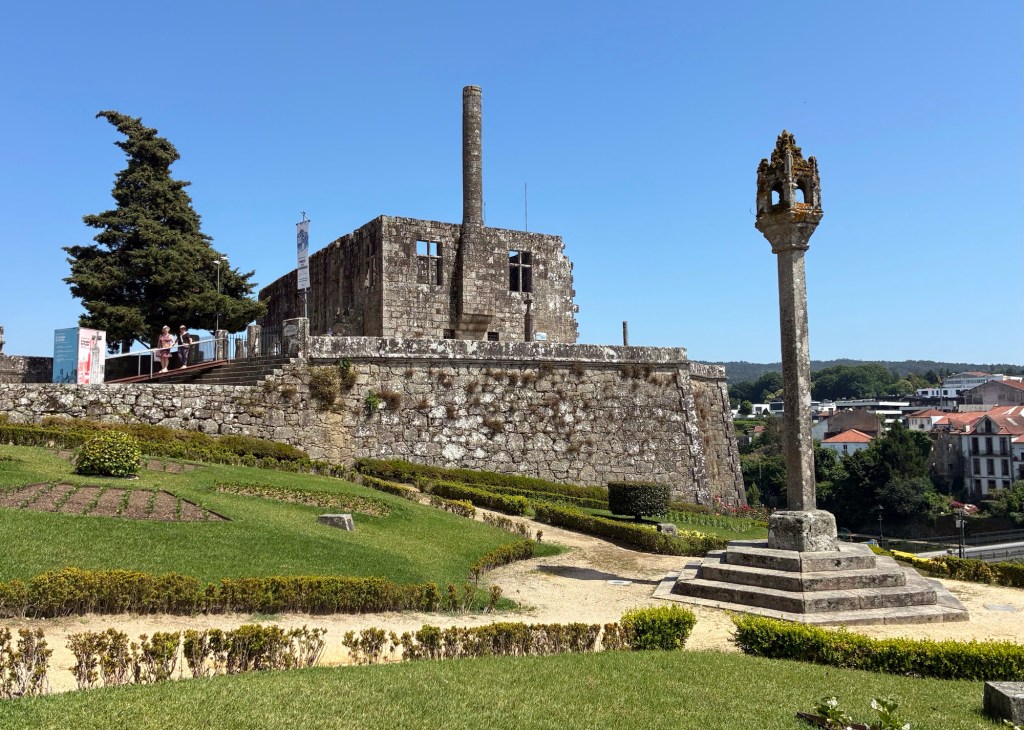
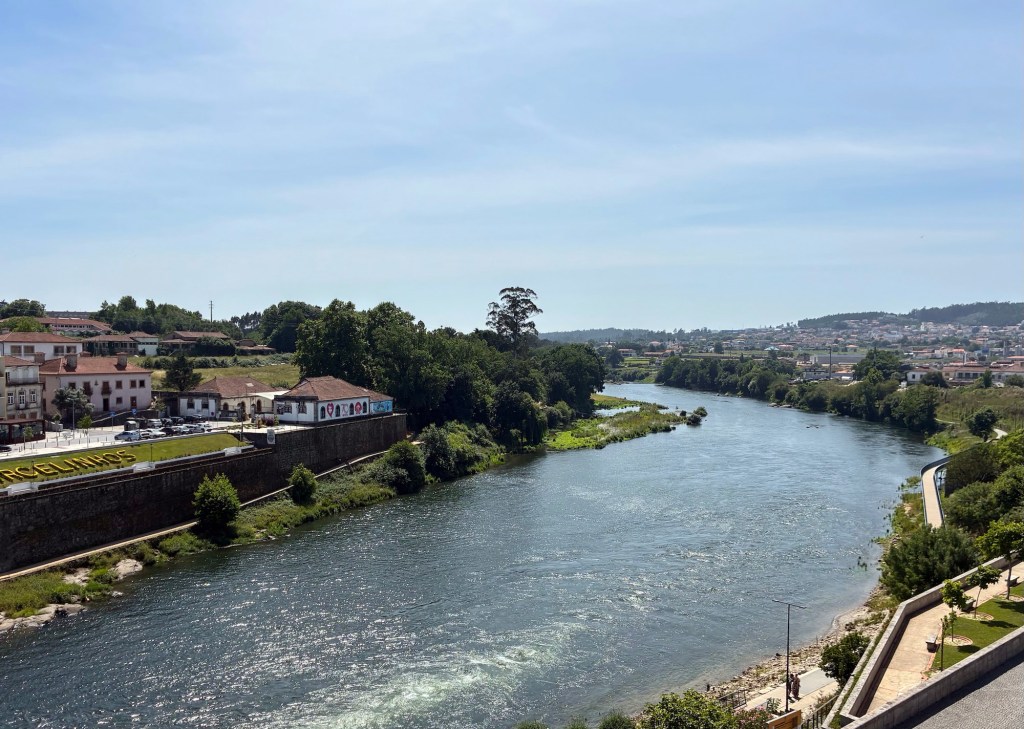
Tomorrow morning, early, I will be back on the trail, for the long walk to Ponte de Lima (assuming all goes well)! But first – I have long promised a short piece on the Camino Portugués, so here goes! I have mentioned this fact before, but currently almost half a million peregrinos (pilgrims) are thought to visit Santiago on foot each year, a number that has increased rapidly over the last three decades, and especially since the Covid pandemic. This current figure is thought to be around the annual number of travellers that arrived in Santiago during the late medieval times, when individuals, either of their own accord or at the behest of their masters, would venture to cathedrals and relic sites for reasons of worship, meditation, penance or salvation, journeying together for security and camaraderie. One such primary destination was Santiago de Compostela, the resting place of St James. But it is the friendship and fellowship aspects that unify today’s pilgrims – and I can vouch for the fact that walking with few belongings and such a shared sense of purpose does seem to bring out the best in humanity.
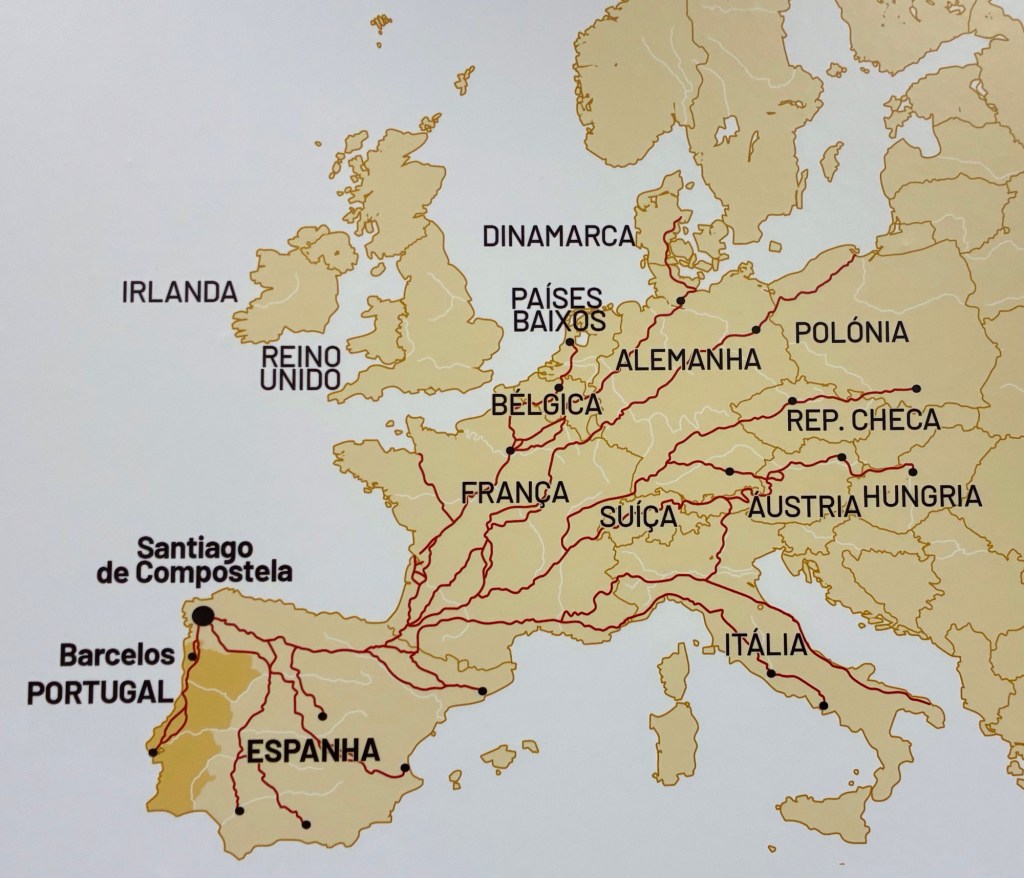
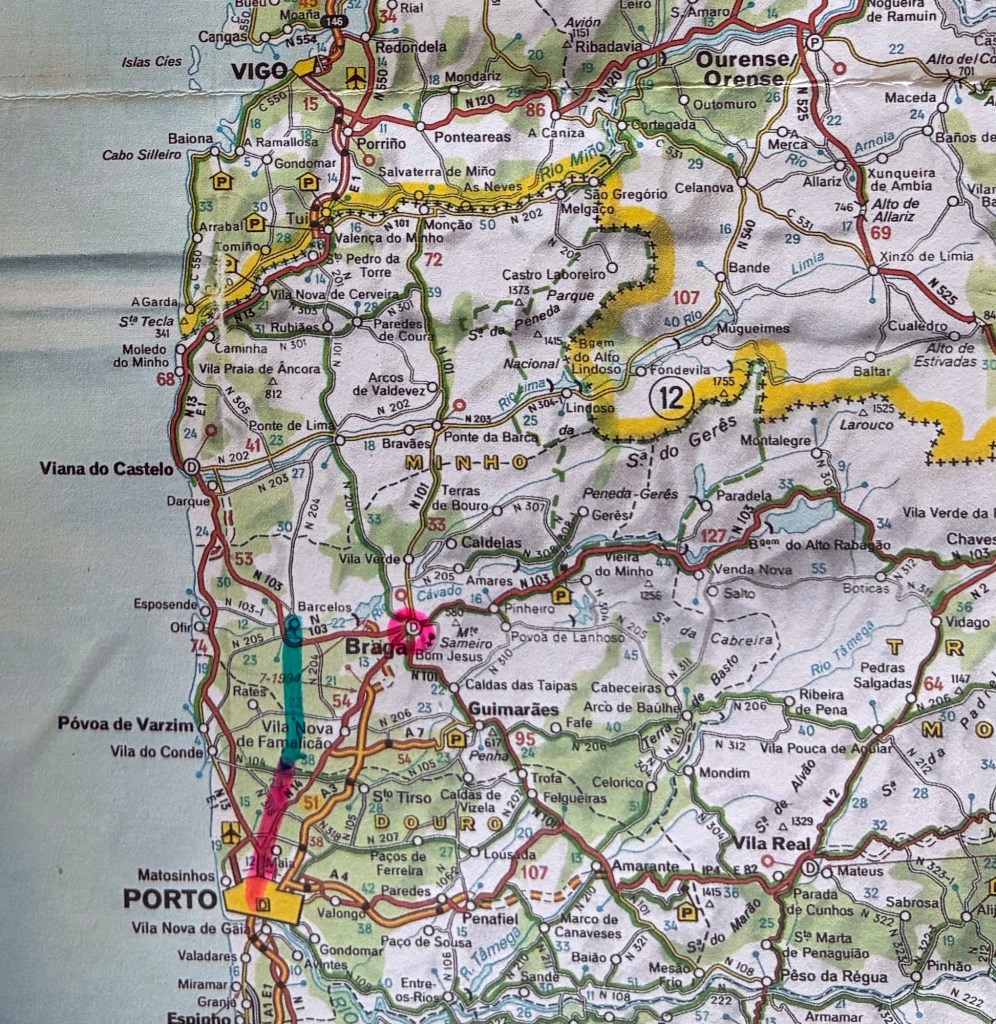
Of the routes into Santiago the most travelled is the 800-kilometre Camino Franćes that I undertook last year, and this is followed by the Camino Portugués that I am now walking. Pilgrims on the latter come from all over the globe, with Spain (37%), Portugal (12%), the US (7%) and Germany (5%) making up the largest contingents. The Camino Portugués path now takes two main routes – the coastal path and the inland way that I am following, in addition to a number of optional diversions. Walking south to north along the Porto to Santiago inland section takes pilgrims through rolling hills of woodland, farmland and vineyards, punctuated by charming villages and larger towns on the frequent river crossings. After leaving Porto’s Douro valley, there are five more major rivers to cross in northern Portugal – the Ave, the Cávado (at Barcelos, where I am now writing), the Neiva, and the Lima, before the path reaches the Rio Minho for the crossing into the Galicia province of Spain near the town of Tui (that I should reach in three days’ time). In total my Camino Portugués journey will comprise around 260 kilometres, depending upon the precise paths I choose, and (in this heat) the journey should take me around eleven walking days.

My Blog heading today, ‘I Say a Little Prayer’ borrows from the song of the same title by US singer Dionne Warwick, off her 1967 album ‘The Windows of the World’. The number was one of many written around that time for Warwick by lyricist Hal David and composer Burt Bacharach, and it reached No 4 on the US Billboard Chart in December 1967, with eventual sales of over a million copies. The song was covered by Aretha Franklin the following year, again achieving Top 10 status.
* Note the cranes on the skyline in this picture – I usually seek to avoid cranes, wires, cars (where possible), and any other ‘clutter’ in my photos. It is really easy on an iPhone, to erase such unwanted items with the swipe of a finger and the click of a button or two whilst editing the photos, but I prefer to preserve the authenticity of the pictures rather than distorting reality. That’s my excuse anyway!


I’m enjoying following your journey Nick
Sarah Whale
07784 187506
LikeLike
So glad you got to Bom Jesus do Monte. Isn’t it magnificent. Hope you went up right from the foot
LikeLike
that looks great
LikeLike