ROUTE 1066 – Day 11: Thursday 12 November 2026 – GREENWICH to SOUTHWARK (7 + 3 miles)
Although this was quite a short walk – just seven miles – today’s ramble along the Thames Path on the south side of the river marked a significant milestone in William’s campaign to seize the Crown of England. As the Norman army marched on London from Kent, London must have been a busy place – and a very anxious one too. In addition to the usual residents, the city would have been occupied by the remnants, including some injured, from the Battle of Hastings (along with those that were thought to have retreated before the bloody conclusion of the skirmish), plus latecomers who had missed joining Harold’s forces due to the latter’s haste to leave the capital and to engage William post haste on the south coast. Amongst those in London are thought to have been two influential noblemen, Eadwine and Morcar, brothers and earls of Mercia and Northumbria, who are thought to have been involved and survived the fight. Along with some senior clergy, these senior nobles were keen to find a rightful Anglo-Saxon heir to the throne, and collectively they settled upon the teenage great-nephew of Edward the Confessor, Edgar Aetheling. The English intention was to continue resisting the Normans and hence, at some point upon the invaders’ approach, a sortie of Englishmen ventured out seeking to deter William’s advanced guard. The party was unsuccessful, and the protagonists scurried back to London, effectively pulling up the drawbridge on the capital. William now had a dilemma. At that time the Thames was wider and shallower than it is today, with marshy ground especially on the south side. The only crossing point was London Bridge (built at that specific site due to the suitable topography and geology) – but to storm the bridge or to cross in small boats (that the Normans might have been able to appropriate) risked the mass slaughter of his army. William switched strategy, backed off from London, and torched the settlement of Southwark in frustration. We will pick up the story of his next moves tomorrow.
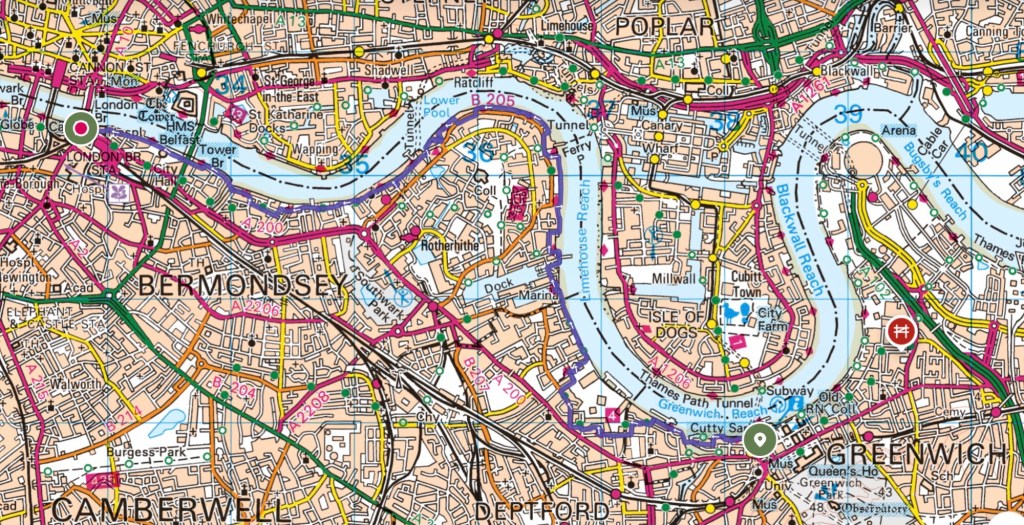
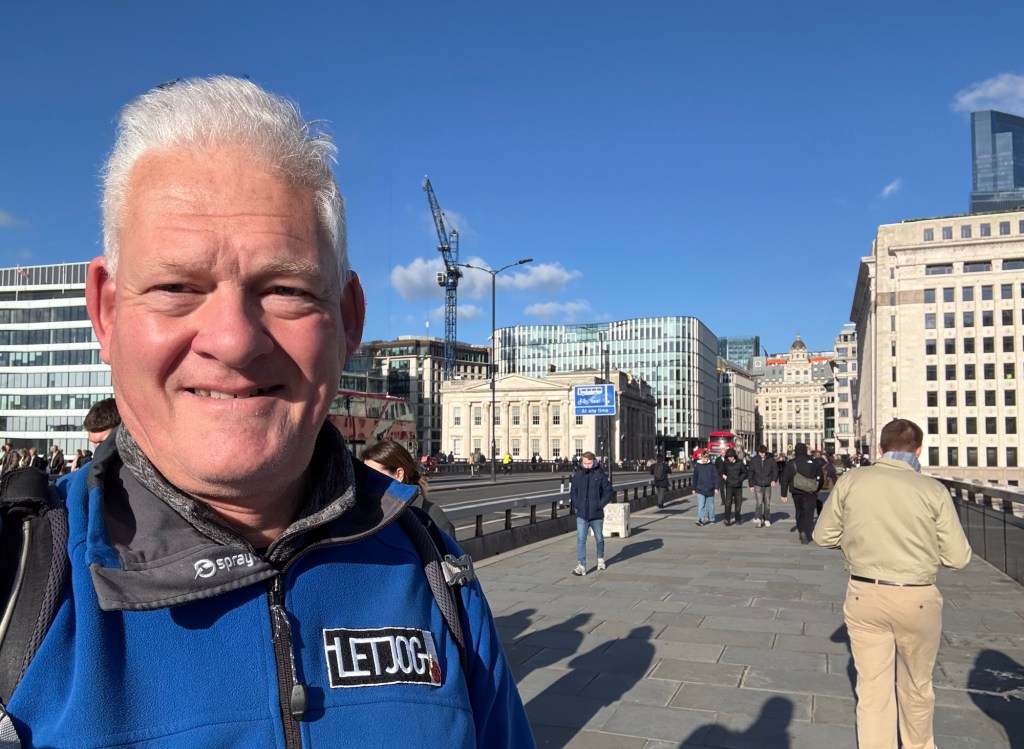
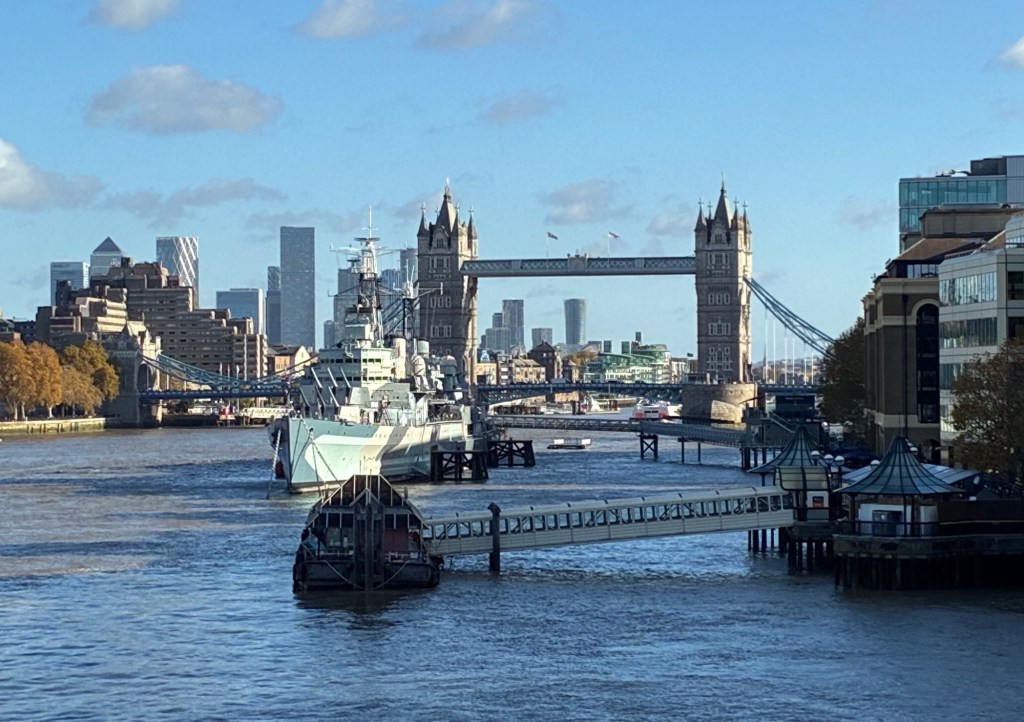
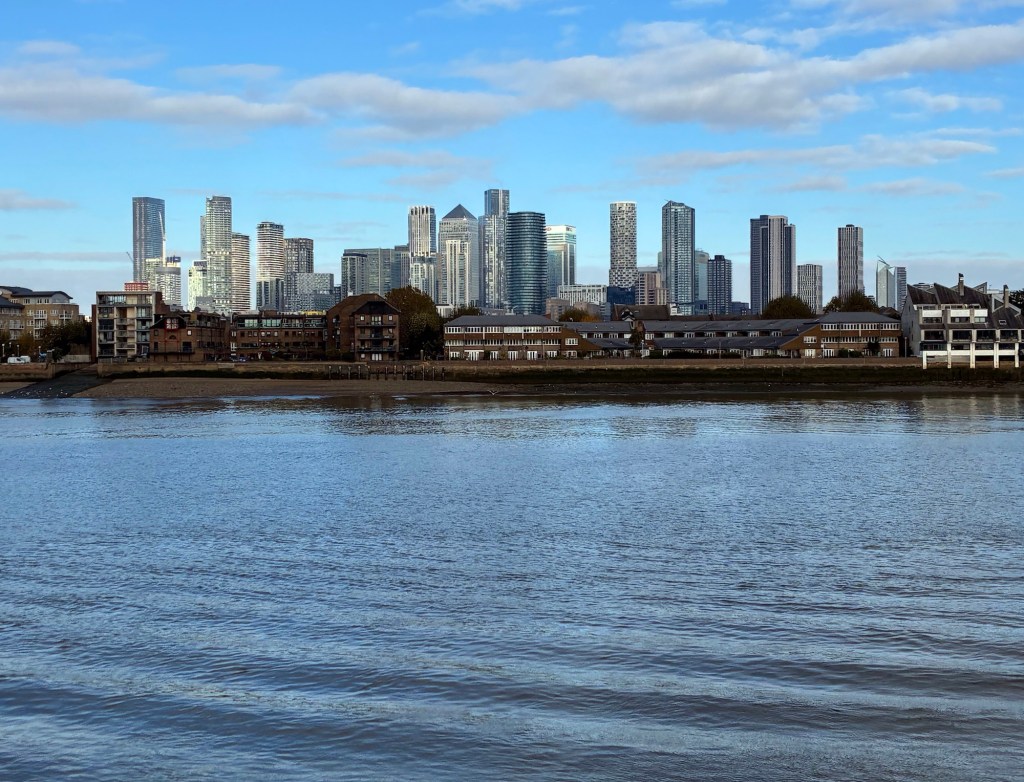
As for my progress, I awoke this morning in ‘my old bed’ at my parents’ house in Loughton, Essex, after a wonderful evening of food and merriment. My thanks to Mum and Dad, Pam and Ron – you’re both amazing, and thank you both for putting me up and for feeding me! After breakfast I was soon on the train back to Greenwich, where I stood once more by the Cutty Sark – but today under blue skies. Here are my pictures of my walk to London Bridge.

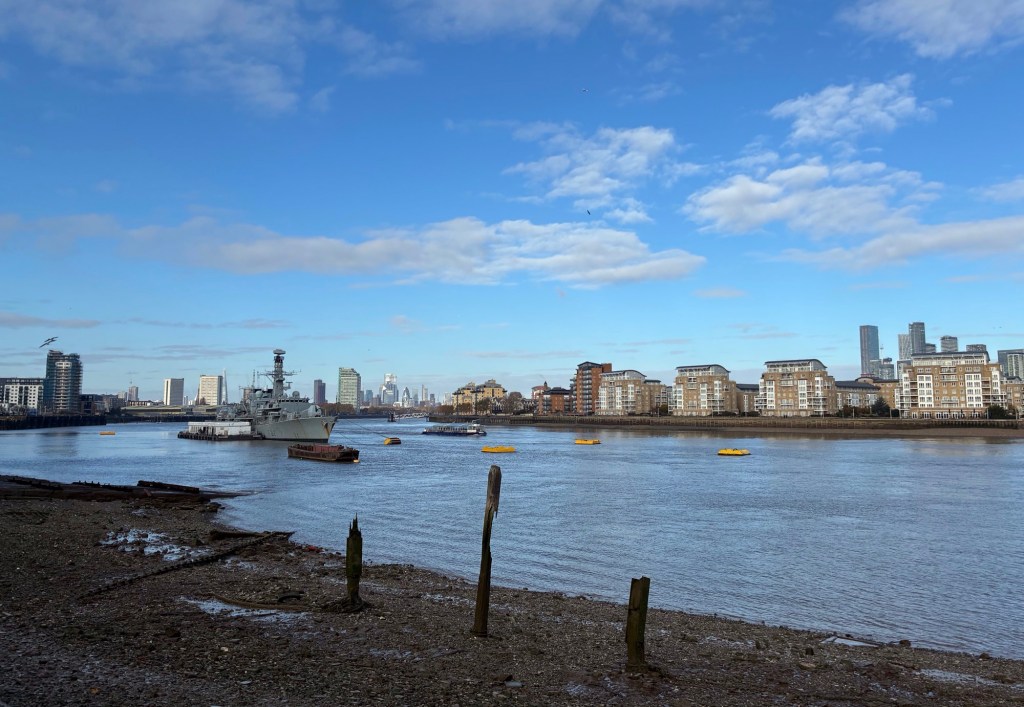
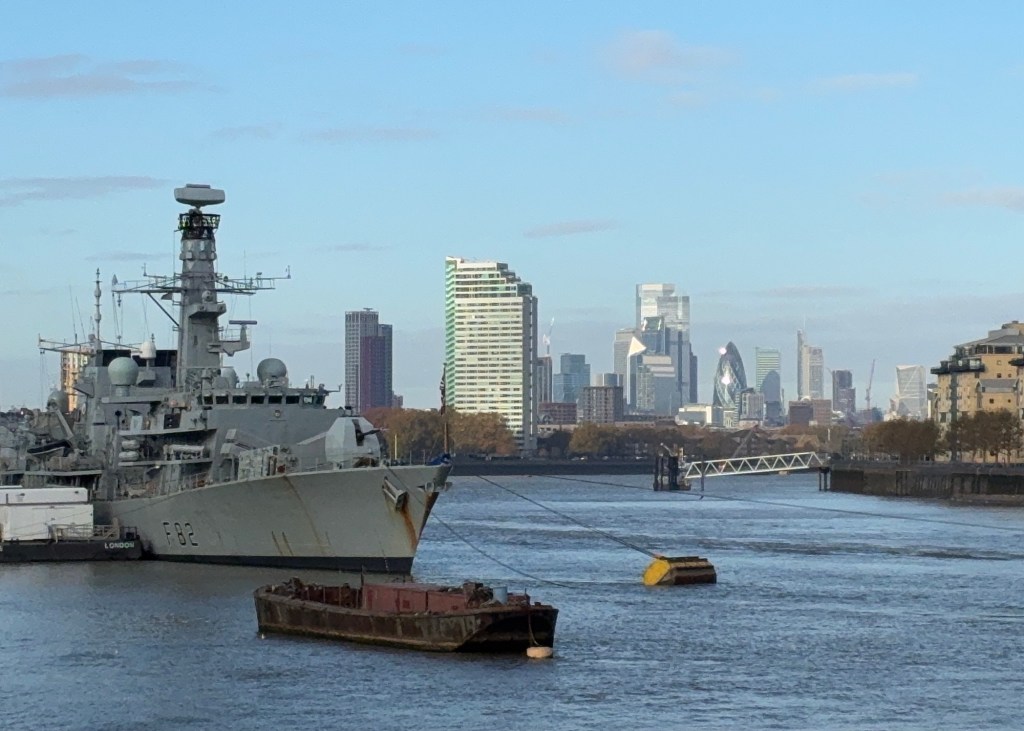
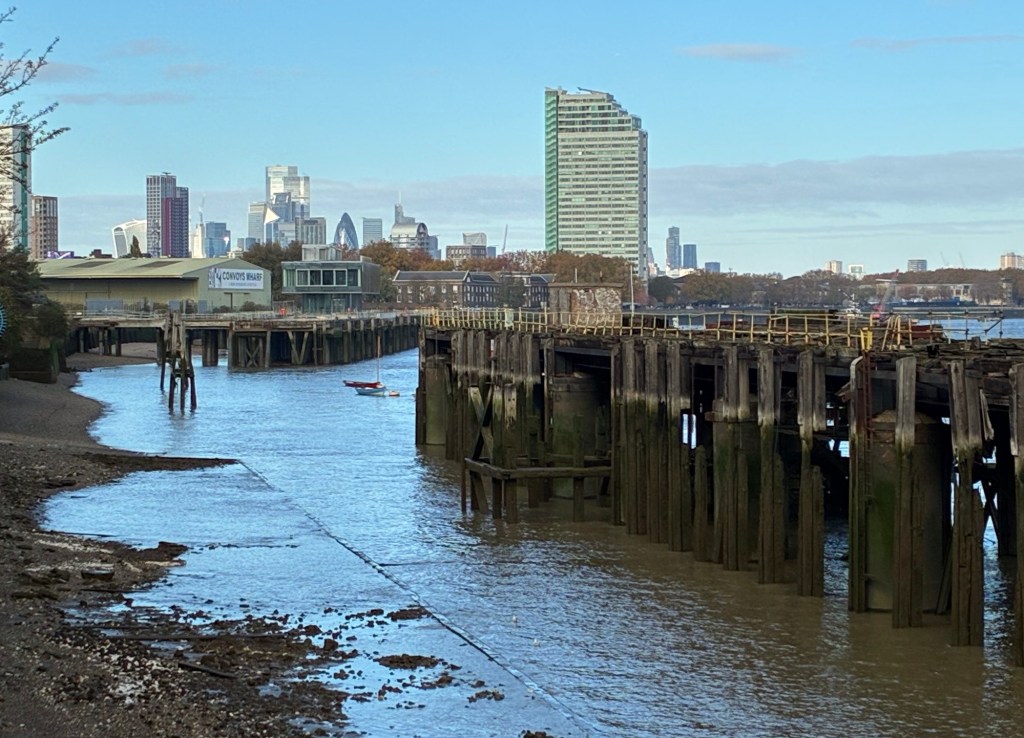
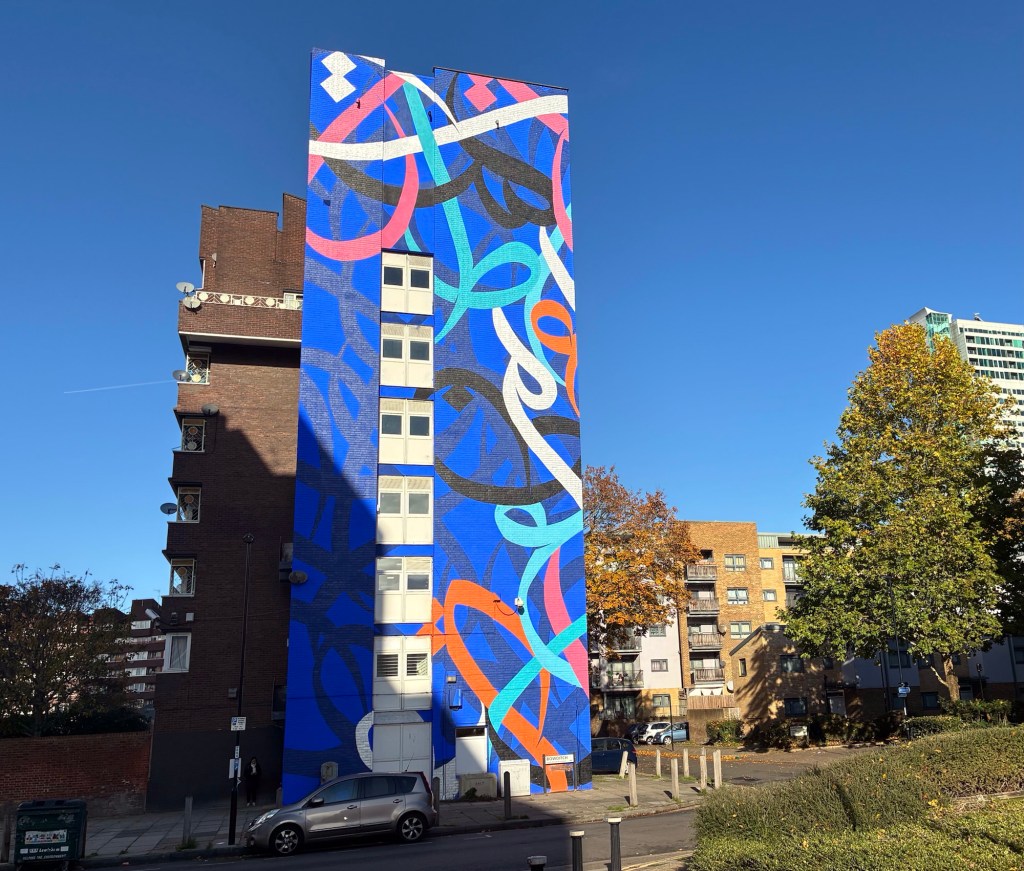
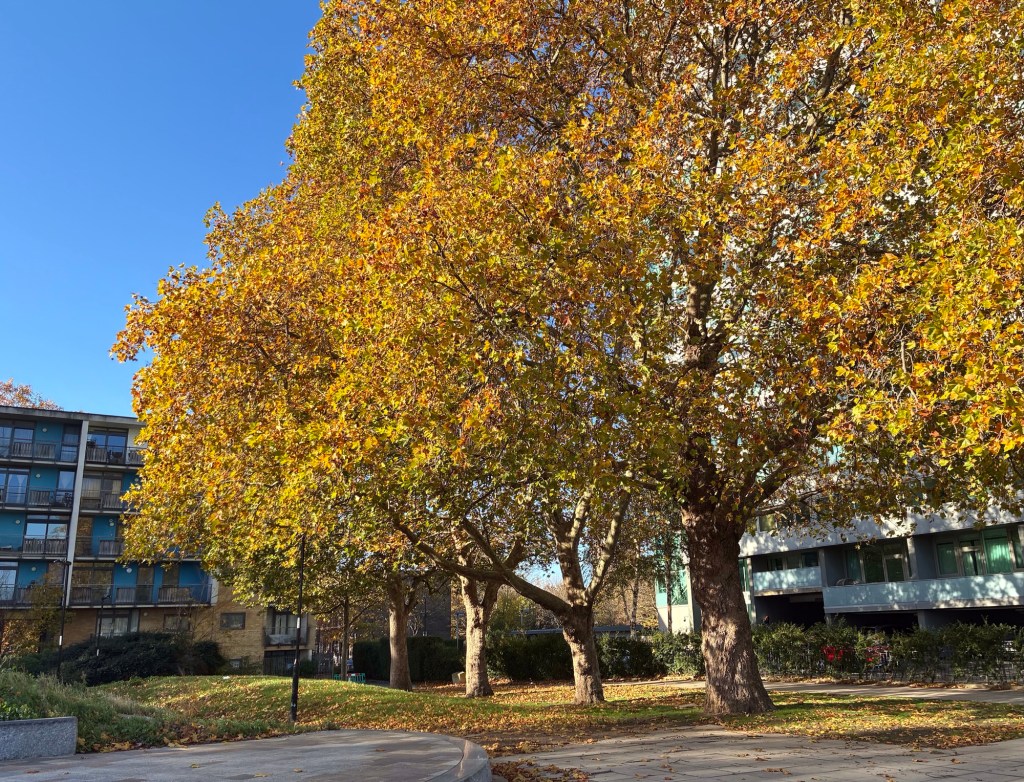
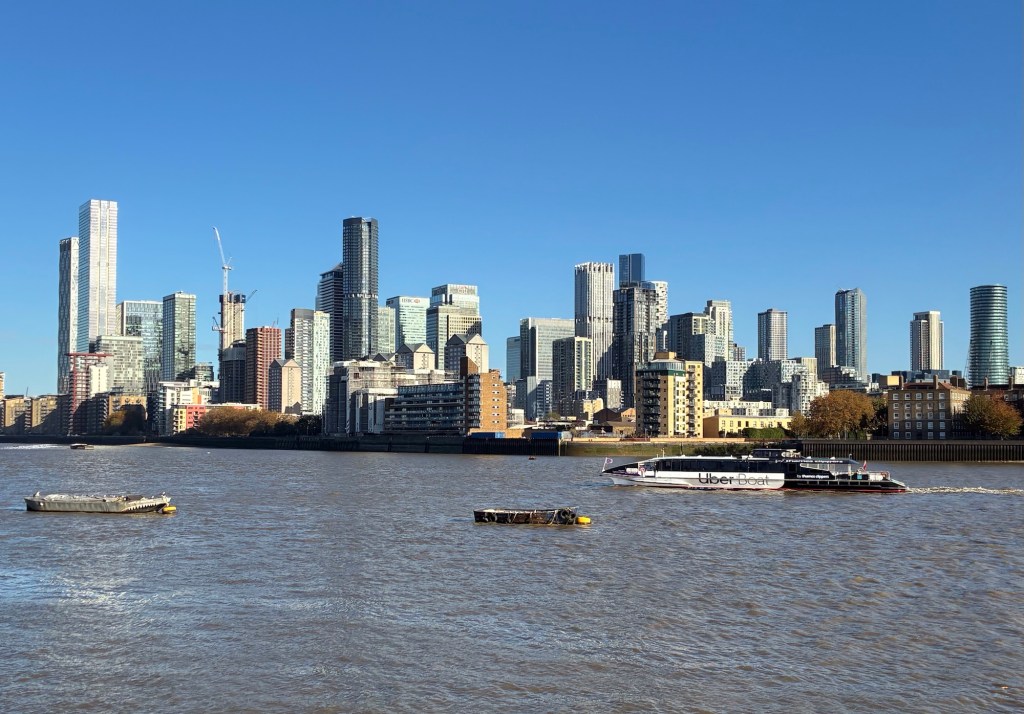
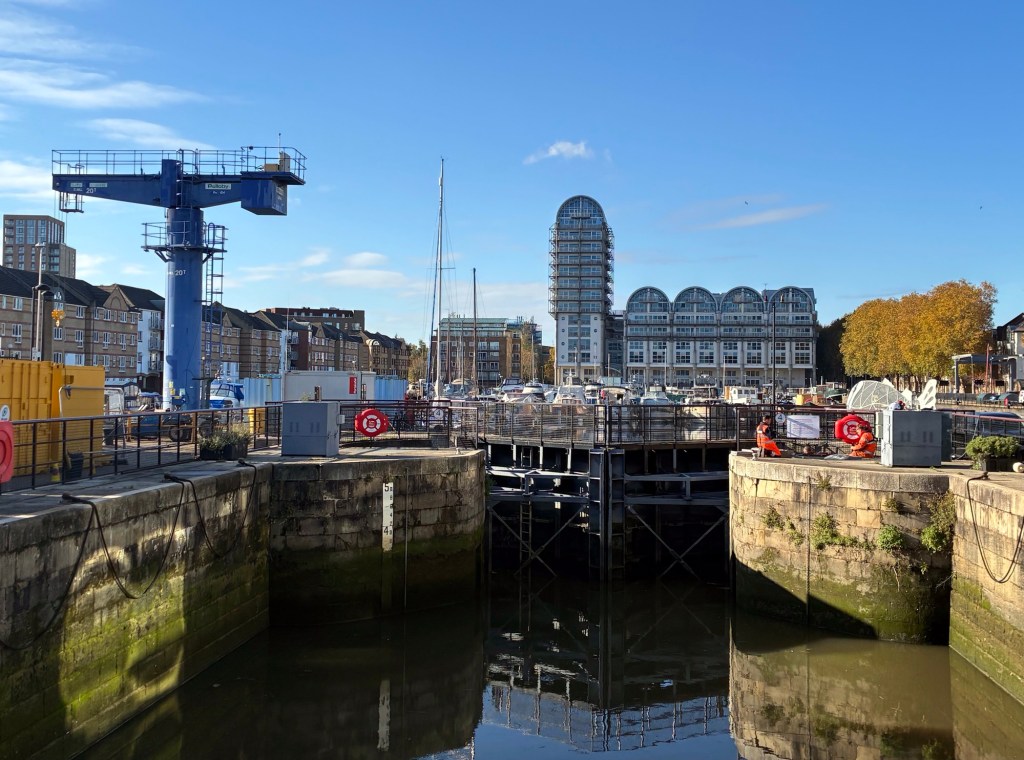
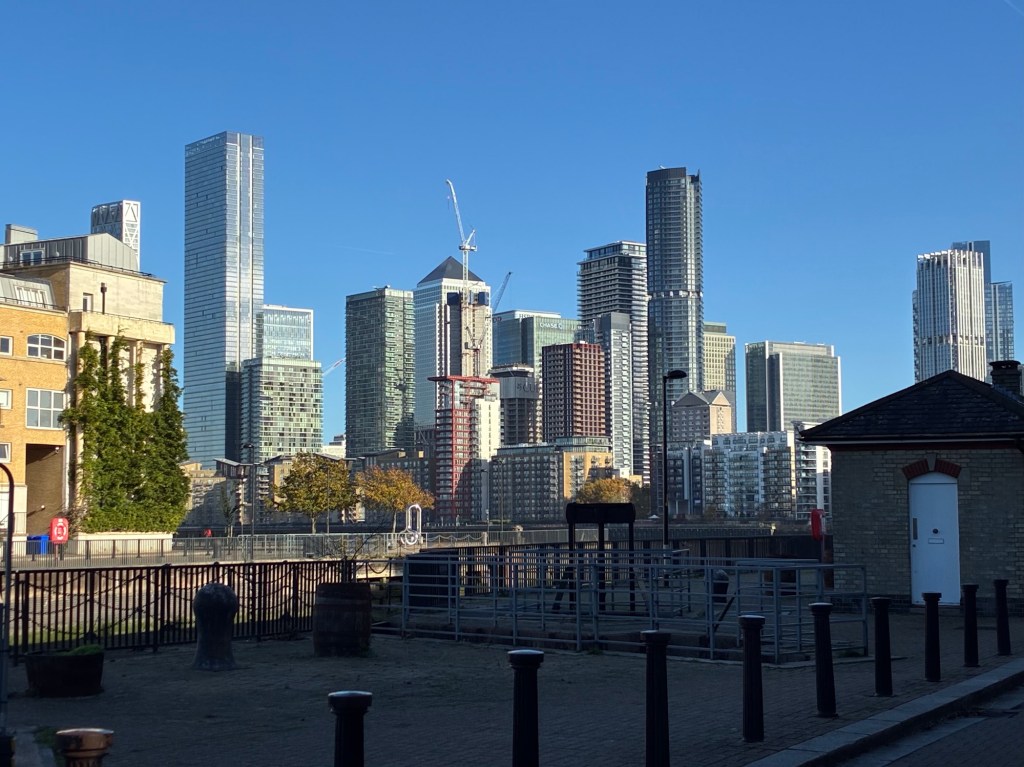
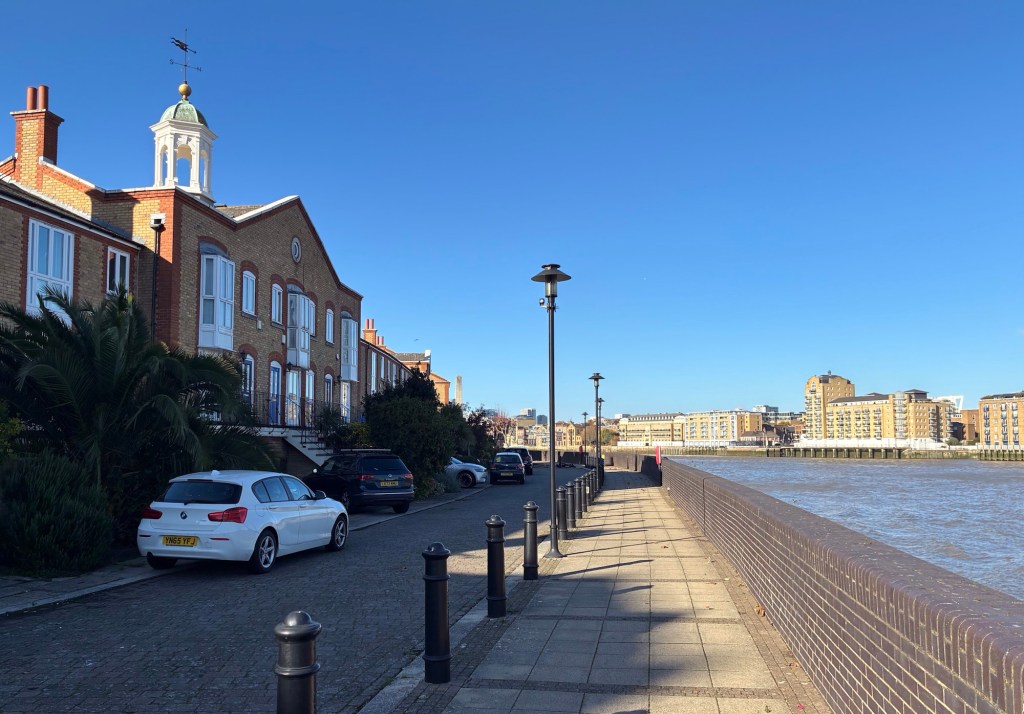
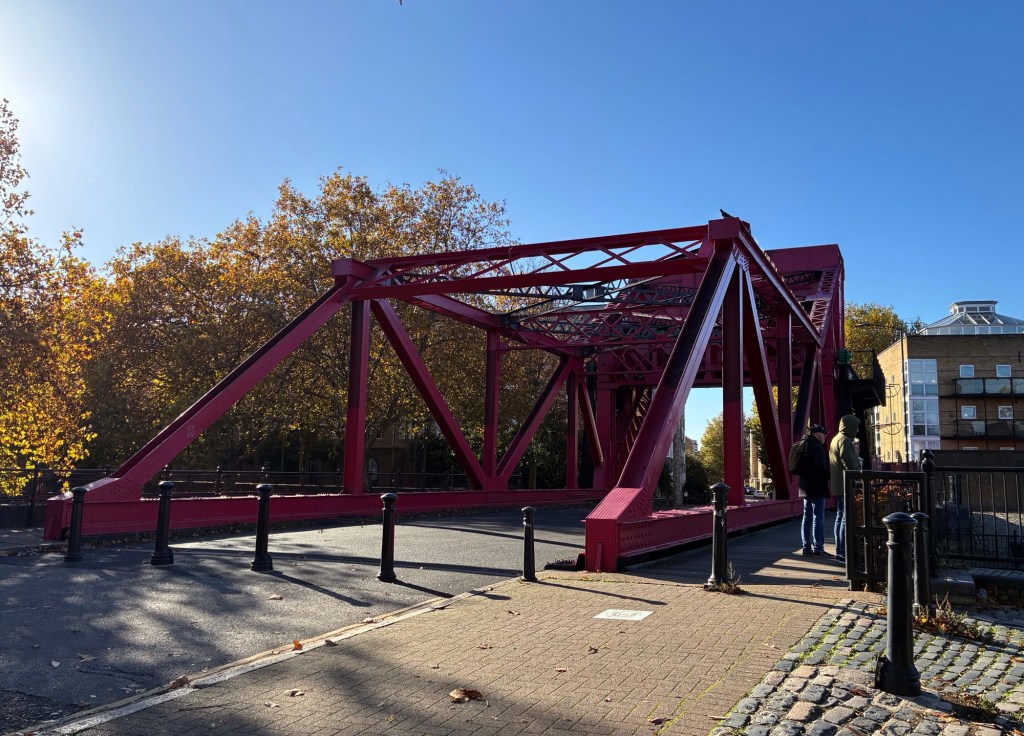
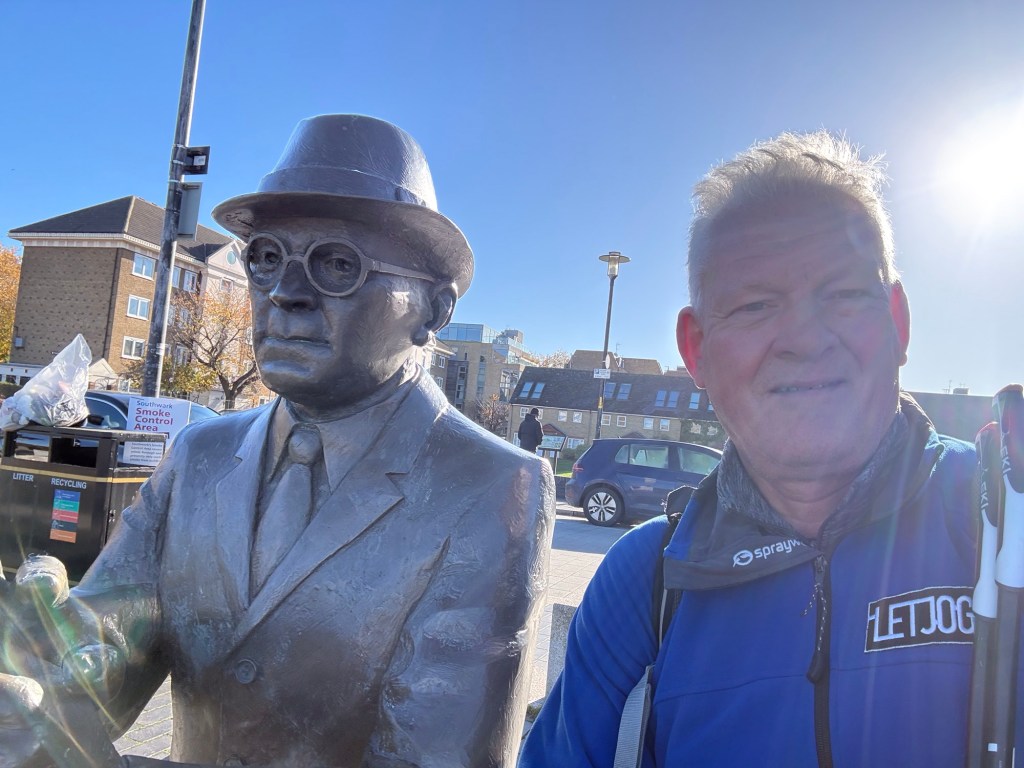
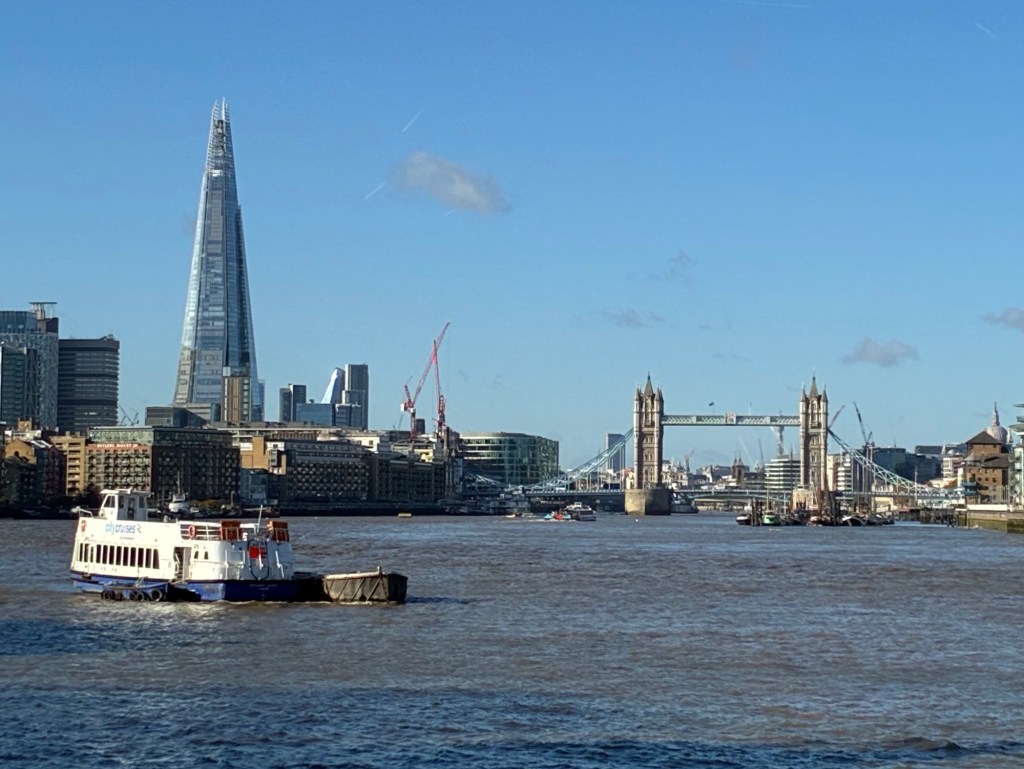
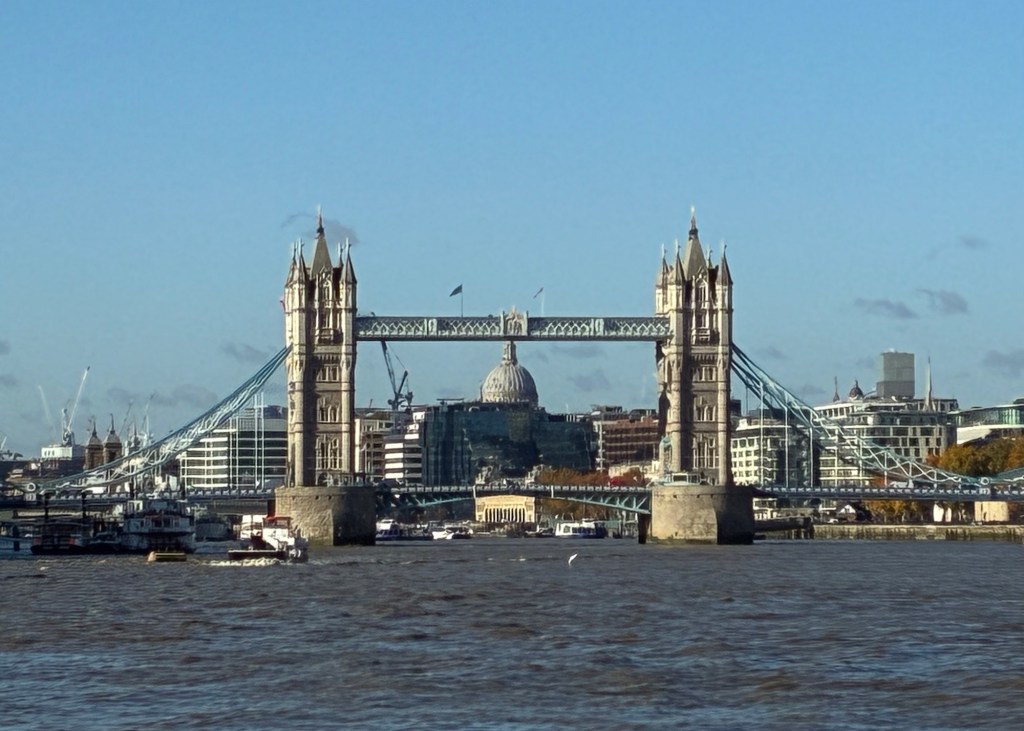
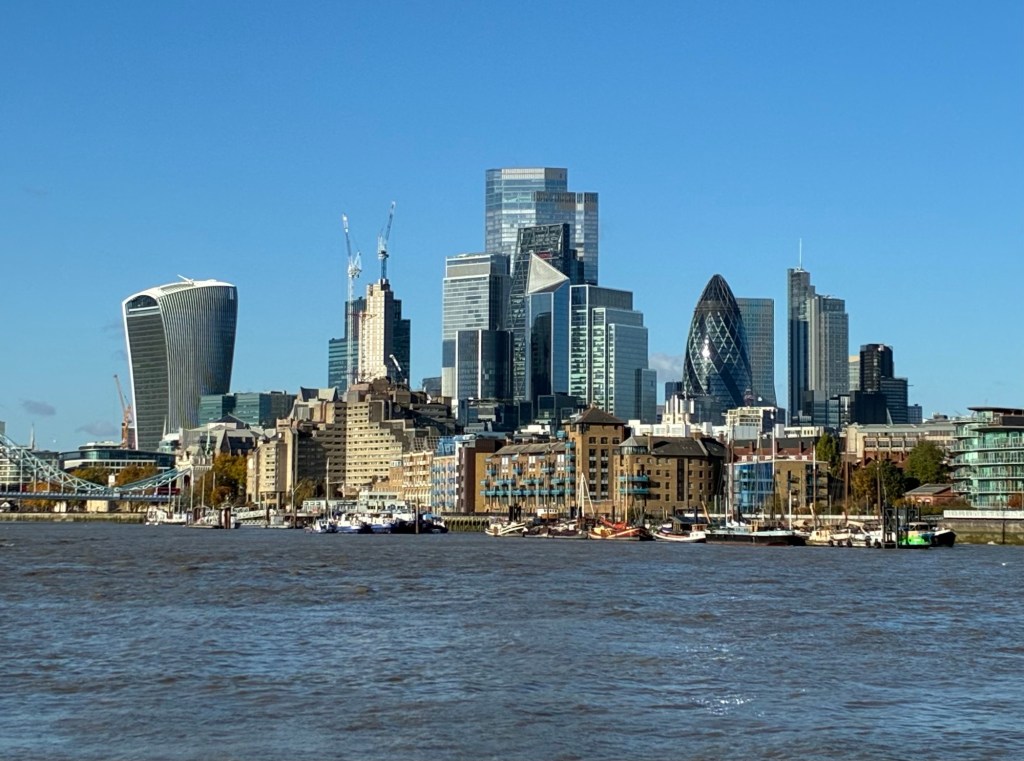
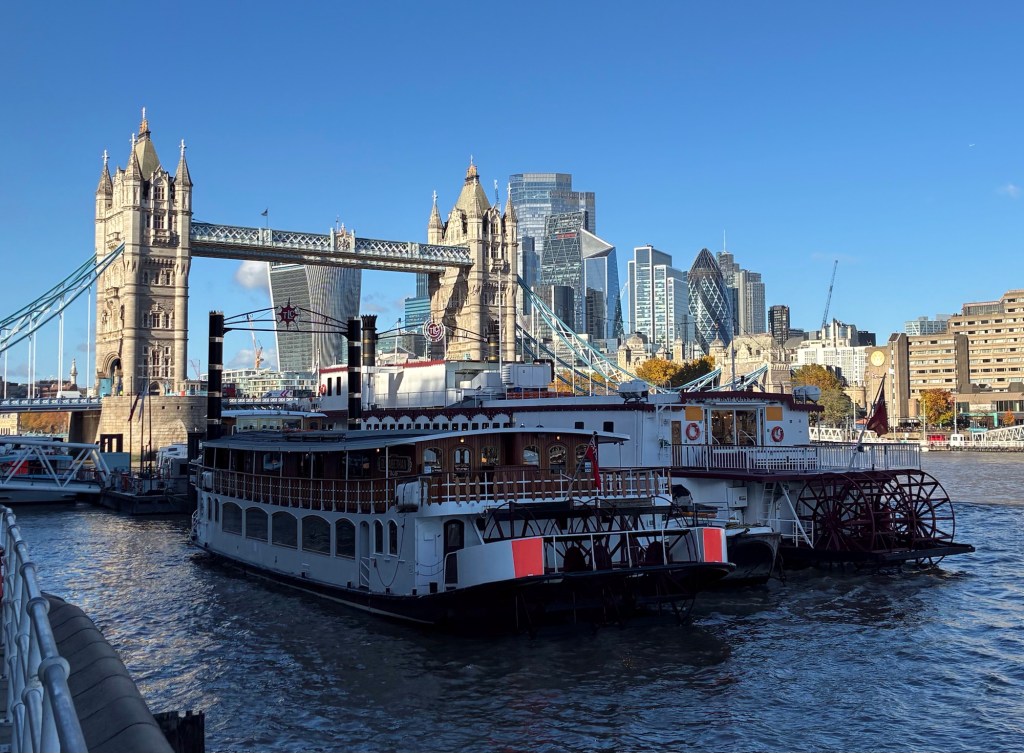
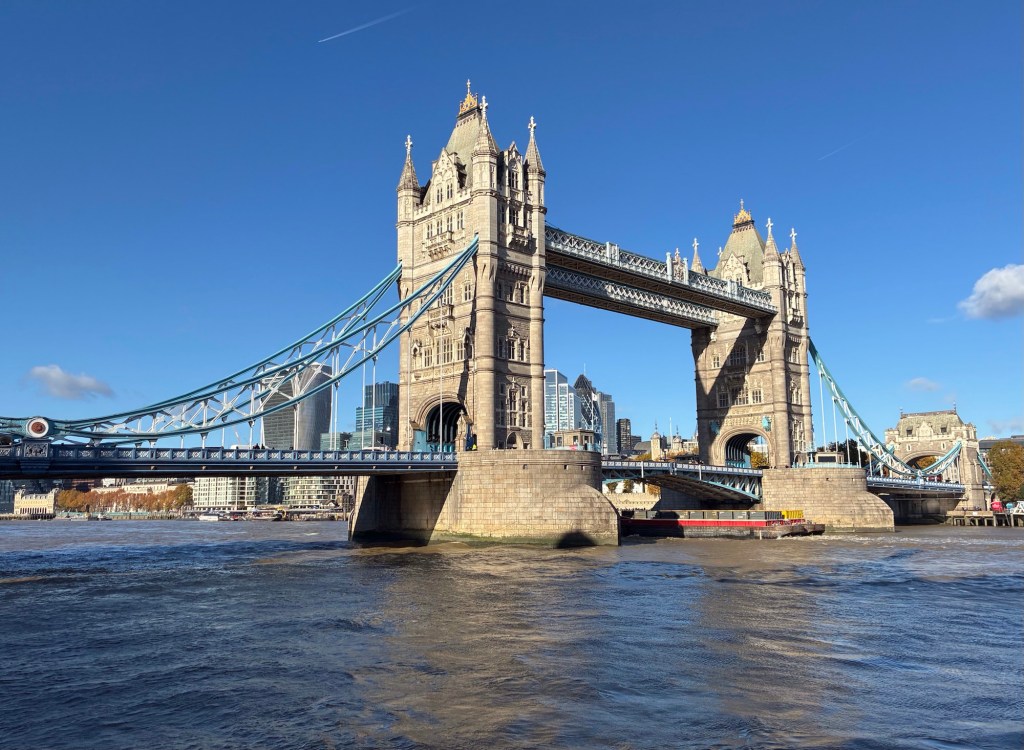
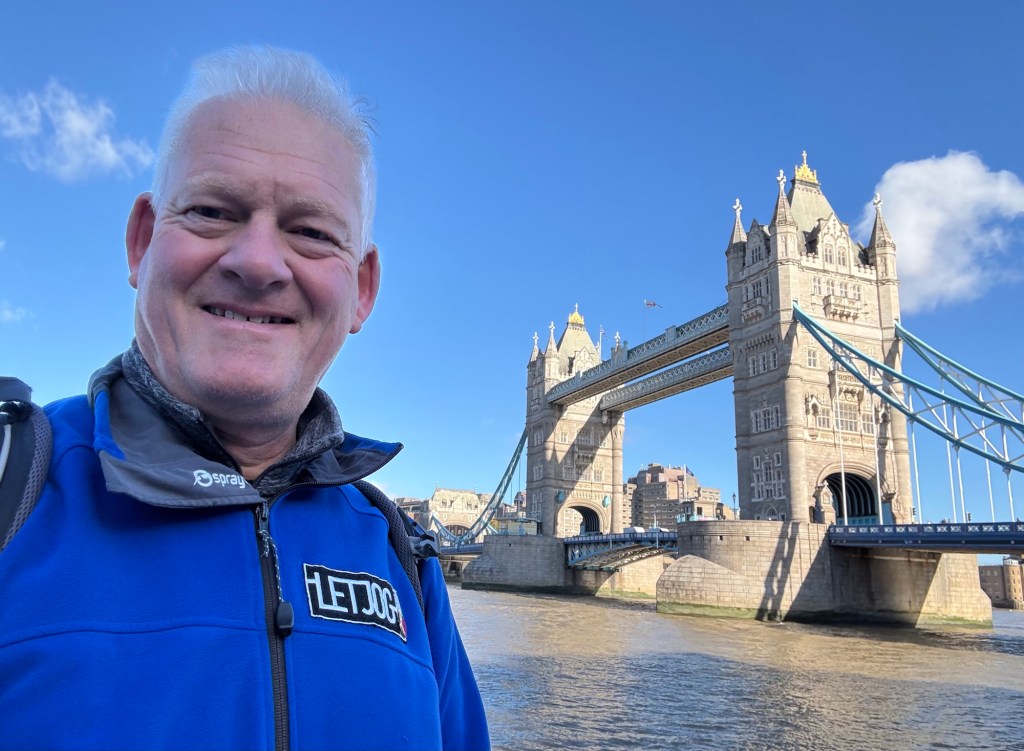
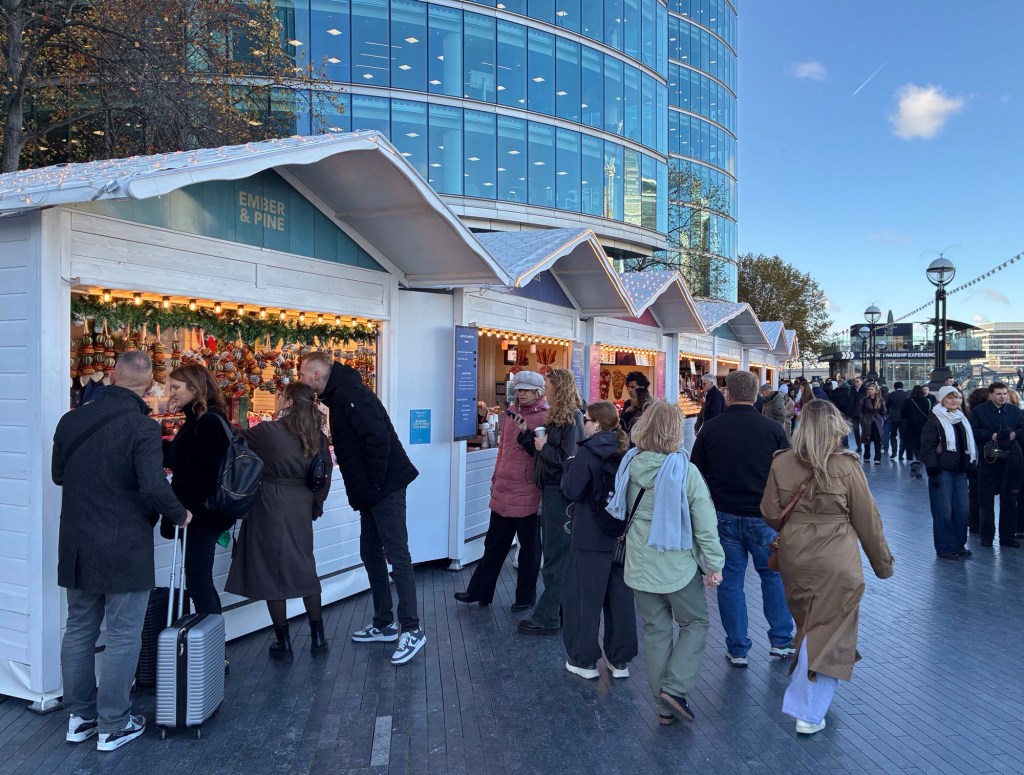
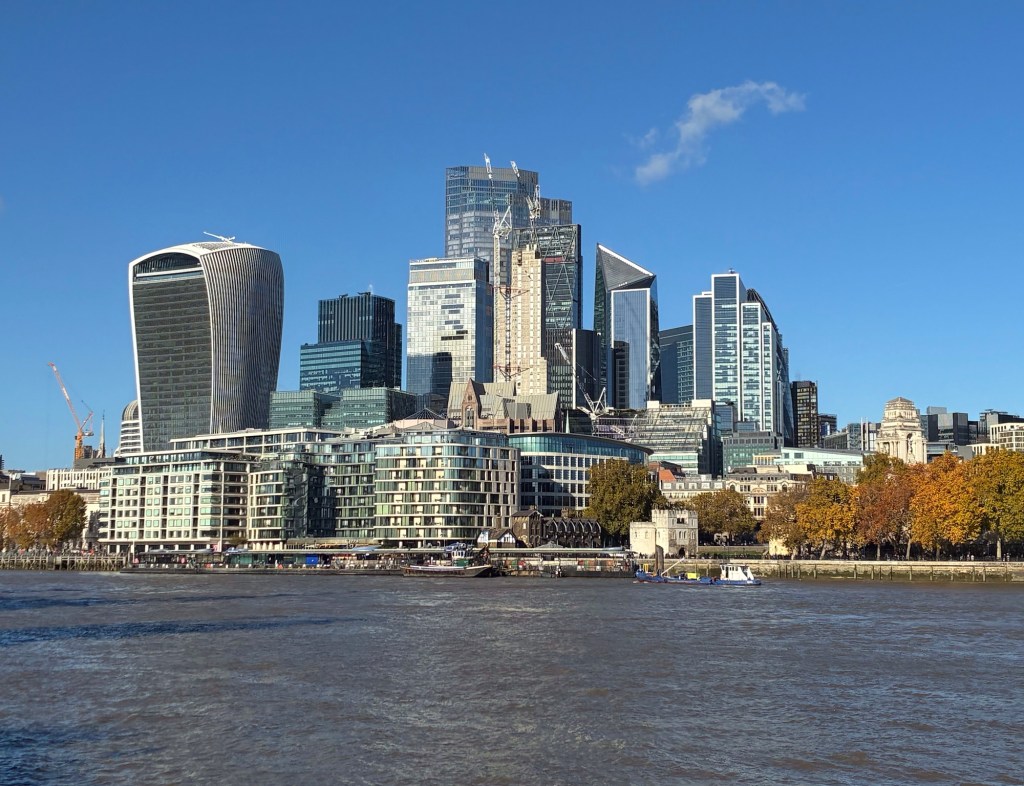
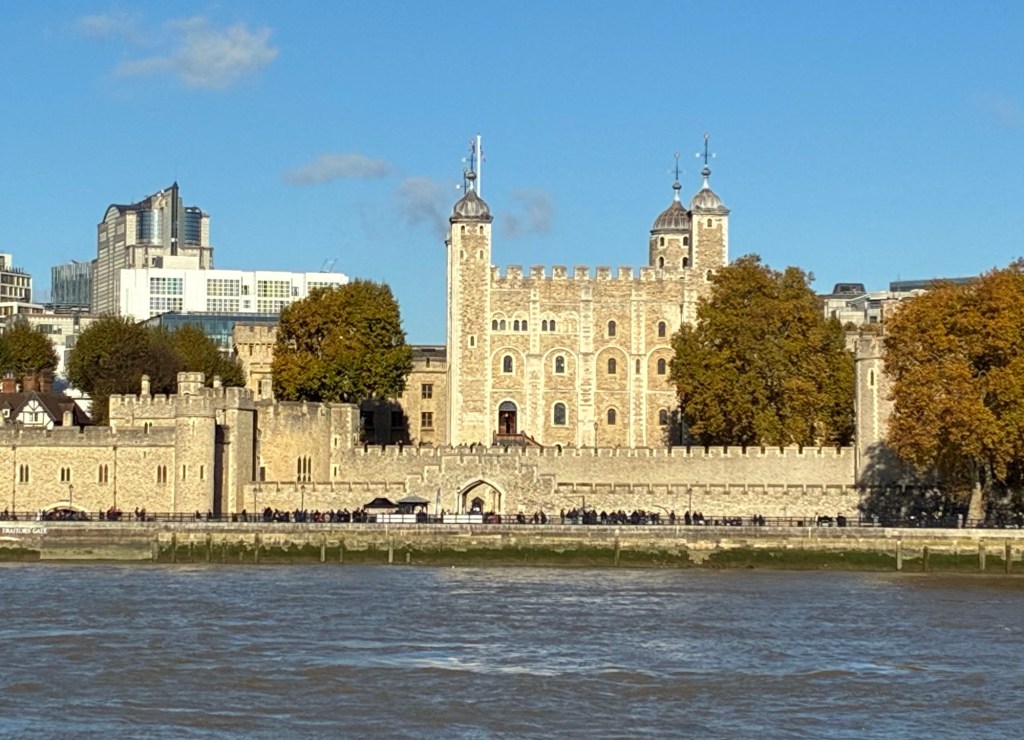
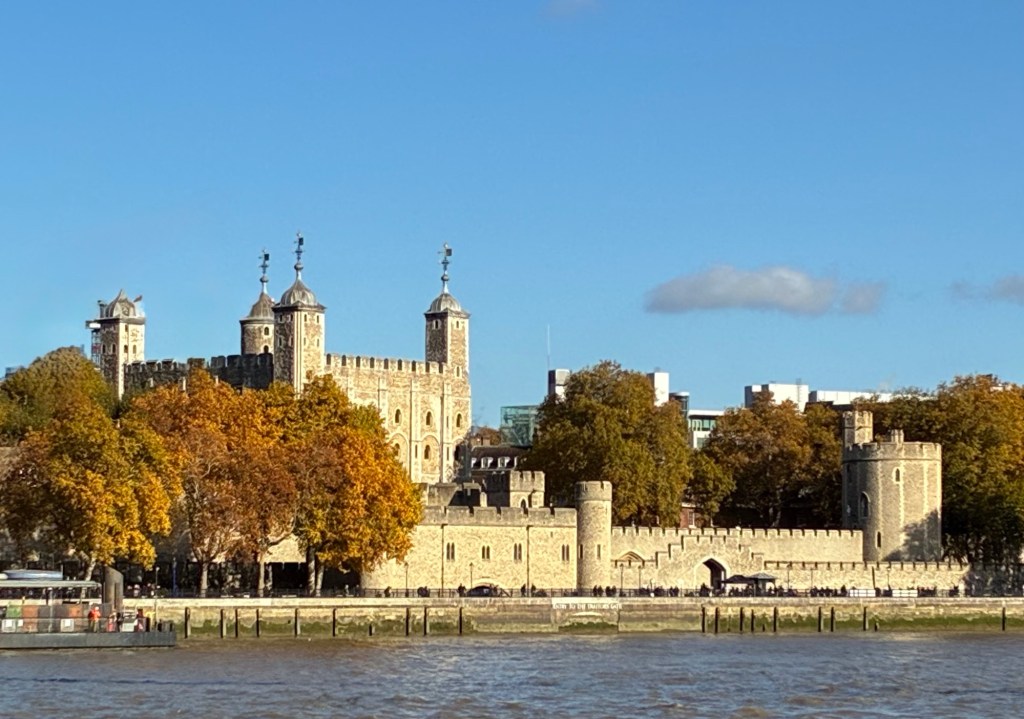
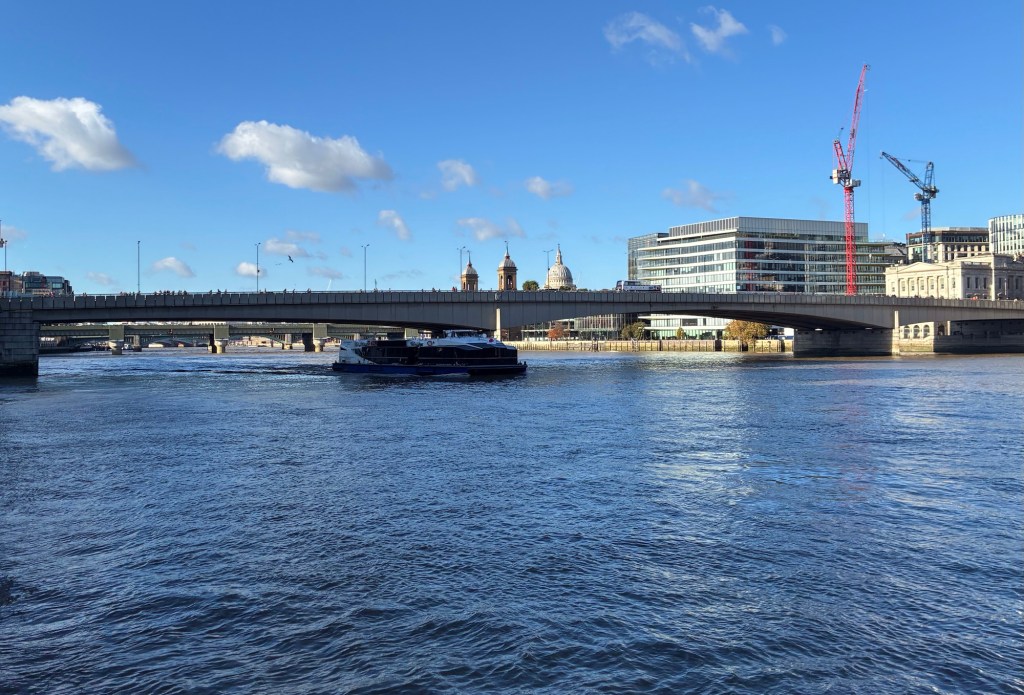
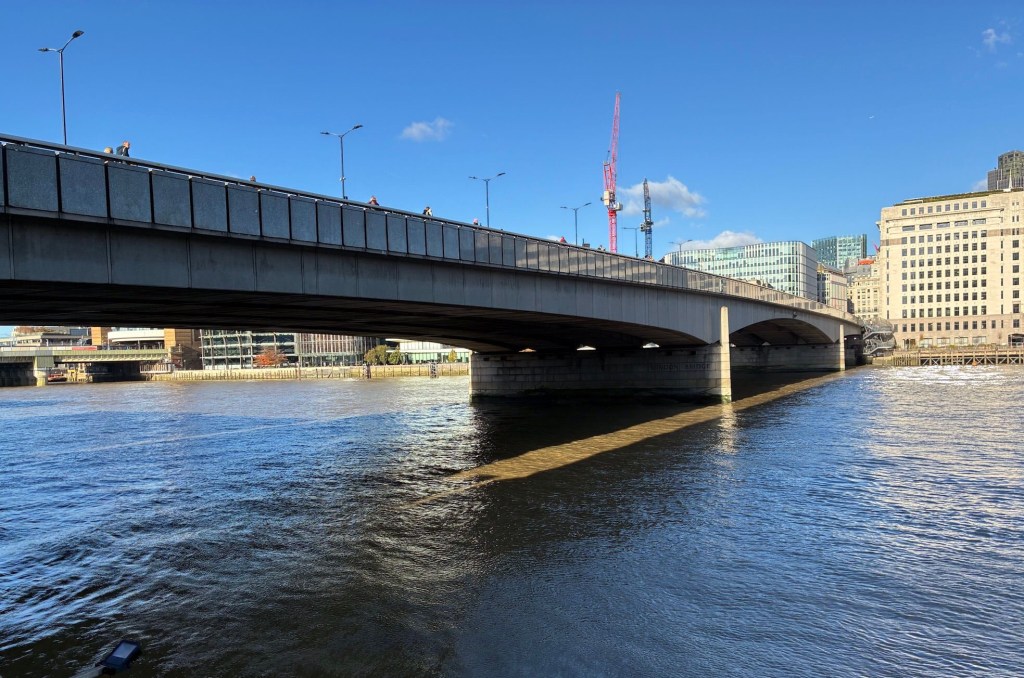
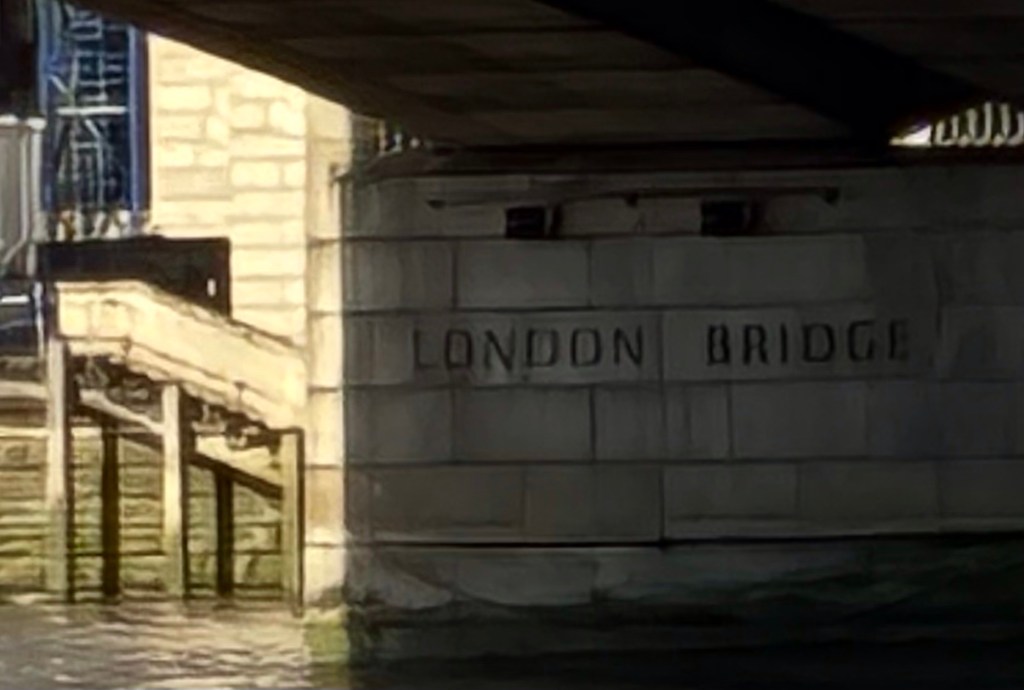
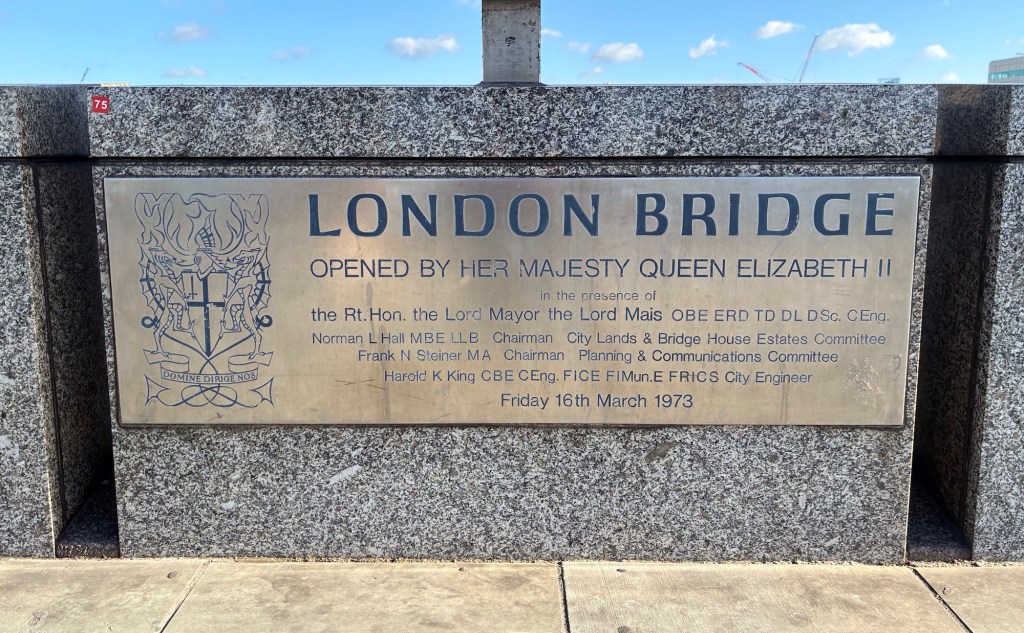
This evening, as we leave William’s plans in abeyance, I took advantage of my short day’s walk to cross the river (without hindrance) for a night at home in Berkhamsted with Rachel. It is lovely to be together and to enjoy a meal – even if the alarm is set for 7.00 am tomorrow, ahead of the next leg of my ROUTE 1066 walk.
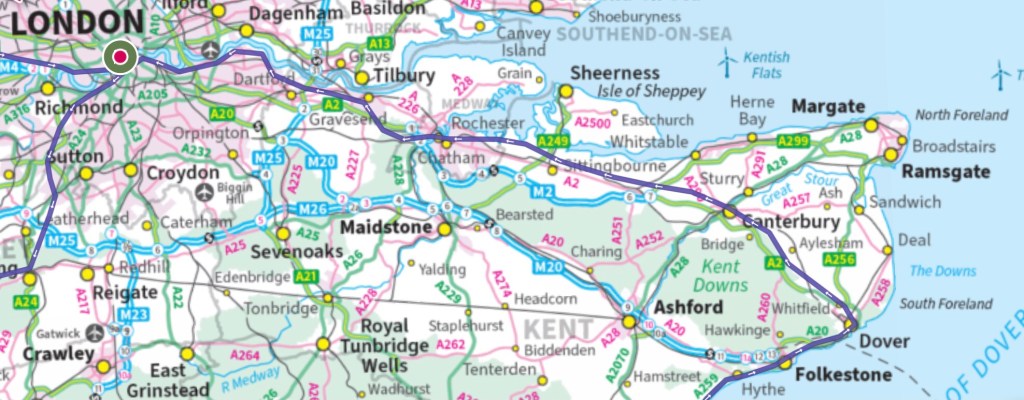
Today’s pleasant ramble saw me to the end of my second (of five) stages. I have now clocked up 167 miles on the ROUTE 1066 trail itself (plus another 17 in ‘extras’ such as finding my digs and dinner, etc) over 11 days, together with a cumulative climb of nearly 10,000 feet. My daily walks have taken me a total of 67 hours (including breaks en route) and entailed about 370,000 steps. This walk is not really about the stats, but I can’t help myself!

Thank you for following my ROUTE 1066 journey – re-tracing the steps of William the Conqueror in 1066 on his 360-mile campaign trail from Pevensey Bay, via Berkhamsted, and on to Westminster Abbey. If you are following my Blog, enjoying the ramble, and would like to help us to SAVE CASTLE FIELDS for future generations by pledging £39 to sponsor a 3×3-metre square of the land, then please click on this link:
THANK YOU ALL FOR SUPPORTING MY ROUTE 1066 WALK, AND FOR HELPING TO PRESERVE THE LEGACY OF CASTLE FIELDS
Today’s Blog heading ‘Burn’ adopts the title of an Ellie Goulding song from her 2013 album ‘Halcyon Days’ co-written by the artist, and released as the lead single from the album. The song is a catchy and ‘radio-friendly’ number that was commercially successful and earned Goulding her first No 1 hit on the UK singles chart, as well as being commercially successful in the US and beyond.