ROUTE 1066 – Day 16: Tuesday 17 November 2026 – FLEET to READING (18 miles)
On arrival in Reading this afternoon, on this latest leg of my ROUTE 1066 walk, I certainly received the VIP treatment! Rachel had been at work, contacting the Reading Museum, where rests the Bayeux Tapestry replica, and on showing up there for a viewing of the artefact, I was soon promoted to the ‘sold out’ private guided tour. So I sat still and warm for 15 glorious minutes, resting my limbs whilst listening to the history of the original tapestry and then of this replica. Suitably briefed we were then shown around the gallery, with a ‘scene by scene’ commentary from Rosie, our knowledgeable guide. I have read a lot recently on the Norman inquest as you might imagine, but there was plenty more to learn during the hour of the tour. So thank you to Rachel, and also to Bohemia who welcomed me to the Museum, and to Rosie for the illuminating talk.
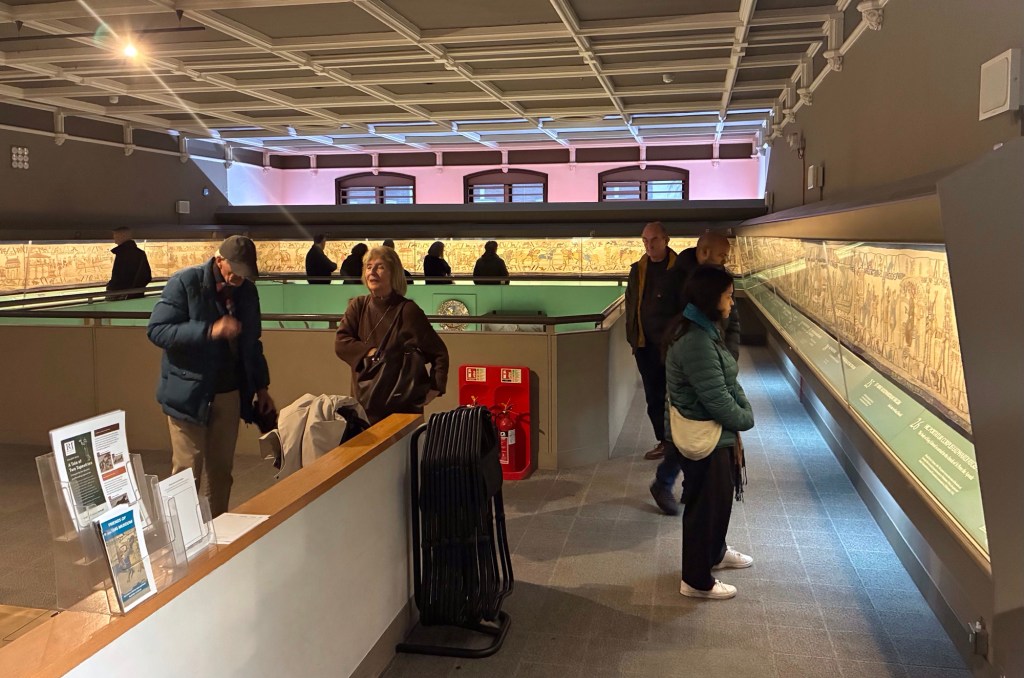
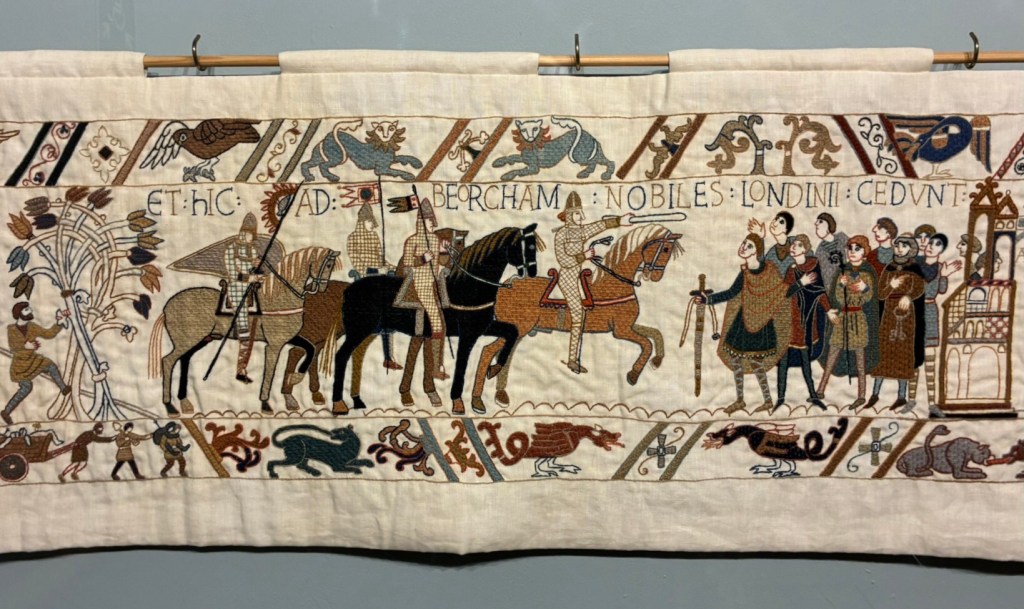
Just a few facts on the two fabrics: the original Bayeux Tapestry was made in England (probably in Canterbury) by skilled Anglo-Saxon embroiders between 1072 to 1076 (so in the decade following the conquest), probably on the orders of Bishop Odo, William’s half-brother and by then the ruler of Kent. As such it depicts a Norman viewpoint, with a pre-text of demonstrating William as gracious and as the rightful King of England, but with Odo’s centrality and importance to the fore. It is, by any reckoning, an extraordinary piece of work, and a hugely important pictorial document, and it is quite miraculous that, aside from the three final ‘scenes’, the piece has survived intact. The idea of a replica tapestry was conceived in the mid-1880s by Elizabeth Wardle who, as part of a team of 35 ladies from the Leek (Staffordshire) Embroidery Society, working from hand-coloured photos, spent a year producing this fine copy (from which the following photos are taken), albeit with a few adornments made to the original naked characters to satisfy Victorian modesty. The tapestries cover the events leading up to 1066, and William’s preparation for the conquest, through to the Battle of Hastings and William’s victory over the slain Harold. The last three scenes, thought to have featured William taking the Anglo-Saxon surrender (and hence the Crown of England) in Berkhamsted, his (largely bloodless) march to London, and his coronation at Westminster Abbey on Christmas Day 1066, have been recreated by an embroider-historian, Jan Messent. Aside from one spoiler in the first photo above, I shall keep these latter scenes until the appropriate moment on my ROUTE 1066 journey, but meanwhile the following pictures feature some of the events covered in these Blogs over the last two weeks or so.
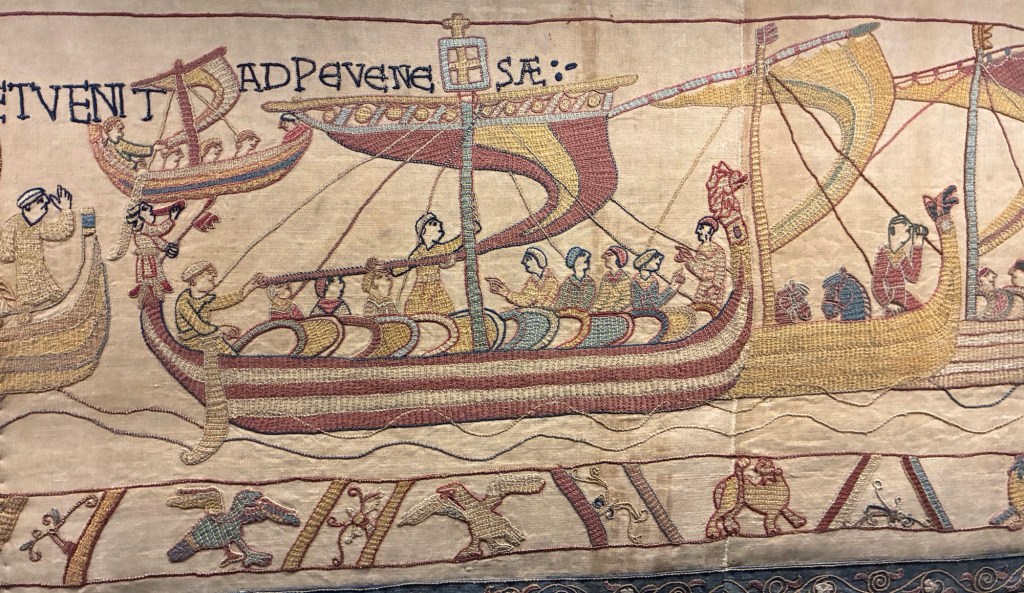
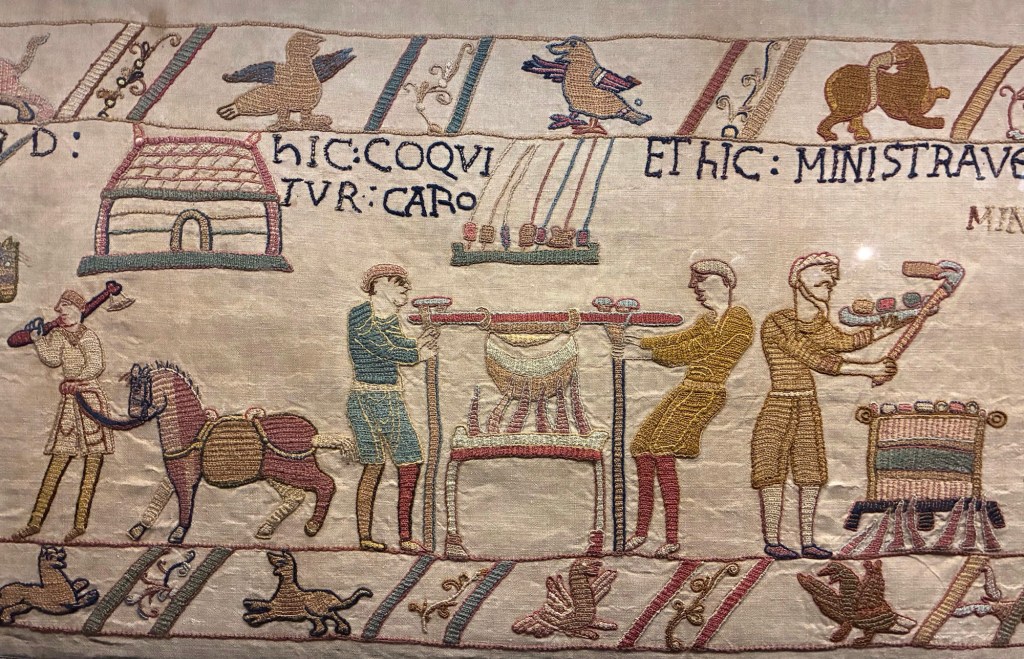
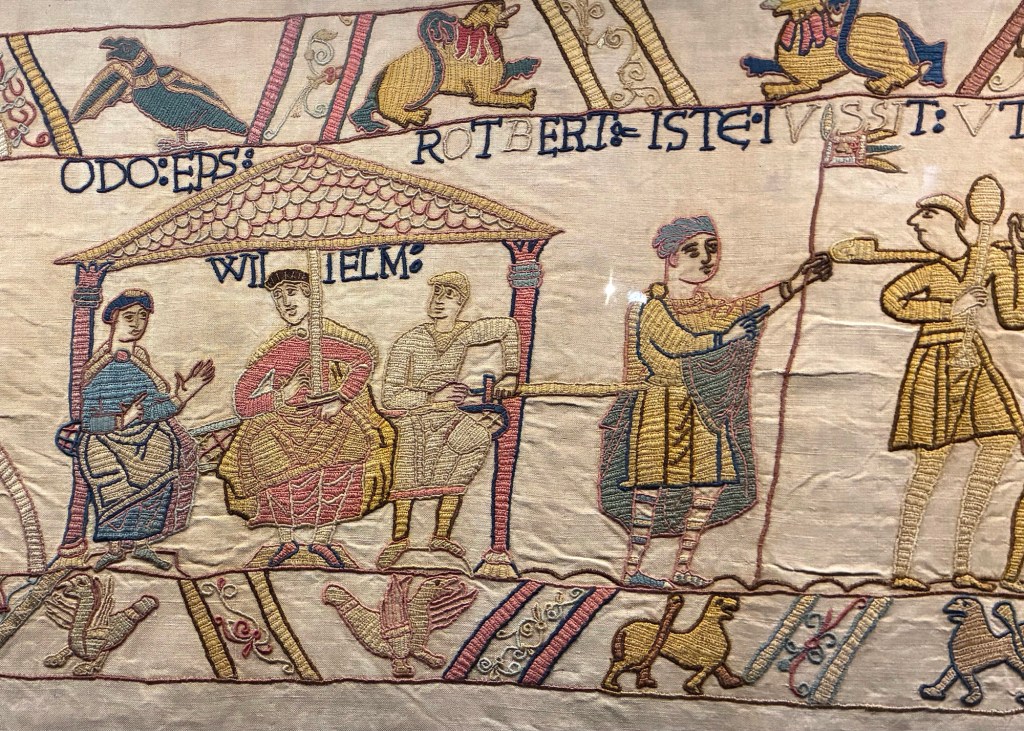
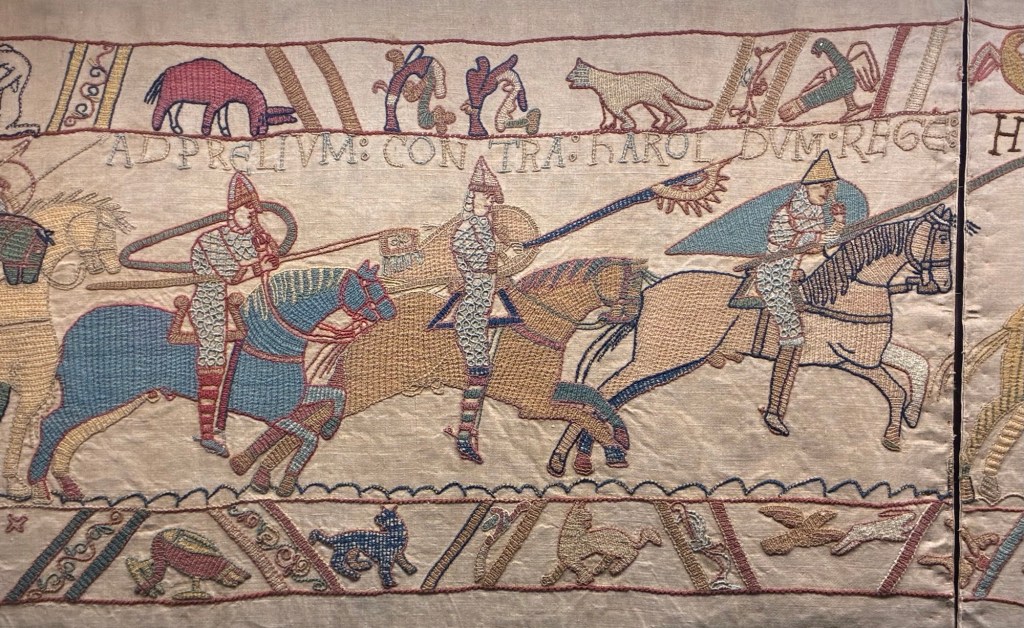
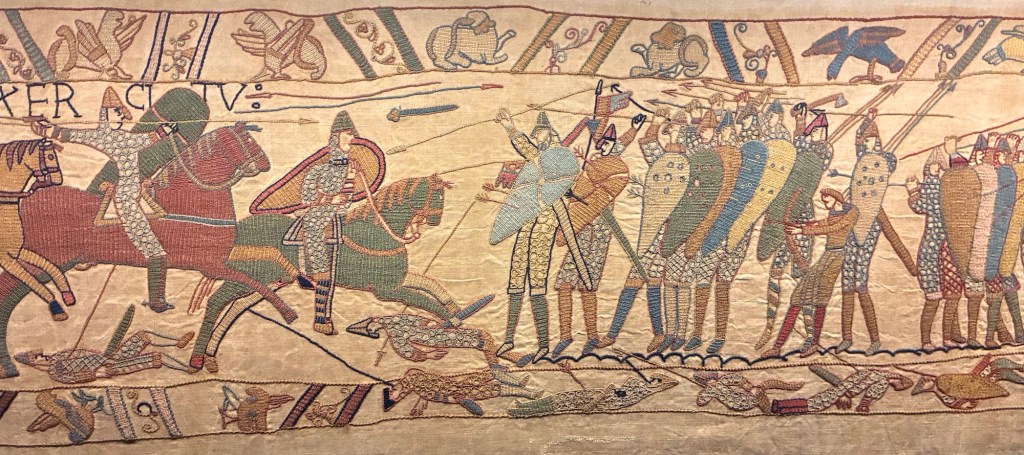
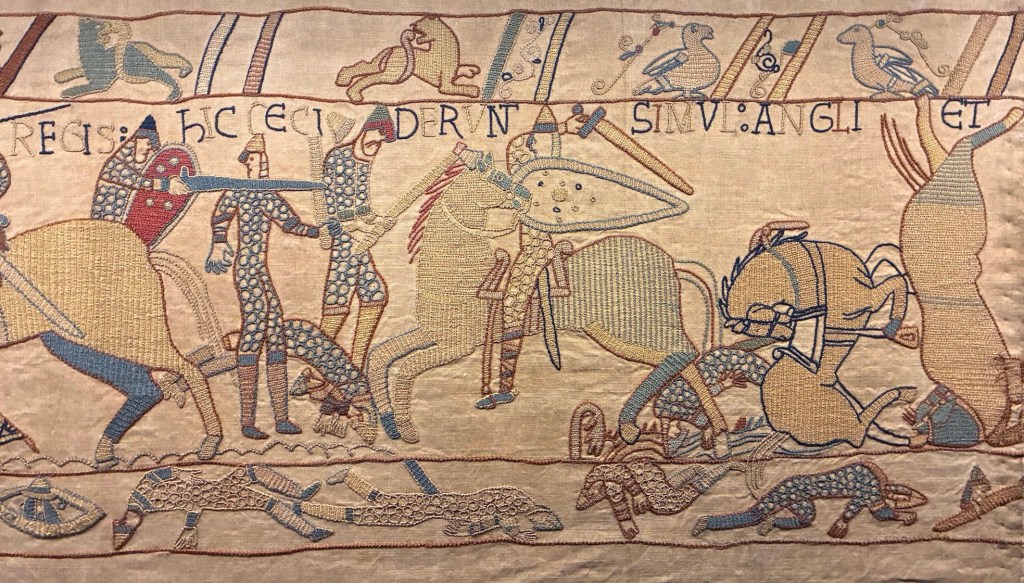
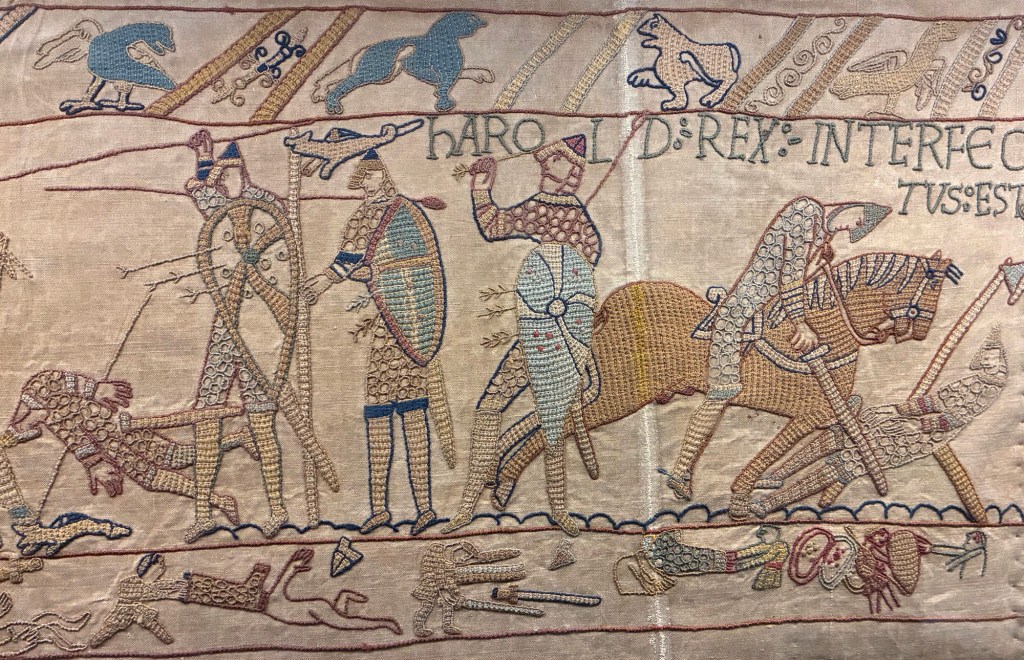
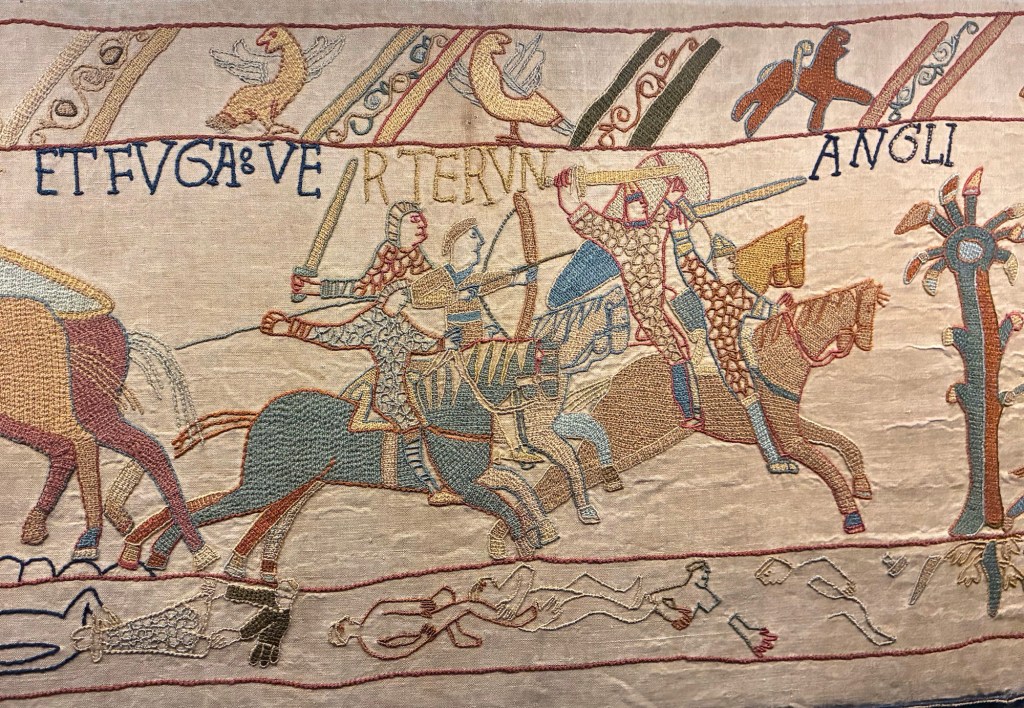
I will bring us back to the present day now, and to my walk.
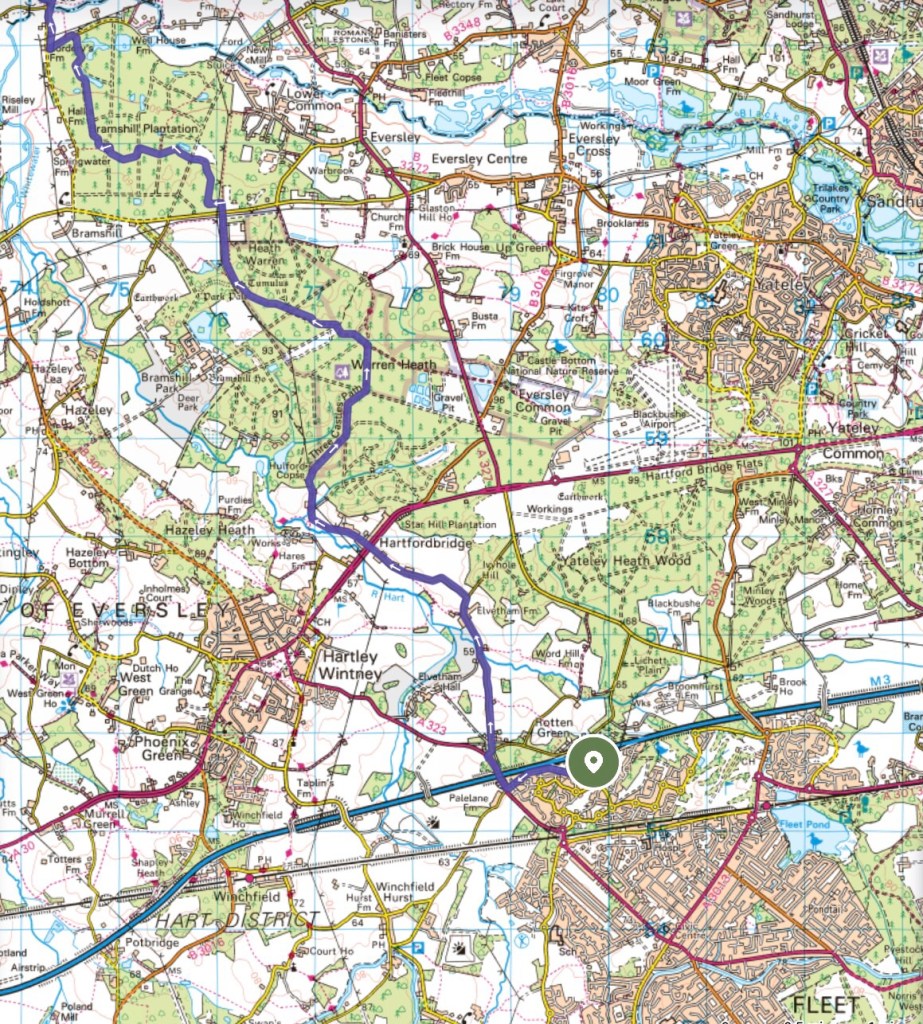
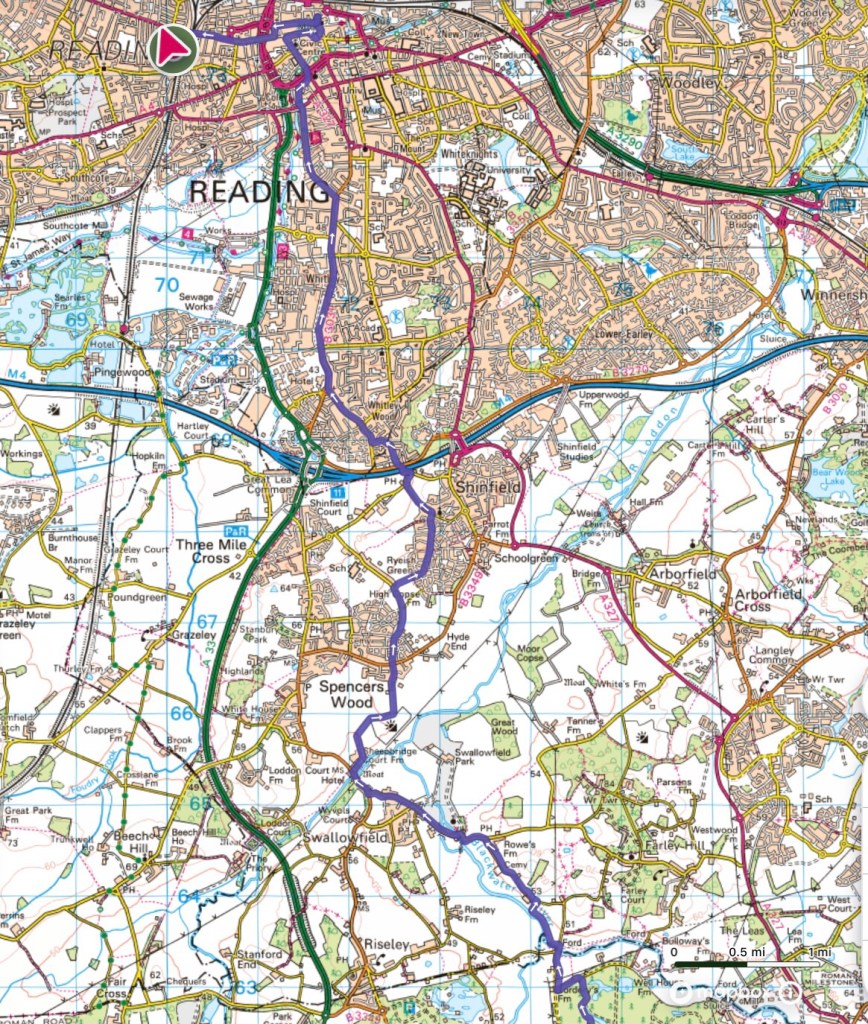
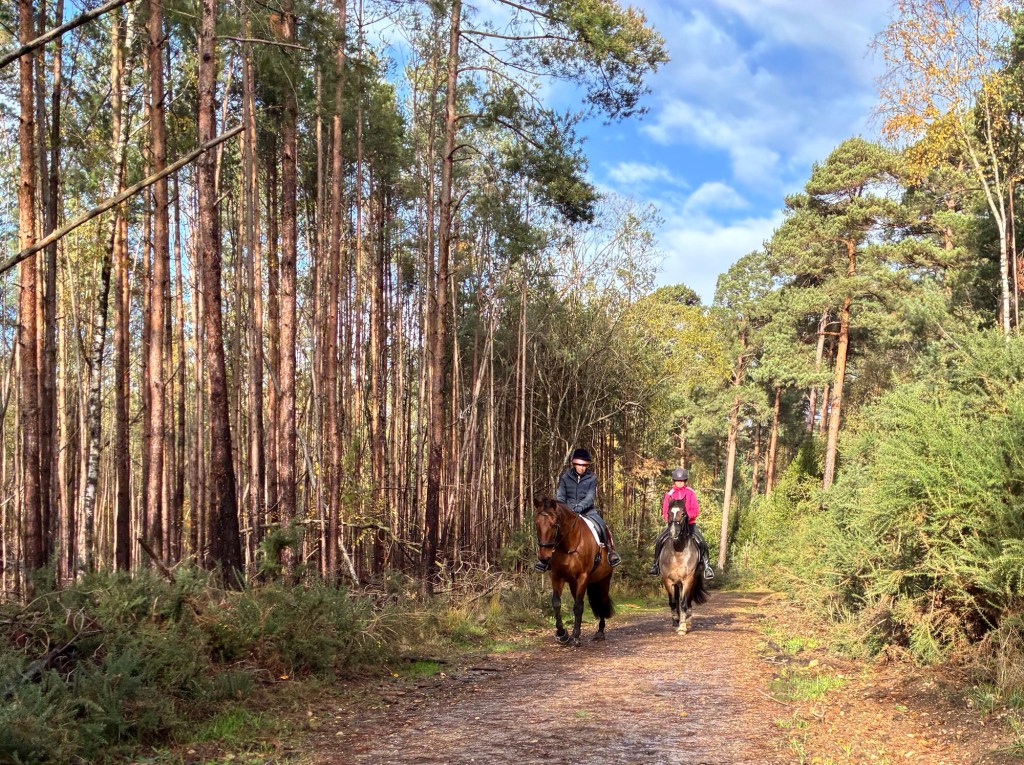
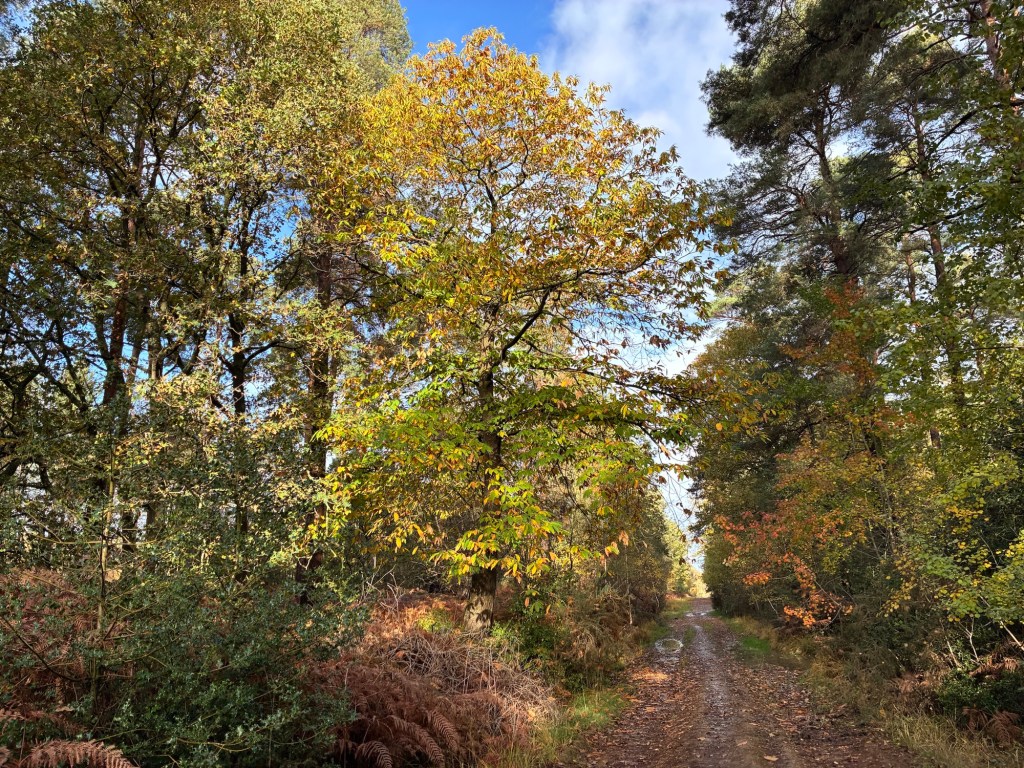
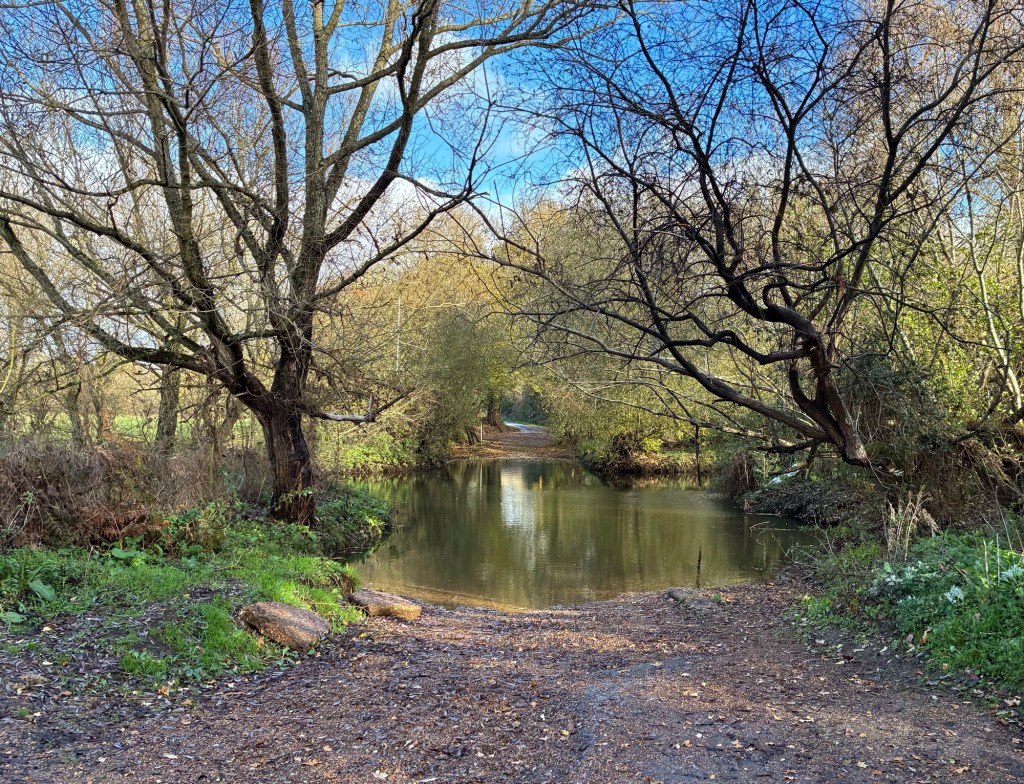
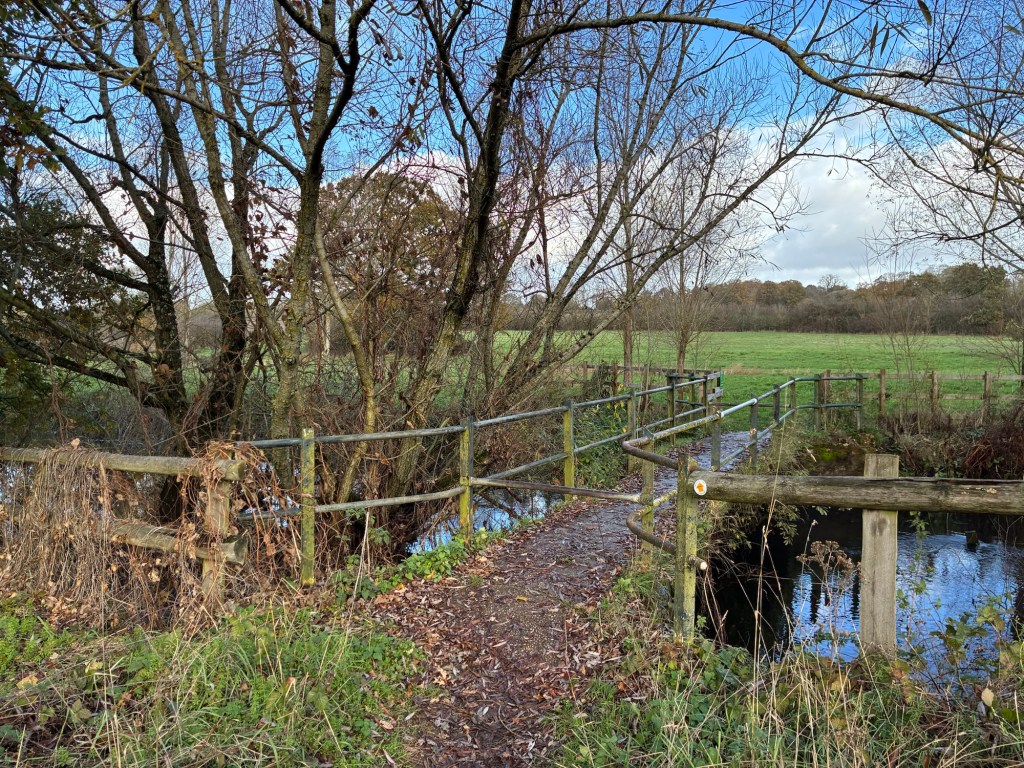
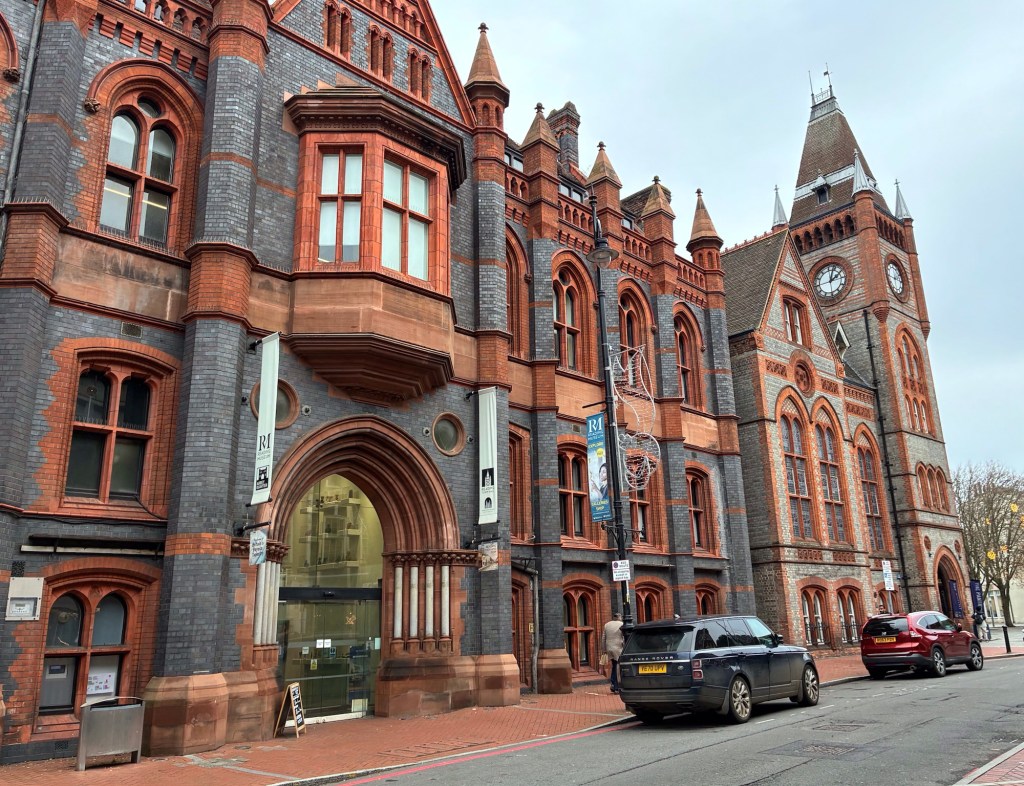
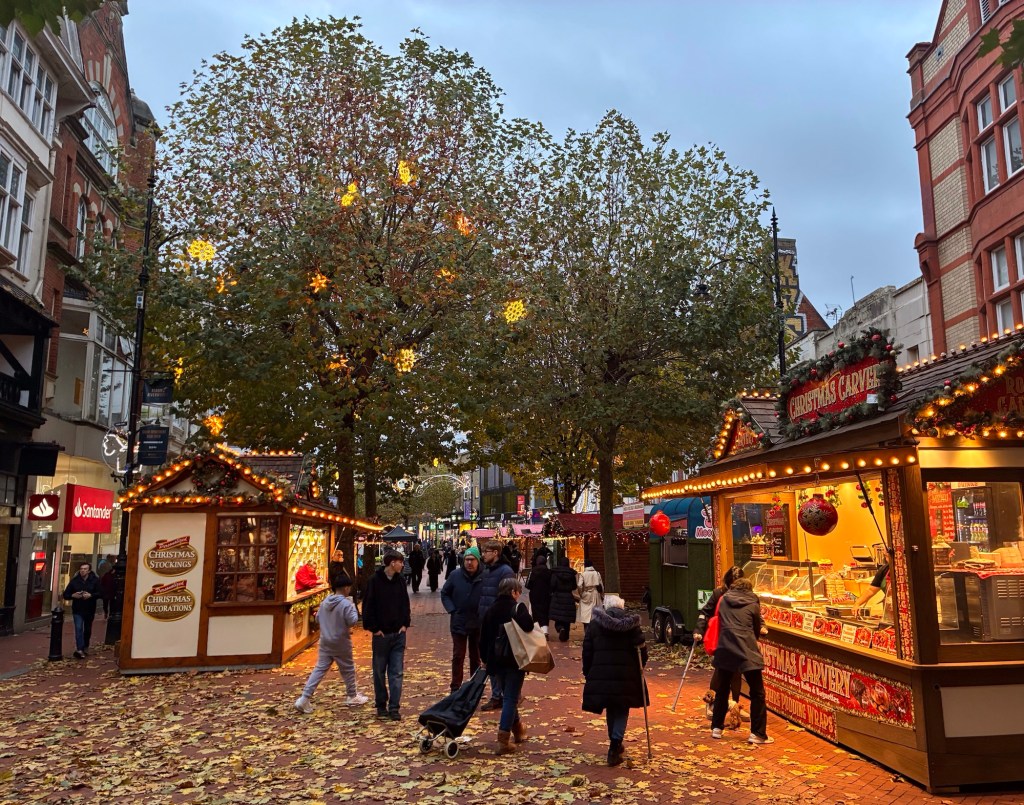
I was fortunate with the weather today, as the rain was hammering down when I awoke with the early dawn in my room at Fleet Services. I spent a while route planning, and went for some breakfast – emerging at 8.00 am to find the rain easing off. Heartened by my good fortune I set off at a fair pace and didn’t really stop for more than a couple of water-breaks until getting into Reading six hours later. I endured three showers, one particularly heavy, but arrived dry, and ready to learn more about the Norman Conquest. Here are a few of the shots I took along the way.
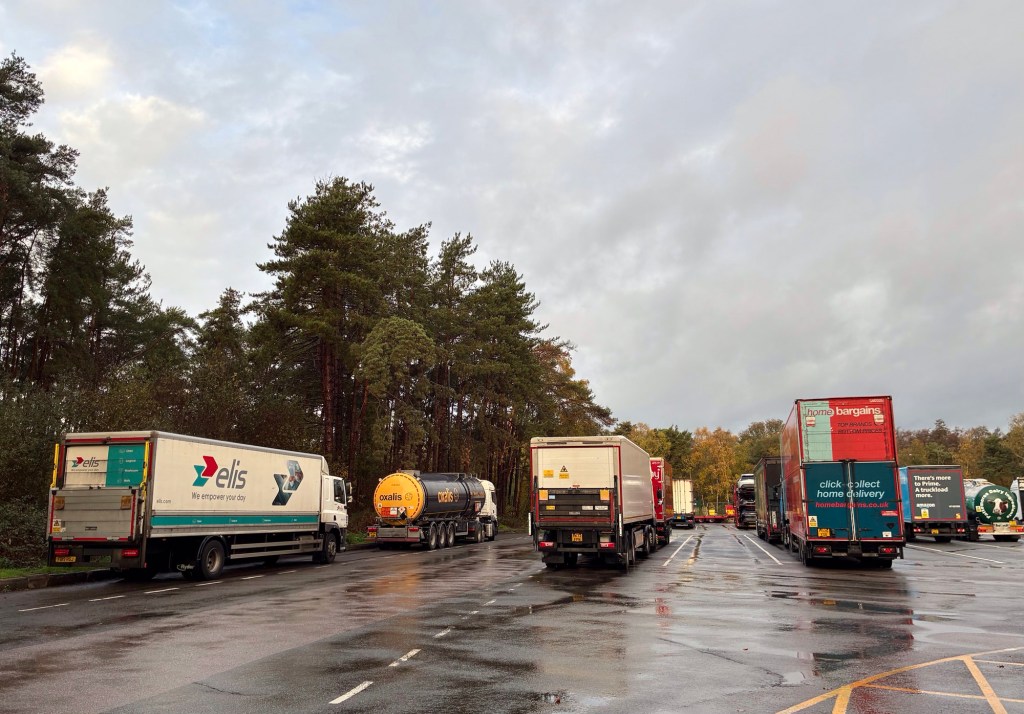
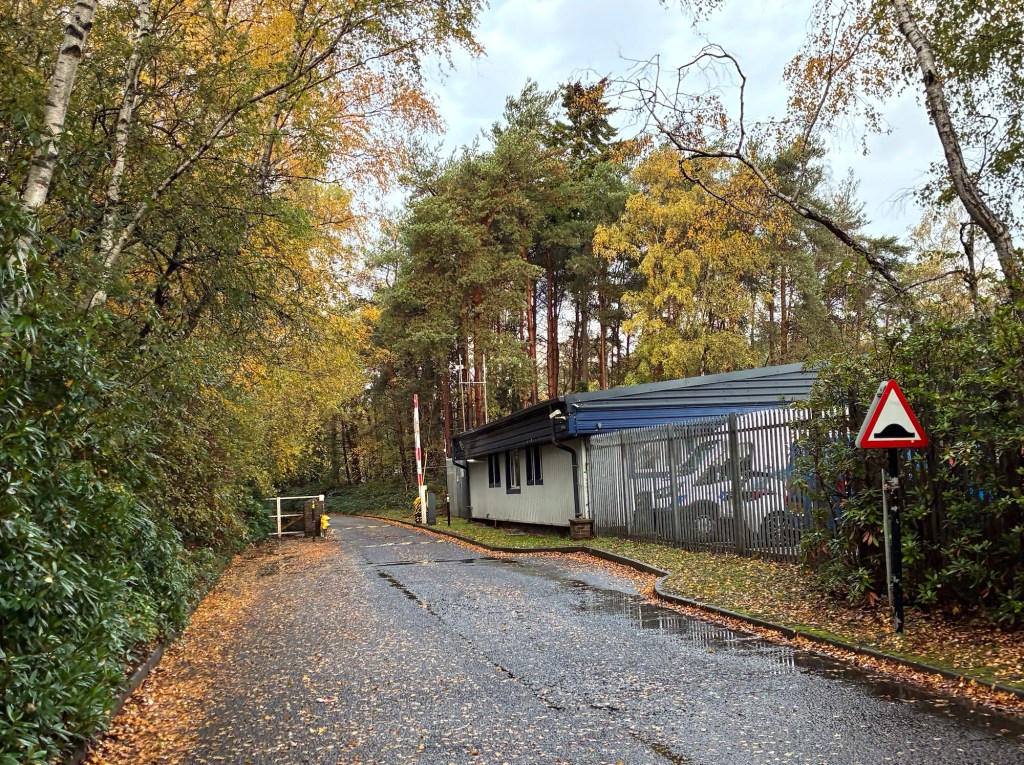
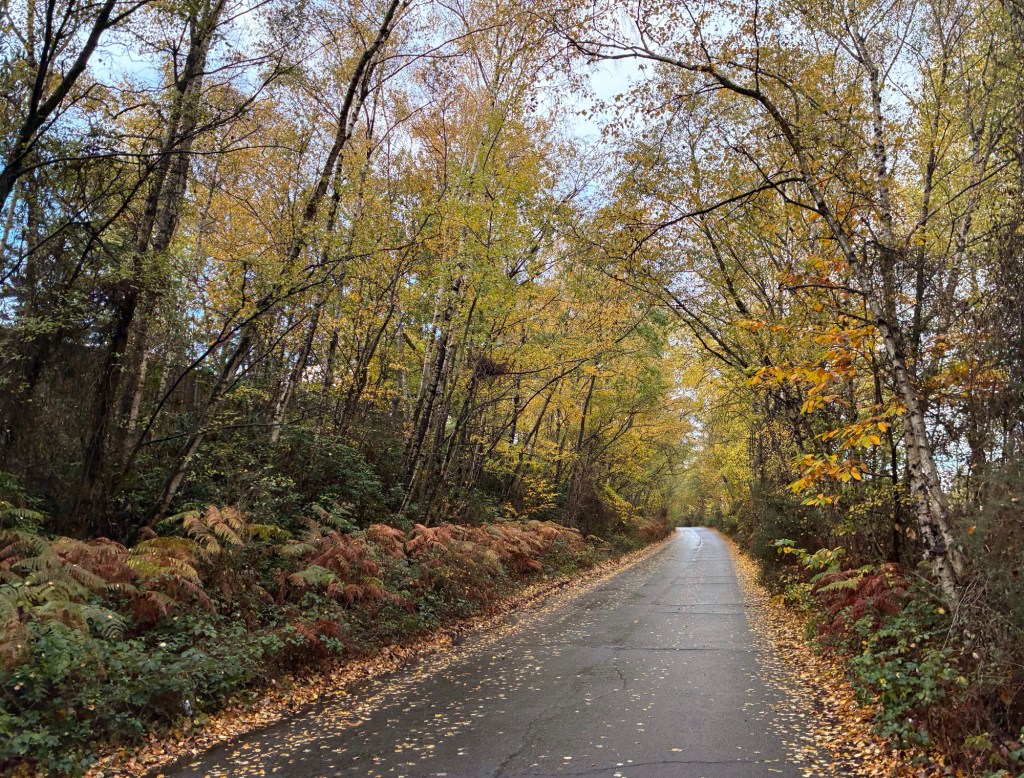
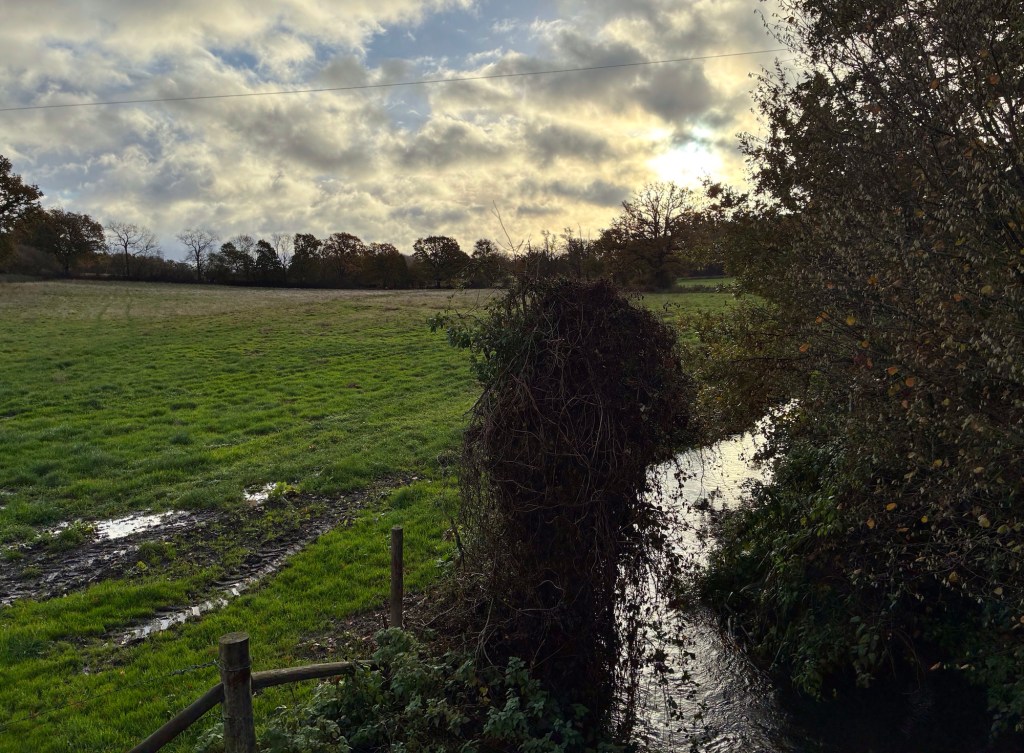
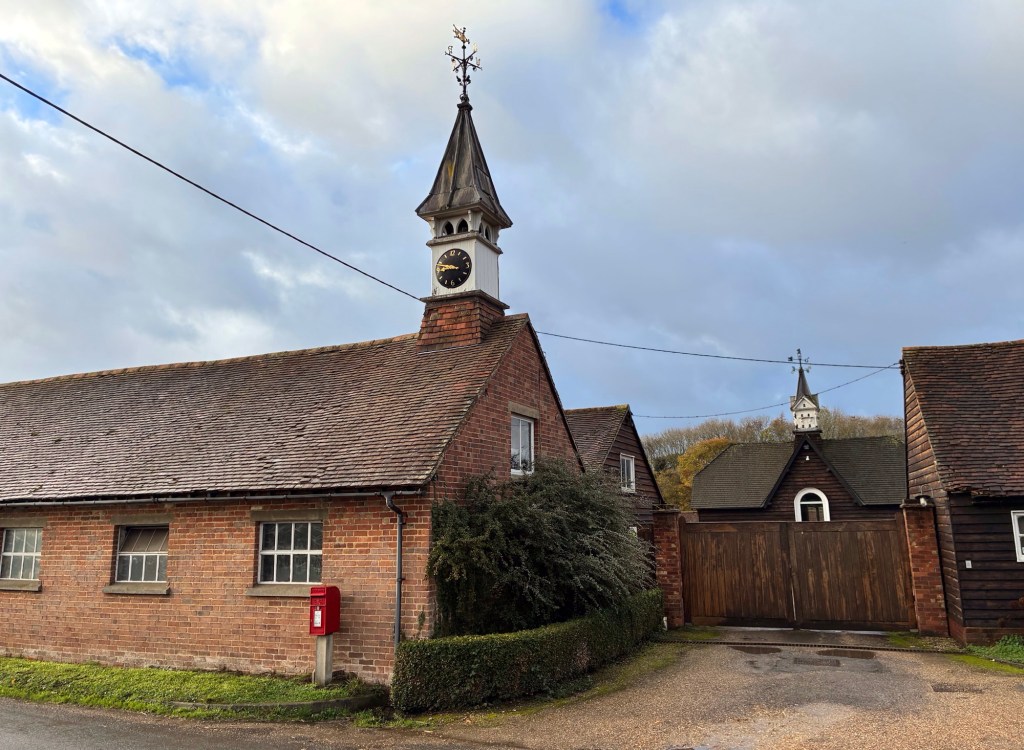
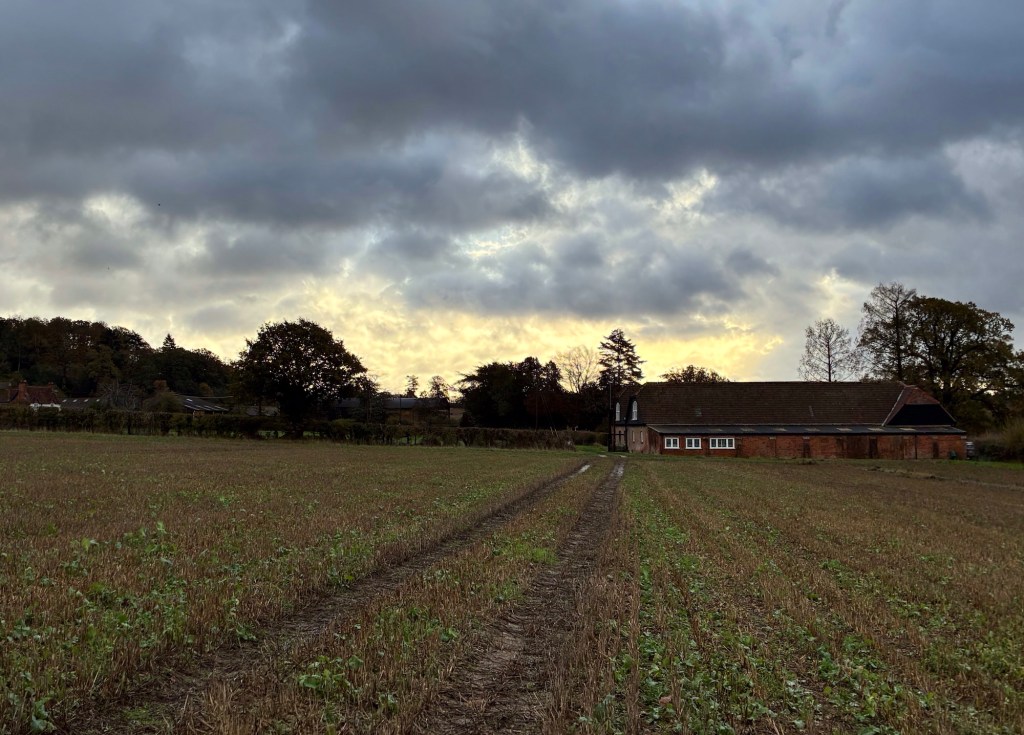
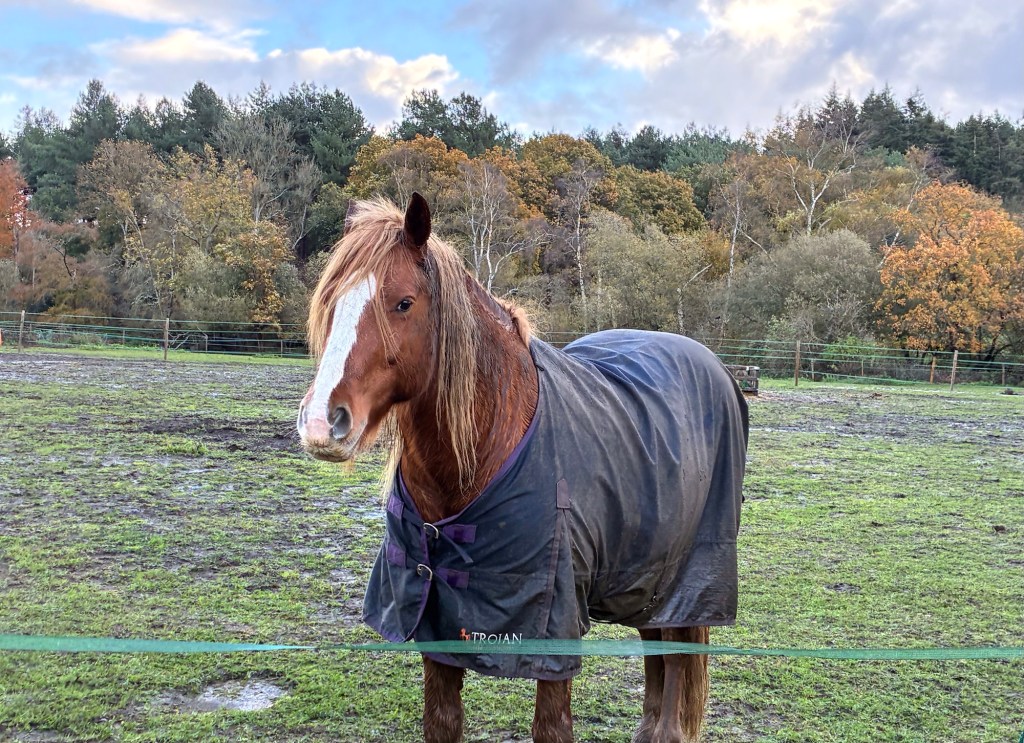
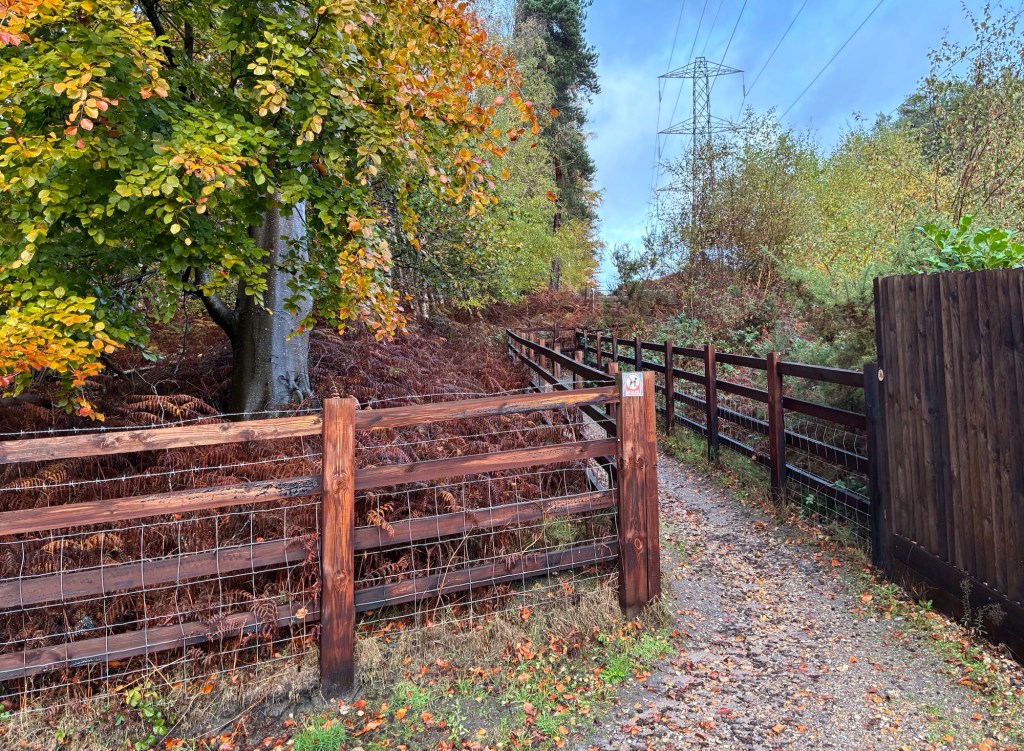
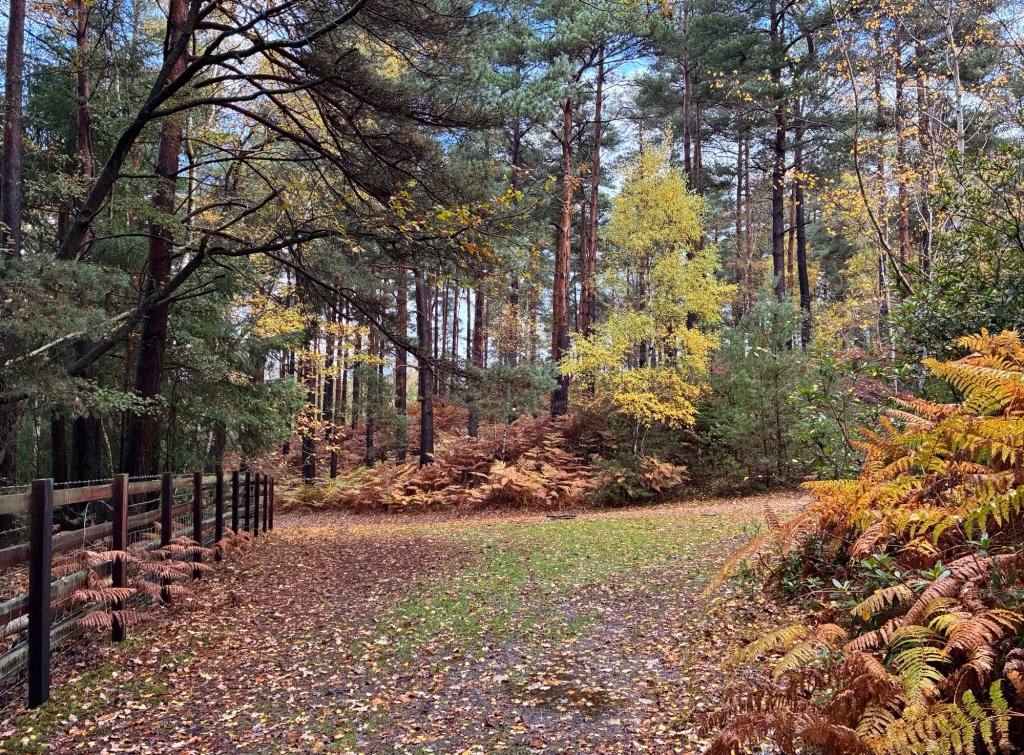
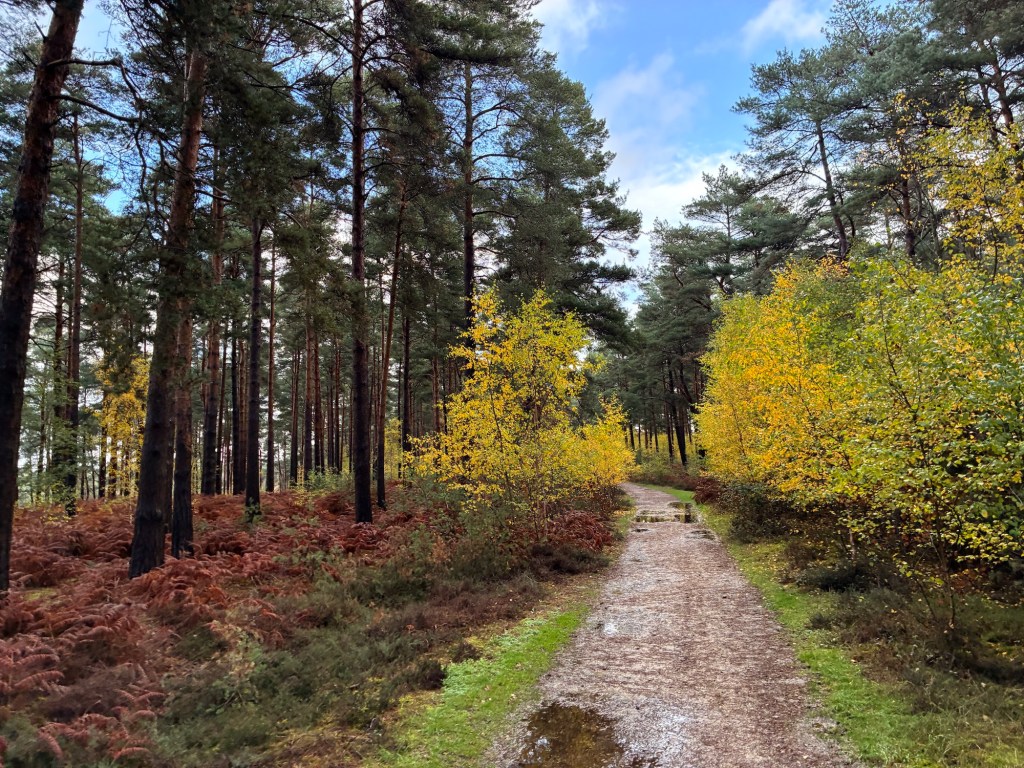
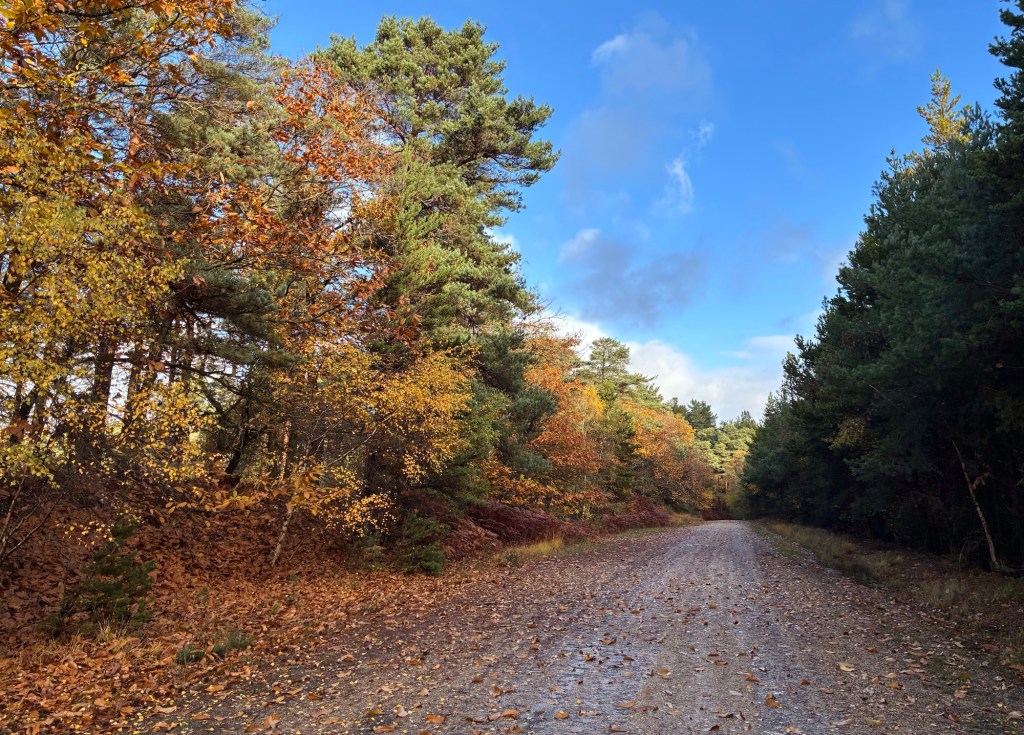
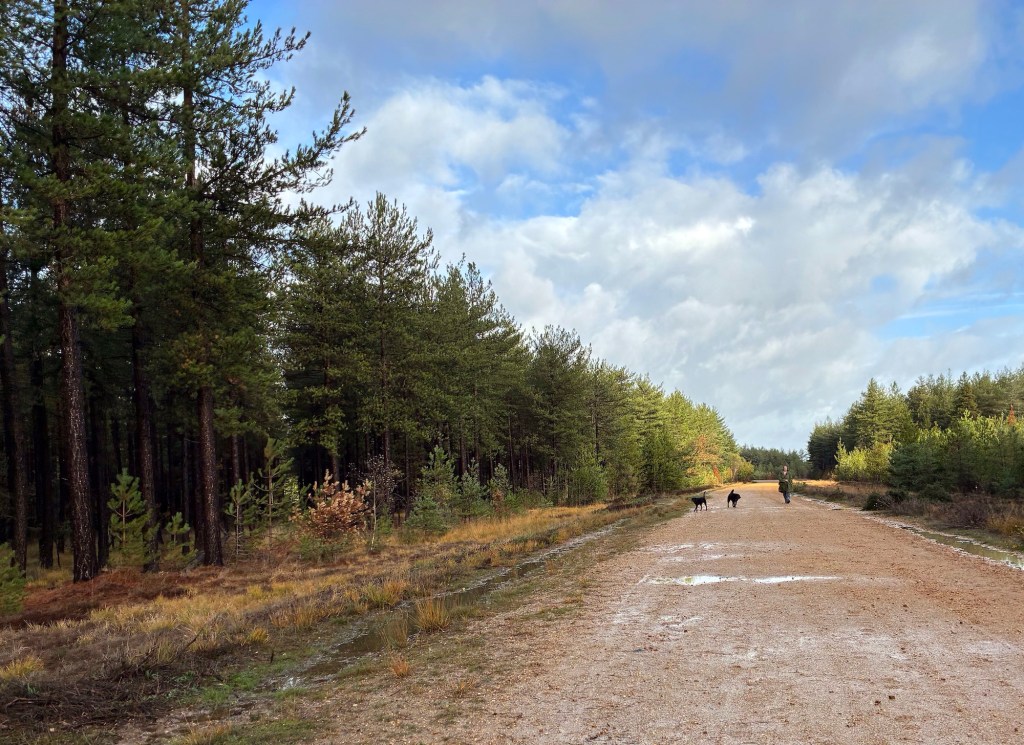
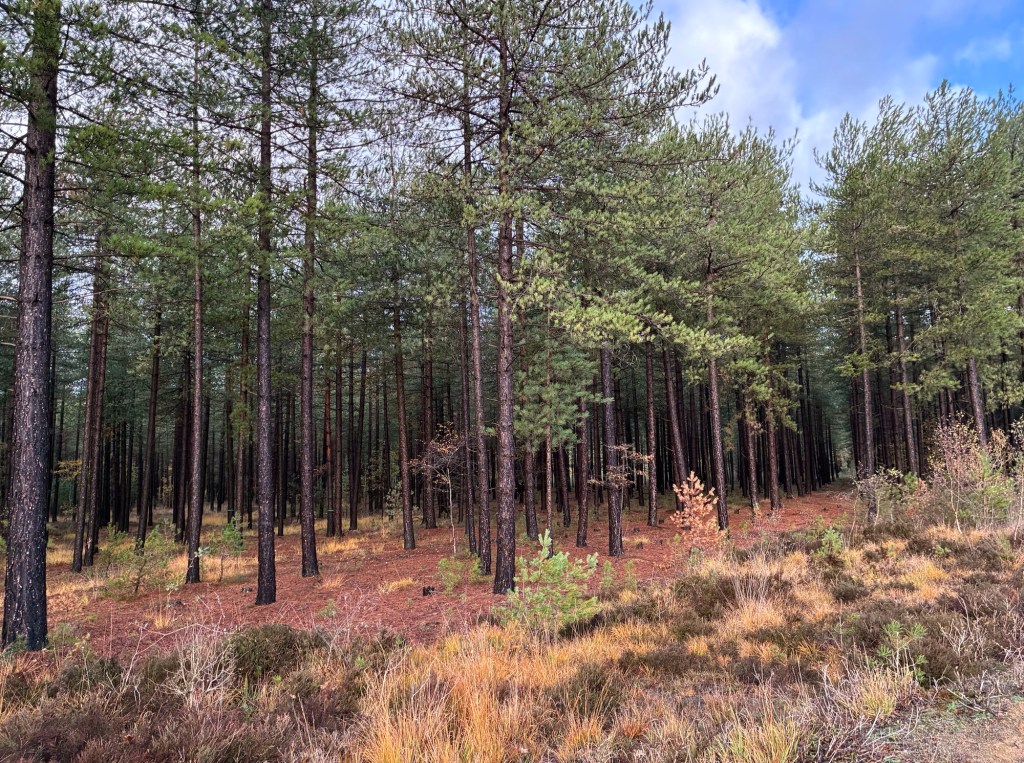
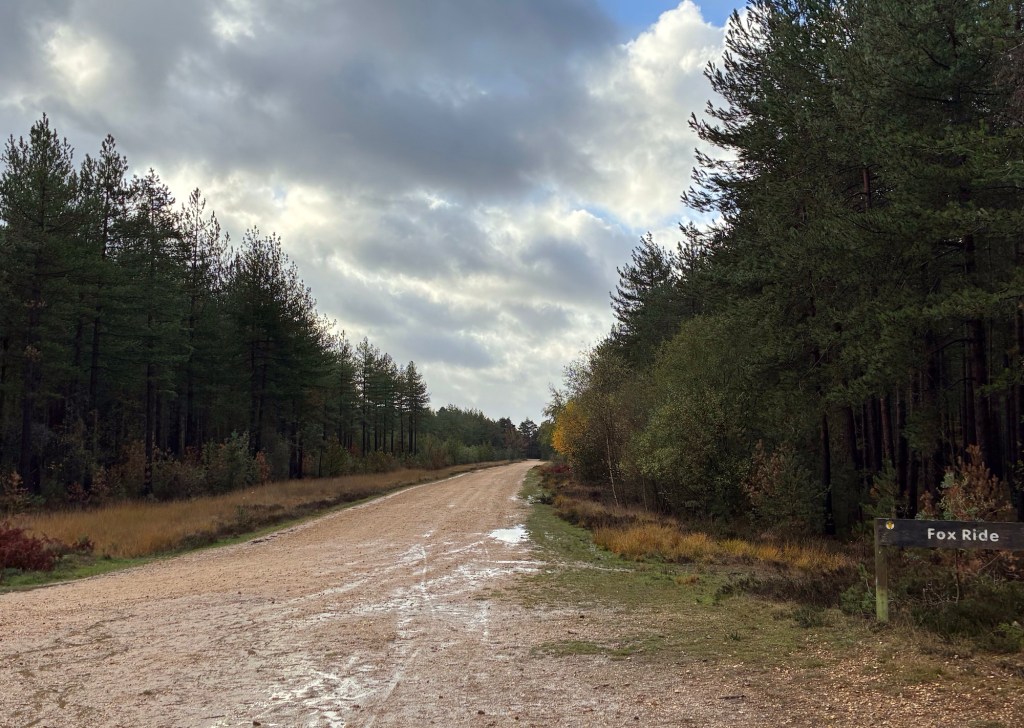
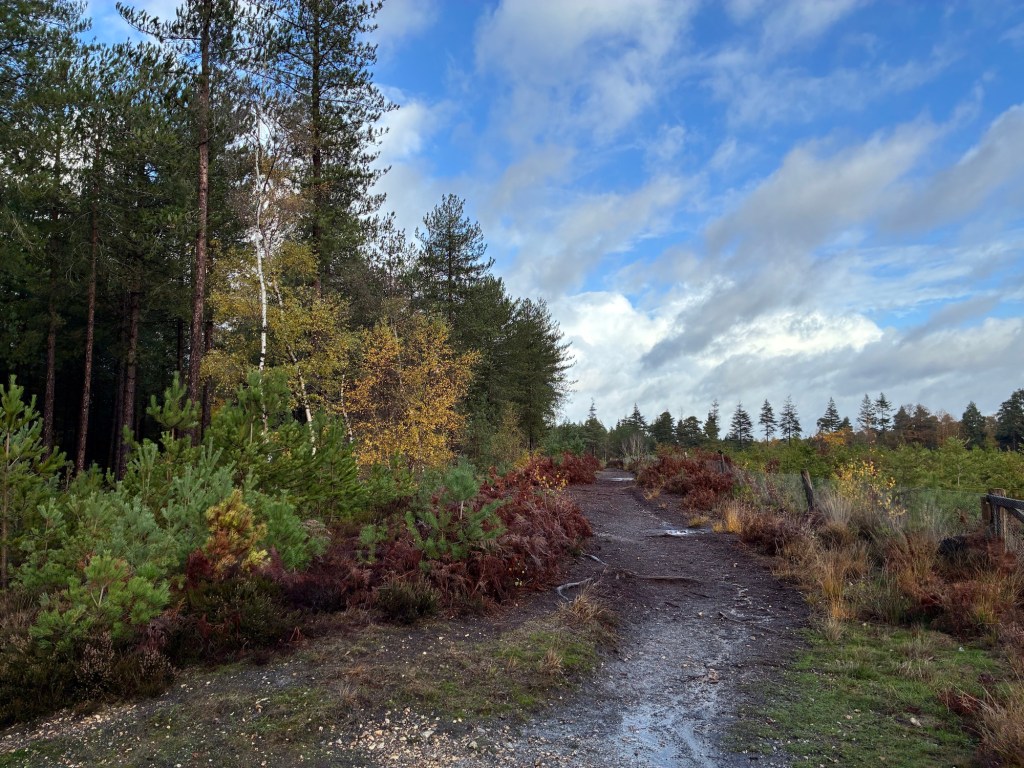
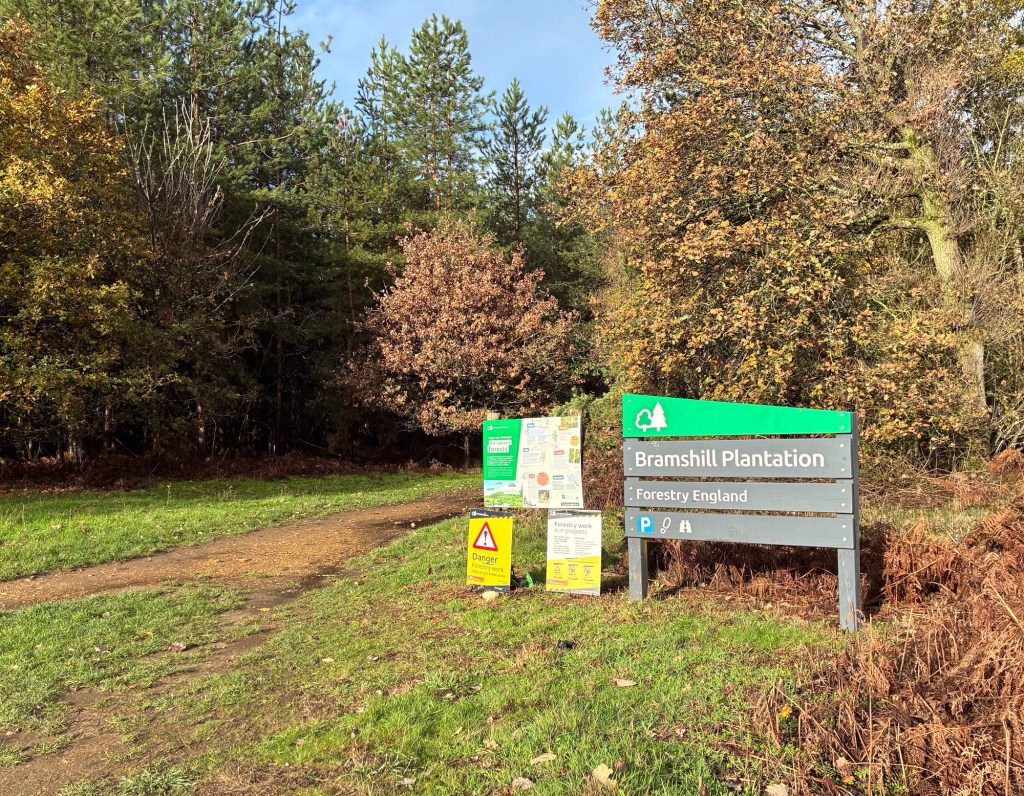
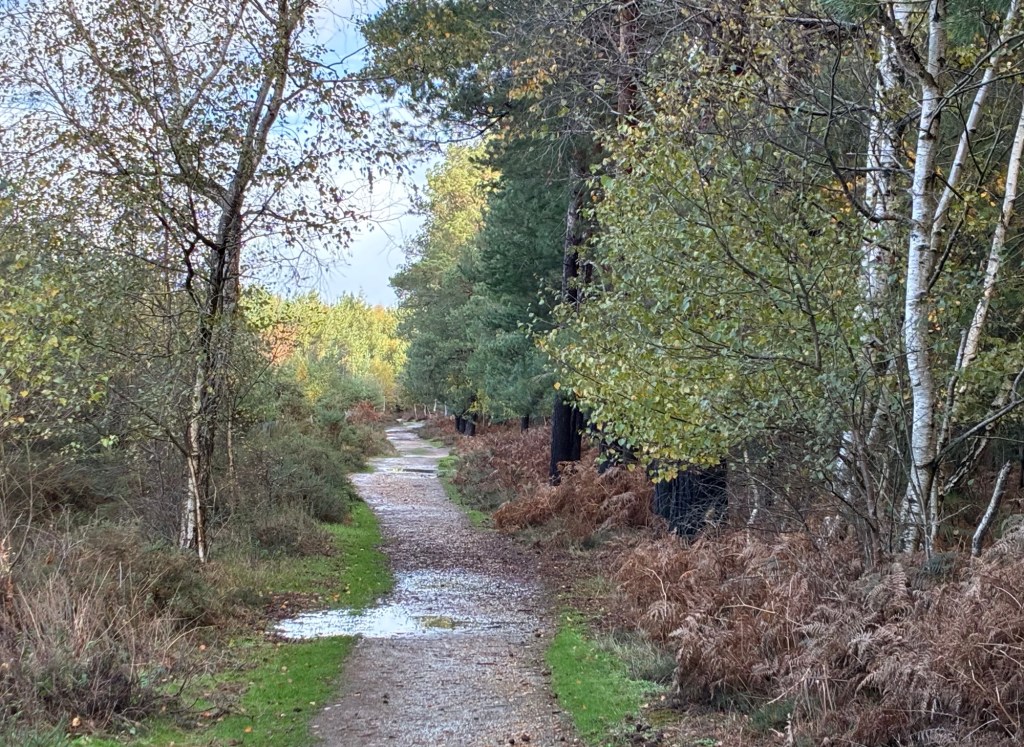
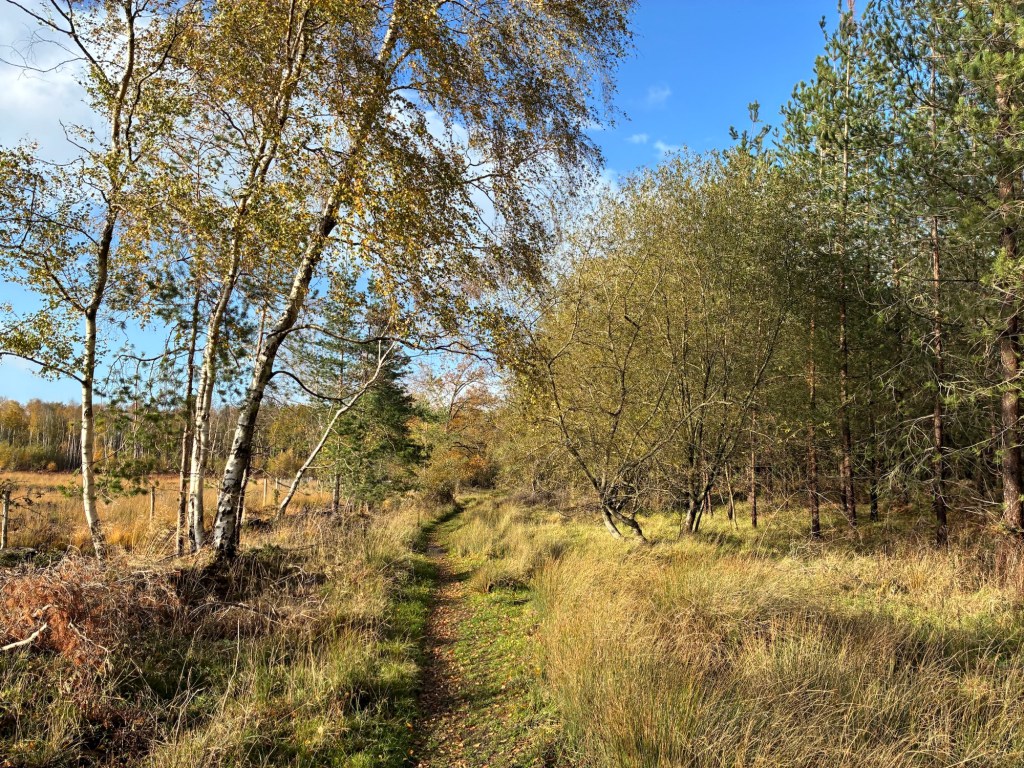
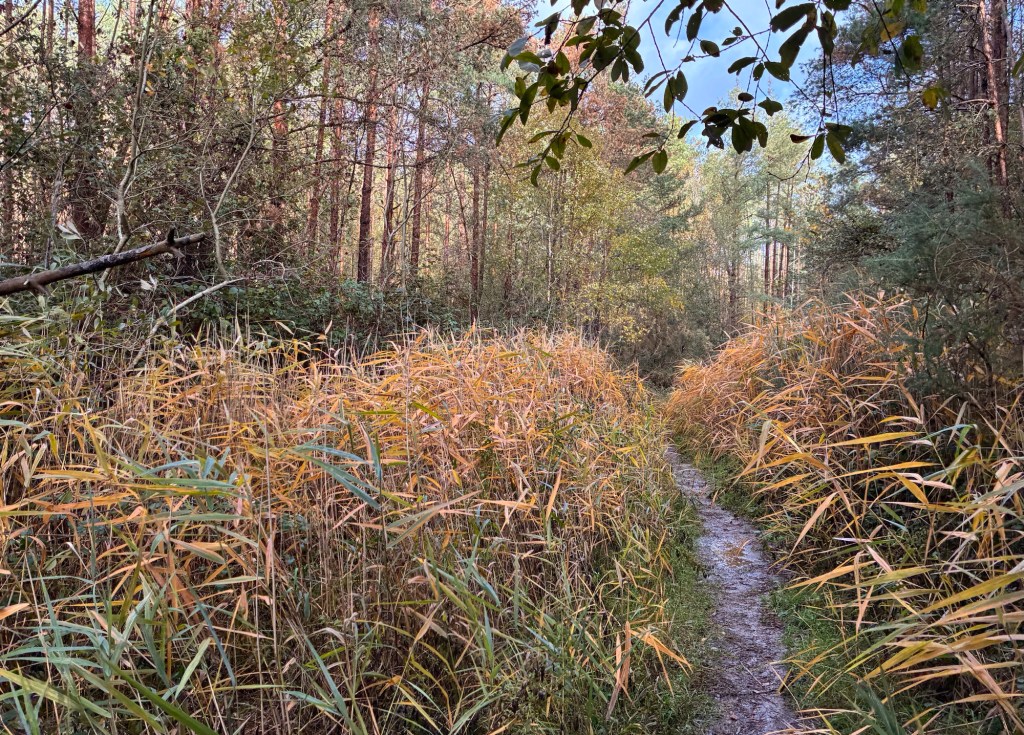
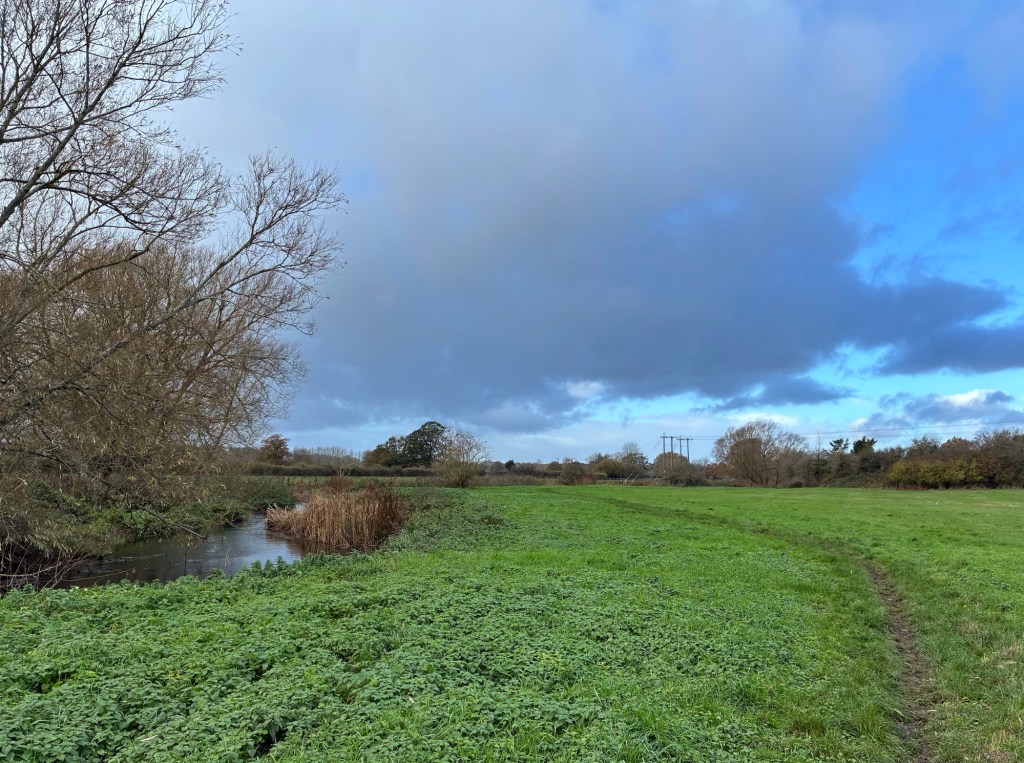
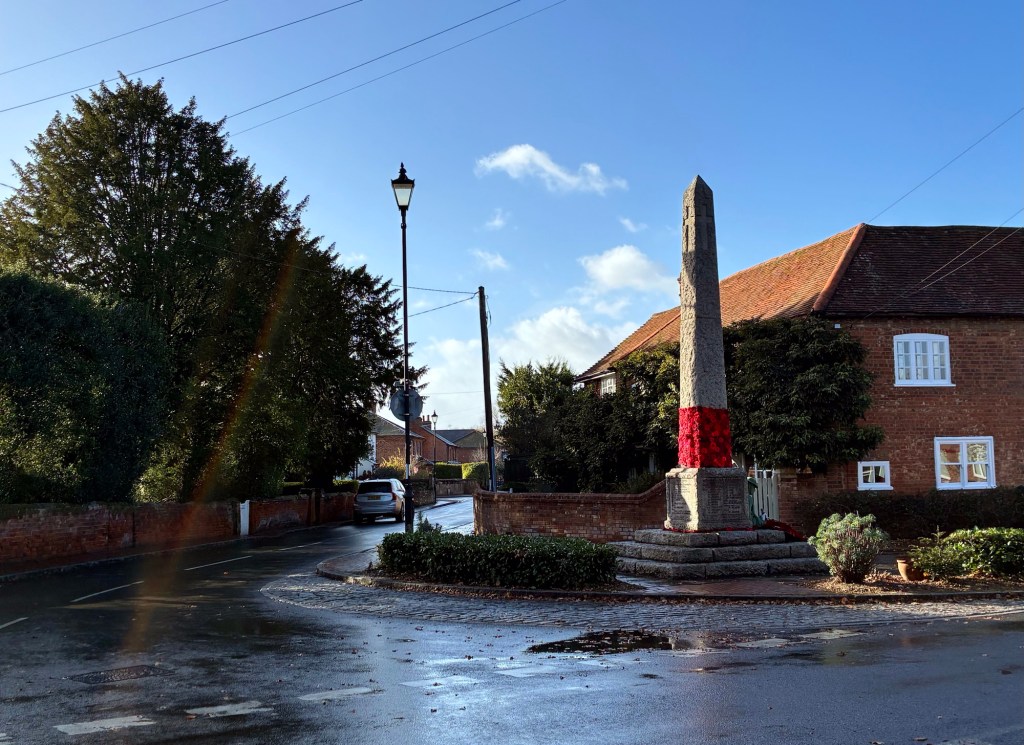
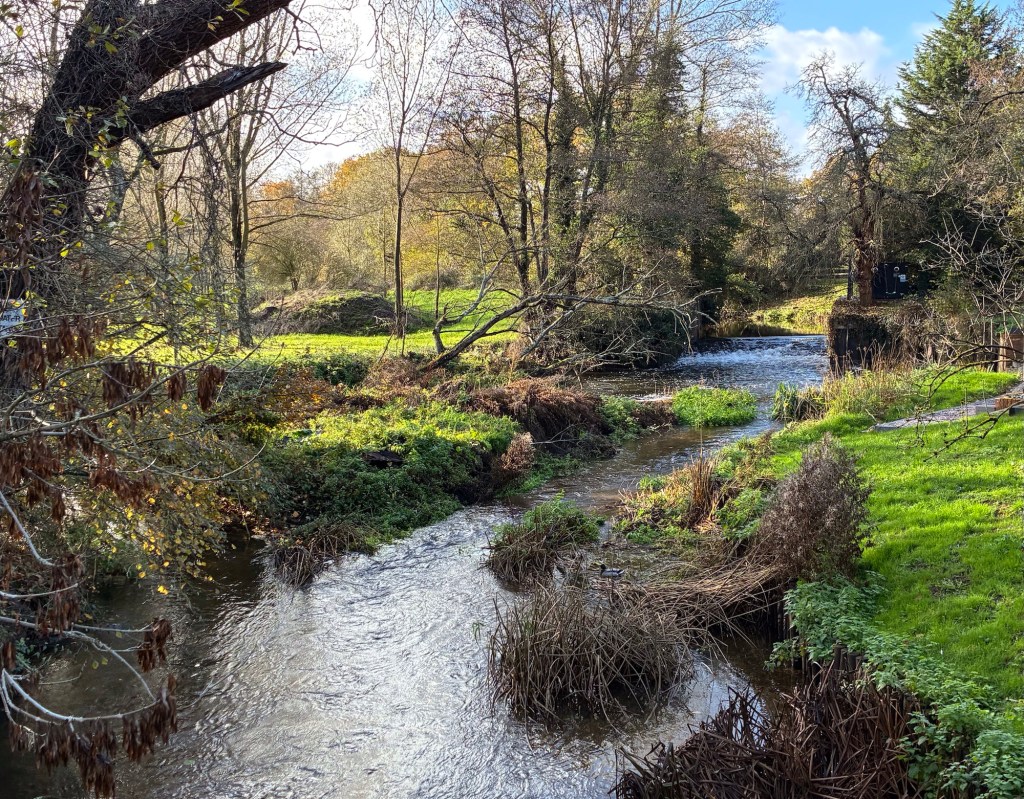
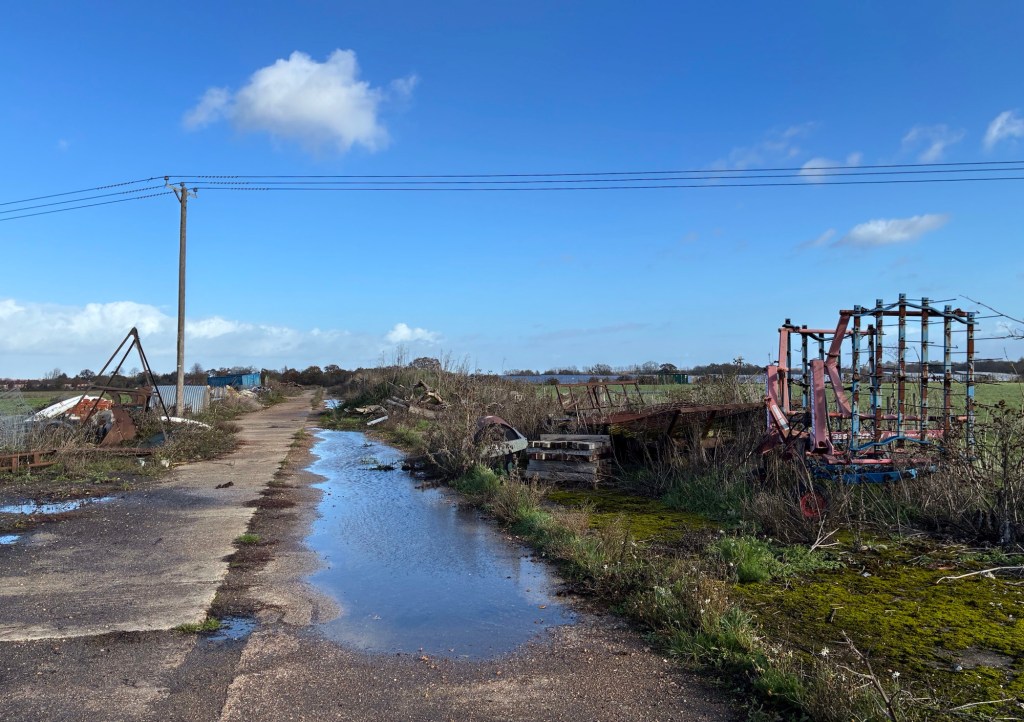
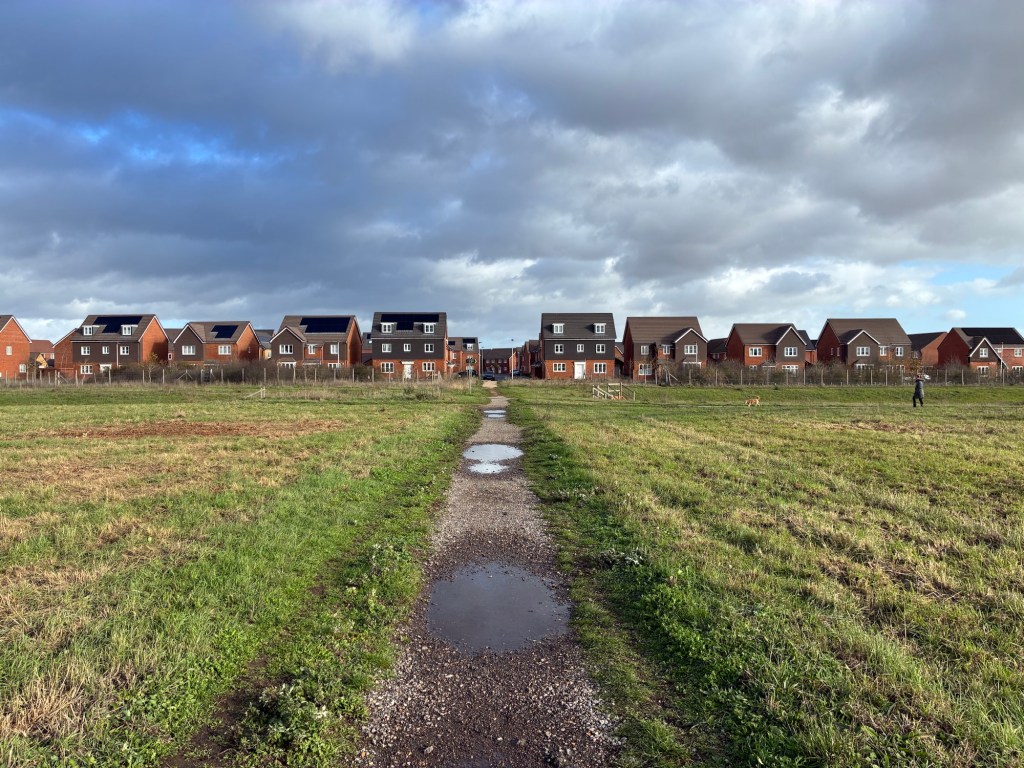
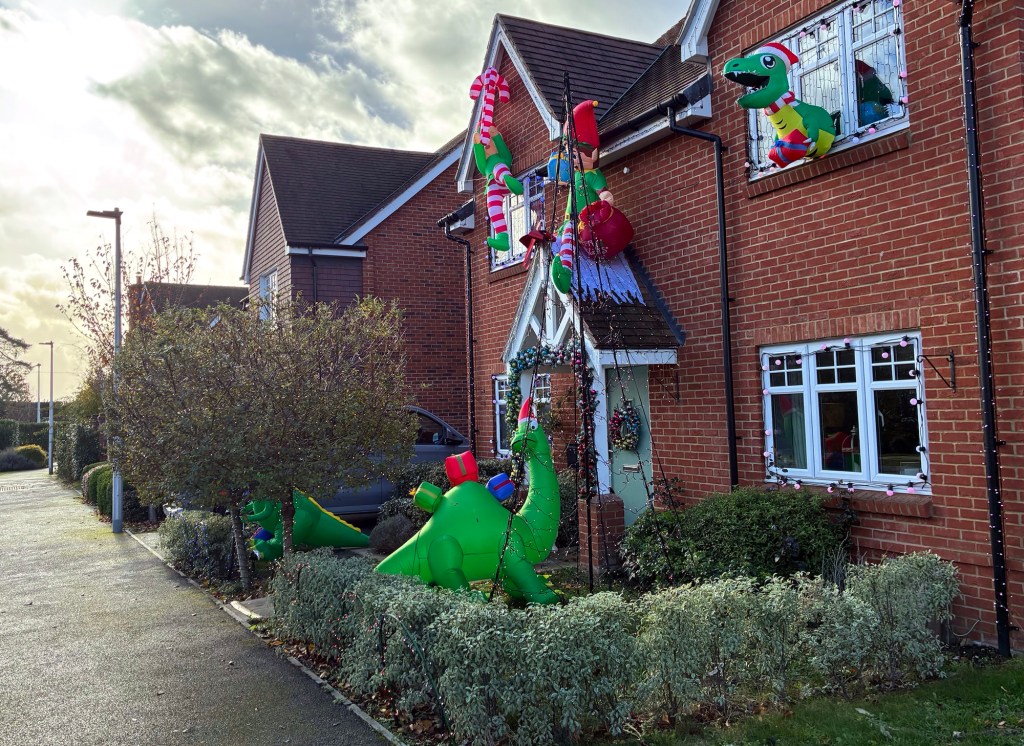
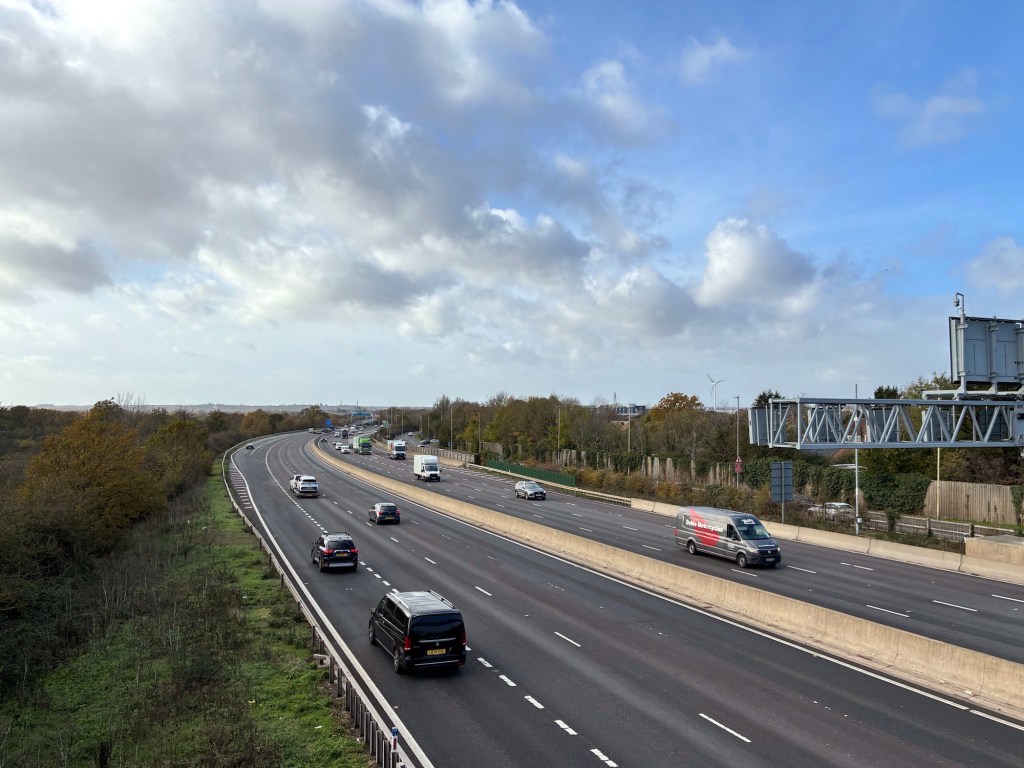
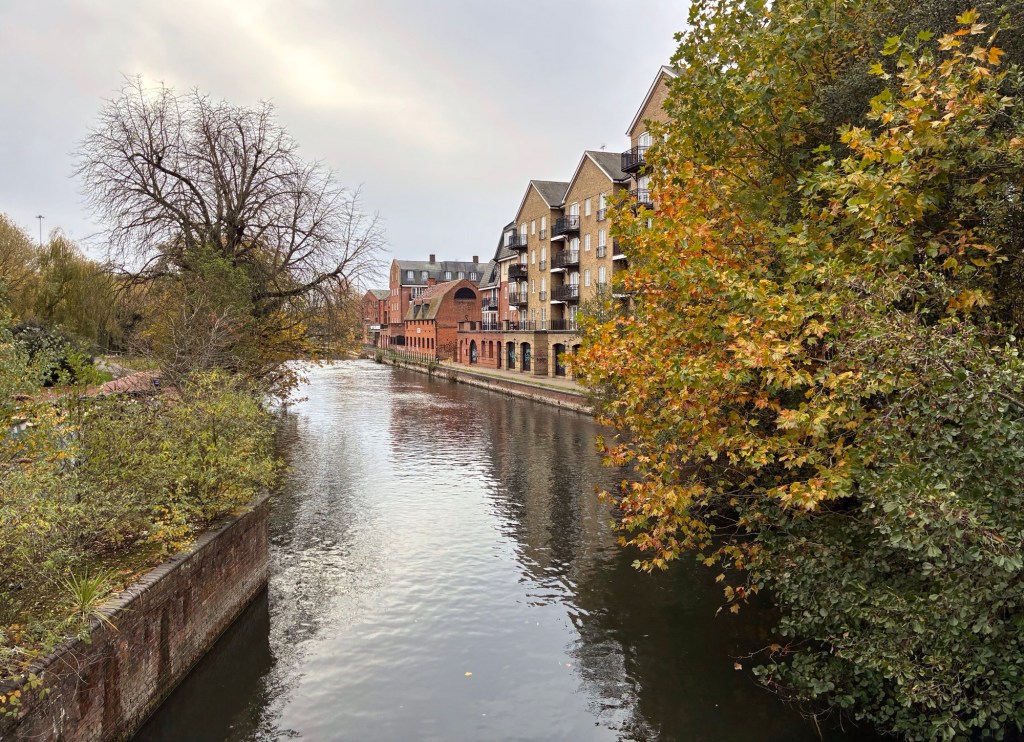
So ends another memorable and rather different day on my ROUTE 1066 escapade. Tomorrow I reunite with the Thames, and will be following William’s steps once more as he seeks a river crossing point for his expanded army in his quest for the Crown of England.

Thank you for following my ROUTE 1066 journey – re-tracing the steps of William the Conqueror in 1066 on his 360-mile campaign trail from Pevensey Bay, via Berkhamsted, and on to Westminster Abbey. If you are following my Blog, enjoying the ramble, and would like to help us to SAVE CASTLE FIELDS for future generations by pledging £39 to sponsor a 3×3-metre square of the land, then please click on this link:
THANK YOU ALL FOR SUPPORTING MY ROUTE 1066 WALK, AND FOR HELPING TO PRESERVE THE LEGACY OF CASTLE FIELDS
‘Picture This’, my Blog heading today, is taken from the song of that name by New York new-wave band Blondie, that was released as the first of six singles from the group’s 1978 album ‘Parallel Lines’. The number was penned by band members Debbie Harry (lead vocals), Chris Stein (lead guitarist) and Jimmy Desri (keyboards): the album reached No 1 in the UK and also proved to be the group’s breakthrough release in the US (peaking at No 6).