ROUTE 1066 – Day 22: Thursday 26 November 2026 – BERKHAMSTED to HARROW (18 miles)
Following three days of inactivity it has been good to get walking again – but before getting into the details of the penultimate day of my ROUTE 1066 trek, perhaps let me wind the clock back around 960 years . . .
After taking the Anglo-Saxon surrender in Berkhamsted, and with it the keys to London and, effectively, the English Crown, the records indicate that there was some debate within the Norman command over the timing of William’s coronation. The Conqueror, as I think we can by now refer to him, seems to have favoured a delay – in part for full preparations and also to allow time for his wife, Matilda, to travel from Normandy to be by his side for the proceedings. At odds with these criteria there was a preference – within the Norman hierarchy and also in certain sections of the Anglo-Saxon establishment – for an early coronation, so as to provide some level of military stability in a highly divided land, where firm control and unification was seen by many as a priority. And there was another factor involved. The old English mantra of ‘The King is dead, long live the King’ derived from the Anglo-Saxon constitution, whereby the Crown passed immediately on the death of a monarch to the heir, the coronation being merely a formality. This might explain, at least in part, why there had been no attempt to crown Edgar Aetheling in the uncertain times between Hastings and the English surrender. The situation was somewhat different in Normandy – and more generally within the continent – whereby a monarch was not confirmed until God’s blessing was conferred upon the new sovereign at the coronation ceremony. This factor had shaped the Norman invaders’ attitude in the case of Edgar who, they claimed – despite his nomination as Harold’s successor – was not King of England as he had not been crowned, and thereby was not recognised as monarch by God, nor the Pope (who was broadly supportive only of correctly-designated rulers). And we can be assured that the Anglo-Saxons of early December 1066 were in no position to debate the finer points of constitutional practice. In any event William was persuaded to proceed with the coronation promptly in order to minimise any conflict with the Church over his bloody usurping of Harold – it was therefore decreed that the ceremony would take place at the newly-built Westminster Abbey on Christmas Day 1066, whereupon King William I of England would come into being.
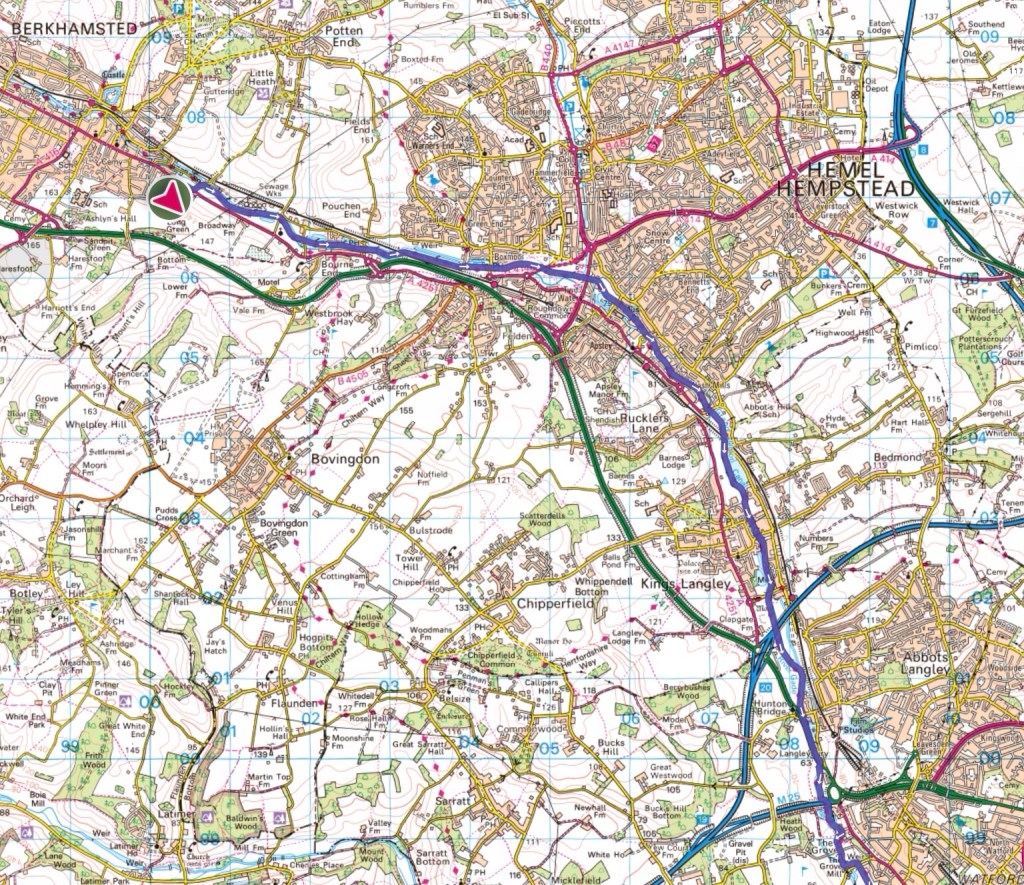
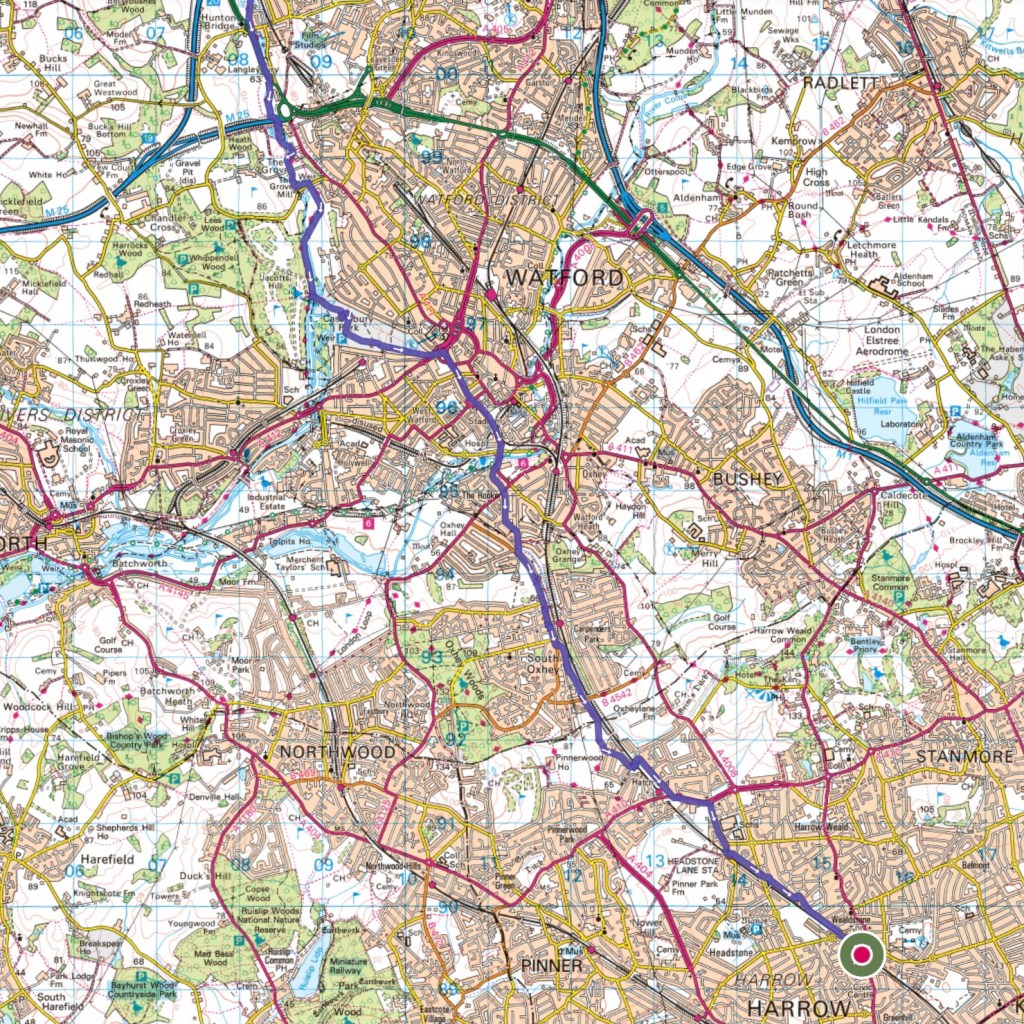
My own intention had been to move on immediately from Berkhamsted for the two days’ walk to Westminster Abbey, finishing my ROUTE 1066 campaign on Tuesday afternoon – but like William, 960 years ago, I paused in the town for a few days before completing the journey. I had the advantage though of walking from our own front door in Berkhamsted, and following a route unavailable to the Normans – the straight and level towpath by the Grand Union Canal. Surprisingly rural and completely traffic-free, this is a pleasant and familiar walk for me, where all the navigation has been resolved two centuries or so ago.
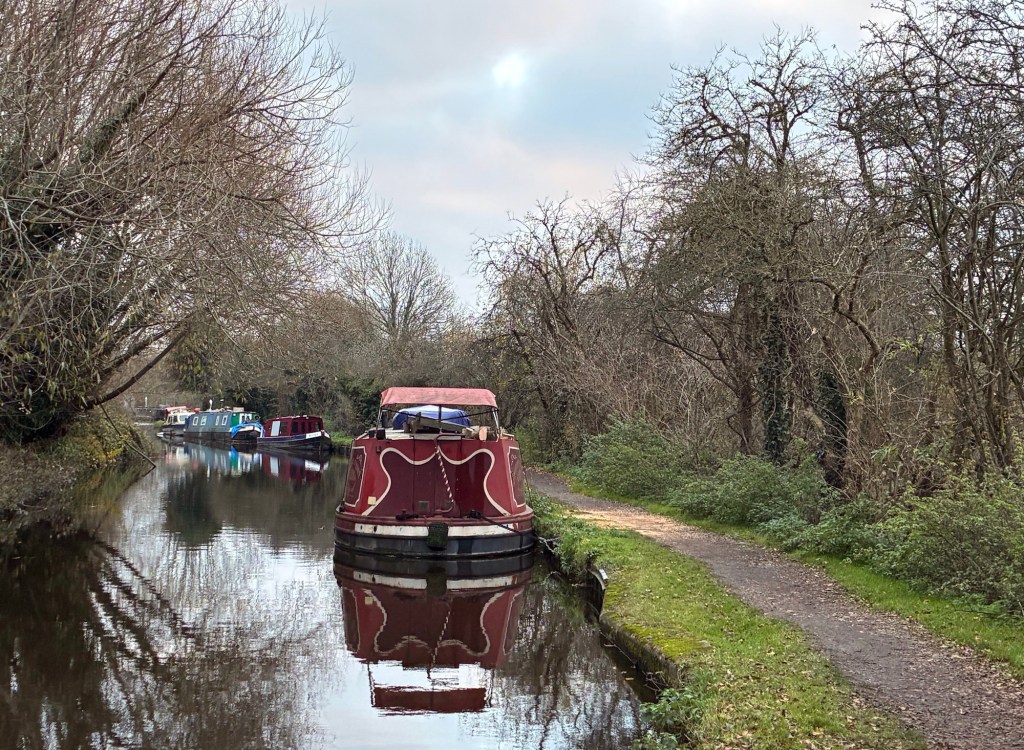
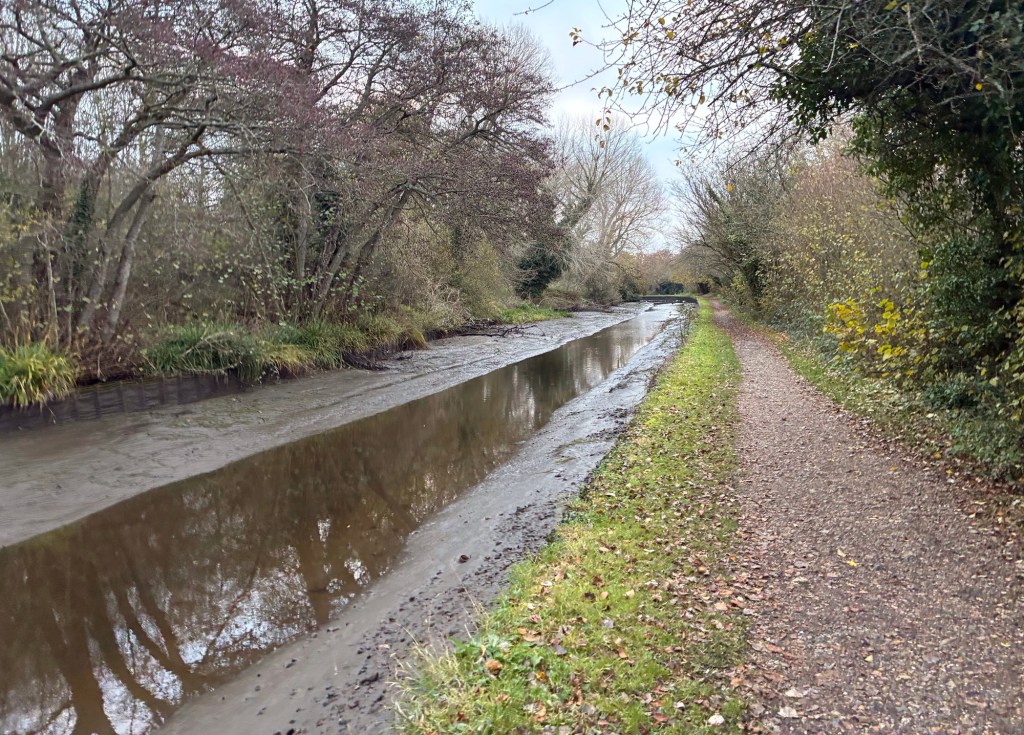
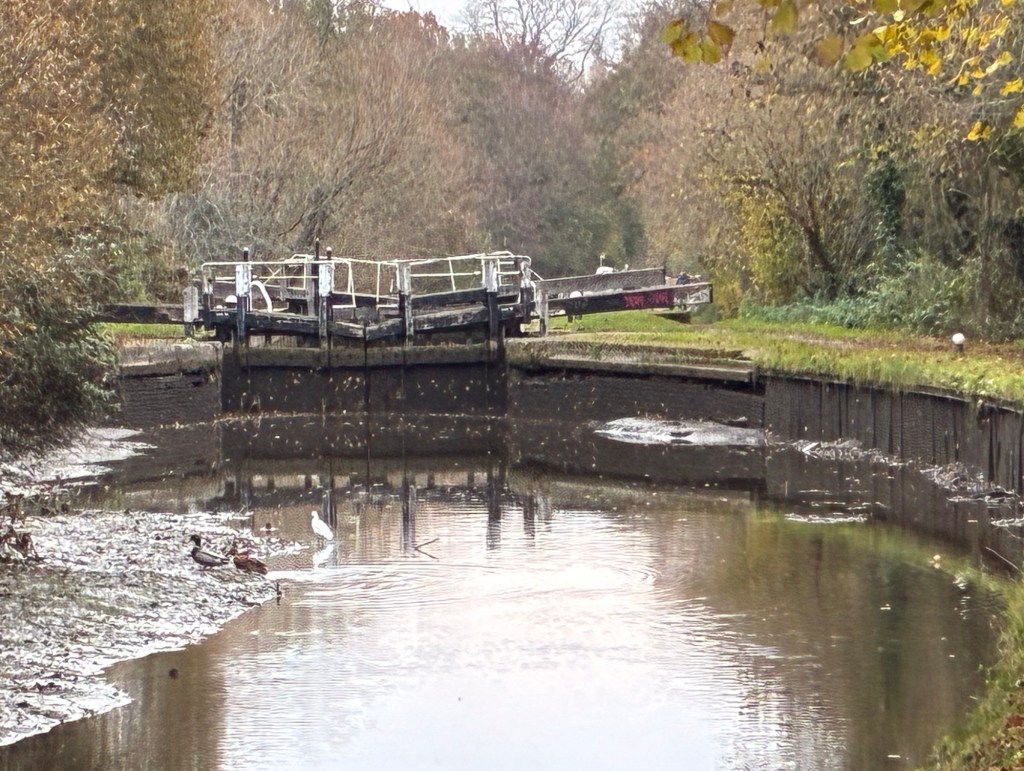
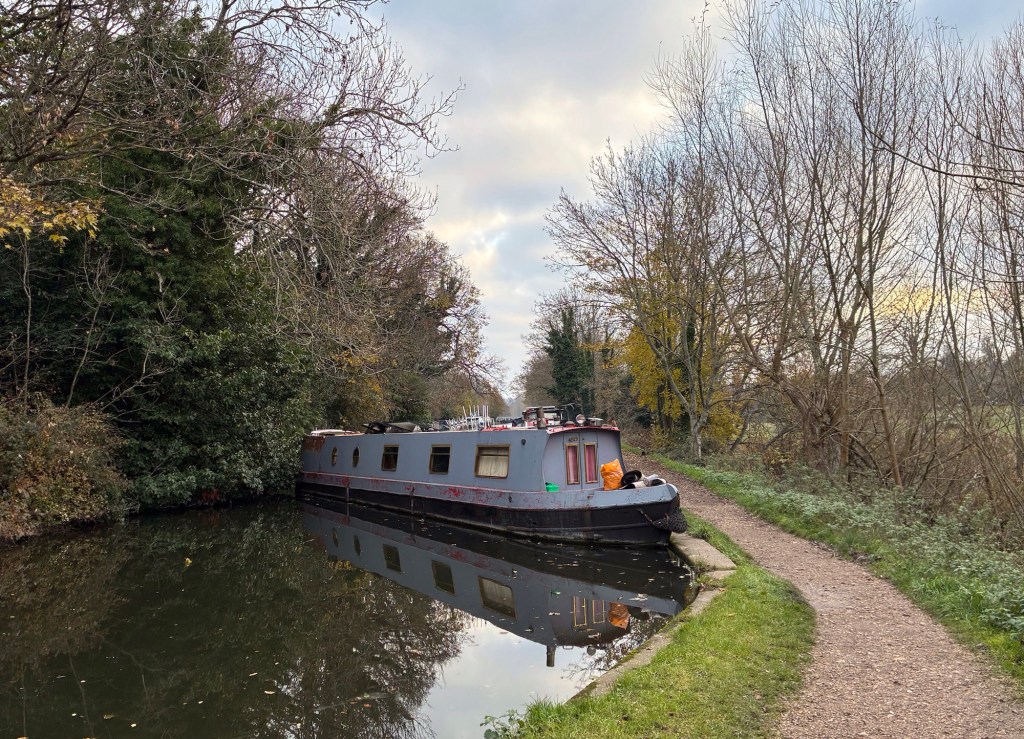
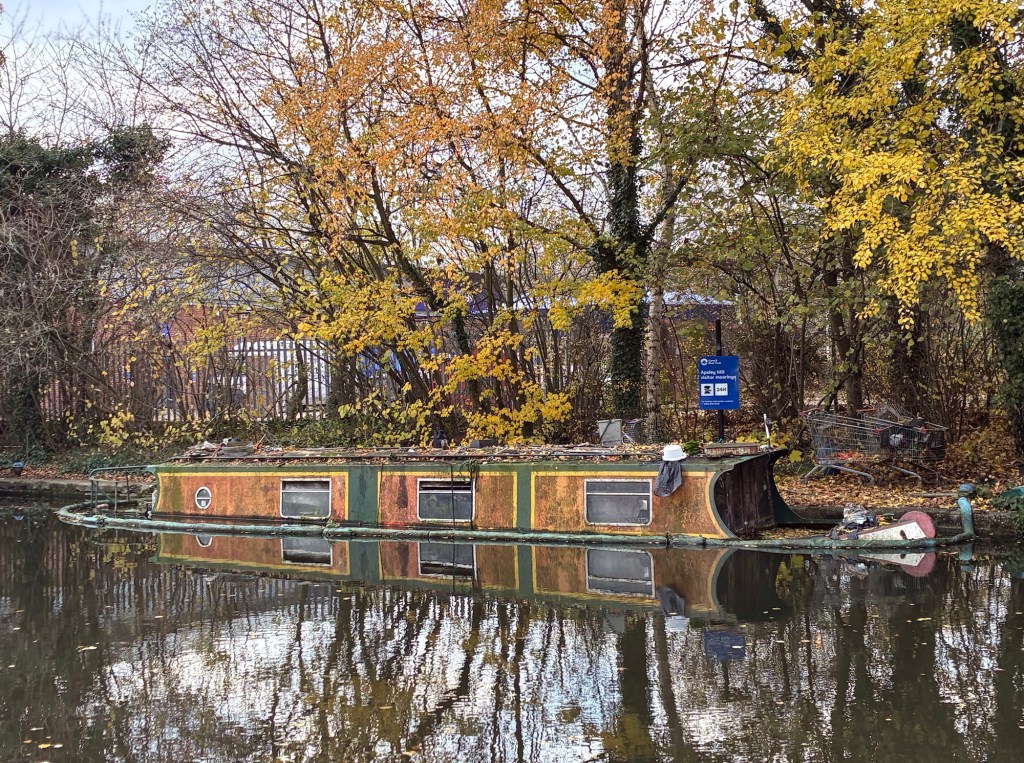
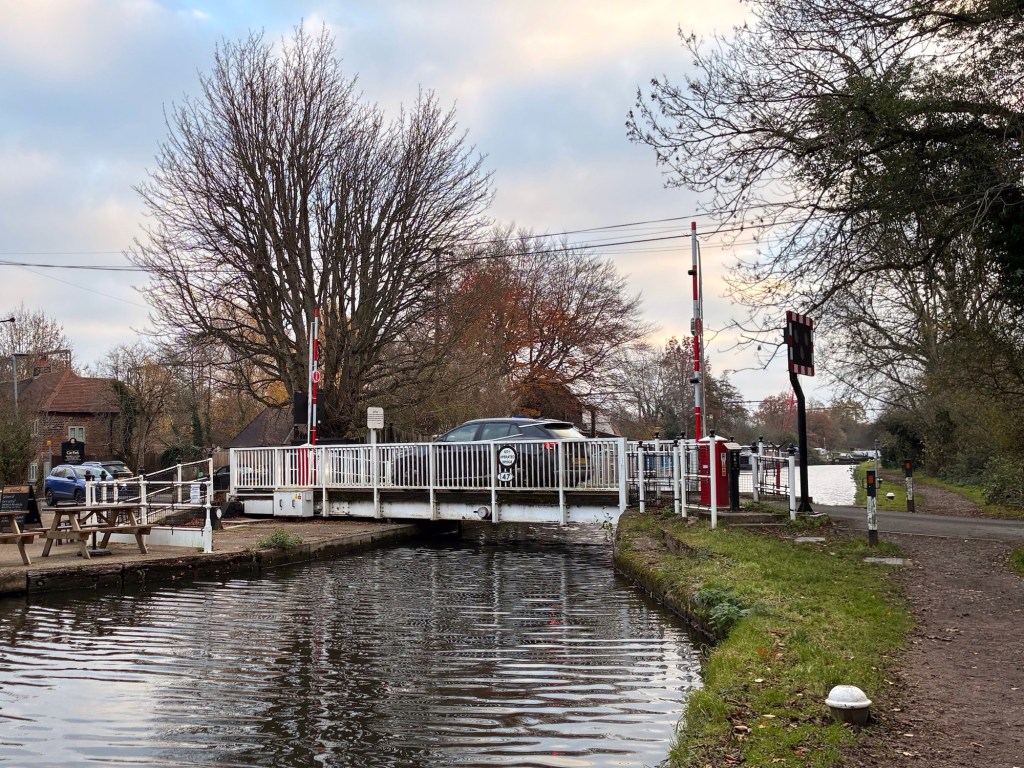
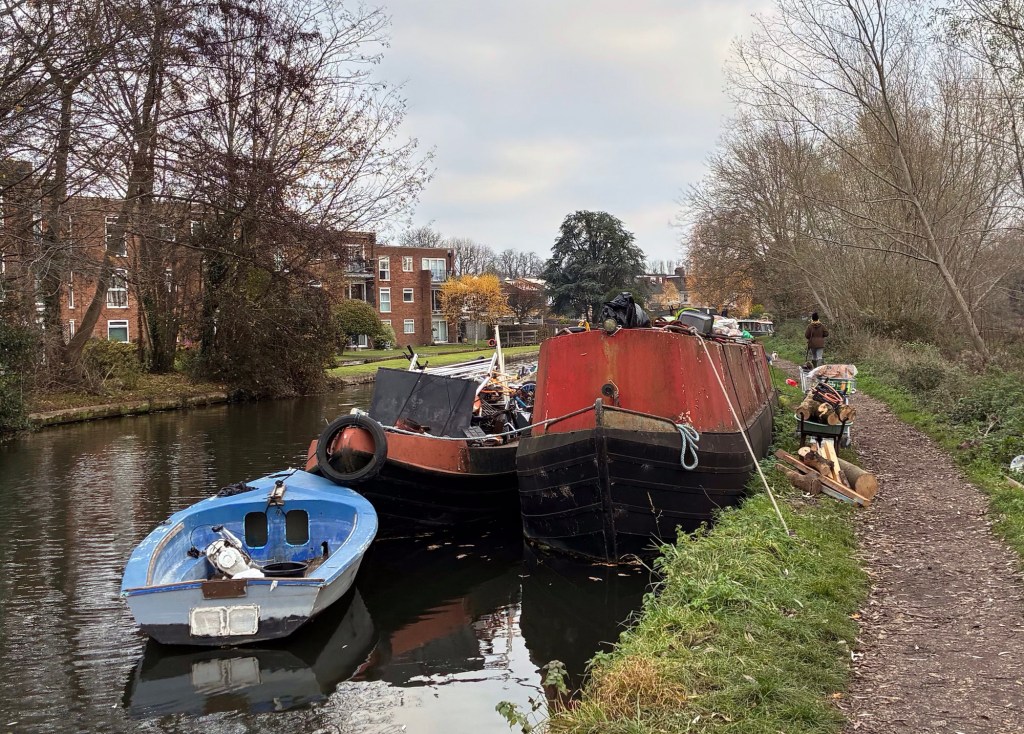
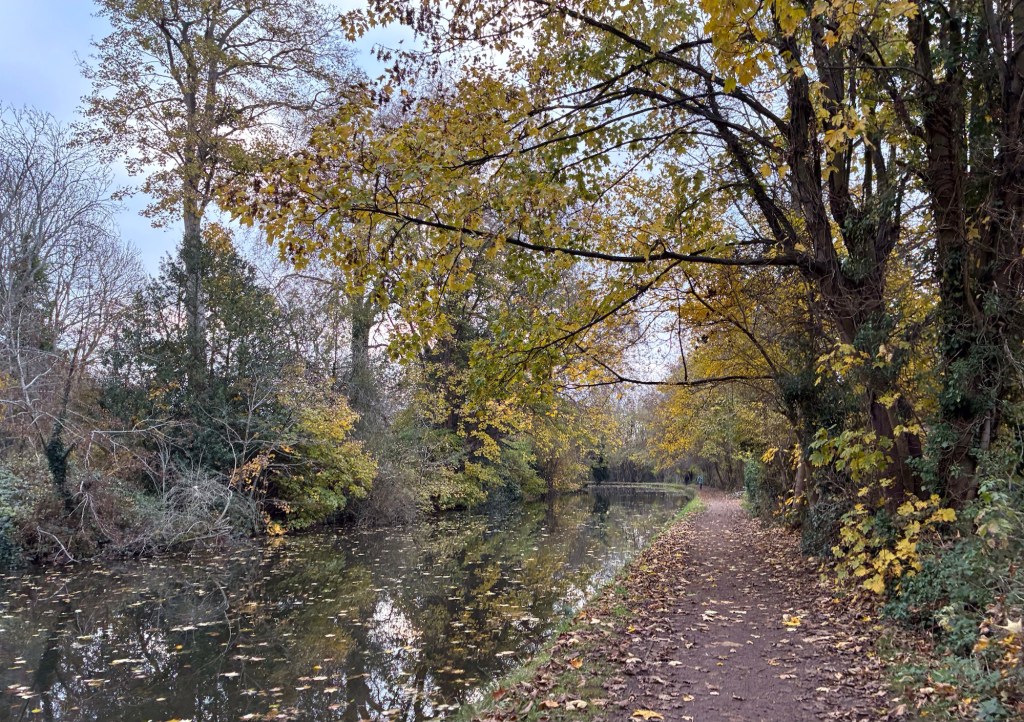
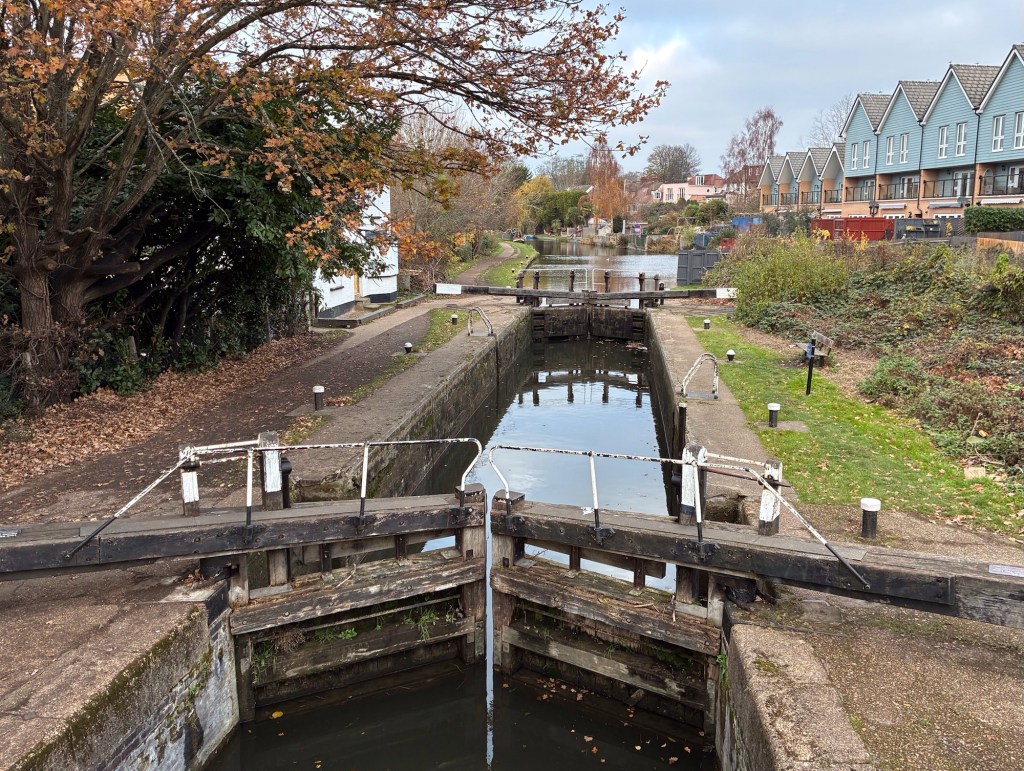
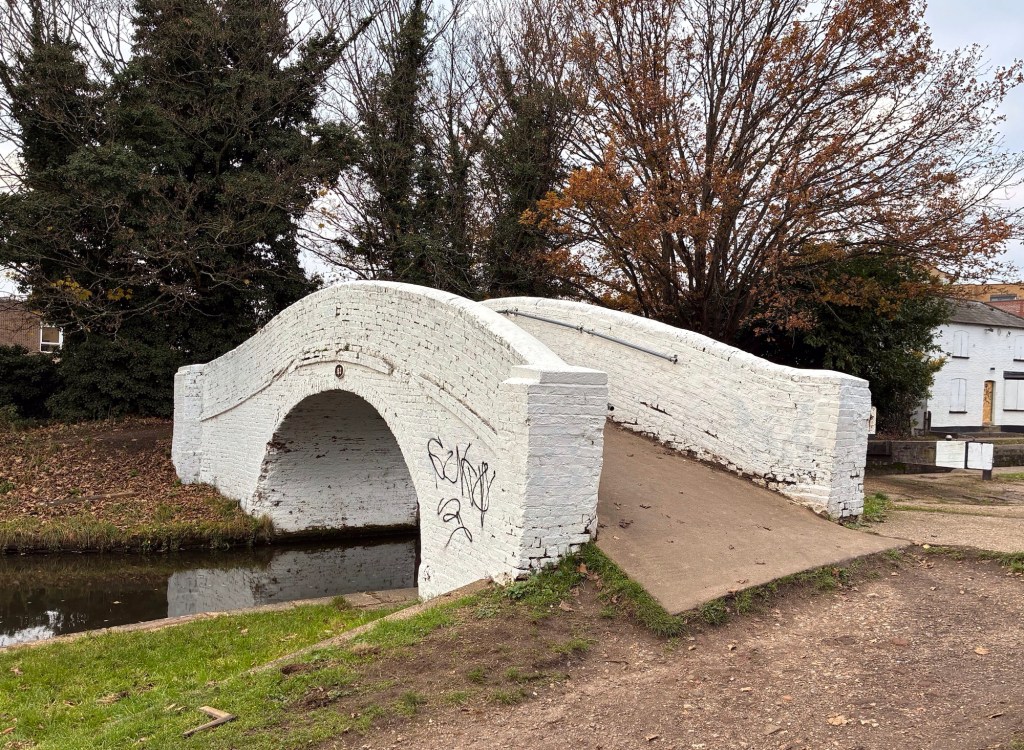
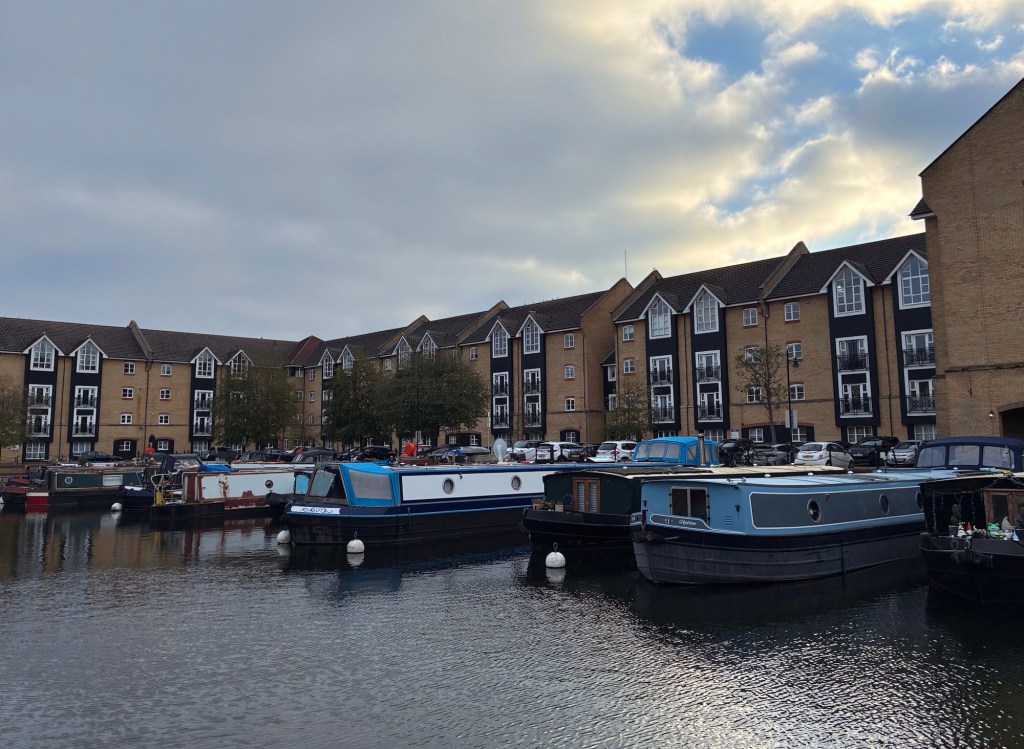
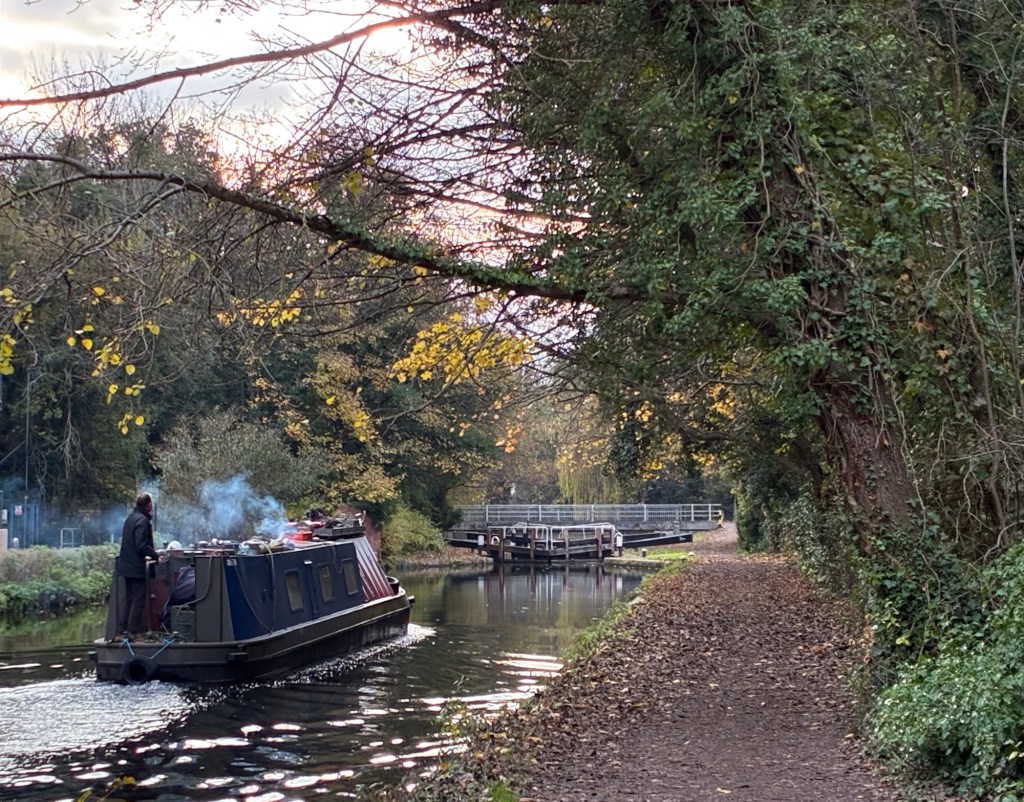
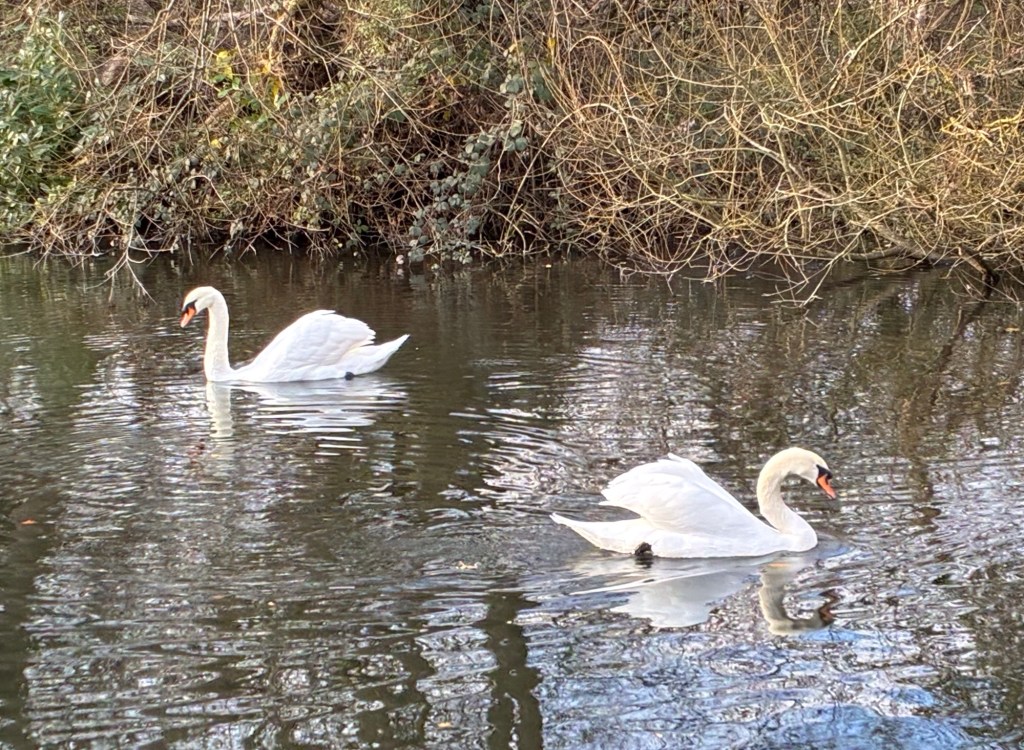
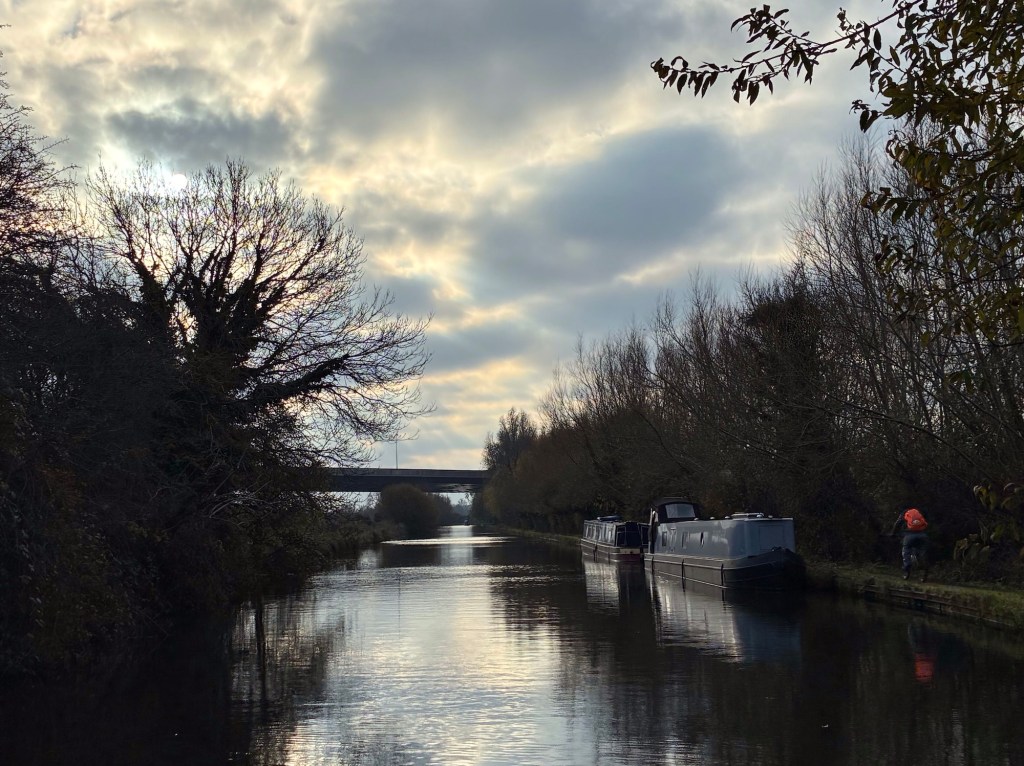
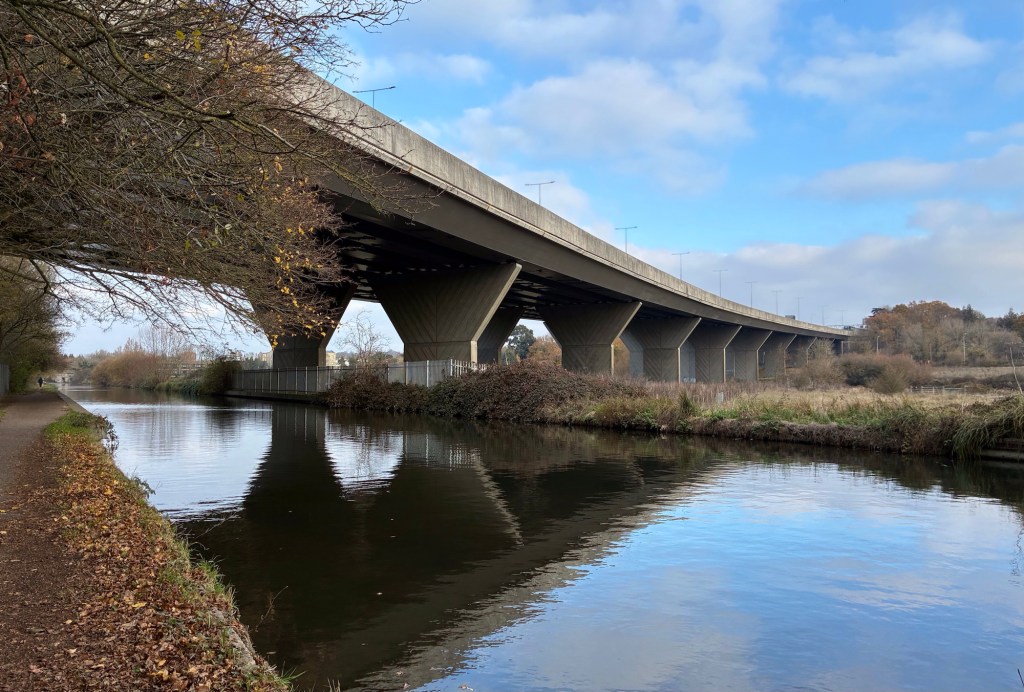
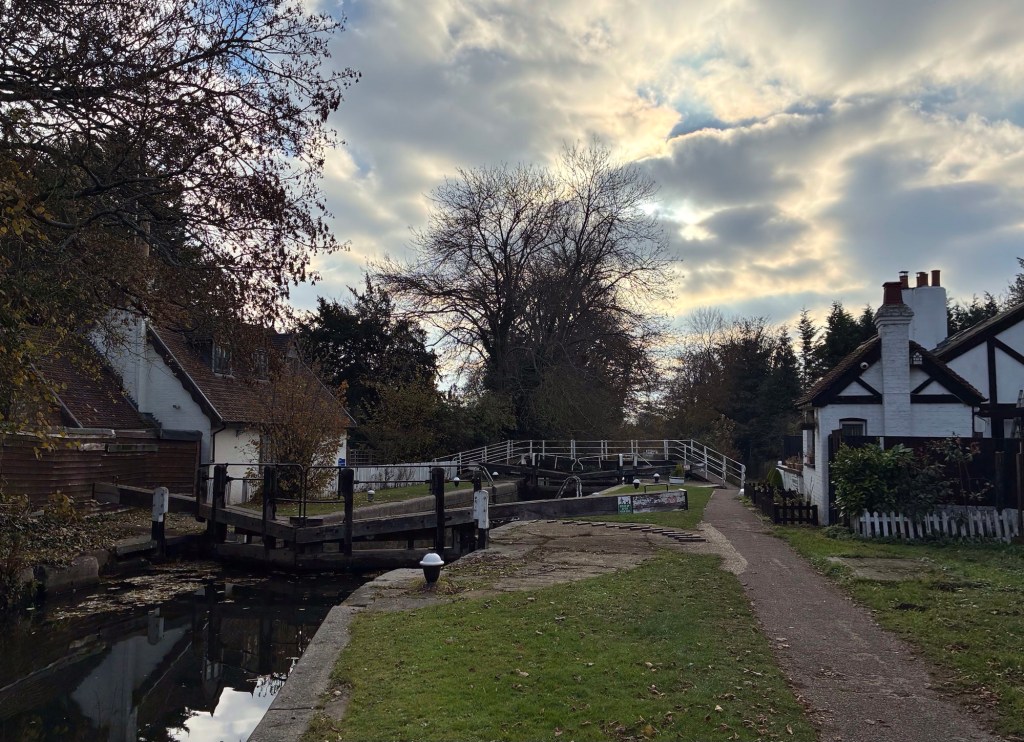
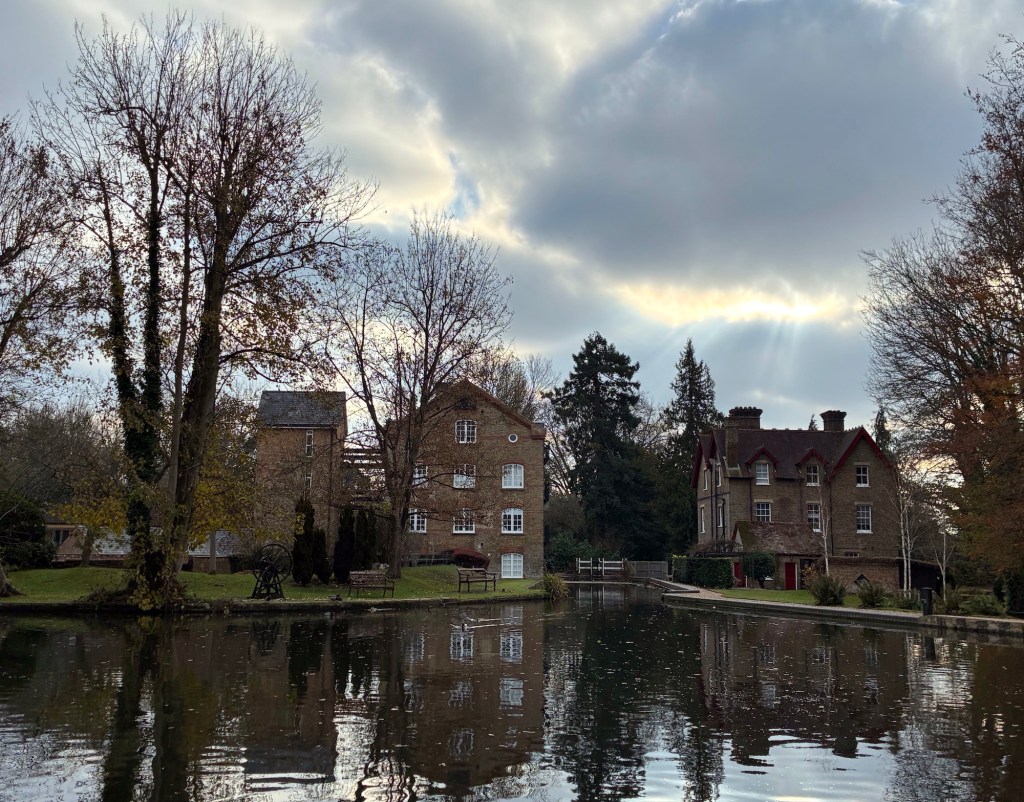
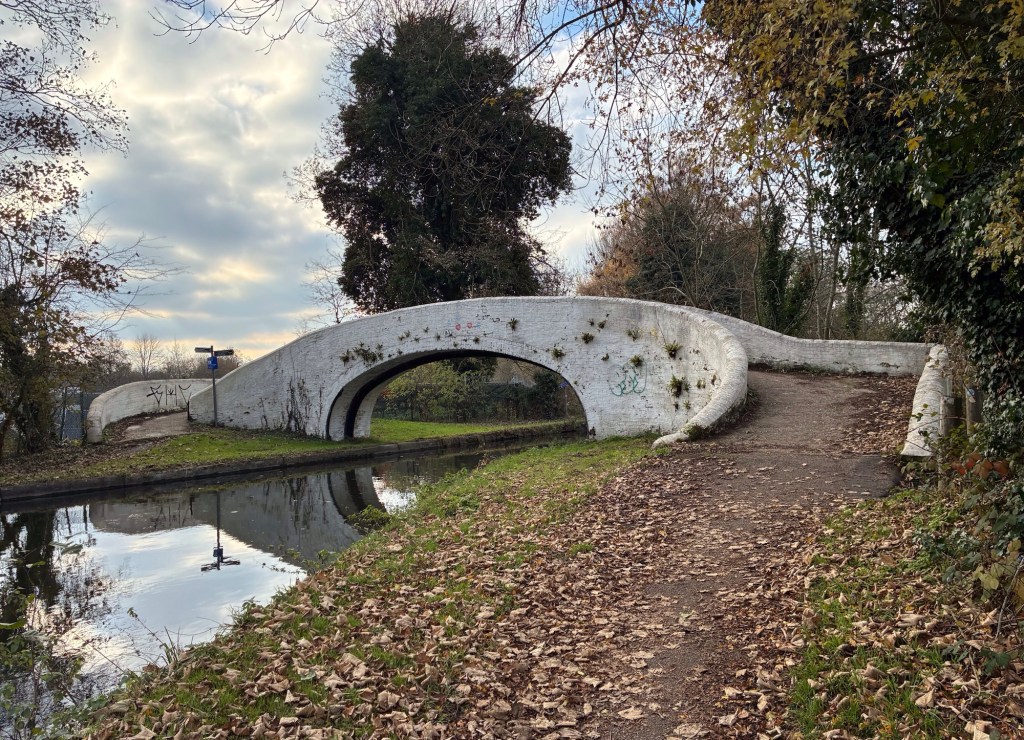
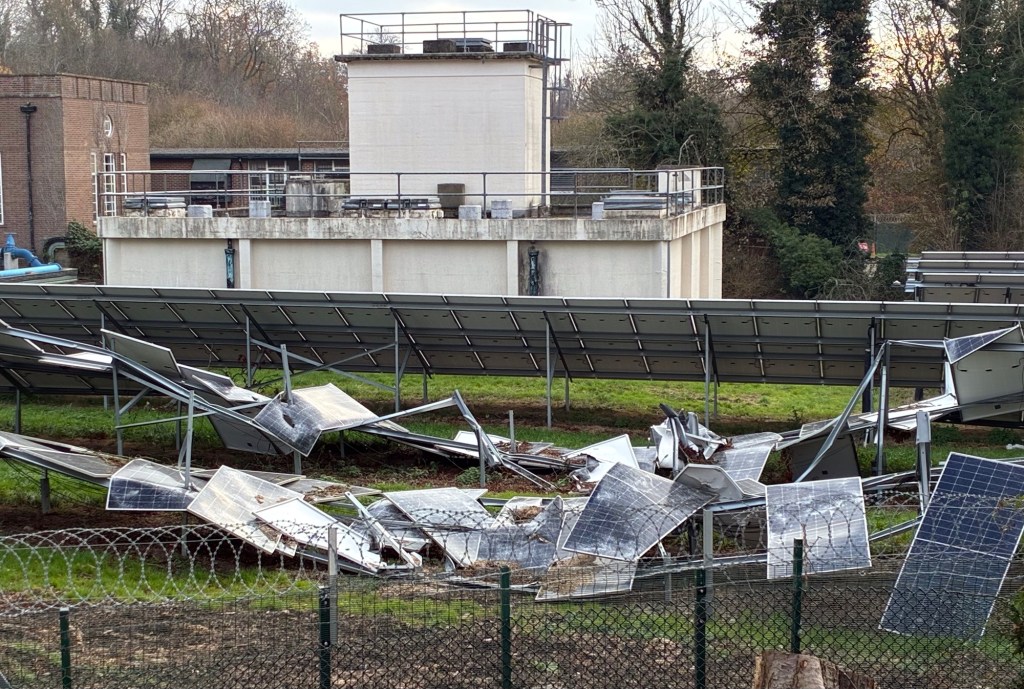
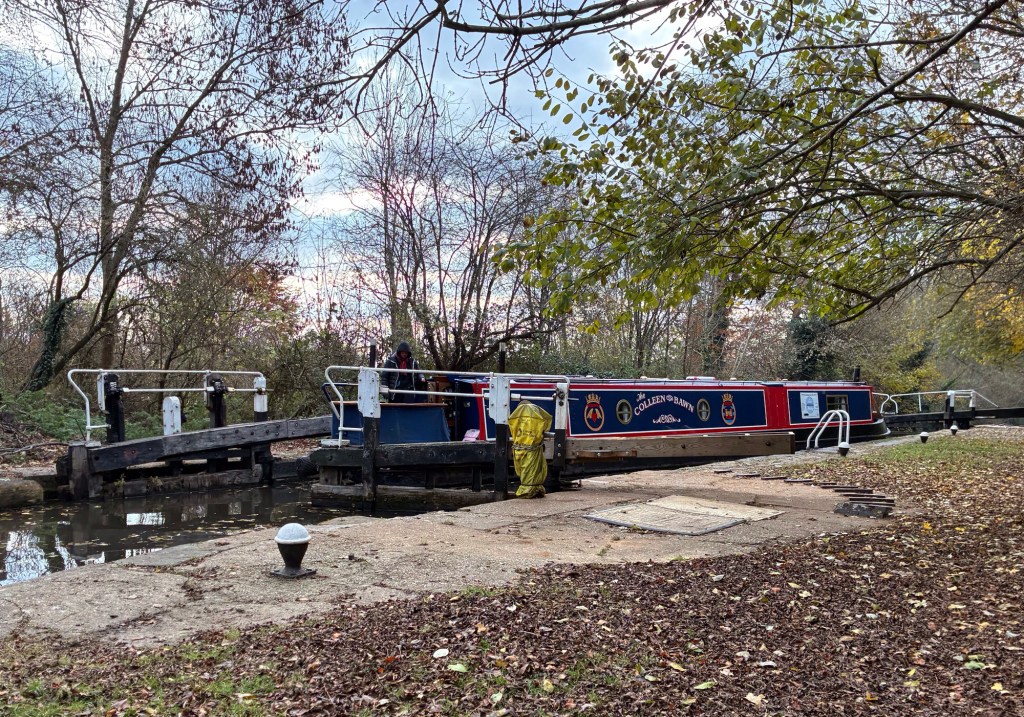
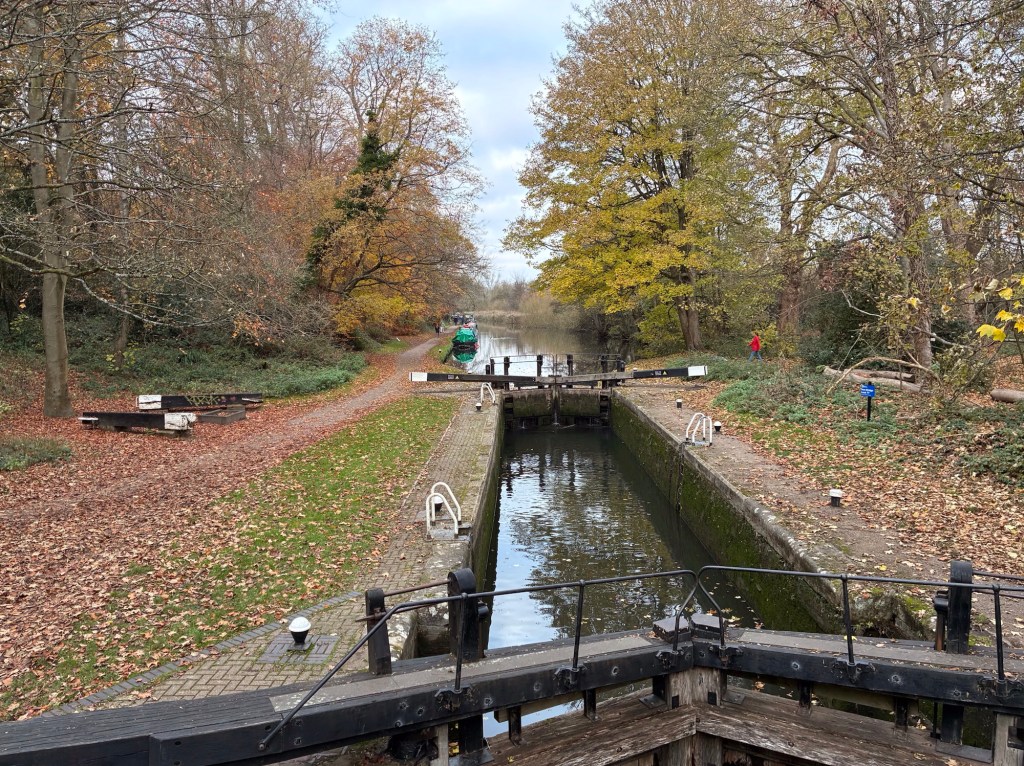
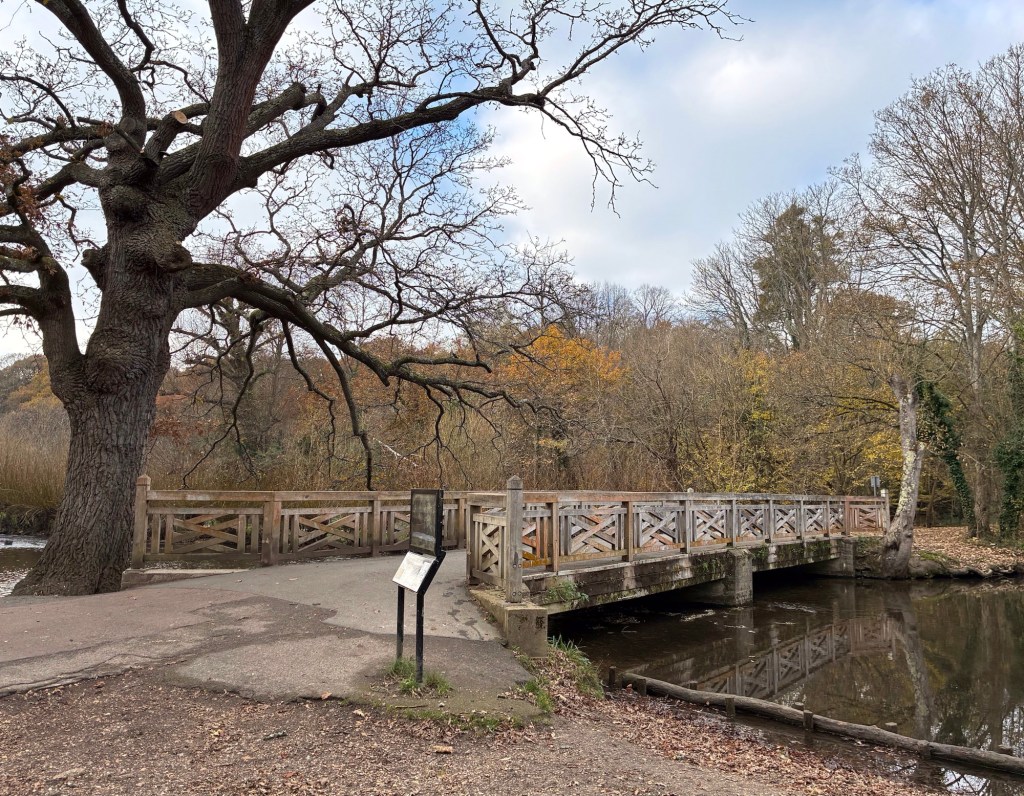
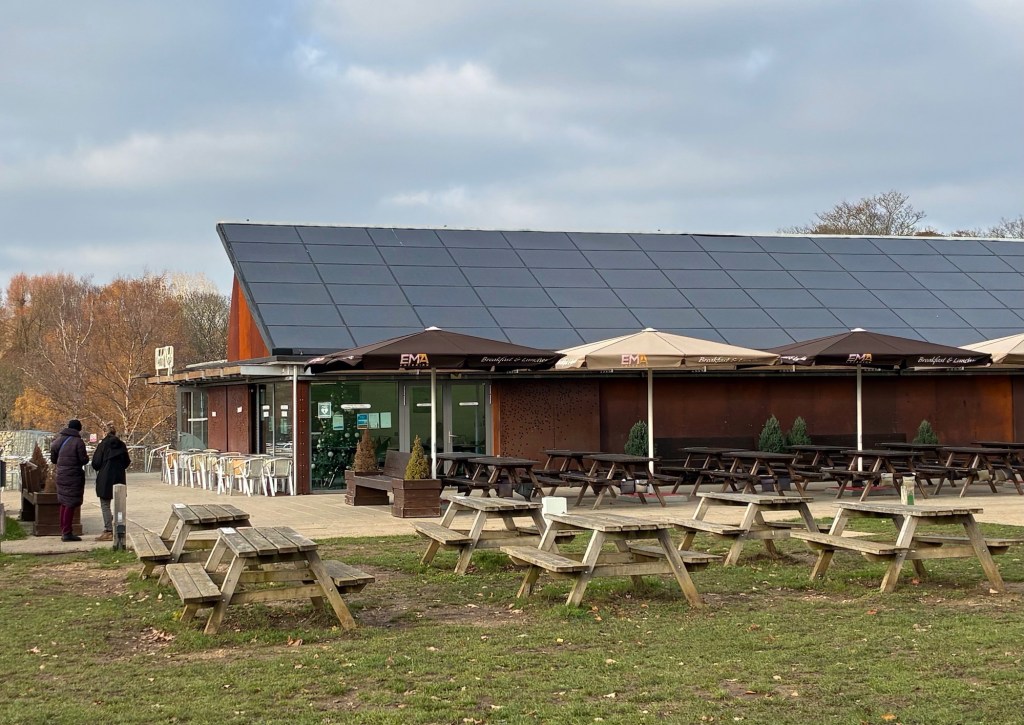
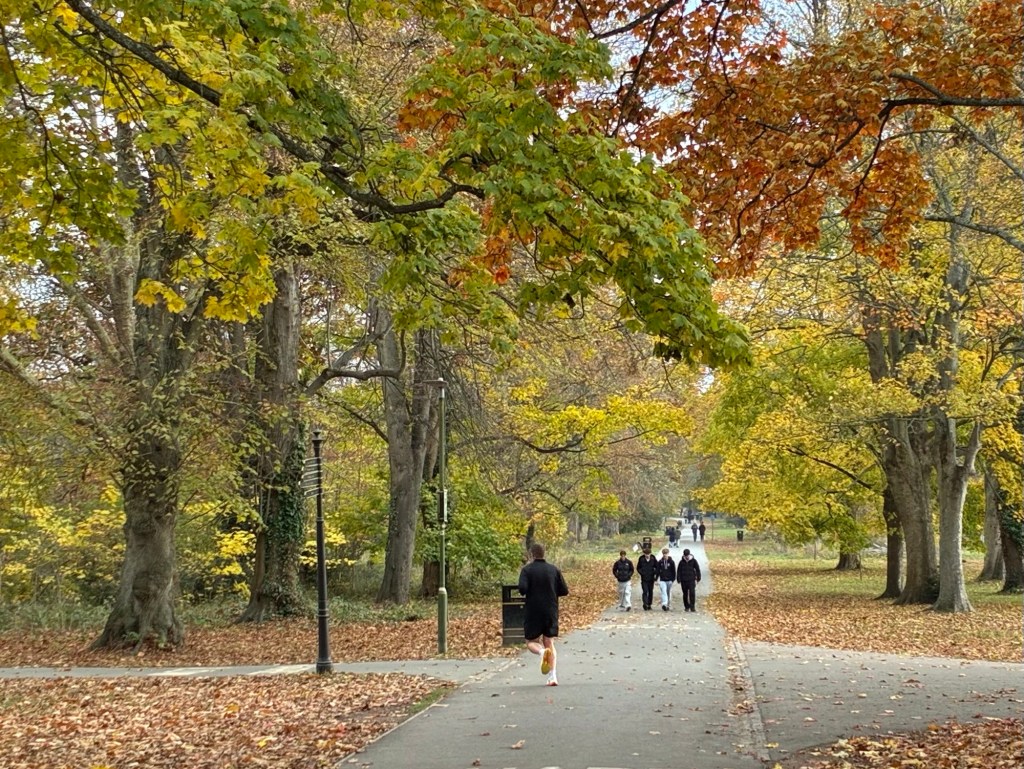
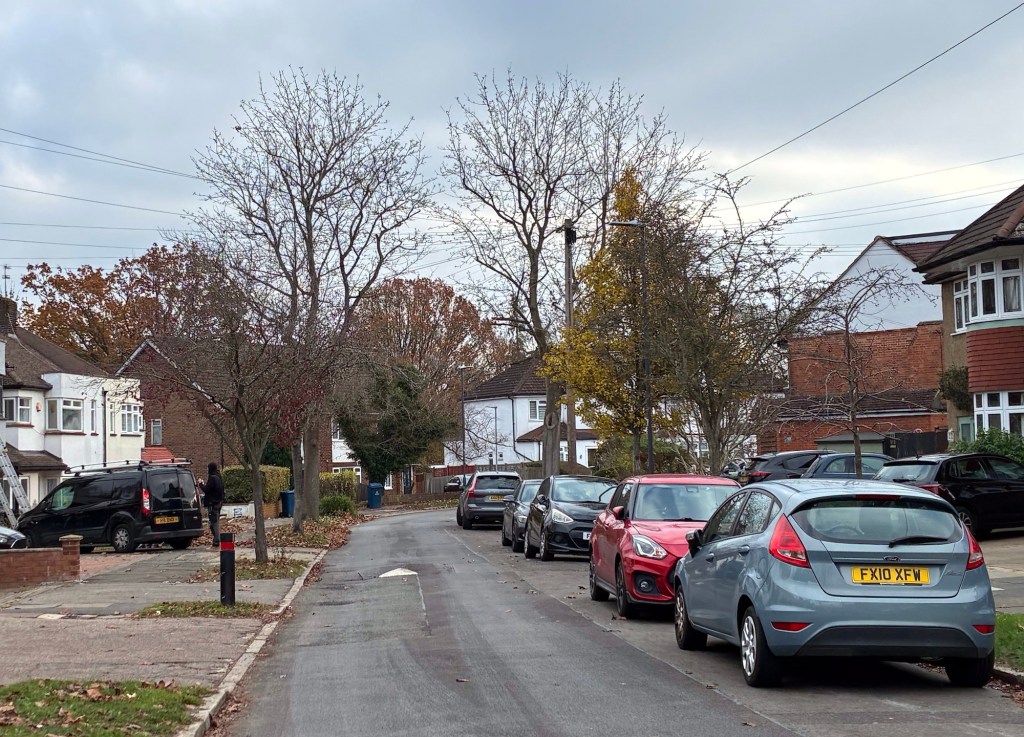
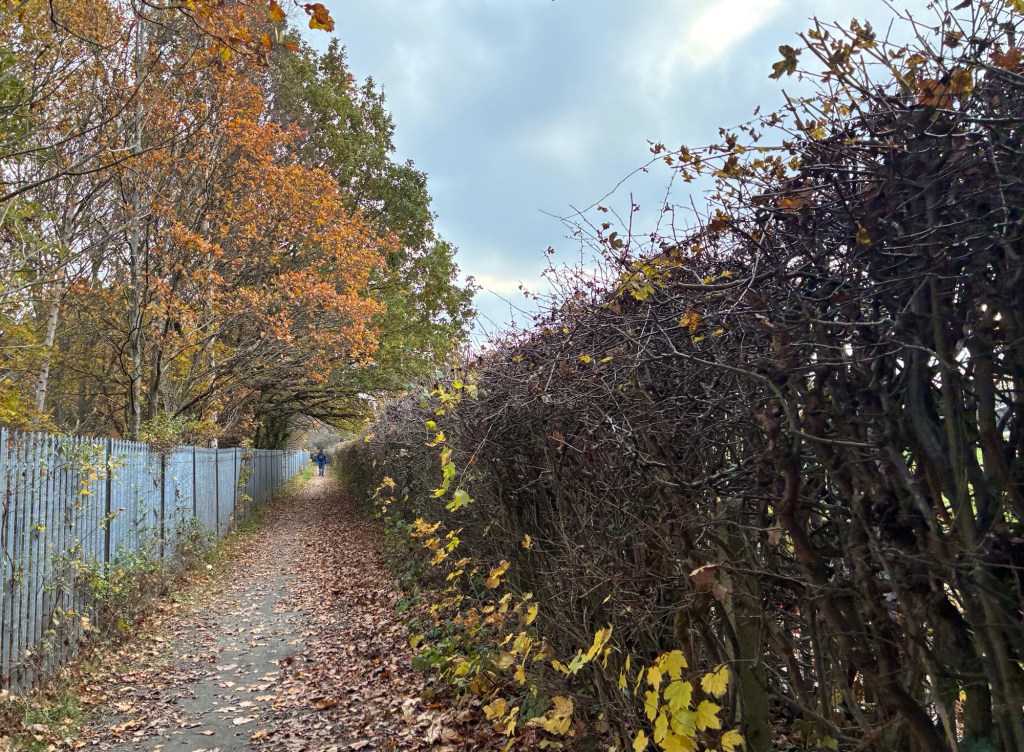
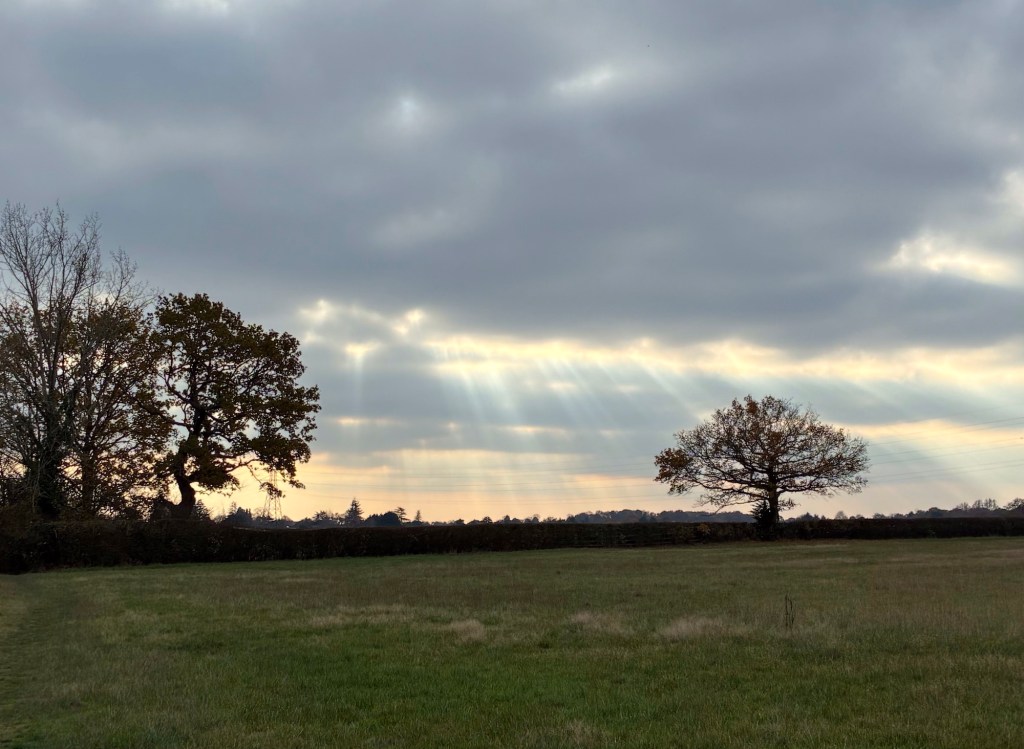
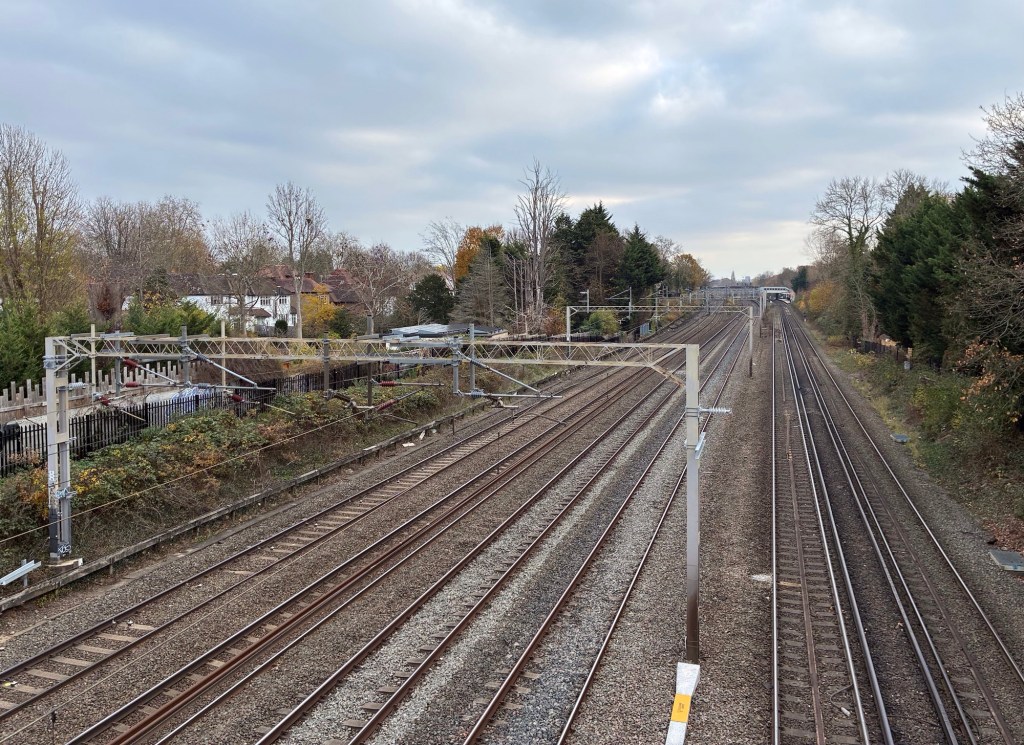
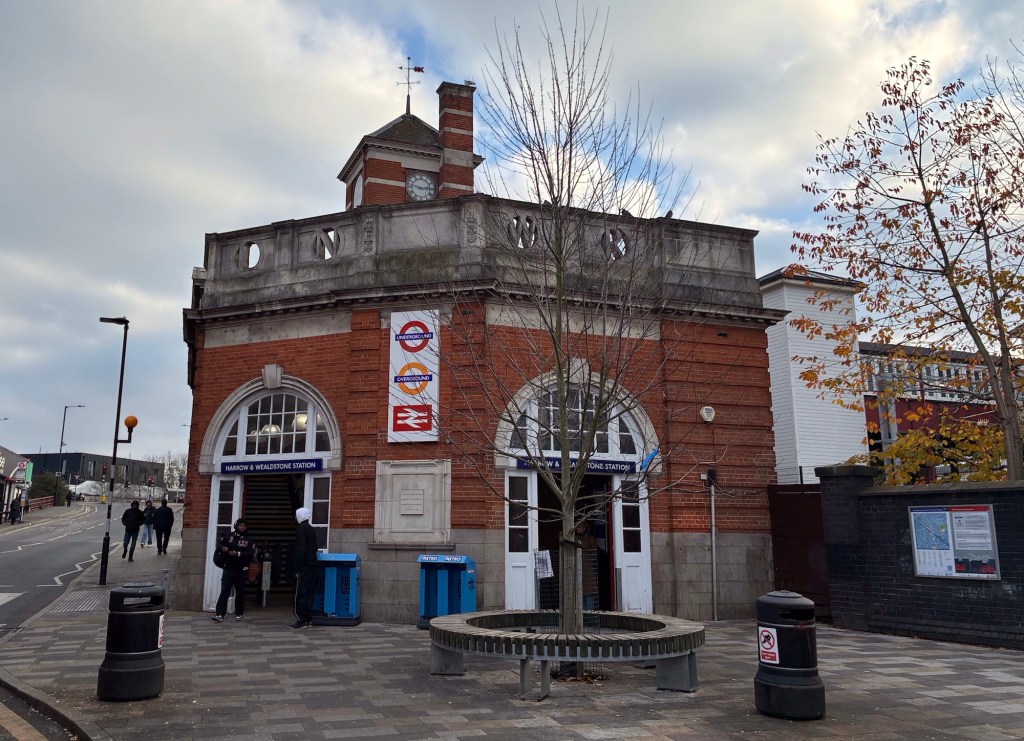
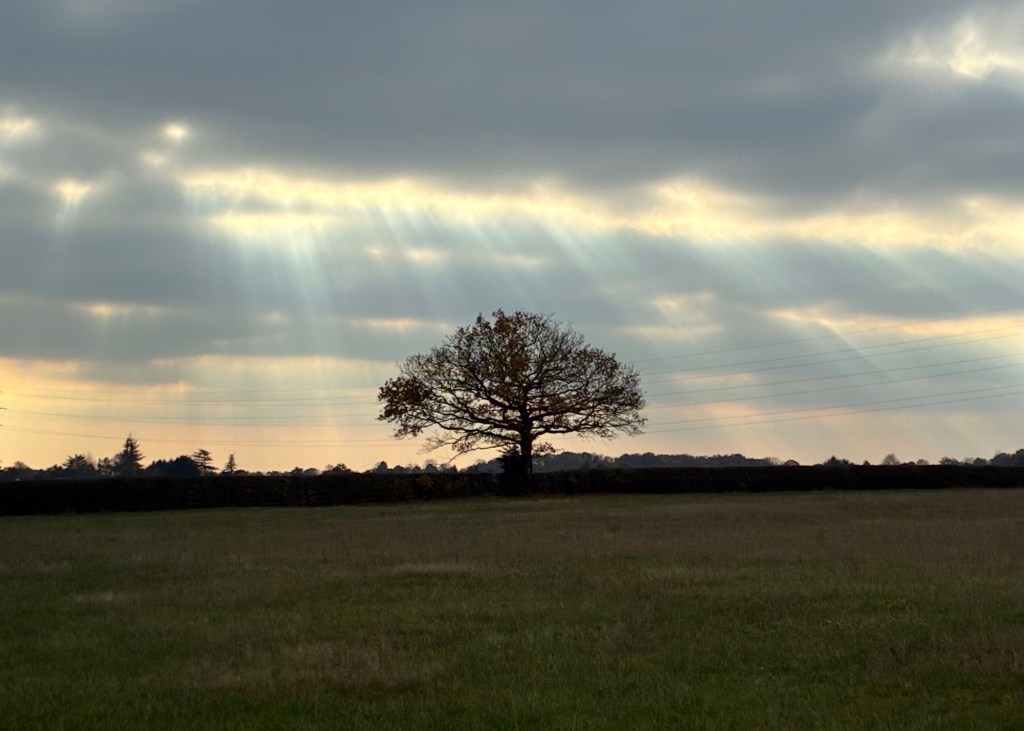
Today felt like the start of winter to me – my coldest day to date on ROUTE 1066, with the sun struggling to have much of a warming effect, even on the few occasions when the clouds parted. Possibly this is why I covered the ground so quickly – completing the 18 flat miles in well under six hours, inclusive of my coffee break in the café at Cassiobury Park – I needed to keep motoring to stay sufficiently warm! Tomorrow, all being well, my final day of the journey will be different – I will be ditching my walking poles for an urban walk, possibly my walking boots too in favour of trekking shoes for the pavements, and also my rucksack, as the latter is not allowed inside Westminster Abbey. Will anybody there believe my tale of having walked the whole of ‘the Conqueror’s’ campaign trail?

Thank you for following my ROUTE 1066 journey – re-tracing the steps of William the Conqueror in 1066 on his 360-mile campaign trail from Pevensey Bay, via Berkhamsted, and on to Westminster Abbey. If you are following my Blog, enjoying the ramble, and would like to help us to SAVE CASTLE FIELDS for future generations by pledging £39 to sponsor a 3×3-metre square of the land, then please click on this link:
THANK YOU ALL FOR SUPPORTING MY ROUTE 1066 WALK, AND FOR HELPING TO PRESERVE THE LEGACY OF CASTLE FIELDS
My Blog heading today ‘Southbound Again’ seems apt to describe the start of this final leg of William’s 1066 warpath, in his quest to take the Crown of England. The song of that title is a track from UK roots-rock band Dire Straits’ 1978 eponymous debut album that marked the group’s breakthrough, reaching the Top 5 of the album charts on both sides of The Pond. The number was written by the band’s founder, lead guitarist, and frontman Mark Knopfler, now a solo artist, who was inducted into the Rock ‘n’ Roll Hall of Fame in 2018.