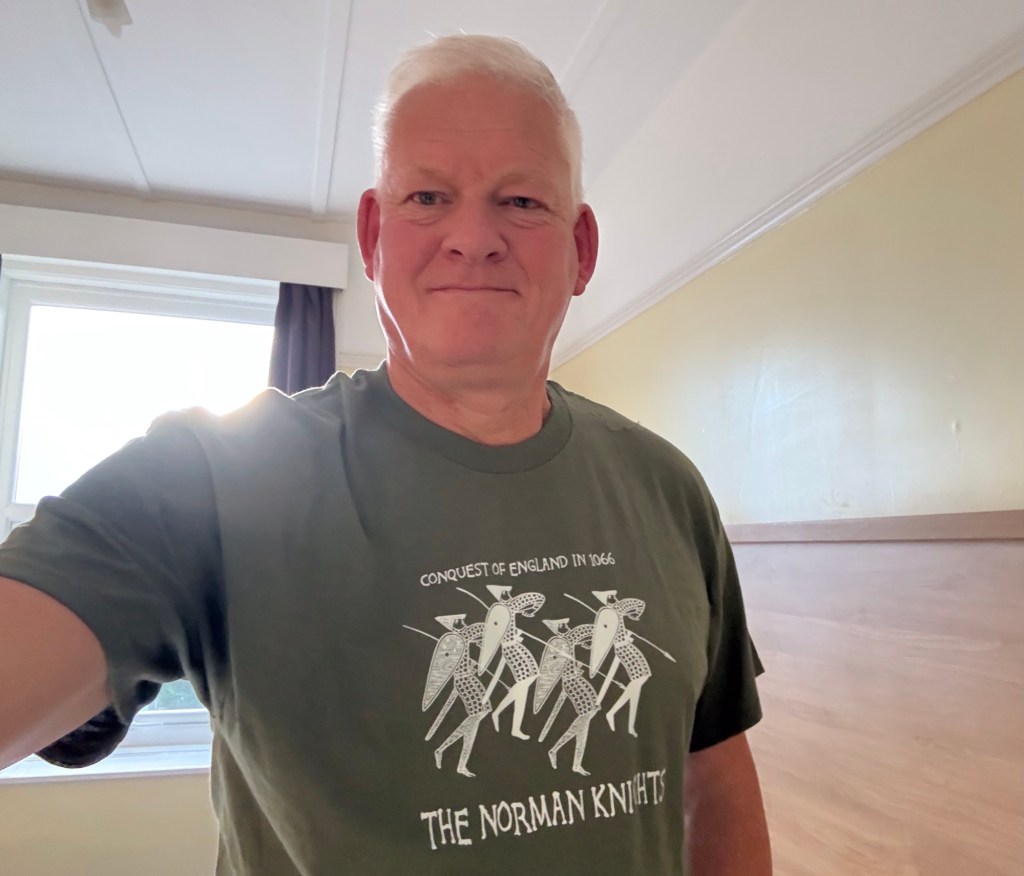
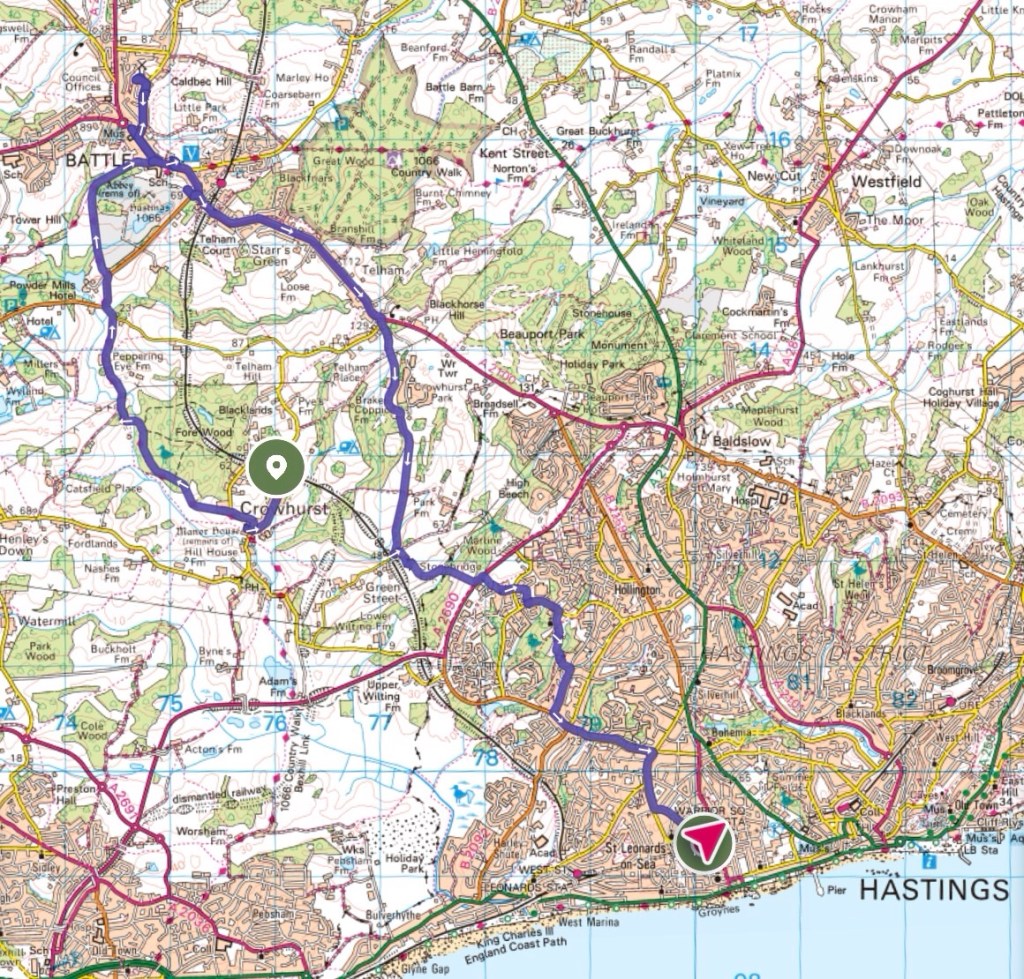
ROUTE 1066 – Day 2: Tuesday 3 November 2026 – CROWHURST via BATTLE to HASTINGS (12 + 2 miles)
I awoke with the dawn this morning, enthused and ready for Battle! One of the locals who I met on the trail yesterday suggested that ‘I was doing all the best bits of the Norman’s campaign trail – Pevensey, Battle, Hastings – in the first two days’: I hope that this is not to be the whole picture as far as my ROUTE 1066 walk is concerned, but he is correct in pointing out the significance of the events that played out in these localities all those hundreds of years ago. Either way, I started the day excited at the prospect of walking the final miles to the battlefield, and to exploring the landscape and the relics around the site of the conflict.
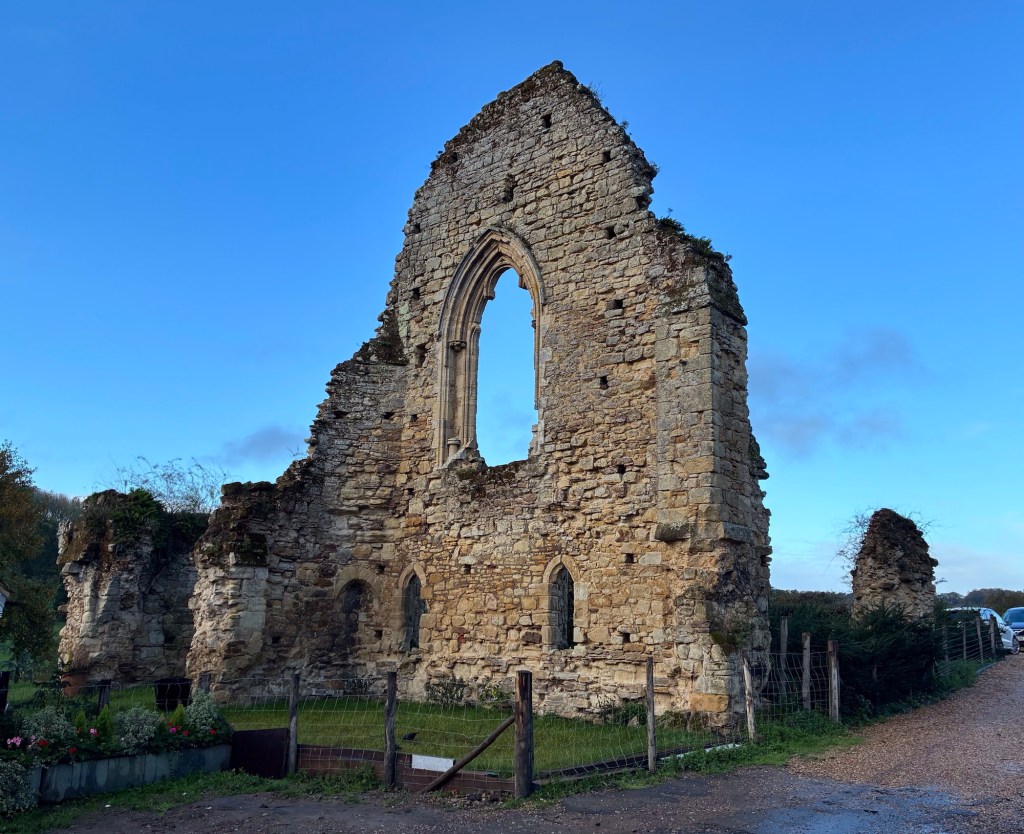
Today dawned cool but sunny in these parts, but as the morning progressed rain showers, that ranged from drizzly to monsoonal, punctuated my trail – although fortunately I was able to sit out the latter under cover. Not that the weather mattered too much – today was a shorter walking day, with plenty of historical interest to provide a break from my exertions. I was really quite moved by the things I saw today, and at the effect on my mood of the tales alluded to by the landscape: the huge loss of life (even the name ‘Senlac’ derives from ‘lake of blood’) and the fact, despite some irrational feelings of regret on my part that the invaders won, that ‘we are they’ – insofar as we are all descended in large part from the Normans. Anyway, here is the story, in pictures, of Day 2 of my journey.
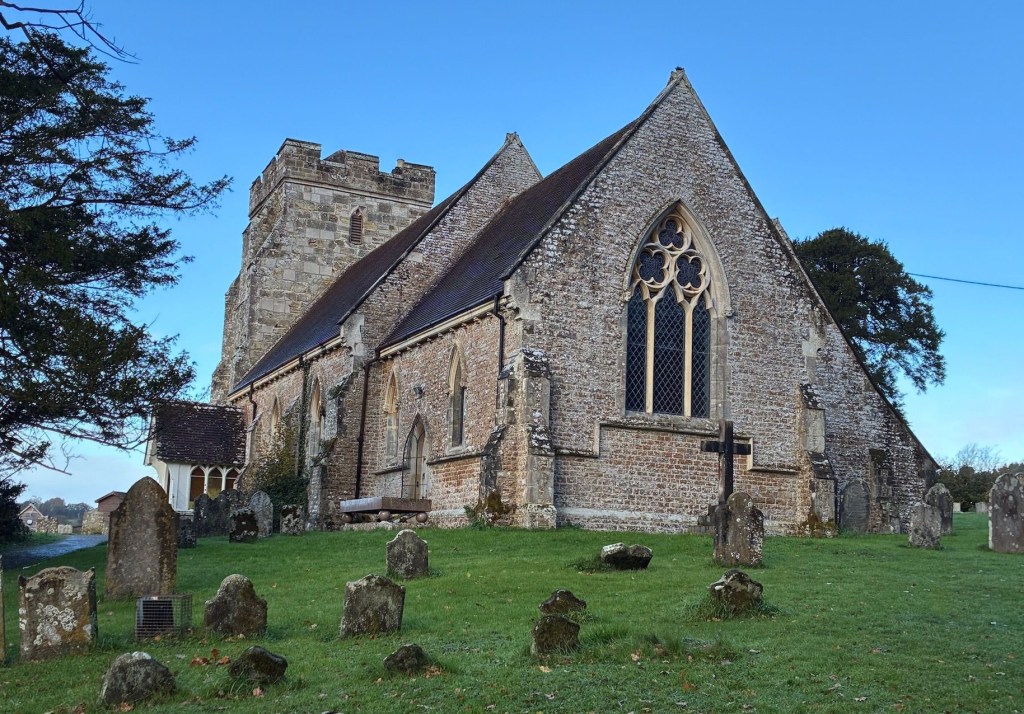
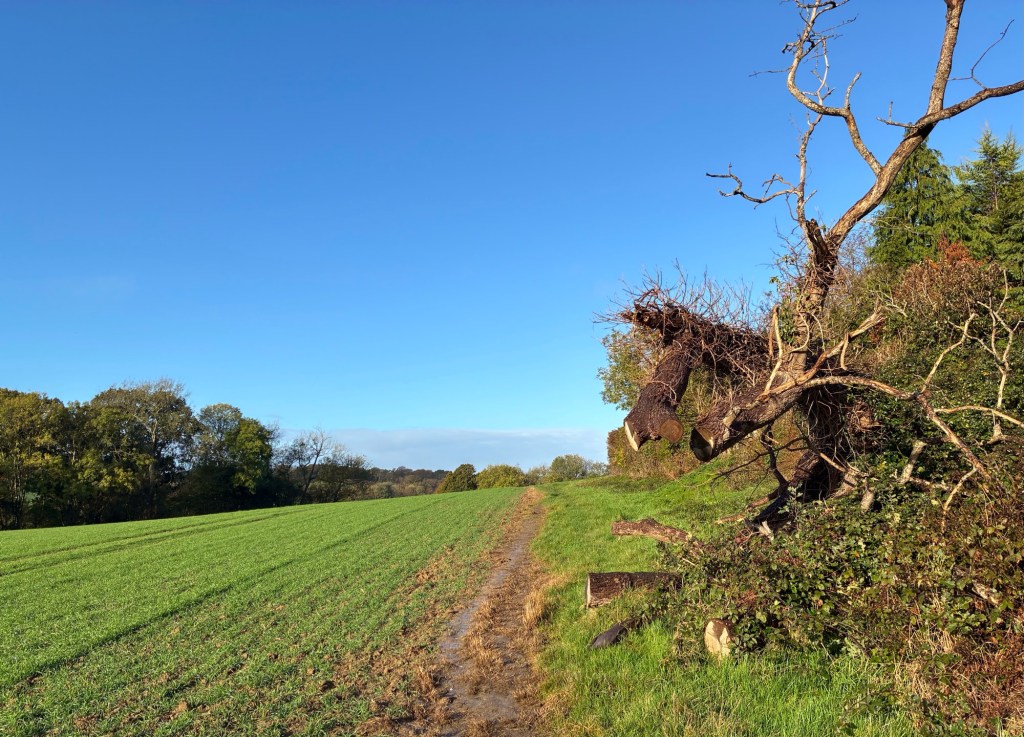
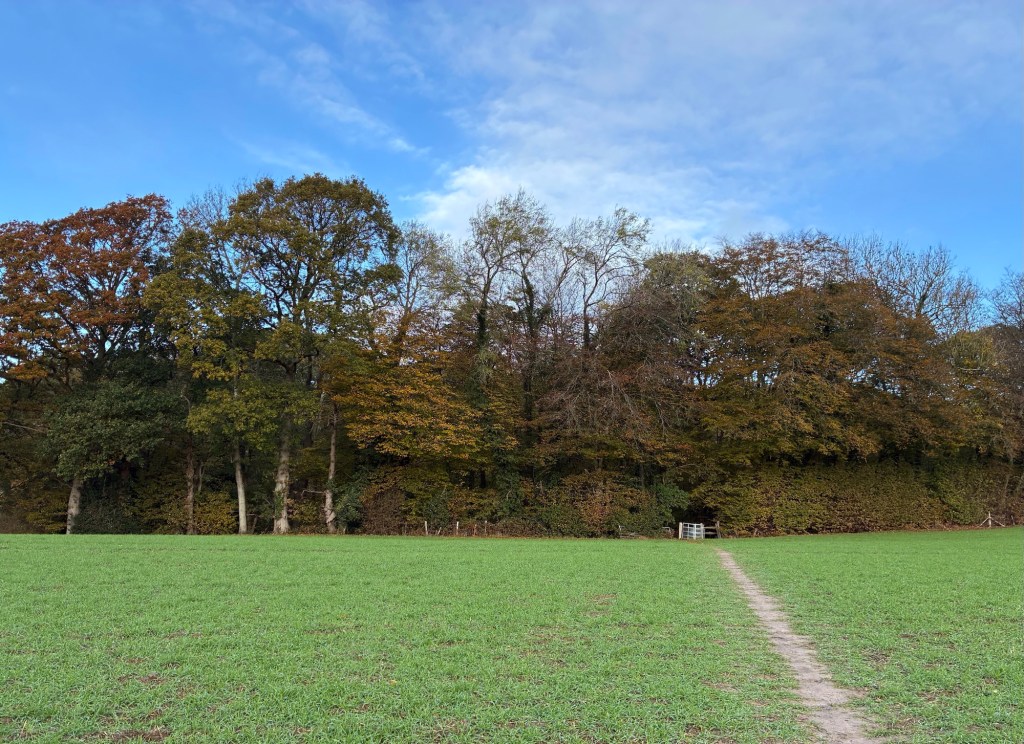
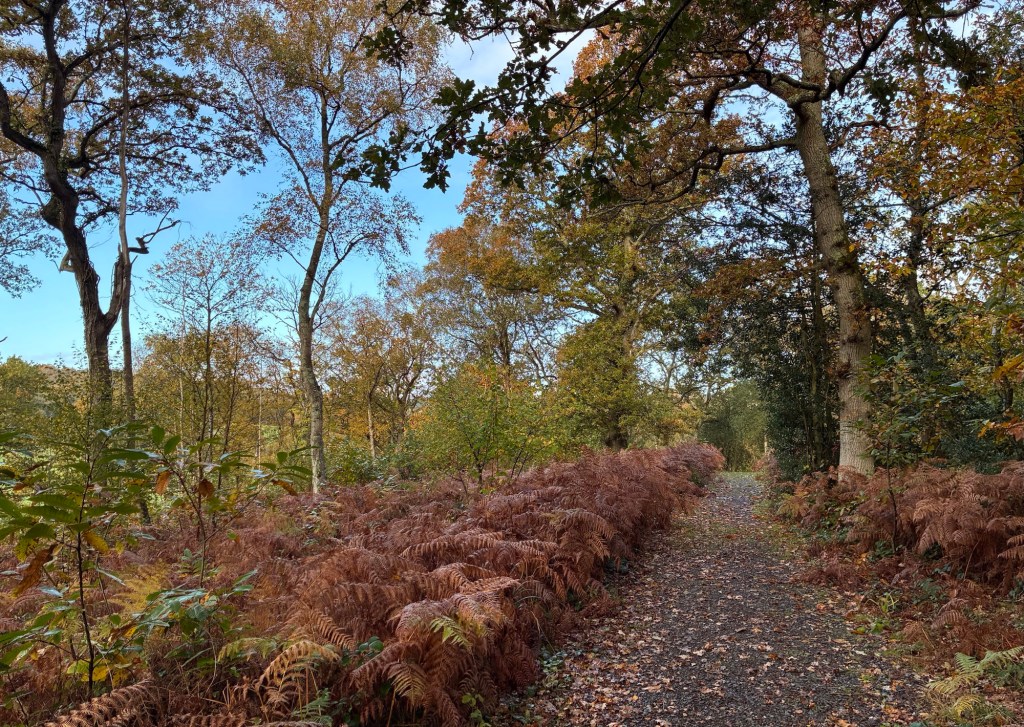
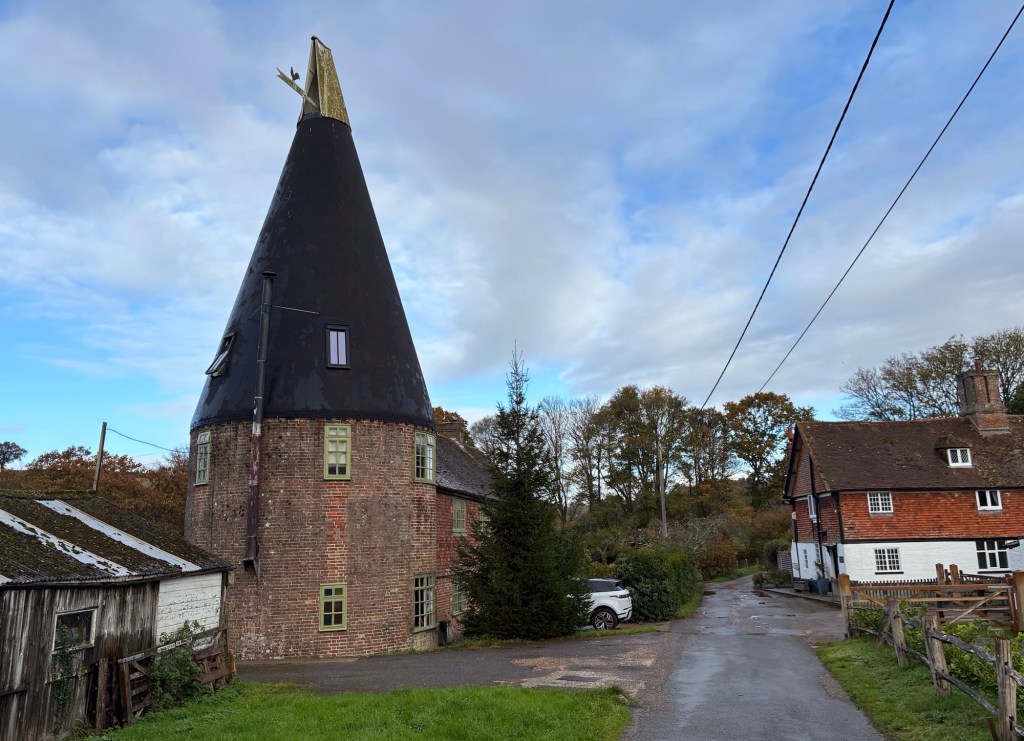
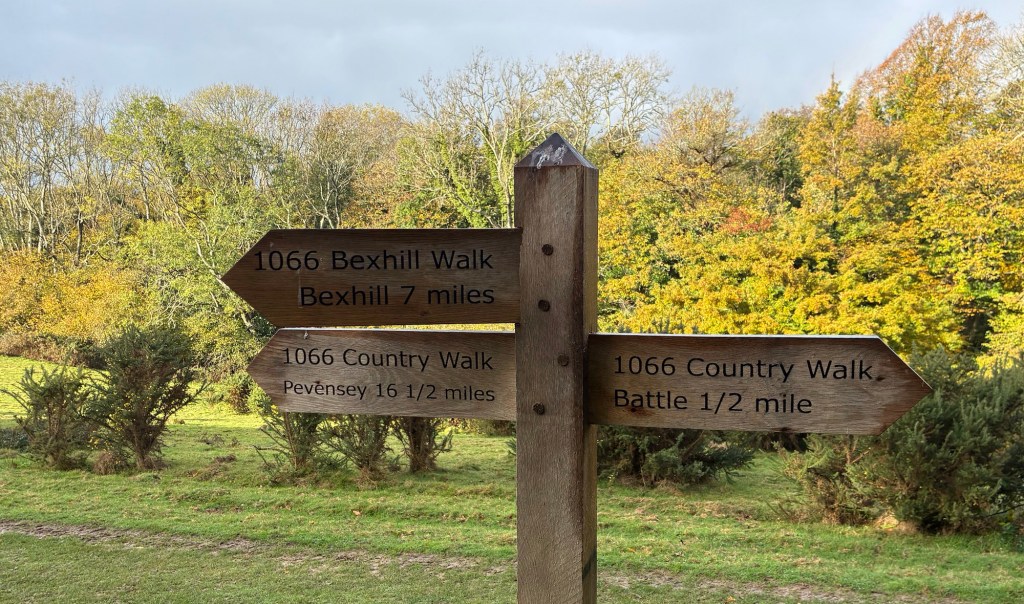
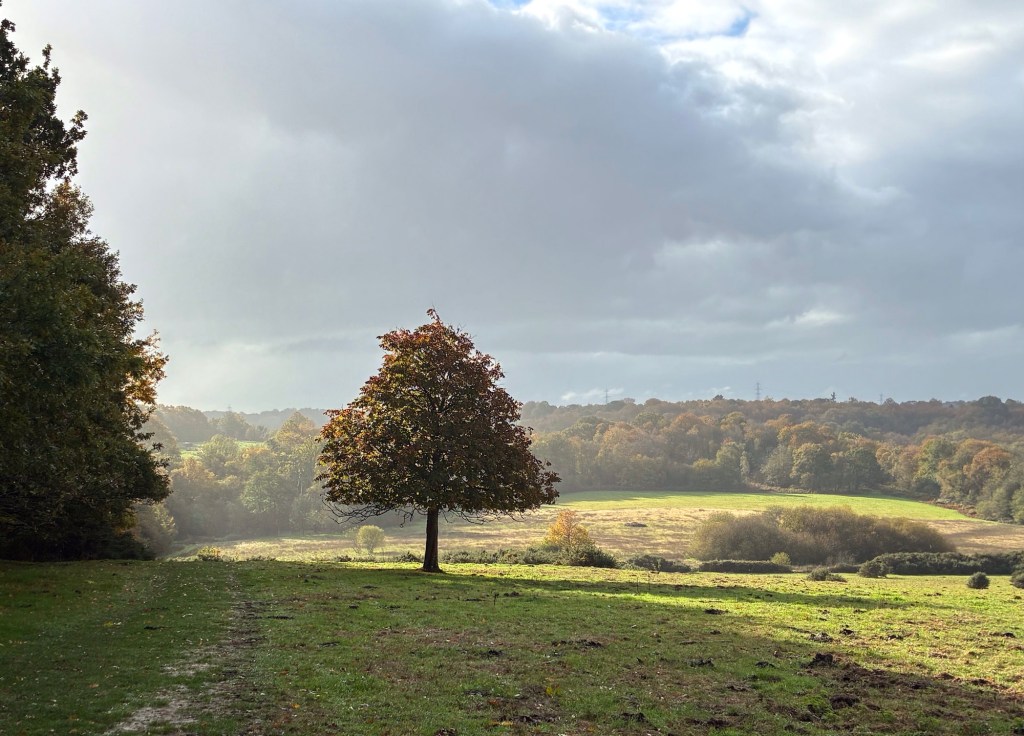
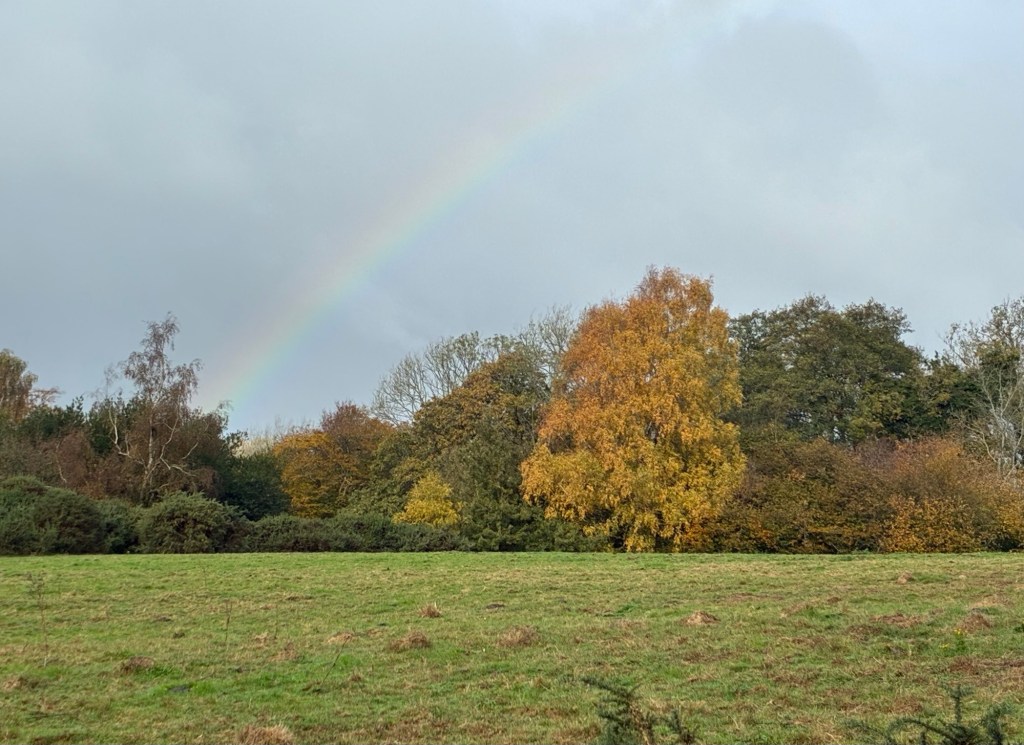
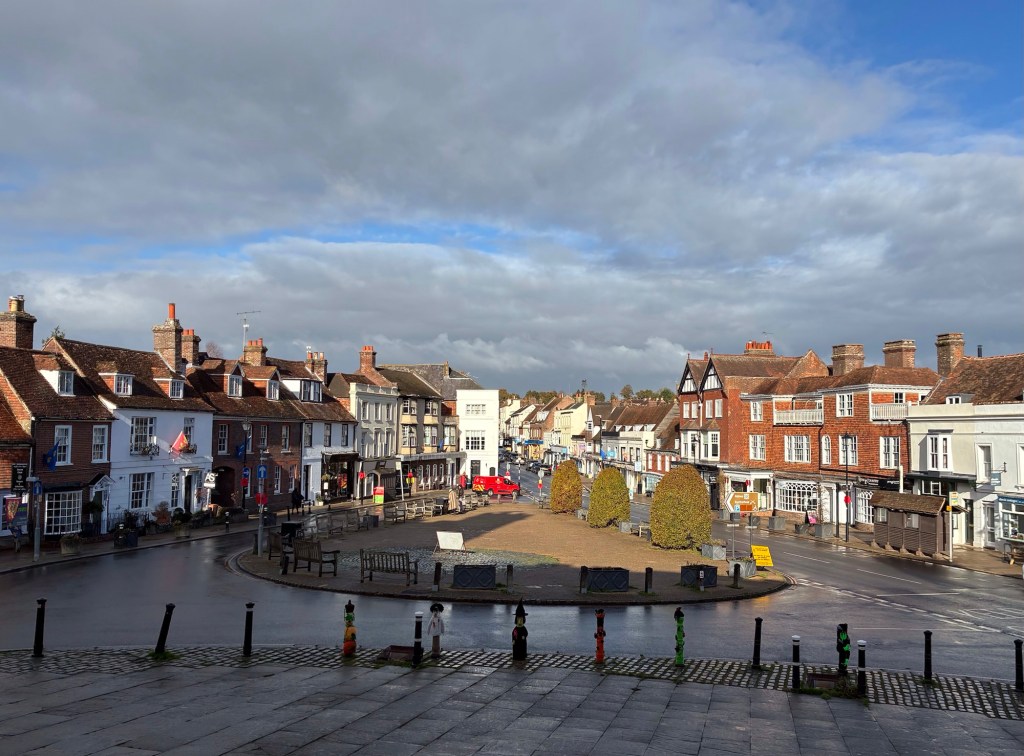
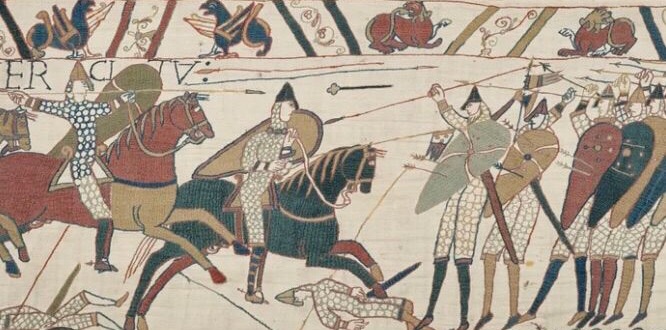
At the risk of repeating the words of my history teacher (themselves half a century old) I have, as you might expect on this ROUTE 1066 ramble, been reading up a little on the Battle of Hastings. What follows is the summary of my reading and understanding – I assure you that it is not AI-generated and, as such, you may want to skip what has become the longest paragraph ever to grace my Blog! So here goes. It is generally held that origins of the Norman invasion relate to two events (1) the oath that Harold had sworn to William: that he, Harold, no blood relative but brother-in-law to the King of England, the ageing Edward the Confessor, would renounce any eventual right to the throne in favour of William, and (2) the subsequent alleged deathbed request, in January 1066, by Edward to Harold that he, Harold, should become King upon dying monarch’s passing. Hence Harold was crowned on 6 January 1066, the day following Edward’s death. William, emboldened with support for his oath from the Pope, took prompt action and, as we saw yesterday, arrived with his forces on Pevensey beach towards the end of September. It is thought that William then provoked the confrontation by laying waste to the local communities in order to goad Harold into confronting him (and hence avoiding isolation and a depletion in his army’s supplies): Harold, for his part, is thought to have ignored the counsel of his family and his nobles to delay any military contact and, taking William’s bait, marched post haste from his victory over the Vikings at Stamford Bridge to take on the Norman invaders before his forces had been fully mustered. Harold’s intention was to ambush William, although in the event it may be that the latter’s advanced intelligence meant that it was Harold who was surprised to see the Norman army marching on Senlac Hill soon after dawn on 14 October 1066. The battle, featuring around 6,000 to 7,000 men on each side (plus in excess of a thousand Norman horses), raged all day, as waves of William’s archers, then infantry, and finally cavalry, sought to break the Anglo-Saxon shield-wall at the crest of the hill. Towards nightfall Harold fell, after his left flank broke in a downhill advance on the Norman army that may have been orchestrating a ‘fake retreat’. The English were vanquished and William had won. I will return to the exact circumstances of Harold’s demise in tomorrow’s lesson – but, first now, back to my walk!
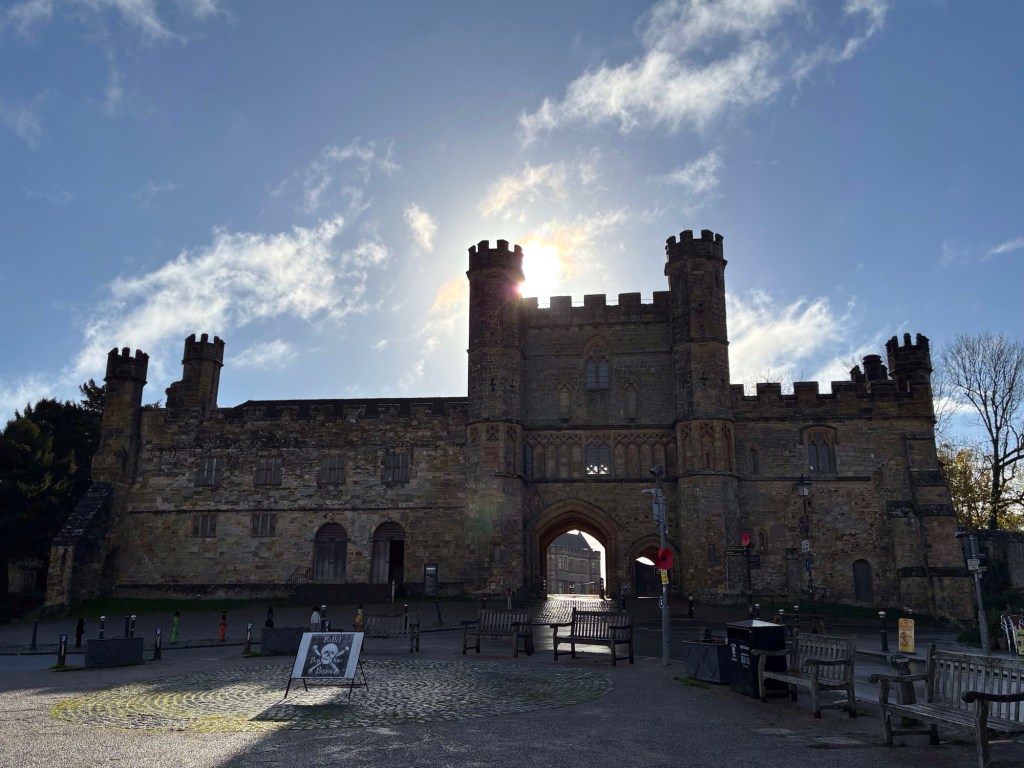
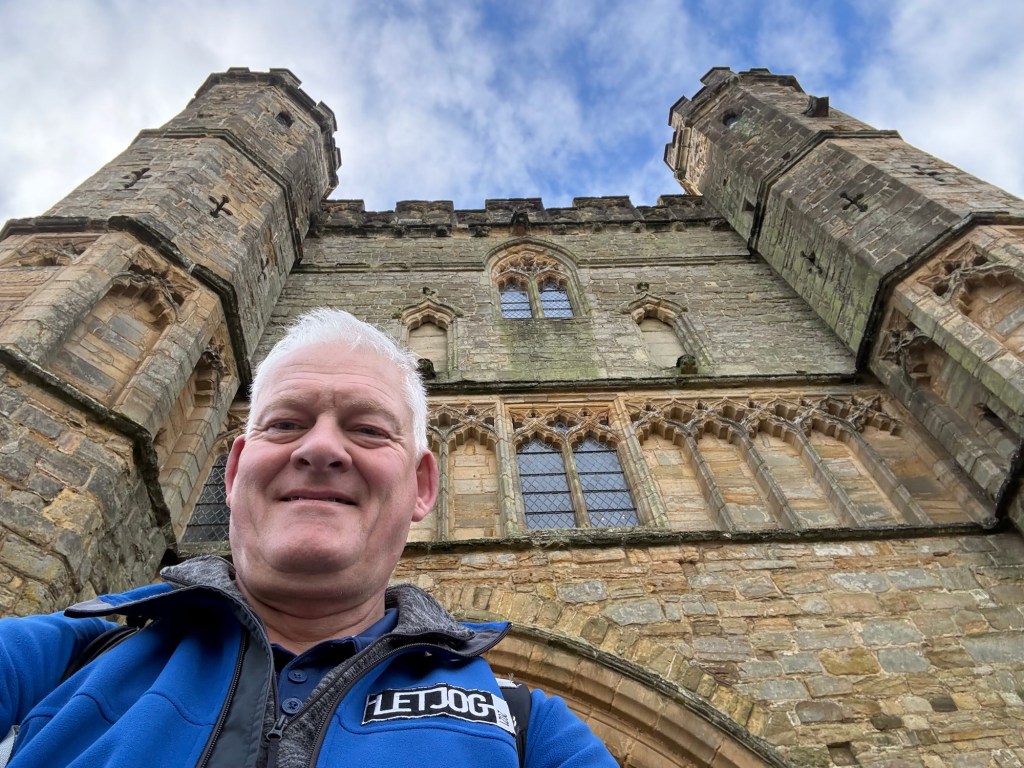
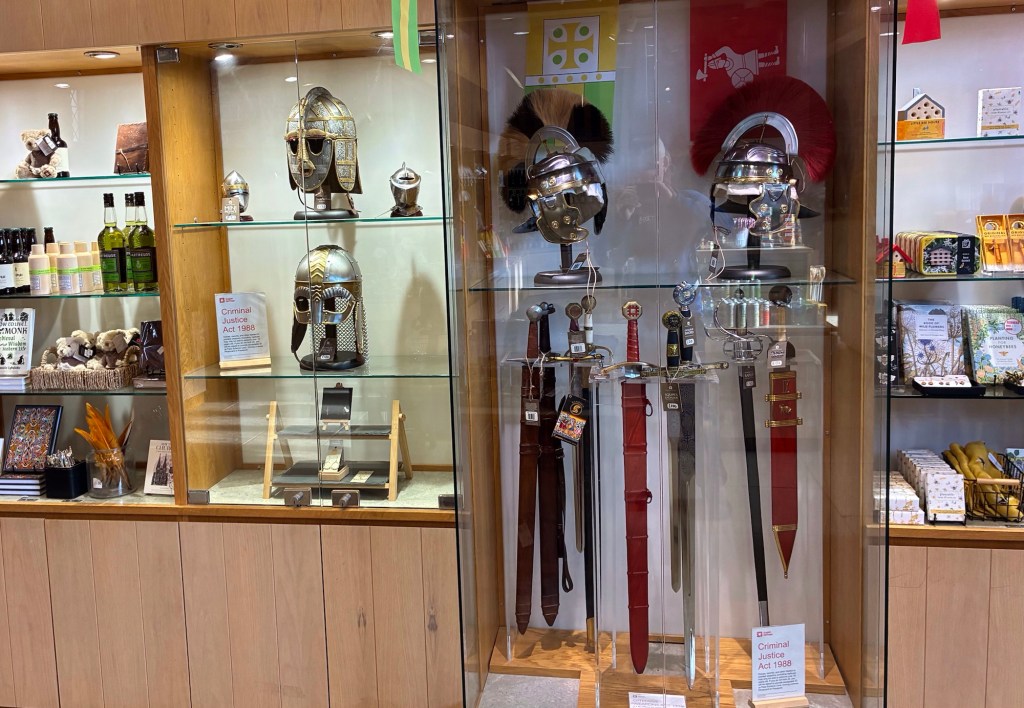
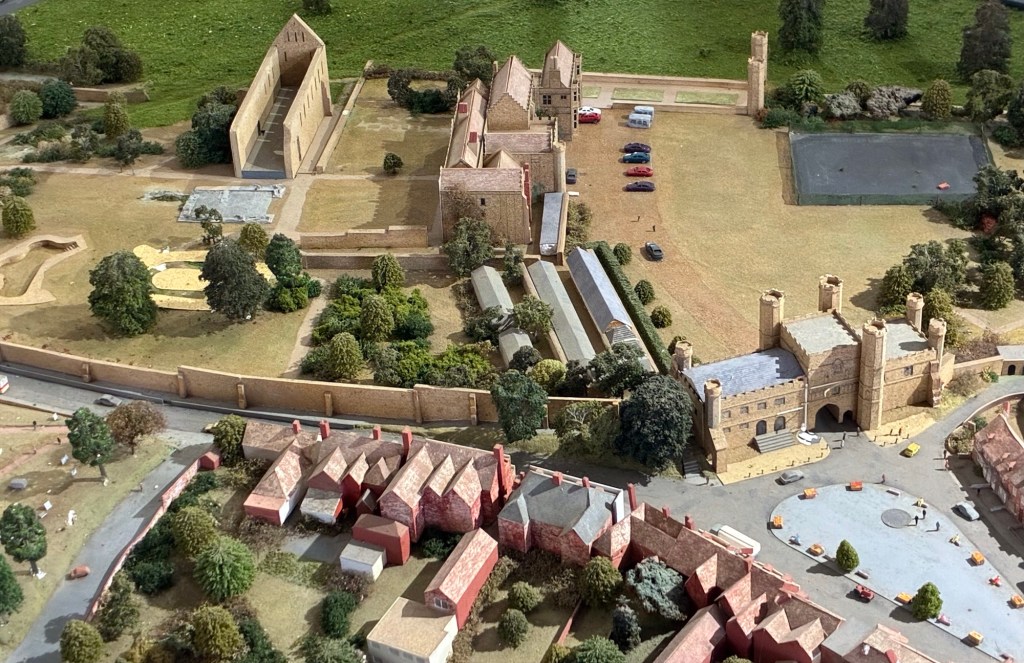
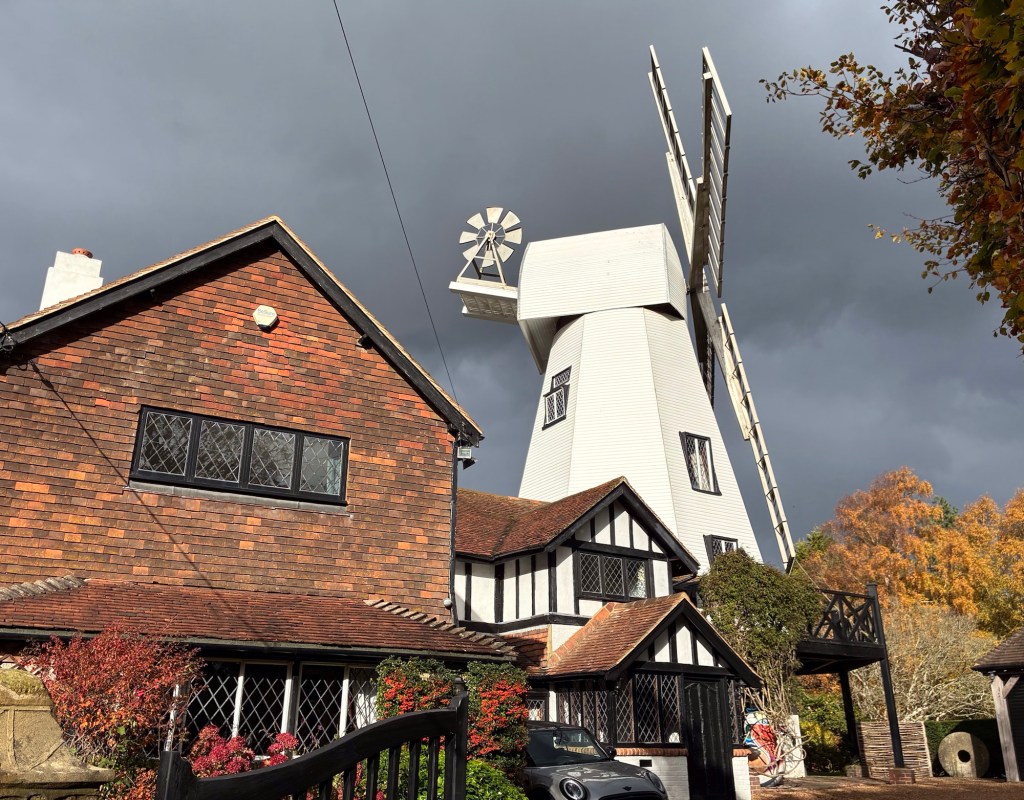
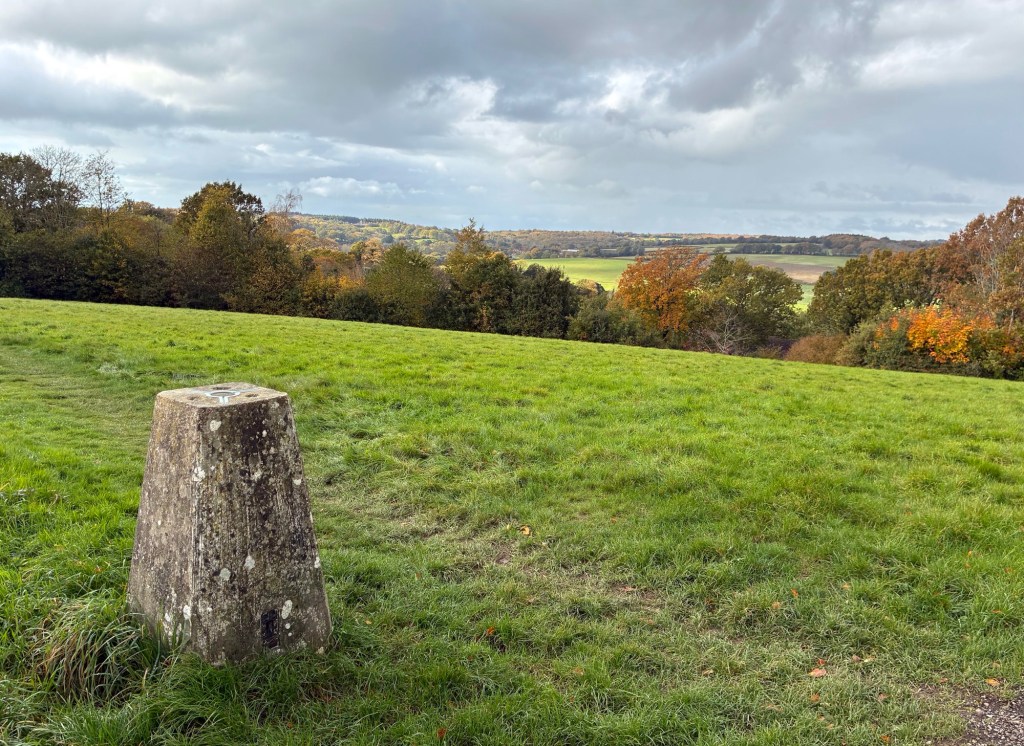
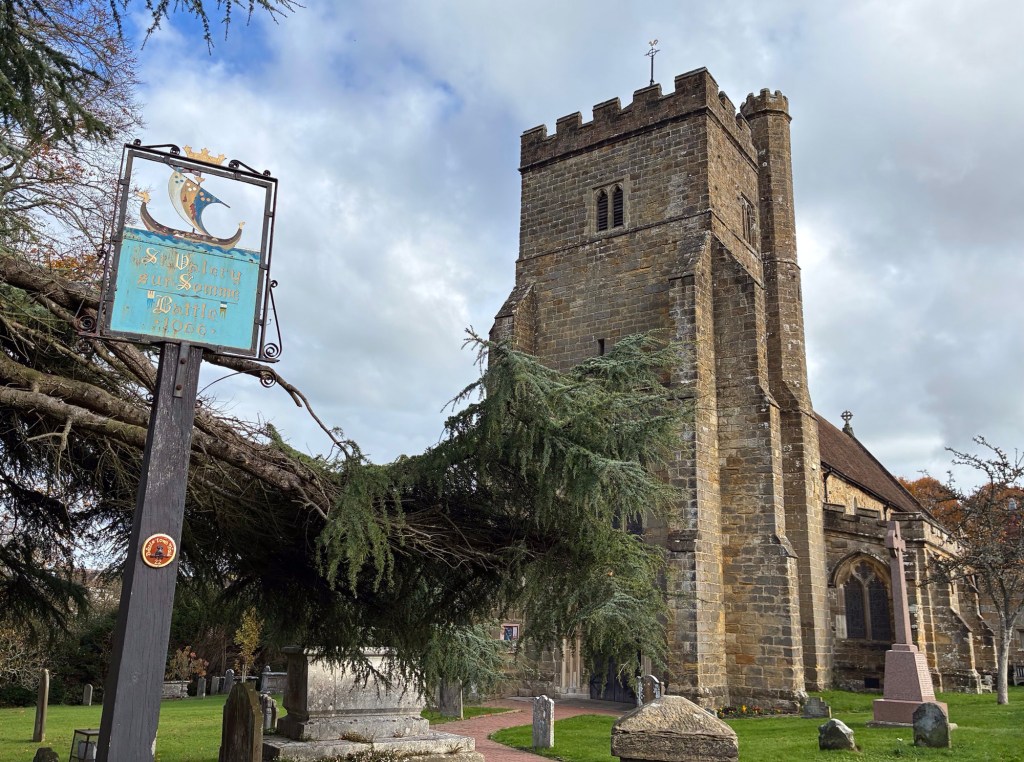
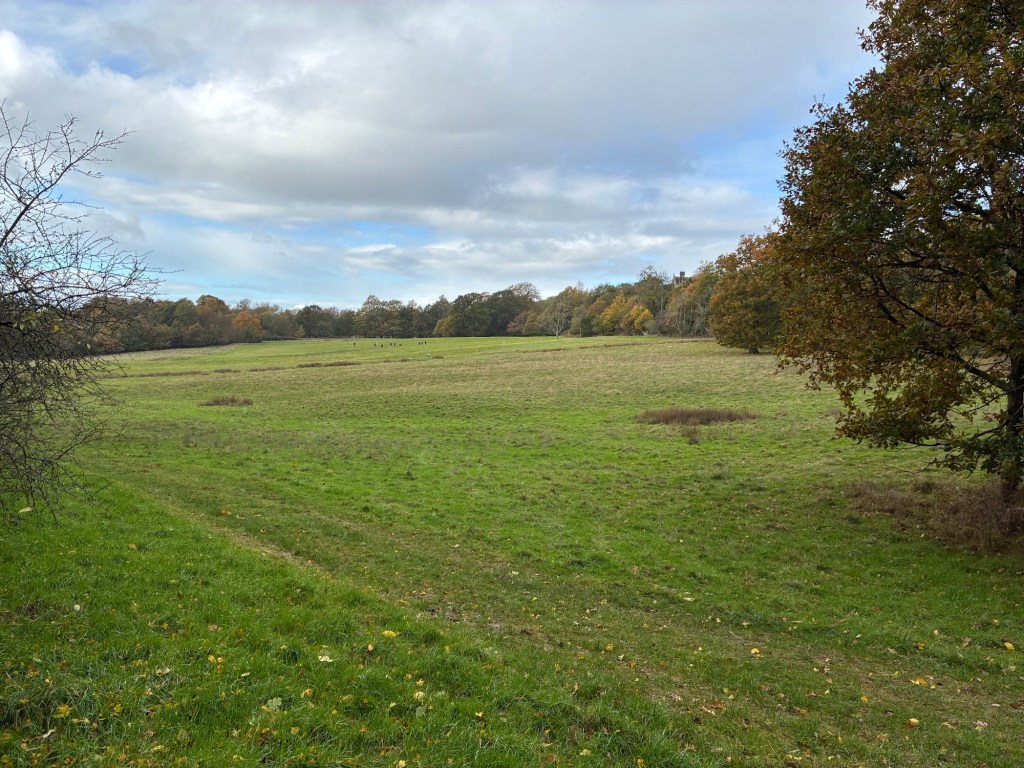
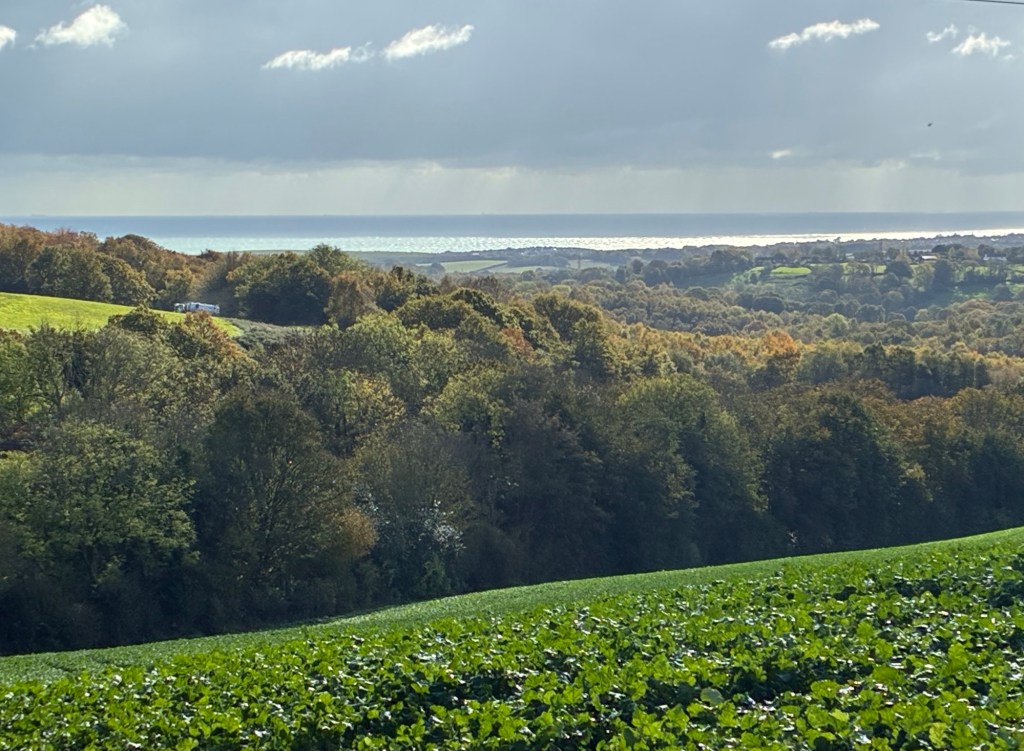
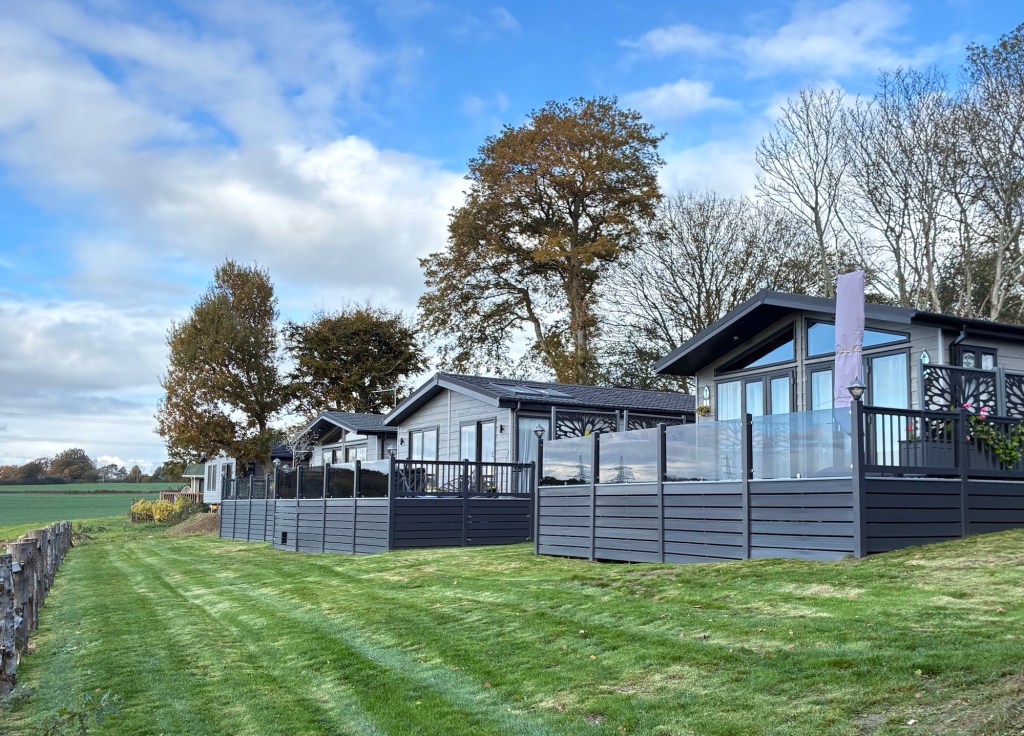
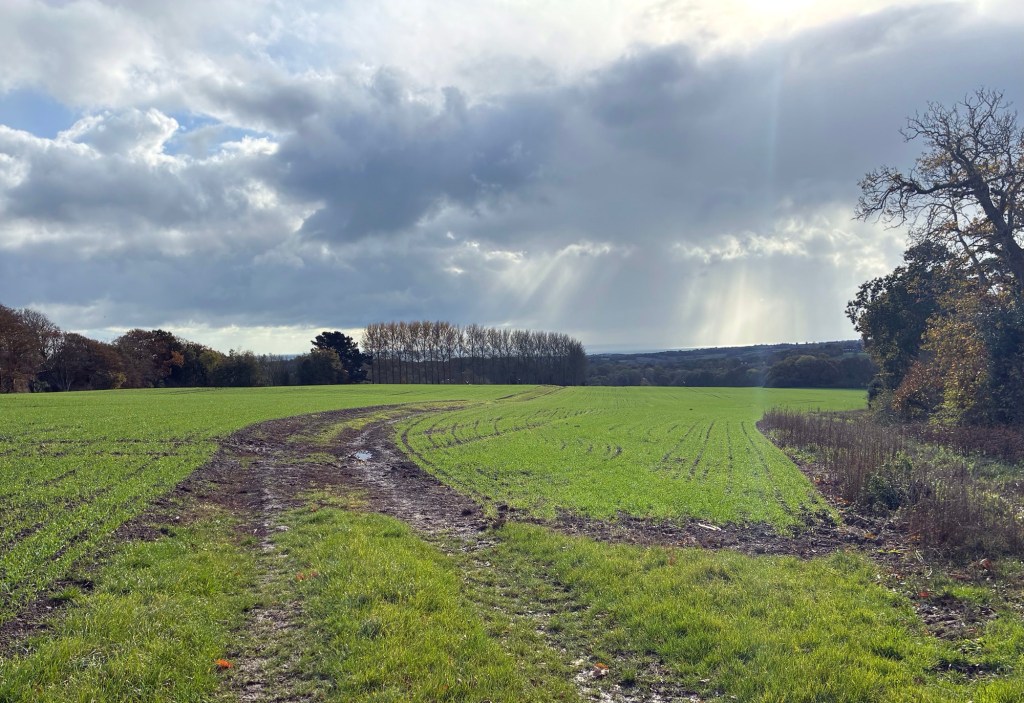
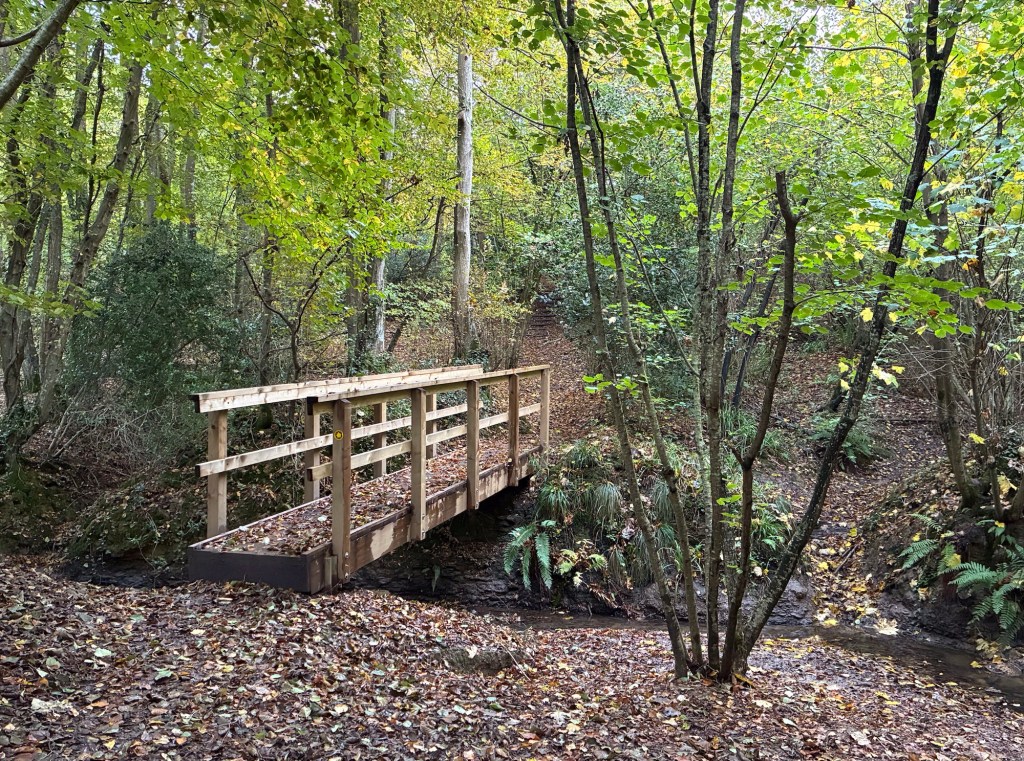
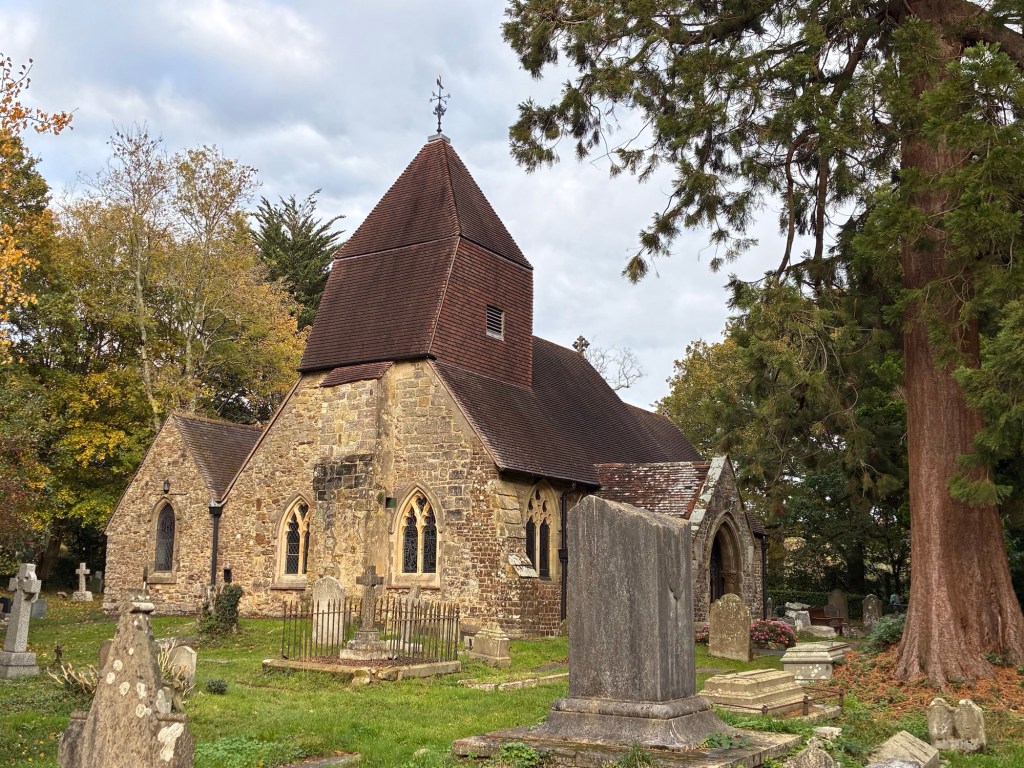
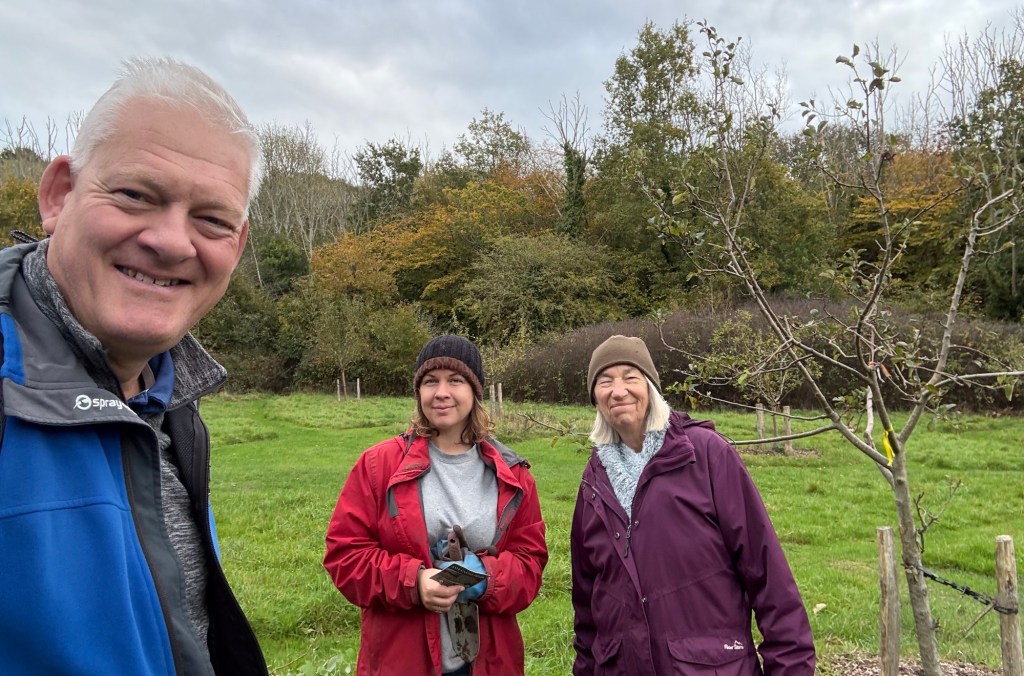
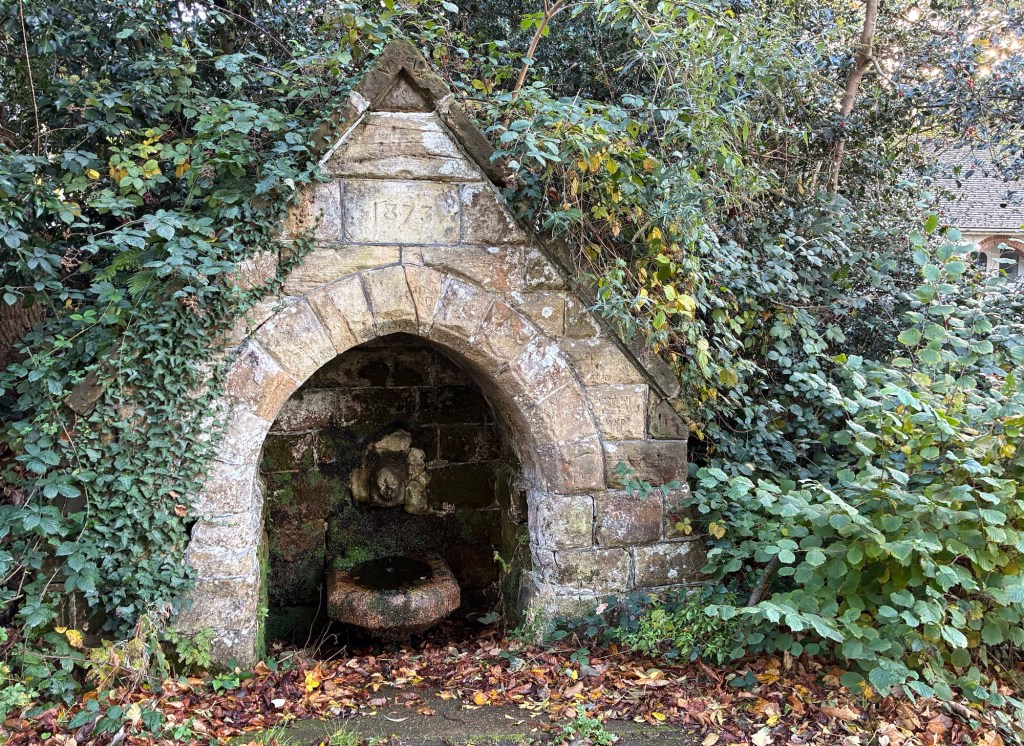
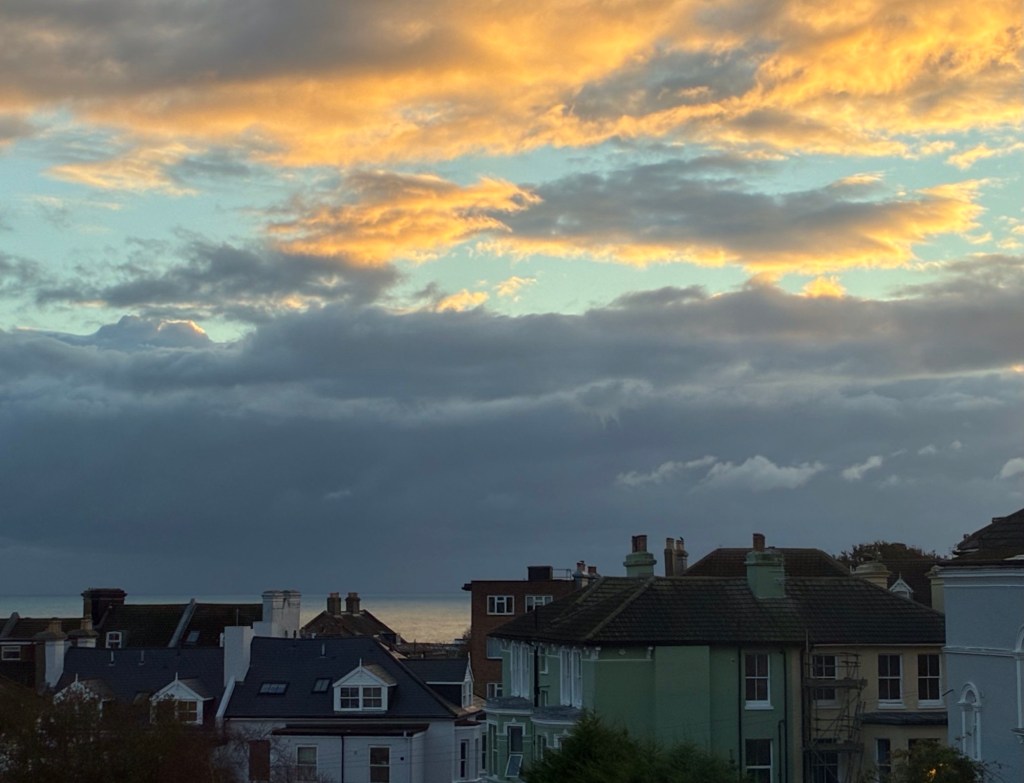
So, like William some 96 decades before me, after Battle I headed south to Hastings. In William’s case, having secured the coastal town before engaging with Harold (primarily as a haven for his fleet), his immediate needs were to regroup, to take account of his losses of men and horses – as well as his gains of weapons, armour and clothing from the vanquished Anglo-Saxons – and to plan the strategy going forwards in his quest for the crown of England. For me though, tonight is simply a case of some rest and recovery, and a good dinner, care of the Filipino kitchen in my hotel. I will wait for the morning before exploring Hastings town centre, and its castle, on the next leg of my ROUTE 1066 journey.
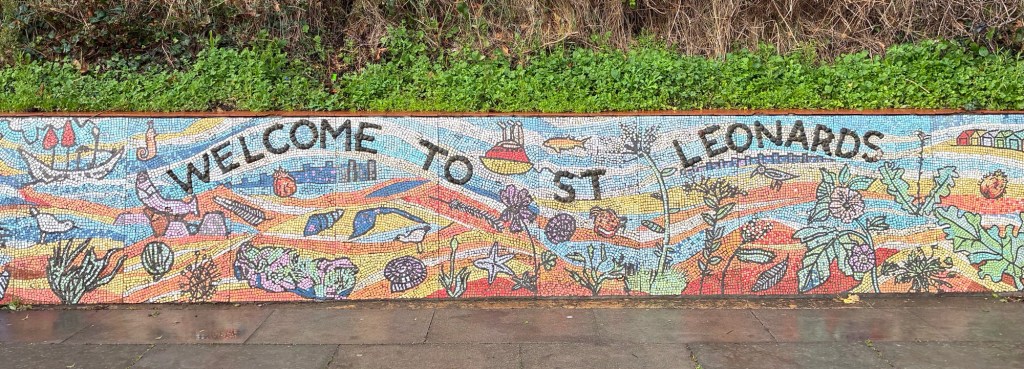

Thank you for following my ROUTE 1066 journey – re-tracing the steps of William the Conqueror in 1066 on his 360-mile campaign trail from Pevensey Bay, via Berkhamsted, and on to Westminster Abbey. If you are following my Blog, enjoying the ramble, and would like to help us to SAVE CASTLE FIELDS for future generations by pledging £39 to sponsor a 3×3-metre square of the land, then please click on this link:
THANK YOU ALL FOR SUPPORTING MY ROUTE 1066 WALK, AND FOR HELPING TO PRESERVE THE LEGACY OF CASTLE FIELDS
My Blog heading today ‘Battlestations’ is borrowed from the title of a Wham! song from 1986, an album track from the Bushey-based duo’s third and final studio album ‘Music from the Edge of Heaven’. Written by George Michael, the album was released shortly before the split between Michael and his bandmate Andrew Ridgeley, in order for the former to pursue a solo career aimed at a more mature market than Wham!’s largely teenage following. The title ‘Battlestations’ might well have picked itself for today’s Blog, but I thought that the dance-pop number works as some form of counterpoint to my lengthy historical discourses.