
ROUTE 1066 – Day 5: Friday 6 November 2026 – HYTHE to DOVER (16 + 2 miles)
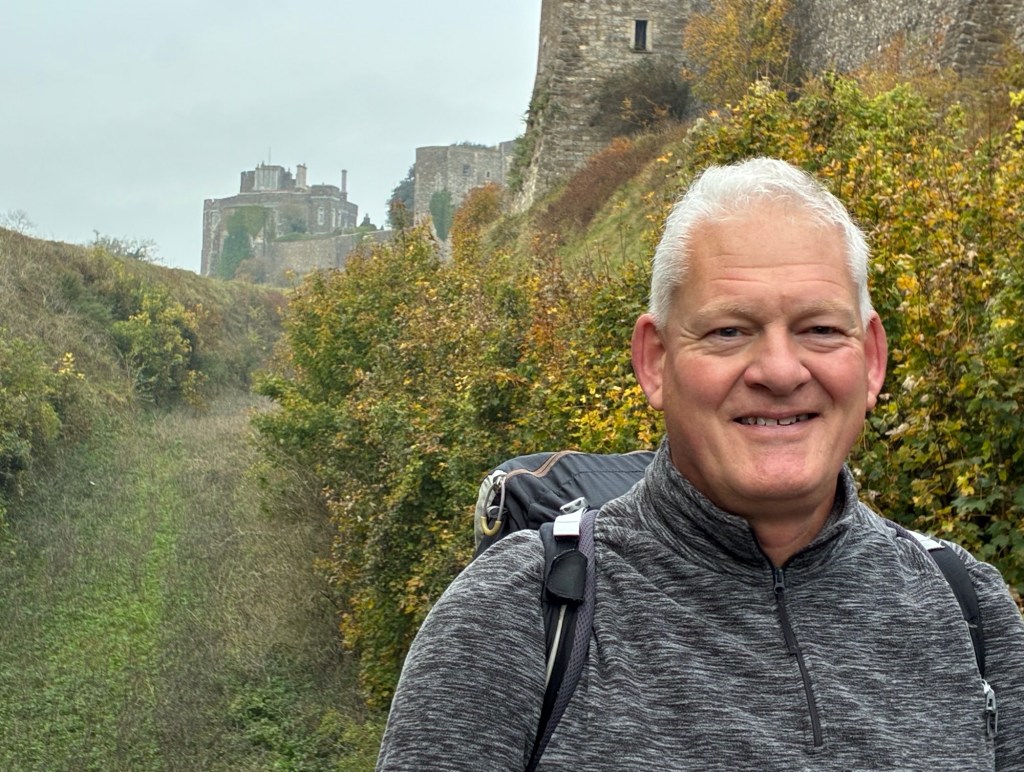
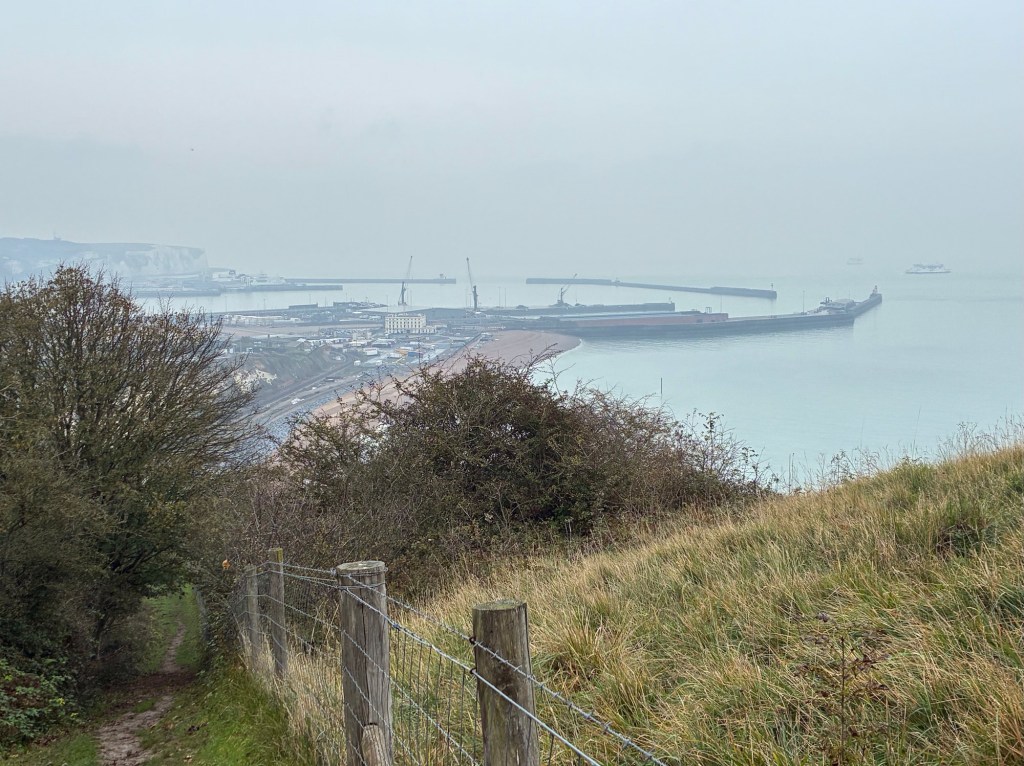
Yesterday I crossed from Sussex into Kent, the second of the nine counties that my ROUTE 1066 trail is destined to enter. I have spoken about the Cinque Ports, and my start and end points today, Hythe and Dover, were two of the original five designated harbours. Due to its deep water capabilities and its proximity to the French coast, Dover has thrived and become a major town and – as I have just discovered – a Friday night, even in damp November, is quite a rowdy experience!
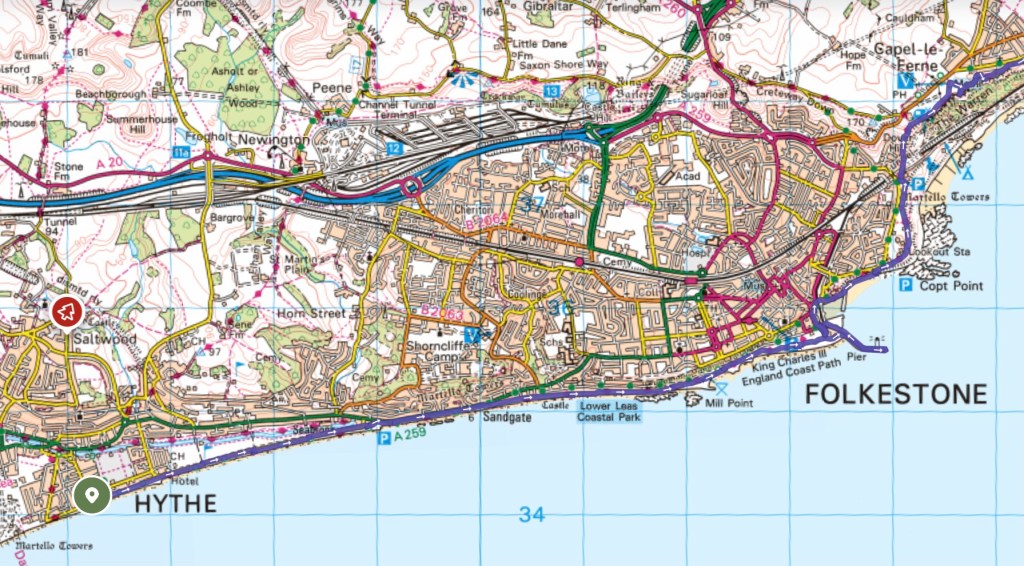
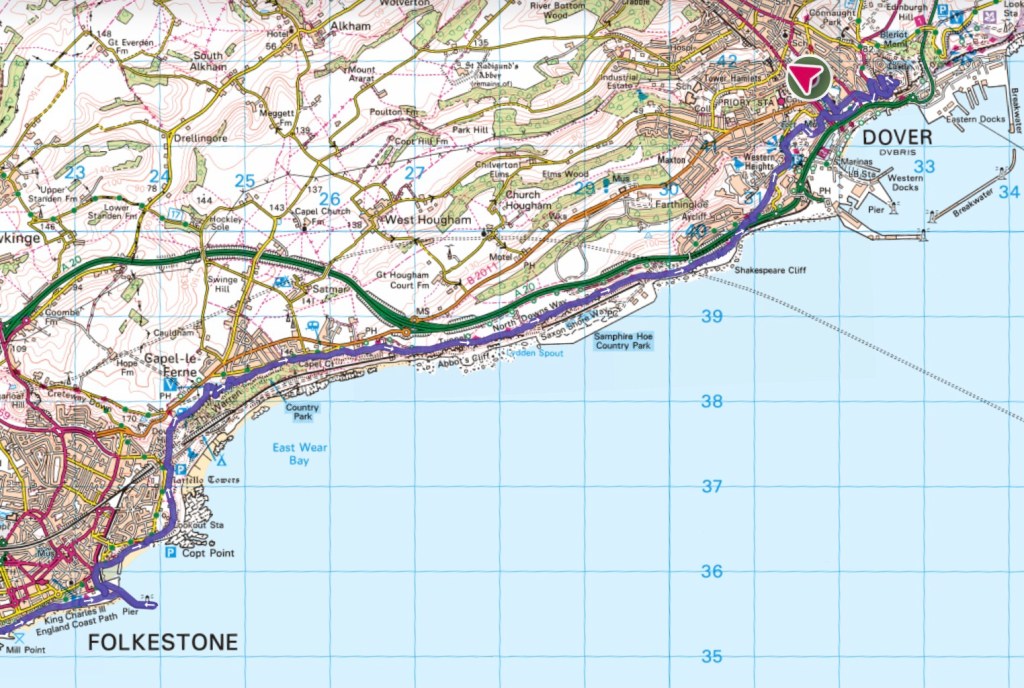
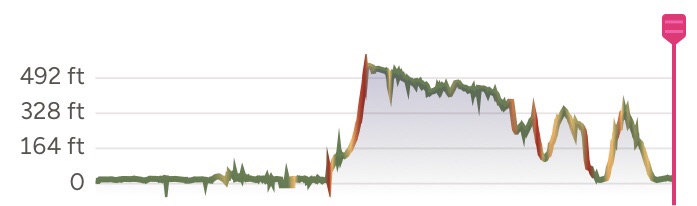
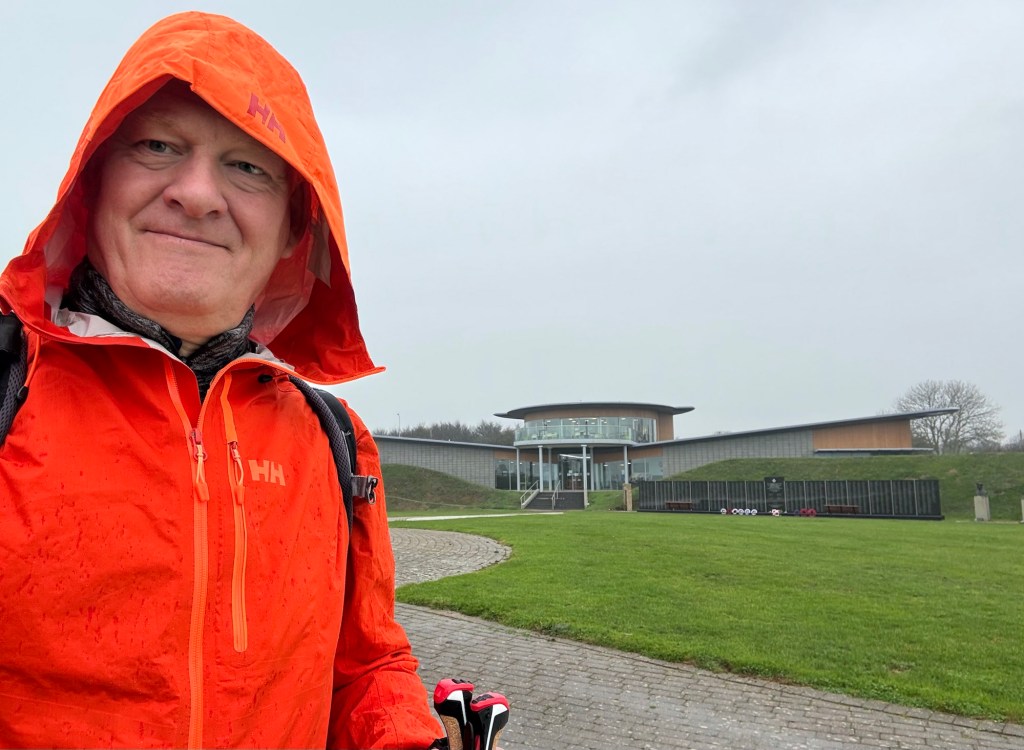
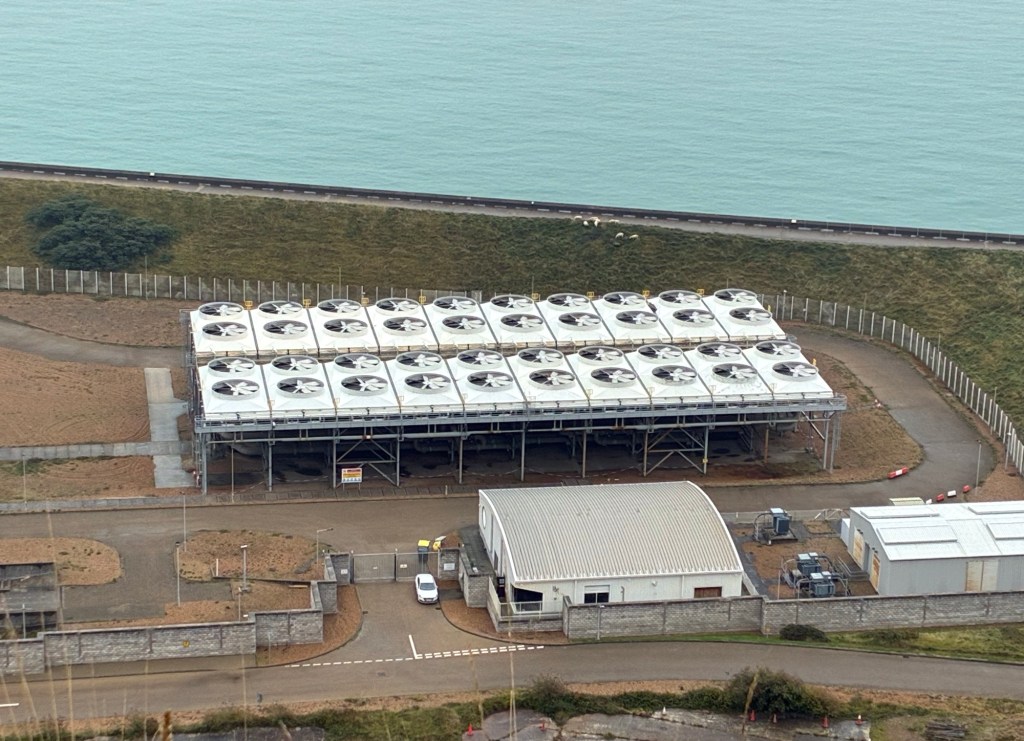
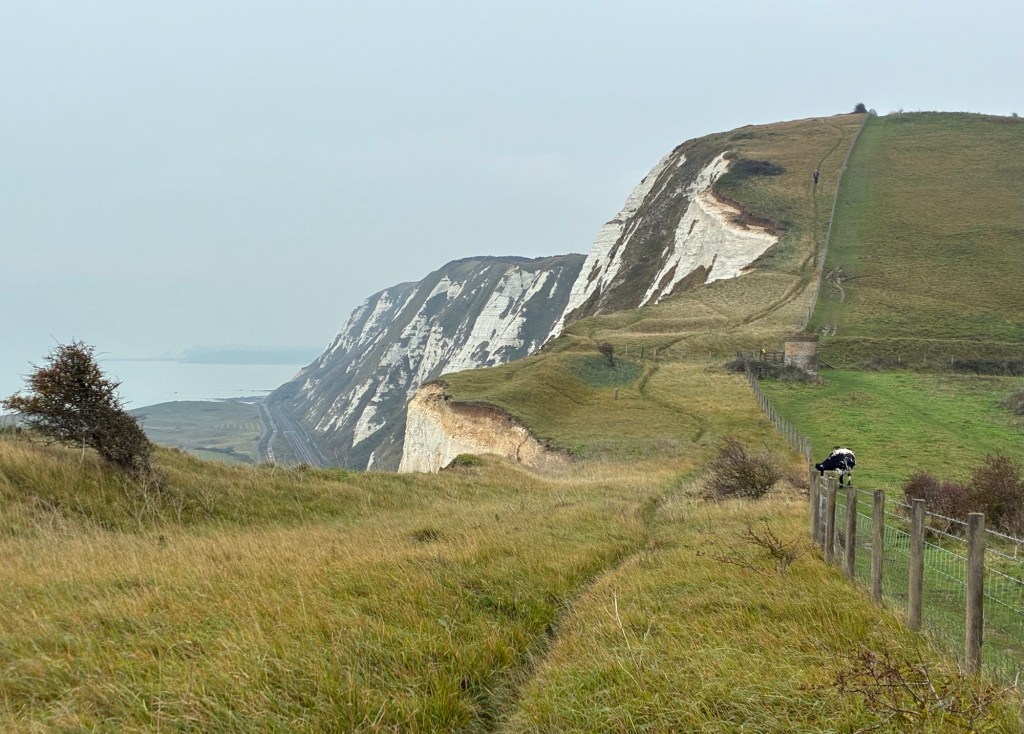
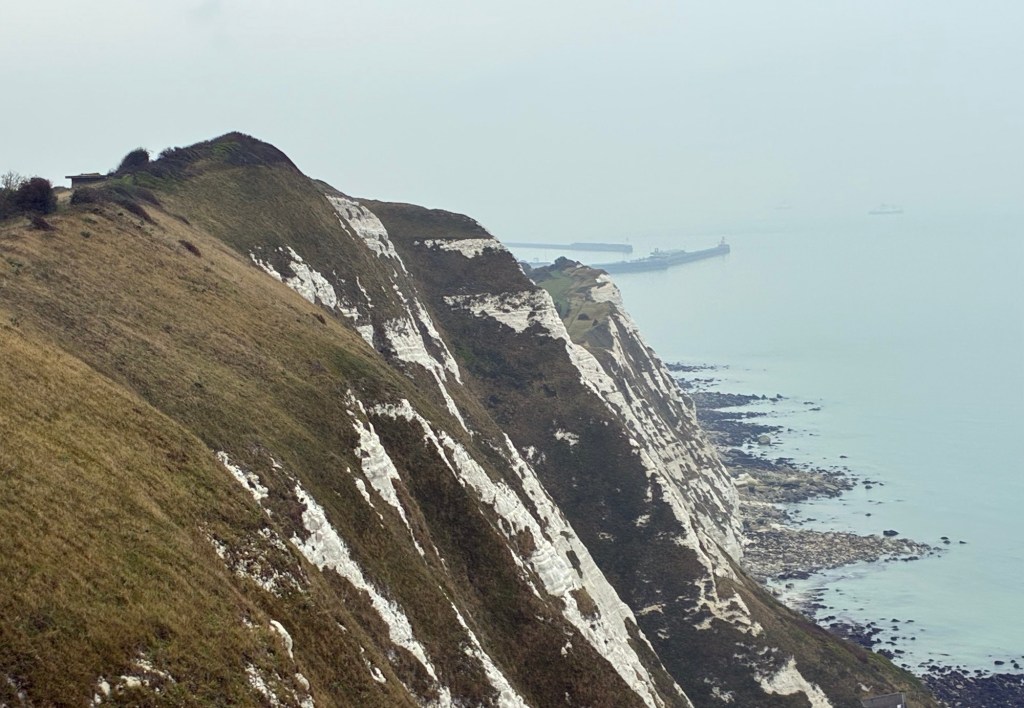
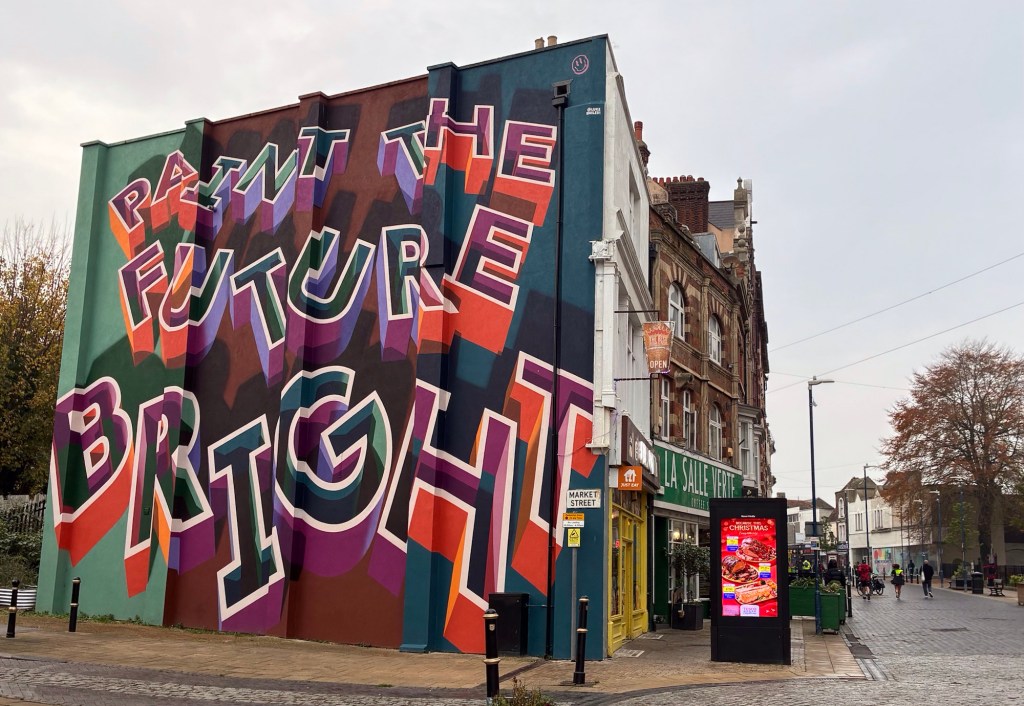
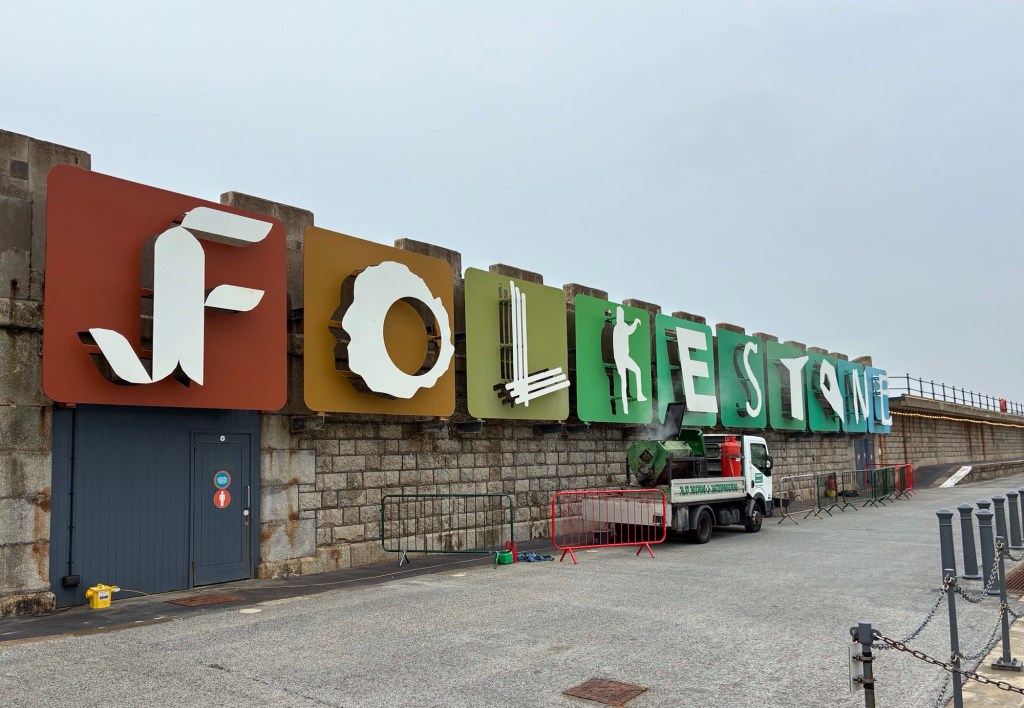
I started out this morning from Hythe a little before 8.00 am into the murky ‘anticyclonic gloom’ that reduced much of the shoreline to shades of grey and precluded any chance, later in the day, of seeing across to the continent from the Kentish cliff-tops. As was forecast, rain showers moved in during the mid-morning, and for the middle part of my walk I had the waterproofs on for a wet trudge along the chalk cliffs. I have done my best to bring a little colour, where possible, to the pictures of my day.
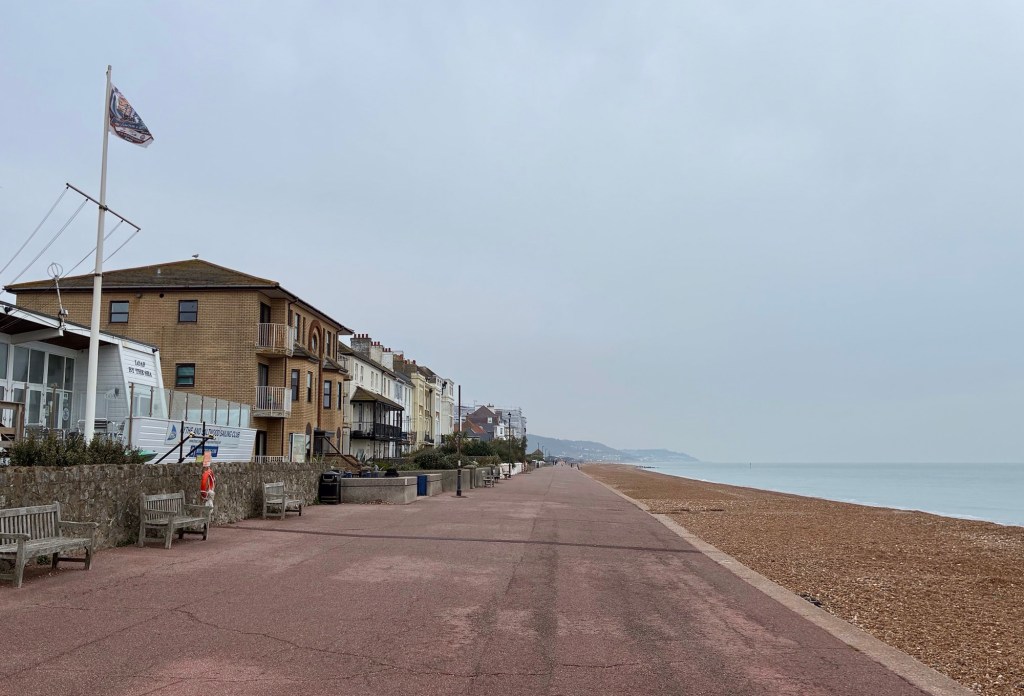
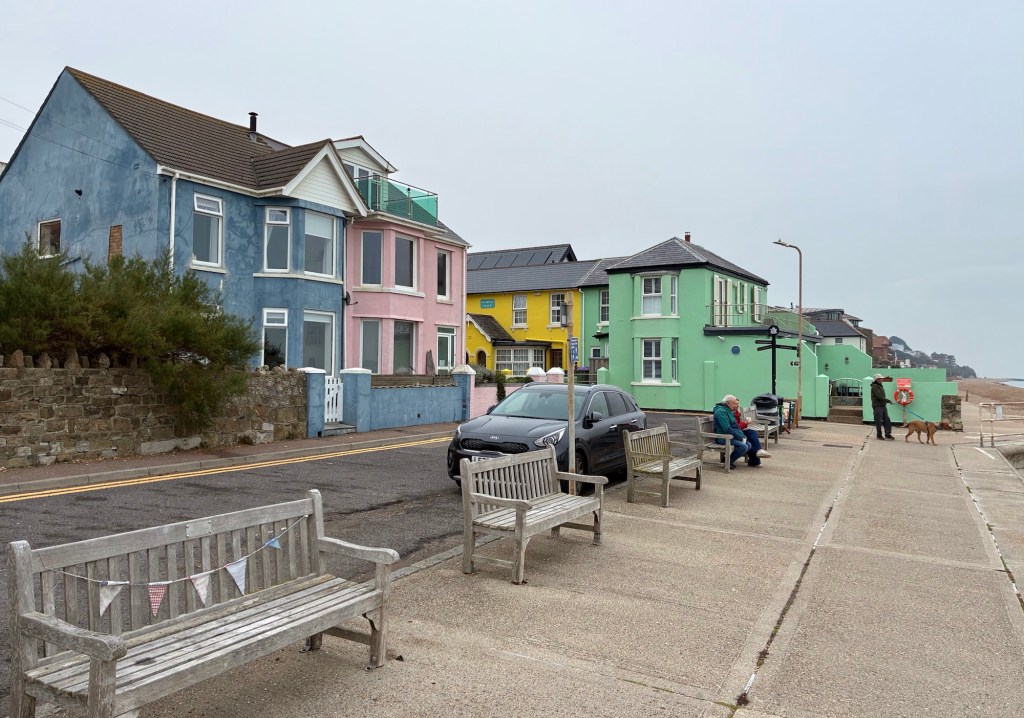
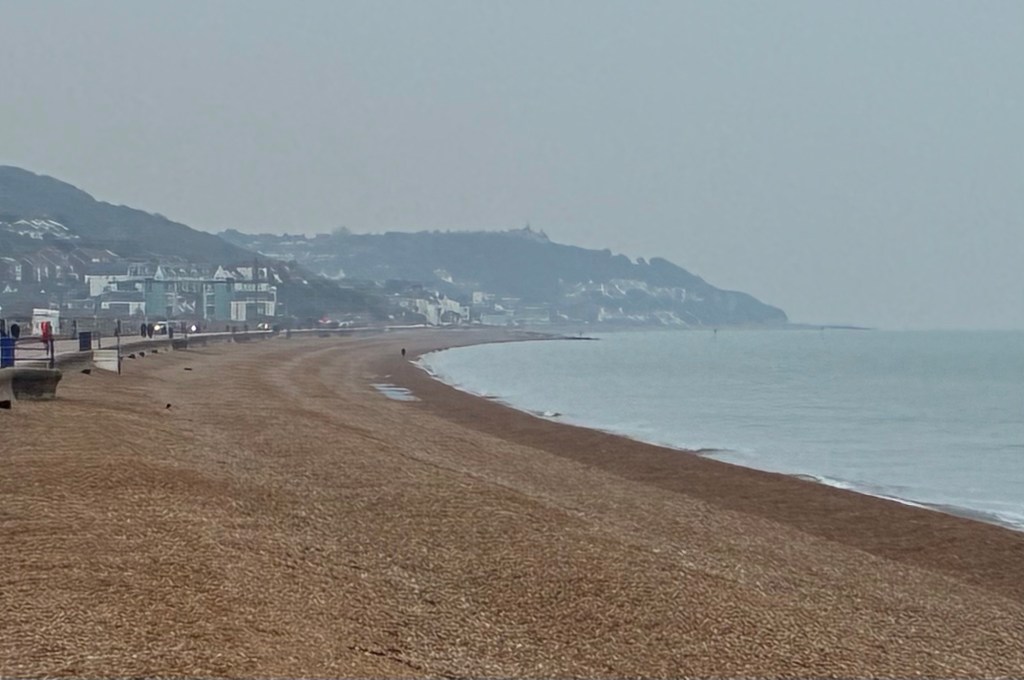
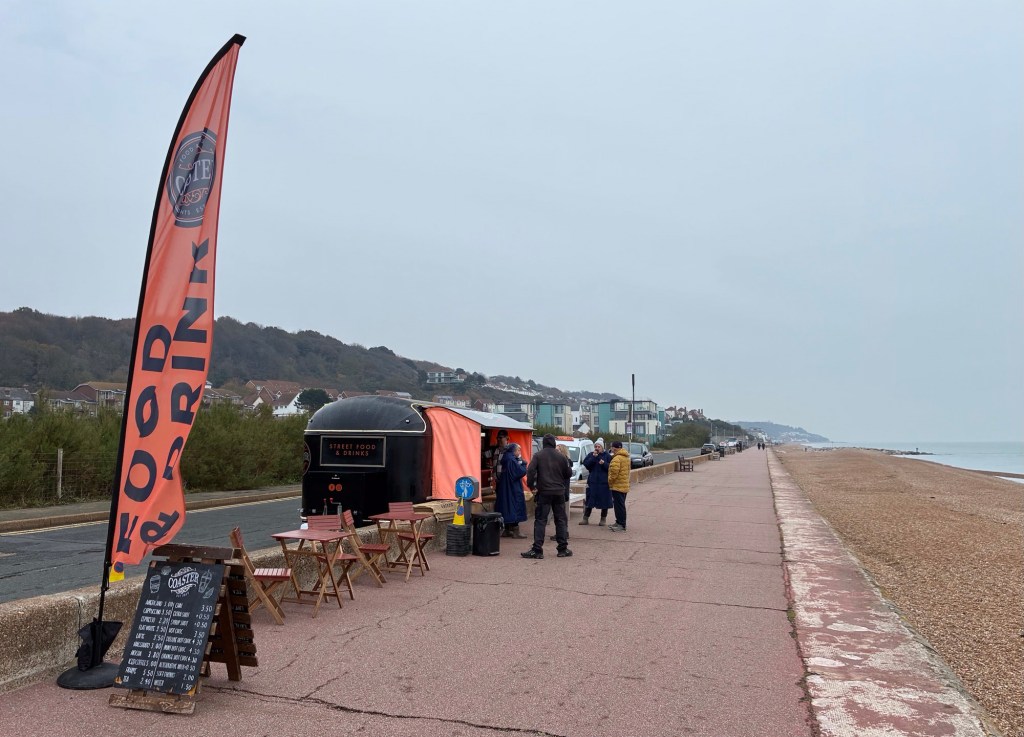
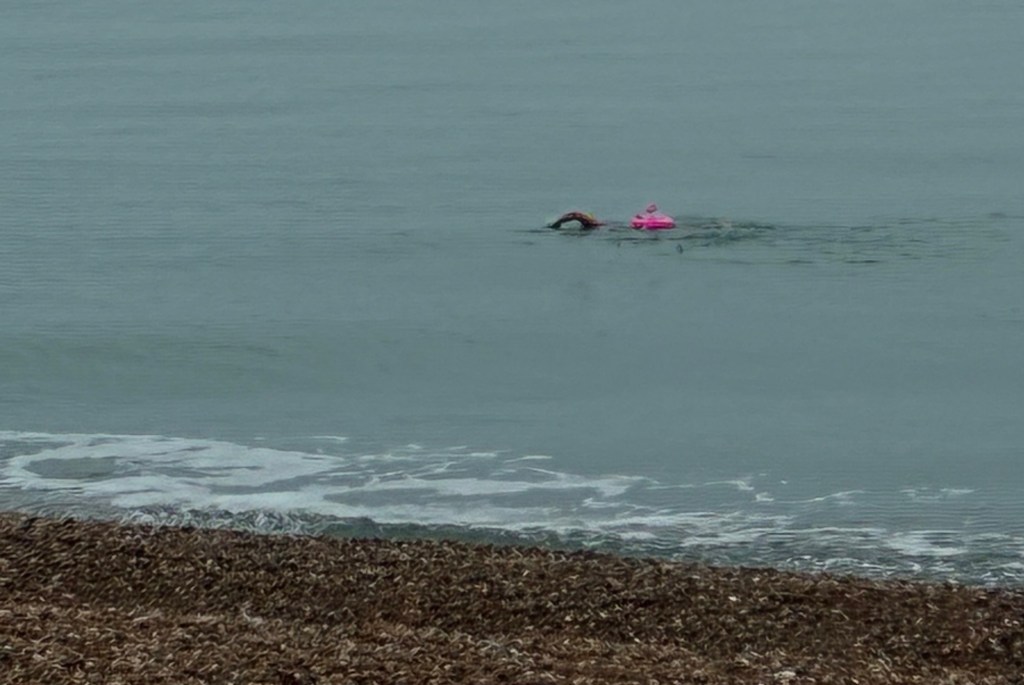
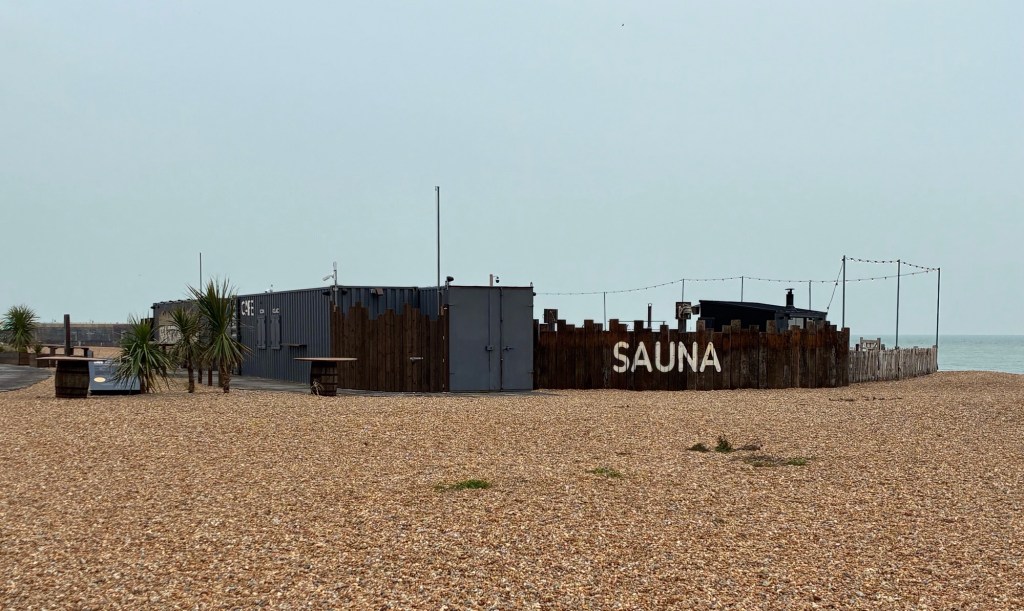
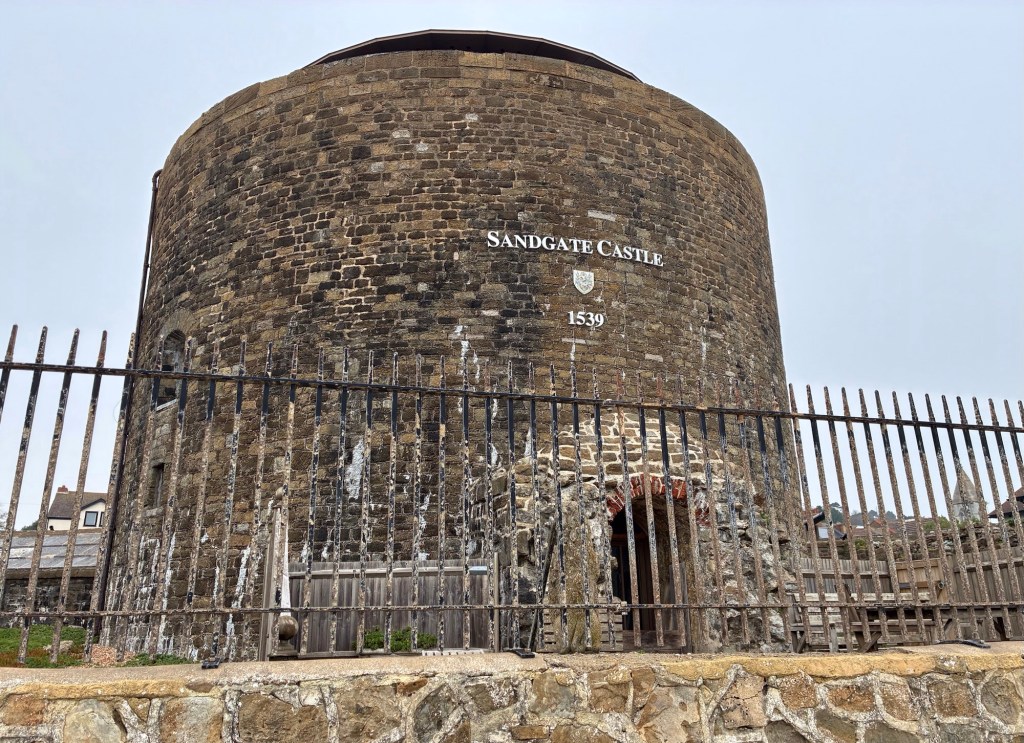
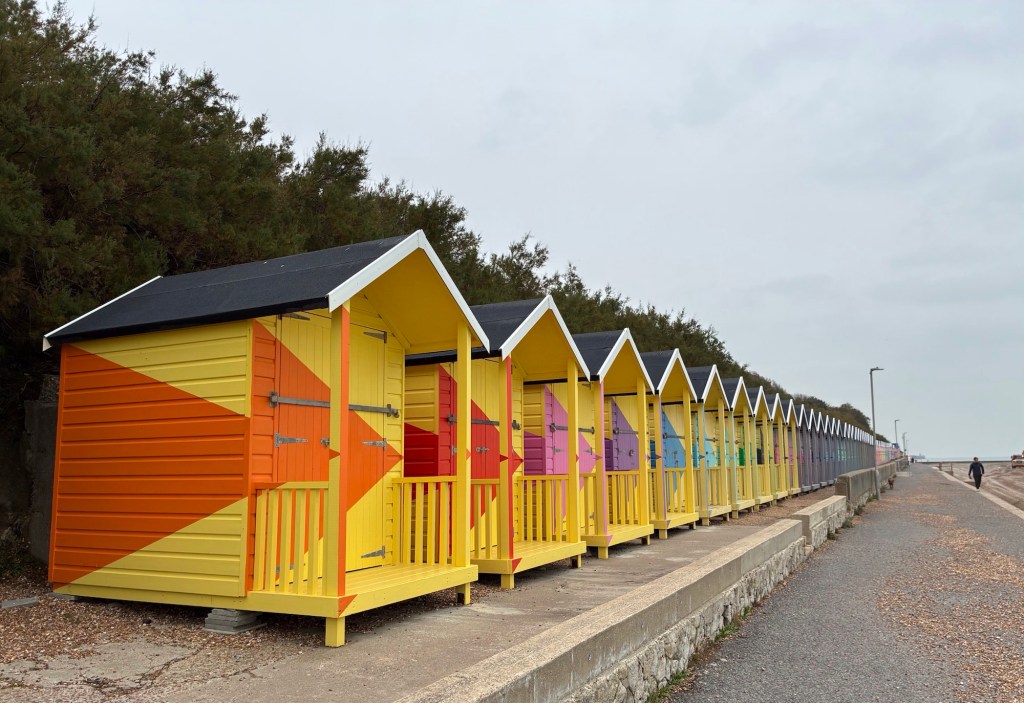
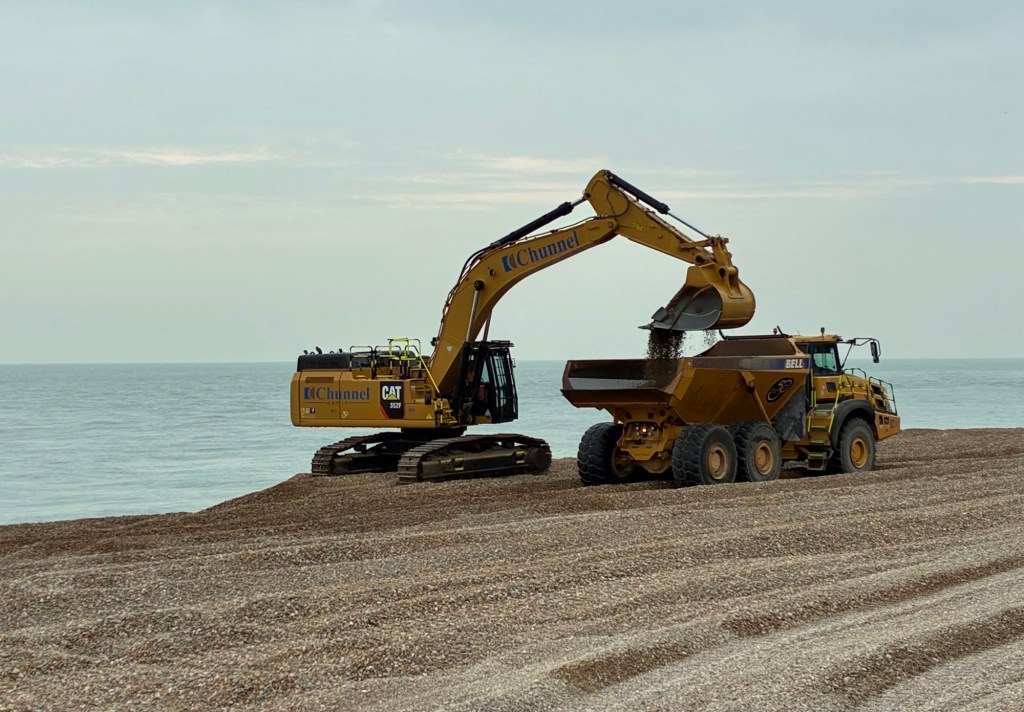
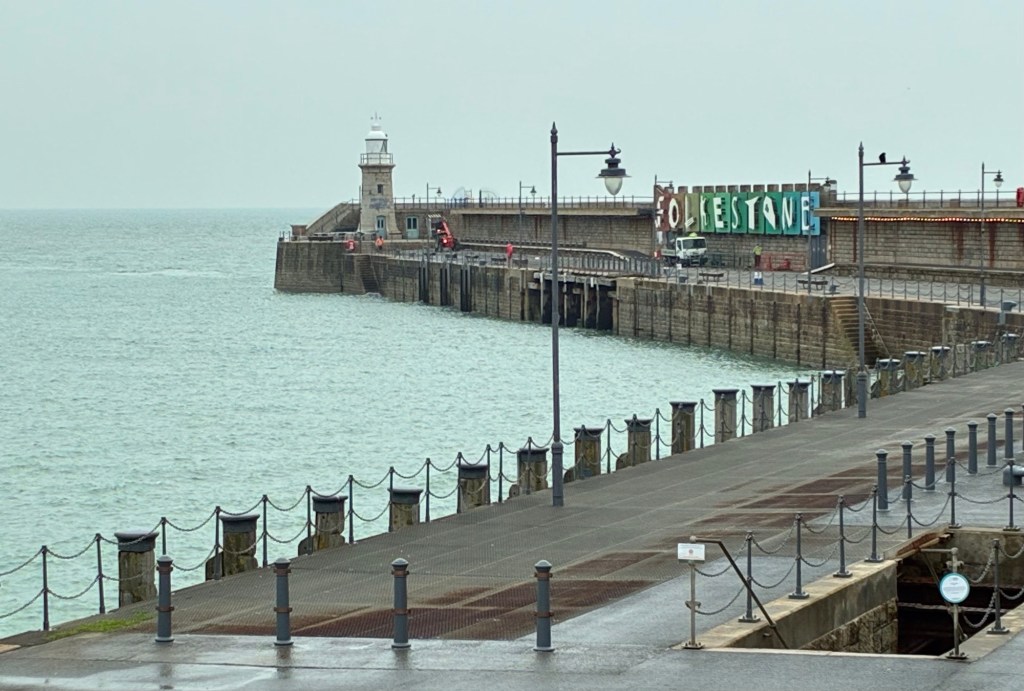
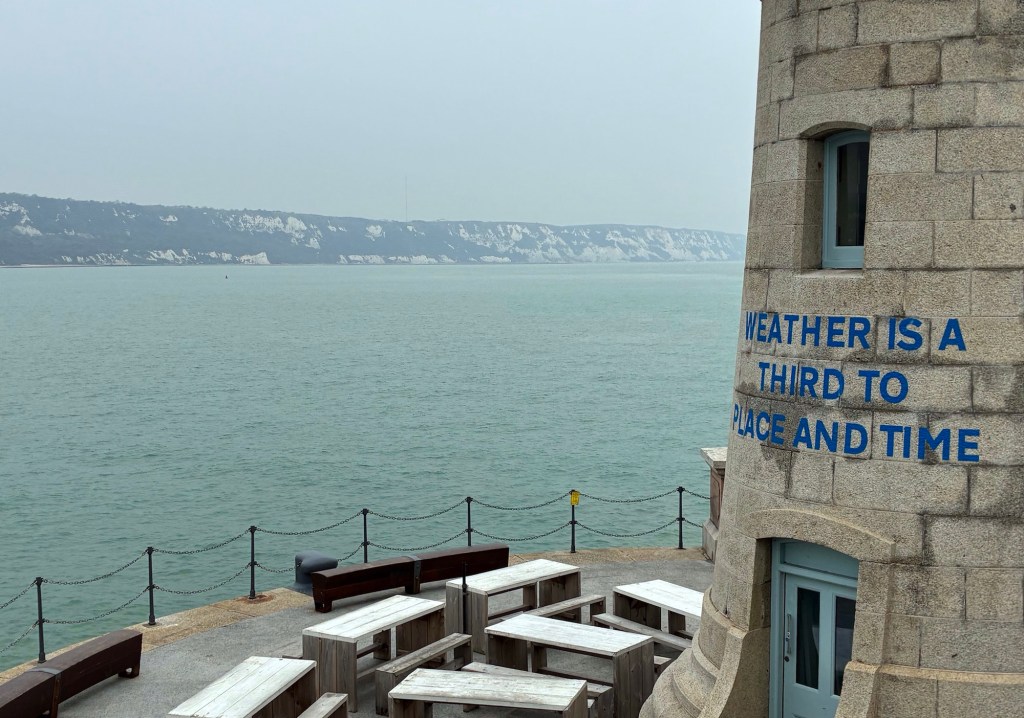
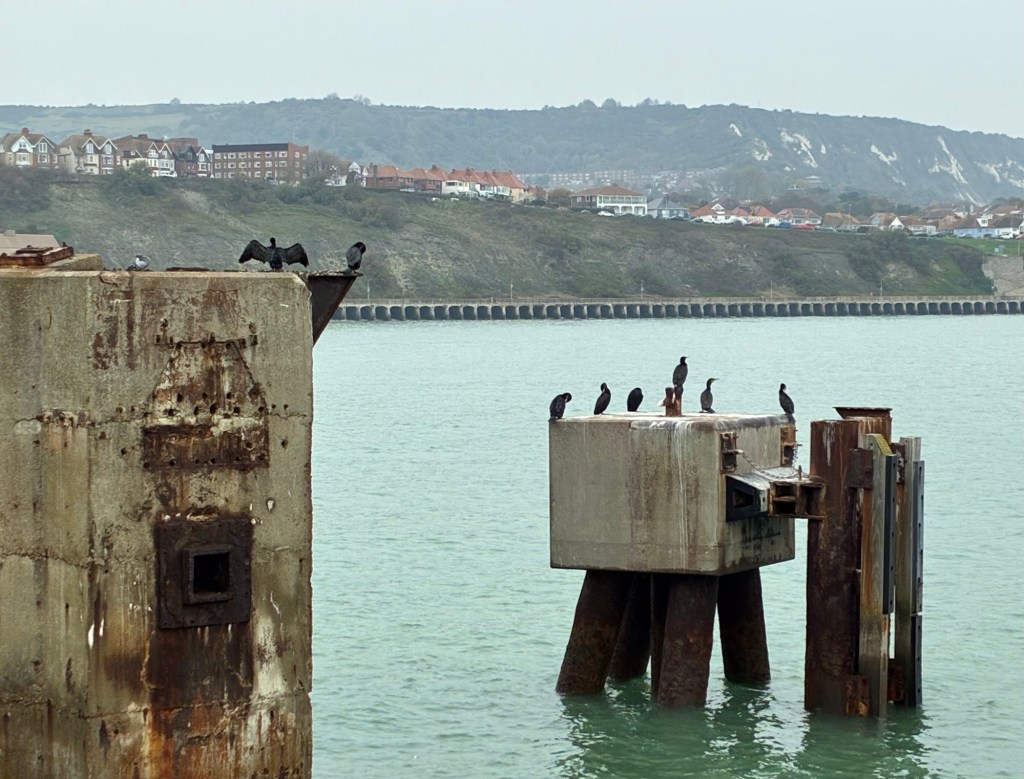
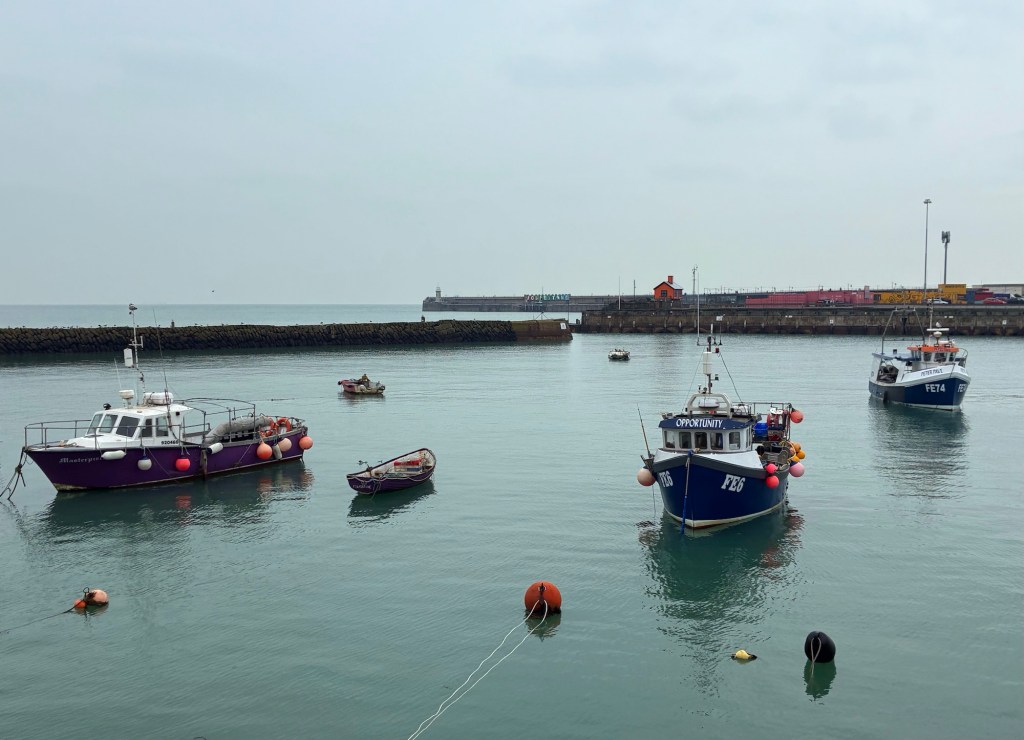
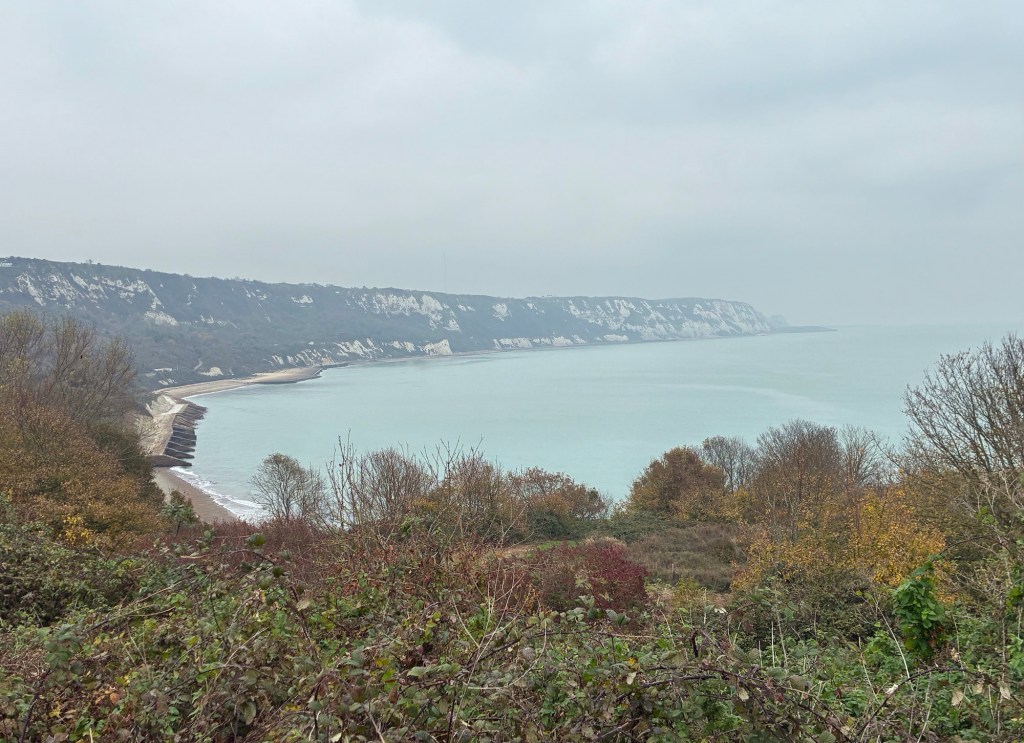
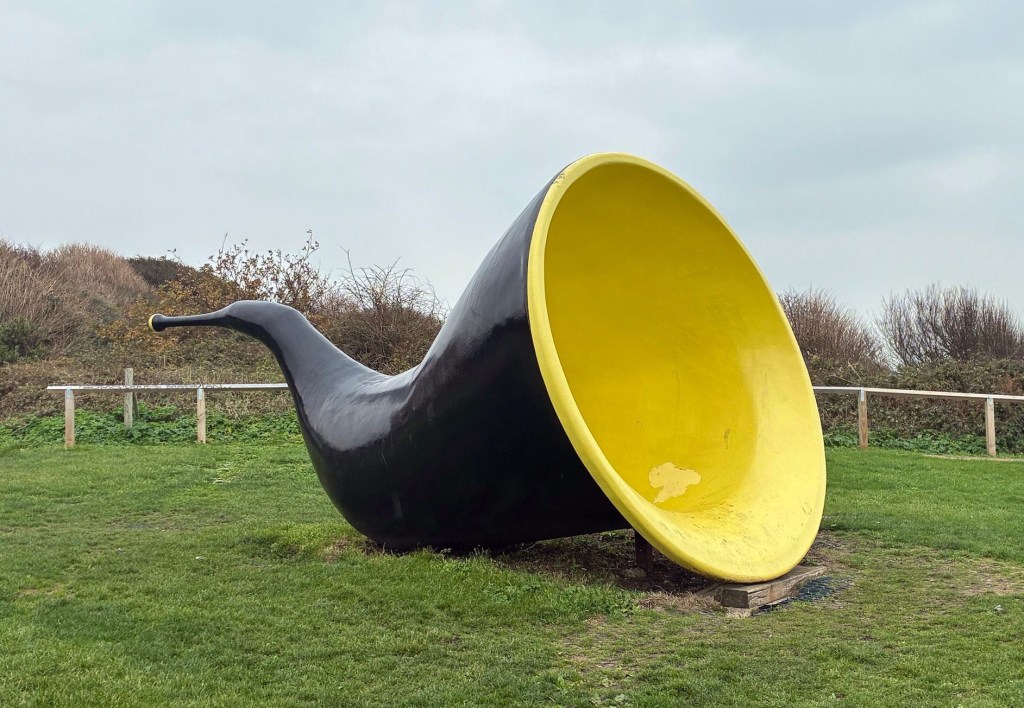
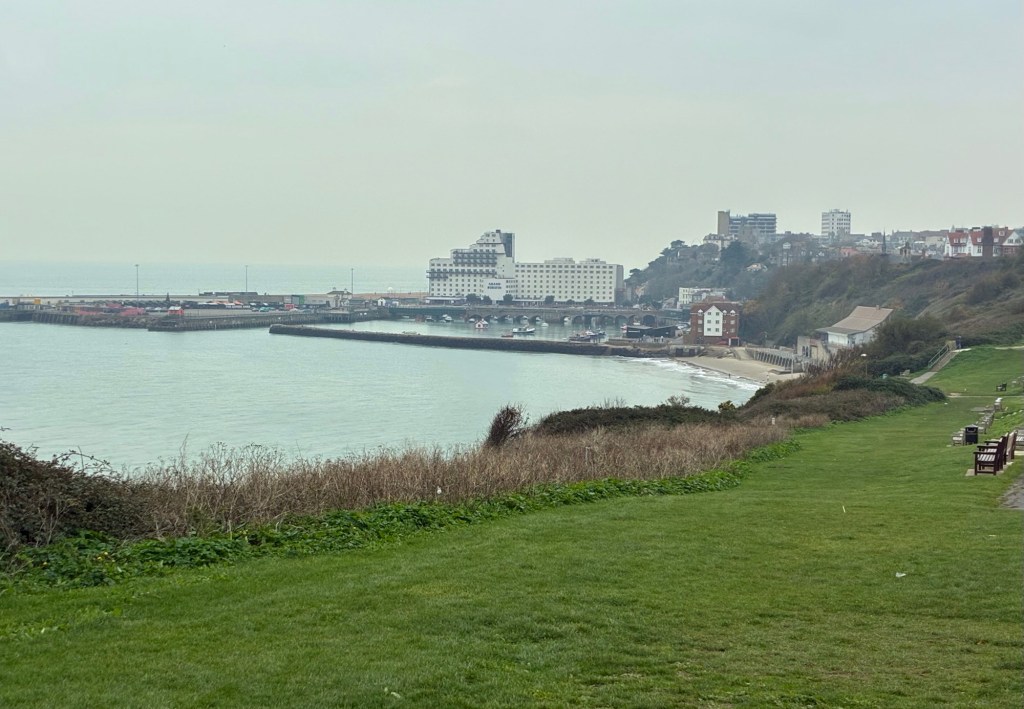
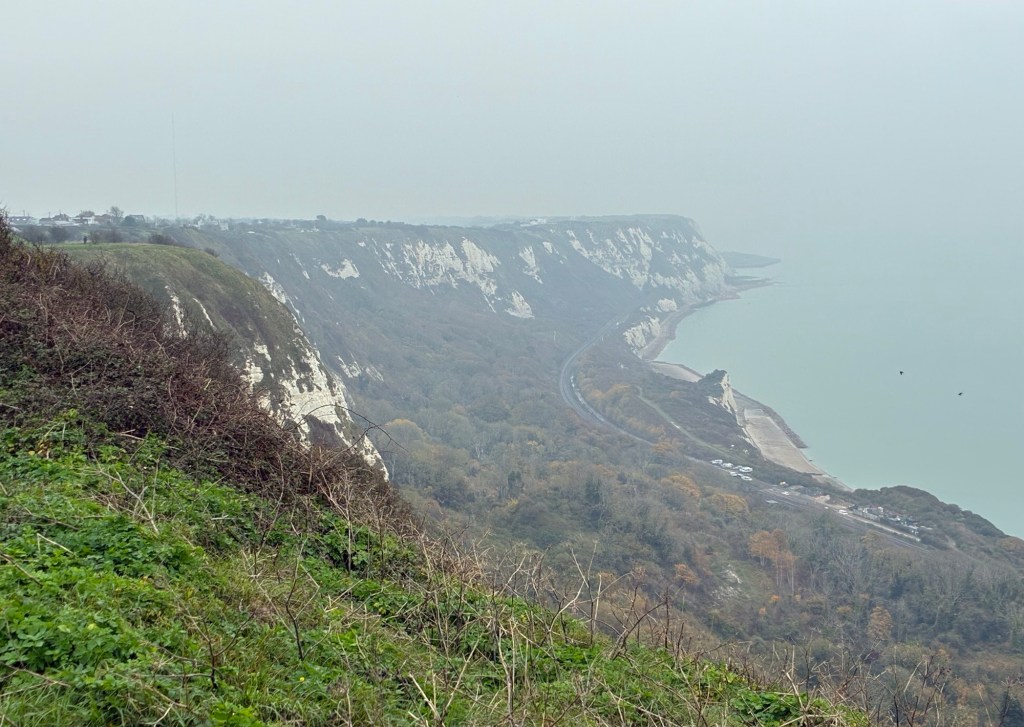
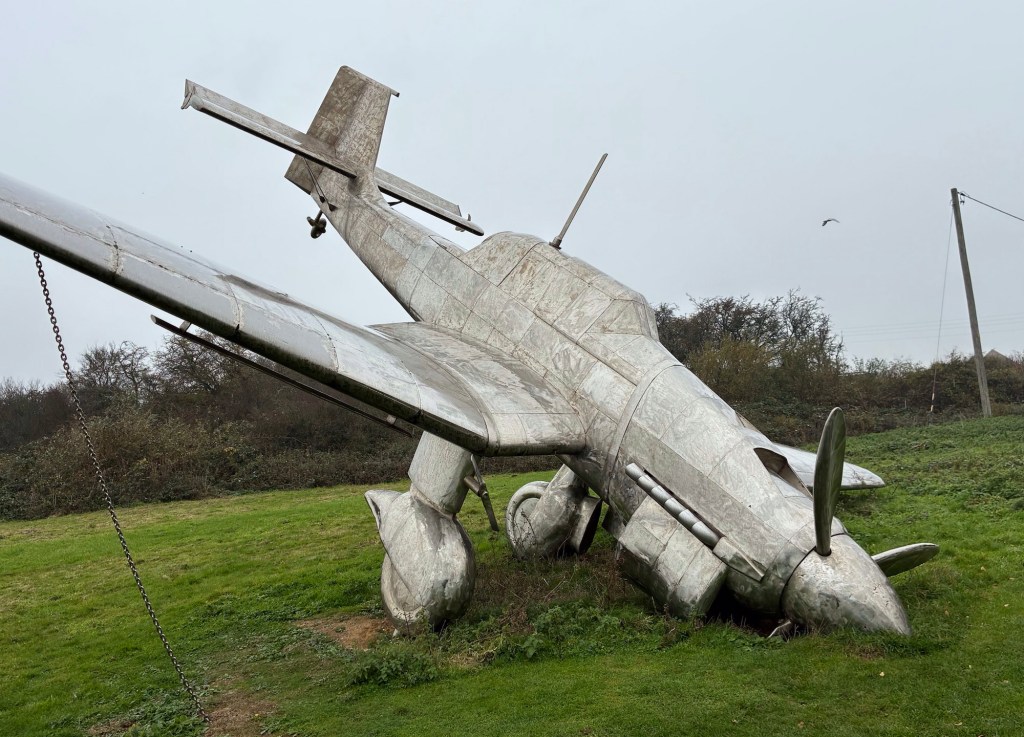
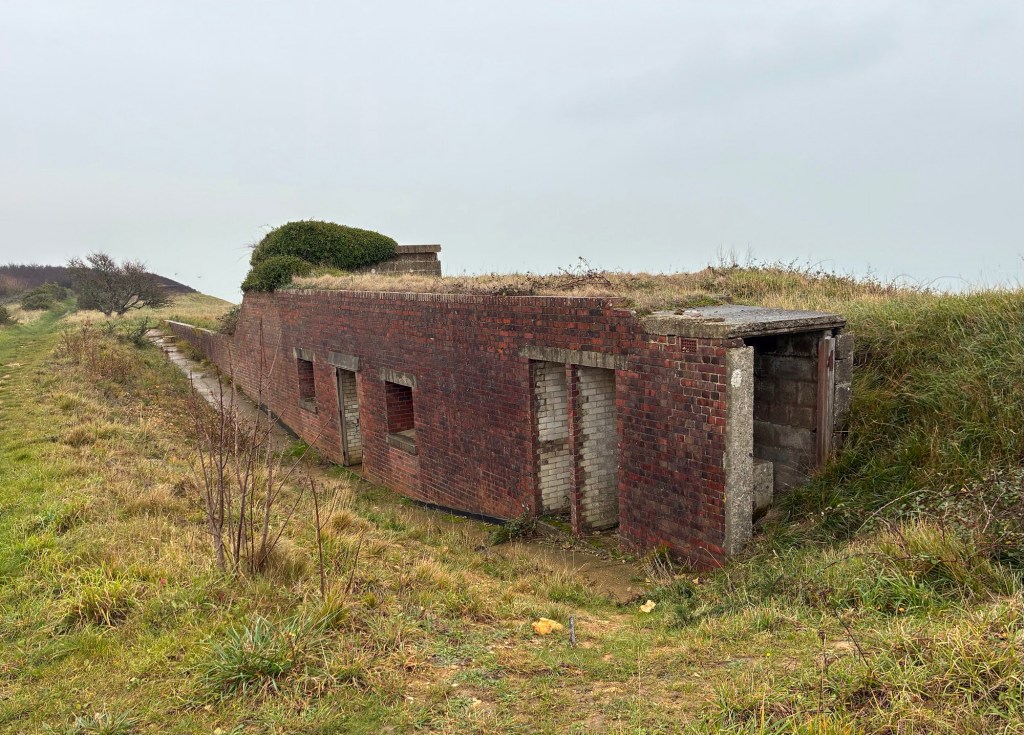
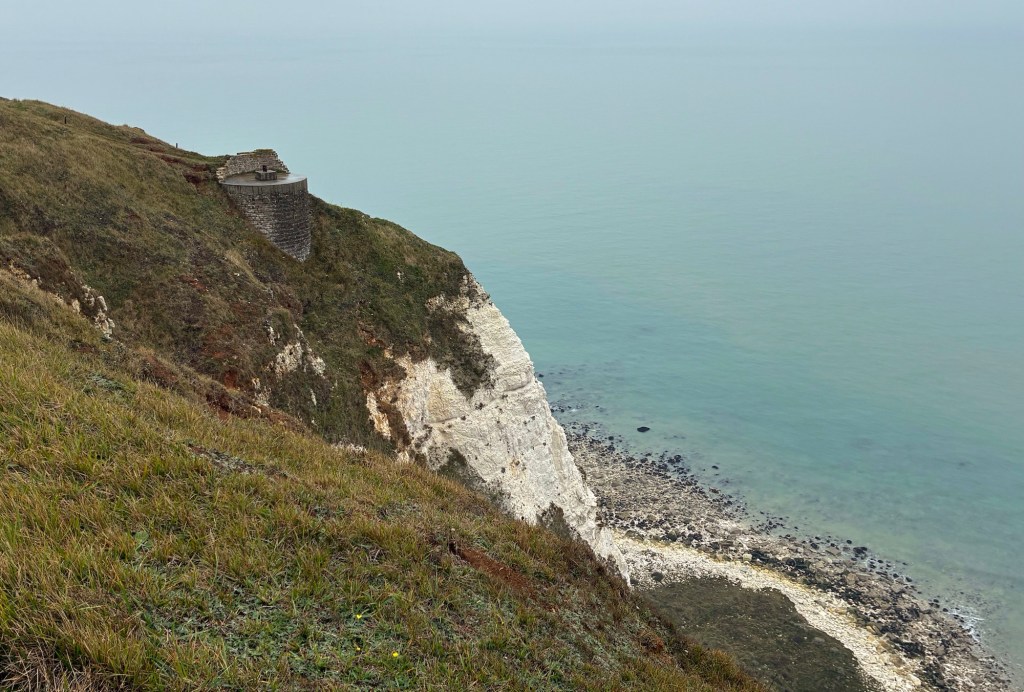
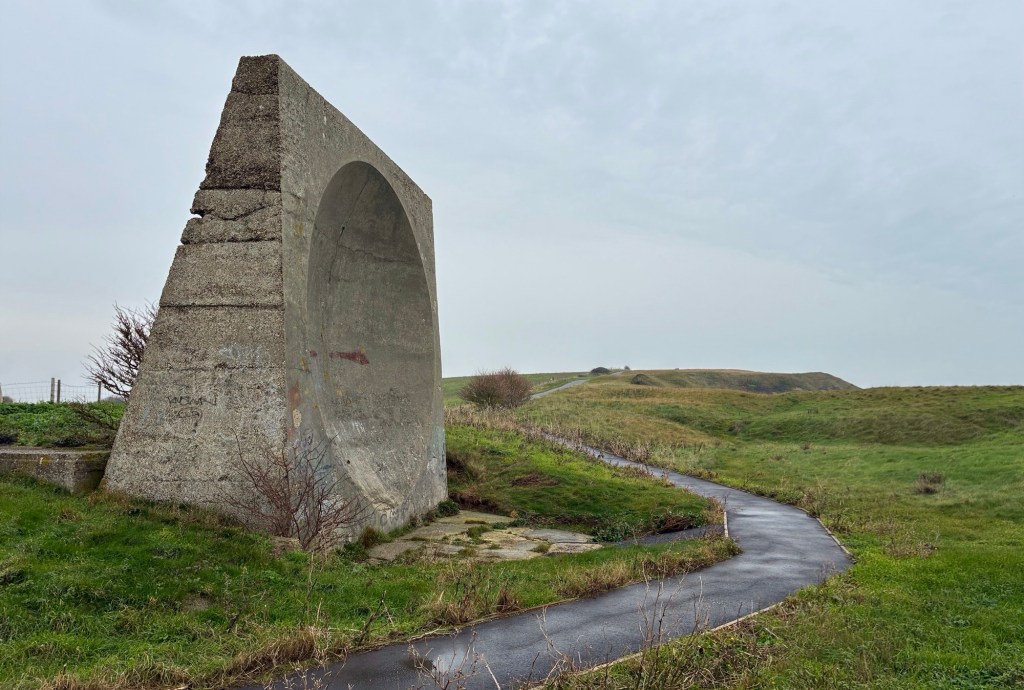
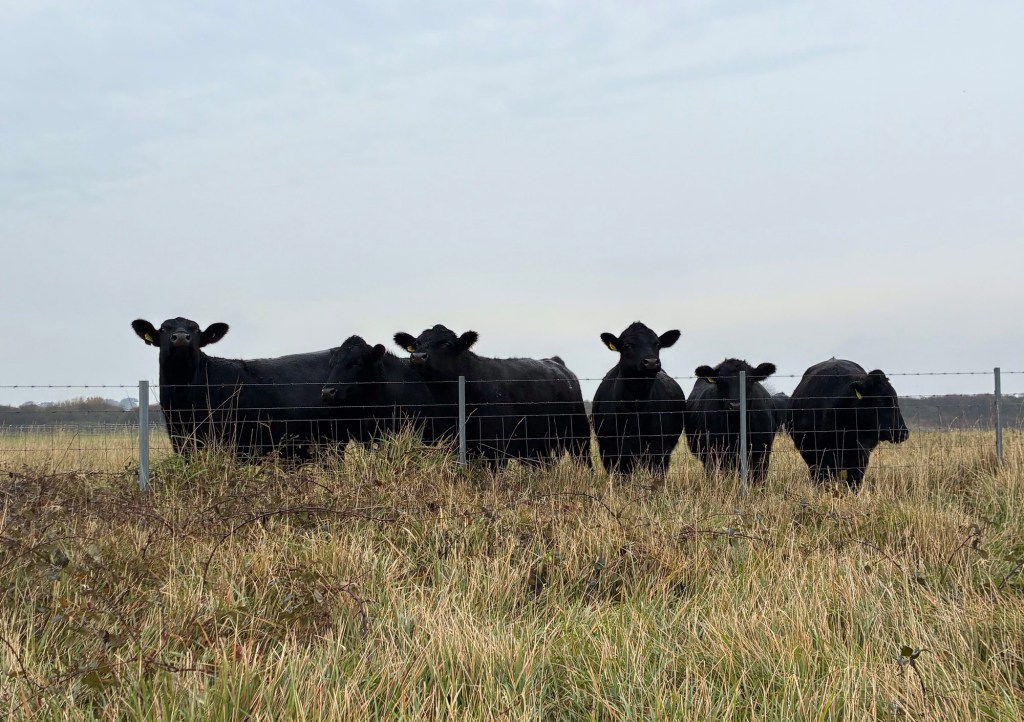
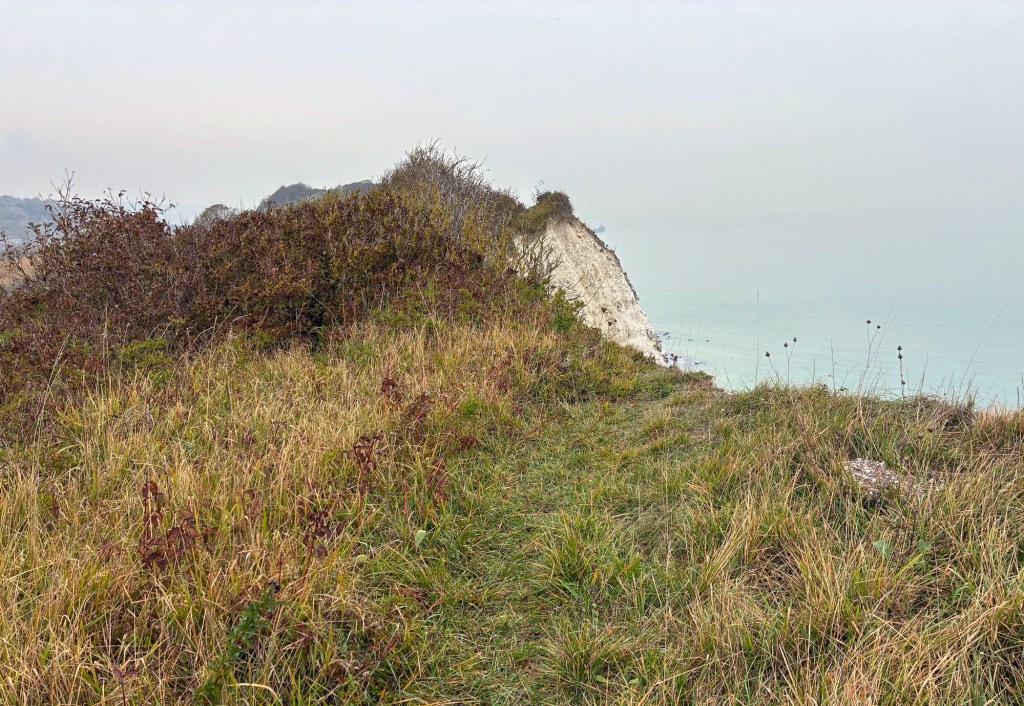
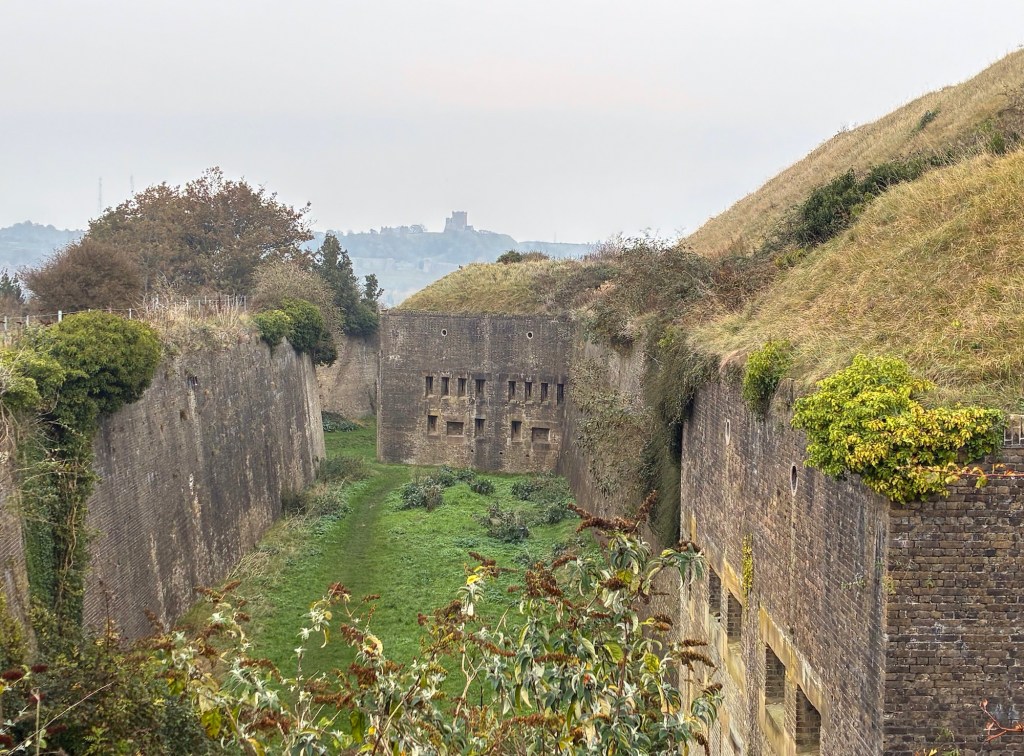
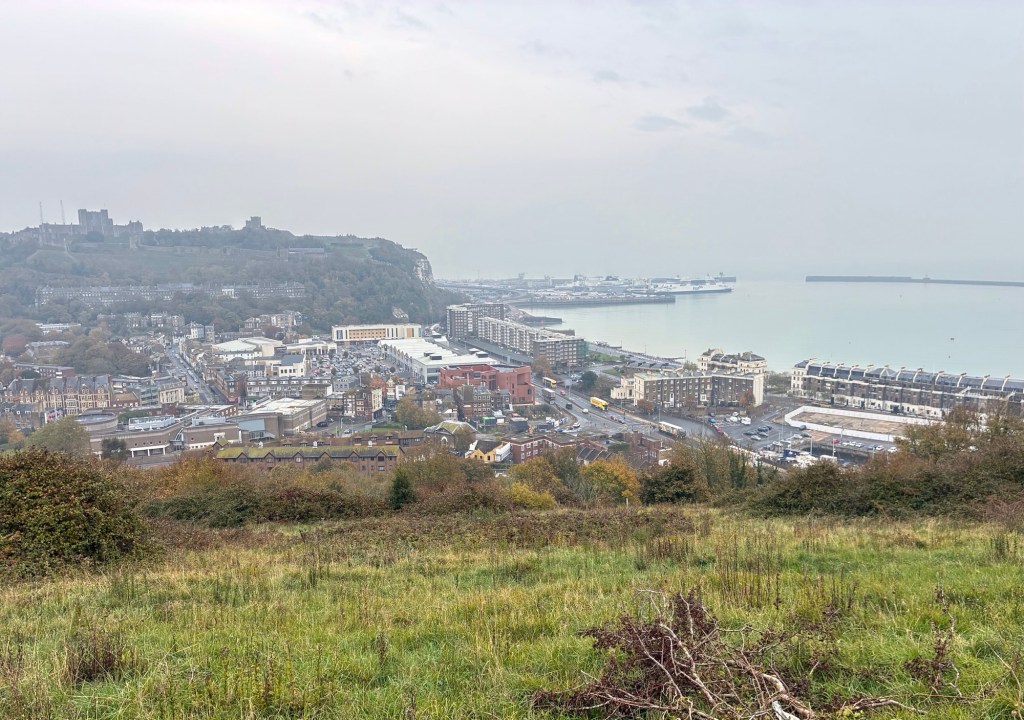
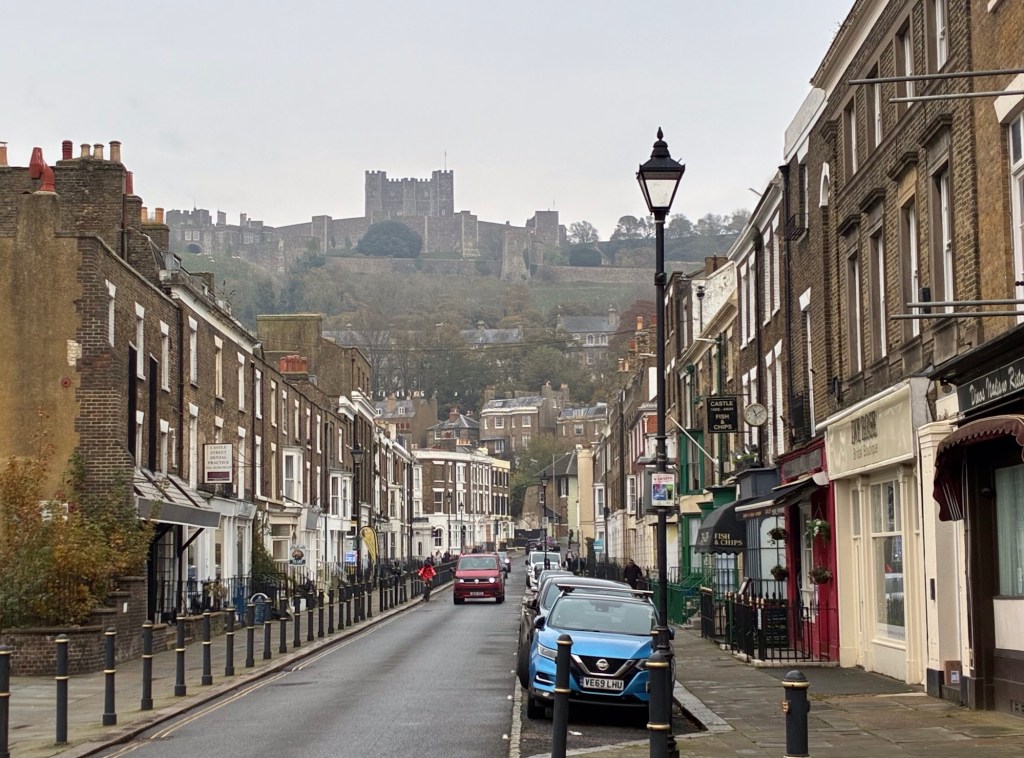
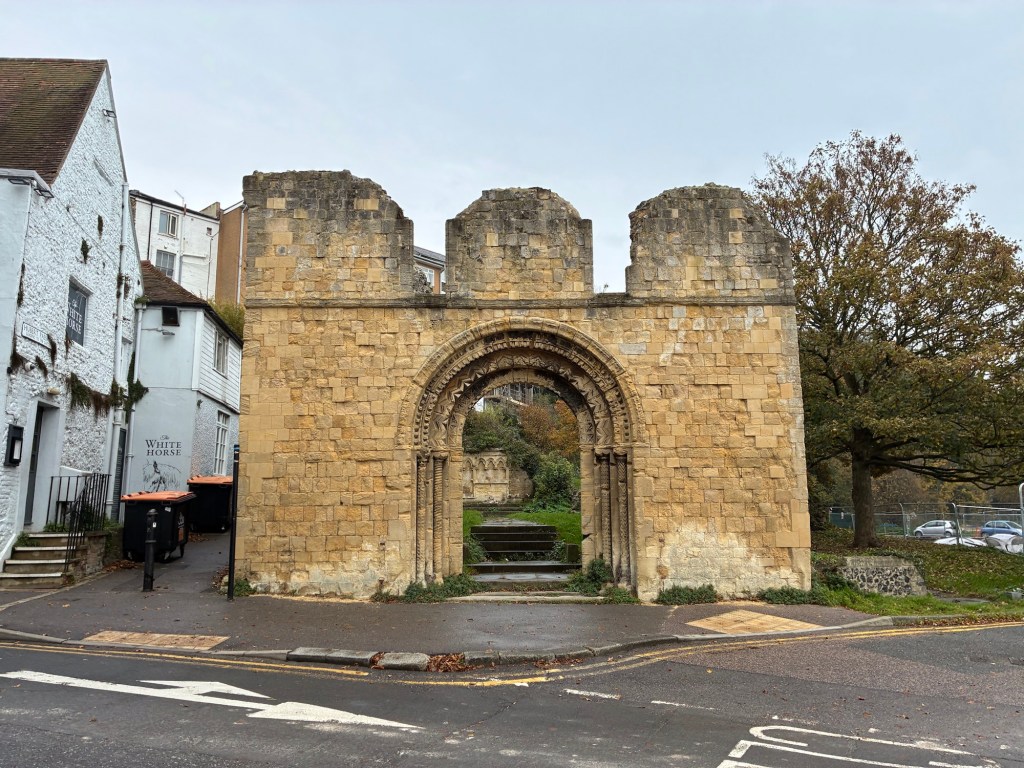
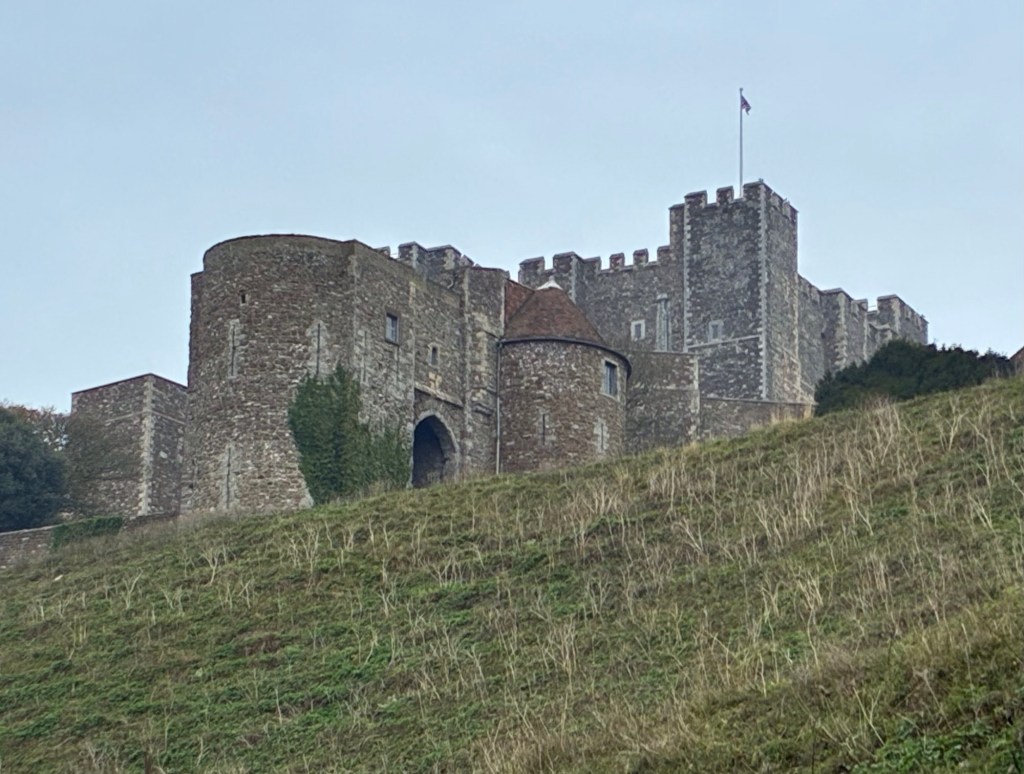
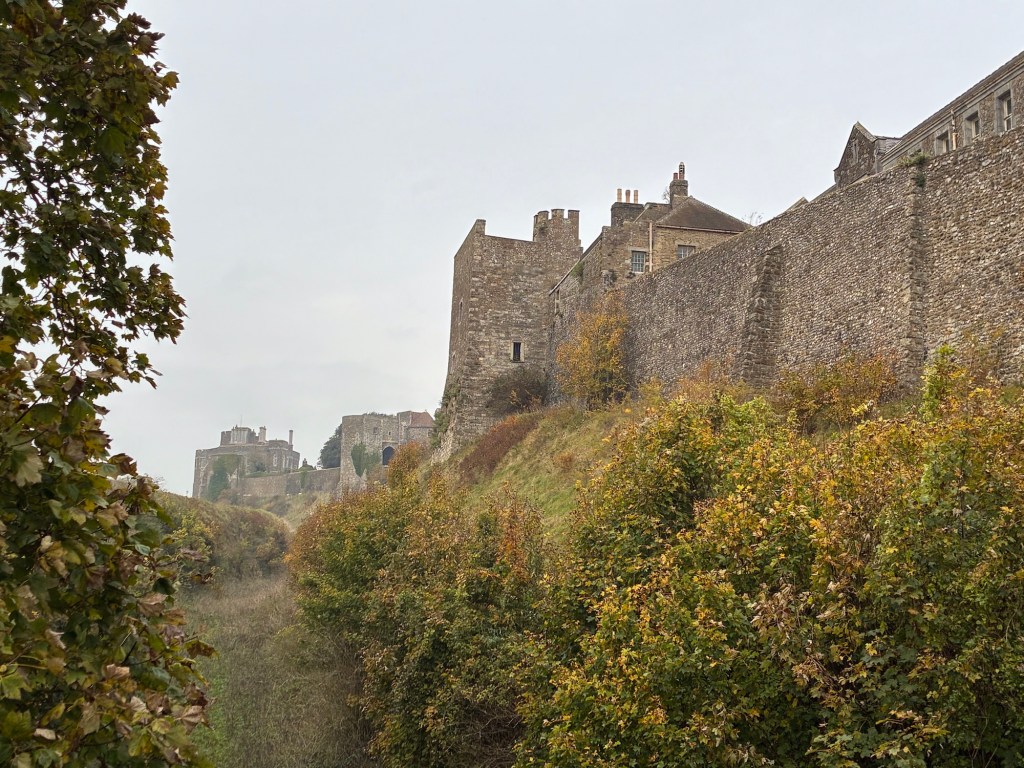
And now today’s history piece. Dover must have been a busy, if somewhat anxious, place in November 1066, as William came to town. Its hill-top refuge would have attracted many from the surrounding area, seeking shelter and defence as the Normans approached. But at some point, possibly on hearing the news of the atrocities inflicted on the folk of Romney, the Town Fathers lost their nerve and surrendered to William in return for some worthless assurances as to the fate of the town and themselves. In the event William’s formidable army, probably still into the thousands (plus many horses), stayed in the town for somewhere between two and four weeks – depending upon what account one believes – awaiting news of a surrender from London that was not forthcoming (and possibly awaiting reinforcements from Normandy). The problem for the invaders was food and water – having expended dependable supplies it would seem that the troops resorted to poorly-prepared food and untreated water, and many went down with dysentery. William too became ill, but had little choice but to move on – if for no other reason than for his entourage and their horses to find new communities to ravage for supplies. The decision was taken to first take the wealthy and important city of Canterbury. And as for Dover – aside from commencing immediate enhancements to the castle – the Normans failed to make good on their promises of security: it seems that the town was plundered, many properties burned, and many locals were put to the sword. Brutal times.
In signing off today, just a note on my ROUTE 1066 progress to date. For my own planning reasons I have divided my 24-day walk into five sections: today marks the completion of my five-day ‘South Coast’ stage of the walk, that I plotted on the OS App to be 71 miles in total – but in fact I have walked just over 78 miles on the path itself, plus another nine miles in ‘extras’ (so about 17 miles per day on average) – plus around 5,000 feet of cumulative ascent. Here is the map of my progress to date:
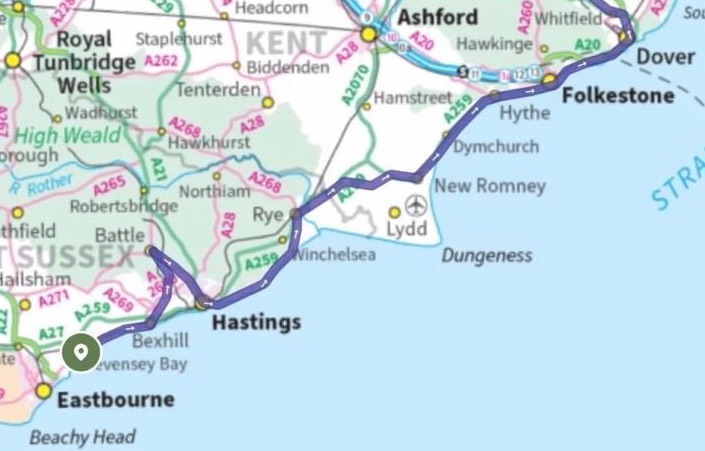
Despite the mileage being higher than scheduled (as is usually the case, as the OS App plots on ‘straight lines’ and does not envisage diversions, etc) I am bearing up quite well. I have no blisters nor other specific ailments to report, though of course I can certainly feel a few aches in my legs at the end of each day. The weather generally has been kind, despite the strong headwind in midweek and some heavy rain showers on Monday and again today, but these have all been manageable – and the cool temperature has been perfect for walking. Emotionally I am ‘in the zone’ now, with my ROUTE 1066 challenge bang on target, and I am up for Stage 2, starting tomorrow – six days across northern Kent and into London! Thank you to all those who have asked after me, and to the many more who are following my Blog and supporting the SAVE CASTLE FIELDS campaign – your support is very much appreciated, as I prepare to turn westward.

Thank you for following my ROUTE 1066 journey – re-tracing the steps of William the Conqueror in 1066 on his 360-mile campaign trail from Pevensey Bay, via Berkhamsted, and on to Westminster Abbey. If you are following my Blog, enjoying the ramble, and would like to help us to SAVE CASTLE FIELDS for future generations by pledging £39 to sponsor a 3×3-metre square of the land, then please click on this link:
THANK YOU ALL FOR SUPPORTING MY ROUTE 1066 WALK, AND FOR HELPING TO PRESERVE THE LEGACY OF CASTLE FIELDS
My Blog heading today ‘Castles’ is taken from a song of that title by English singer-songwriter and multi-instrumentalist Freya Ridings. The number is a break-up song from 2019 as a single to support Ridings’ eponymous debut album, and its release heralded her international breakthrough.


Another very good blog 🤓
Sarah Whale
07784 187506
LikeLike